Best Affordable Camera for landscape photography
As an Amazon Associate we earn from qualifying purchases. Some links in this guide are affiliate links, see our affiliate disclosure for details.
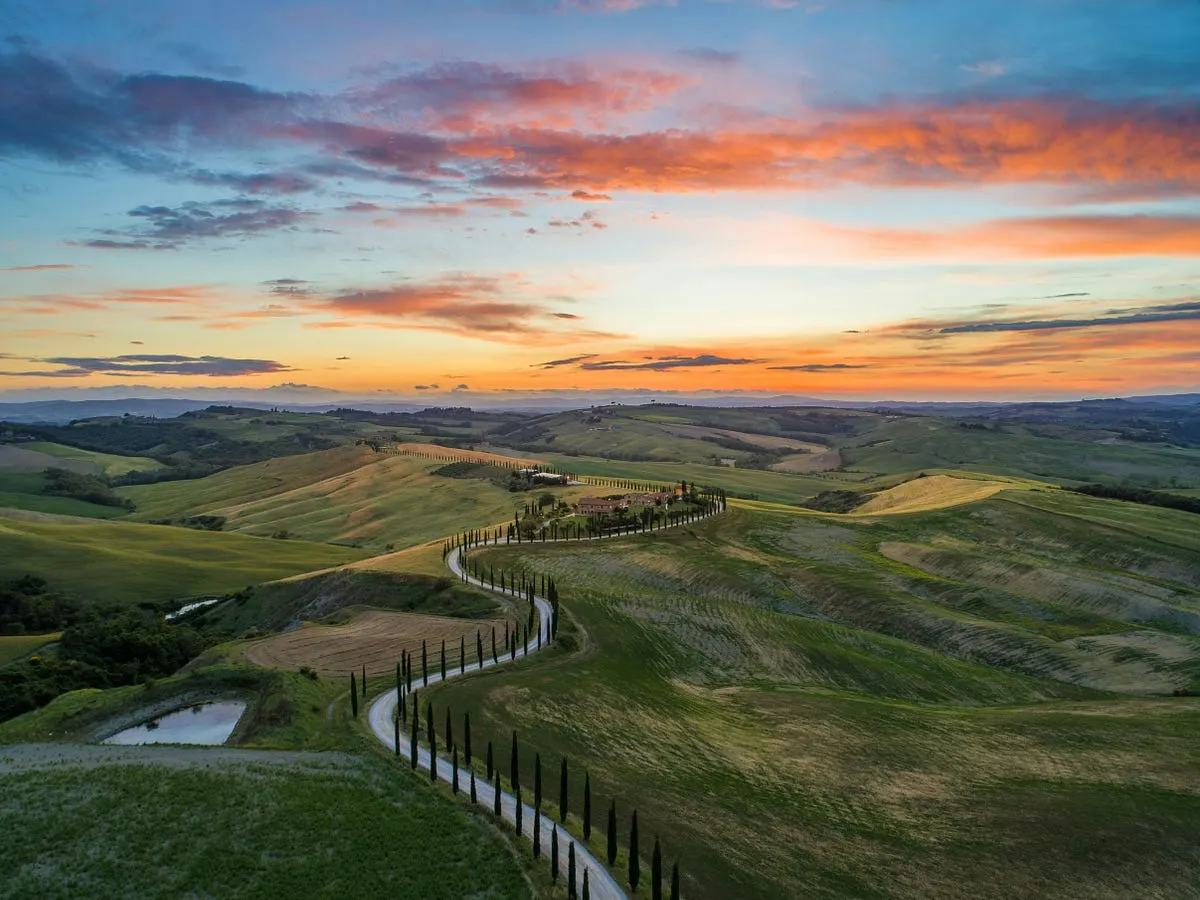
Photo by Luca Micheli on Unsplash
Which affordable camera is best for landscape photography?
The top pick is the Sony a7R III, chosen for its dynamic range and resolution. It also covers why it is still worth buying, its limits, and the lens to pair with it.
Finding a camera that delivers professional-quality landscape photos without costing several thousand dollars isn’t easy.
- Sony a7RIII — Check Sony a7RIII Price on Amazon
- Sony a7RV — Check Sony a7RV Price on Amazon
- Canon EOS R5 — Check Canon EOS R5 Price on Amazon
- Nikon Z7 II — Check Nikon_ Z7 II Price on Amazon
- Sony A1 — Check Sony A1 Price on Amazon
Sony a7RIII
Why the Sony a7R III Is Still Worth Buying in 2026
Technology moves quickly, but image quality doesn’t become outdated overnight. The Sony a7R III still features a 42.4MP full-frame sensor with exceptional dynamic range, making it ideal for landscapes where preserving highlight and shadow detail is critical.
It also supports dual SD card slots, in-body image stabilization (IBIS), Eye AF, weather-resistant construction, USB-C charging, and excellent battery life. Combined with Sony’s extensive E-mount lens ecosystem, it remains one of the smartest long-term investments for photographers who want professional results without paying flagship prices.
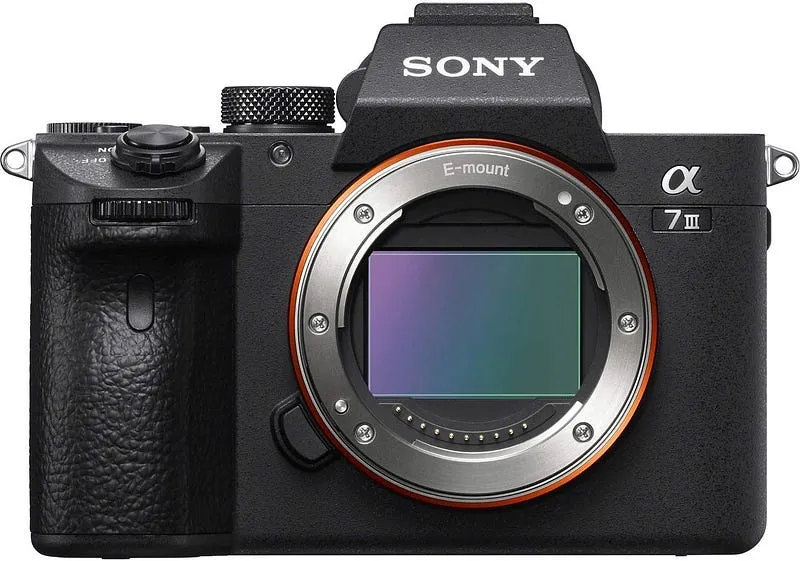
Sony a7R III Key Specifications
| Spec | Detail |
|---|---|
| Sensor | 42.4MP Full-Frame BSI CMOS |
| Dynamic Range | Excellent |
| Image Stabilization | 5-axis IBIS |
| Battery Life | Approx. 650 shots |
| Memory Cards | Dual SD Slots |
| Weather Sealing | Yes |
- Best For:
- Landscapes
- Travel
- Nature
- Fine Art Prints
The Dynamic Range Discovery
But the a7RIII’s impressive dynamic range handled it beautifully, capturing both the subtle details in the shadowy depths and the golden light on the canyon walls. This capability matches what you’d find in today’s top-tier cameras, but at half the price.
If you’re searching for an affordable full-frame camera that delivers exceptional detail, this model continues to be one of the smartest investments for landscape photographers.
Resolution: More Than Just Numbers
The 42-megapixel sensor proved its worth during an unexpected encounter with a distant eagle perched on a cliff.
The Reality Check: Not All Perfect
If you’re looking for the best camera under $1500, especially on the used market, the Sony a7R III deserves serious consideration. Its combination of high resolution, reliable autofocus, excellent battery life, and impressive dynamic range for landscape photography makes it competitive with many newer models that cost significantly more.
Some Frequently Asked Questions.
Why choose a used a7RIII over a brand-new “entry-level” mirrorless camera?
Most new entry-level cameras in the $1,000–$1,500 range have 24-megapixel sensors. The a7RIII gives you 42.4 megapixels. For landscape photographers, that extra resolution is the difference between a nice photo and a gallery-quality print where you can see every individual leaf and rock texture.
Is the weather sealing on the a7RIII reliable for professional landscape work?
While the a7RIII is weather-sealed, it’s not “waterproof.” In heavy mist or light rain, a simple silicone cover or a small rain sleeve is a sensible precaution to protect such a high-performing sensor.
Won’t the 42MP files slow down my computer or fill up my hard drive?
High-resolution images create larger file sizes. Faster V30 or V60 SD cards help keep the camera from lagging during bursts, and a dedicated external SSD is useful for storing a landscape catalog. The extra detail is worth the extra gigabytes.
What lens should I pair with this for the “ultimate” affordable landscape kit?
To keep the “affordable” theme going, look at Tamron or Sigma E-mount lenses. The Tamron 17–28mm f/2.8 or the Sigma 24–70mm f/2.8 Art are significantly cheaper than Sony’s “G-Master” glass but are sharp enough to take full advantage of that 42MP sensor.
Is the menu system really that difficult to navigate?
Coming from a DSLR, the Sony “endless list” menus can be a shock. The custom menu tab helps: placing the most-used landscape settings, such as Focus Magnification, Silent Shooting, and Format, in that one tab avoids hunting through the main menu in the field.
Can beginners use the Sony a7R III?
Yes. While it includes many advanced features, beginners can easily grow into the camera. Auto mode works well for learning, and as your skills improve, you can explore manual settings, exposure bracketing, focus magnification, and custom buttons without needing to upgrade your camera.
What is the best lens for landscape photography with the Sony a7R III?
If you’re looking for a versatile everyday lens, the Sigma 24–70mm f/2.8 Art is an excellent choice and offers outstanding sharpness for landscapes.
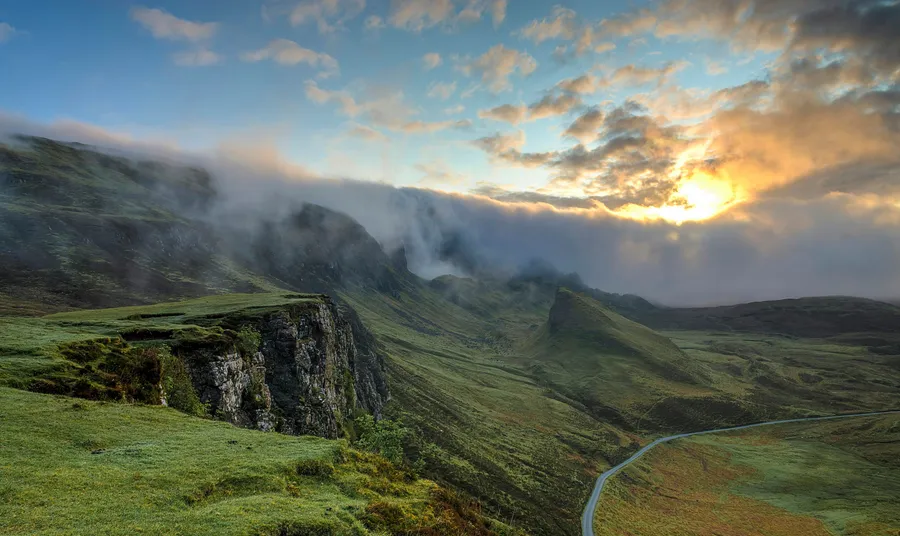
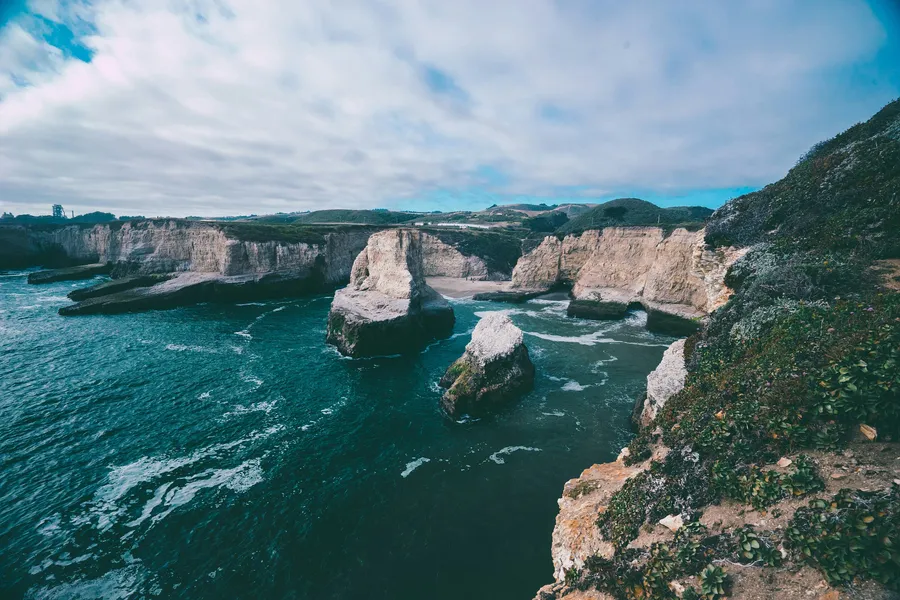
Photo by Joseph Barrientos on Unsplash
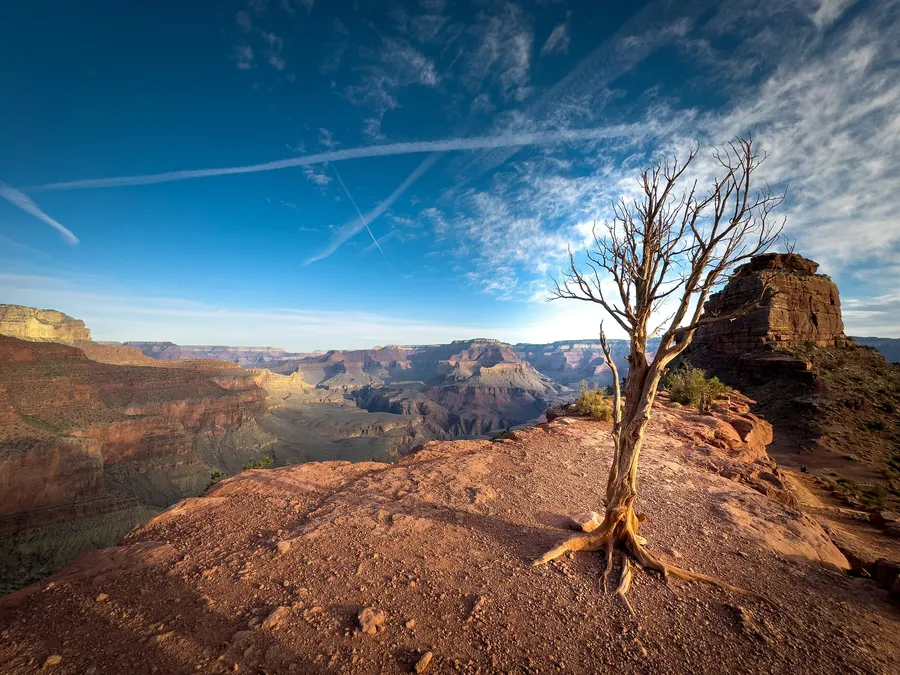
Photo by Danny Shives on Unsplash
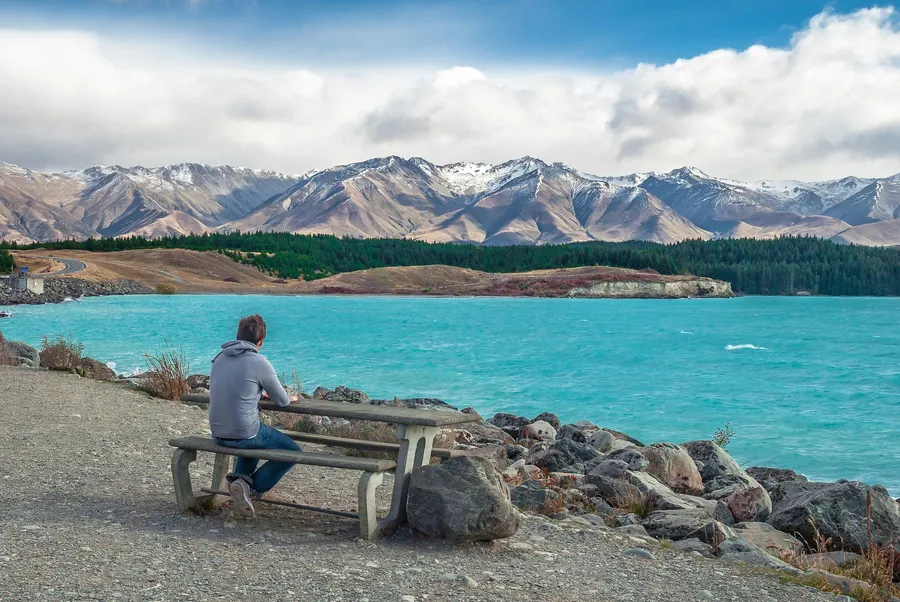
Photo by Nikolay Loubet on Unsplash
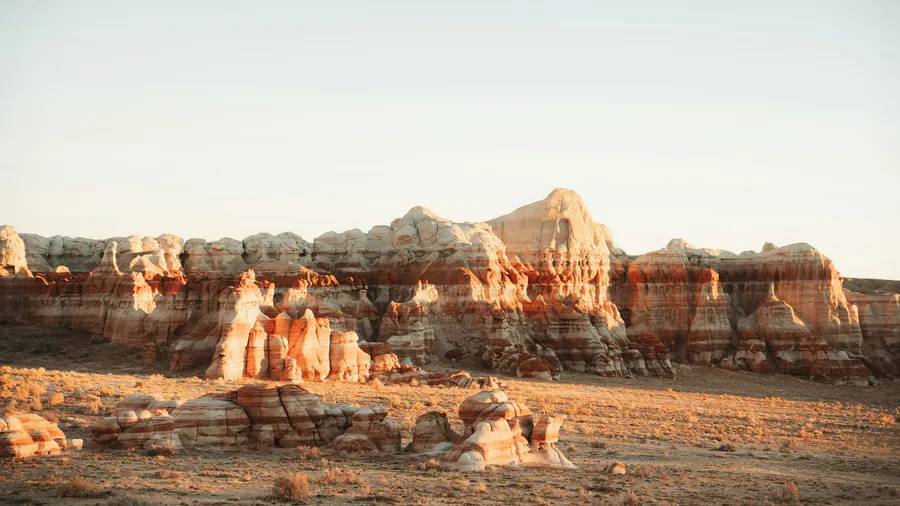
Photo by Brady Stoeltzing on Unsplash
Pair this guide with Best Affordable Camera for Portrait Photography, Best Compact Camera for Travel Under $500, and the field-of-view calculator.
Common Buying & Setup Questions
Can beginners use the Sony a7R III?
Yes. While it includes many advanced features, beginners can easily grow into the camera. Auto mode works well for learning, and as your skills improve, you can explore manual settings, exposure bracketing, focus magnification, and custom buttons without needing to upgrade your camera.
What is the best lens for landscape photography with the Sony a7R III?
If you’re looking for a versatile everyday lens, the Sigma 24–70mm f/2.8 Art is an excellent choice and offers outstanding sharpness for landscapes.
What focal length, aperture, and shutter speed work best for landscape, national parks (yosemite/yellowstone) & waterfalls?
For landscape, national parks (yosemite/yellowstone) & waterfalls, pair a 14mm – 35mm (wide foregrounds) and 70mm – 200mm (compressed mountain layers) lens at f/8 – f/11 (focused at the hyperfocal distance, roughly 1/3 into the scene) with a shutter speed of 1/2s – 2s on tripod with ND64 filter for silky waterfalls; 1/125s handheld and a working distance of 0.5m foreground rock to infinity horizon. Recommended setup: Circular Polarizer (cuts wet leaf/water glare) + 6-stop ND filter + carbon fiber tripod with 2-second shutter delay..
Camera & Lens Settings by Real-World Use Case
Match your focal length, aperture, shutter speed, and lighting modifier to the exact environment you shoot in.
Landscape, National Parks (Yosemite/Yellowstone) & Waterfalls
- Best Body:
- Sony A7R IV / Nikon Z7 II / Fujifilm GFX 50S II
- Ideal Lens:
- 16–35mm f/4 or f/2.8 (foreground drama) + 24–105mm f/4 (all-day trail)
- Aperture & Shutter:
- f/8 – f/11 (focused at the hyperfocal distance, roughly 1/3 into the scene) · 1/2s – 2s on tripod with ND64 filter for silky waterfalls; 1/125s handheld
- Room Distance:
- 0.5m foreground rock to infinity horizon
Action Sports, Motorcycle Helmet, Snorkeling & Kayak Fishing
- Best Body:
- GoPro Hero 12 Black / DJI Osmo Action 5 Pro
- Ideal Lens:
- Ultra-Wide 155°–177° fixed f/2.8 with hydrophobic replaceable lens cover
- Aperture & Shutter:
- Fixed f/2.8 (pair with ND8/ND16/ND32 filters for realistic motion blur in moto-vlogs) · Auto (for max stabilization) or 1/120s with ND filter
- Room Distance:
- Chin-mount POV to 3m follow-cam
Tattoo Artists & Micro-Realism Portfolios
- Best Body:
- Sony Alpha a7 III / Fujifilm X-T4
- Ideal Lens:
- 90mm f/2.8 Macro (detail) or 50mm f/1.8 (sleeves & back pieces)
- Aperture & Shutter:
- f/5.6 – f/8 (keeps curved forearms and calves sharp edge-to-edge) · 1/125s – 1/200s handheld (or 1/60s on tripod)
- Room Distance:
- 0.4m – 1.5m (1.5 to 5 ft)

Written by
Marien CartelMarien Cartel runs Marien Cartel Photography, a camera and lens buying-guide site, and photographs the gear shown on it.
Related Guides
Best Affordable Camera for Travel: Top Picks & Sensor Comparison
Best Affordable Camera for Travel: a side-by-side look at Canon EOS R50, Sony ZV-E10 and Canon EOS R100, with strengths, trade-offs and buying advice.
Best Affordable Retro Cameras: Sensor Size, Stabilization & Picks
Best Affordable Retro Cameras — what the Olympus OM-10 offers, where it falls short, and whether it is worth buying.

Best Affordable Camera for Pet Photography
Best Affordable Camera for Pet Photography: what to look for, what to skip and how to choose the right one for your budget.
Best camera for Landscape Photography
Best camera for Landscape Photography: a side-by-side look at Sony A7R IV, Nikon Z7 II and Canon EOS R5, with strengths, trade-offs and buying advice.
Best Affordable Point And Shoot Digital Camera
Best Affordable Point And Shoot Digital Camera — what the Canon PowerShot G7 X Mark offers, where it falls short, and whether it is worth buying.
Best Affordable Camera for Wildlife Photography
Best Affordable Camera for Wildlife Photography: Canon EOS 7D and Canon EF 75–300mm f/4–5.6 III compared on features, price and who each one suits.