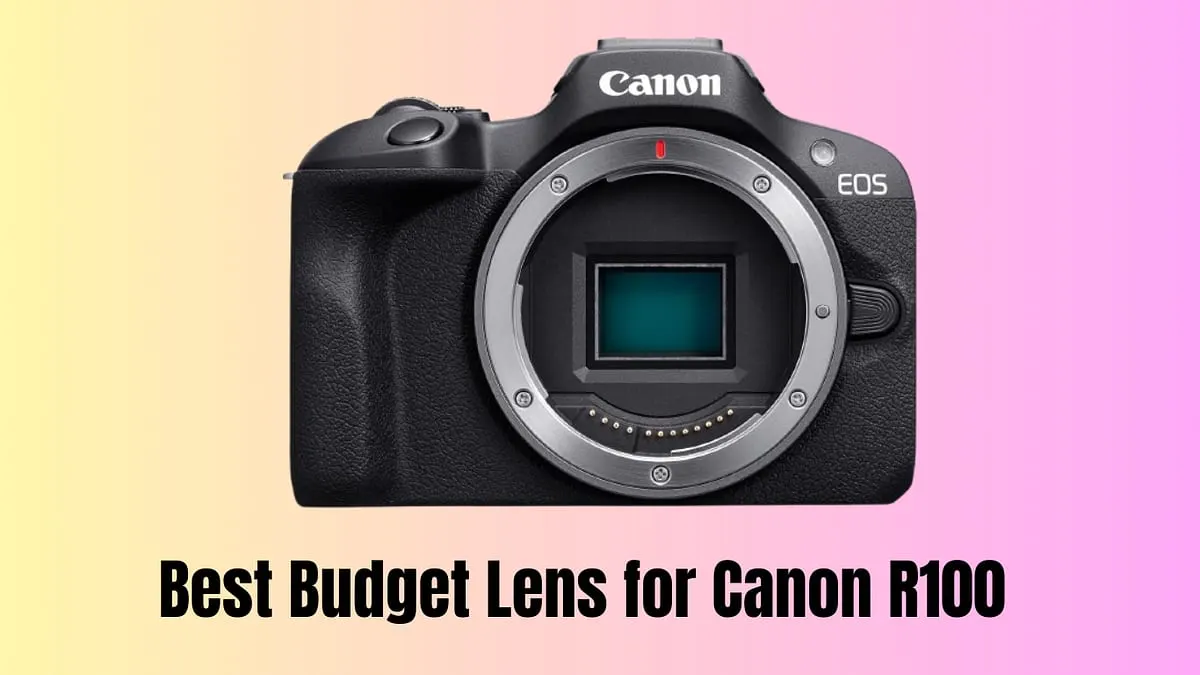
Best Budget Lens for Canon R100
As an Amazon Associate we earn from qualifying purchases. Some links in this guide are affiliate links — see our affiliate disclosure for details.
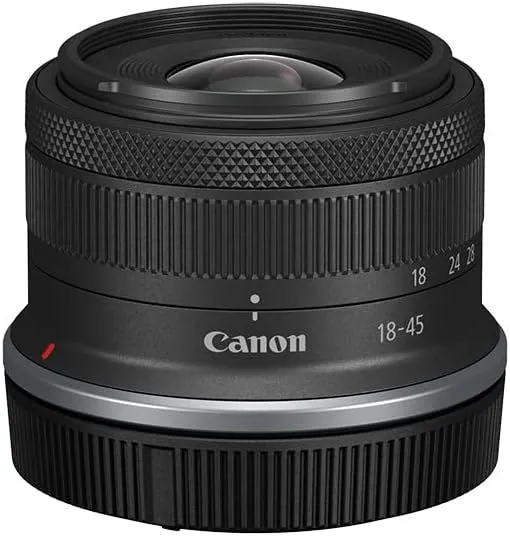
For a Canon R100, the best budget lens option is generally considered to be the Canon RF-S 18–45mm f/4.5–6.3 IS STM, which often comes as a kit lens with the camera body, offering a versatile focal length range at an affordable price point for beginners and casual photographers.
Key points about the RF-S 18–45mm:
- Good for general use: Covers a wide range of photography situations including portraits, landscapes, and everyday snapshots.
- Compact and lightweight: Ideal for portability, especially with a camera like the R100.
- Image stabilization (IS): Helps reduce camera shake, particularly in low-light conditions.
Other budget lens options to consider depending on your needs:
- Canon RF-S 55–210mm:
- A good zoom lens for wildlife or distant subjects, often bundled with the 18–45mm kit.
- Sigma 18–50mm:
- A third-party lens with a wider aperture than the Canon kit lens, providing better low-light performance.
- Canon RF 50mm f/1.8 STM:
- A classic portrait lens with a fast aperture for beautiful bokeh, though slightly more expensive than the zoom options.
When I first picked up my Canon R100, I was buzzing with excitement. Here was this compact, mirrorless camera, promising to unlock my creative potential. But I quickly realized that the kit lens, while decent, wasn’t going to cut it for the kind of photography I wanted to do. I yearned for sharper images, better low-light performance, and the ability to capture a wider range of subjects.
The problem? My budget was tighter than a drum. As a young enthusiast, I couldn’t justify shelling out hundreds of dollars for fancy lenses. So, I embarked on a quest to find the best budget-friendly options for my R100. It was a journey of research, experimentation, and a few frustrating moments, but ultimately, it led me to some real gems.
My First Love: The Canon RF 50mm f/1.8 STM
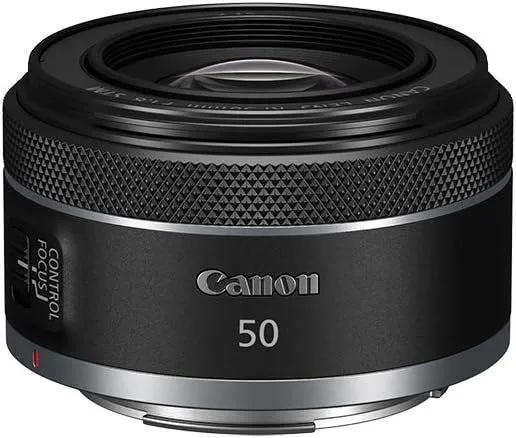
This lens was a game-changer. It was like stepping into a whole new world of photography. The 50mm focal length was perfect for portraits, giving me that beautiful background blur I’d always admired. And the f/1.8 aperture? Let’s just say my low-light photos went from grainy messes to works of art. Plus, it was so compact and lightweight, it barely added any bulk to my camera bag.

Photo by omid armin on Unsplash
Expanding My Horizons: The Canon RF 16mm f/2.8 STM
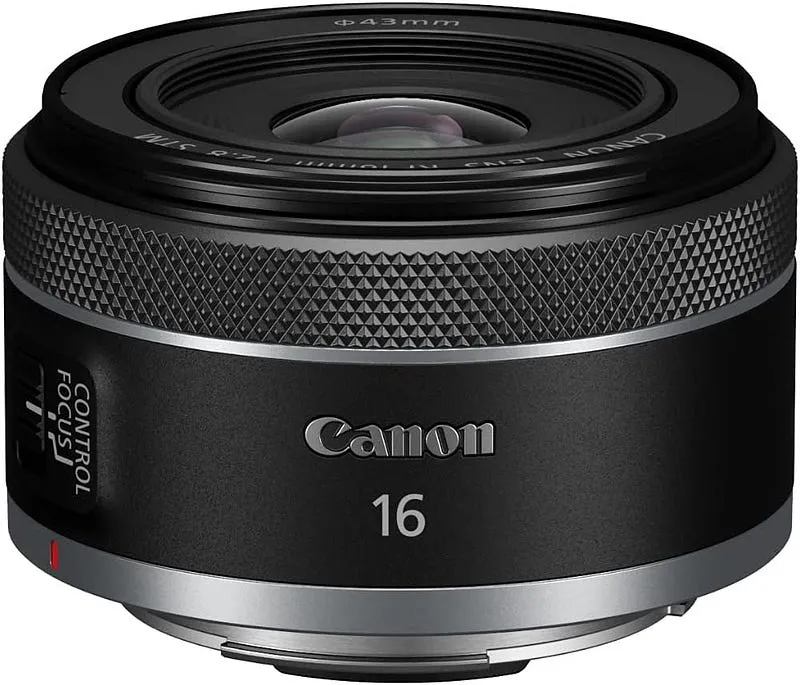
After mastering the 50mm, I wanted to capture the grandeur of landscapes and the intimacy of street scenes. That’s when I discovered the 16mm. This wide-angle lens opened up a whole new perspective, allowing me to capture sweeping vistas and dramatic architectural shots. It was also surprisingly affordable, making it a great addition to my growing collection.

Photo by Paul Pastourmatzis on Unsplash
The All-Rounder: The Sigma 18–50mm f/2.8 DC DN Contemporary
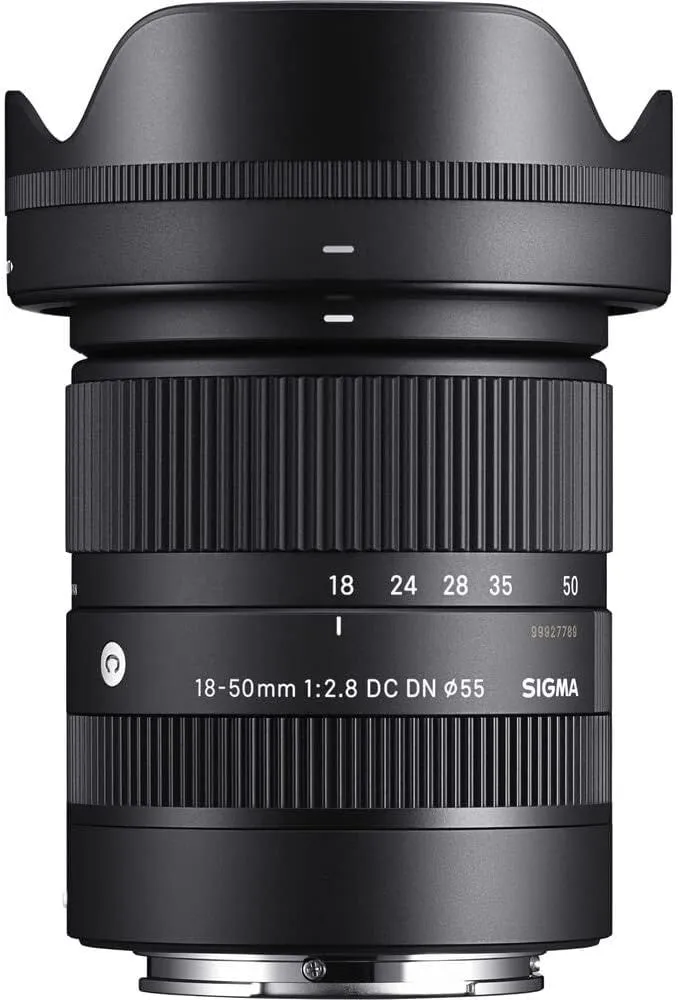
While prime lenses were great for specific purposes, I needed something more versatile for everyday shooting. Enter the Sigma 18–50mm. This zoom lens offered a fantastic range of focal lengths, allowing me to go from wide-angle to telephoto with a simple twist. It was perfect for travel, family gatherings, and those spontaneous moments when you don’t have time to switch lenses.

Photo by Adrien Delforge on Unsplash
My Telephoto Adventure: The Canon RF-S 55–210mm f/5–7.1 IS STM
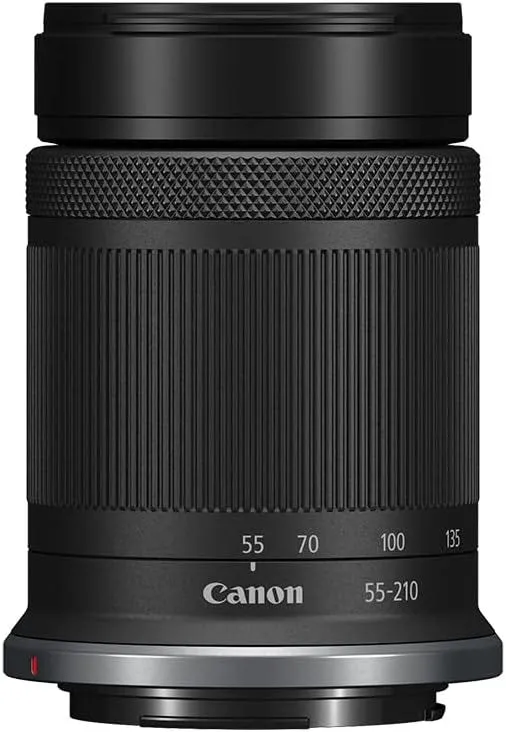
Wildlife and sports photography had always intrigued me, but I knew those genres required a telephoto lens. The Canon 55–210mm was the answer to my prayers. It brought distant subjects closer, allowing me to capture stunning close-ups of birds in flight and athletes in action. Sure, it wasn’t the fastest lens, but for the price, it was a fantastic entry point into the world of telephoto photography.
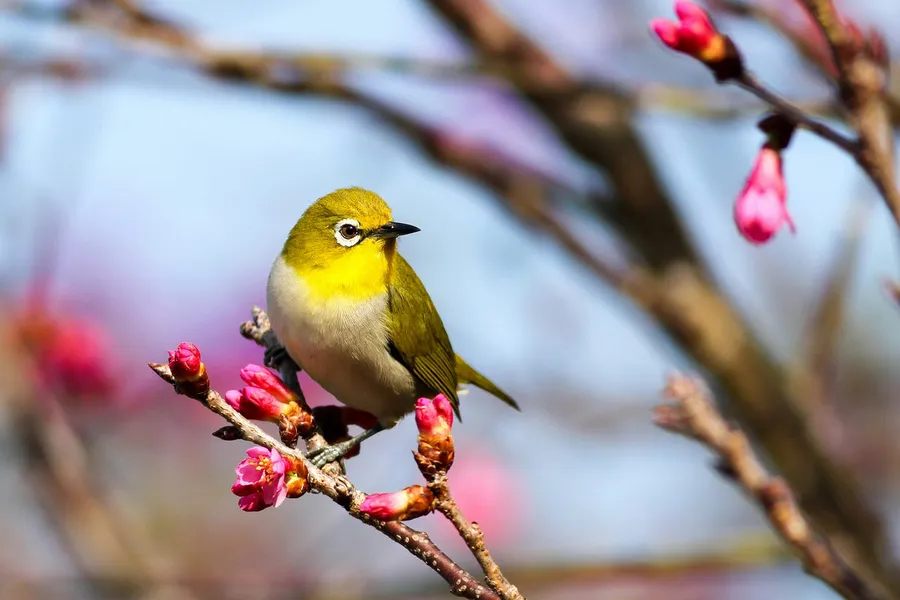
Photo by Boris Smokrovic on Unsplash
A Few Words of Wisdom
Finding the right lenses for your Canon R100 can be a daunting task, especially when you’re on a budget. But don’t let that discourage you. There are plenty of affordable options out there that can deliver stunning results. Here are a few tips I learned along the way:
- Do your research: Read reviews, watch videos, and ask other photographers for recommendations.
- Consider your needs: What kind of photography do you enjoy? What subjects do you want to capture?
- Don’t be afraid to experiment: Try different lenses and see what works best for you.
- Buy used: You can often find great deals on used lenses from reputable sellers.
My Final Thoughts
My journey to find the best budget lenses for my Canon R100 was a rewarding one. I discovered some incredible glass that didn’t break the bank, and I learned a lot about photography in the process. Remember, it’s not about having the most expensive gear; it’s about using what you have to its full potential. So, grab your R100, find the lenses that inspire you, and go out there and create some amazing images!

Photo by Bogdan Farca on Unsplash

Written by
Marien CartelProfessional and Certified Digital Photographer born in the USA, with 22 years of experience in the field of photography.
Related Guides

Best Lens for Panasonic LUMIX S5: (2026 Guide & Reviews)
Unlocking the Cinematic Soul of the L-Mount System. What the Sigma 24–70mm f/2.8 DG DN gets right, what it does not, and who should buy it.

Best Lens for Wide Shots
The Ultimate Guide to the Best Lens for Wide Shots: Field-Tested Review & Personal Experience

Best Lenses for Interior Photography
Best Lenses for Interior Photography. Here is how the Canon R6 Mark II and Canon EOS R6 Mark II compare, and the one I keep going back to.