Best Telephoto Lens for Canon
As an Amazon Associate we earn from qualifying purchases. Some links in this guide are affiliate links — see our affiliate disclosure for details.
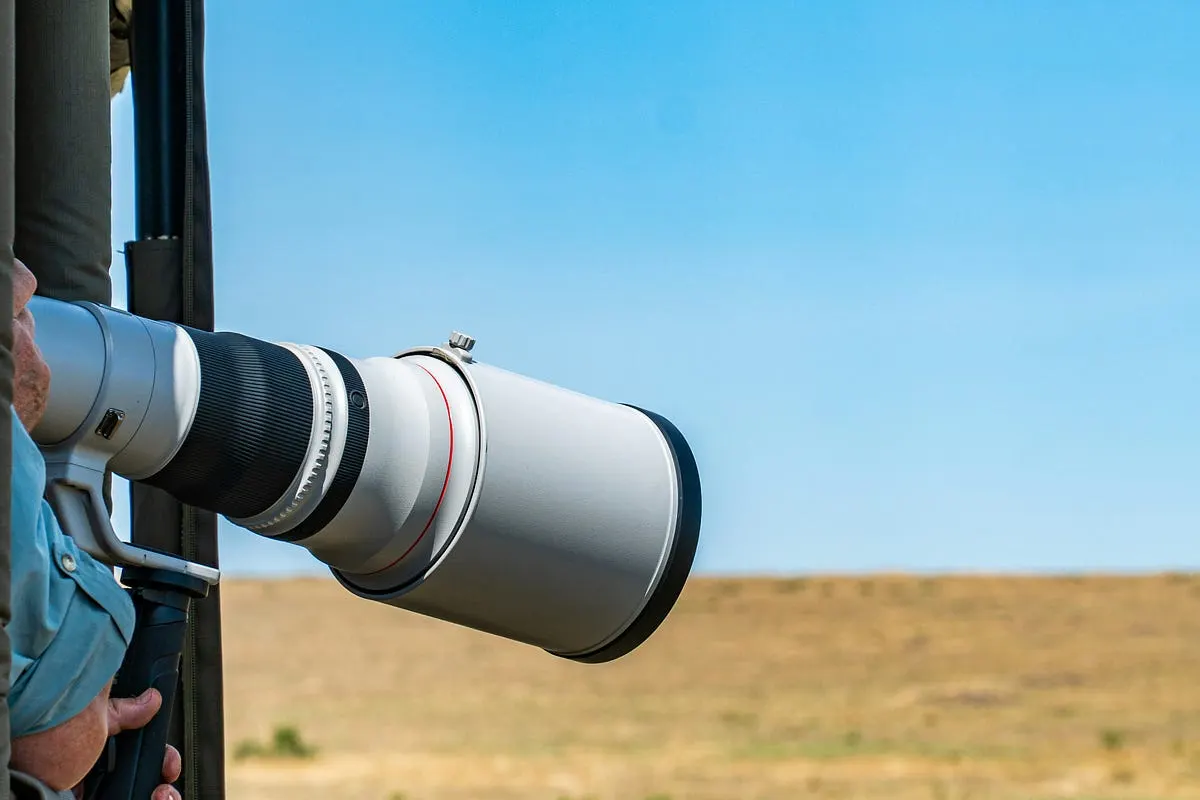
Photo by Martin Sanchez on Unsplash
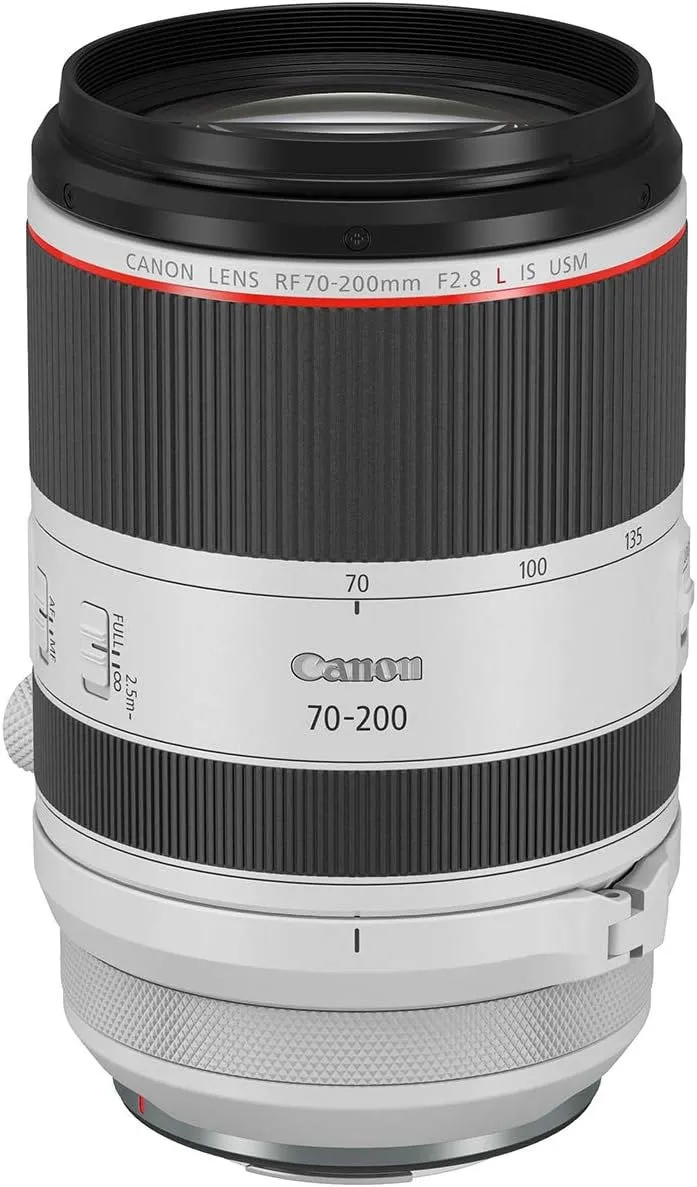
The best telephoto lens for Canon is the Canon RF 70–200mm f/2.8L IS USM; it offers excellent image quality, fast aperture for low-light shooting, and is considered a professional-grade lens perfect for sports, wildlife, and travel photography.
Key points about this lens:
- Fast aperture: f/2.8 throughout the zoom range, allowing for great low-light performance.
- Image stabilization (IS): Helps reduce camera shake for sharper images, especially when shooting handheld.
- L series quality: Signifies exceptional build quality and optical performance.
Other good Canon telephoto options:
- Canon RF 100–400mm f/5.6–8 IS USM: A more budget-friendly option with a longer reach.
- Canon RF 100–500mm f/4.5–7.1L IS USM: For even further zoom with excellent image quality
- Canon EF 70–300mm f/4–5.6 IS II USM: A good choice for beginners looking for a versatile telephoto zoom.
For years, I’d admired wildlife photographers capturing stunning images of elusive birds and distant animals. I longed to do the same, to bridge the gap between my eyes and the world’s hidden wonders. The problem? My trusty kit lens just wasn’t cutting it. Everything looked like a tiny speck in the frame. That’s when my quest for the perfect telephoto lens began. And let me tell you, it was a journey!
Choosing a telephoto lens for your Canon camera can feel overwhelming. There’s a dizzying array of options, from budget-friendly to professional-grade, each with its own strengths and weaknesses. I spent countless hours researching, reading reviews, and even renting a few lenses to test them out in the field. It was an investment, both in time and money, but one that I knew would transform my photography.
My initial mistake was focusing solely on the zoom range. I thought bigger numbers meant better pictures. While a long reach is important, I quickly learned that image quality, autofocus performance, and build quality are equally crucial. My first rental was a super-zoom lens that boasted an incredible focal length, but the images were soft and lacked detail, especially at the longer end. Frustrating!
Through trial and error, I discovered that the “perfect” lens is subjective and depends on your specific needs and budget. What works for a sports photographer might not be ideal for a wildlife enthusiast. For me, I needed a lens that offered a good balance of reach, image quality, and portability. I often hike long distances, so lugging around a massive, heavy lens wasn’t practical.
Here are a few Canon telephoto lenses that I considered, and why I eventually made my final choice:
- Canon EF-S 55–250mm f/4–5.6 IS STM: This was a strong contender for a budget-friendly option. It’s lightweight and offers a decent zoom range, perfect for beginners. While the image quality isn’t professional-grade, it’s surprisingly good for the price. If you’re just starting out and want to dip your toes into telephoto photography, this is a great place to start.
- Canon EF 70–300mm f/4–5.6 IS USM / IS II USM: A step up from the 55–250mm, these lenses offer improved image quality and faster autofocus. The newer IS II USM version is particularly impressive with its Nano USM technology, which provides smooth and quiet autofocus. This was a serious contender for me.
- Canon EF 100–400mm f/4.5–5.6L IS II USM: This is a professional-grade lens and was definitely on my wishlist. The image quality is exceptional, the autofocus is lightning fast, and the build quality is superb. However, it’s also significantly more expensive and heavier than the other options. While I lusted after this lens, the price tag made me think twice.
- Canon EF 70–200mm f/4L USM / f/2.8L USM / f/2.8L IS II USM: These are legendary lenses known for their incredible image quality and fast aperture. The f/4 version is lighter and more affordable, while the f/2.8 versions are better suited for low-light conditions. These were tempting, especially the f/4, but I felt I needed more reach for wildlife.
My ultimate decision? After much deliberation, I chose the Canon EF 70–300mm f/4–5.6 IS II USM. It struck the perfect balance between reach, image quality, autofocus performance, and portability. It wasn’t the cheapest option, but it was an investment I was willing to make. The Nano USM autofocus is a game-changer, and the image stabilization helps me capture sharp images even at longer focal lengths.
Since adding this lens to my kit, my photography has been transformed. I can now capture crisp close-ups of birds in flight, zoom in on distant landscapes, and finally capture the details that were previously beyond my reach. The joy of seeing a tiny bird fill my frame, the intricate patterns of its feathers now visible, is truly rewarding.
My journey to finding the perfect telephoto lens wasn’t easy, but it was worth every minute. If you’re considering investing in a telephoto lens for your Canon camera, I encourage you to do your research, try renting a few different options, and find the lens that best suits your needs and budget. Happy shooting!

Photo by Tom Briskey on Unsplash
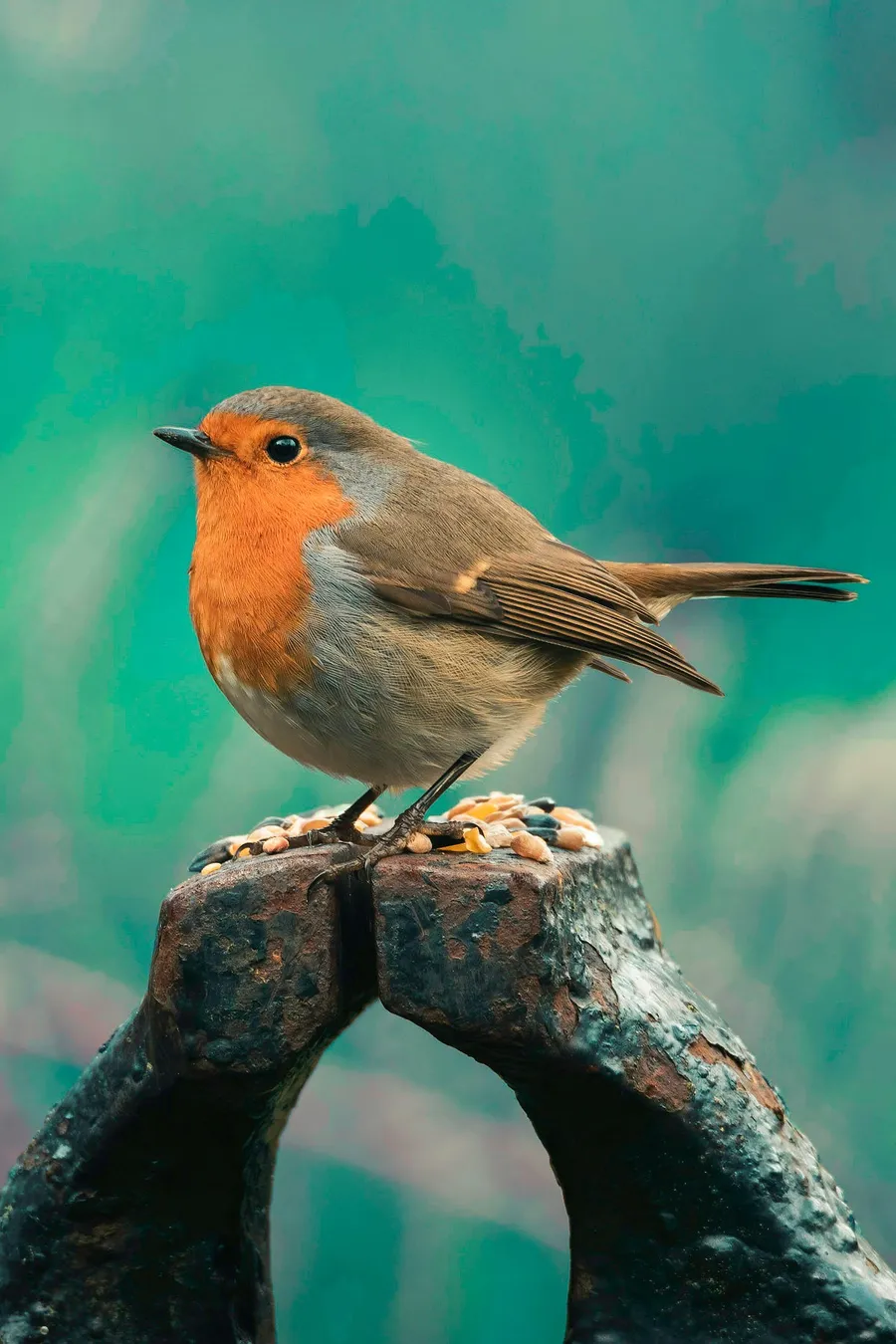
Photo by AARN GIRI on Unsplash

Photo by Wynand van Poortvliet on Unsplash

Written by
Marien CartelProfessional and Certified Digital Photographer born in the USA, with 22 years of experience in the field of photography.
Related Guides

Best Lens for Panasonic LUMIX S5: (2026 Guide & Reviews)
Unlocking the Cinematic Soul of the L-Mount System. What the Sigma 24–70mm f/2.8 DG DN gets right, what it does not, and who should buy it.

Best Lens for Wide Shots
The Ultimate Guide to the Best Lens for Wide Shots: Field-Tested Review & Personal Experience

Best Lenses for Interior Photography
Best Lenses for Interior Photography. Here is how the Canon R6 Mark II and Canon EOS R6 Mark II compare, and the one I keep going back to.