10 Best Cameras for Amateur Photographers
As an Amazon Associate we earn from qualifying purchases. Some links in this guide are affiliate links — see our affiliate disclosure for details.
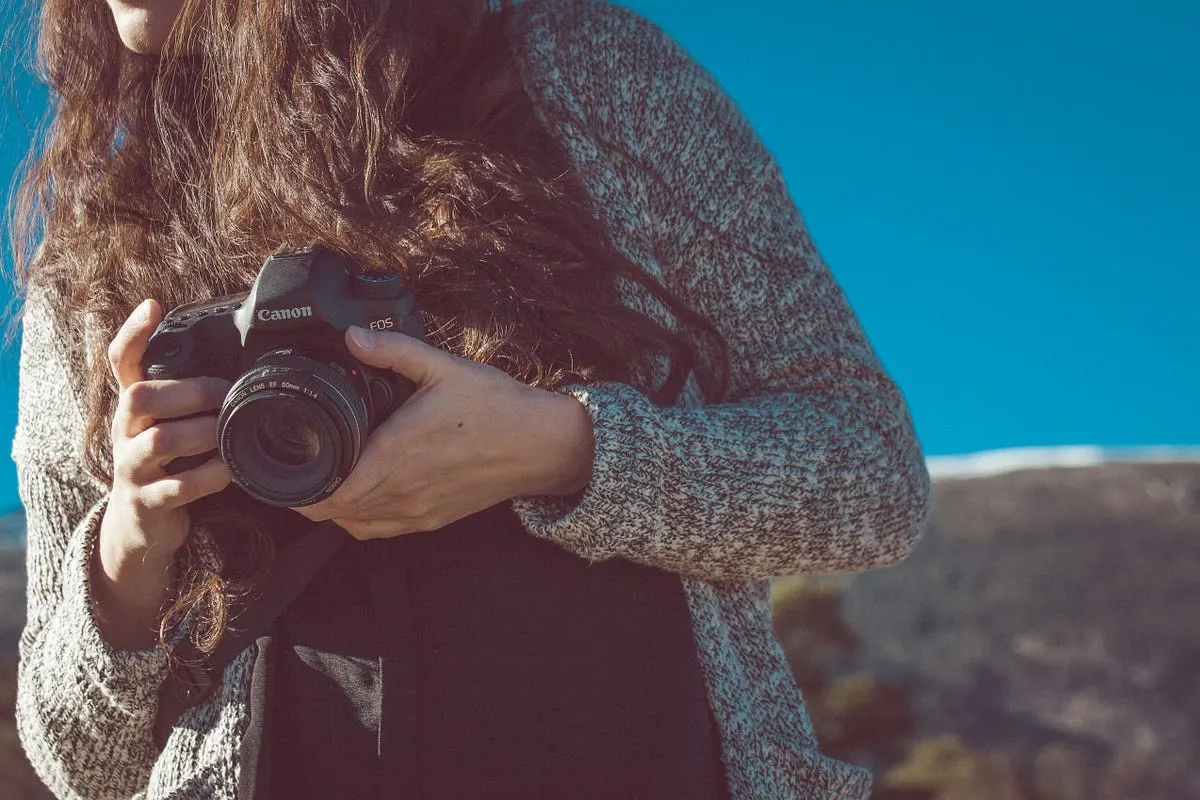
Photo by Mario Calvo on Unsplash
I still remember the feeling: a mix of excitement and sheer overwhelm, standing in the middle of a massive electronics store, staring at a wall of cameras.
This was me, eight years ago. I had just returned from a trip to the Pacific Northwest, armed with a hundred blurry, poorly-lit photos from my smartphone. I had seen breathtaking landscapes but failed to capture even a fraction of their magic. In that moment, I decided I was going to become a “photographer.”
I bought the biggest, most “professional-looking” DSLR I could afford on my beginner’s budget. It was heavy, complicated, and came with a lens that promised to do everything (and did nothing exceptionally well). For the first six months, I shot almost entirely in “Auto.” The results were… better than my phone, but still disappointing. The camera felt like a complex alien device, and I was ready to relegate it to the back of my closet.
My turning point came not from a technical manual, but from a simple realization: I had bought a camera for a photographer I wasn’t, instead of the photographer I was.
I needed a teacher, not a tank.
Once I traded down for a simpler, more intuitive camera, everything clicked. I started to understand light, composition, and how a camera actually sees the world. That journey from frustration to passion is exactly why I’ve put together this guide.
If you’re where I was, here are the best types of cameras for amateur photographers, chosen not just for specs, but for how they help you learn and grow.
Mirrorless Cameras
- Best Overall: Sony A7 IV — Offers excellent image quality, autofocus, and video capabilities.
- Best for Beginners: Canon EOS R10 — User-friendly with impressive performance and features.
- Best APS-C: Canon EOS R7 — Great for action and wildlife photography with fast autofocus.
- Best Micro Four Thirds: Olympus OM-1 II — Compact and versatile with excellent image stabilization.
- Best Premium Compact: Fujifilm X100VI — High-quality images in a pocket-sized package.
DSLRs
- Best DSLR Overall: Nikon D7500 — Offers a great balance of features and performance.
- Best Beginner DSLR: Nikon D3500 — Easy to use and delivers excellent image quality.
Other Options
- Best Value: Olympus OM-D E-M10 Mark IV — Affordable and versatile with good image quality.
- Best Instant Camera: Fujifilm Instax Mini 12 — Fun and easy to use for instant prints.
Important Considerations:
- Budget: Determine how much you’re willing to spend.
- Type of Photography: Consider what you enjoy shooting (portraits, landscapes, action, etc.).
- Size and Weight: Think about how you’ll be carrying the camera.
- Features: Look for features that suit your needs, like image stabilization, video capabilities, and touchscreen.
Remember: The best camera is the one you’ll use consistently. Don’t get overwhelmed by specs; focus on finding a camera that inspires you to take pictures.
Tips:
- Practice regularly and experiment with different settings.
- Learn about composition and lighting.
- Edit your photos to enhance their impact.
The Most Important Thing I Learned
The best camera isn’t the one with the most megapixels or the highest price tag. The best camera is the one you enjoy using and actually carry with you.
My fancy, complicated DSLR collected dust. My smaller, intuitive mirrorless camera came with me everywhere and became my teacher. It was the tool that helped me understand the why, not just the how.
Your Assignment:
- Be honest about your lifestyle. Will you carry a heavy bag? Or does it need to fit in a purse?
- Go to a store and hold them. How does it feel in your hands? Are the buttons confusing?
- Focus on the lens. The “kit lens” is a great start, but plan for your first upgrade to be a prime lens (like a 35mm or 50mm). It will force you to move your feet and see the world differently.
Your journey into photography should be filled with “aha!” moments, not frustration. Choose a camera that feels like a partner, not a obstacle. Now get out there and start shooting
What was your first camera experience like? Share your stories in the comments below!
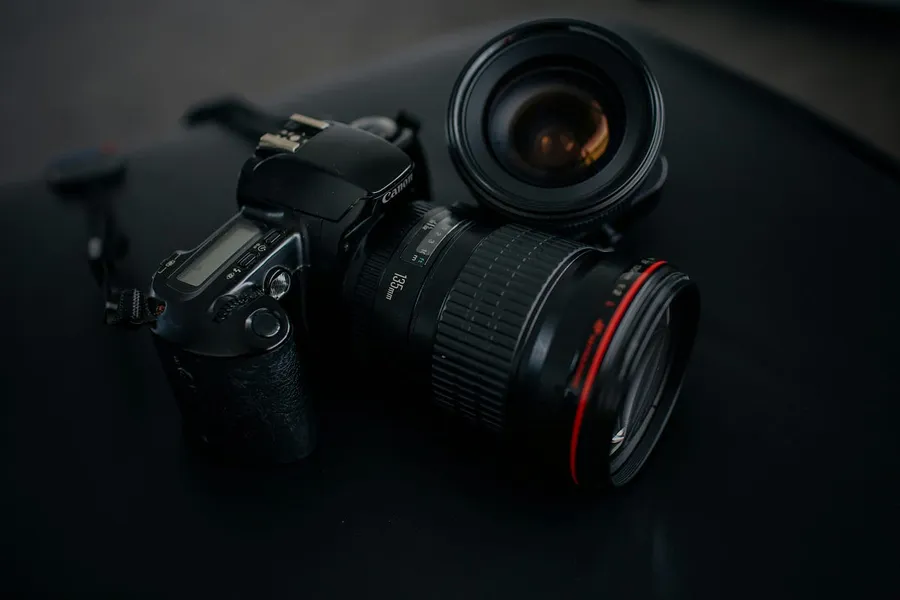
Photo by William Thomas on Unsplash
Written by
Marien CartelProfessional and Certified Digital Photographer born in the USA, with 22 years of experience in the field of photography.
Related Guides
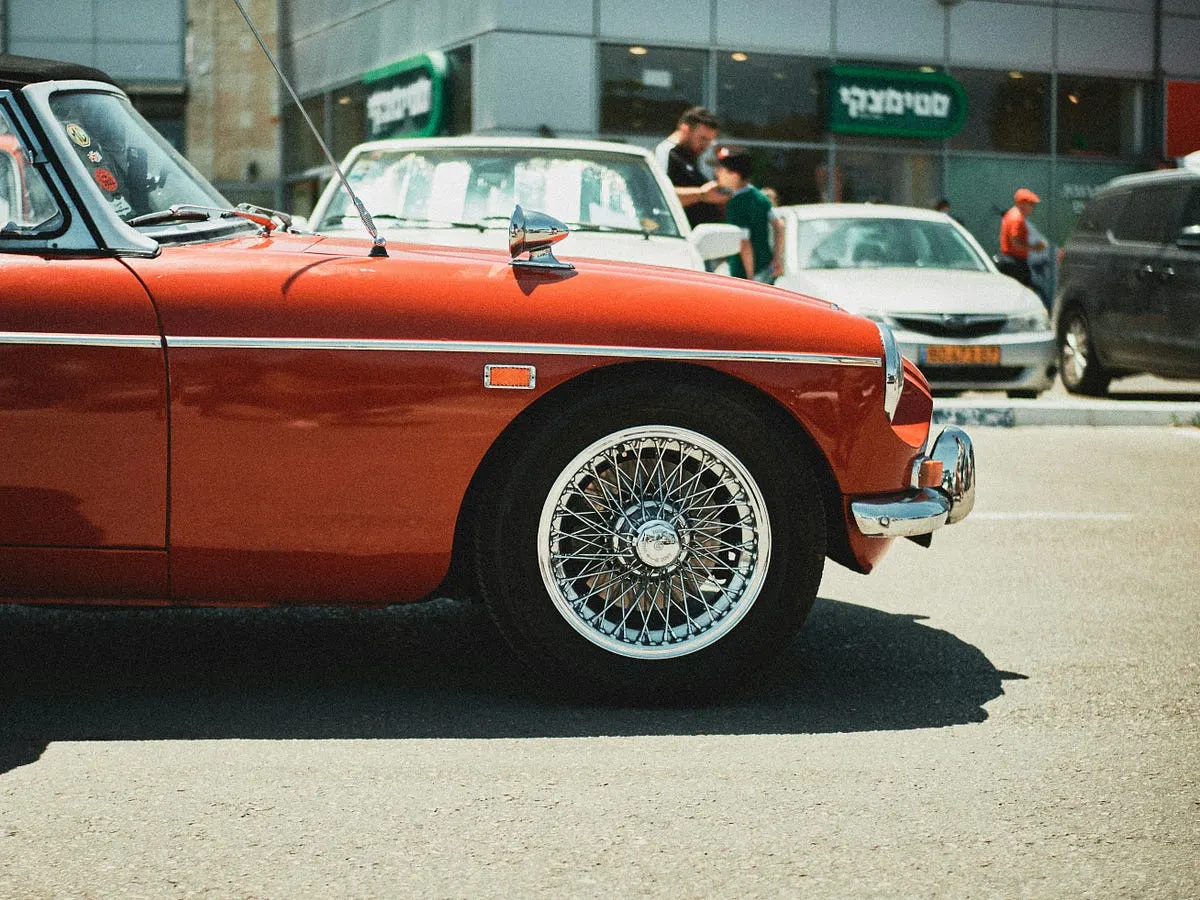
Best Camera for Automotive Photography
What I Actually Reach For When I’m Shooting Cars. Here is how the Canon EOS R5, Sony a7 IV and Nikon Z6 III compare, and the one I keep going back to.
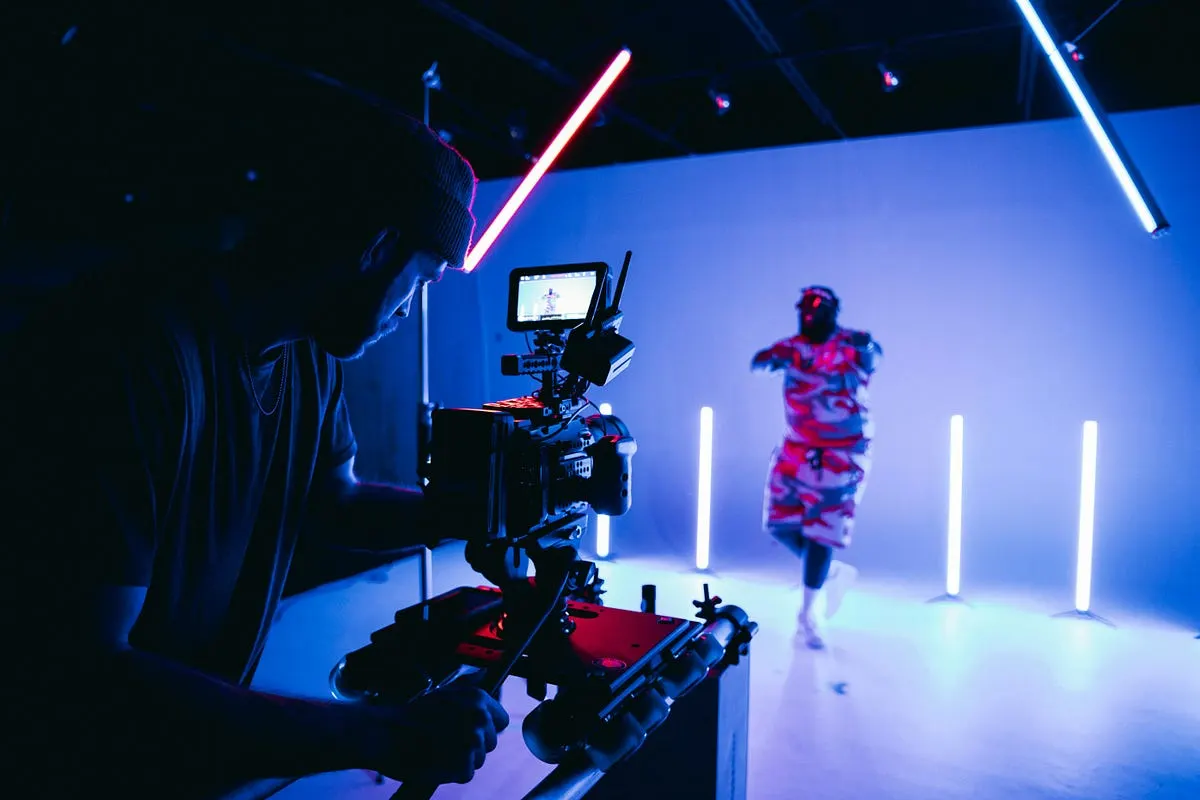
Best Cameras for Virtual Production
After I Wasted a Full Shoot Day Finding Out — why the Sony FX6 and Sony FX9 made the list, and who each one really suits.
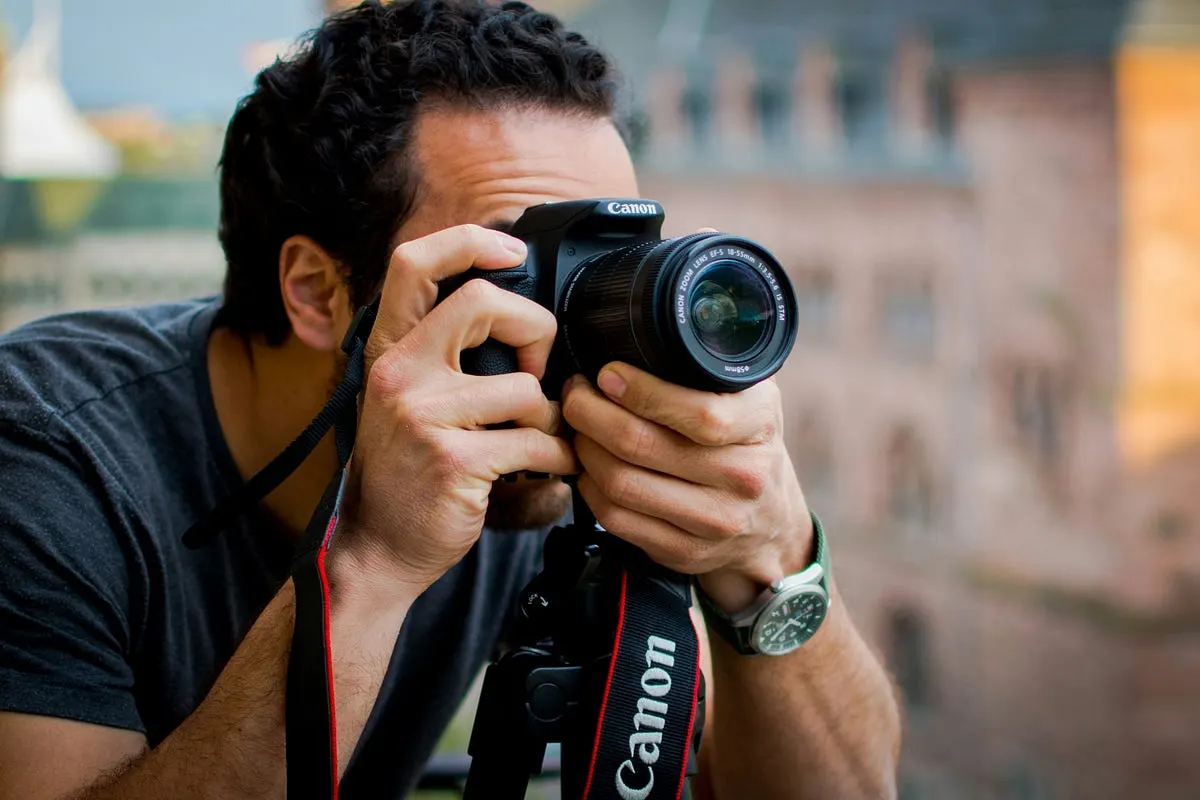
Best DSLR Cameras for Beginners: (Guide & Reviews)
My Hands-On Experience with the Best Beginner-Friendly Cameras — why the Canon EOS Rebel T7 and Nikon D3500 made the list, and who each one really suits.