Best Camera for Woodworking Workshop Documentation

As an Amazon Associate we earn from qualifying purchases. Some links in this guide are affiliate links — see our affiliate disclosure for details.
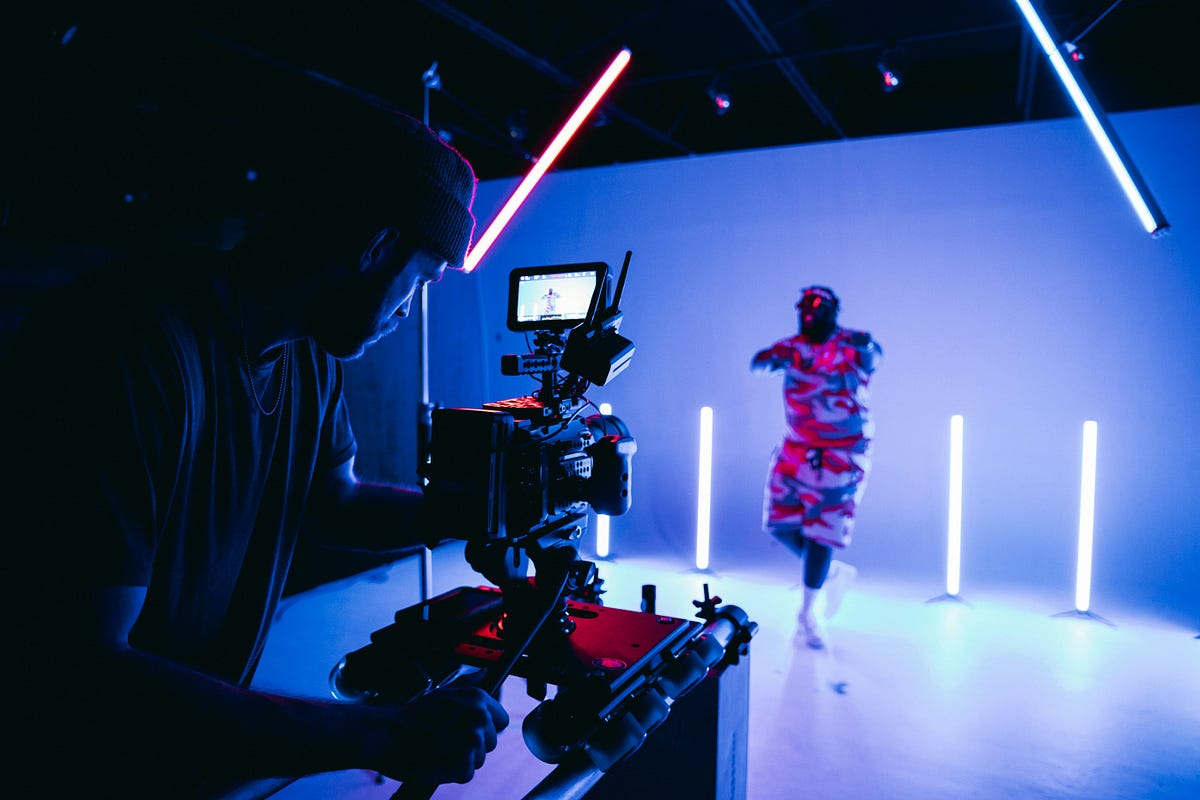
Photo by Craft Kitties on Unsplash
We talk a lot about gear specs, pixel counts, and dynamic range in the studio. But what happens when you take a camera out of a sterile studio environment and drop it into a space defined by flying sawdust, heavy vibrations, and unpredictable overhead fluorescent lighting?
A woodworking workshop is one of the most honest, beautiful, and brutally hostile environments for camera gear. Documenting a build — whether for a YouTube channel, client updates, or process archives — requires a specific breed of camera.
A Lesson from the Dust
My obsession with capturing high-stakes environments didn’t start behind a camera; it started watching my dad build things. Years ago, when I first told him I wanted to pursue photography and filmmaking professionally, I was terrified he’d tell me to choose a safer, more conventional career path. Instead, he gave me immediate, unwavering support. He understood the drive to create things from scratch.
That lesson stuck with me through a decade of filmmaking and shooting high-end fashion and commercial projects. Craftsmanship takes patience. But while a woodworker is managing grain direction and wood movement, the camera is fighting fine particulate dust and terrible contrast.
When a woodworker friend recently asked me how to upgrade their workshop documentation from a smartphone to a dedicated system, I didn’t point them toward a delicate, ultra-expensive mirrorless body. I pointed them toward survival gear.
What Makes a Great Workshop Camera?
Before looking at specific models, you have to look at the unique challenges a shop presents. If you are choosing a camera to document your woodworking builds, prioritize these three features over raw megapixel counts:
- Robust Weather Sealing: Fine wood dust behaves like a fluid. It gets into dials, settles on sensors, and destroys electronics. You need a body and lens combo with rubber gaskets and tightly fitted seams.
- Articulating Screen & Strong Autofocus: When you’re filming a plunge router cut or snapping a macro shot of a hand-planed chamfer, you can’t always look through the viewfinder. A fully articulating flip screen lets you frame shots safely from a distance, while a reliable tracking autofocus keeps the focus locked on the wood grain rather than the flying wood chips.
- Excellent Low-Light/High ISO Performance: Most home workshops are lit by flat, harsh overhead lights. You need a camera that can handle higher ISO settings without introducing massive digital noise, allowing you to shoot at faster shutter speeds to freeze the motion of spinning blades or moving hands.
Top Recommendations for Workshop Documentation
1. The Workhorse: Panasonic Lumix GH6 or GH5 II
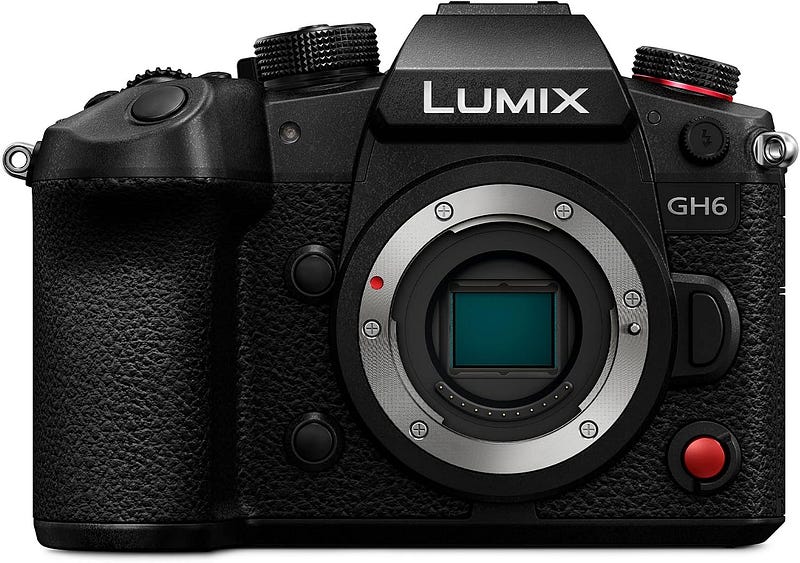
If your primary goal is video documentation (YouTube, detailed step-by-steps) paired with high-quality process stills, the Micro Four Thirds Lumix lineup is practically legendary for its durability.
- The Advantage: These cameras are built like tanks and feature class-leading internal cooling fans, meaning they won’t overheat during long, continuous recording sessions. Their internal sensor stabilization means you can grab quick handheld detail shots without bringing micro-jitters into your footage.
Affiliate Disclosure: This article contains affiliate links to camera gear and lenses. If you click through and make a purchase, I may earn a commission. This helps me continue creating free photography content for readers like you — thank you for your support!
2. The Balanced Creator: Sony a6700
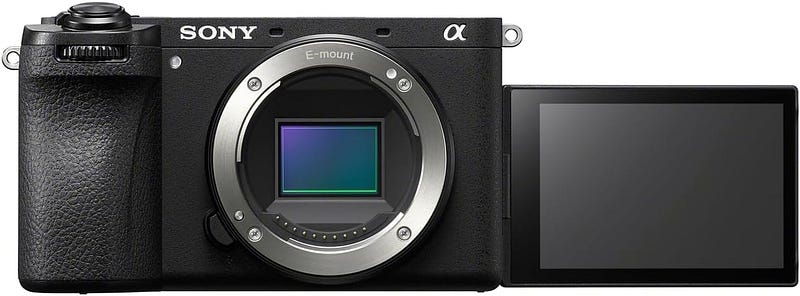
For woodworkers who split their time 50/50 between high-resolution product photography for e-commerce and fast-paced video assembly logs.
- The Advantage: Sony’s AI-driven autofocus tracking is the best in the industry. You can set it on a tripod, walk up to your workbench, and it will instantly lock onto your hands or the workpiece. It features excellent weather sealing in a compact APS-C form factor, making it easy to mount out of the way on a magic arm or overhead rig.
3. The Professional Upgrade: Canon EOS R6 Mark II
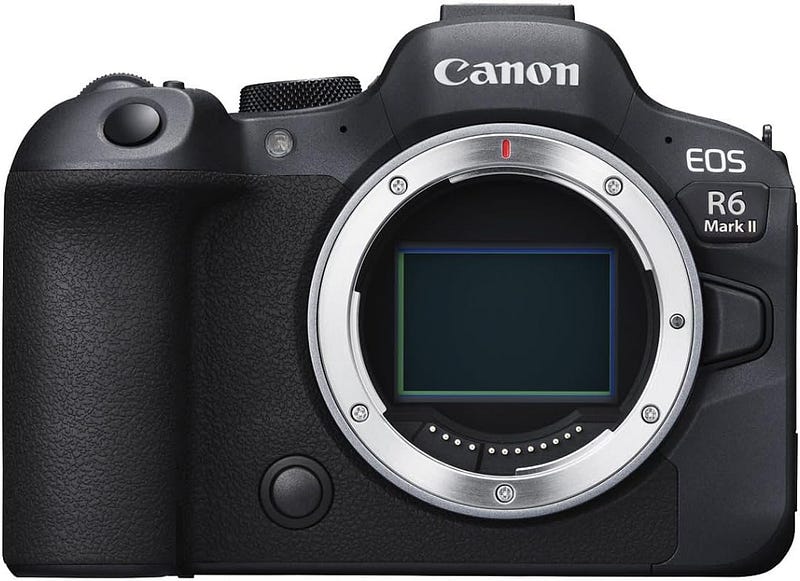
If you are selling high-end furniture commission pieces and need absolute top-tier image quality to showcase the depth of your finishes and the precision of your joinery.
- The Advantage: A full-frame sensor that handles low-light workshop environments beautifully. Canon’s color science makes natural wood tones look warm, rich, and true to life straight out of the camera, minimizing the time you have to spend editing photos after a long day of physical labor.
Pro-Tip for Shop Shooting: The “Protection Lens” Rule
No matter which camera body you choose, never use an expensive prime lens bare in a dusty shop. Pair your camera with a versatile standard zoom lens (like a 24–70mm equivalent) so you don’t have to change lenses mid-build and expose your sensor to airborne dust.
Most importantly, buy a high-quality UV filter to thread onto the front of your lens before you ever turn on a tool. It is much cheaper to replace a scratched or dust-caked $50 UV filter than it is to replace a professional lens element.
Your builds tell a story of patience and precision. Taking the time to set up a resilient camera system ensures that the final digital image does justice to the hours of physical craft you poured into the wood.
Won’t sawdust completely destroy my camera?
Not if you choose a system with decent weather sealing and take basic precautions. Fine wood dust is a menace to moving parts like dials and zoom barrels. To protect your gear, never change lenses inside a dusty shop, wrap your camera body in a fitted silicone sleeve or a clear plastic camera raincoat during heavy sanding operations, and regularly clear off the exterior using a rocket blower rather than compressed air (which can force dust deeper into the body).
Do I really need a full-frame camera for workshop photography?
Absolutely not. While full-frame cameras excel in the low-light environments typical of home workshops, modern APS-C (crop sensor) and Micro Four Thirds cameras are more than capable. They are also smaller, lighter, and more affordable, leaving you with more budget to invest in quality lighting or a dedicated shop lens.
How do I stop my camera from vibrating when heavy machinery is running?
Vibrations from tools like table saws, planers, or CNC machines can introduce micro-jitters into your video and blur your photos. Avoid clamping your camera directly to the workbench where the tool is operating. Instead, use a heavy-duty tripod placed on a rubber anti-vibration mat, or mount your camera to an independent wall or ceiling structure if you are shooting overhead angles.
What is the best focal length for documenting a build?
A standard zoom lens (like a 24–70mm on full-frame, or a 16–50mm on an APS-C sensor) is ideal. It gives you the wide-angle capability needed to capture large assemblies or wide shop shots, while allowing you to zoom in closely for tight macro shots of joinery and texture without physically moving your tripod into a dangerous cutting zone.
How do I protect my microphone from picking up too much tool noise?
No microphone will make a planer sound quiet, but you can protect your audio track. Use a directional shotgun microphone mounted on your camera to isolate your voice from ambient shop noise, or wear a wireless lavalier microphone tucked under your shirt to protect the capsule from dust. For safety and clarity, it’s often best to record your heavy machinery cuts as B-roll and narrate the steps later via a clean voiceover.
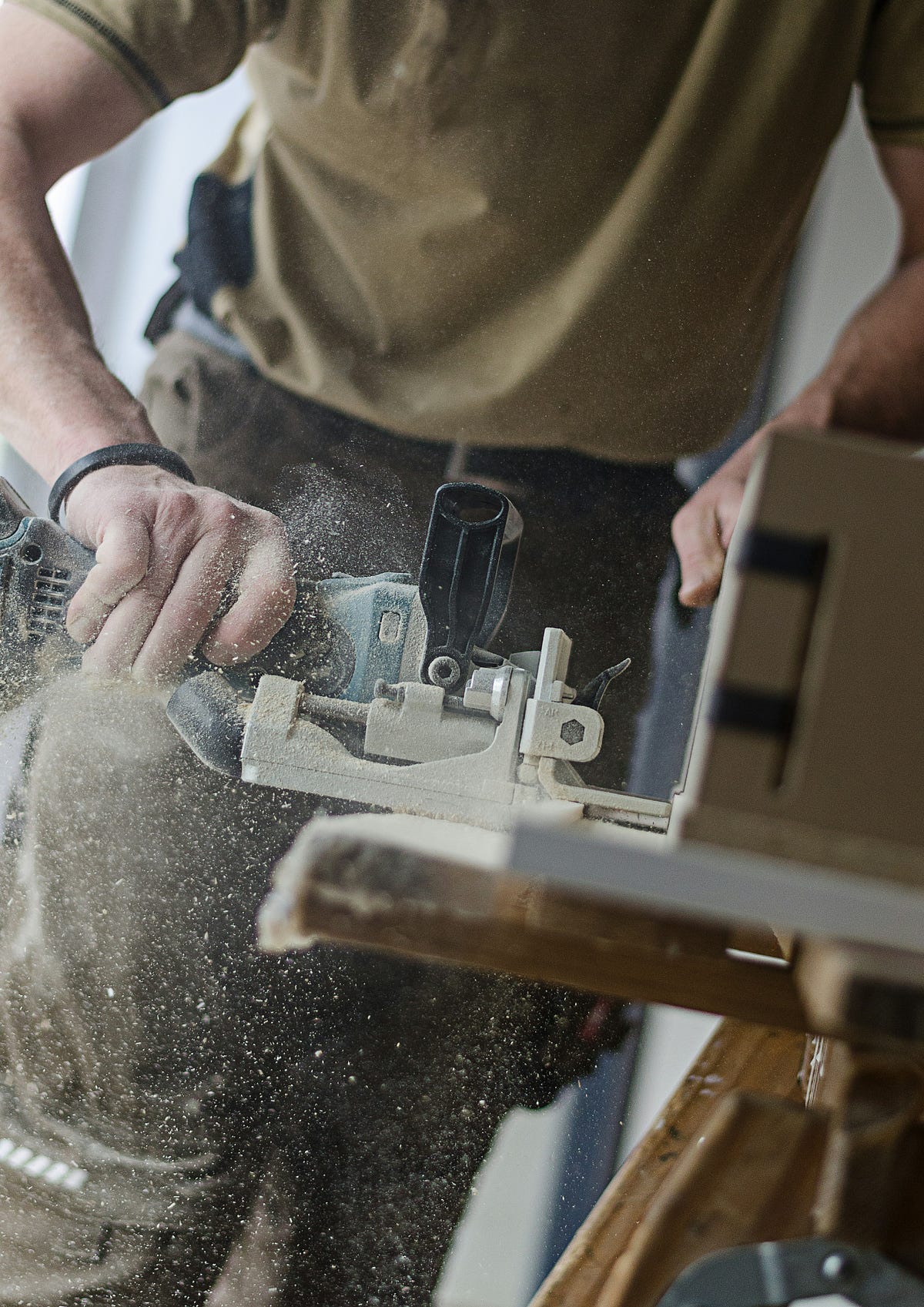
Photo by Janosch Lino on Unsplash
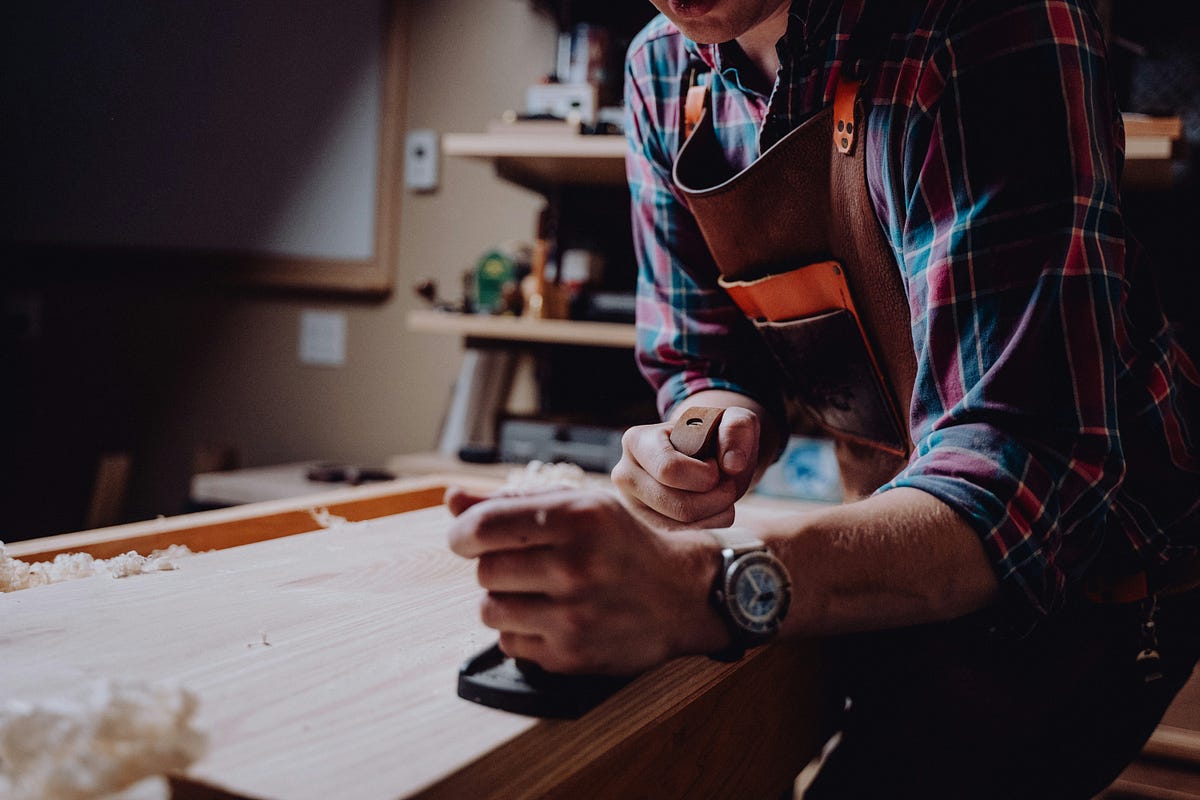
Photo by Bailey Alexander on Unsplash
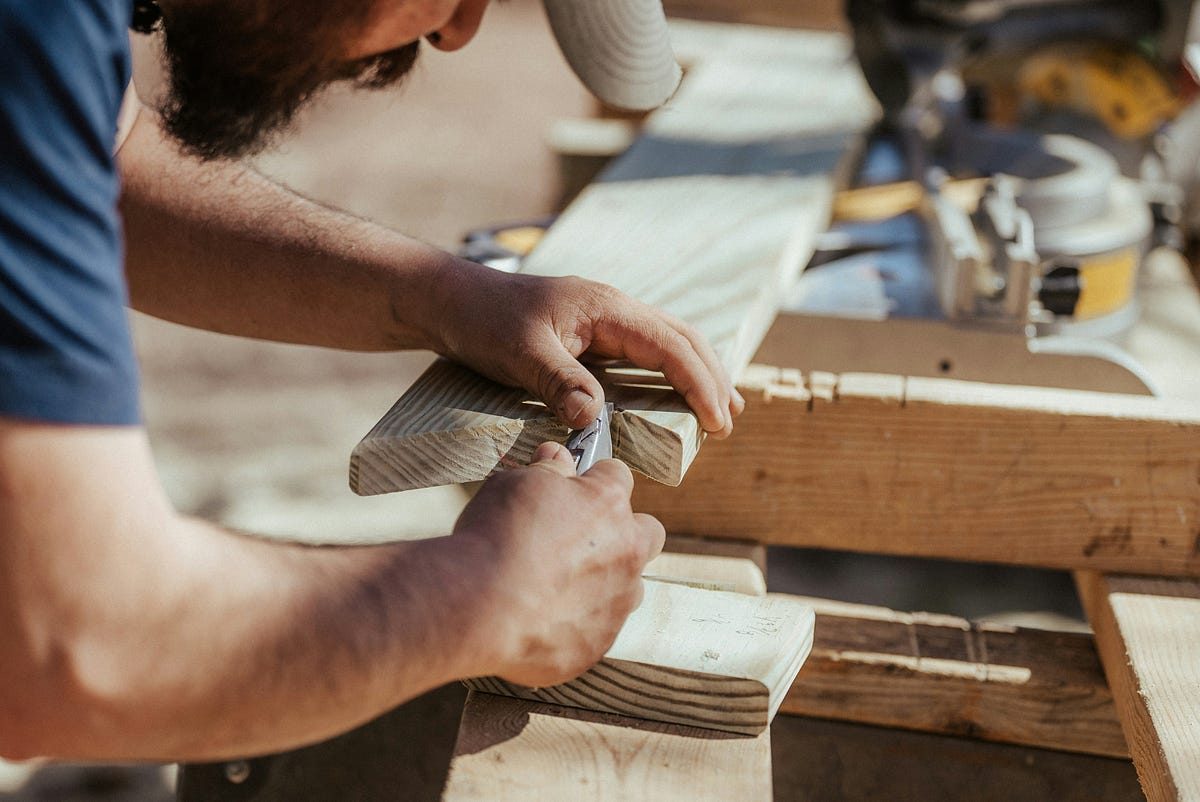
Photo by Samuel Cruz on Unsplash

Written by
Marien CartelProfessional and Certified Digital Photographer born in the USA, with 22 years of experience in the field of photography.