Best Rangefinder Camera (Final Thoughts & Top Alternatives)
As an Amazon Associate we earn from qualifying purchases. Some links in this guide are affiliate links, see our affiliate disclosure for details.
Top Picks & Key Specifications at a Glance
| Model | Best For | Mount / System | Key Optical & Sensor Specs | Check Price |
|---|---|---|---|---|
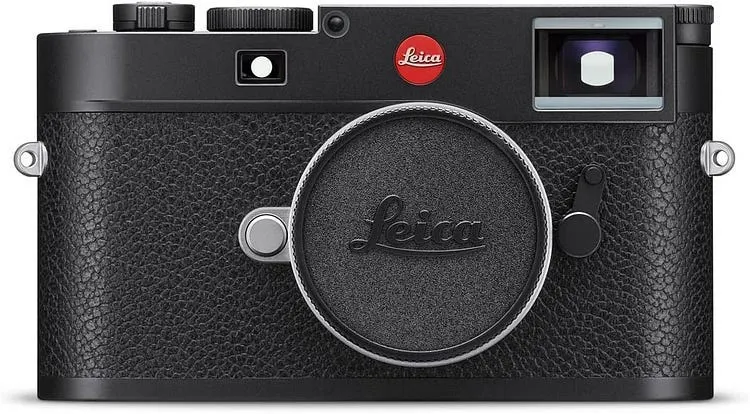
1Experience with the Leica M11 | Top Overall Pick | Fujifilm X-Mount (APS-C 1.5x) | Full-Frame · 60MP | Amazon ↗ |
2Leica M11 | Recommended Pick | Interchangeable-Lens System | Full-Frame · 60MP | Amazon ↗ |
Which rangefinder camera is best?
Featured options include the Leica M11 and also covers alternatives such as the Fujifilm X100VI and X100V and the Leica M10-R. It explains who should buy a rangefinder.
Their tactile shooting experience, compact design, and the way they keep you immersed in the moment set them apart from DSLRs and mirrorless cameras.
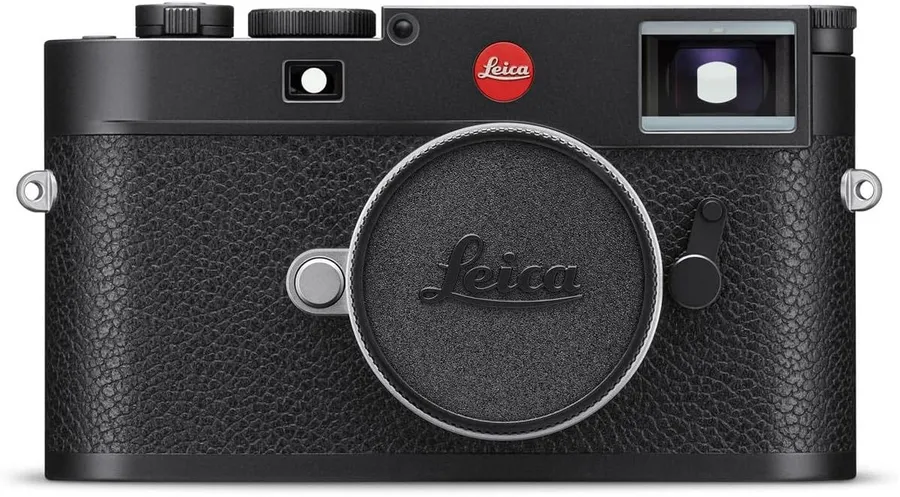
Best Rangefinder Camera
Why Choose a Rangefinder?
- Rangefinder cameras use a dual-image focusing mechanism, allowing for precise manual focus by aligning two superimposed images in the viewfinder.
- Unlike SLRs, you don’t look through the lens; instead, you compose through a small window, which helps keep the camera compact and discreet — ideal for street and travel photography.
- The shooting process is slower and more deliberate, making you more mindful of composition and exposure.
Experience with the Leica M11
The Leica M11 stands out among digital rangefinders for several reasons:
Image Quality & Sensor
- The M11’s 60MP full-frame BSI CMOS sensor delivers phenomenal detail, dynamic range, and color fidelity. Its Triple Resolution Technology lets you choose between 60MP, 36MP, or 18MP RAW files, balancing resolution and file size as needed.
- Low-light performance is excellent, and the files are incredibly flexible for post-processing.


Build & Ergonomics
- The M11 is solid and beautifully engineered, with a minimalist design that feels timeless in hand. It’s heavier than some alternatives, but the weight adds to its stability and premium feel.
- The analog rangefinder focusing system is intuitive once you get used to it. Initially, it can feel awkward, but after practice, focusing becomes second nature and even faster than focus peaking for manual lenses.
Shooting Experience
- Using the M11 is immersive. The camera keeps you engaged — there’s no autofocus or exposure preview, so you’re always thinking about your settings and composition.
- The camera is discreet, making it perfect for candid street shots where a large DSLR might draw too much attention.
Drawbacks
- Price: The M11 is a significant investment, both for the body and Leica lenses.
- Manual focus only: Not ideal for fast action or sports, but perfect for deliberate, creative work.
Fujifilm X100 Series:
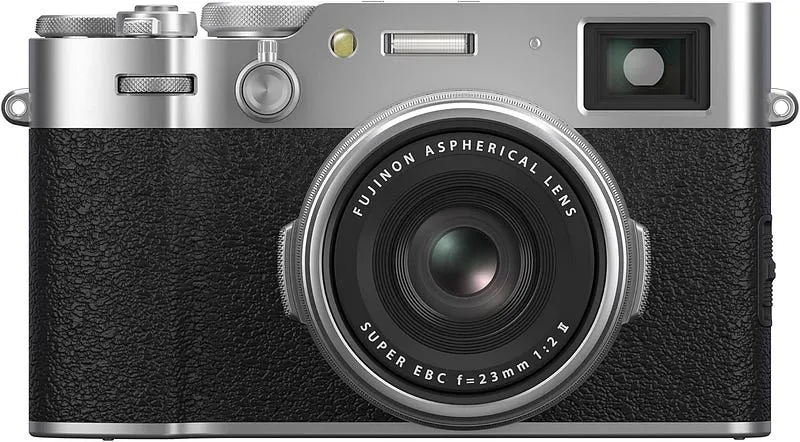
This camera line features a hybrid optical/electronic viewfinder, a fixed lens, and Fujifilm’s popular film simulations. The X100VI (and the previous X100V) provides a “rangefinder-like” experience with modern conveniences, making it great for travel and everyday shooting.
Leica M10-R:
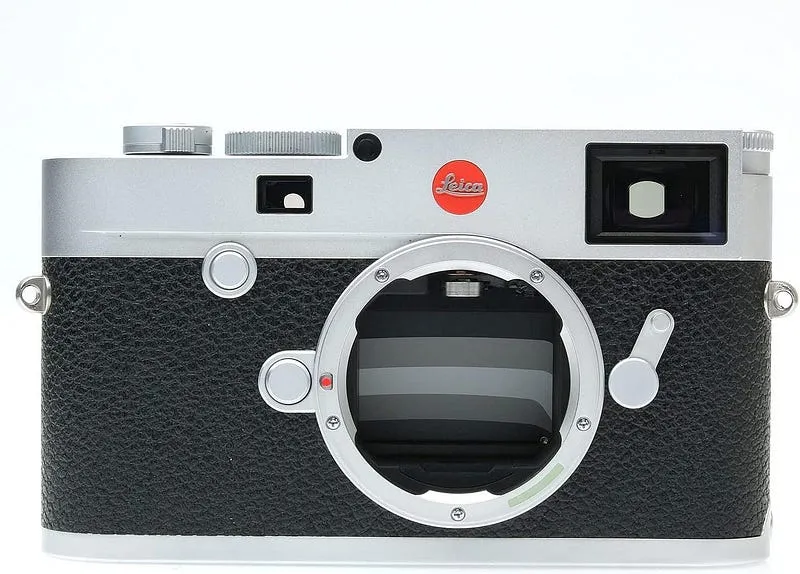
The M10-R has a 40-megapixel sensor and the classic Leica feel. While it has slightly less resolution than the M11, it is still exceptional in image quality. You can often find it at a lower price on the used market, making it a solid alternative.
Leica M6 (Film):
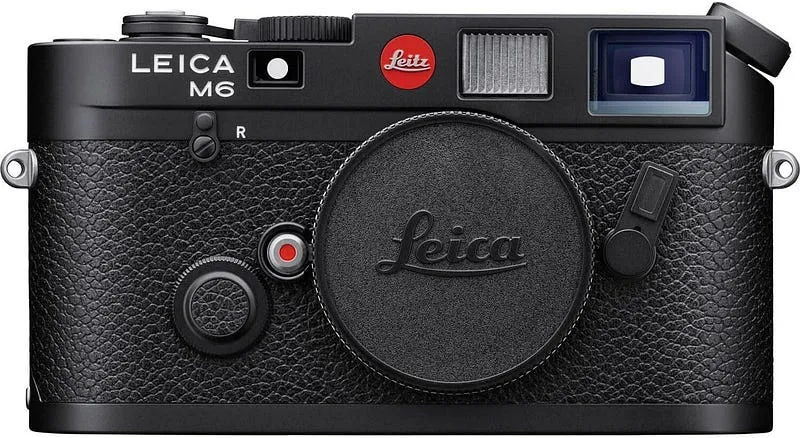
This is a legendary film rangefinder. If you love shooting on film, the M6 is a joy to use.
Olympus 35 RC:
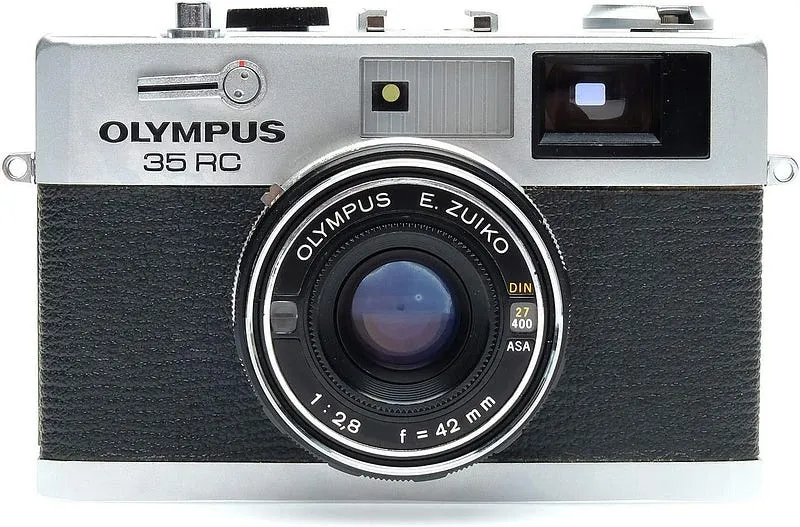
This is an affordable vintage film rangefinder. It’s great for experimenting without breaking the bank. The camera is compact and reliable, making it a good entry point into the world of film rangefinders.
Who Should Buy a Rangefinder?
- Street photographers: The discreet design and quiet operation make rangefinders ideal for capturing candid moments.
- Travelers: Lightweight and compact, they’re easy to carry all day.
- Enthusiasts and professionals: If you value manual control, craftsmanship, and the process of photography, a rangefinder will reward your investment.
Final Thoughts
It combines cutting-edge digital performance with the classic rangefinder shooting experience, making every photo feel intentional and crafted. However, if you’re just starting or want something more affordable, the Fujifilm X100VI or a used Leica M10-R are excellent choices.
It’s not just about the images — it’s about the experience, the connection to your subject, and the joy of creating something with your own hands.
More picks
- Leica M11 — Check Leica M11 Price on Amazon
Compare with Best Camera for Cinematography and Ricoh GR III vs Fujifilm X100VI, or check the depth-of-field tool.
Common Buying & Setup Questions
Why Choose a Rangefinder?
- Rangefinder cameras use a dual-image focusing mechanism, allowing for precise manual focus by aligning two superimposed images in the viewfinder. - Unlike SLRs, you don’t look through the lens; instead, you compose through a small window, which helps keep the camera compact and discreet — ideal for street and travel photography. - The shooting process...
Who Should Buy a Rangefinder?
- Street photographers: The discreet design and quiet operation make rangefinders ideal for capturing candid moments. - Travelers: Lightweight and compact, they’re easy to carry all day. - Enthusiasts and professionals: If you value manual control, craftsmanship, and the process of photography, a rangefinder will reward your investment.
What focal length, aperture, and shutter speed work best for tattoo artists & micro-realism portfolios?
For tattoo artists & micro-realism portfolios, pair a 50mm – 90mm (never below 35mm, which warps limb proportions) lens at f/5.6 – f/8 (keeps curved forearms and calves sharp edge-to-edge) with a shutter speed of 1/125s – 1/200s handheld (or 1/60s on tripod) and a working distance of 0.4m – 1.5m (1.5 to 5 ft). Recommended setup: CRI 95+ 5600K LED panel covered with Linear Polarizing Film + Circular Polarizer (CPL) lens filter rotated 90°..
Camera & Lens Settings by Real-World Use Case
Match your focal length, aperture, shutter speed, and lighting modifier to the exact environment you shoot in.
Tattoo Artists & Micro-Realism Portfolios
- Best Body:
- Sony Alpha a7 III / Fujifilm X-T4
- Ideal Lens:
- 90mm f/2.8 Macro (detail) or 50mm f/1.8 (sleeves & back pieces)
- Aperture & Shutter:
- f/5.6 – f/8 (keeps curved forearms and calves sharp edge-to-edge) · 1/125s – 1/200s handheld (or 1/60s on tripod)
- Room Distance:
- 0.4m – 1.5m (1.5 to 5 ft)
Barbershops, Hairstylists & Color Salons
- Best Body:
- Sony a7 IV / Canon EOS R6 Mark II
- Ideal Lens:
- 50mm f/1.8 (tight stations) or 85mm f/1.8 (spacious salons)
- Aperture & Shutter:
- f/1.8 – f/2.8 (blurs background chairs while keeping the lineup tack-sharp) · 1/160s – 1/250s (freezes subtle head movement in the chair)
- Room Distance:
- 1.5m – 2.4m (5 to 8 ft from the styling chair)
Makeup Artists (MUA) & Beauty Tutorials
- Best Body:
- Sony Alpha a6400 / Canon G7 X Mark III
- Ideal Lens:
- Sigma 56mm f/1.4 DC DN (APS-C) or 50mm–85mm f/1.8 (Full Frame)
- Aperture & Shutter:
- f/2.8 – f/4 for full-face sharpness; f/5.6 for macro eye/lip close-ups · 1/125s for stills; 1/50s (24p) or 1/120s (60p) for video tutorials
- Room Distance:
- 1.2m – 2.2m (4 to 7 ft)

Written by
Marien CartelMarien Cartel runs Marien Cartel Photography, a camera and lens buying-guide site, and photographs the gear shown on it.
Related Guides
Best Lens for Mirrorless Camera (Final Thoughts & Top Alternatives)
Best Lens for Mirrorless Camera: Sigma 16mm f/1.4 and Tamron 28–200mm f/2.8–5.6 compared on features, price and who each one suits.
Best Camera Under $1500 (Pros of the Nikon Z5 & Top Alternatives)
Best Camera Under $1500 — Canon EOS R8, Nikon Z5 and Fujifilm X-S20 compared, with pros, cons and who should buy which.
Testing The Sony A7IV Camera (Dual Card Slots & Top Alternatives)
Testing The Sony A7IV Camera — what the Sony A7IV Worth It? Offers, where it falls short, and whether it is worth buying.

Best Cameras for Snorkeling (GoPro Hero 12 Black & Top Alternatives)
The Best Cameras for Snorkeling: Capture Underwater Magic Like a Pro. What the GoPro Hero 12 Black gets right, what it does not, and who should buy it.
Best Camera for New Photographer (Canon EOS R10 & Top Alternatives)
Best Camera for New Photographer: side-by-side comparison of Canon EOS R10, Sony α6700 and Canon EOS Rebel SL3 covering key specs, real-world handling.
Best Camera for Music Videos (Capturing Moments & Top Alternatives)
Best Camera for Music Videos — Canon EOS R6, Panasonic Lumix GH5 II and Fujifilm X-T4 compared, with pros, cons and who should buy which.