Best Lenses for Fujifilm GFX 100S II
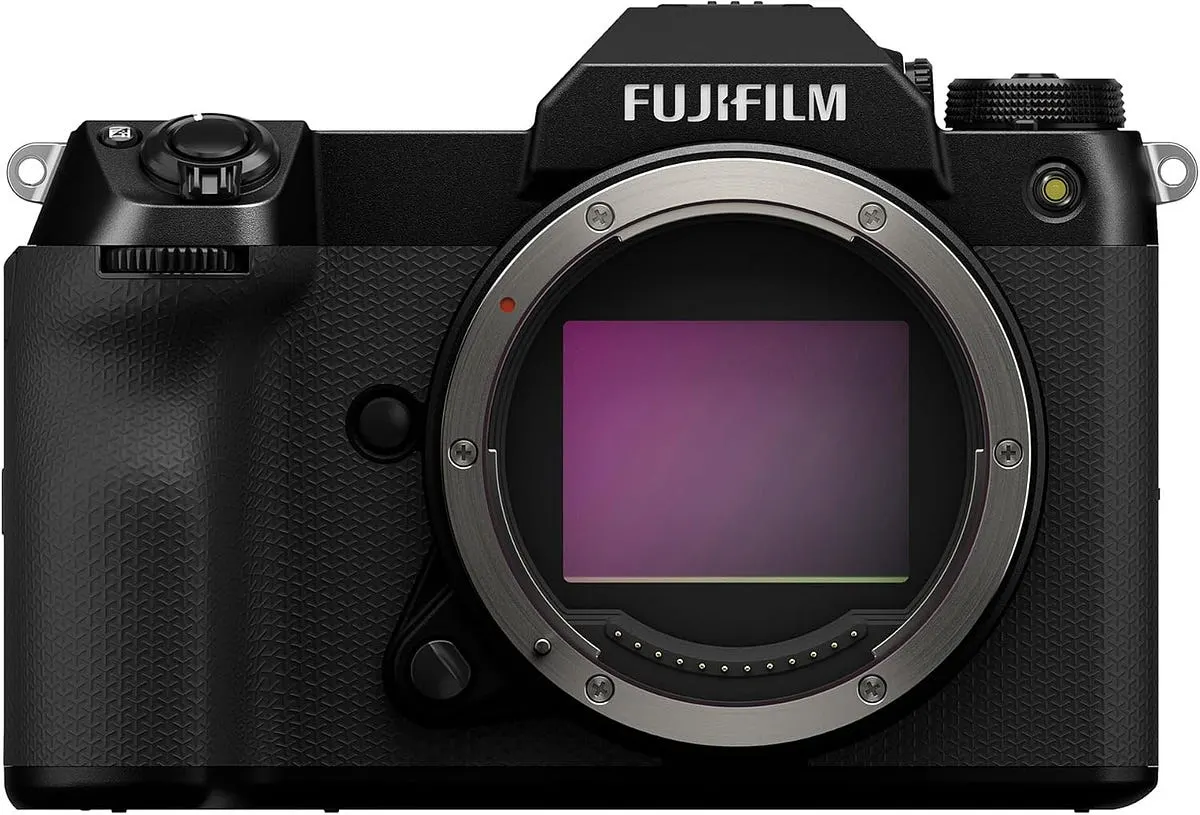
As an Amazon Associate we earn from qualifying purchases. Some links in this guide are affiliate links — see our affiliate disclosure for details.
The best lens for the Fujifilm GFX 100S II is GF 35–70mm f/4.5–5.6 WR for a versatile kit, the fast GF 80mm f/1.7 R WR or GF 110mm f/2 R LM WR for portraiture, the wide-angle GF 23mm f/4 R LM WR for landscapes, and the versatile GF 45–100mm f/4 R LM OIS WR zoom.
Other excellent choices are the affordable GF 50mm f/3.5 R LM WR for a walk-around lens and the specialized GF 120mm f/4 Macro R LM OIS WR for close-up work.
Affiliate Disclosure: This article contains affiliate links to camera gear and lenses. If you click through and make a purchase, I may earn a commission. This helps me continue creating free photography content for readers like you — thank you for your support!
There’s a moment every photographer experiences. It’s the quiet click of a shutter, followed by the frantic urge to chimp — to look at the LCD screen. But with the Fujifilm GFX 100S II, that urge is different. It’s not about checking if you got the shot; it’s about experiencing it for the first time in breathtaking, 102-megapixel glory.
When I first unboxed my GFX 100S II, I felt a mix of exhilaration and sheer terror. This wasn’t just a new camera; it was a leap into medium format, a promise of image quality I’d only dreamed of. But a camera is only as good as the glass you put in front of it. My journey with this incredible machine has been defined by the lenses I’ve chosen, each telling a different part of my story.
Here are the lenses that have become my trusted partners, and why they might be the best choices for your GFX 100S II as well.
1. The “Do-It-All” Workhorse: GF 32–64mm f/4 R LM WR
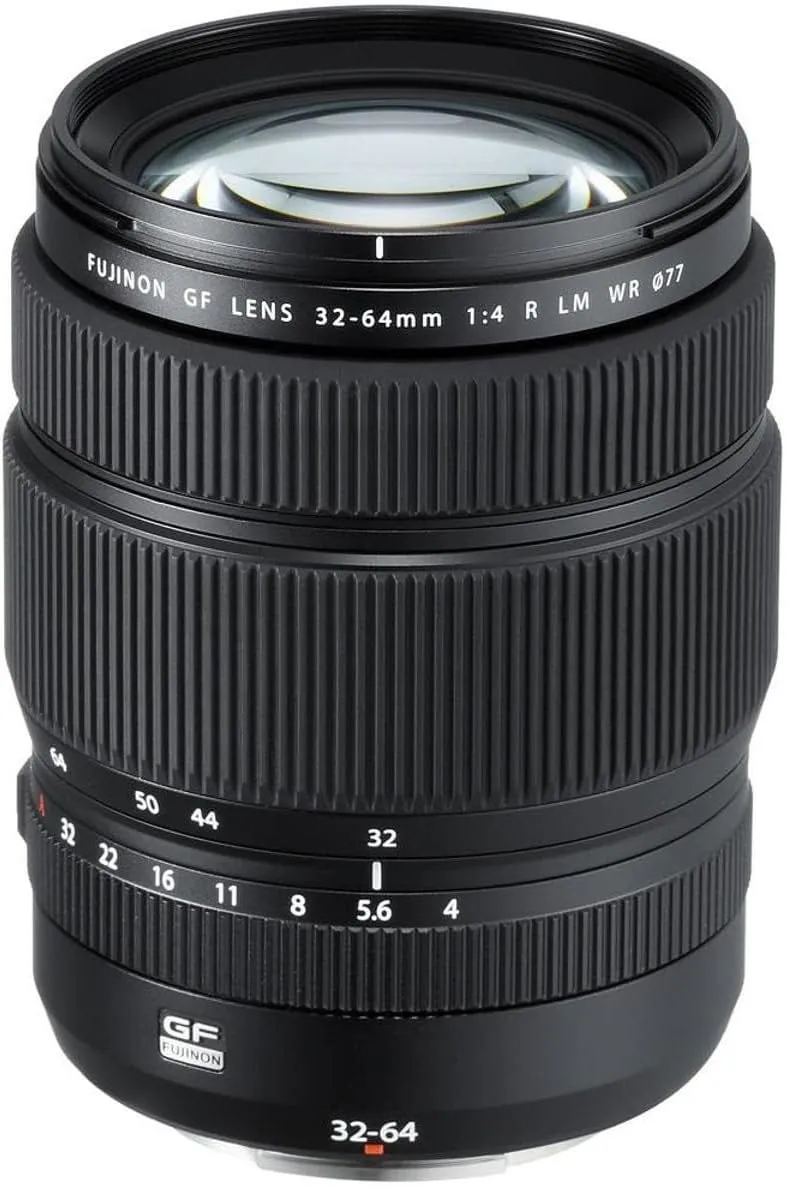
This was the lens that came out of the box first. I’ll be honest, I initially saw it as a “kit lens,” a mere starting point. I was wrong. On a hike through the smoky mountains last autumn, I didn’t want to change lenses constantly as the light danced through the changing leaves. The 32–64mm (approx. 25–51mm in full-frame terms) was perfect.
From wide, sweeping landscapes at 32mm to intimate, detailed portraits of a gnarled old tree at 64mm, it never missed a beat. The images were razor-sharp corner-to-corner, with that beautiful medium format depth and transition. It taught me that versatility doesn’t have to mean compromise. This lens is the undisputed king of “walkaround” for the GFX system.
Why it’s one of the best: Its zoom range covers about 80% of what most photographers shoot. It’s optically sublime, weather-resistant, and focuses quickly. It’s the perfect foundation for any GFX kit.
2. The Magical Portraitist: GF 80mm f/1.7 R WR
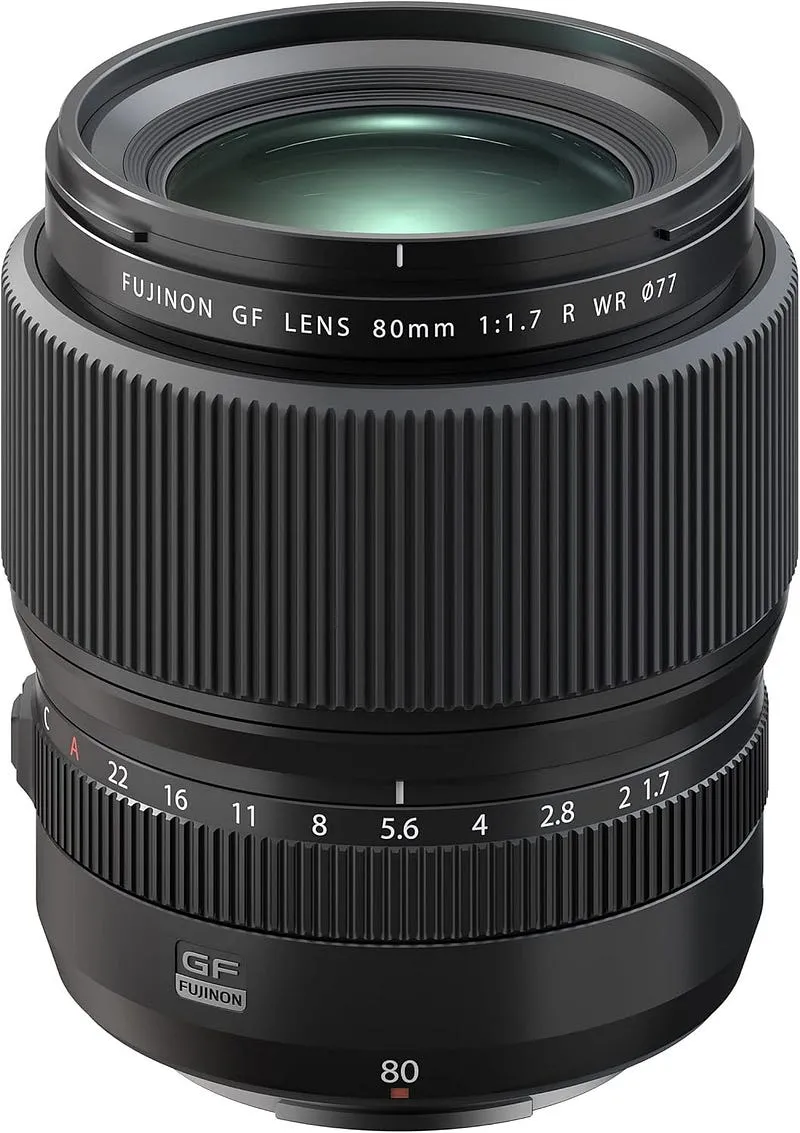
If the 32–64mm is the reliable best friend, the 80mm f/1.7 is the passionate artist. I bought this lens specifically for a personal project photographing local artisans in their workshops. The light was often low and moody. Wide open at f/1.7, this lens performs miracles.
The background doesn’t just blur; it dissolves into a creamy, beautiful bokeh that makes the subject pop in a way that’s almost three-dimensional. The first portrait I took of a potter, her hands caked in clay, sharp under the focus of those 102 megapixels while her workshop faded away behind her… that was the moment I truly understood the power of medium format. This lens isn’t just sharp; it’s charismatic.
Why it’s one of the best: It’s the fastest lens in the GF lineup, offering incredible low-light performance and unparalleled subject separation. It’s a must-have for portrait and wedding photographers, or anyone who loves rendering a subject with magic.
3. The Lightweight Explorer: GF 55mm f/1.7 R WR
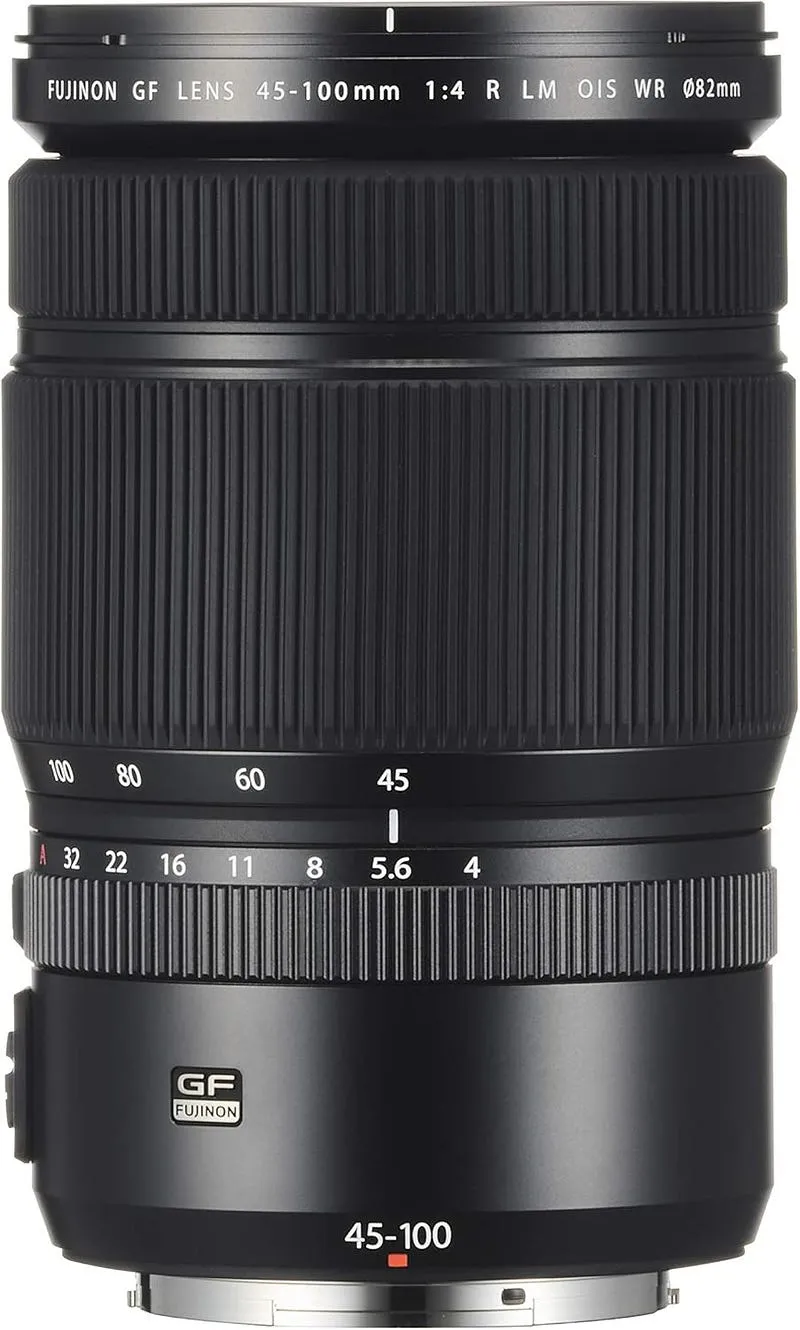
Sometimes, you want the medium format quality but not the medium format weight. The GFX 100S II is already remarkably portable, and pairing it with the new 55mm f/1.7 makes for an incredibly nimble setup. I use this combo for street photography and travel.
It’s a “nifty fifty” (roughly 44mm equivalent) on steroids. It’s discreet, focuses silently and instantly, and that f/1.7 aperture lets me shoot well into the blue hour. It’s the lens that proves the GFX system doesn’t have to be confined to a studio or a tripod.
Why it’s one of the best: It offers a fantastic blend of speed, size, and optical performance. It’s the perfect everyday prime for those who value a lightweight kit without sacrificing that beautiful GF image quality.
4. The Detail Hunter: GF 110mm f/2 R LM WR
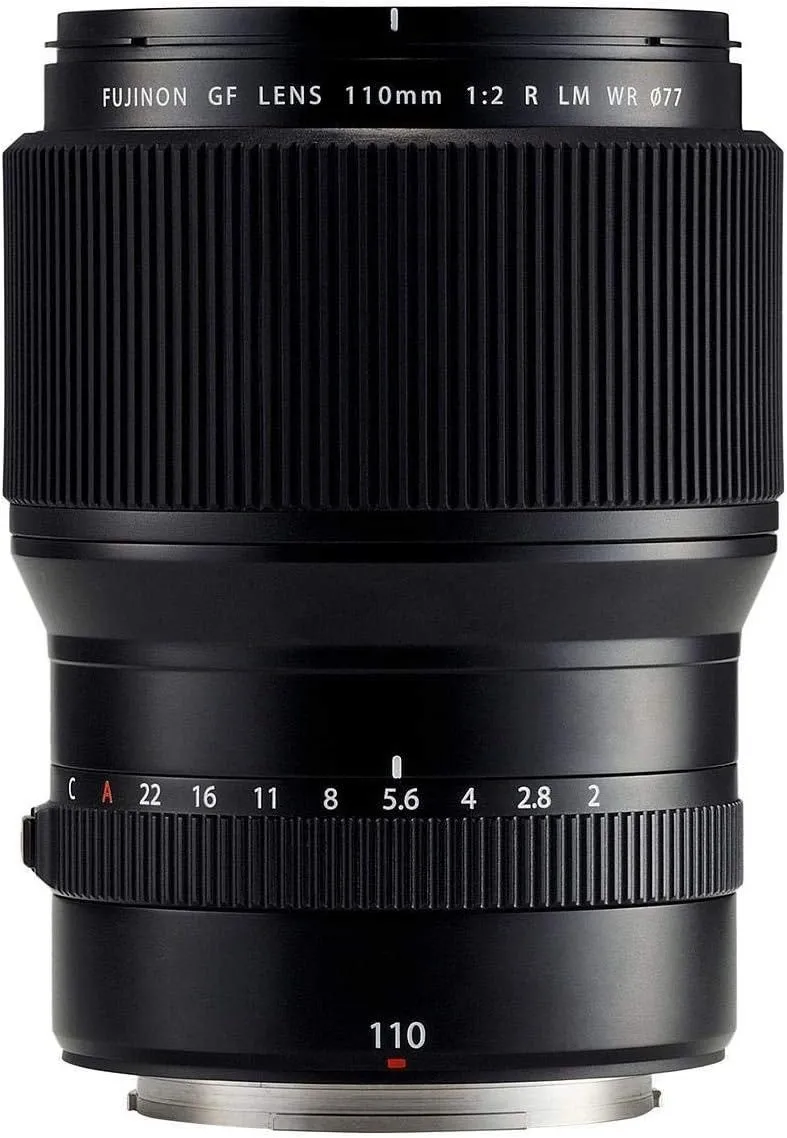
I rented this lens for a commercial product shoot, and it almost didn’t go back. While the 80mm is the passionate artist, the 110mm f/2 is the meticulous surgeon. The sharpness is simply staggering. I use it for detail shots, for portraits where every eyelash must be perfect, and for compressing landscapes to create intimate, layered scenes.
The bokeh is smoother and even more controlled than the 80mm. It has a presence and a rendering quality that feels… expensive. Because it is. And it’s worth every penny for the work it does.
Why it’s one of the best: Arguably the sharpest lens in the entire GF lineup. It provides a longer focal length with an extremely fast aperture, making it ideal for professional portrait, fashion, and commercial work.
5. The Grand Landscape Master: GF 23mm f/4 R LM WR
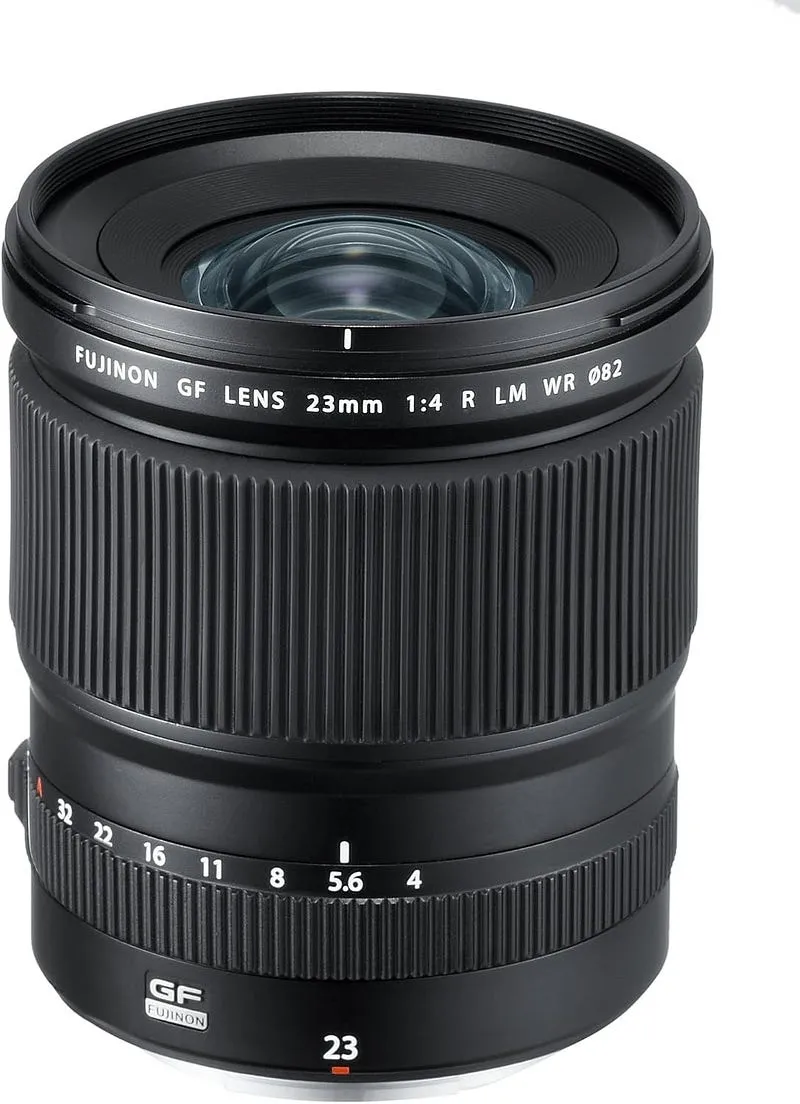
Standing on a cliff overlooking the Pacific, I needed to capture the vastness — the sheer scale of the ocean meeting the sky. No other lens in my bag could do it but the 23mm (an 18mm full-frame equivalent).
The term “wide-angle” doesn’t do it justice. It’s ultra-wide. The perspective is dramatic, and it challenges you to compose carefully to avoid empty space. But when you get it right, the results are epic. The detail from the foreground rocks all the way to the horizon is pin-sharp, thanks to the resolving power of the 100S II sensor.
Why it’s one of the best: It’s the widest native prime lens for the GFX system, essential for architectural, real estate, and landscape photographers who need to capture it all.
My advice
Start with the 32–64mm to learn the camera’s soul. Then, listen to your own photography. Do you crave beautiful blur? Look to the 80mm. Need to travel light? The 55mm is your answer. Demand critical sharpness? The 110mm awaits.
The best lens for your GFX 100S II is the one that gets you out the door, excited to create. For me, that’s all of them.
What’s your story? Which GF lens has defined your medium format journey? Share your experiences in the comments below!

Photo by Tânia Mousinho on Unsplash
Photo by Eugene Chystiakov on Unsplash

Photo by Joshua Fernandez on Unsplash

Photo by Denis Volkov on Unsplash

Written by
Marien CartelProfessional and Certified Digital Photographer born in the USA, with 22 years of experience in the field of photography.
Related Guides
Best Lens for Panasonic LUMIX S5: (2026 Guide & Reviews)
Unlocking the Cinematic Soul of the L-Mount System

Best Lens for Wide Shots
The Ultimate Guide to the Best Lens for Wide Shots: Field-Tested Review & Personal Experience
Best Lenses for Interior Photography
What I Learned the Hard Way