Best Mirrorless Camera Under $500-$900: (Guide & Reviews)

As an Amazon Associate we earn from qualifying purchases. Some links in this guide are affiliate links, see our affiliate disclosure for details.
Top Picks & Key Specifications at a Glance
| Model | Best For | Mount / System | Key Optical & Sensor Specs | Check Price |
|---|---|---|---|---|
1Fujifilm X | T100 - (Best Mirrorless Camera under $500) | Fujifilm X-Mount (APS-C 1.5x) | APS-C · 24MP · 47mm · 4K UHD | Amazon ↗ |
2Olympus OM | D E - M10 II - (Best Mirrorless Camera under $500) | Micro Four Thirds (2.0x) | 16MP · 14-42mm · f/3.5 | Amazon ↗ |
Photo by Sahil Pandita on Unsplash
Which mirrorless camera is best under $900?
Top options include the Sony A6000, Fujifilm X-T100, Sony Cyber-shot RX100 II and Panasonic Lumix DMC-G7, among others, each labelled as a best mirrorless camera on a budget.
However, it is also difficult for people to get by without a camera because, nowadays, capturing moments is a huge part of our lives. Whether you are an amateur starting your journey or a professional looking for a lightweight backup, finding a capable mirrorless camera for under $500 is still possible in 2026 — if you know where to look.
Which is the Best Mirrorless Camera Under $900?
- Sony A6000 — Check Sony A6000 Price on Amazon
- Fujifilm X-T100 — Check Fujifilm X-T100 Price on Amazon
- Sony Cyber-shot RX100 II — Check Sony Cyber-shot RX100 II Price on Amazon
- Panasonic Lumix DMC-G7 — Check Panasonic Lumix DMC-G7 Price on Amazon
- Olympus OM-D E-M10 II — Check Olympus OM-D E-M10 II Price on Amazon
- Canon PowerShot G9 X Mark II — Check Canon PowerShot G9 X Mark II Price on Amazon
- Canon EOS R100 — Check Canon EOS R100 Price on Amazon
- Sony ZV-E10 — Check Sony ZV-E10 Price on Amazon
- Panasonic Lumix G7 — Check Panasonic Lumix G7 Price on Amazon
Sony A6000: (Best Mirrorless Camera under $500)
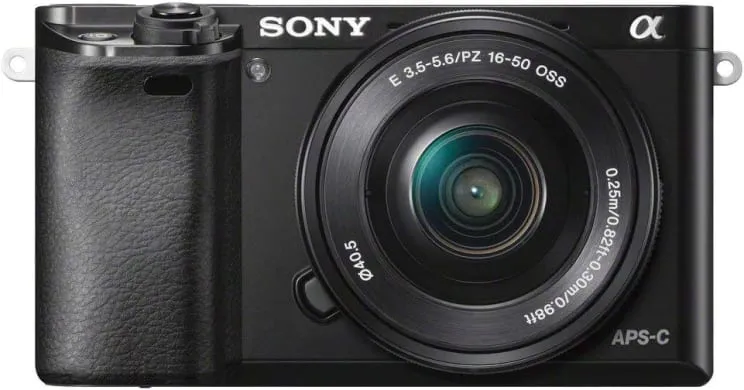
The camera is small, lightweight, and easy to use.
The photos are clear and sharp, with minimal noise in low-light situations.
Features:
- APS-C CMOS Sensor, 24MP
- 3-inch tilting screen
- 11.0 fps continuous shooting
- 1440 k-dot electronic viewfinder
- Internal Wireless
- 344g. 120 x 67 x 45 mm
ISO/ Shutter Sound:
Even with fast lenses, the A6000 is still more than adequate for most people’s needs.
Additionally versatile, ISO performance ranges from 100 to 25600.
Aperture/ Field of view:
The camera has a 24mm fixed lens, which is excellent for taking photos in tight spaces and on the go.
White Balance/ Frame Rate:
The white balance control on this camera allows you to adjust the color temperature from 3000K to 6500K and everything in between.
You can also fine-tune these settings using a dedicated slider for red, green, and blue controls.
The frame rate options are very simple as well.
You can shoot at 60p, which is suitable for fast action videos, or if you want to slow down footage later in post-production.
Why is this camera the best?
The A6000 is the perfect solution. It has fantastic views and is very affordable.
The camera has several modes and settings, so you can easily adjust the settings to fit your needs.
This camera is excellent for beginners as well as more advanced photographers.
Conclusion:
The camera has a tremendous dynamic range and can deliver excellent low-light performance.
It also has an APS-C sensor and a 24MP resolution, making it desirable for photographers of all levels.
If you are a beginner, buy it now!

Photo by Khaled Ghareeb on Unsplash
Pros
- Incredibly fast autofocus.
- 11.1fps burst shooting with tracking focus.
- Excellent high ISO image quality.
- Sharp OLED EVF.
- Tilting rear display.
- In-body flash and multi-function hot shoe.
- Wi-Fi with NFC.
- Downloadable camera apps.
- 1080p60 video capture.
Cons
- Overly sensitive eye sensor.
- EVF lags in very dim light.
Fujifilm X-T100: (Best Mirrorless Camera under $500)
Features:
- 24MP — APS-C CMOS Sensor
- ISO 200–12800(expands to 100–51200)
- 00″ Tilting Screen
- 2360k Electronic dot viewfinder
- 0fps continuous shooting
- 4k at 15fps and FHD at 60fps Video Recording
- Built-in Wireless
- 121 x 83 x 47 mm
ISO/ Shutter Sound:
Aperture/ Field of view:
It has a 24MP sensor, which is good enough for most people, and the lens produces high-quality images with minimal noise.
White Balance/ Frame Rate
The frame rate of the camera was also excellent.
Why is this camera the best?
Fuji is a famous company when it comes to photo and video equipment.
Since this business has been around for a long time, they are experts in camera production.
And if you want to take excellent video footage, it is the best camera you can buy explicitly designed for those purposes.

Photo by Nora Hutton on Unsplash
Conclusion:
So, buying Fujifilm is a good option for beginning your photography journey.
It is among the top mirrorless cameras available for less than $500 and will serve you well for many years.
The camera takes excellent pictures and is simple to operate.
It is one of the most excellent options available if you’re searching for a camera that may serve as a stepping stone into the world of photography.
So, what are you waiting for? Buy it now!
Pros
- Attractive, sturdy body.
- Strong image quality.
- Excellent lens library.
- Solid control interface.
- Sharp EVF.
- Hot shoe and in-body flash.
- Articulated touch LCD.
Cons
- Inconsistent autofocus with ineffective tracking.
- Touch is not available for menu navigation.
Sony Cyber-shot RX100 II: (Best Mirrorless Camera under $500)
The next phase of learning and experience was more fun than expected.
The Sony Cyber-shot RX100 II is a compact camera with excellent performance.
It is one of the most compact and lightweight cameras with many valuable capabilities.
Beginners just getting into photography and need a small, user-friendly camera should choose this best Mirrorless Camera for under $500.
Features:
- 20MP — 1-inch BSI-CMOS Sensor
- ISO 160–12800( expands to 100–25600)
- 28–100 mm F1.8–4.9 Zoom Lens
- Optical Image Stabilization
- 00″ Tilting Screen
- 0fps continuous shooting
- Built-in Wireless
- 102 x 58 x 38 mm
ISO/ Shutter speed:
It’s an excellent option for people who want to take high-quality photos but avoid the hassle of lugging around a DSLR.
Aperture/ Field of View
White Balance/ Frame Rate:
The white balance was good despite the office building being in the shade.
Why is this camera the best?
It’s the best because it got everything right.
It’s a great beginner camera for those just starting in photography, but it has enough features to keep more advanced users happy, too!

Photo by Haley Lawrence on Unsplash
Conclusion:
It has enough features to grow into as your photography skills improve, but it also has plenty of built-in settings so anyone can pick it up and start shooting immediately.
Pros
- Excellent high ISO performance.
- 1-inch image sensor.
- Wide aperture lens.
- Customizable controls.
- Large, tilting LCD.
- Minimal shutter lag.
- Raw image capture.
- Wi-Fi.
- Hot shoe with EVF support.
Cons
- Limited zoom range.
- In-camera battery charging only.
- It could be sharper at the edges of the frame at 28mm.
Panasonic Lumix DMC-G7: (Best Mirrorless Camera under $500)
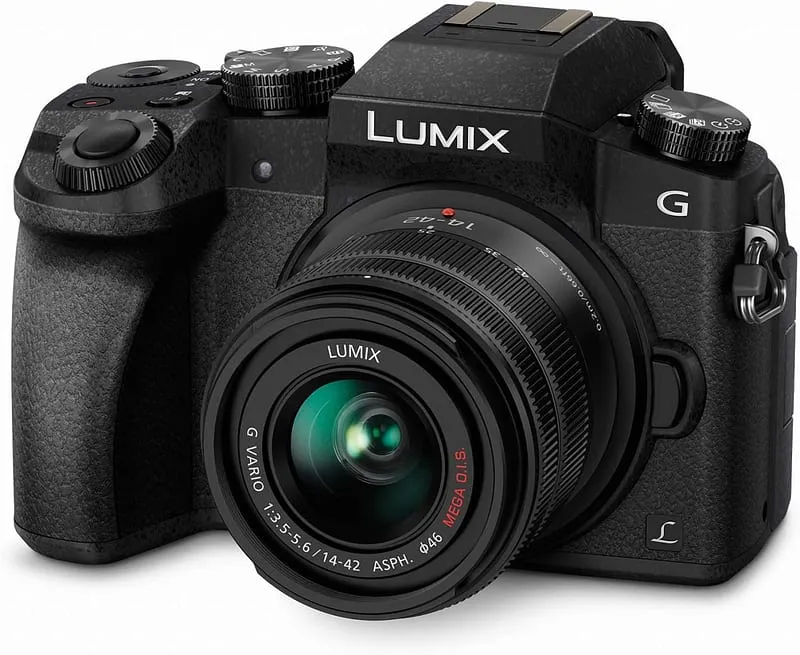
The shoot was a lot of fun.
Features:
- 16MP — Four-Thirds CMOS Sensor
- ISO 100–25600
- 00″ Fully Articulated Screen
- 2360k Electronic dot viewfinder
- 0fps continuous shooting
- 4K at 30fps and FHD at 60fps Video Recording
- Built-in Wireless
- 125 x 86 x 77 mm
ISO/ Shutter speed:
It was fast, accurate, and pretty quiet.
The camera’s shutter sound is quiet, which is nice because taking pictures in a quiet area will not disturb those around you.
Aperture/ Field of View:
White Balance/ Frame Rate:
This camera’s frame rate is fast for its price range; as soon as you press the shutter button, it takes less than half a second to take your picture and store it onto the memory card.
Why is this camera the best?
This camera is the best because of its price and quality.
It has many features that make it easy to use, but they are not so advanced that they will frustrate someone with no experience in photography.

Photo by Khaled Ghareeb on Unsplash
Conclusion:
Ultimately, it is the best mirrorless camera under $500 because it is affordable, has an excellent sensor and processor, and is easy to use.
It’s also very durable and portable, making it perfect for anyone who wants an easy-to-use camera without spending over $500.
Pros
- 4K video.
- Built-in EVF.
- Vari-angle touch LCD.
- Dual control dials.
- Speedy performance.
- 4K Photo and Post Focus modes.
- Built-in flash.
Cons
- Tracking focus slows burst rate.
- Not available as a body only.
- Plastic build.
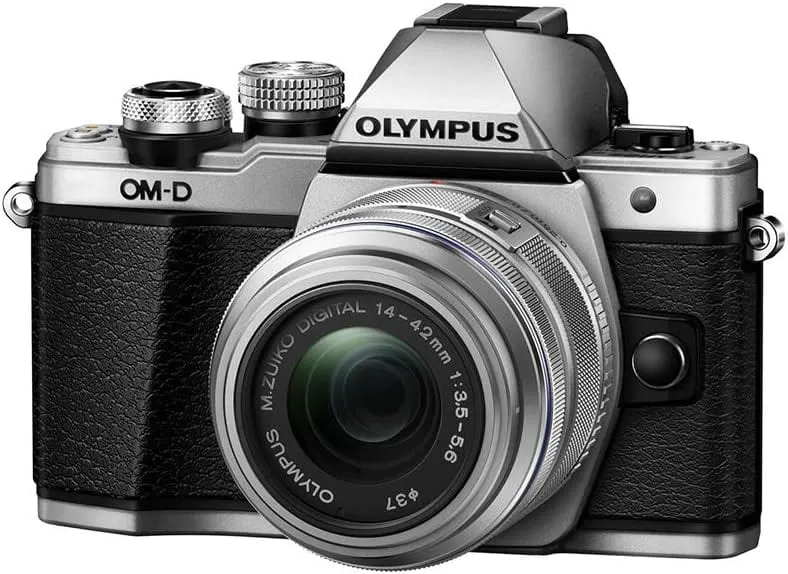
Olympus OM-D E-M10 II: (Best Mirrorless Camera under $500)
Features:
- 16MP — Four-Thirds CMOS Sensor
- ISO 200–25600( expands to 100)
- 5-axis Sensor-shift Image Stabilization
- 00″ Tilting Screen
- 2360k Electronic dot viewfinder
- 0fps continuous shooting
- FHD at 60fps Video Recording
- Built-in Wireless
- 120 x 83 x 47 mm
ISO/ Shutter Speed:
The ISO settings are also awe-inspiring for a camera in this price range.
Shooting up to 25600 ISO without much image quality loss is excellent for those who like to shoot in low-light conditions.
That makes it challenging to shoot at anything above 12800 without having nasty grainy effects on your images.
Aperture/ Field of View:
It is very sharp.
The aperture range on this camera goes from f/3.5 to 5.6, which is pretty standard for most point-and-shoot cameras but still leaves room for improvement compared to DSLRs or mirrorless cameras.
White Balance/ Frame Rate
The white balance on this camera is pretty accurate, and most of the time, it does an excellent job of adjusting itself to whatever conditions you are shooting in.
Why is this camera the best?
This camera is the best because of its versatility.
It has a wide range of shooting modes and settings that can be used in any situation and impressive image quality for being such a small device.
So, if you are looking for a camera that is easy to carry around and versatile enough to use in any situation, this is the one for you!

Photo by JOVS Beauty on Unsplash
Conclusion
So, the Olympus OM-D E-M10 II is the best micro four-thirds camera on the market.
It has an excellent sensor, fast performance, and impressive image quality for its size.
Pros
- Compact, but comfortable to use.
- Large, sharp EVF.
- Tilting touch-screen display.
- 8.6fps continuous shooting.
- Built-in flash.
- 5-axis stabilization system.
- Wi-Fi.
Cons
- Accurate tracking requires a slower burst rate.
- Wacky power switch.
- There is no mic input.
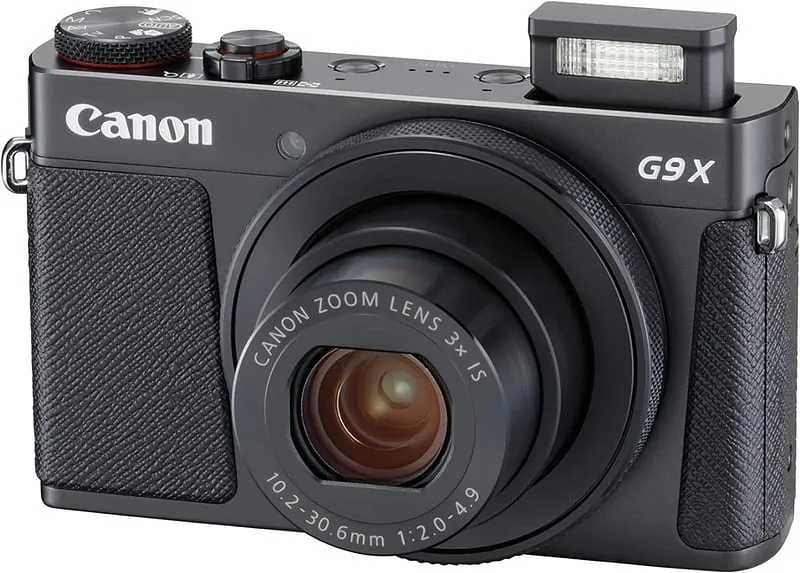
Canon PowerShot G9 X Mark II: (Best Mirrorless Camera under $500)
Features:
- 20MP — 1′ BSI-CMOS Sensor
- ISO 125–12800
- 28–84 mm F2–4.9 Zoom Lens
- Optical Image Stabilization
- 00″ Fixed Type Screen
- 2fps continuous shooting
- FHD at 60fps Video Recording
- Built-in Wireless
- 98 x 58 x 31 mm
ISO/ Shutter Speed:
The ISO is decent, but it won’t be great if you want to use this camera for low-light situations.
You can make some decent shots in the dark, but you won’t be able to get very far with it.
The shutter speed could also be much faster, meaning it might turn out poorly if you’re trying to capture fast-moving objects.
Aperture/ Field of View
The aperture on this camera is decent.
It will be better than other models in its price range, but it does the job.
In addition, you may tailor the field of vision to your needs.
White Balance/ Frame Rate:
It was pretty warm and didn’t make the picture look unnatural.
The frame rate is also decent, but it could be better.
That is not your best option if you want to capture fast-moving objects.
Why is this camera the best?
This camera is the best because it’s affordable, but it still has some great features that make it worth the money.
Even though some of its rivals may be better, this model will do the trick if you only need a simple one for a short journey or holiday.
Conclusion:
This is worth considering if you’re starting with photography or want a reliable backup camera.
Pros
- Crisp lens.
- 1-inch image sensor.
- 8.1fps image capture.
- Touch LCD.
- Built-in ND filter.
- In-camera art filters.
- Wi-Fi.
- Quite compact.
Cons
- Short zoom.
- Narrow aperture when zoomed.
- No 60fps video option.
CONCLUSION:
Alright, guys, that concludes all the cameras we will discuss today in this article.
Do you guys have any experience with these cameras? What are your thoughts on them?
Which is your Best Mirrorless Camera Under $500?
Would you please leave your thoughts and comments below?
Compare with Best Mirrorless Camera for Every Type of Photography and Best Mirrorless Camera for Beginners, or check the field-of-view calculator.
Common Buying & Setup Questions
What is the top pick in Best Mirrorless Camera Under $500-$900?
The Fujifilm X (APS-C · 24MP · 47mm · 4K UHD, Fujifilm X-Mount (APS-C 1.5x)) leads our shortlist as the t100 - (best mirrorless camera under $500), followed closely by the Olympus OM (16MP · 14-42mm · f/3.5).
What focal length, aperture, and shutter speed work best for action sports, motorcycle helmet, snorkeling & kayak fishing?
For action sports, motorcycle helmet, snorkeling & kayak fishing, pair a 12mm – 16mm ultra-wide equivalent (SuperView / HyperView for chest & chin mounts) lens at Fixed f/2.8 (pair with ND8/ND16/ND32 filters for realistic motion blur in moto-vlogs) with a shutter speed of Auto (for max stabilization) or 1/120s with ND filter and a working distance of Chin-mount POV to 3m follow-cam. Recommended setup: Floating hand grip (snorkeling/kayak) + chin helmet mount + UHS-I V30 microSD card + rinse in fresh water after ocean use..
Camera & Lens Settings by Real-World Use Case
Match your focal length, aperture, shutter speed, and lighting modifier to the exact environment you shoot in.
Action Sports, Motorcycle Helmet, Snorkeling & Kayak Fishing
- Best Body:
- GoPro Hero 12 Black / DJI Osmo Action 5 Pro
- Ideal Lens:
- Ultra-Wide 155°–177° fixed f/2.8 with hydrophobic replaceable lens cover
- Aperture & Shutter:
- Fixed f/2.8 (pair with ND8/ND16/ND32 filters for realistic motion blur in moto-vlogs) · Auto (for max stabilization) or 1/120s with ND filter
- Room Distance:
- Chin-mount POV to 3m follow-cam
Tattoo Artists & Micro-Realism Portfolios
- Best Body:
- Sony Alpha a7 III / Fujifilm X-T4
- Ideal Lens:
- 90mm f/2.8 Macro (detail) or 50mm f/1.8 (sleeves & back pieces)
- Aperture & Shutter:
- f/5.6 – f/8 (keeps curved forearms and calves sharp edge-to-edge) · 1/125s – 1/200s handheld (or 1/60s on tripod)
- Room Distance:
- 0.4m – 1.5m (1.5 to 5 ft)
Barbershops, Hairstylists & Color Salons
- Best Body:
- Sony a7 IV / Canon EOS R6 Mark II
- Ideal Lens:
- 50mm f/1.8 (tight stations) or 85mm f/1.8 (spacious salons)
- Aperture & Shutter:
- f/1.8 – f/2.8 (blurs background chairs while keeping the lineup tack-sharp) · 1/160s – 1/250s (freezes subtle head movement in the chair)
- Room Distance:
- 1.5m – 2.4m (5 to 8 ft from the styling chair)

Written by
Marien CartelMarien Cartel runs Marien Cartel Photography, a camera and lens buying-guide site, and photographs the gear shown on it.
Related Guides

Best Mirrorless Cameras Under $2000: Top Picks & Sensor Comparison
The world of photography is constantly evolving, and mirrorless cameras have taken center stage, offering incredible image quality, compact designs, and

Best Affordable Mirrorless Camera for Travel
Best Affordable Mirrorless Camera for Travel: Canon EOS R50, Canon EOS R100 and Sony Alpha a6000 compared on features, price and who each one suits.
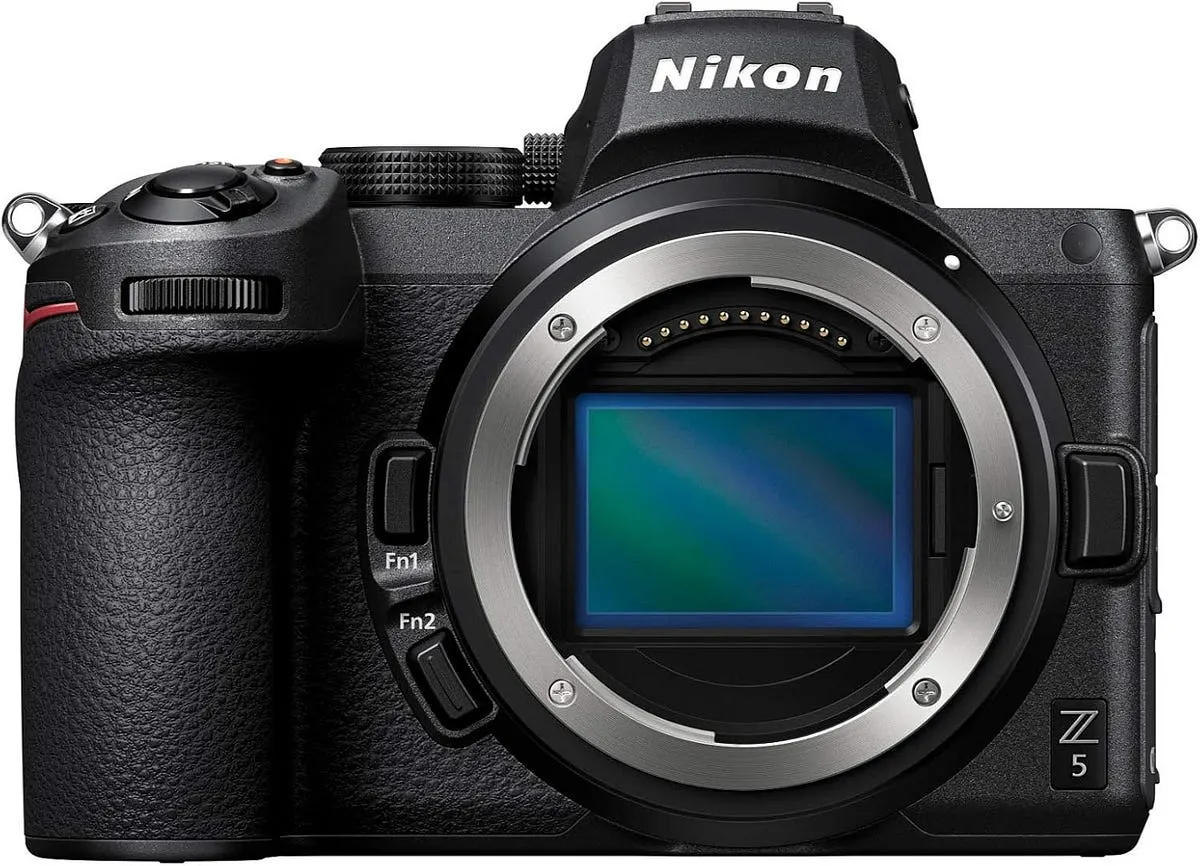
Best Full Frame Mirrorless Camera for Beginners Nikon
Best Full Frame Mirrorless Camera for Beginners Nikon: key features, strengths, drawbacks and who should buy the Nikon Z5.
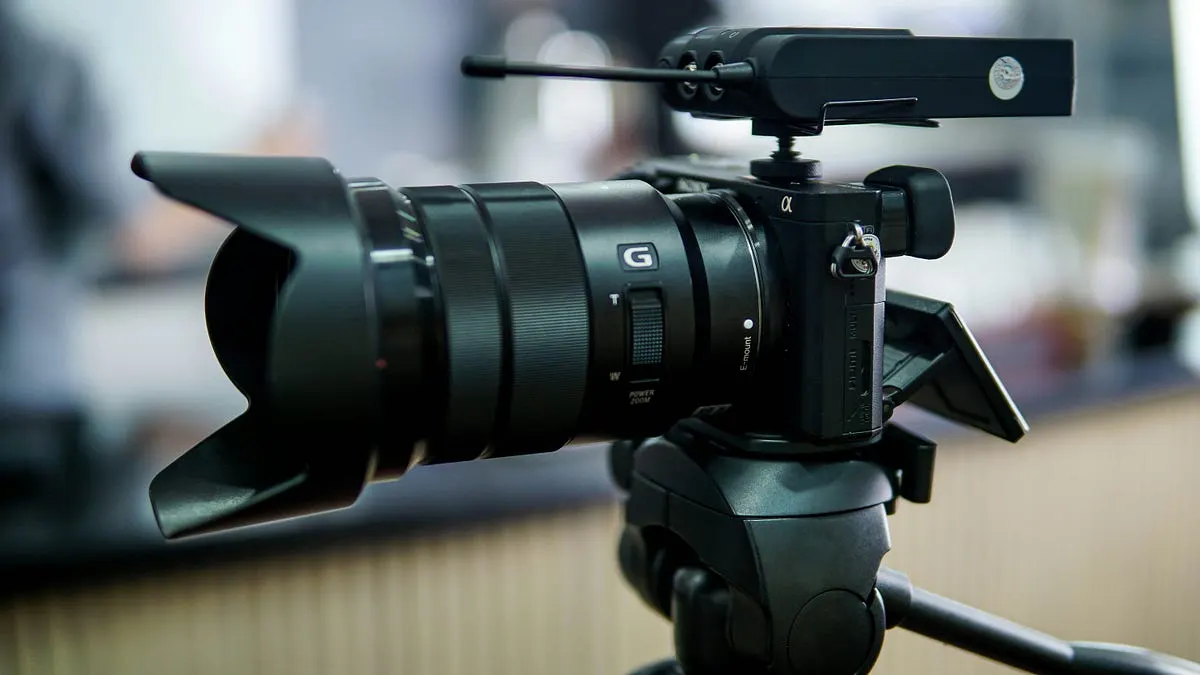
Best Mirrorless Camera for Every Type of Photography
The right mirrorless body for wildlife, travel, portraits, video, landscapes and tight budgets — picked by what you actually shoot.

Best Mirrorless Camera for Beginners
Comparing Sony a6000, Canon EOS M50 Mark II and Fujifilm X-T200 for Mirrorless Camera for Beginners — sensor specs, autofocus, pricing.

Top 3 Mirrorless Cameras: Canon R6 II, Panasonic S5 II and Nikon Z30
Top 3 Mirrorless Cameras: Canon R6 II, Panasonic S5 II and Nikon Z30: key features, strengths, drawbacks and who should buy the Canon EOS R6 Mark II.