Best Full Frame Mirrorless Camera for Beginners Nikon
As an Amazon Associate we earn from qualifying purchases. Some links in this guide are affiliate links, see our affiliate disclosure for details.
Which Nikon full-frame mirrorless camera is best for beginners?
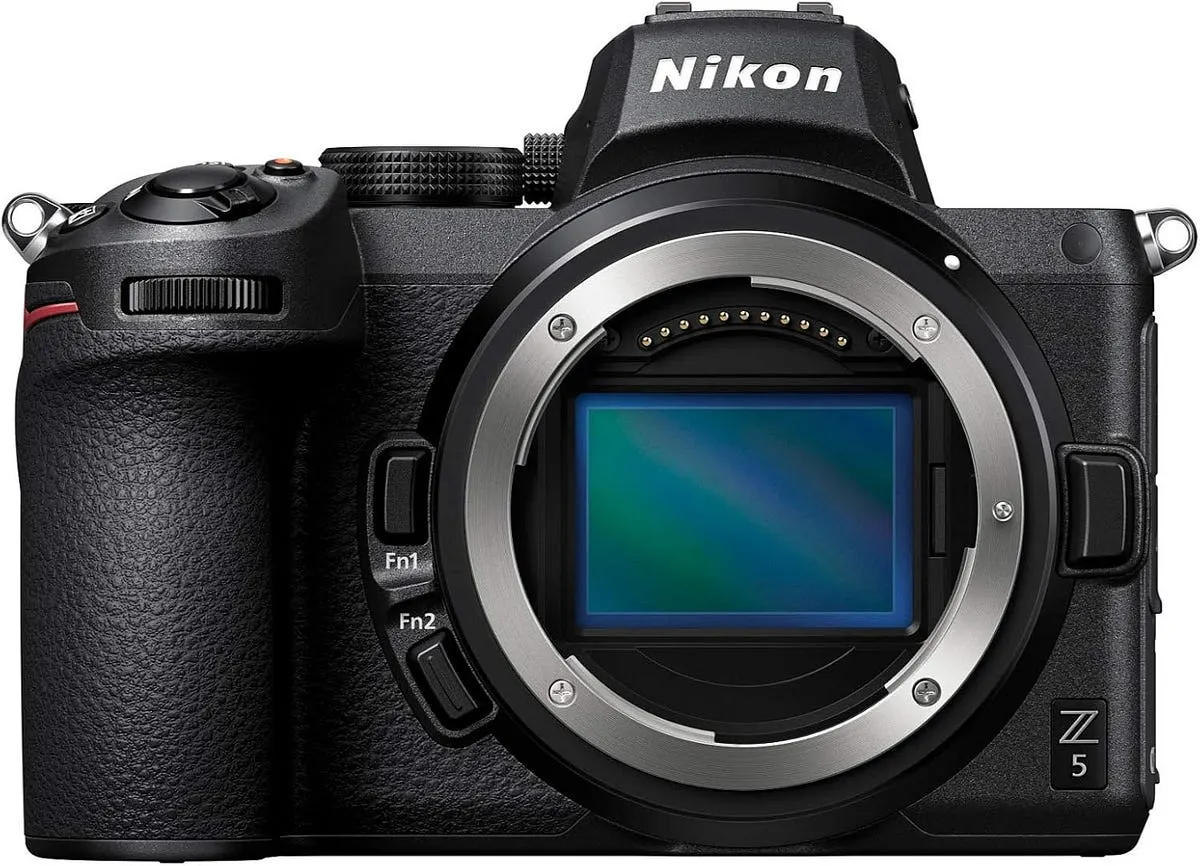
The Nikon Z5 is the best-value Nikon full-frame mirrorless camera for beginners stepping up from a phone or an entry-level DSLR. It has a 24.3-megapixel full-frame sensor, five-axis in-body image stabilization and dual SD card slots, and it weighs about 675 g with battery and card. Its newer successor, the Nikon Z5 II, adds speed and features for a higher price, so choose the Z5 on a budget and the Z5 II if autofocus and burst speed matter.
Why is the Nikon Z5 a good beginner full-frame camera?

The Nikon Z5 brings full-frame image quality to a lower price point than other Z cameras. Key points from Nikon's specifications:
- Affordable full-frame quality. A 24.3-megapixel full-frame sensor delivers detail and low-light performance beyond most APS-C cameras. The Nikon Z6 uses a 24.5-megapixel back-illuminated sensor with faster processing, which is why it costs more.
- In-body image stabilization. Five-axis stabilization helps handheld shooting in dim streets and indoors.
- Dual SD card slots. Many entry-level full-frame cameras have only one card slot, so two slots add backup and storage options.
- Comfortable ergonomics. The deep grip and tilting touchscreen make menus and long shoots easier.
- Growing Z-mount lens range. Nikon offers a wide Z-mount lens range, and F-mount lenses work with the FTZ adapter.
What are the limits?
- Burst speed. About 4.5 frames per second is slow for sports and wildlife.
- Video. 4K video is cropped, and the camera suits casual video rather than heavy video work.
- Autofocus. It is dependable for everyday use but older than the latest subject-detection systems.
Z5 or Z5 II?
The Nikon Z5 II is the newer model with faster performance and updated autofocus. See the Nikon Z5 II review for details. The original Z5 is the cheaper choice and often available at a discount, while the Z5 II suits buyers who want newer autofocus and faster shooting.

Who is the Z5 best for?
- Travel and landscape photographers. It is lightweight yet strong in image quality.
- Portrait shooters. Full-frame blur and good skin tones suit portraits.
- Everyday shooters. It is easy to use and carries pro features such as dual cards and stabilization.

Should beginners buy a full-frame camera?
Full-frame cameras give better low-light performance and more background blur, but they cost more, and the lenses are larger. APS-C cameras such as the Nikon Z50 II are lighter and cheaper. See the guides to the best Nikon mirrorless cameras and the best Nikon cameras for beginners for the full range.

Frequently asked questions
Is the Nikon Z5 good for beginners? Yes. It is easy to use and has the image quality of a full-frame sensor.
Does the Z5 have image stabilization? Yes. It has five-axis in-body stabilization.
What lens comes with it? It is often sold in a kit with a 24-50mm or 24-200mm zoom. Check current kit options.
Can it use old Nikon lenses? Yes, with the FTZ adapter, although autofocus depends on the lens.
Camera & Lens Settings by Real-World Use Case
Match your focal length, aperture, shutter speed, and lighting modifier to the exact environment you shoot in.
Tattoo Artists & Micro-Realism Portfolios
- Best Body:
- Sony Alpha a7 III / Fujifilm X-T4
- Ideal Lens:
- 90mm f/2.8 Macro (detail) or 50mm f/1.8 (sleeves & back pieces)
- Aperture & Shutter:
- f/5.6 – f/8 (keeps curved forearms and calves sharp edge-to-edge) · 1/125s – 1/200s handheld (or 1/60s on tripod)
- Room Distance:
- 0.4m – 1.5m (1.5 to 5 ft)
Barbershops, Hairstylists & Color Salons
- Best Body:
- Sony a7 IV / Canon EOS R6 Mark II
- Ideal Lens:
- 50mm f/1.8 (tight stations) or 85mm f/1.8 (spacious salons)
- Aperture & Shutter:
- f/1.8 – f/2.8 (blurs background chairs while keeping the lineup tack-sharp) · 1/160s – 1/250s (freezes subtle head movement in the chair)
- Room Distance:
- 1.5m – 2.4m (5 to 8 ft from the styling chair)
Makeup Artists (MUA) & Beauty Tutorials
- Best Body:
- Sony Alpha a6400 / Canon G7 X Mark III
- Ideal Lens:
- Sigma 56mm f/1.4 DC DN (APS-C) or 50mm–85mm f/1.8 (Full Frame)
- Aperture & Shutter:
- f/2.8 – f/4 for full-face sharpness; f/5.6 for macro eye/lip close-ups · 1/125s for stills; 1/50s (24p) or 1/120s (60p) for video tutorials
- Room Distance:
- 1.2m – 2.2m (4 to 7 ft)

Written by
Marien CartelMarien Cartel runs Marien Cartel Photography, a camera and lens buying-guide site, and photographs the gear shown on it.
Related Guides

Best Nikon Full Frame Cameras for Night Photography
Best Nikon Full Frame Cameras for Night Photography — Nikon Z5, Nikon Z6 II and Nikon Z8 compared, with pros, cons and who should buy which.

Best Nikon Camera for Photography Beginners
Best Nikon Camera for Photography Beginners — Nikon D3500, Nikon Z50 and Nikon Z5 compared, with pros, cons and who should buy which.
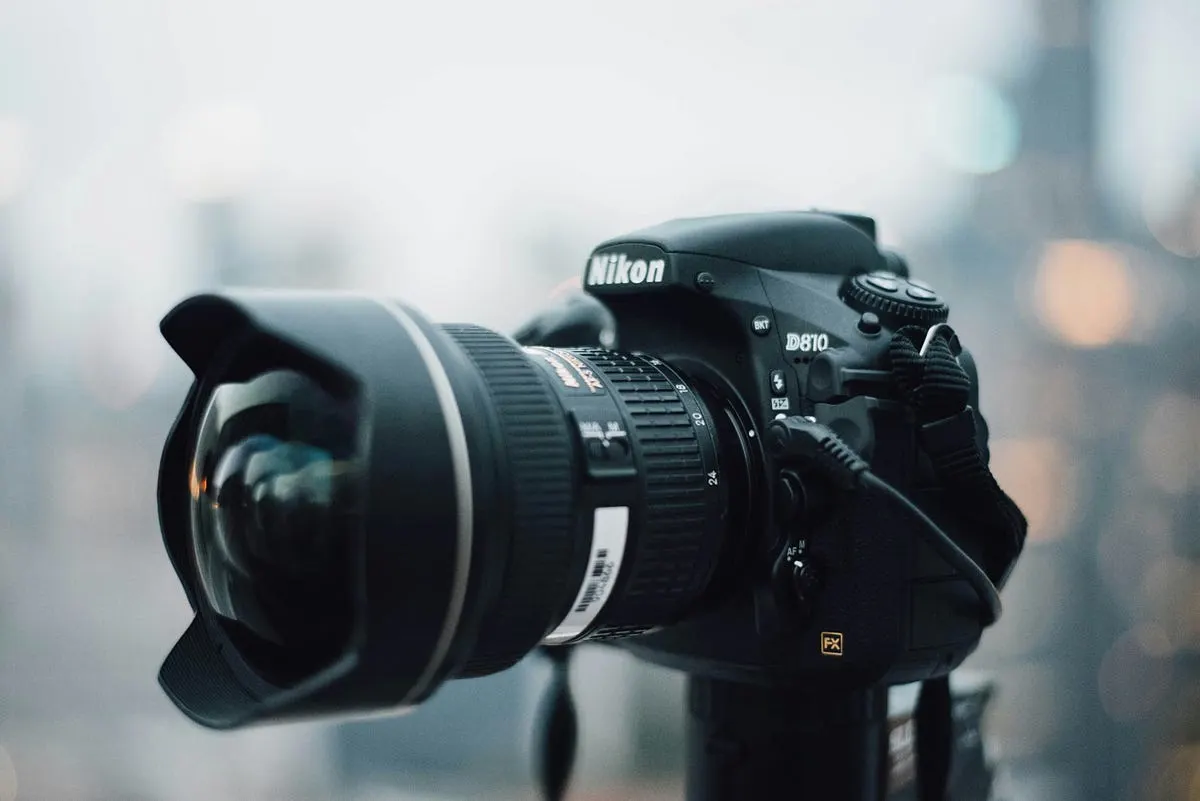
Best Nikon lenses for Beginners: Prime & Zoom Options Compared
Best Nikon lenses for Beginners: Nikon Z 40mm f/2, Nikon Z 50mm f/1.8 S and Nikon Z 24–70mm f/4 S compared on features, price and who each one suits.
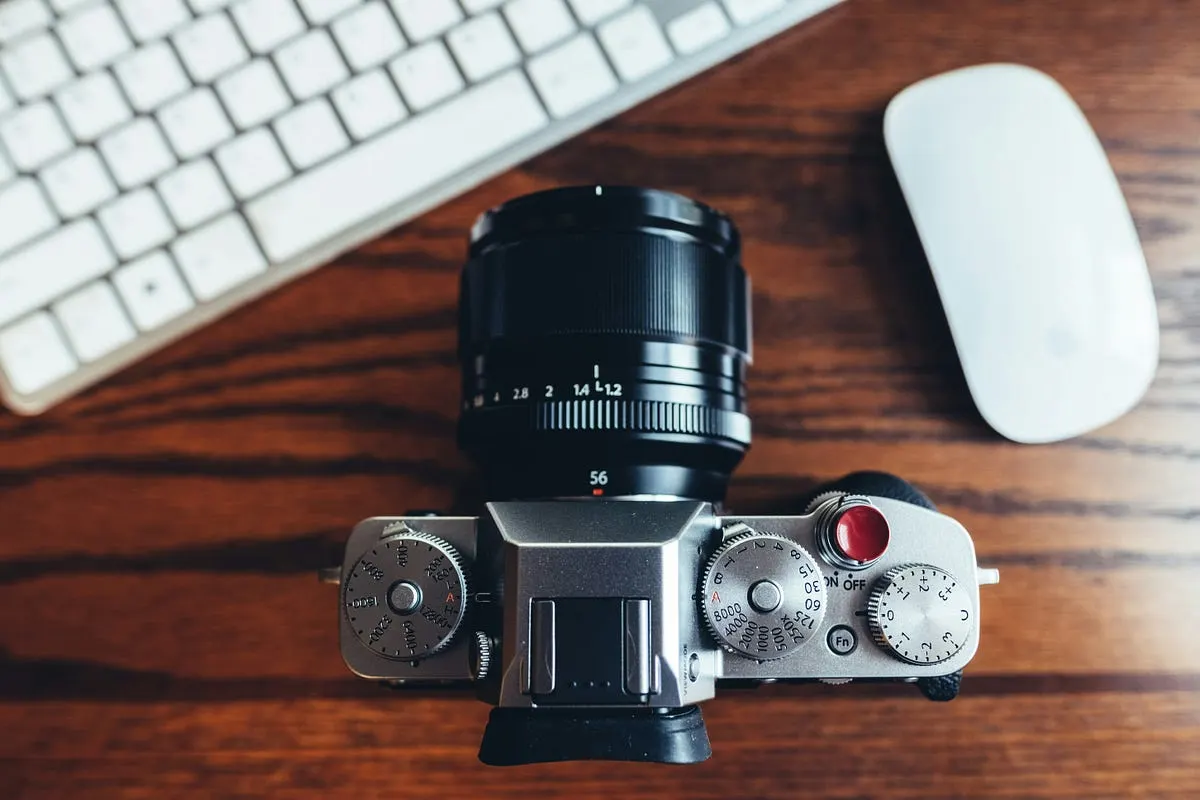
Top 3 Mirrorless Cameras: Canon R6 II, Panasonic S5 II and Nikon Z30
Top 3 Mirrorless Cameras: Canon R6 II, Panasonic S5 II and Nikon Z30: key features, strengths, drawbacks and who should buy the Canon EOS R6 Mark II.
Best Mirrorless Camera for Beginners
Comparing Sony a6000, Canon EOS M50 Mark II and Fujifilm X-T200 for Mirrorless Camera for Beginners — sensor specs, autofocus, pricing.
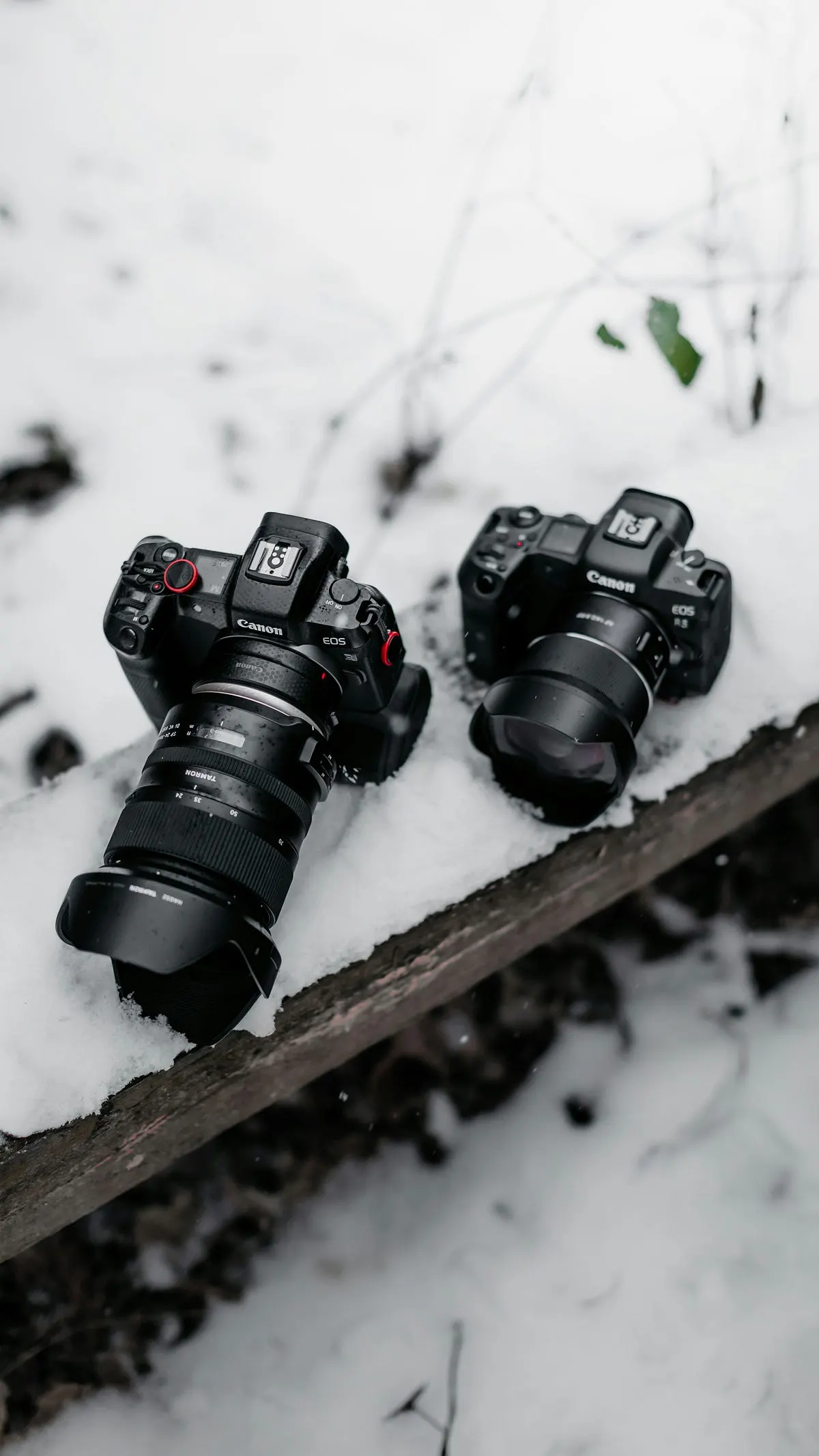
Mirrorless vs DSLR for Beginners: Tested Models & Buying Guide
Compare mirrorless vs DSLR cameras for beginners across real-time electronic viewfinders, eye-detection autofocus, weight, battery life, and lens mount options.