Best Budget Wide-Angle Lens for Sony Full Frame (2026)
As an Amazon Associate we earn from qualifying purchases. Some links in this guide are affiliate links, see our affiliate disclosure for details.
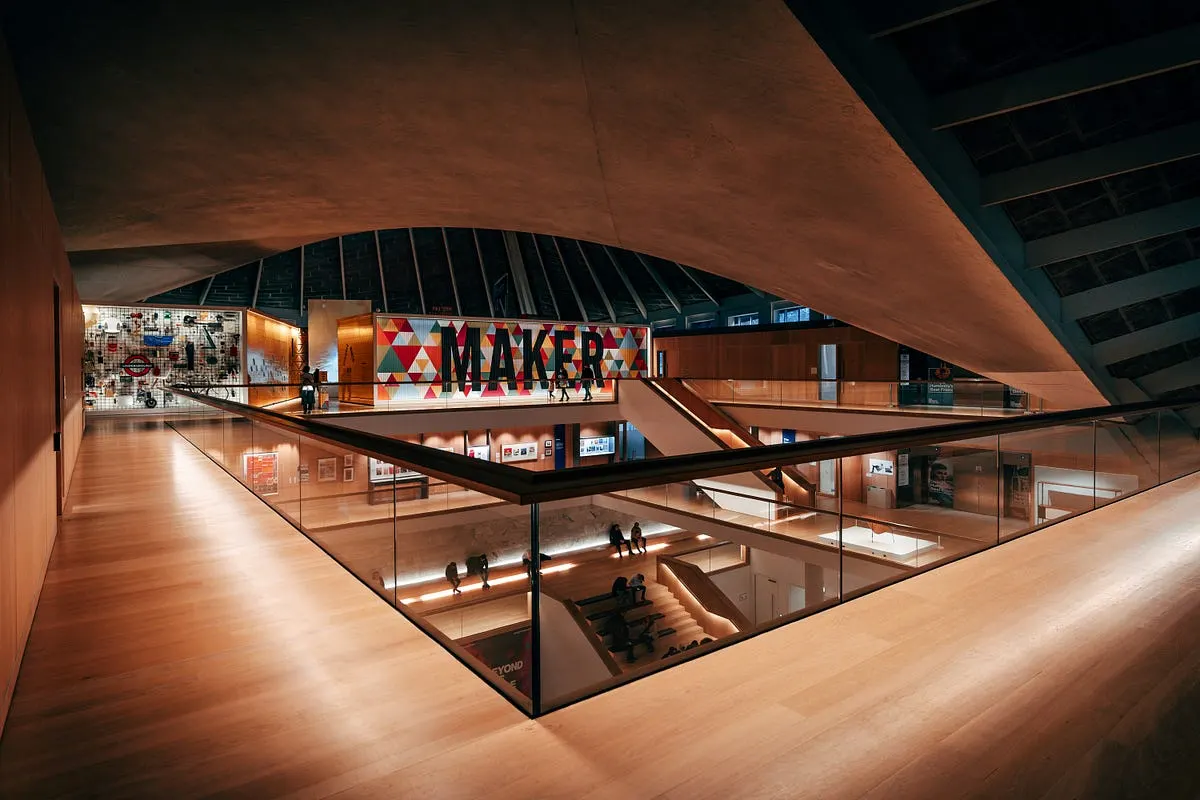
Photo by Andrea De Santis on Unsplash
A wide-angle lens is the quickest way to make a Sony full-frame body feel different: it fits a whole canyon, interior or street into the frame. The catch is that the premium options cost a lot, and most of what makes a good budget wide lens comes down to three trade-offs: weight, sharpness in the corners and maximum aperture.
This guide compares three affordable lenses that suit the Sony a7 III and other full-frame E-mount bodies, then shows where the premium G Master and Art options fit. The table gives the short version.
Quick verdict
| Your situation | Pick | Why |
|---|---|---|
| Best all-rounder for travel | Tamron 17–28mm f/2.8 Di III RXD | Constant f/2.8 zoom, published weight of 420 g, weather sealed; about $550 to $650 |
| Cheapest and lightest | Samyang AF 18mm f/2.8 FE | About 145 g and around $250; corners soften at f/2.8 |
| Low light and astro | Viltrox AF 16mm f/1.8 FE | f/1.8 aperture, about $549; heavier at around 500 g |
The sections below compare all five lenses and explain which buyer each one suits.
The best Sony wide-angle lenses include the Sony FE 16–35mm F2.8 GM II for professional zoom performance, the Sony FE 12–24mm f/2.8 GM for ultra-wide flexibility, and the Sony FE 14mm f/1.8 GM and Sony FE 20mm f/1.8 G for fast prime options.
For more budget-friendly choices, consider the Tamron 17–28mm f/2.8 Di III RXD and the Sigma 14–24mm f/2.8 DG DN Art.
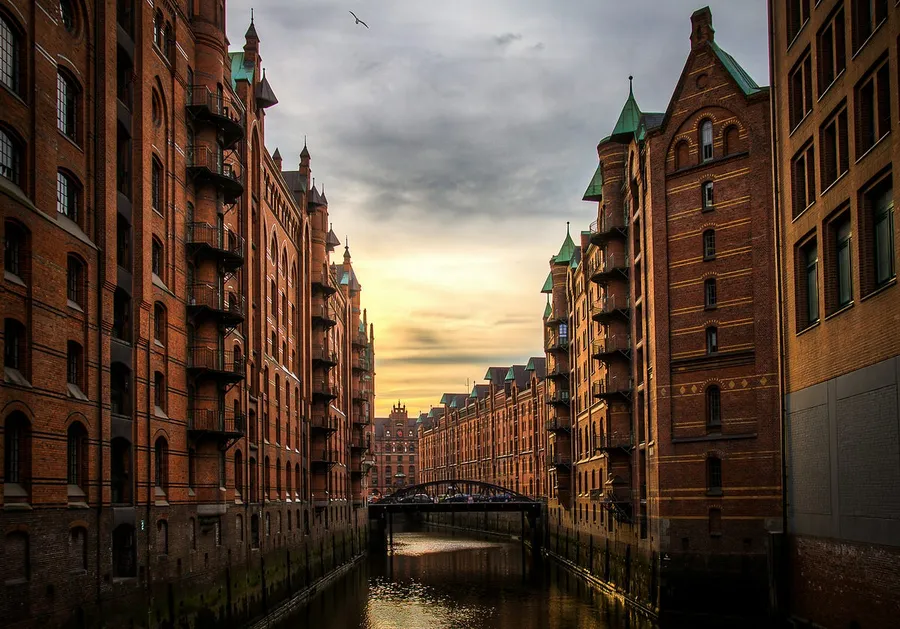
A standard lens often cannot swallow a big scene such as a canyon at golden hour. A wide-angle lens fits more of the frame and gives dramatic, immersive width.
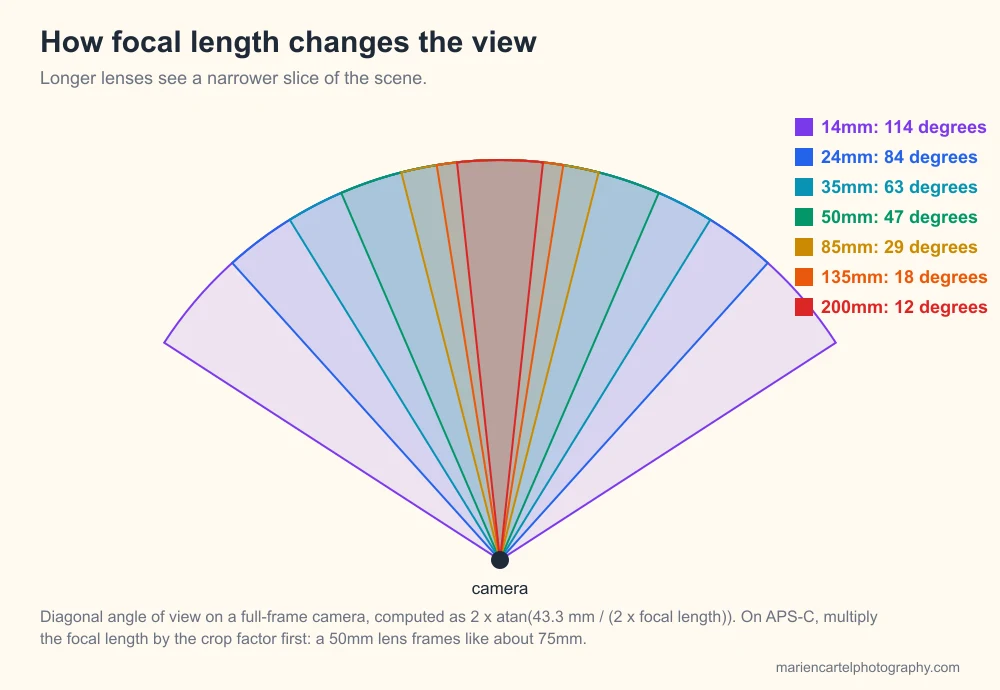
Diagonal angle of view from 14mm ultra-wide to 200mm telephoto on a 35mm sensor.
The Contenders: Top Budget Wide-Angle Lenses
Price (under $600)
Sharpness (no soft corners!)
Portability (because heavy gear kills wanderlust).
Here are the top picks, suited to the Sony a7III and other full-frame E-mount cameras:
- Tamron 17–28mm f/2.8 Di III RXD
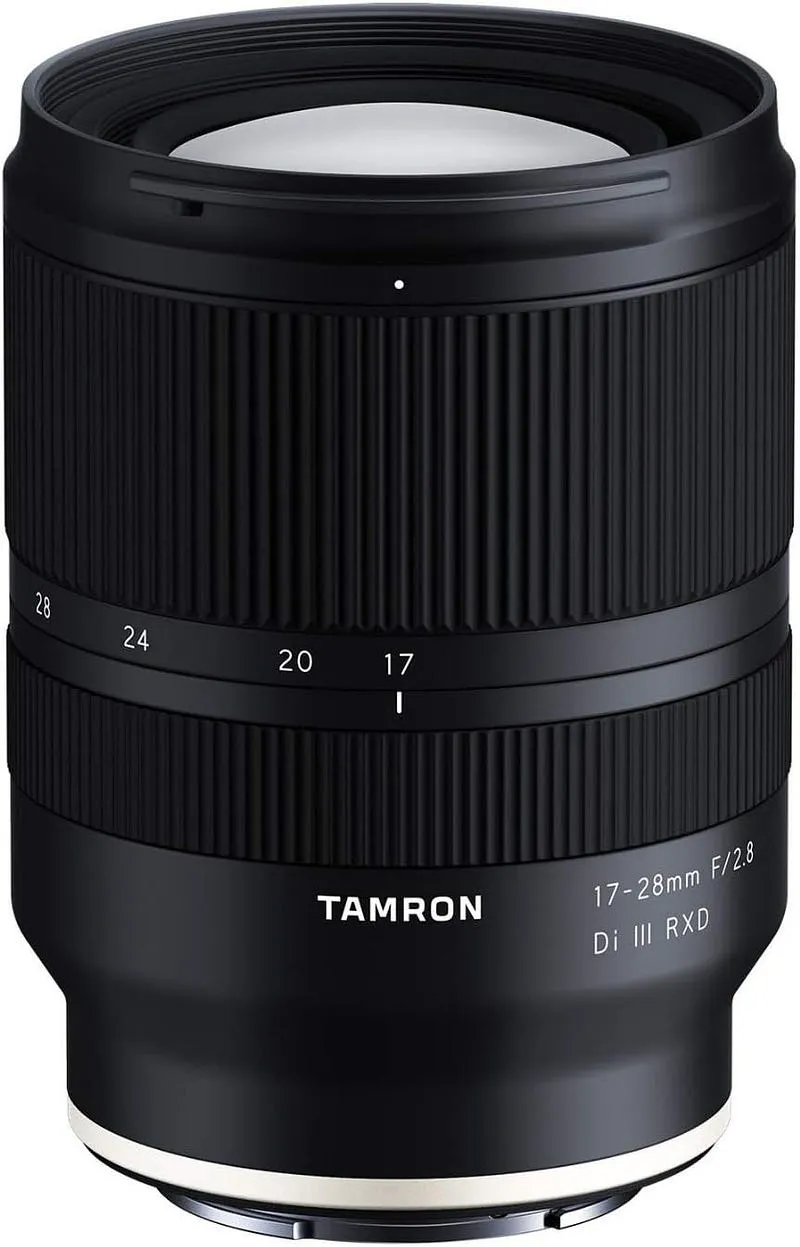
Price: ~$550–$650 (used/new)
Pros:
- Razor-sharp even at f/2.8.
- Lightweight (420g) and compact.
- Weather-sealed (a lifesaver in sudden rain!).
Cons:
- 17mm isn’t ultra-wide (you’ll need 12–16mm for astro).
- No image stabilization (rely on your Sony’s IBIS).
2. Samyang/Rokinon 18mm f/2.8 AF
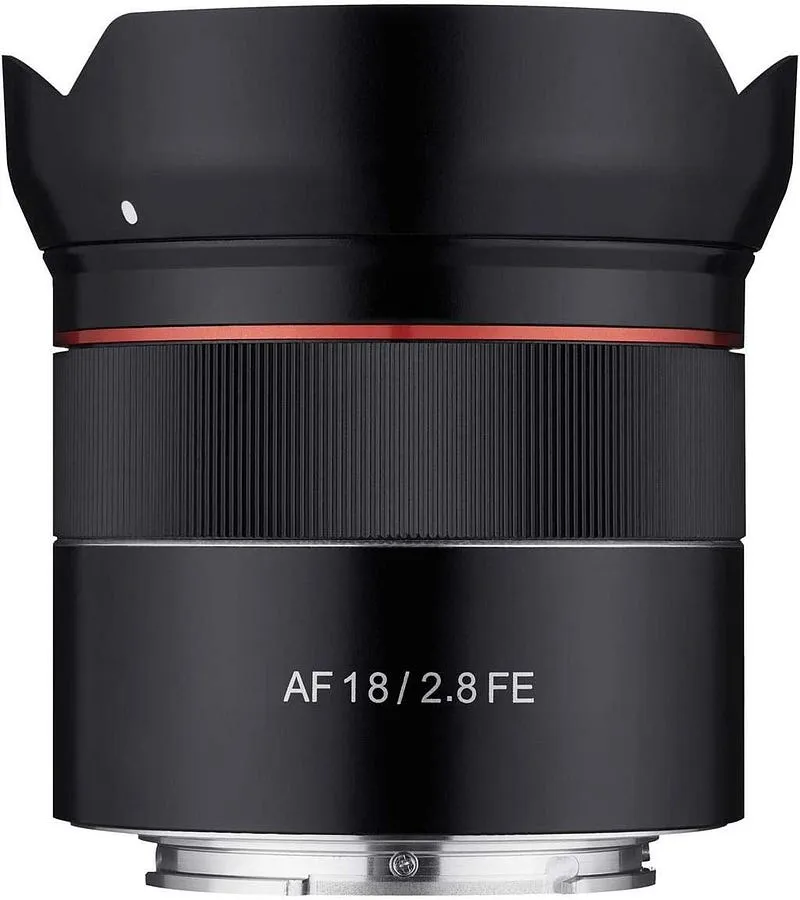
Price: ~$250 (new!)
Pros:
- Unbeatable price.
- Feather-light (145g!) and pancake design.
- Solid center sharpness.
Cons:
- Corners soften at f/2.8 (stop down to f/4 for perfection).
- Plastic build (handle with care).
3. Viltrox 16mm f/1.8 AF
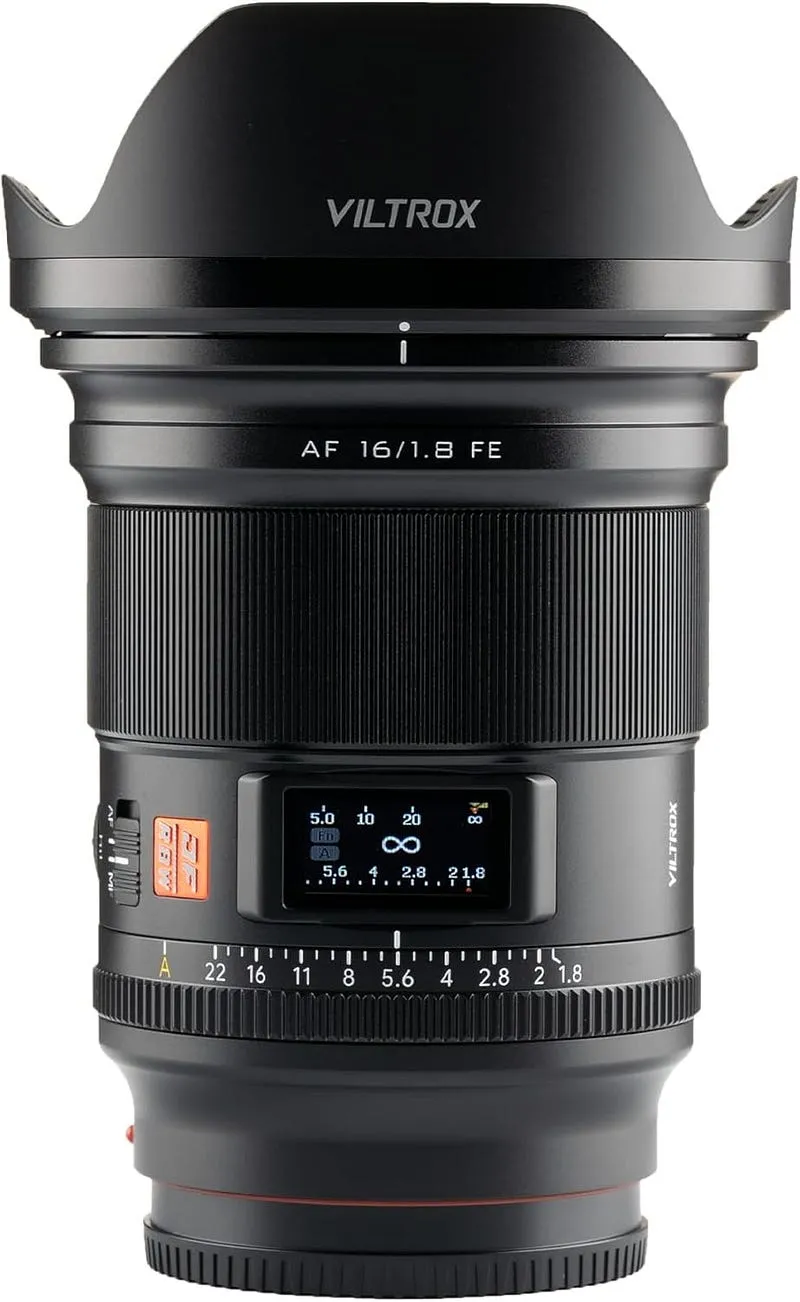
Price: ~$549 (new)
Pros:
- Bright f/1.8 for low-light/astro.
- Excellent sharpness across the frame.
- Affordable for f/1.8 glass.
Cons:
- Heavier (500g) and bulkier.
- Slight vignetting at f/1.8 (fixable in Lightroom).
Verdict: A low-light beast. Perfect for astro shooters or dimly lit interiors.
Specs side by side
The table uses published manufacturer and database figures. Weights come from lens databases and can vary by a few grams depending on whether the hood and caps are counted.
| Lens | Focal length and aperture | Weight (listed) | Filter thread | Focus |
|---|---|---|---|---|
| Tamron 17–28mm f/2.8 Di III RXD | 17–28mm, f/2.8 | 420 g | 67 mm | Autofocus, closest focus 0.19 m at 17 mm |
| Samyang AF 18mm f/2.8 FE | 18mm, f/2.8 | 145 g | 58 mm | Autofocus, closest focus 0.25 m |
| Viltrox AF 16mm f/1.8 FE | 16mm, f/1.8 | About 550 g | 77 mm | Autofocus, closest focus 0.27 m |
| Sony FE 20mm f/1.8 G | 20mm, f/1.8 | 373 g | 67 mm | Autofocus, closest focus 0.19 m |
| Laowa 15mm f/2 FE Zero-D | 15mm, f/2 | About 500 g | 72 mm | Manual focus only |
Sources: the Imaging Resource page for the Tamron 17–28mm, the LensTip page for the Samyang 18mm, the LensTip page for the Viltrox 16mm, the Imaging Resource page for the Sony 20mm f/1.8 G and the Imaging Resource page for the Laowa 15mm. Check the manufacturer's site for the current figure before you buy.
Who should buy which lens
| If you want | Best pick | Why |
|---|---|---|
| One lens for travel, from wide to standard | Tamron 17–28mm f/2.8 | Zoom range and a constant f/2.8 aperture |
| The smallest and lightest option | Samyang AF 18mm f/2.8 | About 145 g and a 58 mm filter thread |
| Night skies and dim interiors | Viltrox AF 16mm f/1.8 | Widest and brightest of the three budget lenses |
| Video and low distortion, with a bigger budget | Sony FE 20mm f/1.8 G | Autofocus and dust and moisture resistance |
| The widest view with a low price, and you accept manual focus | Laowa 15mm f/2 Zero-D | 15 mm and a 110° angle of view on full frame |
Which lens fits your subject
- Landscapes: a wider lens such as the 16 mm or 15 mm exaggerates foreground and background. See the guide to the best travel lens for Sony full frame if you want one lens to cover more distances.
- Astrophotography: the f/1.8 lenses collect more light than the f/2.8 options, so they allow lower ISO or shorter exposures for the same sky.
- Street and urban scenes: the Samyang is small enough to stay in a coat pocket. The guide to cheap lenses for Sony cameras lists more compact options.
- Building a full-frame kit on a tight budget: pair a wide lens with a low-cost body from the guide to the cheapest full-frame cameras.
- Starting out with Sony: the guide to the best Sony camera for a beginner on a budget shows which bodies pair well with a wide-angle lens.
Mistakes to avoid when buying a budget wide-angle lens
- Buying an APS-C lens for a full-frame body. Lenses made for smaller sensors can cause dark corners on full frame. Check that the lens is marked for full frame, such as FE.
- Ignoring corner sharpness. Many budget wide lenses are sharp in the centre and softer at the edges when wide open. Stopping down one or two stops usually improves the corners.
- Forgetting filter size. A 77 mm thread needs bigger and more expensive filters than a 58 mm thread. Factor this in if you shoot with polarizers or ND filters.
- Choosing manual focus without planning for it. A manual lens like the Laowa 15mm needs practice, especially for moving subjects.
- Buying the widest lens you can find. Very wide angles stretch the edges of the frame and make subjects near the border look distorted. A slightly longer focal length is easier to compose with.
- Skipping a hood and a lens cap check. Wide lenses catch stray light easily, so keep the hood on and clean the front element before shooting into the sun.
Frequently asked questions
Is 16 mm or 20 mm better for landscapes? Both work. 16 mm gives a more dramatic perspective and fits more of the scene. 20 mm looks more natural and distorts the edges less, which suits architecture and general travel photography.
Do I need f/1.8 for astrophotography? It helps, because the lens collects more light and lets you use a lower ISO or a shorter exposure. An f/2.8 lens still works, especially with a stable tripod and a sensor that handles high ISO well.
Are third-party wide-angle lenses reliable on Sony full frame? Tamron, Samyang and Viltrox all make autofocus lenses for the Sony E mount. Check the lens against your body's firmware and read recent user reports, because third-party autofocus behaviour can vary between camera models.
Do wide-angle lenses need stabilization? Not as much as telephoto lenses. A wide field of view hides small movements, and most recent Sony full-frame bodies include in-body stabilization that works with these lenses.
Is it worth buying used? Often yes, because wide-angle lenses hold up well. Buy from a seller with a return policy, and check the front element and the zoom or focus ring for dust and wear.
Honorable Mentions
- Sony 20mm f/1.8 G ($798): Beyond a tight budget, but worth saving for if you shoot video (near-zero distortion).
- Manual Focus Option: Laowa 15mm f/2 Zero-D ($499) — Tack-sharp and distortion-free, but MF-only (tricky for fast-paced scenes).
Final Thoughts
What’s your wide-angle story? Share your shots and questions below!
Gear covered: Sony a7III + Tamron 17–28mm | Samyang 18mm | Viltrox 16mm.
Next adventure: Iceland’s glaciers — wide-angle required.
Happy shooting, wanderers!
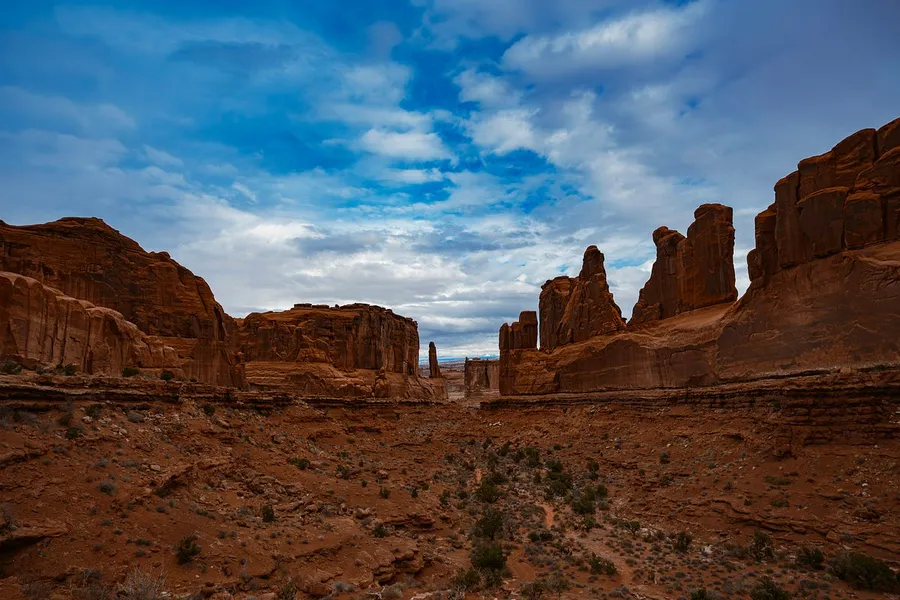
Photo by Kush Dwivedi on Unsplash
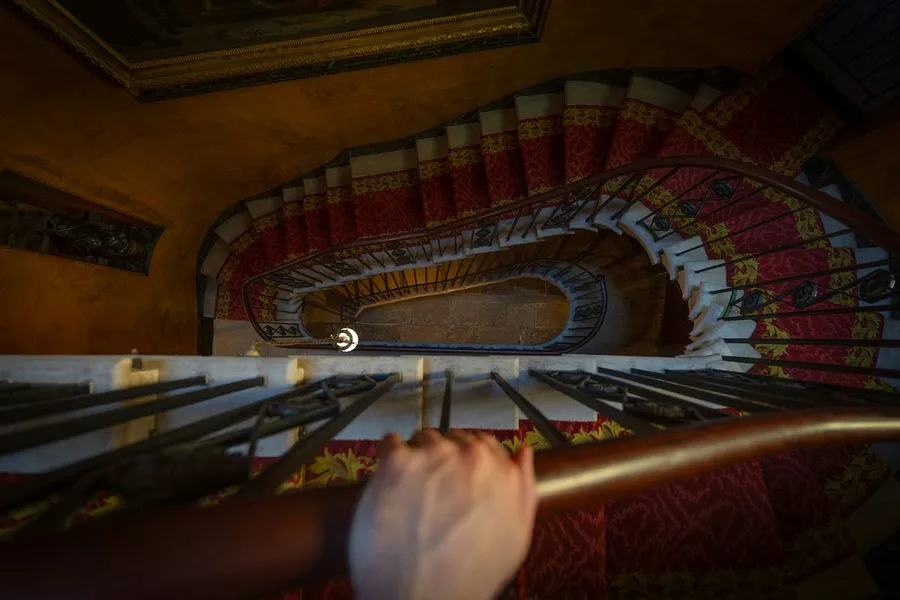
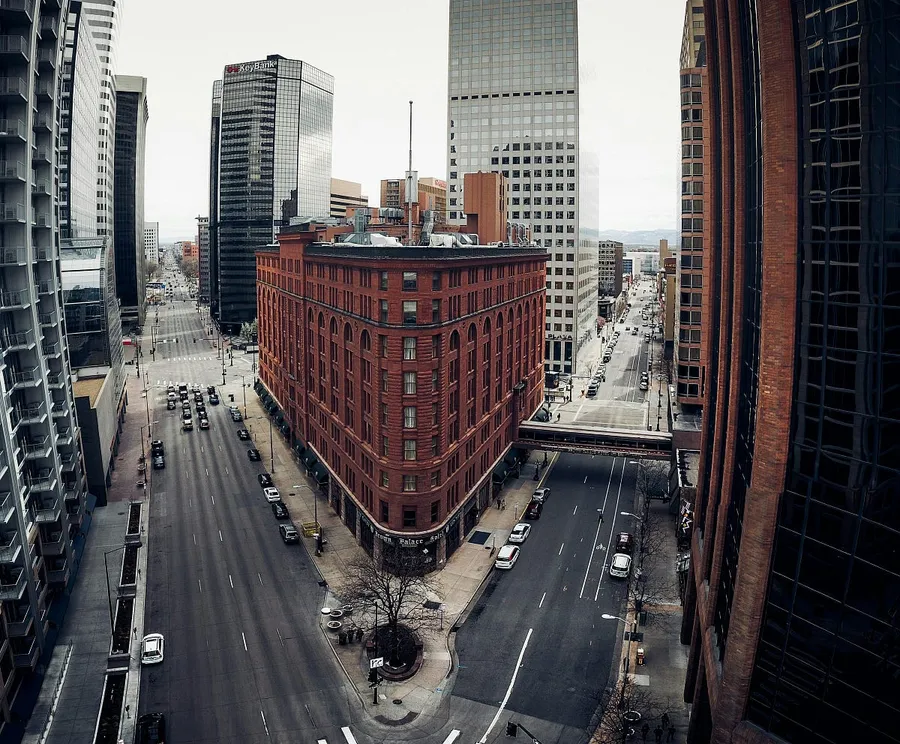
Photo by Andrea De Santis on Unsplash
Photo by Annie Spratt on Unsplash
Camera & Lens Settings by Real-World Use Case
Match your focal length, aperture, shutter speed, and lighting modifier to the exact environment you shoot in.
Real Estate, Interior Design & Architecture Tours
- Best Body:
- Sony a7 IV / Nikon Z7 II / Canon EOS R6 Mark II
- Ideal Lens:
- 14–24mm f/2.8 or 16–35mm f/4 Rectilinear Zoom (Sony 16–35mm / Canon RF 14–35mm)
- Aperture & Shutter:
- f/8 – f/9 (sweet spot for corner-to-corner sharpness across rooms) · Aperture Priority AEB (3 or 5 bracketed frames at ±2 EV on tripod)
- Room Distance:
- Corner-to-corner room depth at 1.2m–1.4m tripod height
Action Sports, Motorcycle Helmet, Snorkeling & Kayak Fishing
- Best Body:
- GoPro Hero 12 Black / DJI Osmo Action 5 Pro
- Ideal Lens:
- Ultra-Wide 155°–177° fixed f/2.8 with hydrophobic replaceable lens cover
- Aperture & Shutter:
- Fixed f/2.8 (pair with ND8/ND16/ND32 filters for realistic motion blur in moto-vlogs) · Auto (for max stabilization) or 1/120s with ND filter
- Room Distance:
- Chin-mount POV to 3m follow-cam
Tattoo Artists & Micro-Realism Portfolios
- Best Body:
- Sony Alpha a7 III / Fujifilm X-T4
- Ideal Lens:
- 90mm f/2.8 Macro (detail) or 50mm f/1.8 (sleeves & back pieces)
- Aperture & Shutter:
- f/5.6 – f/8 (keeps curved forearms and calves sharp edge-to-edge) · 1/125s – 1/200s handheld (or 1/60s on tripod)
- Room Distance:
- 0.4m – 1.5m (1.5 to 5 ft)

Written by
Marien CartelMarien Cartel runs Marien Cartel Photography, a camera and lens buying-guide site, and photographs the gear shown on it.
Related Guides
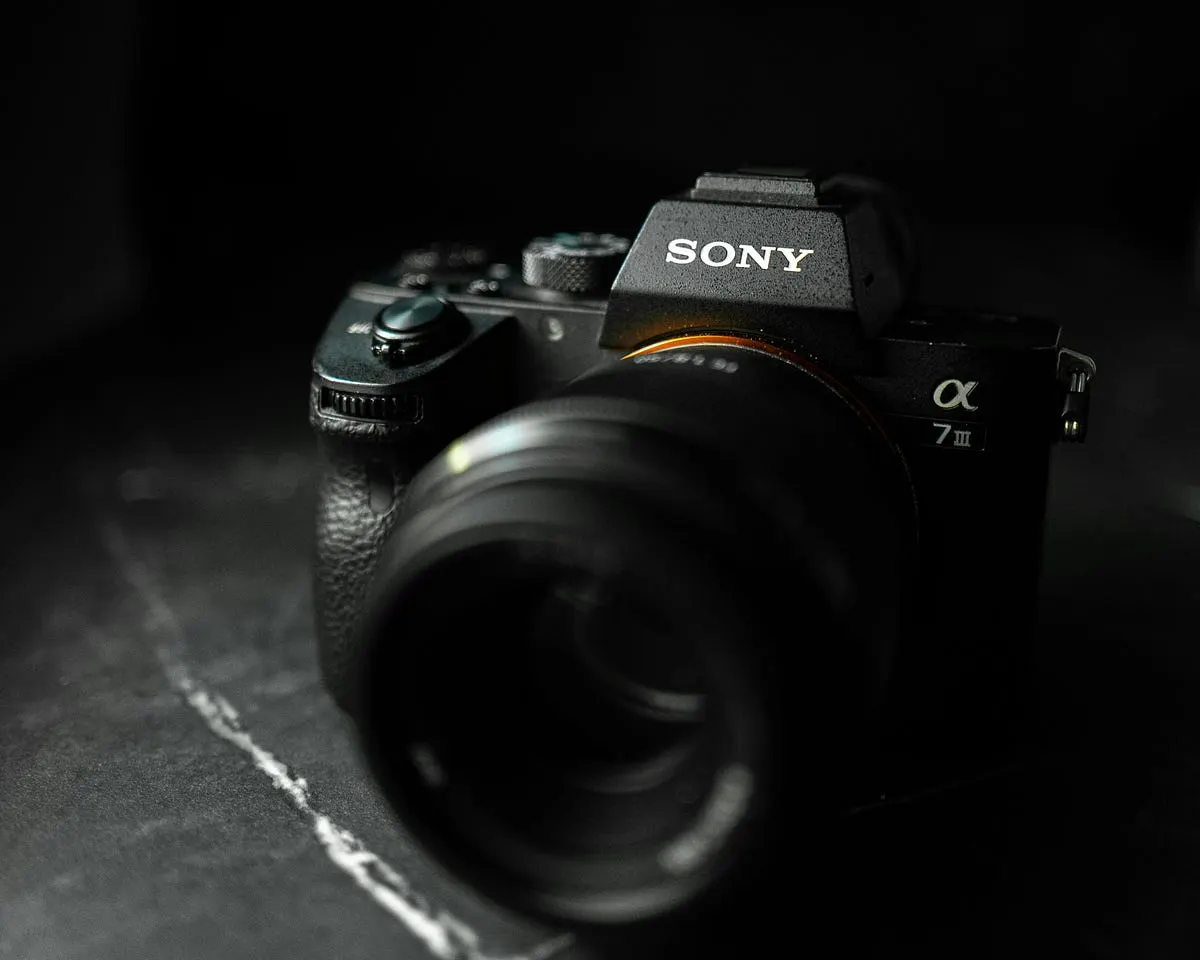
Best Vlogging Lens Sony Full Frame: Top Optics by Budget & Use Case
Best Vlogging Lens Sony Full Frame: a side-by-side look at Sony FE 24–70mm f/2.8 GM and Sony FE 16–35mm f/4 G, with strengths, trade-offs and buying advice.
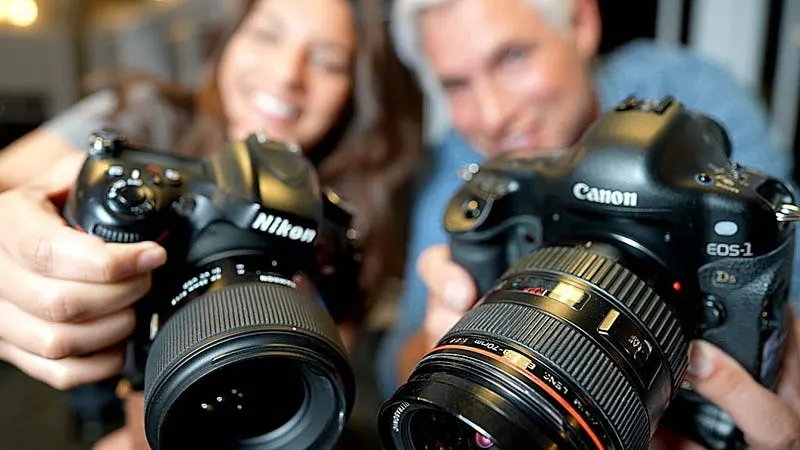
9 Best Cheapest Full Frame Cameras: (2026 Guide & Reviews)
Best Cheapest Full Frame Cameras: a side-by-side look at Panasonic Lumix S5, Sony A7 II and Nikon D750, with strengths, trade-offs and buying advice.
Best Lens for Sony ZV-E10 2026: Sigma 16mm vs 18–105mm G
Sigma 16mm f/1.4, Sony E PZ 18–105mm f/4 G OSS or Sigma 30mm f/1.4 for the ZV-E10? A quick verdict for vlogging, product shots and all-round video.
Best Lenses for Sony FX30 2026: 16-55mm f/2.8 and Fast Primes
Sony E 16-55mm f/2.8 G, Sigma 30mm f/1.4, Tamron 11-20mm f/2.8, Sigma 56mm and 16mm for the FX30: crop factor, weights and who each lens suits.
Best Lenses for Sony ZV-E10 II (2026): 8 Lenses for Video & Photo
Eight lenses for the Sony ZV-E10 II by use: 10–20mm PZ G, Sigma 18–50mm f/2.8, 18–135mm OSS, 70–350mm G, 15mm f/1.4 G, 11mm f/1.8.
Best Travel Lens For Sony Full-Frame
Best Travel Lens For Sony Full-Frame — Sigma f/1.4, Sony f/1.4 GM and Sony 24mm f/1.4 GM compared, with pros, cons and who should buy which.