Best Cameras for Architectural Photography
As an Amazon Associate we earn from qualifying purchases. Some links in this guide are affiliate links, see our affiliate disclosure for details.
Top Picks & Key Specifications at a Glance
| Model | Best For | Mount / System | Key Optical & Sensor Specs | Check Price |
|---|---|---|---|---|
1Canon 5D Mark III DSLR Camera | Canon EF Full-Frame DSLR | 24MP | Amazon ↗ | |
2Canon EOS 6D DSLR Camera | Canon EF Full-Frame DSLR | Full-Frame | Amazon ↗ | |
3Nikon Options | Interchangeable-Lens System | High-Resolution Optics & Fast AF | Amazon ↗ | |
4Nikon D750 DSLR Camera | Nikon F-Mount DSLR | Full-Frame | Amazon ↗ | |
5More picks | Recommended Pick | Interchangeable-Lens System | High-Resolution Optics & Fast AF | Amazon ↗ |
6Additional Recommended Options | Recommended Pick | Interchangeable-Lens System | 24mm · f/3.5 | Amazon ↗ |
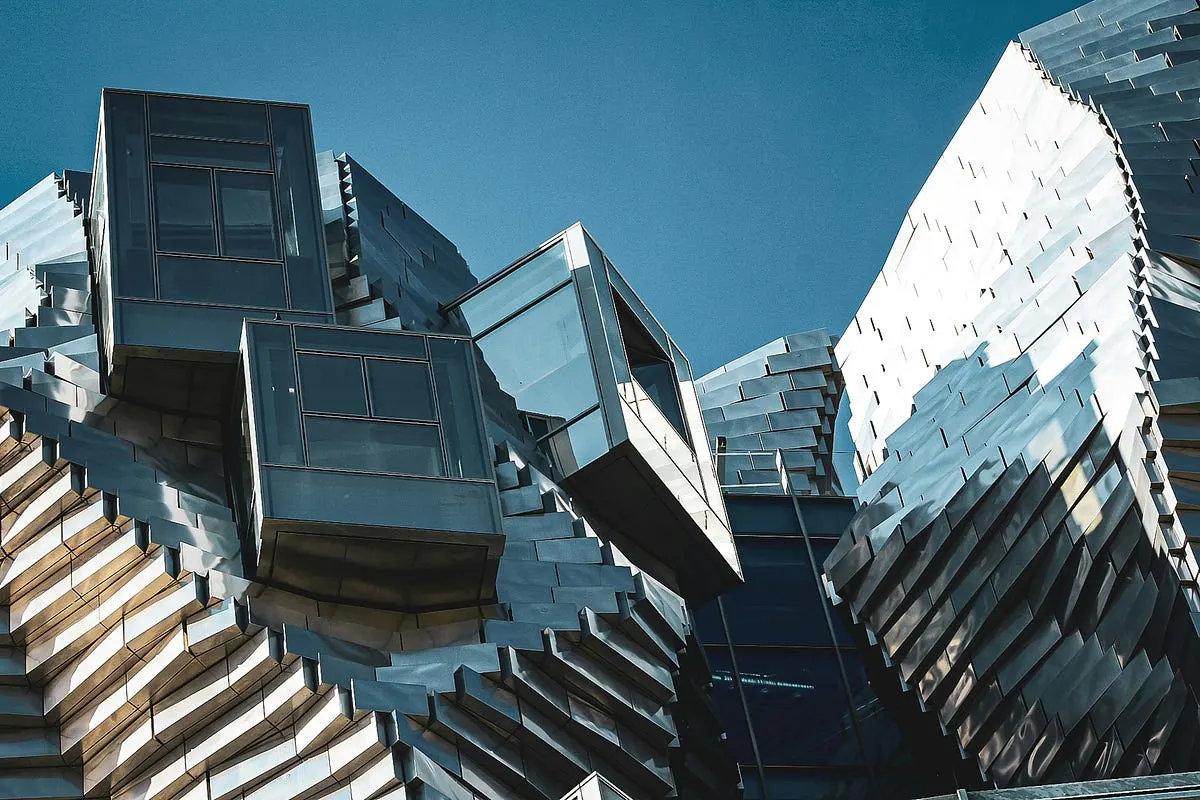
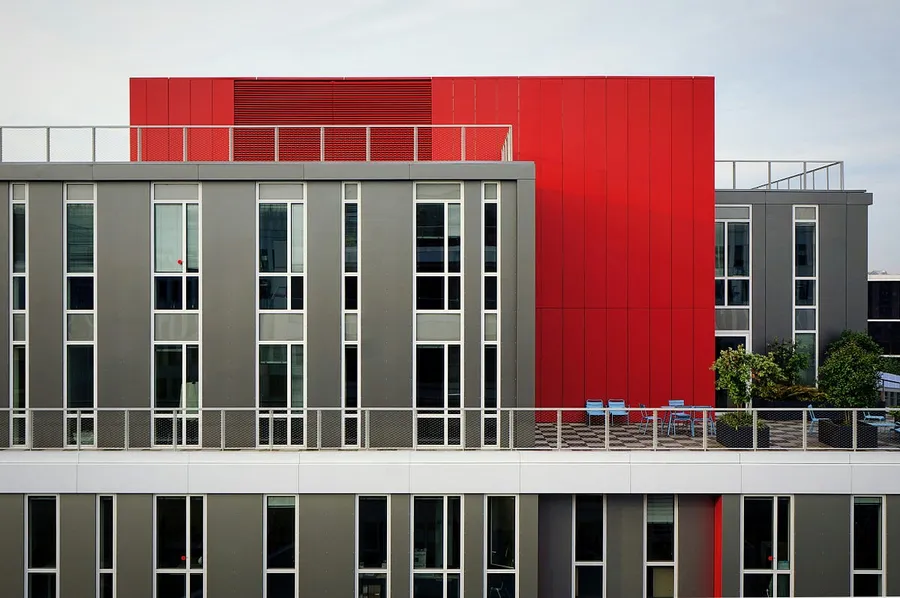
Photo by Baptiste Buisson on Unsplash
It captured 10.1 megapixel images, which was more than enough for magazines and newspapers. Plus, the smaller file sizes were great for compositing multiple photos — a common technique in architectural photography.
Why? Because you’re typically using a tripod, lighting setups, and compositing bracketed images. High ISO, autofocus, and burst rate become less important. Even the most powerful computers struggle when you stack 50+ TIFF files, creating images exceeding 3 gigabytes!
Quick answer: which camera should you buy for architectural photography?
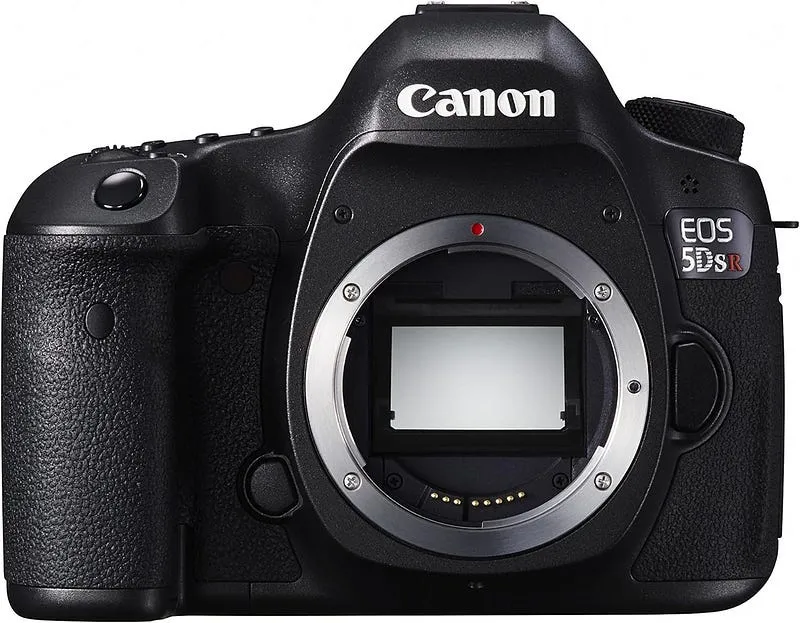
- Best for large prints and heavy cropping: the Canon EOS 5DS R, at 50.3 megapixels. Expect large files, so plan storage and computer power.
- Best full-frame middle ground: the Canon EOS 5D Mark III, at 22.1 megapixels with about 950 shots per charge. Its files are easier to manage.
- Best for dynamic range and high resolution: the Nikon D810, at 36.2 megapixels and about 1,200 shots per charge. Published comparisons put its dynamic range about two stops ahead of the Canon sensors in this list.
- Best budget full-frame option: the Nikon D750 (24 MP) or Canon EOS 6D (20.2 MP). Both are full frame and work with tilt-shift lenses.
The body matters less than the lens for most architectural work. The sections below compare the cameras on published specifications and explain which buyer each one suits.
Choosing a Full-Frame Sensor Camera
The 5D Mark II and III are popular choices, but some prefer the larger 1Ds Mark III and 1DX. However, the benefits for architectural photography are minimal — you gain weather sealing and features like a bigger screen.
Top picks
Canon EOS 5DS R DSLR Camera:
Canon 5D Mark III DSLR Camera:
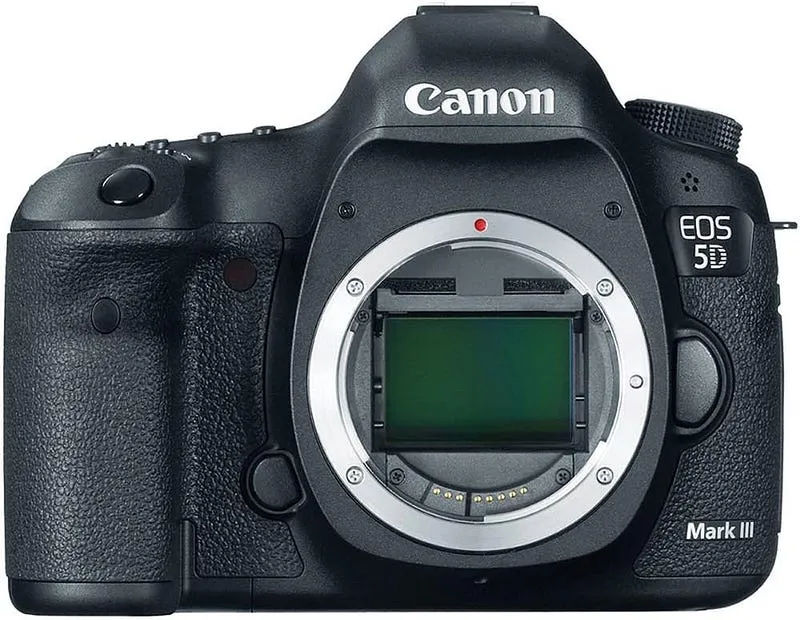
This camera holds its own against the 5DS R. While it has a 24-megapixel sensor (resulting in much more manageable file sizes), the image quality is superb across all usable ISOs for architectural photography. It’s a tough and reliable camera with a user-friendly interface, a crystal-clear screen for live view focusing with tilt-shift lenses, and a 22-megapixel sensor that’s more than enough for most printing and web needs.
Canon EOS 6D DSLR Camera:
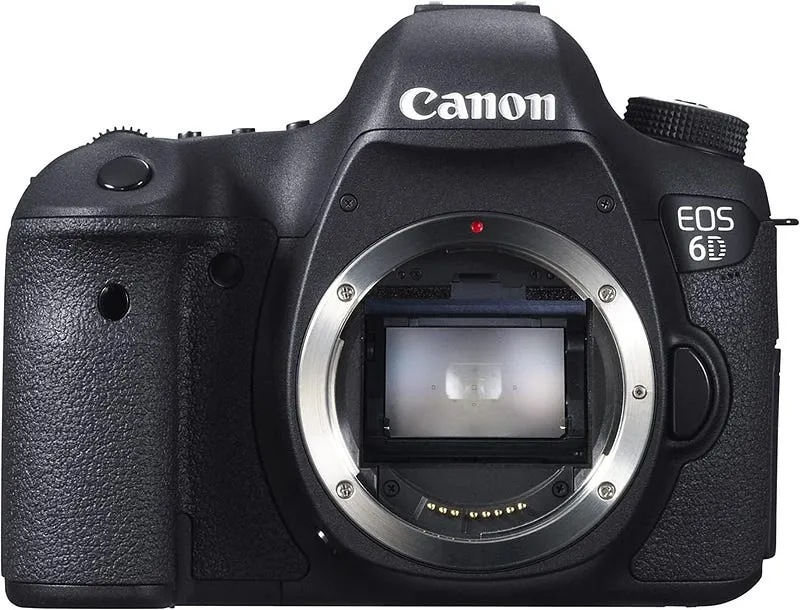
It’s full-frame and compatible with all of Canon’s tilt-shift lenses. For pure architectural photography, it performs just as well as the 5D Mark III. However, if you plan on shooting sports outdoors, you might need a more robust camera. This is a great budget-friendly option.
Nikon Options:
Nikon D810 DSLR Camera:
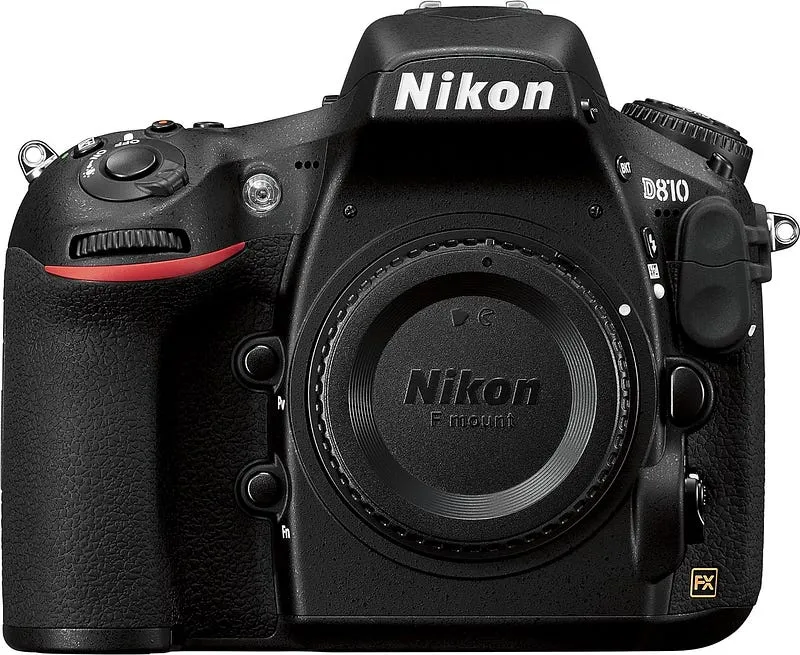
This camera surprised everyone when it replaced Nikon’s flagship D3x. It’s a popular choice among Nikon architectural photographers, offering everything you need and more. It’s known for having possibly the best dynamic range of any DSLR, but the file sizes can be a challenge, especially for compositing.
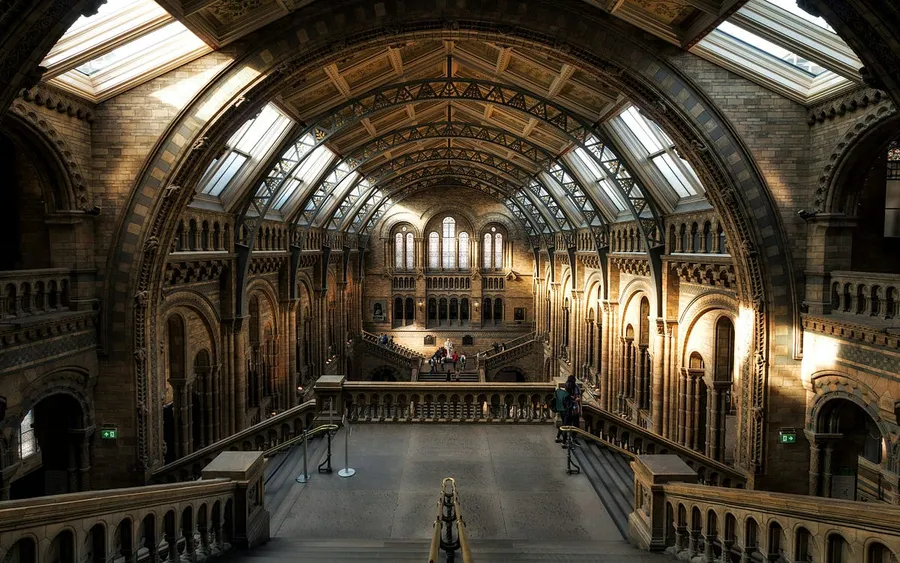
Photo by Claudio Testa on Unsplash
Nikon D750 DSLR Camera:
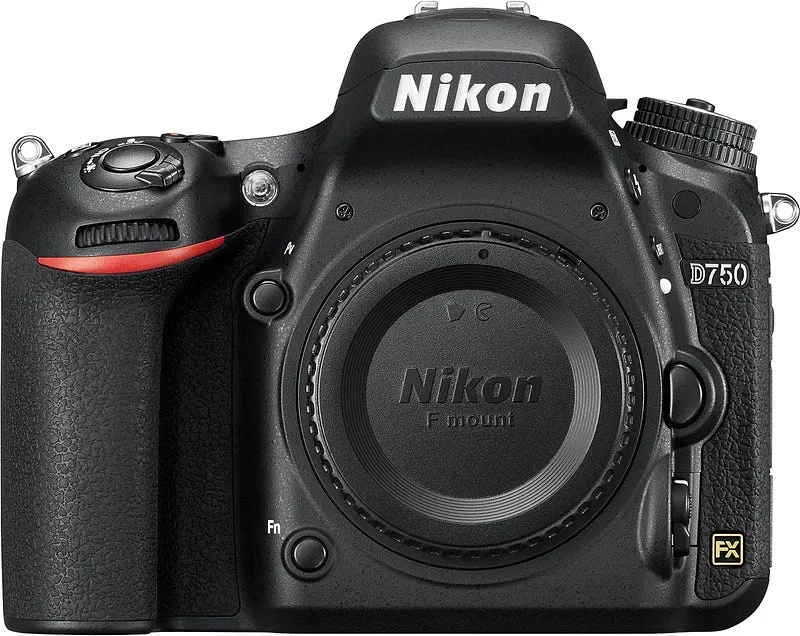
This is Nikon’s best all-around full-frame camera. It’s a perfect choice for Nikon users on a budget or those who don’t have a top-of-the-line computer to handle massive files.
Remember, the most important aspect of architectural photography is capturing the essence of the structure. While a great camera helps, it’s your skills, creativity, and knowledge of lighting and composition that will truly make your architectural photos stand out.
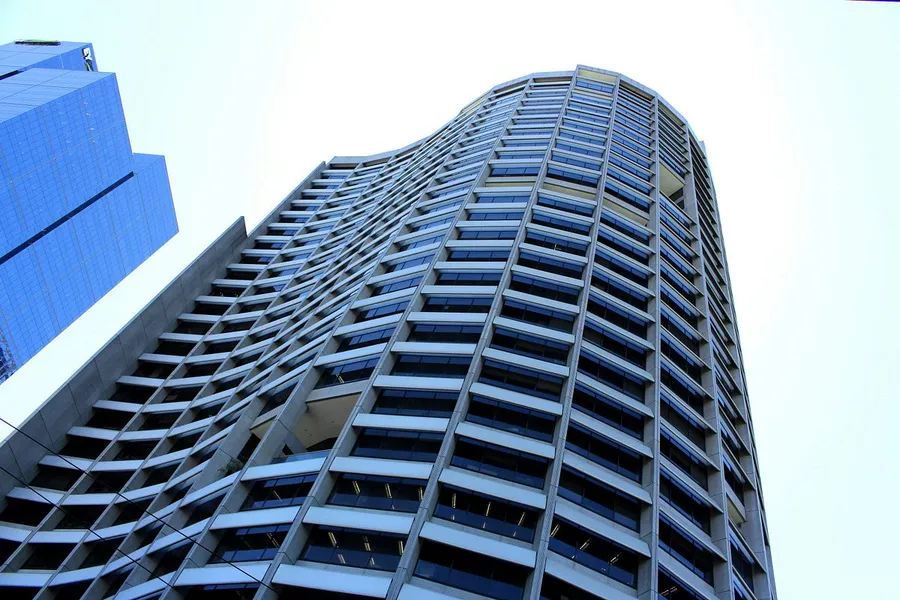
Photo by Andres Julian Murcia on Unsplash
Specs side by side
The table uses published figures for each camera. Battery figures come from different test sources, so treat them as a rough guide rather than a precise ranking.
| Camera | Sensor | Resolution | Battery life (shots per charge, as published) |
|---|---|---|---|
| Canon EOS 5DS R | Full frame | 50.3 MP | About 700 |
| Nikon D810 | Full frame | 36.2 MP | About 1,200 |
| Canon EOS 5D Mark III | Full frame | 22.1 MP | About 950 |
| Canon EOS 6D | Full frame | 20.2 MP | About 1,090 (CIPA) |
| Nikon D750 | Full frame | 24 MP | About 1,230 (CIPA) |
| Canon EOS-1D Mark III | APS-H (crop) | 10.1 MP | Not listed in these sources; body about 1.16 kg |
The Apotelyt comparison of the 5DS R and D810 compares the two highest-resolution full-frame DSLRs in this list in detail. The Imaging Resource specifications for the EOS 6D and the DSLR Bodies specifications for the D750 list the remaining figures. The 1D Mark III is an APS-H camera, so its crop changes the field of view of any lens you use with it.
Who should buy which camera
| Budget tier | Best pick | Why |
|---|---|---|
| Lowest-cost full frame | Canon EOS 6D | Full frame with 20.2 MP, enough for web and most standard prints |
| Full frame with more pixels for the money | Nikon D750 | 24 MP and long battery life in a lighter body |
| Large prints and heavy crops | Canon EOS 5DS R or Nikon D810 | 50.3 MP or 36.2 MP for more detail in the frame |
| Stitched panoramas and bracketed merges | Nikon D810 | Strong detail and dynamic range without the largest 5DS R files |
Which setup fits your architecture work
- Interiors and tight rooms: the lens decides most of the result, because wide-angle coverage and tilt-shift control matter more than resolution. See the best lenses for interior photography guide for lens choices.
- Exteriors and skylines: tilt-shift and wide lenses handle converging verticals, and weather sealing matters if you shoot outdoors often. The best lenses for architectural photography guide covers this in more depth.
- Choosing a body from scratch: if you are still deciding, the best camera for architectural photography guide compares options at a wider range of budgets.
- Interior design work: clients often want clean colour and detail across many rooms, so resolution and dynamic range matter more here. The best camera for interior design photography guide covers this use in more detail.
Mistakes to avoid in architectural photography
- Buying for megapixels alone. A 50 MP file stacked from several exposures can run to many gigabytes. Check that your computer and storage can handle the workflow before you commit.
- Overlooking crop factor with tilt-shift lenses. A tilt-shift lens covers a full-frame image circle. On an APS-H or APS-C body, you see a narrower slice of that circle, so the wide-angle benefit shrinks.
- Focusing on the body and ignoring the lens. Tilt-shift and wide lenses shape converging lines and perspective more than the camera does. Spend budget on the lens first.
- Skipping live view focus checks. Focusing through the viewfinder at wide apertures can miss the plane you need. Magnified live view helps confirm sharpness on tilt-shift setups.
- Ignoring weather sealing for outdoor work. If you shoot exteriors in rain or dust, check the body's sealing. The 1D Mark III has a magnesium alloy body with dust and moisture sealing, so it is a reasonable reference point for outdoor work.
- Underestimating the battery. Long bracketing sessions drain batteries quickly. Carry a spare, especially on DSLRs that deliver more shots per charge but still use a lot of power in live view.
More picks
- Canon 1D Mark III — Check Canon 1D Mark III Price on Amazon
- D Mark III’s — Check D Mark III’s Price on Amazon
Frequently asked questions
Do you need a full-frame camera for architectural photography? Not strictly, but full frame is the usual recommendation. It gives the full coverage that tilt-shift and wide lenses are designed for. An APS-C or APS-H body still works, but it crops the image and narrows the field of view.
Is the 5DS R worth it over the 5D Mark III? Only if you need the extra resolution. The 5DS R gives 50.3 MP, against 22.1 MP for the 5D Mark III, which helps with large prints and heavy crops. The cost is larger files and a shorter rated battery life.
Which is better for dynamic range, the D810 or a Canon body? Published comparisons favour the D810 for dynamic range, by roughly two stops over the Canon sensors in this list. That helps with bright windows and dark interiors in the same frame, though exposure technique and bracketing can close much of the gap.
Can a camera like the 1D Mark III do architecture work? Yes, but it is a crop body. Its 10.1 MP APS-H sensor gives a narrower view than full frame, so you will need to recalculate the focal length you need. It suits older workflows and outdoor use more than high-resolution interior work.
Additional Recommended Options
Depending on your budget and setup preferences, these additional options are also worth comparing:
Camera & Lens Settings by Real-World Use Case
Match your focal length, aperture, shutter speed, and lighting modifier to the exact environment you shoot in.
Real Estate, Interior Design & Architecture Tours
- Best Body:
- Sony a7 IV / Nikon Z7 II / Canon EOS R6 Mark II
- Ideal Lens:
- 14–24mm f/2.8 or 16–35mm f/4 Rectilinear Zoom (Sony 16–35mm / Canon RF 14–35mm)
- Aperture & Shutter:
- f/8 – f/9 (sweet spot for corner-to-corner sharpness across rooms) · Aperture Priority AEB (3 or 5 bracketed frames at ±2 EV on tripod)
- Room Distance:
- Corner-to-corner room depth at 1.2m–1.4m tripod height
Tattoo Artists & Micro-Realism Portfolios
- Best Body:
- Sony Alpha a7 III / Fujifilm X-T4
- Ideal Lens:
- 90mm f/2.8 Macro (detail) or 50mm f/1.8 (sleeves & back pieces)
- Aperture & Shutter:
- f/5.6 – f/8 (keeps curved forearms and calves sharp edge-to-edge) · 1/125s – 1/200s handheld (or 1/60s on tripod)
- Room Distance:
- 0.4m – 1.5m (1.5 to 5 ft)
Barbershops, Hairstylists & Color Salons
- Best Body:
- Sony a7 IV / Canon EOS R6 Mark II
- Ideal Lens:
- 50mm f/1.8 (tight stations) or 85mm f/1.8 (spacious salons)
- Aperture & Shutter:
- f/1.8 – f/2.8 (blurs background chairs while keeping the lineup tack-sharp) · 1/160s – 1/250s (freezes subtle head movement in the chair)
- Room Distance:
- 1.5m – 2.4m (5 to 8 ft from the styling chair)

Written by
Marien CartelMarien Cartel runs Marien Cartel Photography, a camera and lens buying-guide site, and photographs the gear shown on it.
Related Guides
Best Lenses for Architectural Photography
Best Lenses for Architectural Photography — what the Canon EF 16–35mm f/2.8L III offers, where it falls short, and whether it is worth buying.
Best Camera for Studio Photography
Best Camera for Studio Photography — Canon EOS 5D Mark IV, Sony A7R III and Canon EOS R5 compared, with pros, cons and who should buy which.
Best Camera for Interior Design Photography
Best Camera for Interior Design Photography — Canon 5D Mark IV, Canon EF 24–70 f/2.8 and Canon 80D compared, with pros, cons and who should buy which.
Best Lenses for Interior Photography: Prime & Zoom Options Compared
Best Lenses for Interior Photography: Canon R6 Mark II and Canon EOS R6 Mark II compared on features, price and who each one suits.
Best Lenses for Studio Photography
Best Lenses for Studio Photography: what to look for, what to skip and how to choose the right one for your budget.
Best Camera for Hobby Photography: Field Setup & Key Specs
Best Camera for Hobby Photography — what the Olympus OM-D E-M10 Mark IV offers, where it falls short, and whether it is worth buying.