Best Camera for a Beginner Photographer

As an Amazon Associate we earn from qualifying purchases. Some links in this guide are affiliate links — see our affiliate disclosure for details.
Photo by Dane Deaner on Unsplash
I’ll never forget the day I realized photography was more than just snapping random pictures on my smartphone. It was a crisp autumn morning, and I was walking through a local park. The golden leaves were dancing in the soft light, creating a canvas of colors that seemed almost too beautiful to be real. My phone camera felt woefully inadequate, capturing only a fraction of the magic I was witnessing.
That moment sparked a passion that would transform my way of seeing the world.
Best Cameras for Beginner Photographer
- Canon EOS Rebel T8i — View on Amazon
- Sony Alpha a6100 — View on Amazon
- Fujifilm X-T200 — View on Amazon
My First Mistake: Overcomplicating Things
When I first decided to dive into photography, I made the classic beginner’s mistake. I thought I needed the most expensive, most complex camera on the market. I spent hours researching professional-grade DSLRs, convinced that spending thousands of dollars would instantly make me a great photographer.
Spoiler alert: It doesn’t work that way.
The Learning Curve: What I Wish I Knew Then
After speaking with professional photographers and doing extensive research, I discovered that the best camera for a beginner isn’t about the price tag — it’s about learning, accessibility, and enjoyment.
Top Cameras for Beginner Photographers
1. Canon EOS Rebel T8i
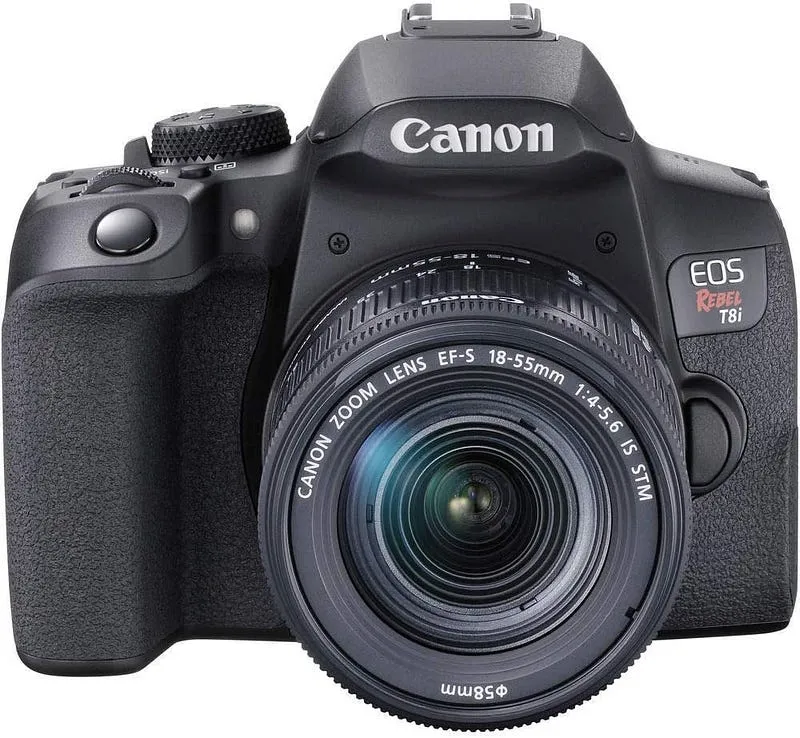
I remember the day I unboxed my Canon EOS Rebel T8i like it was yesterday. The sleek black body, the satisfying weight in my hands, the promise of countless stories waiting to be captured — it was more than just a camera. It was a gateway to a new way of seeing the world.
Technical Specifications: More Than Just Numbers
Sensor and Image Quality
- Sensor Type: APS-C CMOS
- Resolution: 24.1 Megapixels
- Image Processor: DIGIC 8
The moment I took my first shot, I was blown away. The 24.1-megapixel sensor captures details that my smartphone could only dream of. Textures, colors, light — everything came to life with a clarity that took my breath away.
Design and Ergonomics: A Perfect Companion
Build and Handling
The Rebel T8i feels like an extension of your hand. Weighing approximately 515 grams (with battery), it’s substantial enough to feel professional but not so heavy that it becomes a burden during long shooting sessions.
Ergonomic Highlights:
- Comfortable grip
- Intuitive button placement
- Robust build quality
- Weather-sealed construction
Performance That Tells Stories
Autofocus System
With 45-point all cross-type autofocus system, this camera doesn’t just capture images — it captures moments. Whether I was shooting a fast-moving child or a landscape bathed in golden hour light, the autofocus was nothing short of magical.
Low-Light Performance
ISO Range: 100–51,200 (Expandable to 102,400)
Those magical evening shots? Possible with the Rebel T8i. The camera’s impressive ISO range means you can capture stunning images even in challenging lighting conditions.
Video Capabilities: More Than Just a Still Camera
- 4K video at 24fps
- Full HD video at 60fps
- Digital Image Stabilization
- Flip-out touchscreen
I never expected to become a videographer, but this camera changed that. The 4K capabilities transformed my photography from still moments to moving stories.
Real-World Performance: My Personal Experience
Pros
- Incredibly user-friendly interface
- Exceptional image quality
- Versatile for various photography styles
- Great battery life (approximately 800 shots per charge)
- Extensive lens compatibility
Cons
- Slightly bulkier than mirrorless alternatives
- Learning curve for advanced features
- Limited 4K video options compared to more expensive models
A Camera That Grows With You
What sets the Rebel T8i apart is its ability to grow with your skills. It’s not just a beginner’s camera — it’s a learning tool. The built-in guided shooting mode is like having a photography mentor right in your hands.
Accessories That Complement Your Journey
Recommended Lenses
- Canon EF-S 18–55mm f/4–5.6 IS STM: The kit lens that’s perfect for beginners
- Canon EF 50mm f/1.8 STM: The “Nifty Fifty” — a must-have for portrait and low-light photography
- Sigma 18–35mm f/1.8 DC HSM Art: For those ready to take their photography to the next level
Essential Accessories
- Extra battery
- 64GB SD card
- Camera bag
- Tripod
- Lens cleaning kit
The Investment in Your Creative Vision
Priced around $700-$900, the Canon EOS Rebel T8i isn’t just a purchase — it’s an investment in your creative potential. It’s a passport to a world of visual storytelling.
My Personal Recommendation
For anyone standing at the crossroads of their photographic journey, the Canon EOS Rebel T8i is more than a camera. It’s a storytelling companion, a creative tool, and a gateway to seeing the world in a completely new light.
2. Sony Alpha a6100
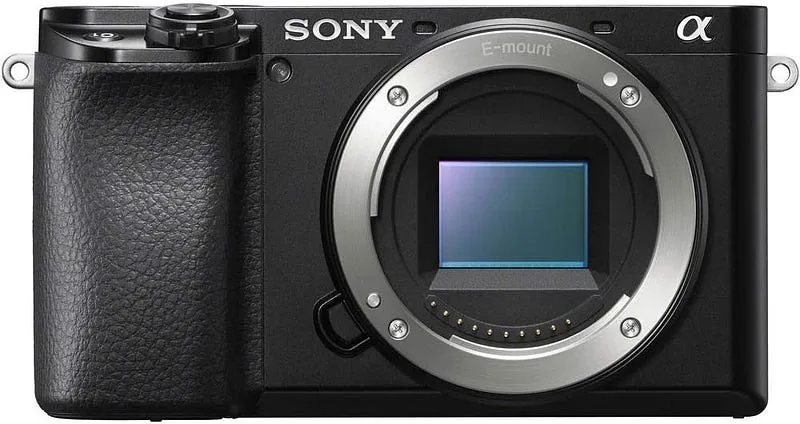
Price Range: $750-$850
Pros:
- Compact and lightweight mirrorless camera
- Outstanding autofocus system
- 4K video capabilities
- Great for travel and street photography
Cons:
- Smaller grip might feel uncomfortable for some
- Battery life is shorter compared to DSLR models
3. Fujifilm X-T200
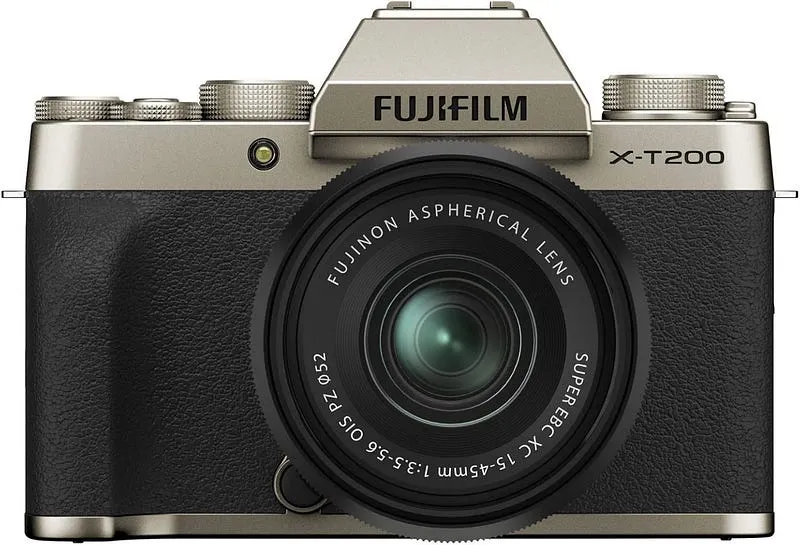
Price Range: $500-$700
Pros:
- Incredible color reproduction
- Intuitive touchscreen interface
- Lightweight and stylish design
- Affordable entry point for quality photography
Cons:
- Limited lens ecosystem compared to Canon and Sony
- Less robust low-light performance
My Recommendation: Start Simple, Dream Big
After my own journey, I strongly recommend the Canon EOS Rebel T8i for most beginners. Here’s why:
- Forgiving Learning Curve: The camera comes with built-in guides that help you understand settings and techniques.
- Flexibility: As you grow, you can invest in different lenses without changing your entire system.
- Community Support: Canon has an enormous community of users, meaning plenty of tutorials, forums, and resources.
Critical Accessories for New Photographers
Don’t stop at the camera! Consider investing in:
- A versatile 50mm prime lens
- A sturdy but lightweight tripod
- Extra batteries
- A good camera bag
- A memory card with sufficient storage
Practical Tips I Learned the Hard Way
- Take a Photography Course: Nothing beats structured learning.
- Practice Consistently: Set a goal to take photos every day, even if it’s just for 15 minutes.
- Learn Your Camera’s Manual Mode: Automatic is easy, but manual teaches you true photography.
- Don’t Compare Yourself to Others: Every photographer’s journey is unique.
The Investment in Yourself
Remember, a camera is more than a tool — it’s a passport to seeing the world differently. It’s an investment in creativity, memory-keeping, and personal expression.
My first “real” camera changed everything. It wasn’t about capturing perfect images but about capturing moments, emotions, and stories.
Final Thoughts
Choosing your first camera is personal. What works for me might not work for you. The key is to start, to learn, and to enjoy the process.
Photography isn’t about the gear — it’s about the vision behind the lens.
Written by
Marien CartelProfessional and Certified Digital Photographer born in the USA, with 22 years of experience in the field of photography.
Related Guides
Best Camera for Automotive Photography
What I Actually Reach For When I’m Shooting Cars. Here is how the Canon EOS R5, Sony a7 IV and Nikon Z6 III compare, and the one I keep going back to.
Best Cameras for Virtual Production
After I Wasted a Full Shoot Day Finding Out — why the Sony FX6 and Sony FX9 made the list, and who each one really suits.
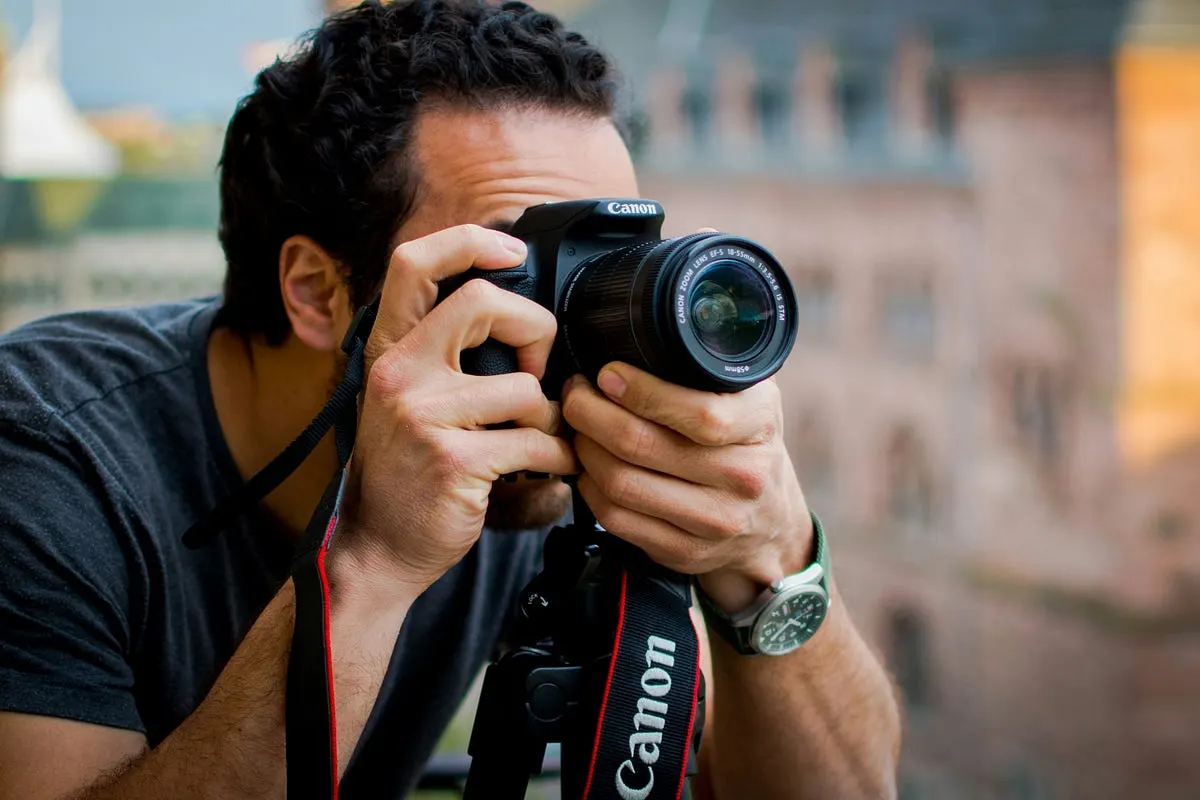
Best DSLR Cameras for Beginners: (Guide & Reviews)
My Hands-On Experience with the Best Beginner-Friendly Cameras — why the Canon EOS Rebel T7 and Nikon D3500 made the list, and who each one really suits.