Best Camera for Automotive Photography
As an Amazon Associate we earn from qualifying purchases. Some links in this guide are affiliate links — see our affiliate disclosure for details.
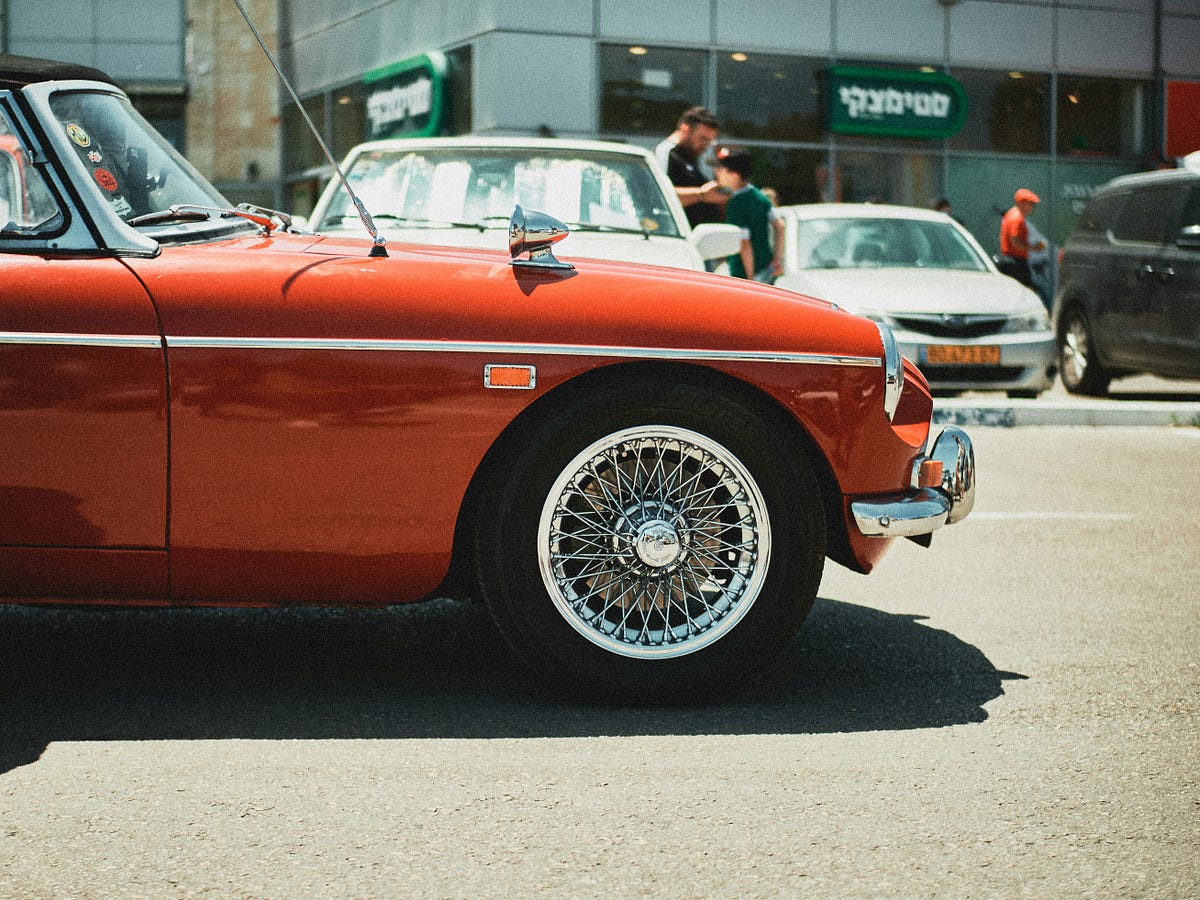
Photo by Maxim Simonov on Unsplash
I’ve been shooting cars professionally for a while now, and if there’s one thing that’s stuck with me, it’s that “best camera” is a moving target depending on what you’re actually pointed at. A static show car under studio softboxes has completely different demands than a modified street car ripping past you at 50 mph on a backroad. I’ve burned through enough gear to know which bodies actually earn their place in my bag versus which ones just looked good on paper.
I’m skipping prices here since they change too often to be useful. What matters more is which camera fits the kind of automotive work you’re actually trying to do.
Canon EOS R5 — View on Amazon
Sony a7 IV — View on Amazon
Nikon Z6 III — View on Amazon
Fujifilm X-H2S — View on Amazon
Sony a6400 — View on Amazon
1. Canon EOS R5
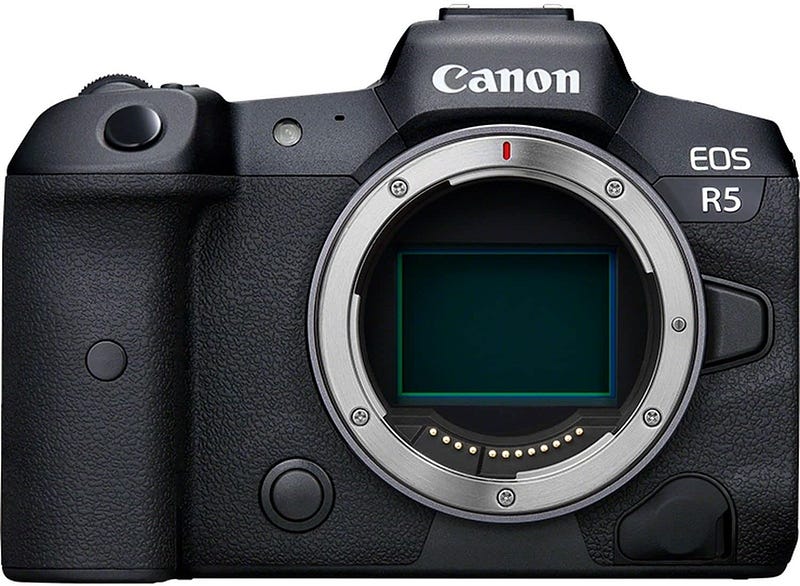
This is the body I grab when a client wants detail, not just a nice photo. Dealership catalogs, studio product shots, the kind of work where someone is going to zoom into a leather seam or a badge and expect it to hold up.
The 45-megapixel sensor is honestly overkill for most people, but for automotive work it’s exactly the point. Panel gaps, stitching, chrome reflections, they all survive a hard crop. Canon’s color science handles metallic paint without the weird casts I’ve fought with on other systems, and if you’re curious about the full spec breakdown, Canon’s own EOS R5 page has the current firmware notes too.
The catch is file size. A full shoot day fills cards fast, and I had to rebuild my whole culling workflow around it. It also runs warm during long 8K sessions, so I keep half an eye on it during reveal shoots.
Best for: dealership and studio shooters, anyone doing hybrid stills-and-video work, people who want one body that also handles portraits on the side.
A dealership manager I work with put it simply after we switched bodies: “the listings finally look like the cars are worth what we’re asking.” That’s the resolution talking, not marketing.
From the field: Had forty-five minutes of light left to shoot a full detail on a restored classic. The R5 locked focus on the grille from twelve feet and let me punch into the paint texture in post without anything falling apart. No reshoot, no excuses needed.
Canon EOS R5 — View on Amazon
2. Sony a7 IV
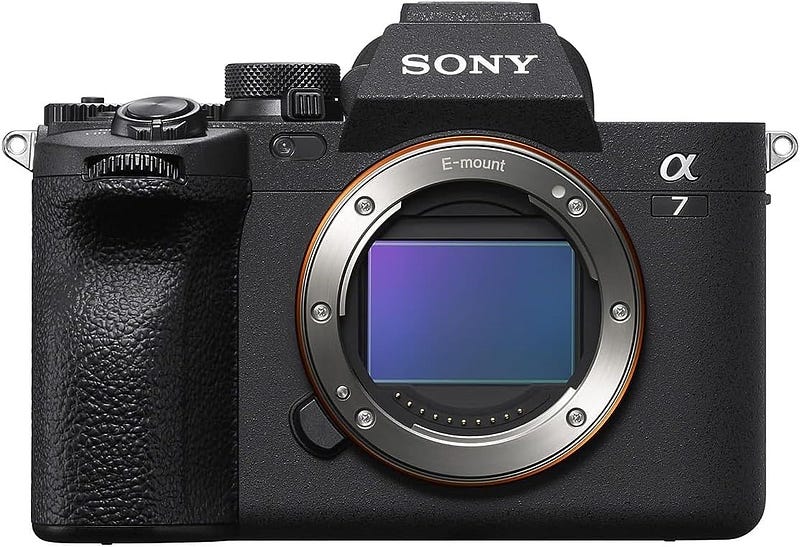
If your automotive work involves anything moving, this is the one I’d point you toward first. Chase car rolling shots, panning at track days, low light garage builds, it handles all of it without complaint.
What sold me was the tracking. Real-time autofocus actually holds onto a car coming at you, through frame changes, without hunting. Dynamic range is strong too, meaning a dark hood against a bright sky doesn’t force a choice between blown highlights or crushed shadows. I still cross-check my field impressions against lab tests on sites like DPReview when I want a second opinion, but the a7 IV consistently matches what the numbers say.
Sony’s menu system is still a maze though, and the buffer clears slower than I’d like on long burst sequences. Budget a weekend to set it up properly if you’re new to the system.
Best for: anyone shooting moving cars regularly, rolling shots and panning work, night meet photographers who need the low light headroom.
My regular second shooter uses this specifically for panning shots at track days. His comment stuck with me: it holds focus through the pan better than anything else he’s tried at this price point.
Sony a7 IV — View on Amazon
3. Nikon Z6 III
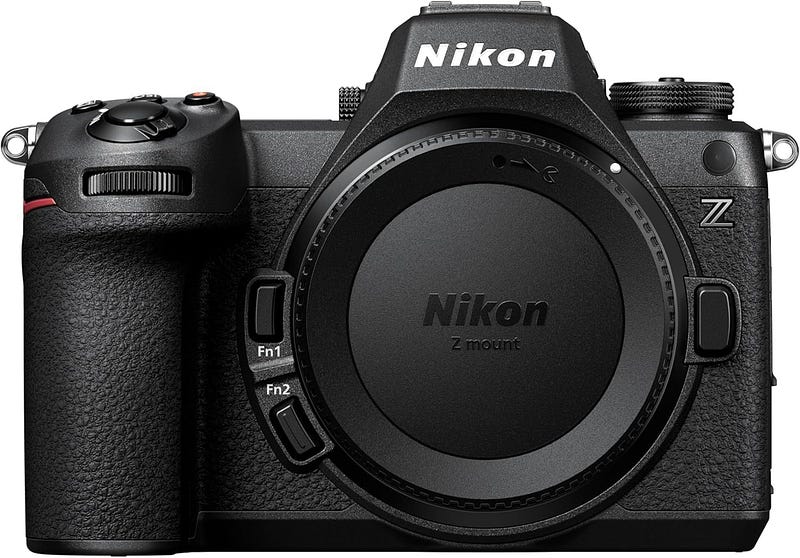
Comfort matters more than people admit, especially on a twelve-hour shoot day where you’re crouching for low angles every ten minutes. This is the most comfortable body I’ve carried for that kind of work.
Nikon’s color science is the real draw for me though. Metallic and pearl finishes come out looking like the paint actually looks in person, not oversaturated the way some systems render it. That saves real time in the edit when you’re on a deadline. Autofocus holds up well in daylight for rolling shots; it hunts a little more than the Sony in dim garage lighting, but manual focus assist covers the gap fine.
For lenses, the Z mount lineup has matured a lot. I’d start with a general zoom and add a fast prime once you know what kind of automotive work you keep gravitating toward.
Best for: photographers who prioritize all-day comfort, Nikon shooters moving into commercial automotive work, anyone who wants accurate color without heavy correction.
From the field: Shot a custom build reveal under mixed fluorescent and window light. The owner looked at the back screen mid-shoot and said, “that’s exactly the color of the paint in person.” That’s what accurate color science buys you on a job like this.
Nikon Z6 III — View on Amazon
4. Fujifilm X-H2S
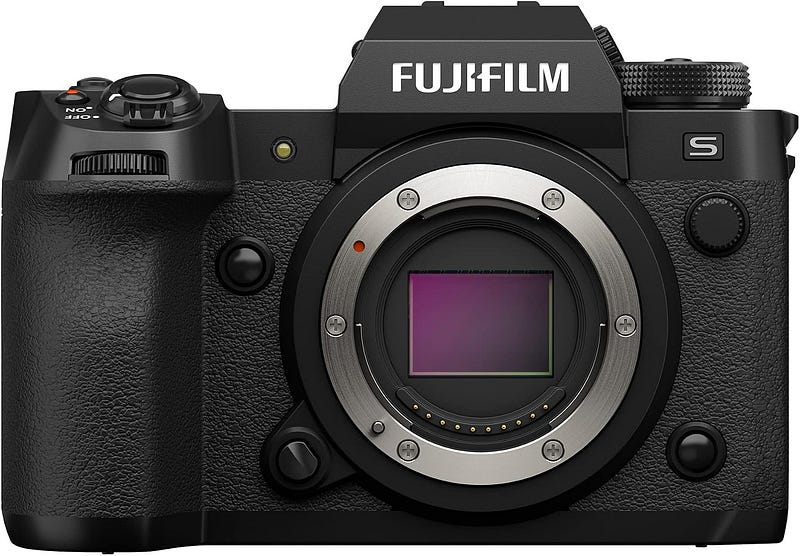
This one’s built for speed, and I reach for it specifically when I know things are going to move fast and unpredictably, track days, drift events, that kind of coverage.
The stacked sensor gives it a burst rate that actually keeps pace with a car through a corner, and the buffer clears fast enough that I’m not standing around waiting between sequences. Fujifilm’s out-of-camera color is also strong enough that lifestyle content needs minimal editing. Because it’s APS-C, you get extra reach from the same lens too, which matters when you can’t always get close trackside.
The tradeoff is dynamic range, it’s a step behind full frame, so I’m more careful with exposure on high-contrast scenes like dark paint against a bright sky. Battery also drains faster during a full day of continuous tracking bursts.
Best for: track day and drift event coverage, lifestyle automotive content creators, anyone who values reach and burst speed over max resolution.
A photographer friend who covers local drift events borrowed mine for a weekend and came back saying he finally kept every car in focus through the whole slide. That’s the tracking doing exactly what it was built for.
Fujifilm X-H2S — View on Amazon
5. Sony a6400
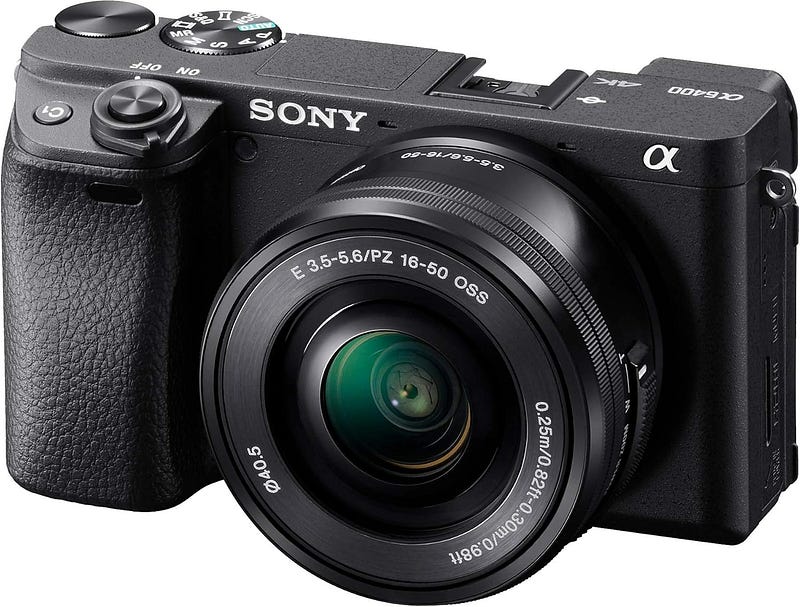
Not every shoot needs a full frame flagship, and honestly, this is the one I’d tell a beginner to start with. It’s light, it’s capable, and it doesn’t punish you financially while you figure out your style.
The autofocus tracking punches above its price point, which matters more for a beginner shooting car meets than raw resolution ever will. The APS-C crop also gives you extra reach with budget telephoto glass, useful trackside when you can’t get close to the action. Battery life is respectable too.
Where it falls short is low light, night meets and dim garages need more careful settings than a full frame body would. Single card slot means no backup either, which is more of a concern on paid work than casual shooting.
Best for: beginners starting their automotive portfolio, anyone who wants a light second body for a chase car, budget-conscious shooters who don’t want to compromise on autofocus.
From the field: Brought this as a backup to a local car meet when my main body was tied up on a client job. It ended up doing most of the night’s work, tracking focus through a packed lot under string lights without missing a shot.
Sony a6400 — View on Amazon
My Real World Picks
For detail-heavy studio and dealership work, the Canon EOS R5. For anything moving, the Sony a7 IV. For all-day comfort and honest color, the Nikon Z6 III. For fast, chaotic action, the Fujifilm X-H2S. And if you’re just starting out, the Sony a6400 will get you further than its price suggests.
Tell me what you actually shoot, studio, track days, meets, or dealership work, and I can point you toward the right lens to go with it too.
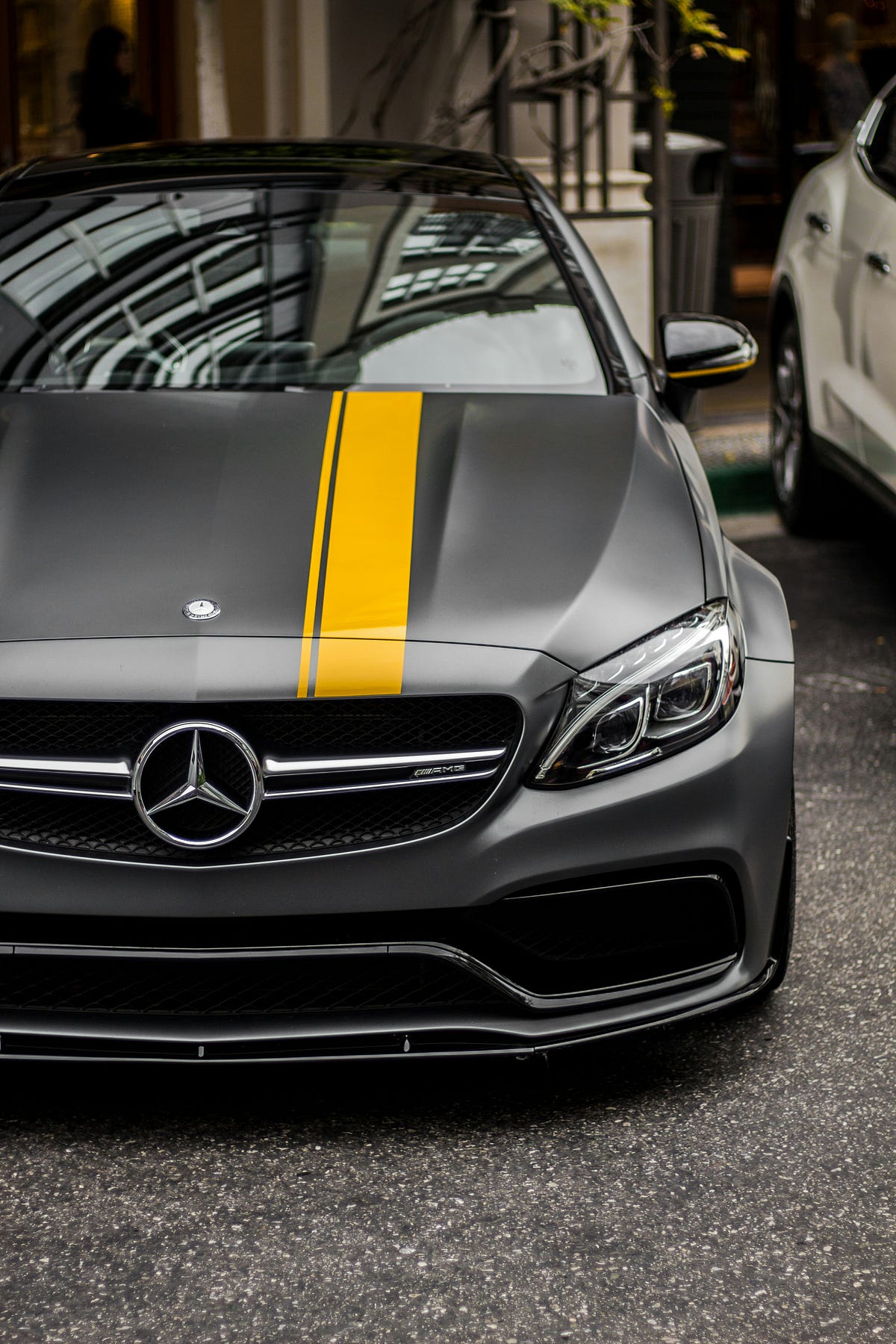
Photo by Dhiva Krishna on Unsplash
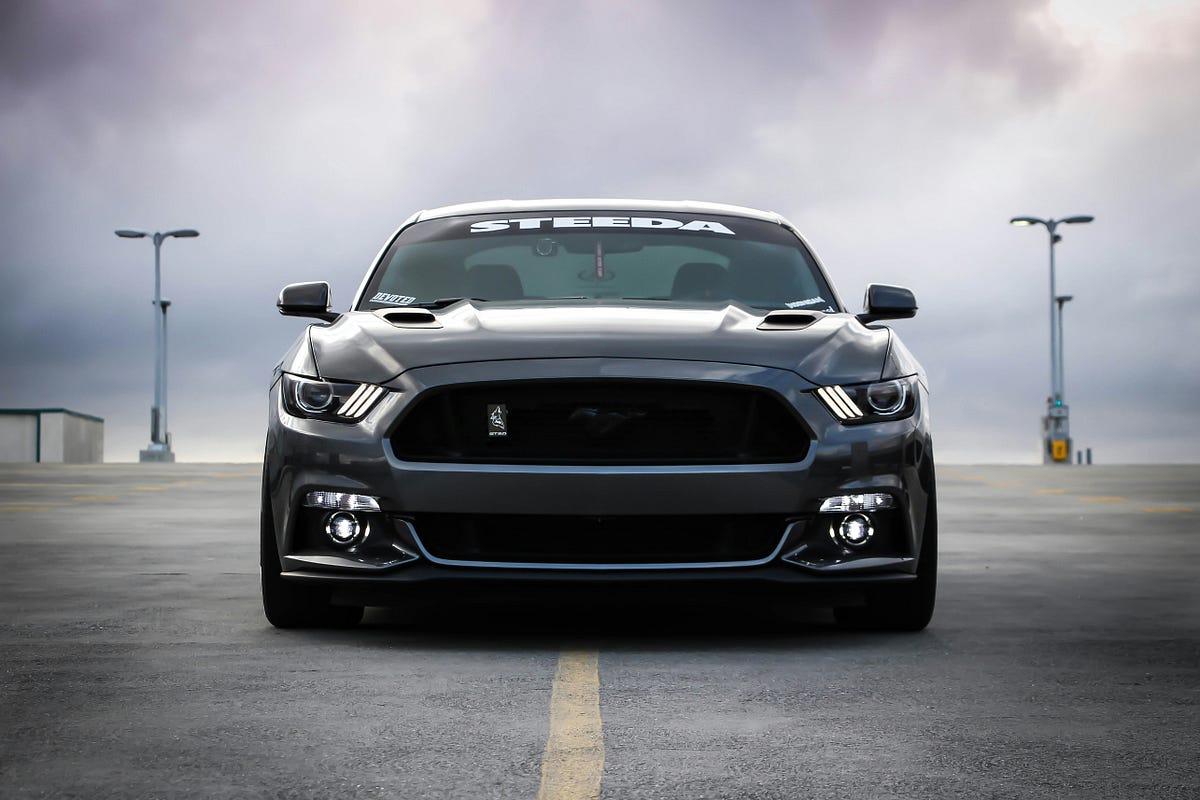
Photo by Joey Banks on Unsplash
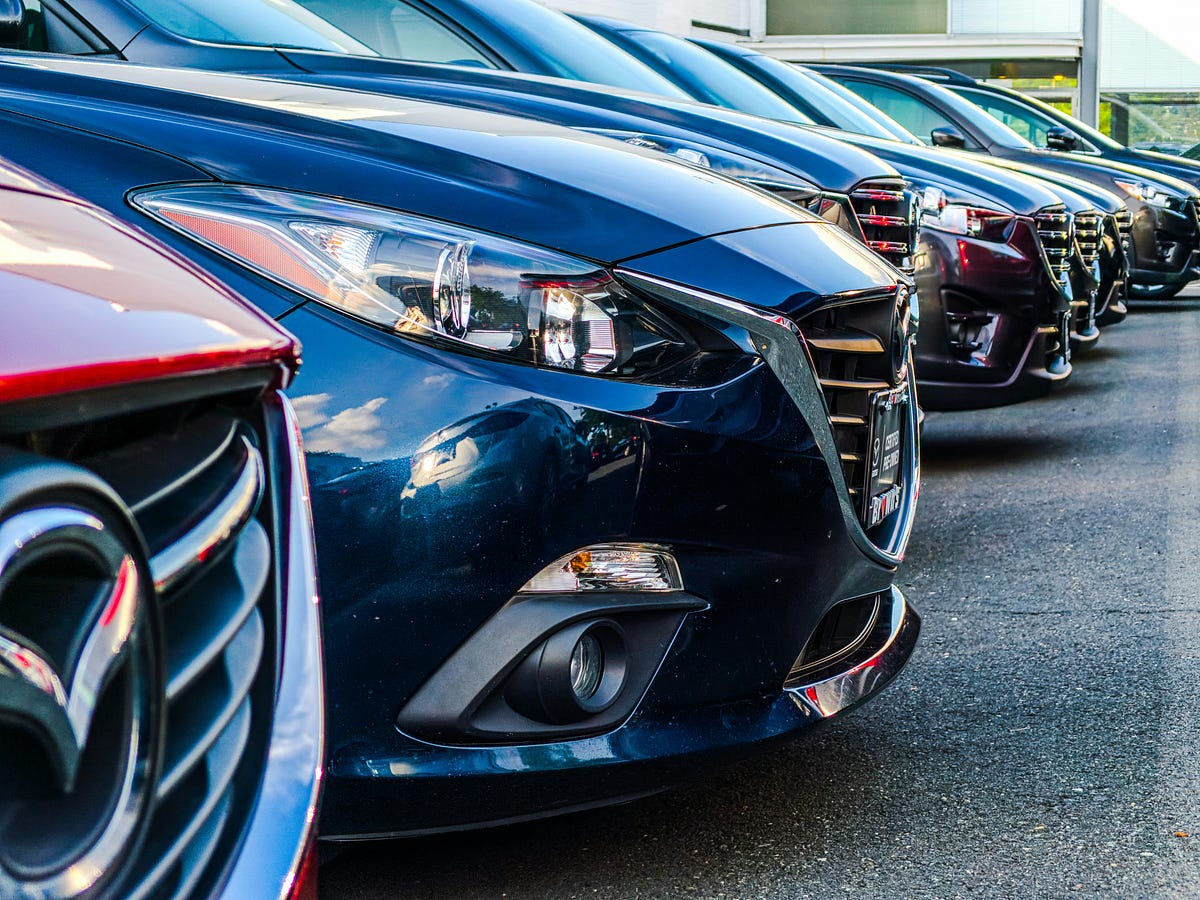
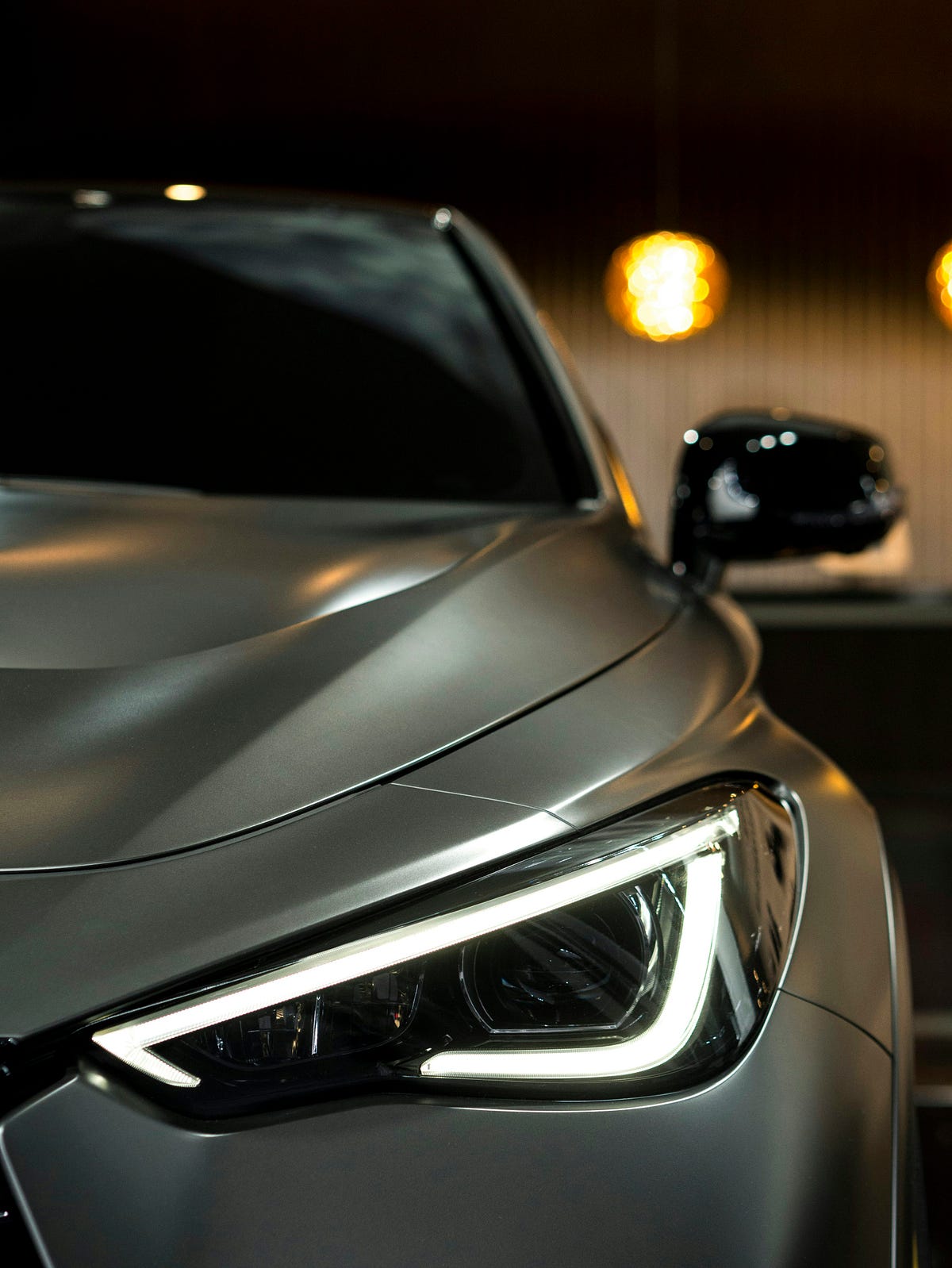
Photo by Aaron Burden on Unsplash
Written by
Marien CartelProfessional and Certified Digital Photographer born in the USA, with 22 years of experience in the field of photography.
Related Guides
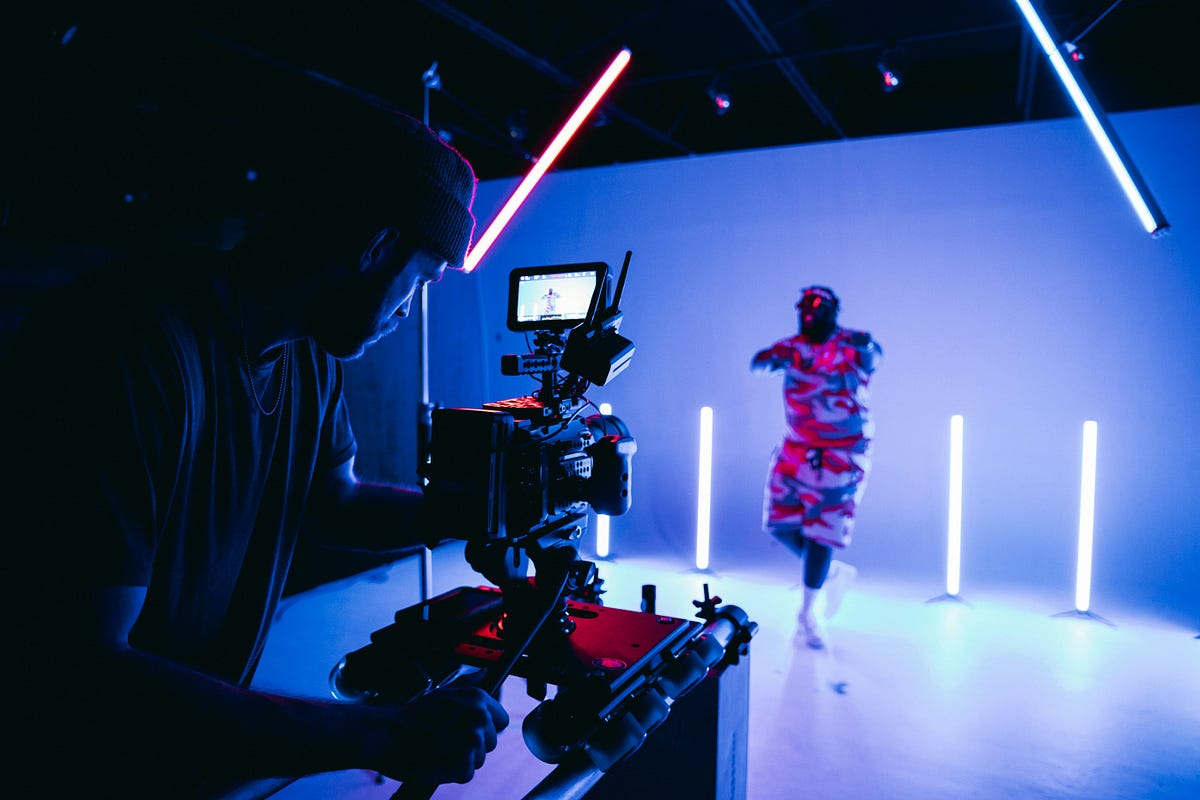
Best Cameras for Virtual Production
After I Wasted a Full Shoot Day Finding Out
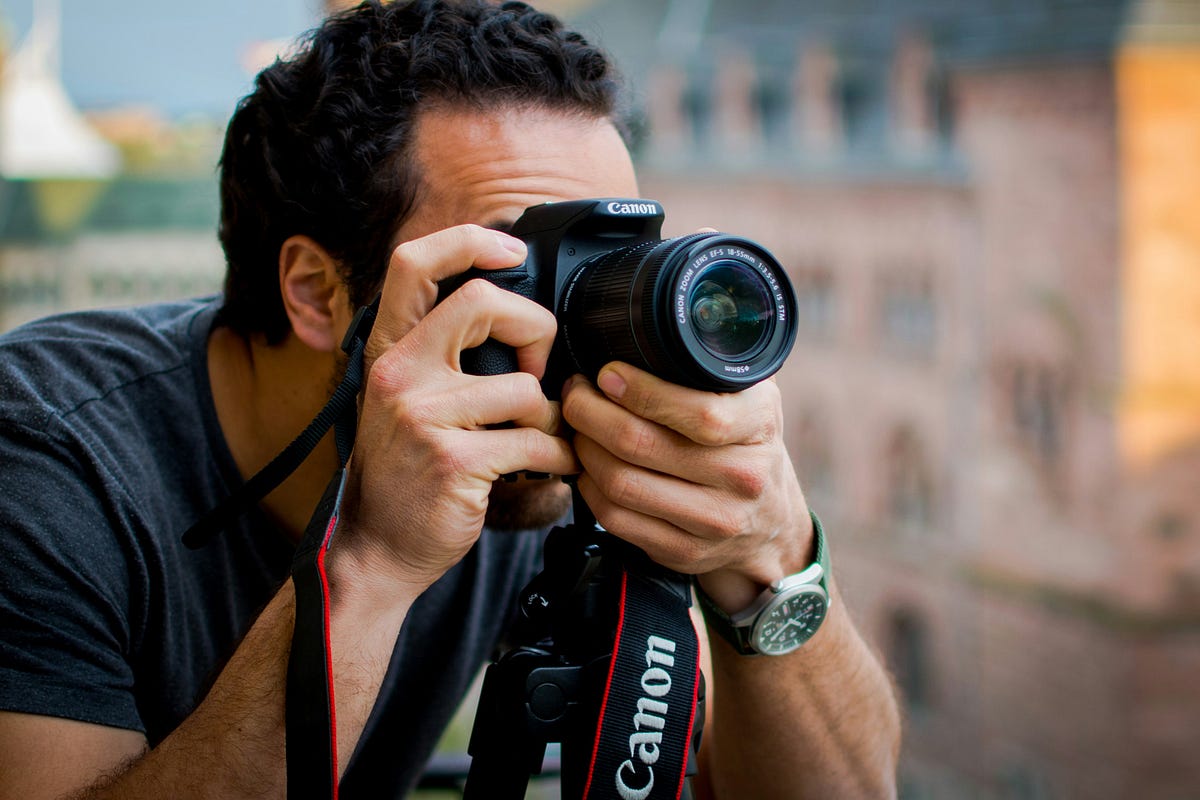
Best DSLR Cameras for Beginners: (Guide & Reviews)
My Hands-On Experience with the Best Beginner-Friendly Cameras
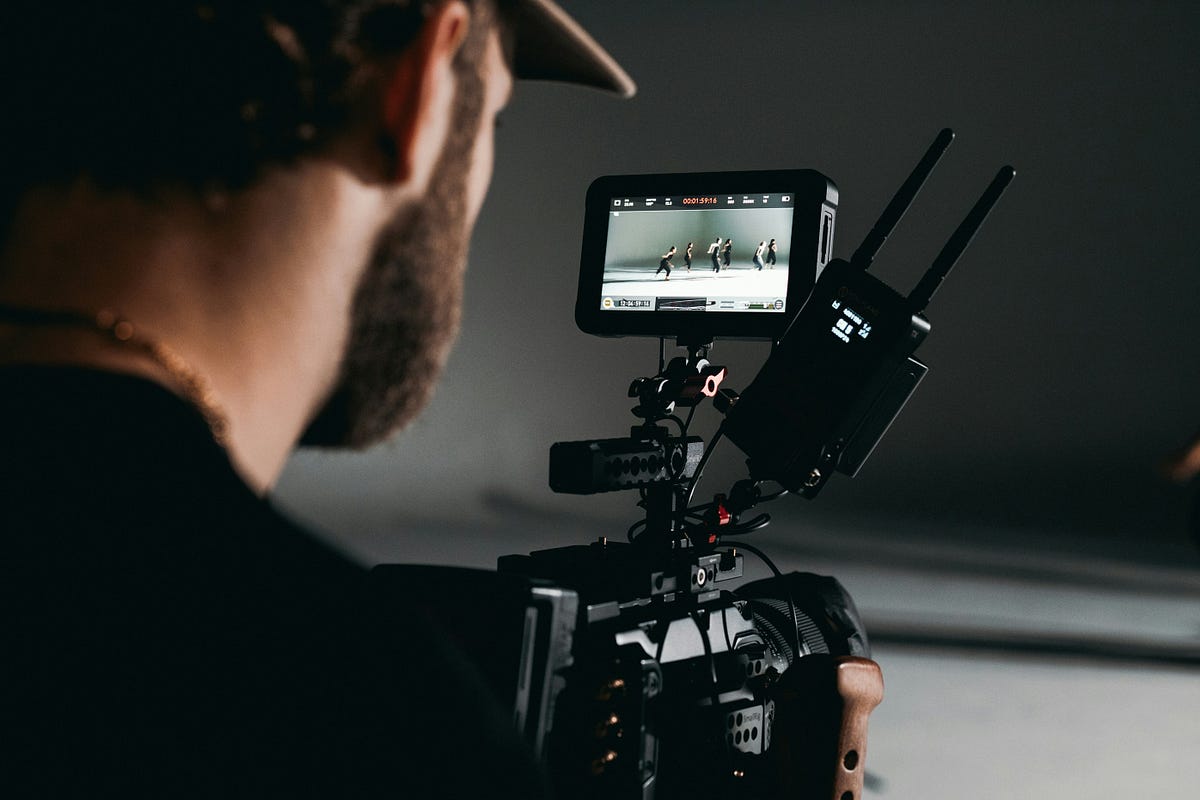
Best DSLR for Video
From Struggling Videographer to Pro: My Personal Journey Finding the Best DSLR for Video