Best Cameras for Virtual Production: Field Setup & Key Specs
As an Amazon Associate we earn from qualifying purchases. Some links in this guide are affiliate links, see our affiliate disclosure for details.
Top Picks & Key Specifications at a Glance
| Model | Best For | Mount / System | Key Optical & Sensor Specs | Check Price |
|---|---|---|---|---|
1Sony FX6 | the camera that started this whole story | Interchangeable-Lens System | High-Resolution Optics & Fast AF | Amazon ↗ |
2A high-end option | Recommended Pick | Interchangeable-Lens System | High-Resolution Optics & Fast AF | Amazon ↗ |
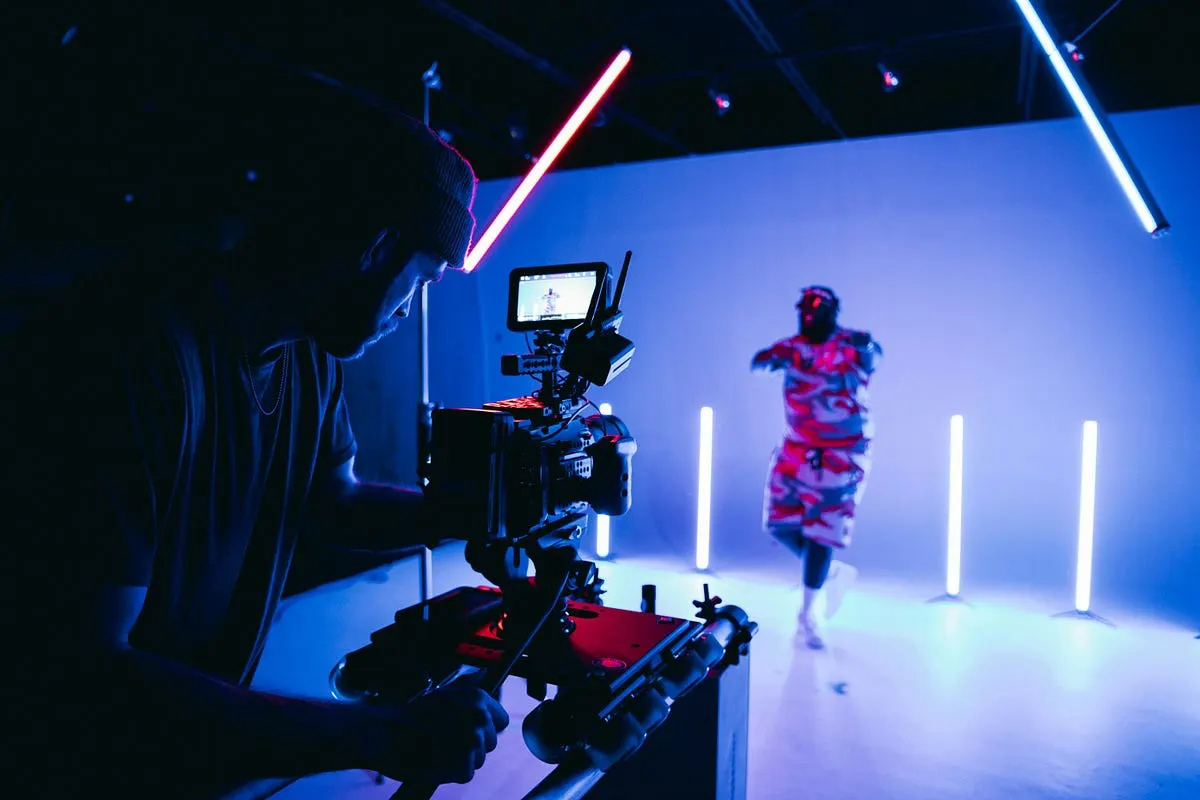
Photo by Kyle Loftus on Unsplash
Key Picks for virtual production
genlock is the gate and a camera is only about 20 percent of the outcome. For owner-operators it recommends the RED KOMODO-X for its global shutter and multi-camera sync.
“That one can’t genlock.”
What actually matters (and it’s not what you think)
When you buy a camera for normal production you’re thinking about dynamic range, low light, color science, lens mount, weight. Reasonable things.
1. Genlock. Non-negotiable. Start here.
An LED wall refreshes on its own clock. Your camera’s shutter opens and closes on its own clock. If those two clocks aren’t married to each other, the wall changes while your shutter is open — and you get banding, tearing, sawtooth edges, or that smeary double-exposed look on reflective surfaces.
Genlock is the sync signal that marries them. Some cameras take it. Some don’t, and no amount of budget or talent fixes that on the day.
Cameras that genlock properly: Sony VENICE and VENICE 2, Sony FX9, RED KOMODO / KOMODO-X / V-RAPTOR, ARRI ALEXA 35 and Mini LF, Blackmagic URSA and PYXIS.
Cameras that do not: Sony FX3 and FX6. Blackmagic Pocket series. Every mirrorless and DSLR you own.
(There’s a workaround where the stage manually phases the wall to your shutter. It drifts within minutes. Do not plan a shoot day around it.)
2. Shutter type and readout speed
Global shutter reads the whole sensor at once. Rolling shutter reads it line by line, and on a whip pan across an LED wall, “line by line” turns into skew, wobble, and artifacts the wall’s own refresh will happily amplify.
You don’t strictly need global shutter — The Mandalorian was shot on a rolling-shutter ALEXA LF, and it turned out okay for them. But global shutter buys you freedom to move the camera aggressively without babysitting the wall. If you’re on rolling shutter, the number to look for is sensor readout speed; roughly 18ms or faster is the commonly cited threshold for volume work.
3. Sensor size and resolution — for a counterintuitive reason
You want a large sensor and fast glass not for resolution’s sake but because shallow depth of field is your best anti-moiré tool. Throwing the wall slightly soft hides the pixel pitch. Large-format cameras dominate volumes partly for this reason.
Resolution also matters because the wall is behind your subject and you may need to crop, reframe, or hand plates to VFX.
5. Everything else
Multiple SDI outputs (your tracking system, your DIT, your director’s monitor, and the VFX supervisor all want a feed). Lens metadata output. And weight — because that camera is going on a tracked head or a dolly with an encoder rig, and every extra pound is a conversation.
Sony FX6 — the camera that started this whole story
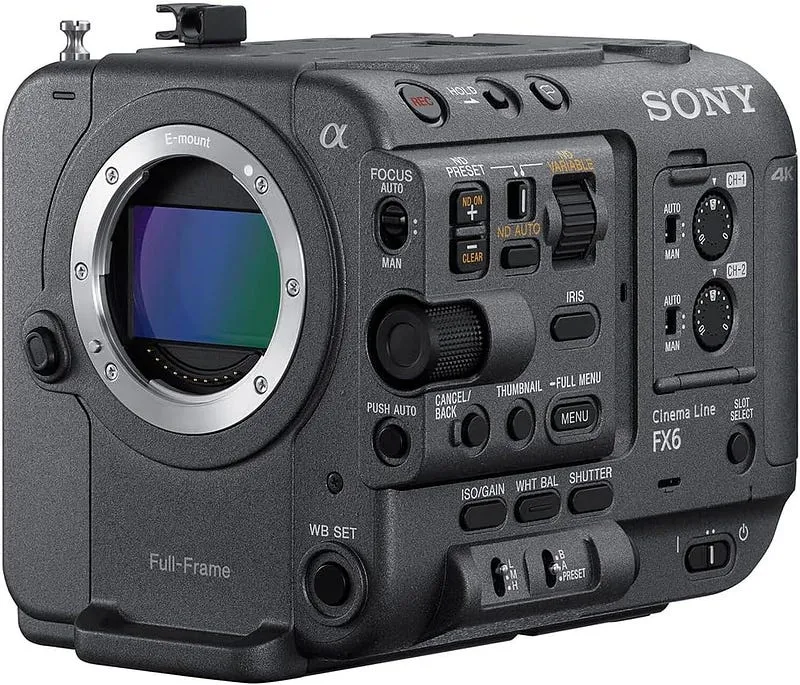
See Sony FX6 — the camera that started this whole story on Amazon
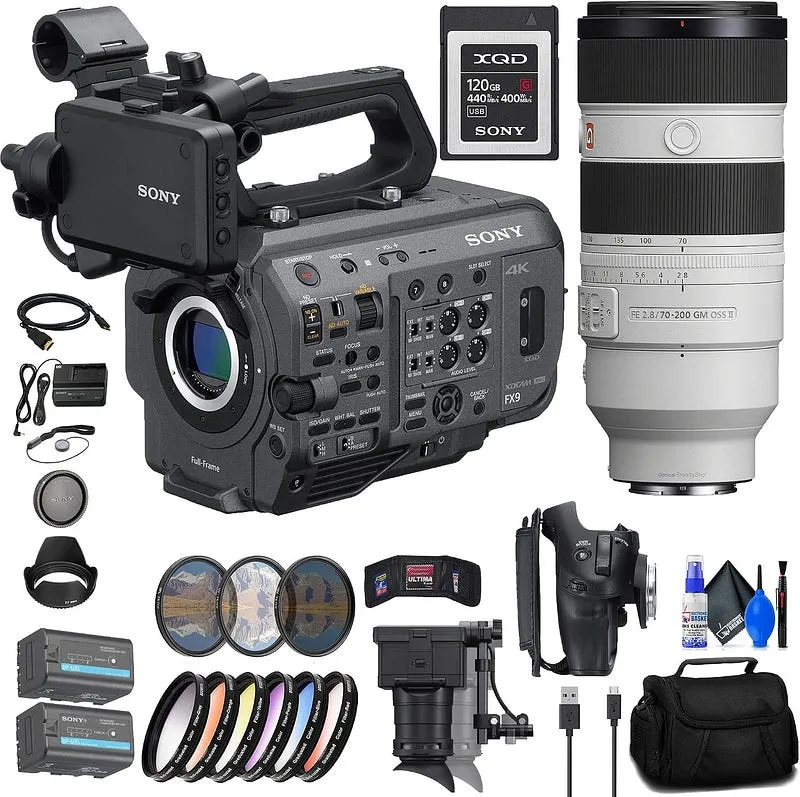
See Sony FX6 — the camera that started this whole story on Amazon
Verdict: the honest entry point if you’re renting a volume for a day and can’t justify more. Keep the camera moves civilized.
See Sony FX6 — the camera that started this whole story on Amazon
This is the camera where virtual production stopped feeling like fighting the technology. Global shutter, genlock, R3D RAW, 16+ stops of dynamic range, and a 2.1 lb body small enough that mounting it on a tracked rig doesn’t require a structural engineer.
Recommended option
See Recommended option on Amazon
The upgraded version, and worth the jump if you’re buying now — the S35 global shutter sensor was redesigned from the ground up, frame rates doubled to 6K/80p and 4K/120p, and the power and audio infrastructure finally makes sense.
The volume-specific feature: it supports frame-accurate PTP synchronization and tri-level genlock, with the ability to offset sync on the fly for multi-camera LED volume work. That offset sounds like a footnote until you’re running three cameras on one wall and two of them are showing artifacts in different places.
A high-end option
See A high-end option on Amazon
So what should you actually buy?
Renting a volume for a day, small budget → Sony FX9. It genlocks, it rents cheap, and if you keep the camera moves civilized you’ll never see the rolling shutter. Check Renting a volume for a day, small budget → on Amazon
Hunting the used market → RED KOMODO 6K. The original still does everything that matters on a wall, and prices have come down hard. Check Hunting the used market → on Amazon
Commercial work with a real VFX back-end → RED V-RAPTOR [X]. Large format, global shutter, and Phantom Track for GhostFrame workflows. Check Commercial work with a real VFX back-end → on Amazon
Best image and the most low-light headroom → Sony VENICE 2. Dual base ISO, phase-shiftable genlock, and Rialto for tight volumes. Check Best image and the most low-light headroom → Price on Amazon
Episodic or studio pipeline → ARRI ALEXA 35. Ask your VFX vendor which body they’d rather receive before you commit. Check Episodic or studio pipeline → on Amazon
A note on buying the high end: VENICE 2, V-RAPTOR, and ALEXA 35 bodies are mostly dealer items — B&H, Adorama, or direct from the manufacturer — and Amazon listings for them come and go through third-party sellers. Check the price, but expect to buy through a dealer who’ll actually support you.
The stuff nobody links to, which you will absolutely need
- 75-ohm BNC cables — genlock and SDI run on these. Bring more than you think. Bring spares of the spares.
- A timecode / sync generator — Tentacle Sync and similar. Essential once you’re multi-camera.
- CFexpress Type B cards — RAW at 6K/8K eats media. Fast cards, not cheap cards.
- A 7" SDI field monitor — you need to judge moiré on the wall, and the camera’s flip-out screen will lie to you.
- A matte box and ND filters — controlling your stop is how you control depth of field, which is how you control moiré.
- A camera cage / rod system — tracking hardware has to bolt to something.
Pair this guide with Time-Lapse Interval, 6 Best DSLR Camera for Outdoor Photography, and the workflow setup chart.
Common Buying & Setup Questions
What is the top pick in Best Cameras for Virtual Production?
The Sony FX6 (High-Resolution Optics & Fast AF, Interchangeable-Lens System) leads our shortlist as the the camera that started this whole story, followed closely by the A high-end option (High-Resolution Optics & Fast AF).
What focal length, aperture, and shutter speed work best for ebay, depop, poshmark & whatnot live resellers?
For ebay, depop, poshmark & whatnot live resellers, pair a 24mm – 50mm equivalent lens at f/4 – f/7.1 (stills flat-lays so corners stay sharp); f/2.8 (Whatnot live stream) with a shutter speed of 1/125s (stills) or 1/60s (USB-C live stream) and a working distance of 0.5m – 1.8m (tabletop or mannequin stand). Recommended setup: Two 5500K CRI 95+ LED softboxes + 18% grey card white balance + Product Showcase / Close-Up Demo mode enabled..
Camera & Lens Settings by Real-World Use Case
Match your focal length, aperture, shutter speed, and lighting modifier to the exact environment you shoot in.
eBay, Depop, Poshmark & Whatnot Live Resellers
- Best Body:
- Sony ZV-E10 II / Canon EOS R50 / Sony Alpha a6400
- Ideal Lens:
- 16–50mm PZ or Sigma 18–50mm f/2.8 DC DN (covers flat-lays to close-up tags)
- Aperture & Shutter:
- f/4 – f/7.1 (stills flat-lays so corners stay sharp); f/2.8 (Whatnot live stream) · 1/125s (stills) or 1/60s (USB-C live stream)
- Room Distance:
- 0.5m – 1.8m (tabletop or mannequin stand)
Jewelry, Watches, Diamonds & Fine Collectibles
- Best Body:
- Canon EOS R5 / Nikon Z7 II / OM System OM-1 Mark II
- Ideal Lens:
- 90mm – 105mm f/2.8 1:1 Macro Lens
- Aperture & Shutter:
- f/8 – f/11 with 10–25 focus-stacked frames · Electronic front-curtain shutter on tripod (2-sec self-timer)
- Room Distance:
- 0.25m – 0.45m (10 to 18 inches)
YouTube Talking-Head, Podcasting & Desk Streaming
- Best Body:
- Sony ZV-E10 II / Sony a6700 / Canon EOS R50
- Ideal Lens:
- Sigma 16mm f/1.4 DC DN (APS-C) or 24mm f/1.8 (Full Frame)
- Aperture & Shutter:
- f/1.4 – f/2.0 (separates speaker from a close desk wall within 4 feet) · 1/50s (for 24fps) or 1/60s (for 30fps) — 180-degree shutter rule
- Room Distance:
- 0.8m – 1.4m (2.5 to 4.5 ft desk arm mount)

Written by
Marien CartelMarien Cartel runs Marien Cartel Photography, a camera and lens buying-guide site, and photographs the gear shown on it.
Related Guides

Best Camera for Vlogs: Field Setup & Key Specs
Sony ZV-E10, Sony ZV-1 II and DJI Osmo Pocket 3 compared for Camera for Vlogs: key specifications, trade-offs, and top picks by budget.

3 Best Time Lapse Camera for Plants: Field Setup & Key Specs
Which Time Lapse Camera for Plants is worth buying? See how Brinno TLC2020, GoPro Hero 12 and Canon EOS Rebel T7 stack up on specs, performance, and budget.
Best Camera for Filming Garden Wildlife: Field Setup & Key Specs
Best Camera for Filming Garden Wildlife — Sony α7 IV and Canon EOS R6 Mark II compared, with pros, cons and who should buy which.
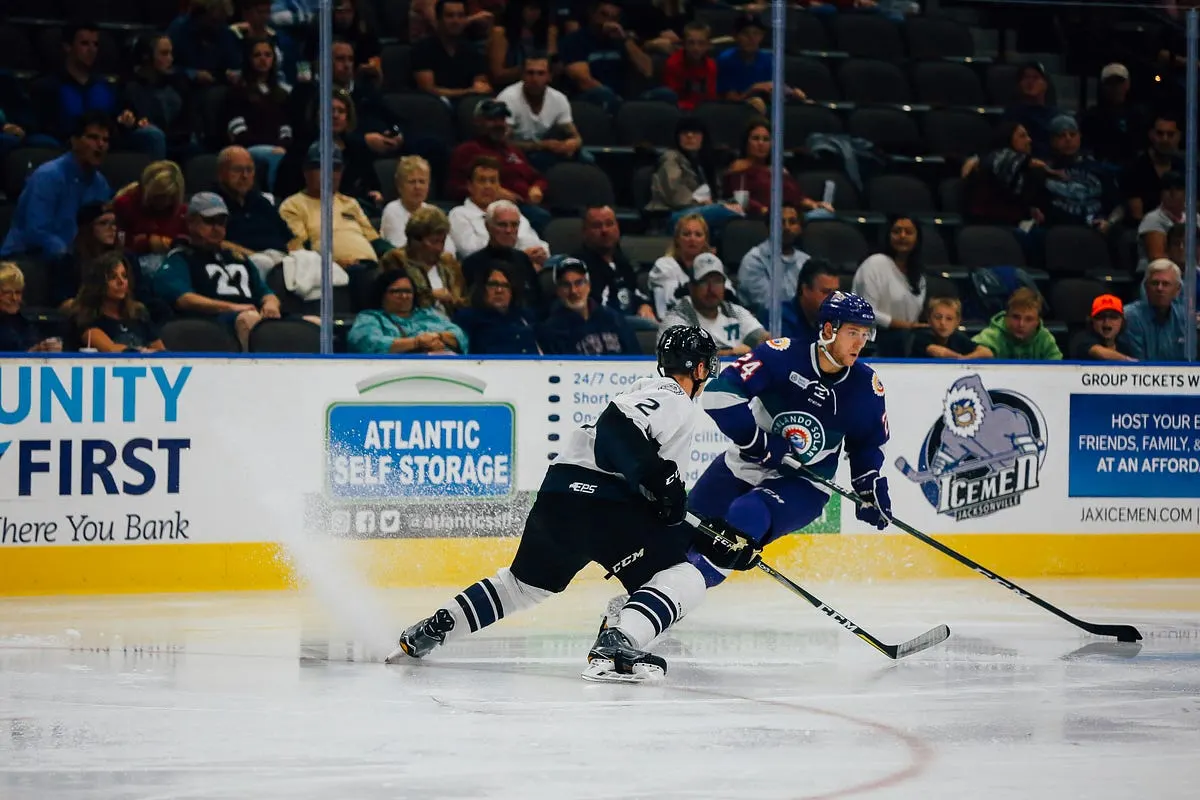
Best Camera for Ice Hockey Photography: Field Setup & Key Specs
Canon EF 70–200mm f/2.8L and Sony FE 70–200mm f/2.8 GM compared for Camera for Ice Hockey Photography: key specifications, trade-offs, and top picks by budget.
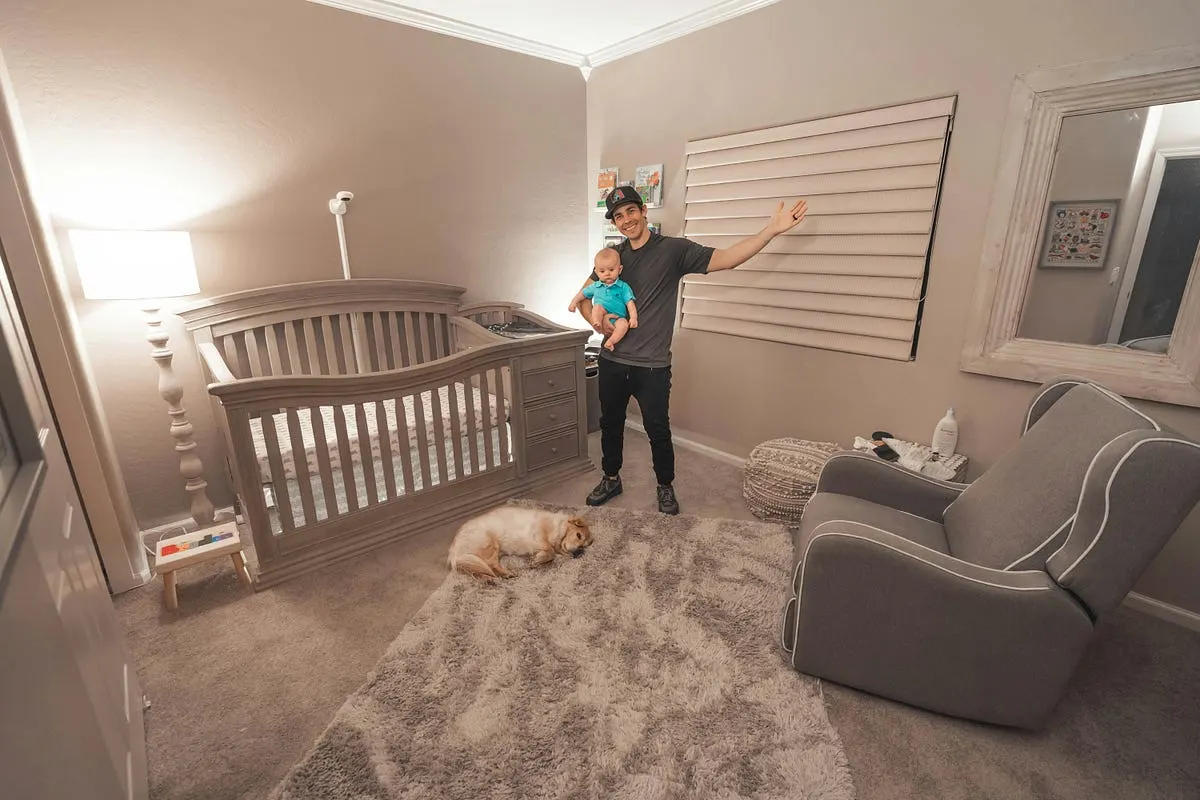
4 Best Cameras for Nursery: Field Setup & Key Specs
Best Cameras for Nursery: what to look for, what to skip and how to choose the right one for your budget. Updated for 2026.
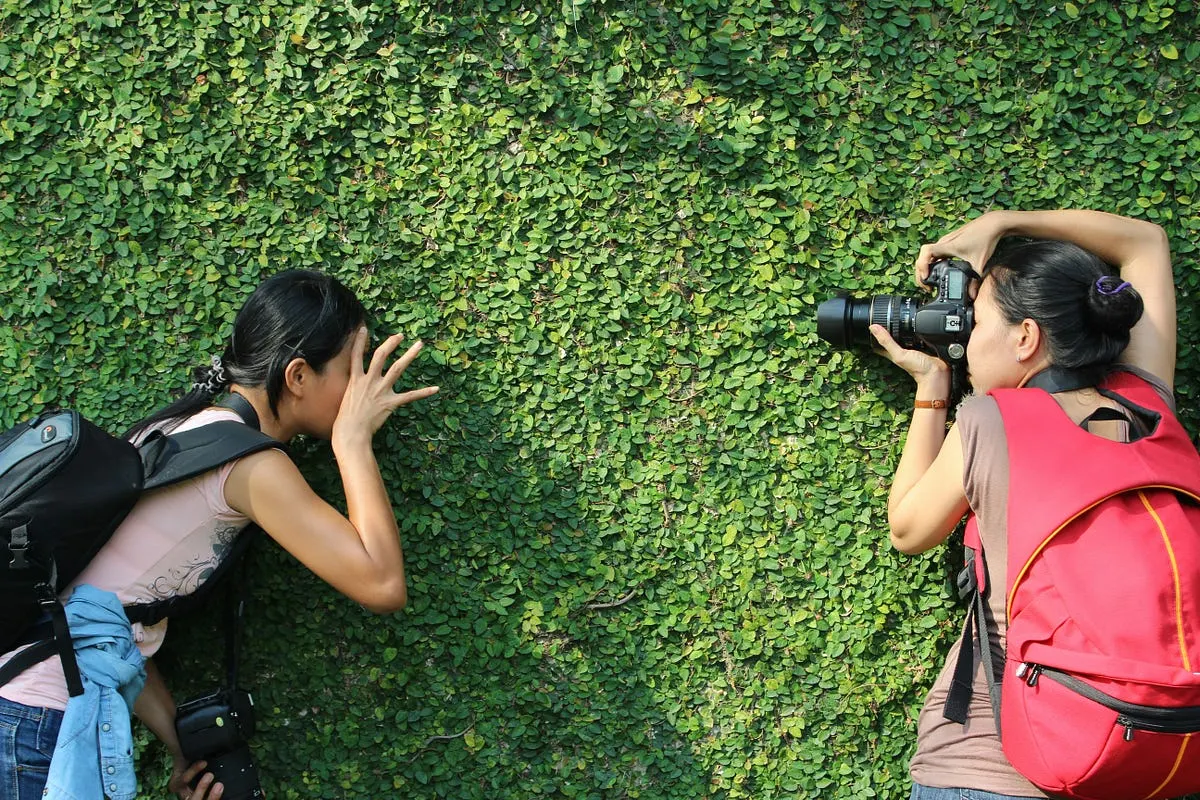
Best Camera for Backpacking: Field Setup & Key Specs
Best Camera for Backpacking: Sony RX100 VII, Fujifilm X-T30 II and Olympus OM-D E-M5 Mark III compared on features, price and who each one suits.