Best Camera for Animal Photography
As an Amazon Associate we earn from qualifying purchases. Some links in this guide are affiliate links, see our affiliate disclosure for details.
Recommended Gear for animal photography
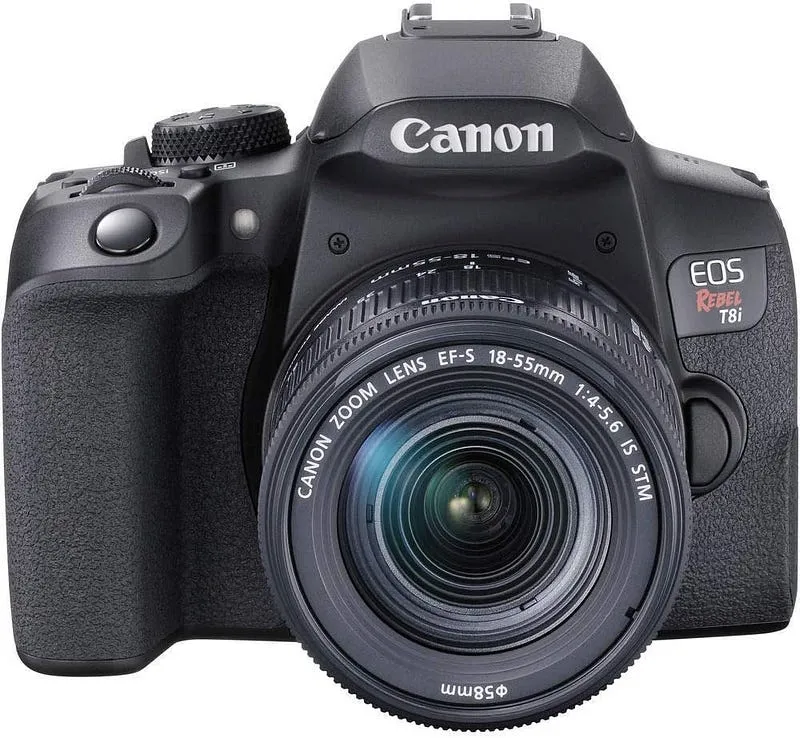
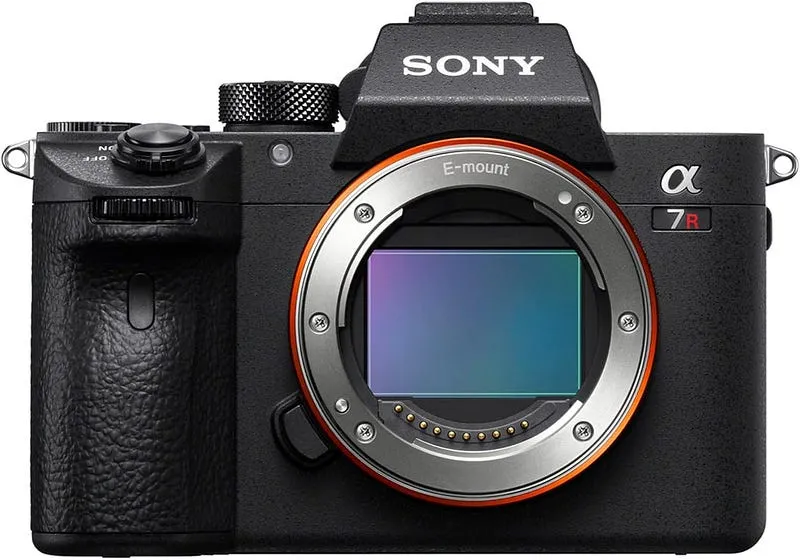
Animal photography needs fast, reliable autofocus, a quick burst rate and a telephoto lens more than a particular brand. The Canon EOS Rebel T8i is an affordable first camera for pets and zoo visits, the Sony Alpha a7R IV is a high-resolution upgrade with strong tracking, and the Nikon D500, Olympus OM-D E-M1 Mark III and Panasonic Lumix G9 are other popular choices. The lens often matters as much as the body, because animals rarely stay close.
What features matter for animals?
| Feature | Why it matters |
|---|---|
| Fast, accurate autofocus | Animals do not pose, and eye or animal detection keeps them sharp |
| Burst mode | Several frames per second raise the chance of a perfect action shot |
| Telephoto lens | Lets the photographer stay back without disturbing the animal |
| Image stabilization | Reduces blur from camera shake with long lenses |
| Fast shutter speeds | 1/1000 s or faster freezes running or flying animals |
| Weather sealing | Outdoor work often means rain, dust and mud |
First "real" camera: Canon EOS Rebel T8i
The Canon EOS Rebel T8i is an entry-level DSLR with a 24-megapixel APS-C sensor, decent autofocus and image quality. It suits pets, zoo visits and casual wildlife, especially when paired with an affordable telephoto zoom. A DSLR is bulkier than a mirrorless camera, and its autofocus tracking is less advanced than newer systems.
Upgrade: Sony Alpha a7R IV
The Sony Alpha a7R IV is a 61-megapixel full-frame mirrorless camera with fast, accurate autofocus and detailed images. The resolution allows heavy cropping, which helps when an animal is far away. It is expensive, files are large, and long lenses for it add cost and weight.
Other popular options
- Nikon D500. A powerful APS-C DSLR with a robust autofocus system and a fast burst rate; the best Nikon lens for wildlife guide covers matching lenses.
- Olympus OM-D E-M1 Mark III. A compact, lightweight mirrorless camera with excellent image stabilization. Micro Four Thirds lenses give a 2x crop, so small telephotos reach far.
- Panasonic Lumix G9. A Micro Four Thirds camera with fast bursts and good handling.
Which lens should you pair with the camera?
A telephoto zoom is the key purchase. A 70-300mm lens covers pets and large animals on a budget, while a 100-400mm or 150-600mm lens reaches birds and wildlife. Fast apertures help in low light but cost more and weigh more. See how to choose a lens for wildlife and bird photography and the best affordable camera for wildlife photography.
Tips for beginners
- Start with what you can afford. Learning the fundamentals matters more than the latest equipment.
- Get to eye level. Photographing animals from their level makes more engaging images.
- Use continuous autofocus. It follows moving subjects.
- Shoot at golden hours. Soft, low light flatters fur and feathers.
- Respect the animal. Keep a safe distance and never disturb nests or dens.
For pet portraits indoors, see the best lens for pet portrait photography indoors.
Frequently asked questions
What is the best budget camera for animals? An entry-level DSLR or mirrorless body with a 70-300mm lens is a sensible starting point.
Do I need a mirrorless camera? Not necessarily, but mirrorless cameras often have better eye and animal detection.
What shutter speed should I use? Use 1/500 s for slow animals and 1/1000 s or faster for running or flying animals.
Is a Micro Four Thirds camera good for wildlife? Yes. The sensor crop makes small telephoto lenses reach farther, which keeps kits light.
Camera & Lens Settings by Real-World Use Case
Match your focal length, aperture, shutter speed, and lighting modifier to the exact environment you shoot in.
Wildlife, Safari, Whale Watching & Birds in Flight
- Best Body:
- Canon EOS R7 / Nikon Z8 / Sony a6700 / OM System OM-1 Mark II
- Ideal Lens:
- 100–400mm, 150–600mm, or Nikon Z 180–600mm f/5.6–6.3 VR
- Aperture & Shutter:
- f/5.6 – f/8 (wide open on super-telephotos for maximum shutter speed) · 1/1000s (whales/bears from a moving boat) to 1/2000s – 1/3200s (birds in flight)
- Room Distance:
- 10m – 80m+
Tattoo Artists & Micro-Realism Portfolios
- Best Body:
- Sony Alpha a7 III / Fujifilm X-T4
- Ideal Lens:
- 90mm f/2.8 Macro (detail) or 50mm f/1.8 (sleeves & back pieces)
- Aperture & Shutter:
- f/5.6 – f/8 (keeps curved forearms and calves sharp edge-to-edge) · 1/125s – 1/200s handheld (or 1/60s on tripod)
- Room Distance:
- 0.4m – 1.5m (1.5 to 5 ft)
Barbershops, Hairstylists & Color Salons
- Best Body:
- Sony a7 IV / Canon EOS R6 Mark II
- Ideal Lens:
- 50mm f/1.8 (tight stations) or 85mm f/1.8 (spacious salons)
- Aperture & Shutter:
- f/1.8 – f/2.8 (blurs background chairs while keeping the lineup tack-sharp) · 1/160s – 1/250s (freezes subtle head movement in the chair)
- Room Distance:
- 1.5m – 2.4m (5 to 8 ft from the styling chair)

Written by
Marien CartelMarien Cartel runs Marien Cartel Photography, a camera and lens buying-guide site, and photographs the gear shown on it.
Related Guides
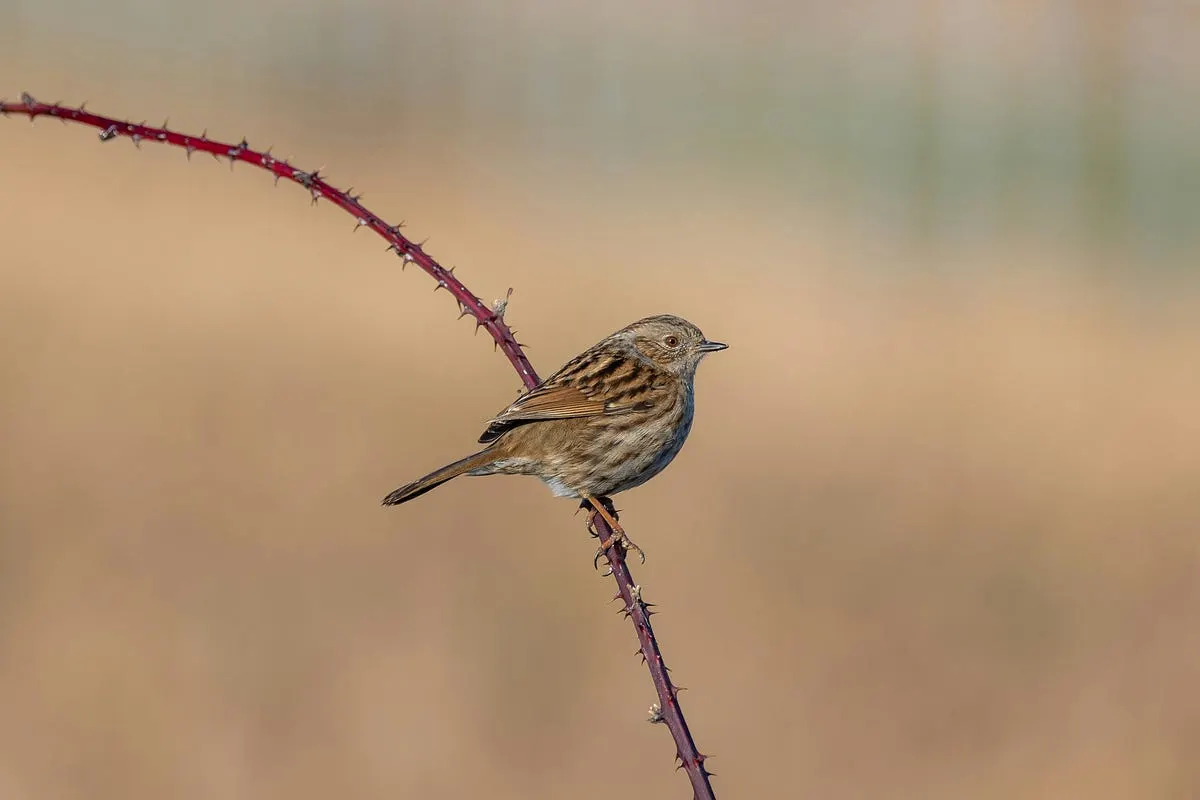
Best Camera for Long Distance Photography
Best Camera for Long Distance Photography: Nikon Coolpix A1000 and Panasonic Lumix FZ1000 II compared on features, price and who each one suits.
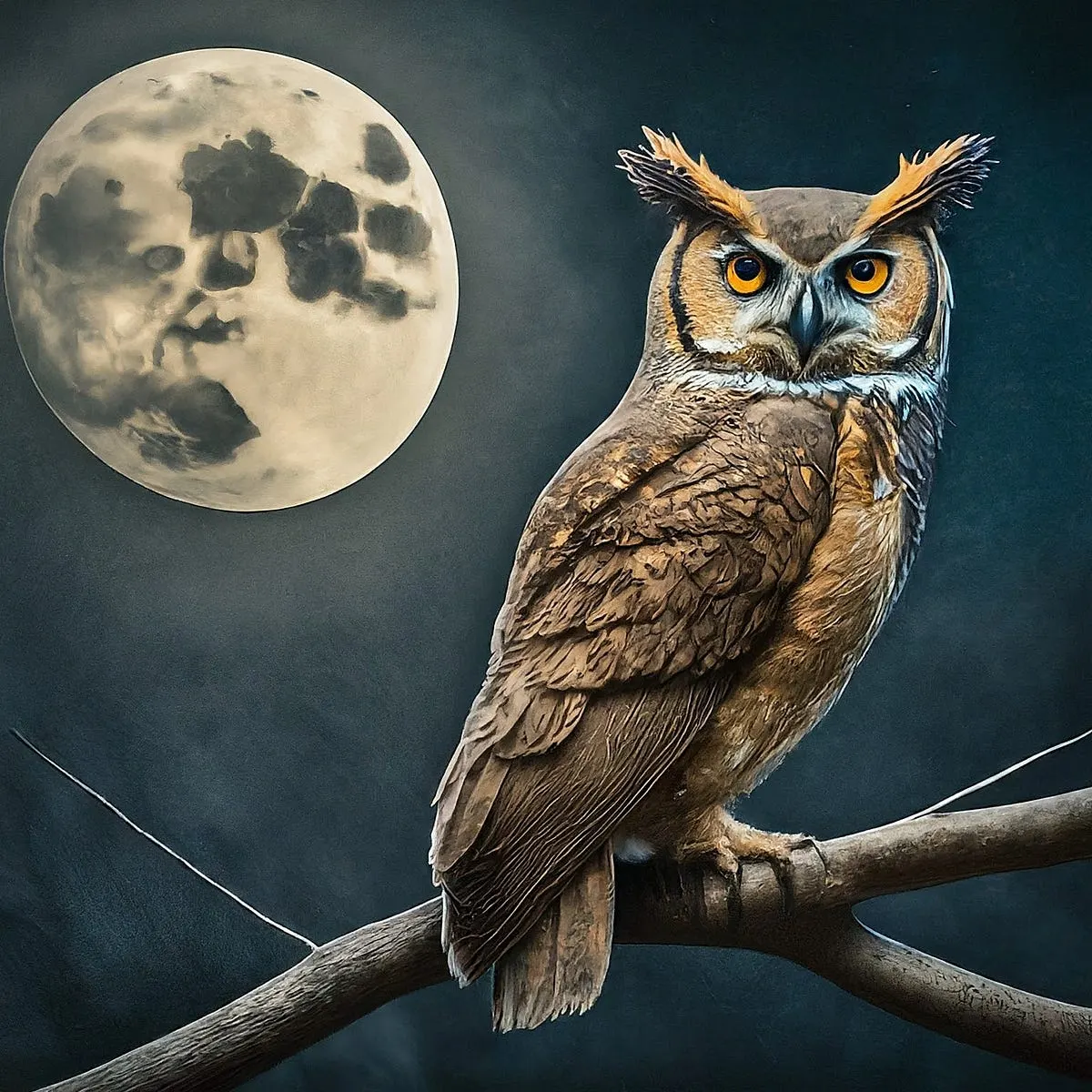
Soaring Through the Frame: Finding the Best Olympus Camera for Bird Photography
Soaring Through the Frame: Finding the Best Olympus Camera for Bird Photography: key features to compare, budget picks and clear advice on choosing well.
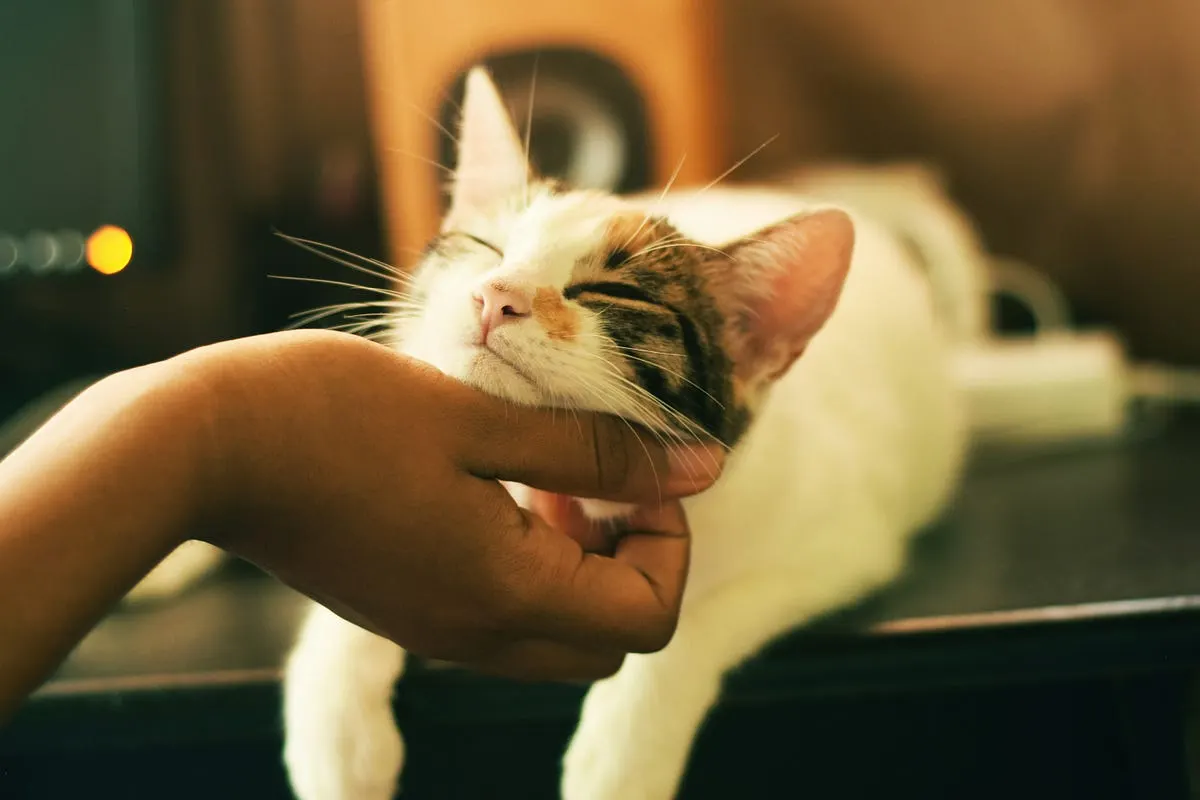
Best Affordable Camera for Pet Photography
Best Affordable Camera for Pet Photography: what to look for, what to skip and how to choose the right one for your budget.
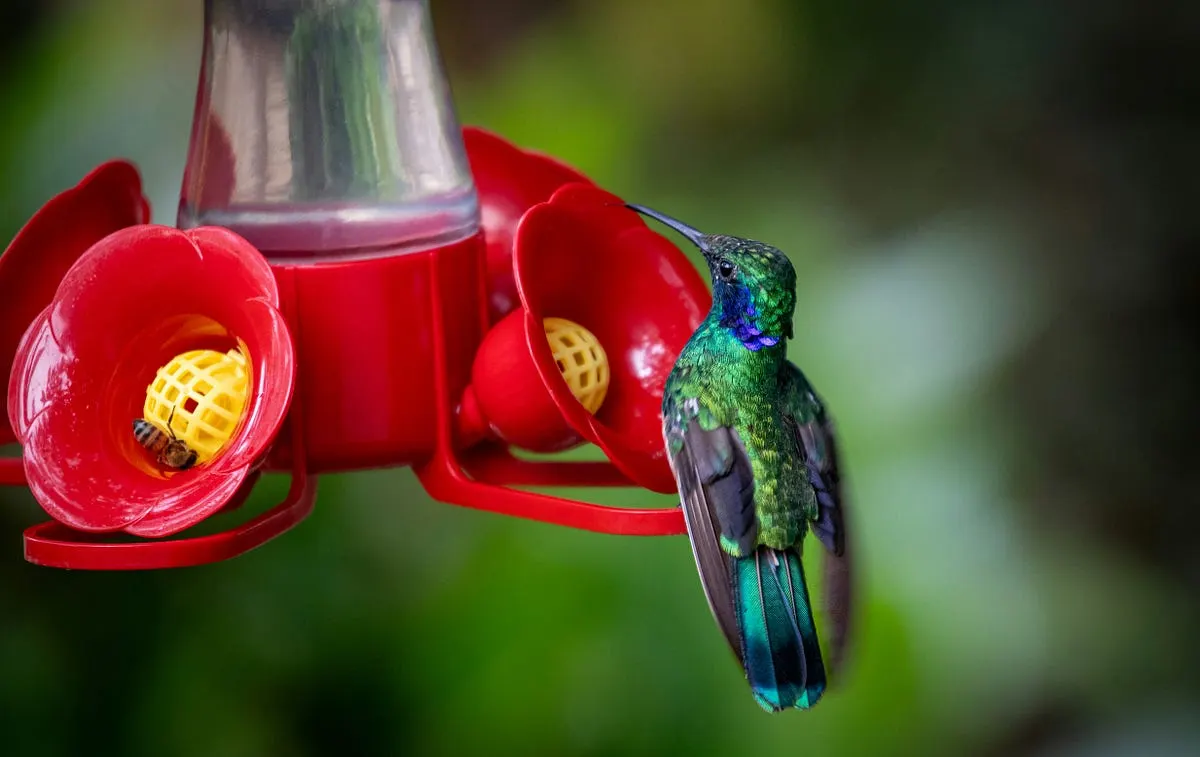
Best Camera for Filming Garden Wildlife: Field Setup & Key Specs
Best Camera for Filming Garden Wildlife — Sony α7 IV and Canon EOS R6 Mark II compared, with pros, cons and who should buy which.
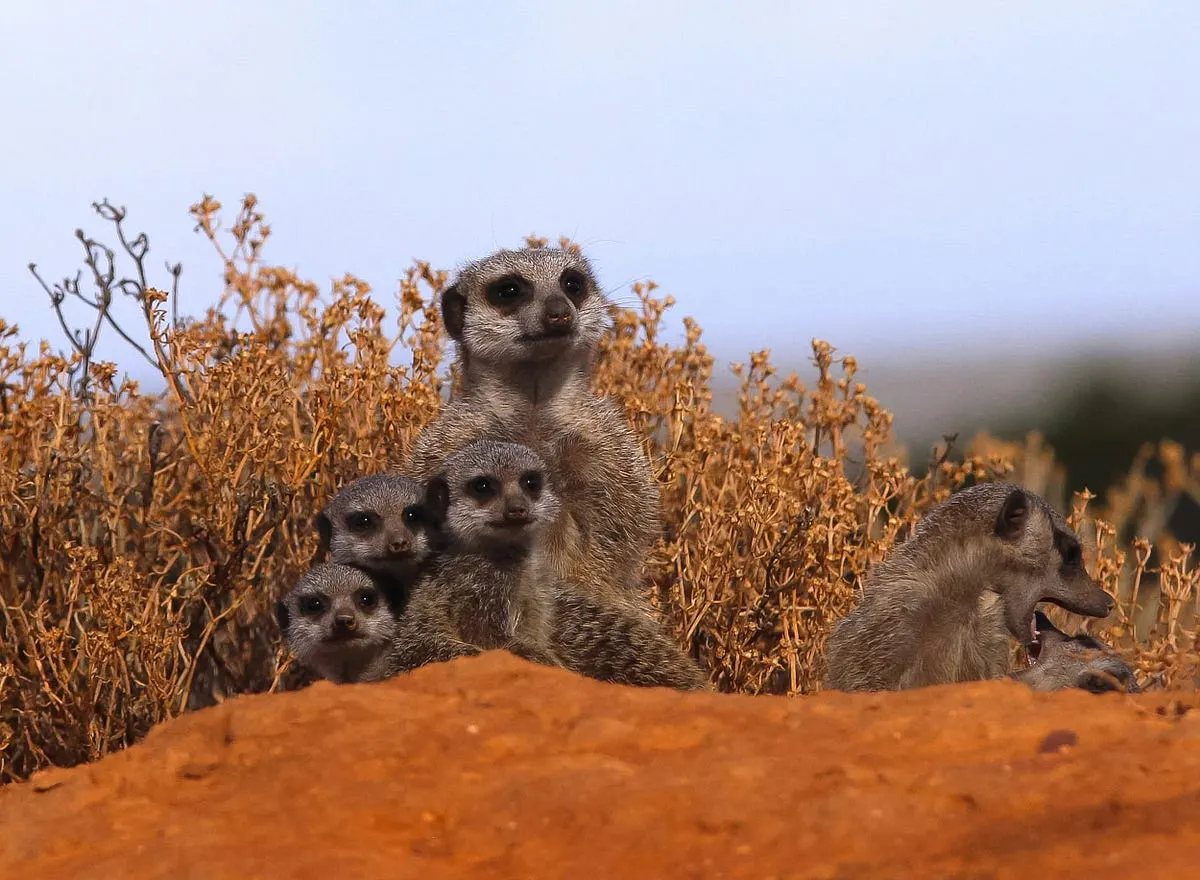
6 Best starter camera for wildlife photography: (2026 Guide & Reviews)
Best starter camera for wildlife photography: Panasonic FZ80, Nikon D500 and Canon EOS 5D Mark IV compared on features, price and who each one suits.
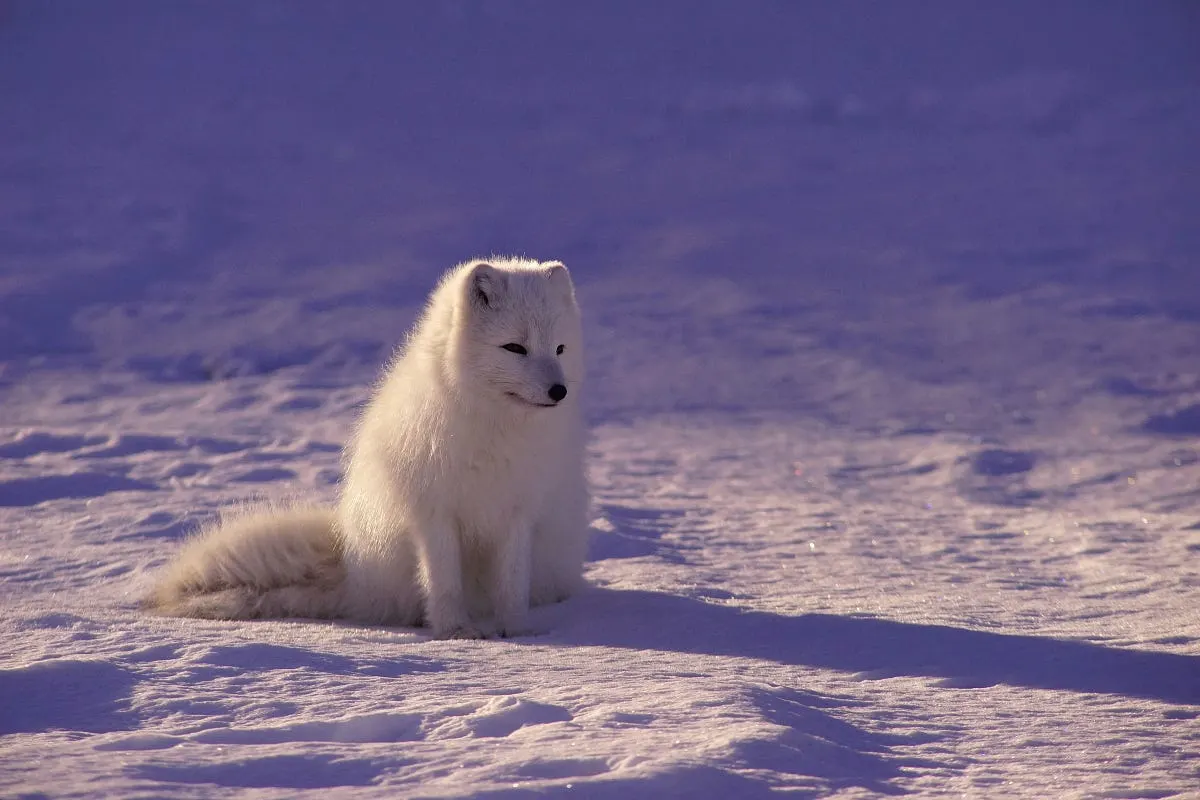
Best Affordable Camera for Wildlife Photography
Best Affordable Camera for Wildlife Photography: Canon EOS 7D and Canon EF 75–300mm f/4–5.6 III compared on features, price and who each one suits.