Best Lens for Pet Portrait Photography Indoors
As an Amazon Associate we earn from qualifying purchases. Some links in this guide are affiliate links, see our affiliate disclosure for details.
Key Picks for indoor pet portraits
Recommended picks include a lens with a wide aperture of f/1.8 or f/2.8 and suggests a 50mm, 85mm or 105mm prime. It also lists 70-200mm and 24-70mm zooms as options.
For pet portrait photography indoors, a versatile lens with a wide aperture (like f/1.8 or f/2.8) is recommended. A 50mm, 85mm, or 105mm prime lens (fixed focal length) is a good choice for creating soft, creamy backgrounds and a classic portrait look, especially in low-light situations. A zoom lens like a 70–200mm or 24–70mm can also be useful for capturing both close-up portraits and wider shots of the pet in its environment.
Why Lens Choice Matters Indoors
Indoor environments often mean lower light and tighter spaces. You want a lens that:
- Lets in lots of light (wide aperture)
- Is sharp, even wide open
- Has a focal length that flatters your furry subject without forcing you to stand across the room
Top Picks for Pet Portraits
- The Classic 50mm f/1.4 or f/1.8
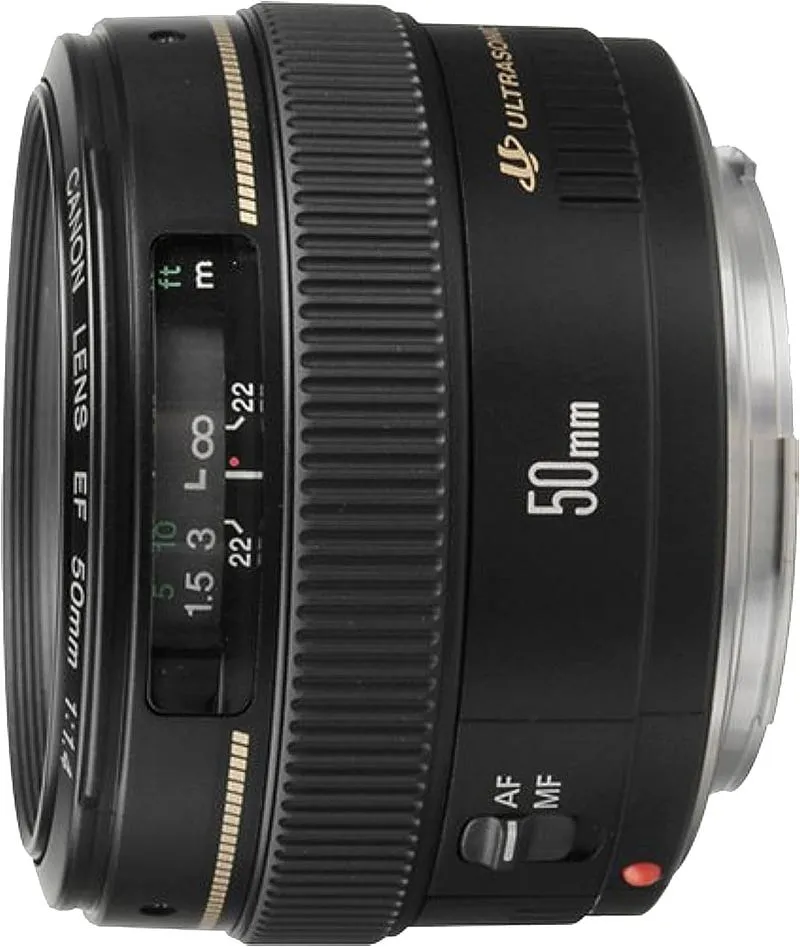
This lens is a staple for a reason. On a full-frame camera, 50mm gives a natural perspective, making it ideal for capturing pets lounging on the couch or giving you that curious head tilt. The wide aperture (f/1.4 or f/1.8) means you can shoot in natural window light and still get crisp results with dreamy background blur.
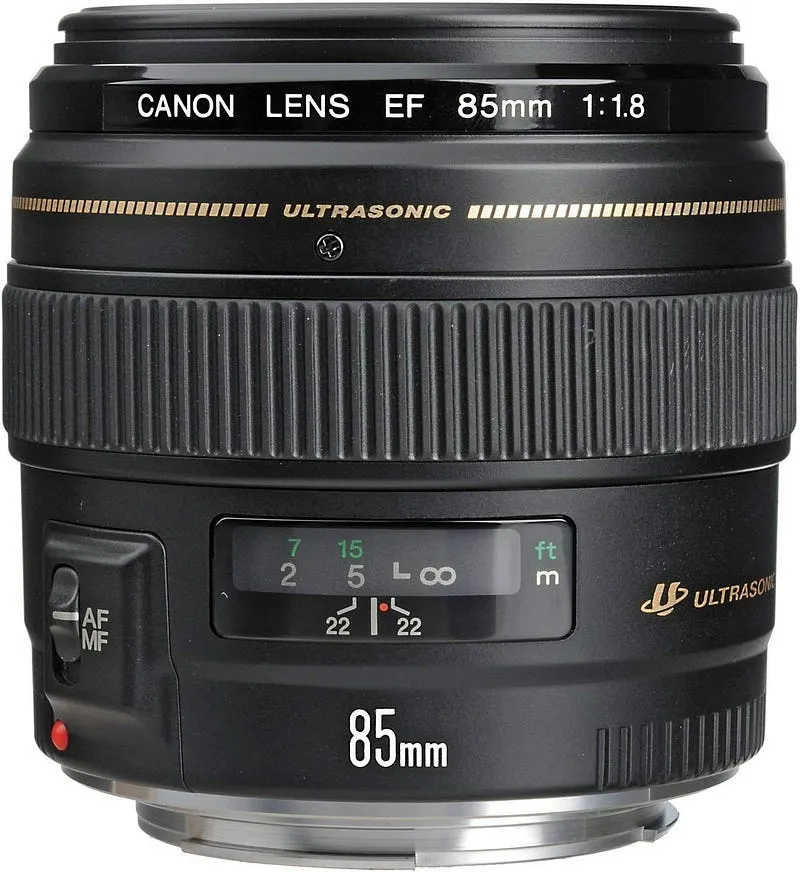
2. The Flattering 85mm f/1.8
3. The Versatile 24–70mm f/2.8
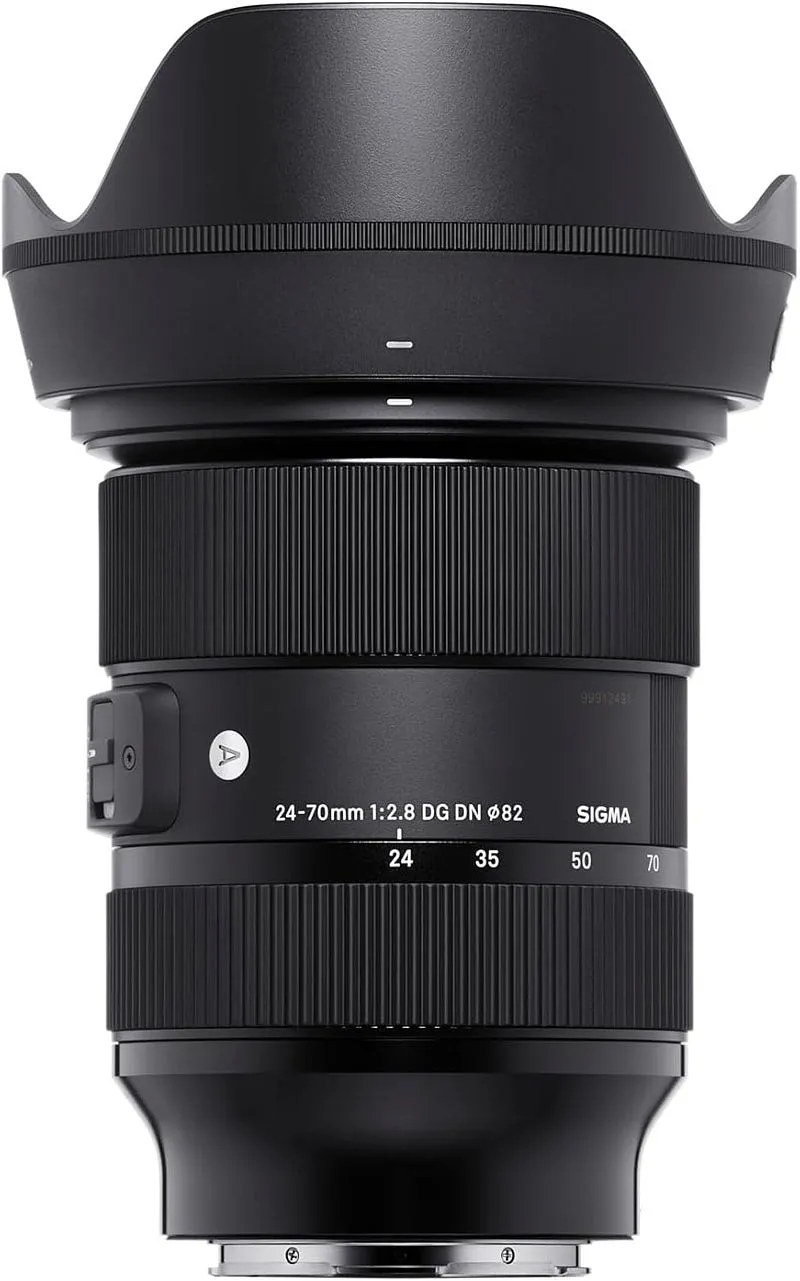
If you want flexibility-maybe a full-body shot one moment and a close-up the next-the 24–70mm f/2.8 is hard to beat. It’s a workhorse lens for all-around indoor pet photography, though it’s heavier and not quite as “creamy” as a prime lens at wide apertures.
4. The Artistic 35mm f/1.4
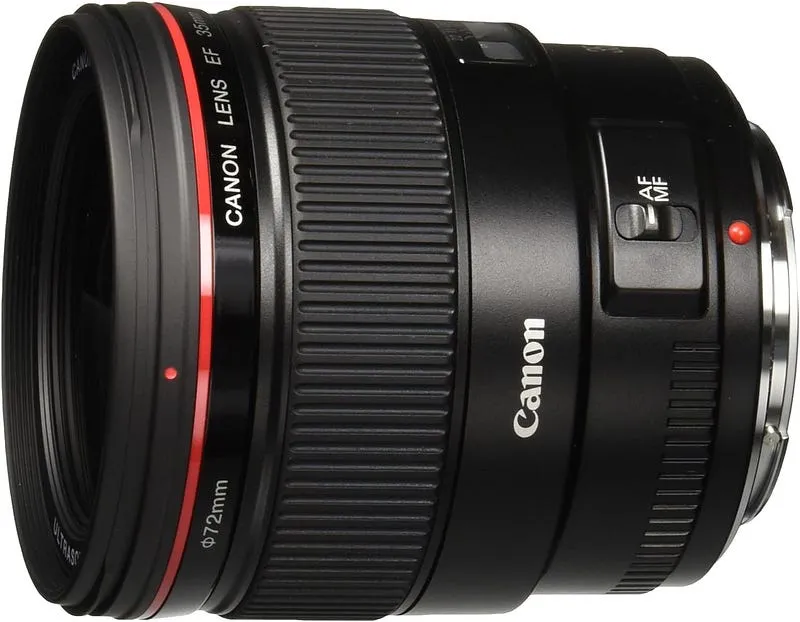
For capturing pets in their environment-curled up in a sunbeam or peeking around the corner-a 35mm lens offers a wider view without too much distortion. It’s especially useful in small rooms or apartments.
Tips for Indoor Pet Portraits
- Use natural light: Position your pet near a window for soft, flattering light.
- Focus on the eyes: Sharp eyes are key-use single-point autofocus for precision.
- Be patient: Pets have their own agenda. Treats and squeaky toys are your best friends.
Final Thoughts
Whatever lens you choose, remember: the best pet portraits come from patience, playfulness, and a genuine connection with your furry subject. Happy shooting!
What’s your favorite lens for capturing your pets? Share your stories-I’d love to see your four-legged models in action!
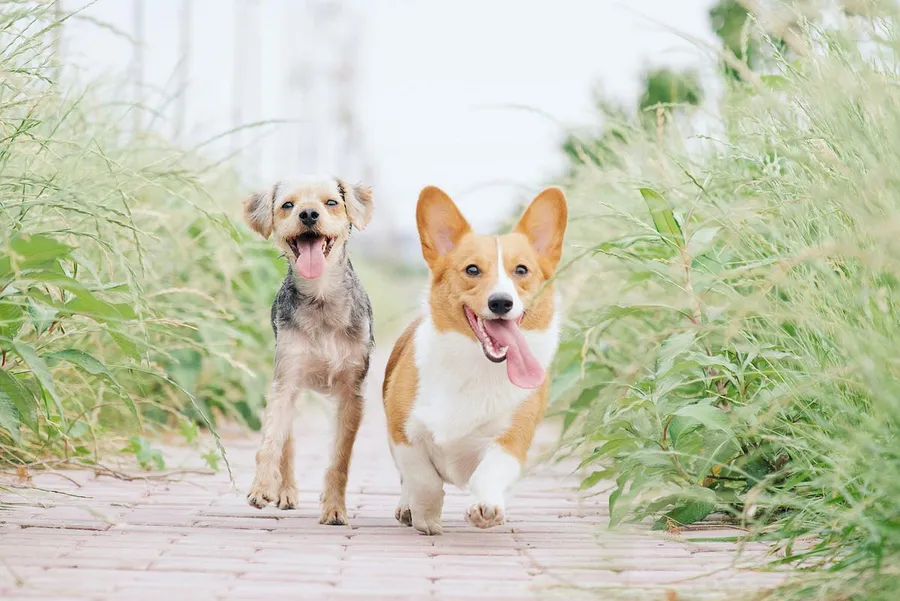
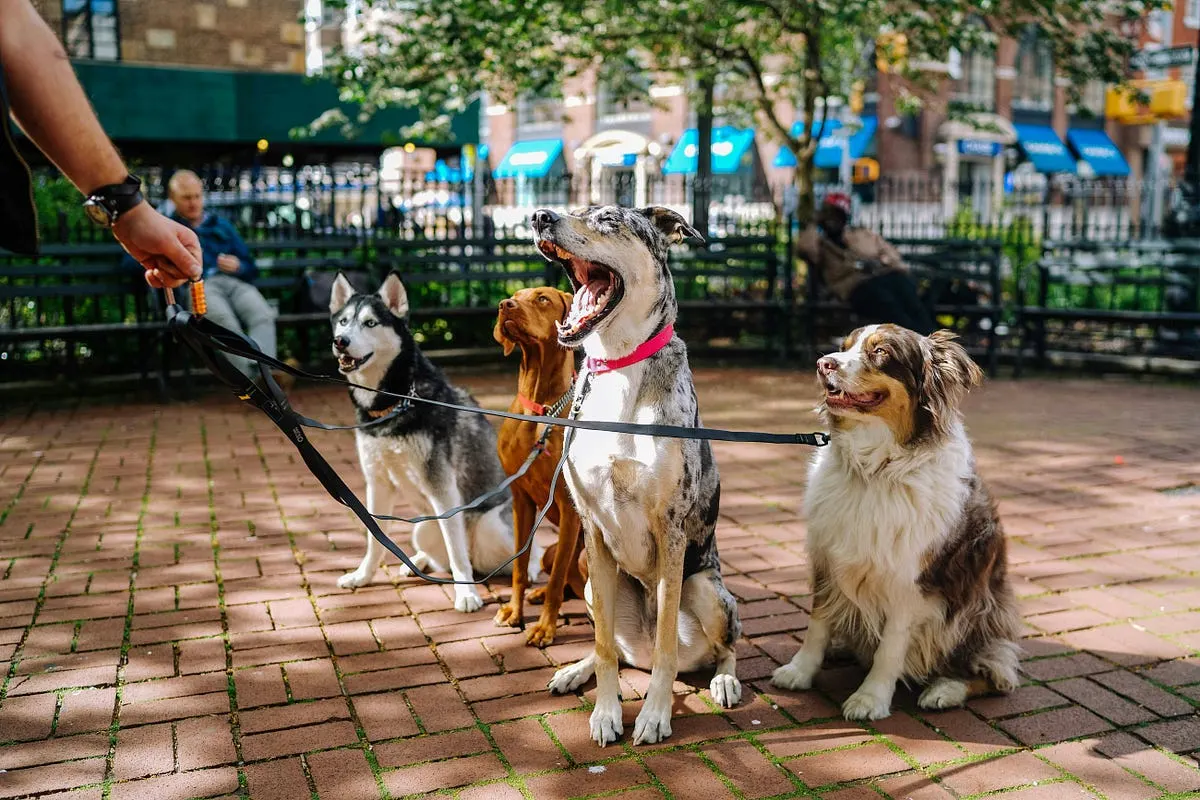
Photo by Alvan Nee on Unsplash
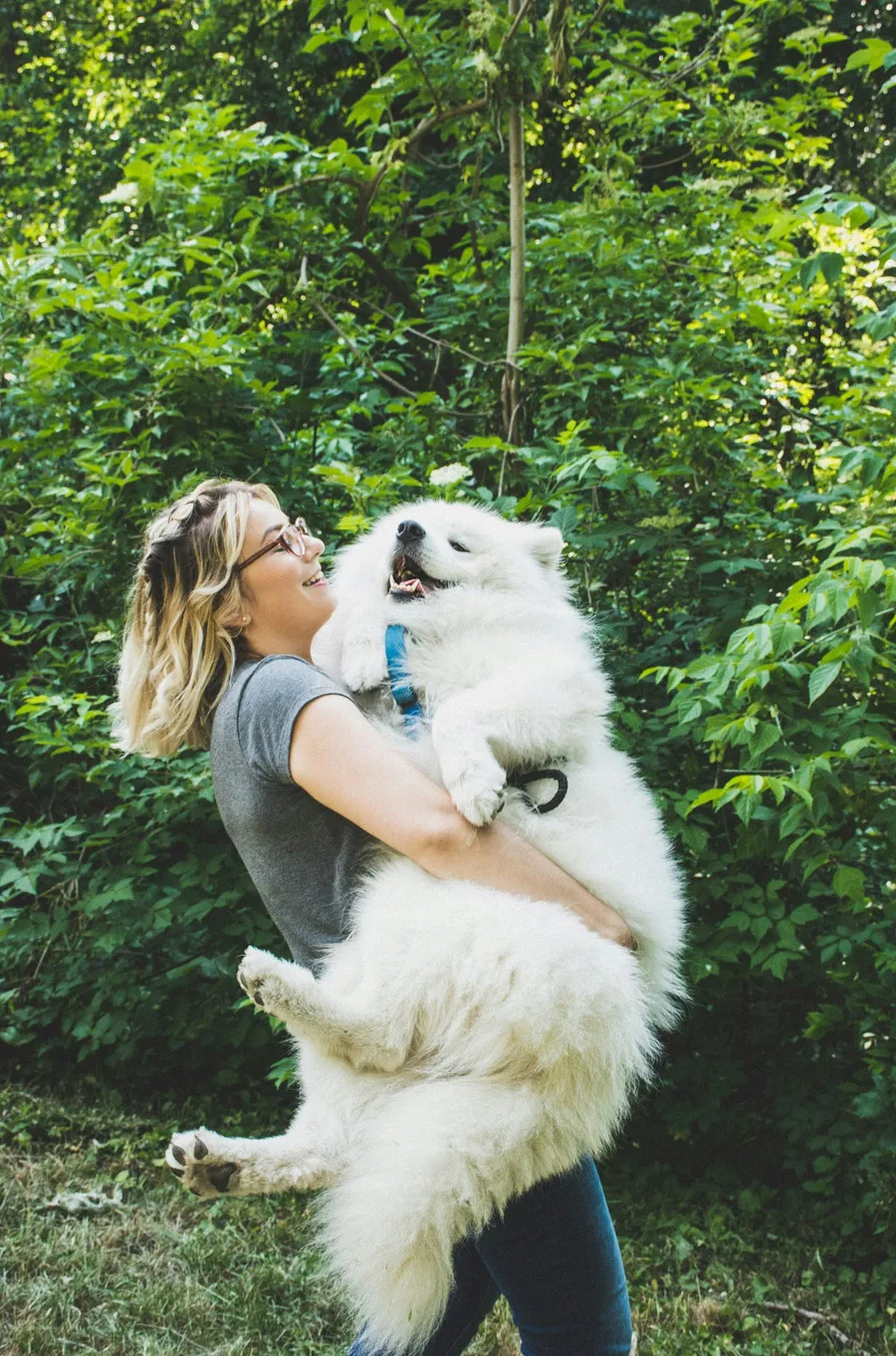
Photo by Valerie Elash on Unsplash
Compare with Best Sony Lenses For Portrait Photography and Best Budget Portrait Lenses, or check the studio & field presets.
Camera & Lens Settings by Real-World Use Case
Match your focal length, aperture, shutter speed, and lighting modifier to the exact environment you shoot in.
Newborn, Baby, Engagement & Family Portraits
- Best Body:
- Canon EOS R6 Mark II / Sony a7 IV / Nikon Z6 III
- Ideal Lens:
- 35mm f/1.8 (in-home lifestyle & family groups) + 50mm/85mm f/1.8 (tight portraits)
- Aperture & Shutter:
- f/2.0 – f/2.8 (single baby/couple); f/4 – f/5.6 (family of 4+ so every face is sharp) · 1/200s (newborn) / 1/500s – 1/1000s (running toddlers & kids)
- Room Distance:
- 1.0m – 4.0m
Makeup Artists (MUA) & Beauty Tutorials
- Best Body:
- Sony Alpha a6400 / Canon G7 X Mark III
- Ideal Lens:
- Sigma 56mm f/1.4 DC DN (APS-C) or 50mm–85mm f/1.8 (Full Frame)
- Aperture & Shutter:
- f/2.8 – f/4 for full-face sharpness; f/5.6 for macro eye/lip close-ups · 1/125s for stills; 1/50s (24p) or 1/120s (60p) for video tutorials
- Room Distance:
- 1.2m – 2.2m (4 to 7 ft)
Wildlife, Safari, Whale Watching & Birds in Flight
- Best Body:
- Canon EOS R7 / Nikon Z8 / Sony a6700 / OM System OM-1 Mark II
- Ideal Lens:
- 100–400mm, 150–600mm, or Nikon Z 180–600mm f/5.6–6.3 VR
- Aperture & Shutter:
- f/5.6 – f/8 (wide open on super-telephotos for maximum shutter speed) · 1/1000s (whales/bears from a moving boat) to 1/2000s – 1/3200s (birds in flight)
- Room Distance:
- 10m – 80m+

Written by
Marien CartelMarien Cartel runs Marien Cartel Photography, a camera and lens buying-guide site, and photographs the gear shown on it.
Related Guides
Best Budget Portrait Lenses (Nikkor Z 40mm f/2 & Top Alternatives)
Best Budget Portrait Lenses: Canon RF 50mm f/1.8 STM, Sony FE 50mm f/1.8 and Fujifilm XC 35mm F2 compared on features, price and who each one suits.

Best Lens For Portrait Photography Canon
Best Lens For Portrait Photography Canon: Canon EF 50mm f/1.8 STM and Canon EF 85mm f/1.2L II compared on features, price and who each one suits.

Best Sony Lenses For Portrait Photography
Comparing Sony FE 85mm f/1.8 and Sony FE 50mm f/1.2 GM for Sony Lenses For Portrait Photography — sensor specs, autofocus, pricing.
Best Nikon Portrait Lenses: Native & Third-Party Glass Compared
Best Nikon Portrait Lenses: Nikon 35mm f/1.4G and Nikon 85mm f/1.8G compared on features, price and who each one suits.
Best Affordable Camera for Pet Photography
Best Affordable Camera for Pet Photography: what to look for, what to skip and how to choose the right one for your budget.
Best Affordable Camera for Portrait Photography
Best Affordable Camera for Portrait Photography: Canon EOS R50 and Sony a6400 compared on features, price and who each one suits.