Best Camera for Filming Garden Wildlife: Field Setup & Key Specs
As an Amazon Associate we earn from qualifying purchases. Some links in this guide are affiliate links, see our affiliate disclosure for details.
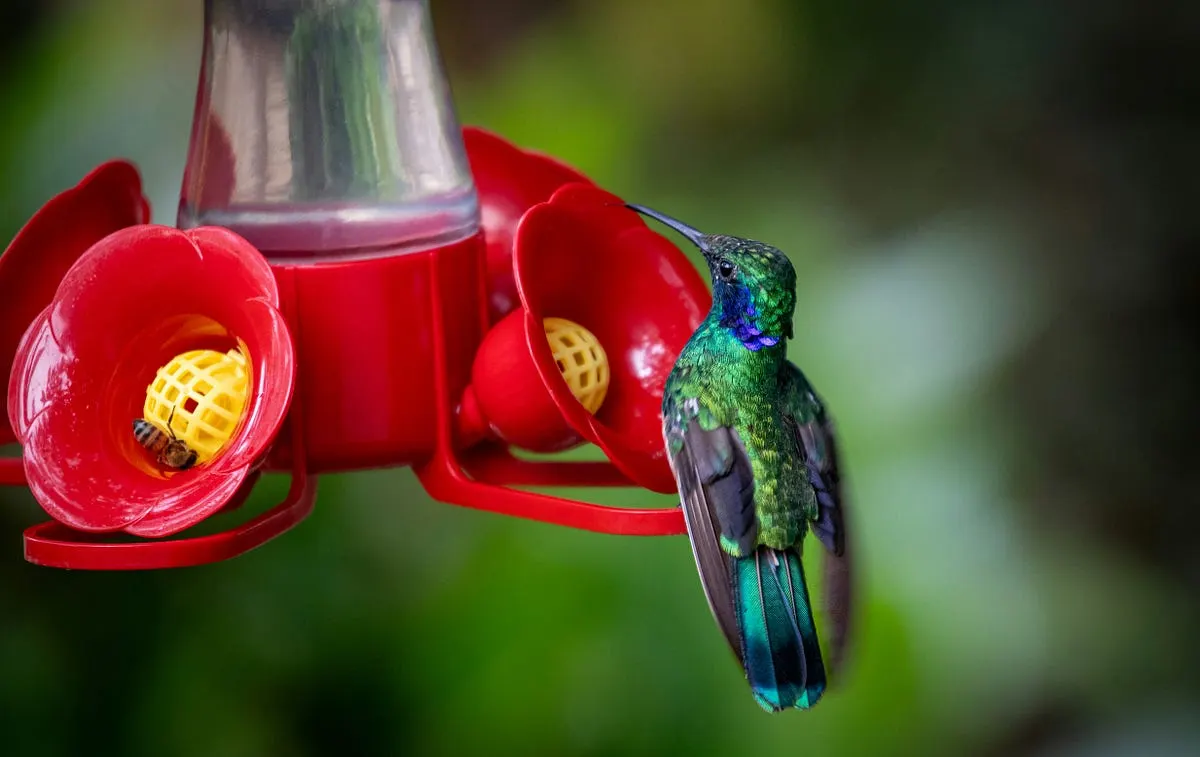
Photo by Bernd 📷 Dittrich on Unsplash
Recommended Gear for filming garden wildlife
Key options include the Bushnell Core DS-4K trail camera, the Sony a7 IV and the Canon EOS R6 Mark II. Use a trail camera to film when you are away and a mirrorless body when you can film in person.
The rustling in the bushes, the birdsong at dawn, and the occasional glimpse of a furry friend sparked a desire to document their lives.
First Camera and the Challenges
It was affordable and easy to set up, but the image quality was disappointing.
Upgrading Gear
- High-resolution video (1080p or 4K)
- Fast trigger speed
- Excellent low-light performance
- Weatherproof design
- Long battery life
The difference was remarkable! The new camera captured stunningly clear footage, even in challenging lighting conditions.
Top Camera Recommendations for Filming Garden Wildlife
Trail Cameras:
- Bushnell Core DS-4K No Glow: This camera boasts 4K video, high-resolution stills, and excellent night vision. It’s durable, weatherproof, and easy to set up.
- Spypoint Force-Pro: Known for its exceptional image quality, this camera captures 4K video with sound. It has a fast trigger speed and excellent low-light performance.
- NatureSpy Ursus: A more affordable option that still delivers great quality video footage. It’s rugged, weatherproof, and has a user-friendly design.
Mirrorless Cameras:
- Sony α7 IV: This camera is a favorite among wildlife photographers and videographers. It has incredible autofocus capabilities, excellent image quality, and can shoot 4K video.
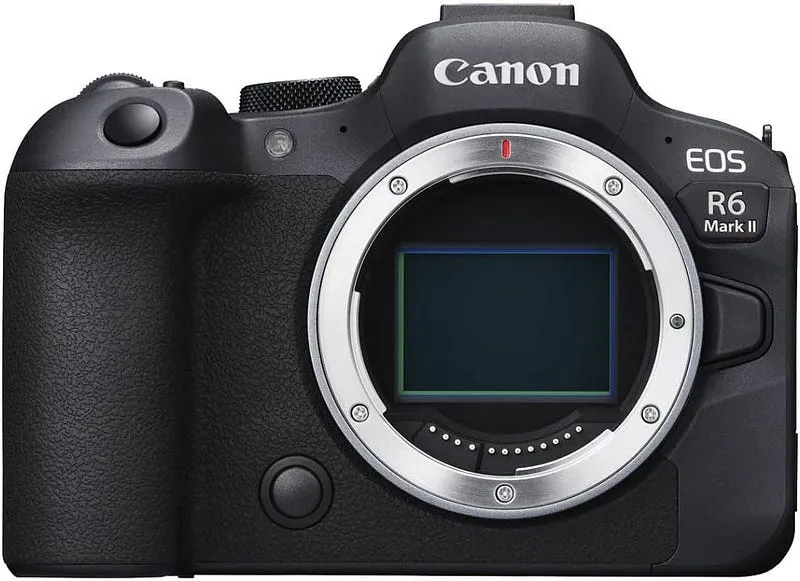
- Canon EOS R6 Mark II: Another excellent choice for high-quality video. It excels in low-light conditions and has a fast shooting speed.
Tips for Filming Garden Wildlife
- Choose the right location: Place your camera in an area where animals are known to frequent, such as near bird feeders, water sources, or established trails.
- Camouflage your camera: Use natural materials to conceal your camera and avoid disturbing the wildlife.
- Use appropriate settings: Adjust the camera settings to suit the lighting conditions and the type of animal you are filming.
- Be patient: Wildlife filming requires patience and persistence. It may take time to capture the footage you want.
- Respect wildlife: Always prioritize the well-being of the animals you are filming. Avoid disturbing their natural habitat or behavior.
The Joy of Discovery
From watching a mother fox care for her cubs to capturing the intricate dance of a hummingbird feeding on nectar, the experience has been both educational and rewarding. You’ll be amazed at what you discover in your own backyard.
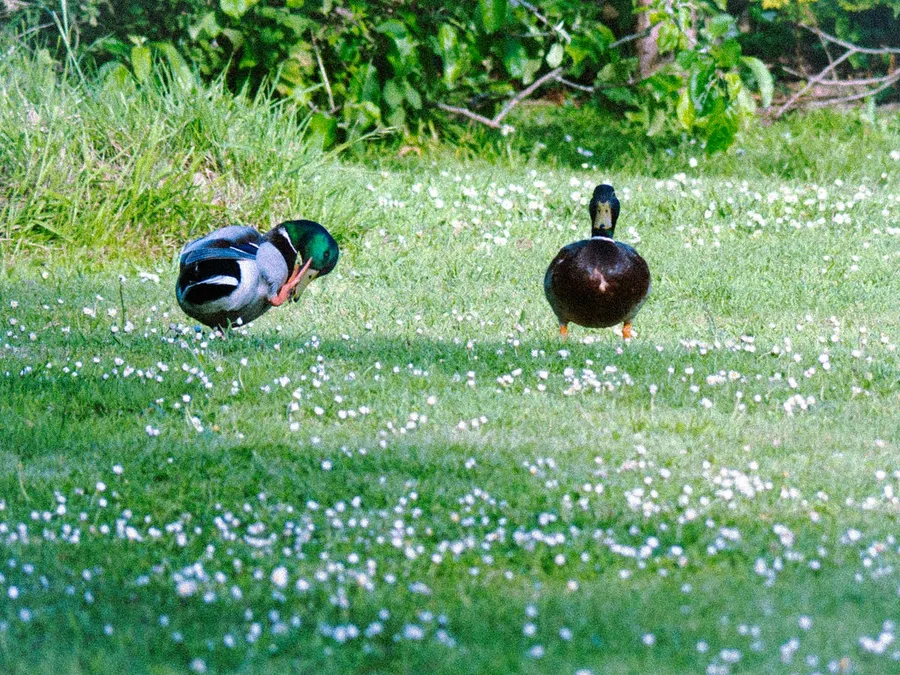
Photo by Ben Grayland on Unsplash
Pair this guide with Best Affordable Camera for Wildlife Photography, 6 Best starter camera for wildlife photography, and the depth-of-field tool.
Camera & Lens Settings by Real-World Use Case
Match your focal length, aperture, shutter speed, and lighting modifier to the exact environment you shoot in.
Wildlife, Safari, Whale Watching & Birds in Flight
- Best Body:
- Canon EOS R7 / Nikon Z8 / Sony a6700 / OM System OM-1 Mark II
- Ideal Lens:
- 100–400mm, 150–600mm, or Nikon Z 180–600mm f/5.6–6.3 VR
- Aperture & Shutter:
- f/5.6 – f/8 (wide open on super-telephotos for maximum shutter speed) · 1/1000s (whales/bears from a moving boat) to 1/2000s – 1/3200s (birds in flight)
- Room Distance:
- 10m – 80m+
YouTube Talking-Head, Podcasting & Desk Streaming
- Best Body:
- Sony ZV-E10 II / Sony a6700 / Canon EOS R50
- Ideal Lens:
- Sigma 16mm f/1.4 DC DN (APS-C) or 24mm f/1.8 (Full Frame)
- Aperture & Shutter:
- f/1.4 – f/2.0 (separates speaker from a close desk wall within 4 feet) · 1/50s (for 24fps) or 1/60s (for 30fps) — 180-degree shutter rule
- Room Distance:
- 0.8m – 1.4m (2.5 to 4.5 ft desk arm mount)
Overhead Top-Down Videos (Cooking, Crafts, Art & Unboxings)
- Best Body:
- Sony ZV-E10 II / Sony a6400 / Canon EOS R50
- Ideal Lens:
- Sigma 18–50mm f/2.8 DC DN or Sony E 15mm f/1.4 G / 24mm f/2.8
- Aperture & Shutter:
- f/4 – f/5.6 (deep enough that hands lifting objects off the table stay in focus) · 1/60s (30p) or 1/120s (60p for smooth hand movements)
- Room Distance:
- 0.7m – 1.1m directly above the tabletop

Written by
Marien CartelMarien Cartel runs Marien Cartel Photography, a camera and lens buying-guide site, and photographs the gear shown on it.
Related Guides
3 Best Time Lapse Camera for Plants: Field Setup & Key Specs
Which Time Lapse Camera for Plants is worth buying? See how Brinno TLC2020, GoPro Hero 12 and Canon EOS Rebel T7 stack up on specs, performance, and budget.
Best Camera for Vlogs: Field Setup & Key Specs
Sony ZV-E10, Sony ZV-1 II and DJI Osmo Pocket 3 compared for Camera for Vlogs: key specifications, trade-offs, and top picks by budget.
Best Cameras for Virtual Production: Field Setup & Key Specs
Sony FX6 and Sony FX9 compared for Cameras for Virtual Production: key specifications, trade-offs, and top picks by budget.
Best APS-C Compact Camera: Field Setup & Key Specs
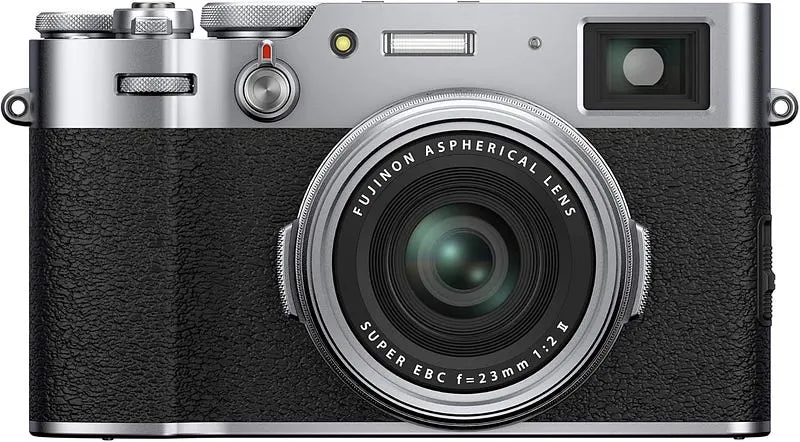
Compare the best APS-C compact cameras including the Fujifilm X100VI, X100V, Ricoh GR III, and GR IIIx for street, travel, and everyday photography.
Best Camera for Hobby Photography: Field Setup & Key Specs
Best Camera for Hobby Photography — what the Olympus OM-D E-M10 Mark IV offers, where it falls short, and whether it is worth buying.
Best Camera for Basketball Games: Field Setup & Key Specs
Best Camera for Basketball Games: Sony A6700, Fujifilm X-H2S and Sony A9 III compared on features, price and who each one suits.