Best Camera for Chess Streamers
As an Amazon Associate we earn from qualifying purchases. Some links in this guide are affiliate links — see our affiliate disclosure for details.
Photo by Carlos Esteves on Unsplash
If you had told me three years ago that I’d spend more time worrying about aperture and frame rates than my Sicilian Defense theory, I would have laughed in your face. But here I am, a full-fledged chess streaming addict, and I’ve learned one undeniable truth: your viewers will forgive a blundered knight. They won’t forgive a blurry face.
When I first started streaming, my setup was delightfully scrappy. I had a $20 Logitech webcam perched on a stack of old opening theory books, an IKEA desk lamp pointed directly at my forehead, and a dream. My first chat message wasn’t “Nice move” — it was “Why does it look like you’re streaming from a cave?”
That comment stung, but it was the wake-up call I needed. Chess is a visual game of trust and personality. You’re not just selling your rating; you’re selling your reactions, your thought process, and the moment your eyes light up when you spot an M5. If people can’t see you clearly, they can’t connect with you.
After a multi-year journey through returns, regrets, and tech reviews, here is the ultimate breakdown of the best cameras for chess streamers, forged in the fires of my own trial and error.
Affiliate note: This post has affiliate links. If you buy through them, I might earn a small commission (at no extra cost).
The Harsh Truth: Lighting > Camera
Before you drop $1,000 on a lens, I have to share the most humbling part of my story. I eventually bought a high-end Sony mirrorless camera, plugged it in, and… looked terrible. Grainy, shadows everywhere, just a more expensive version of the cave.
The problem wasn’t the camera; it was the photons. A $300 camera with a good key light will destroy a $1,000 camera in the dark. For chess, you need soft, even lighting to avoid harsh shadows on the board (if it’s physical) and to make your face look crisp. Fix your lighting first. Thank me later.
With that painful lesson learned, here are the cameras that actually make a difference for our niche.
1. The Budget Beast: Logitech C920s
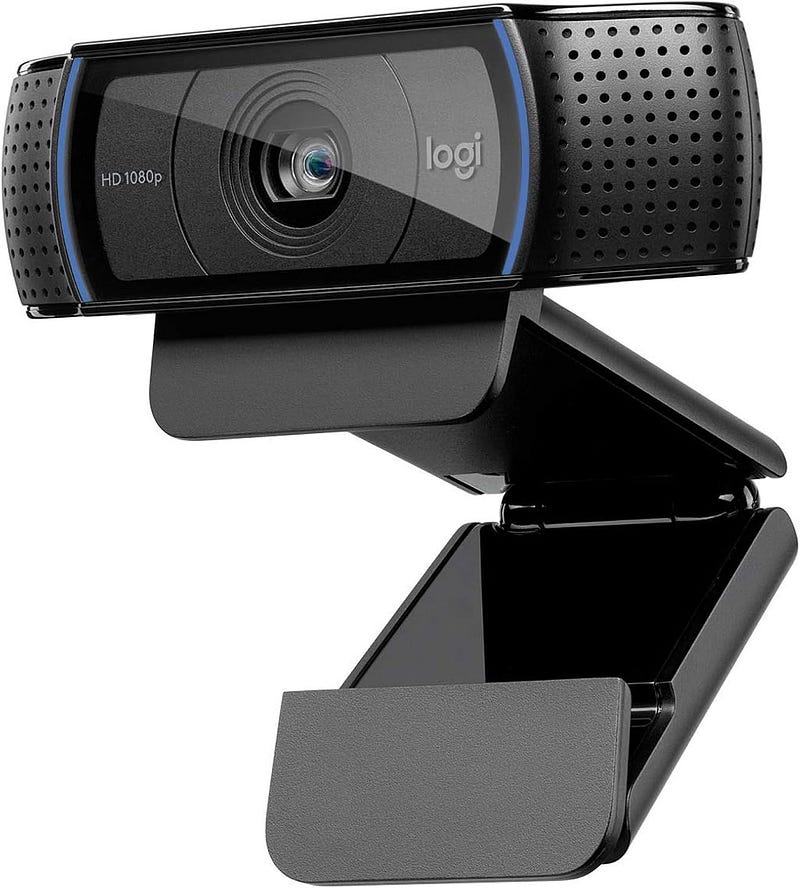
The Story: This was my upgrade from the cave-webcam. I remember plugging it in for the first time and suddenly seeing individual strands of my beard. The C920s is the gold standard for a reason. It’s plug-and-play, renders 1080p at 30fps, and has a privacy shutter (essential for those moments you accidentally open a browser tab you don’t want 500 people to see).
- Why it’s great for chess: It has a decently narrow field of view. You don’t want a 120-degree wide-angle lens showing the mess in your entire living room. You want face, and maybe a shoulder. This does that.
- The catch: Autofocus can be finicky if you move your head forward and back rapidly during time scrambles.
2. The Streamers’ Standard: Elgato Facecam Pro
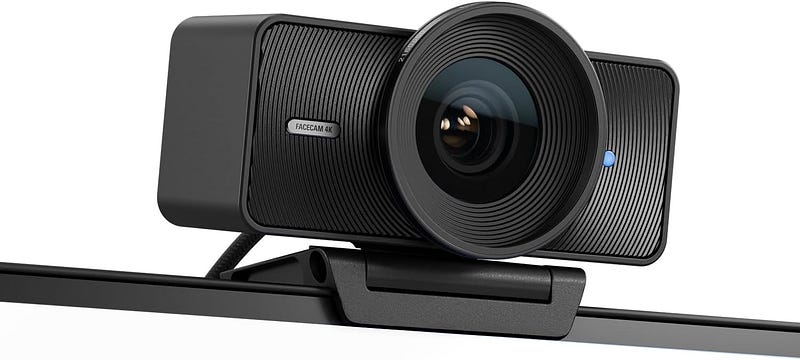
The Story: This was my “I’m serious about this” purchase. I switched to Elgato because I was tired of fighting with Logitech’s software to get the saturation right. The Facecam Pro feels like a professional piece of kit. It records internally, so it remembers your settings.
- Why it’s great for chess: The image is clinically sharp. Chess streaming involves a lot of static sitting. You want a camera that captures the subtle micro-expressions — the slight smirk when you play a trap, the eyebrow raise when your opponent hangs their queen. The Facecam Pro’s dynamic range handles that beautifully, even if you have a bright “white” chessboard theme on your screen behind you.
- The catch: No built-in microphone, but you’re a chess streamer — you’ve likely got a dedicated XLR mic or a Blue Yeti already.
3. The Content Creator’s Dream: Sony ZV-E10 (Mirrorless)
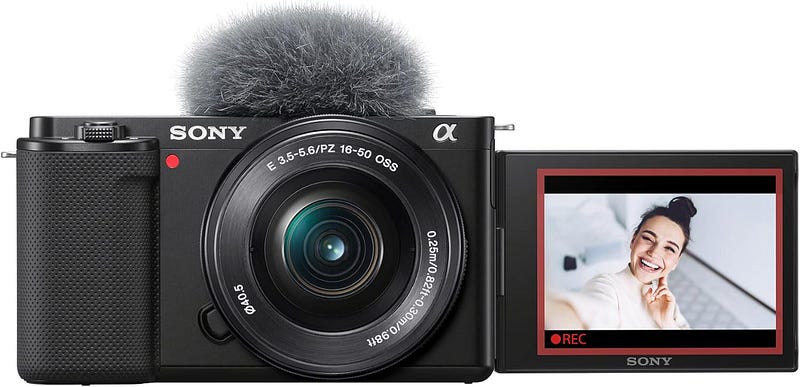
The Story: This was my endgame. I hesitated for six months because dropping $700+ on a camera body felt like a betrayal of my pragmatic roots. But I finally caved, and the moment I hit “Start Streaming” with this lens, my chat stopped talking about the game and started asking about my skincare routine. (It was the camera’s softening effect, don’t tell them.)
- Why it’s great for chess: Depth of field. That creamy, blurred background effect (bokeh) makes your face pop like a 3D piece on a flat board. It separates you from the digital clutter of a chessboard overlay and chat. The ZV-E10 also has a tally light on the front, so you know you’re live — because we all have that nightmare of picking our nose thinking it’s a pre-game break.
- The catch: You need a dummy battery, a capture card (Elgato Cam Link 4K), and possibly a new lens. Also, overheating can be an issue on marathon 6-hour Bullet Arenas, but firmware updates have mostly fixed this.
4. The “Board Cam” Secret Weapon
Your beautiful face is the main event, but chess is unique. We often need a second angle — the physical board. You don’t need a 4K monster for this. An old smartphone is often the best board camera you own.
I didn’t want to spend more money, so I downloaded the Elgato EpocCam app on my dusty iPhone 8. I suspended it using a cheap articulated arm clamp stuck to my bookshelf, pointing directly down at my DGT board. The video quality over Wi-Fi was shockingly good, with minimal lag. It added a beautiful, cinematic B-roll angle for my YouTube recaps. Before you buy a dedicated camcorder for the board, raid your junk drawer for an old phone.
My Recommended Pipeline
If I could go back in time to my “cave” setup and start over without wasting money, this is the upgrade path I’d follow:
- Buy a Key Light (Elgato Key Light Air): Just one, placed off to the side to sculpt the face.
- Start with the C920s: See if you even enjoy streaming 100 hours before spending big.
- Upgrade to ZV-E10: Once your channel becomes a source of joy (or even a tiny bit of income), trade up for the shallow depth of field look.
- Rig up an old phone: Use it as a dedicated board cam to add production value.
The philosopher Gabe Newell once said, “The most important part of a game is the feel.” In chess streaming, the most important part is the connection. The right camera isn’t about vanity; it’s about removing the layer of grime between your brilliant mind and the audience.
Don’t stream from a cave. Let them see the smile when you play Bg5.
What camera are you currently using for your streams? I’m always looking to tweak my setup — drop your recs (or your roasts of my early lighting choices) below.
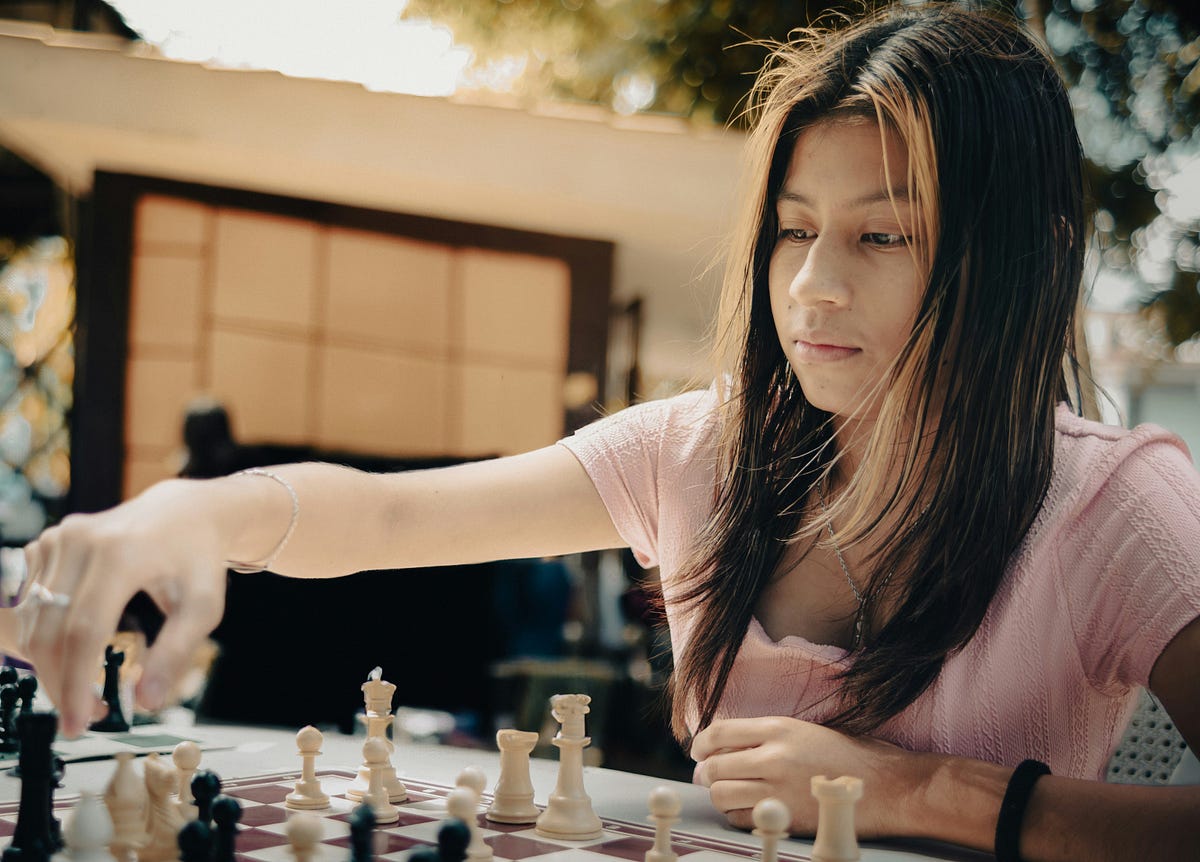
Photo by Rainer Eli on Unsplash
Written by
Marien CartelProfessional and Certified Digital Photographer born in the USA, with 22 years of experience in the field of photography.