Best Camera for Lifestyle Photography: Top Picks & Sensor Comparison
As an Amazon Associate we earn from qualifying purchases. Some links in this guide are affiliate links, see our affiliate disclosure for details.
Best Options for lifestyle photography
The Sony Alpha 7 IV is a strong all-round camera for lifestyle photography. It has a 33-megapixel full-frame sensor, reliable eye-detection autofocus, five-axis stabilization and a body that suits both photos and video. Lifestyle work, which covers candid family moments and everyday scenes, depends on a camera that adapts to changing light, so look for autofocus that follows people, good low-light performance and a lens that gives natural framing.
What is lifestyle photography?
Lifestyle photography shows people in real settings, such as homes, cafes, parks and family gatherings, with a natural, unposed feel. Brands and families use it because it feels authentic. It needs a camera that responds quickly, works in mixed light and does not draw attention.
What should a lifestyle camera have?
| Feature | Why it matters |
|---|---|
| Eye and face autofocus | Keeps people sharp as they move |
| Good low-light performance | Indoor and evening light is often dim |
| Silent or quiet shooting | Candid moments should not be disturbed |
| Image stabilization | Helps handheld shots with slower shutter speeds |
| Flip screen | Allows low and high angles |
| Natural colour | Skin tones and home interiors should look real |
Sony Alpha 7 IV
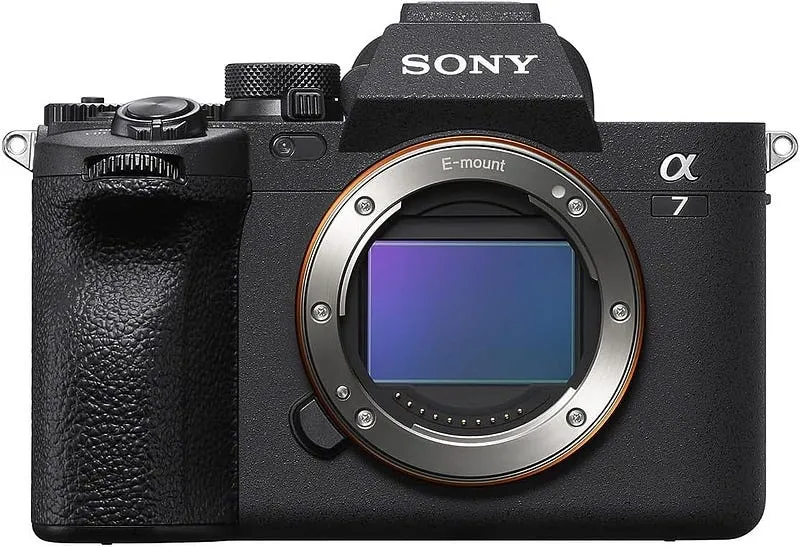
The Sony Alpha 7 IV is a full-frame mirrorless camera. Sony lists:
- 33-megapixel full-frame sensor. It captures detail and handles low light well.
- Real-time tracking and eye autofocus. It follows people and faces through the frame.
- Five-axis in-body stabilization. It helps handheld work in dim light.
- Vari-angle screen. It makes low and high angles easy.
- Video features. 4K recording suits families who also shoot clips.
- Dual card slots. They back up important shoots.
Limits: the body weighs about 700 g with battery and card, so it is heavier than APS-C cameras, and lenses add to the weight. It is also more expensive than entry-level cameras. See the Sony A7 IV page and the best lenses for the Sony A7 IV for more.
Which lens suits lifestyle work?

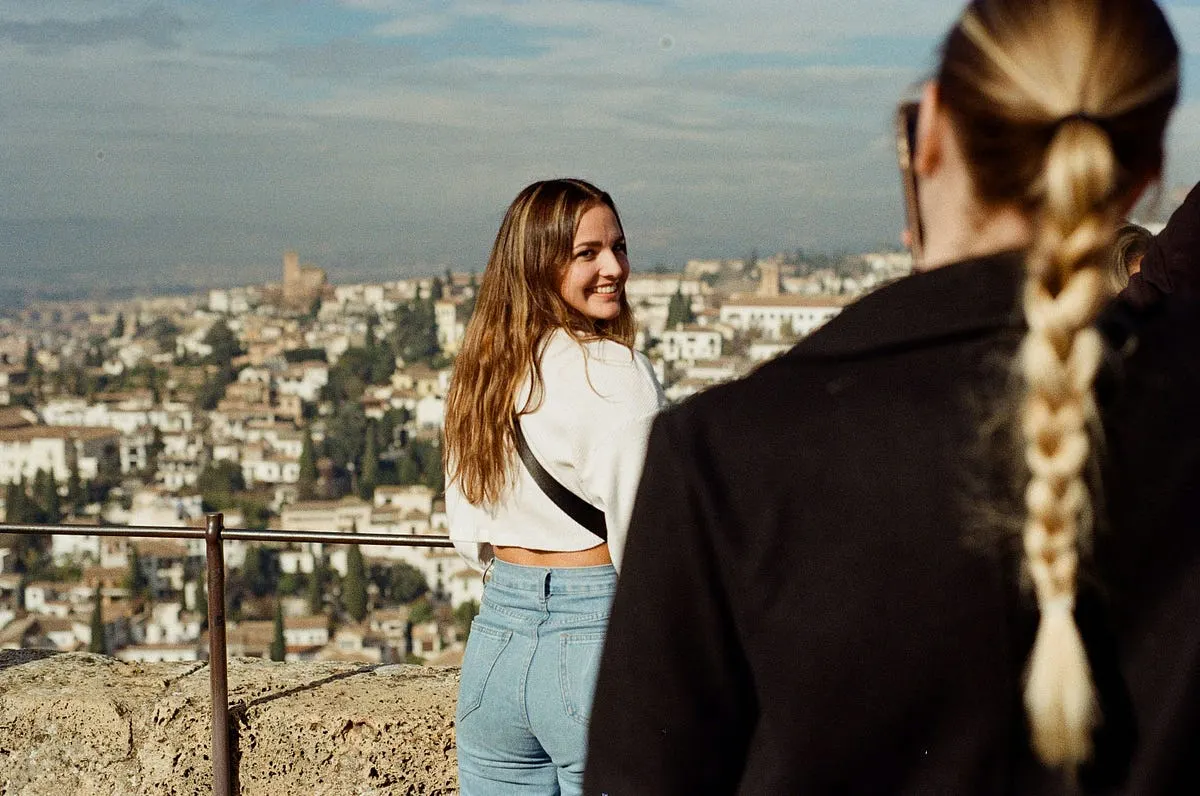
Photo by Brooke Cagle on Unsplash
- 35mm f/1.8 or f/1.4. A natural view for homes and street scenes.
- 50mm f/1.8. An affordable, bright prime for portraits and details.
- 24-70mm f/2.8. A flexible zoom for varied sessions.
Other options
- Smaller bodies such as the Canon EOS R8 or Sony a6700 reduce weight for all-day shooting.
- Mid-range APS-C cameras keep costs down. See the best camera for portraits and street photography.
- Family-focused guides such as the best camera for new parents cover home use.
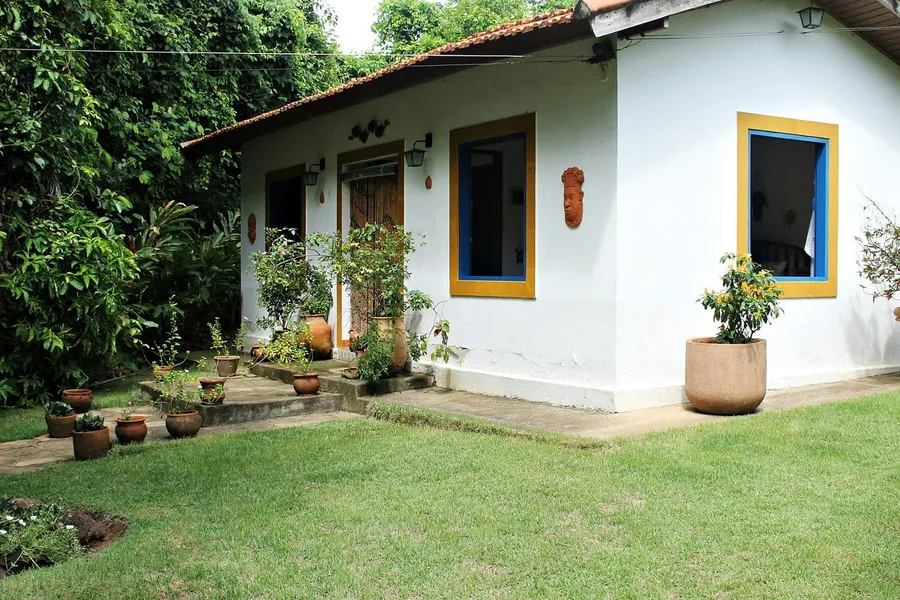
Photo by adriana carles on Unsplash
Additional tips
- Invest in good lenses. Lens quality affects images more than small differences between bodies.
- Learn the basics. Understanding the exposure triangle (aperture, shutter speed and ISO) is crucial for well-exposed images.
- Practice regularly. More shooting builds an eye for candid moments.
- Experiment. Try different angles, compositions and settings to find a personal style.
- Use natural light. Windows and open shade flatter skin and need no equipment.
Frequently asked questions
Is full frame necessary for lifestyle photography? No, but it helps in low light and with background blur. APS-C cameras produce excellent lifestyle images.
Is the Sony A7 IV good for video too? Yes. It records 4K video and has stabilization, which suits family clips and brand work.
What is the best lens for lifestyle photos? A 35mm or 50mm prime is a common choice for natural views.
Do I need a silent shutter? It helps for quiet, candid moments, such as ceremonies or sleeping children.
Camera & Lens Settings by Real-World Use Case
Match your focal length, aperture, shutter speed, and lighting modifier to the exact environment you shoot in.
Makeup Artists (MUA) & Beauty Tutorials
- Best Body:
- Sony Alpha a6400 / Canon G7 X Mark III
- Ideal Lens:
- Sigma 56mm f/1.4 DC DN (APS-C) or 50mm–85mm f/1.8 (Full Frame)
- Aperture & Shutter:
- f/2.8 – f/4 for full-face sharpness; f/5.6 for macro eye/lip close-ups · 1/125s for stills; 1/50s (24p) or 1/120s (60p) for video tutorials
- Room Distance:
- 1.2m – 2.2m (4 to 7 ft)
Newborn, Baby, Engagement & Family Portraits
- Best Body:
- Canon EOS R6 Mark II / Sony a7 IV / Nikon Z6 III
- Ideal Lens:
- 35mm f/1.8 (in-home lifestyle & family groups) + 50mm/85mm f/1.8 (tight portraits)
- Aperture & Shutter:
- f/2.0 – f/2.8 (single baby/couple); f/4 – f/5.6 (family of 4+ so every face is sharp) · 1/200s (newborn) / 1/500s – 1/1000s (running toddlers & kids)
- Room Distance:
- 1.0m – 4.0m
Tattoo Artists & Micro-Realism Portfolios
- Best Body:
- Sony Alpha a7 III / Fujifilm X-T4
- Ideal Lens:
- 90mm f/2.8 Macro (detail) or 50mm f/1.8 (sleeves & back pieces)
- Aperture & Shutter:
- f/5.6 – f/8 (keeps curved forearms and calves sharp edge-to-edge) · 1/125s – 1/200s handheld (or 1/60s on tripod)
- Room Distance:
- 0.4m – 1.5m (1.5 to 5 ft)

Written by
Marien CartelMarien Cartel runs Marien Cartel Photography, a camera and lens buying-guide site, and photographs the gear shown on it.
Related Guides
Best Camera for Boudoir Photography: Top Picks & Sensor Comparison
The standout winner is the Nikon Z5. It explains its image quality, lens options, autofocus, dual card slots and handling, and covers how it does for video.
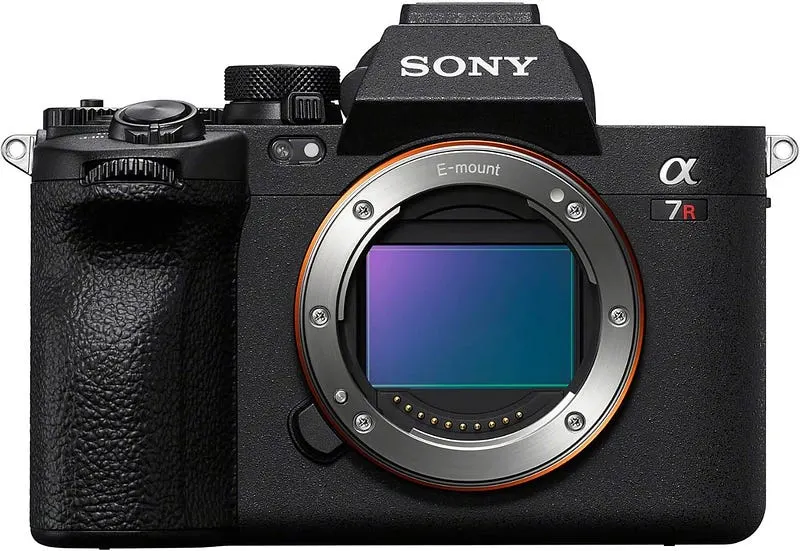
Best Camera for Stock Photography: Top Picks & Sensor Comparison
Best Camera for Stock Photography — Sony a6400, Sony a7 IV and Canon EOS R6 Mark II compared, with pros, cons and who should buy which.
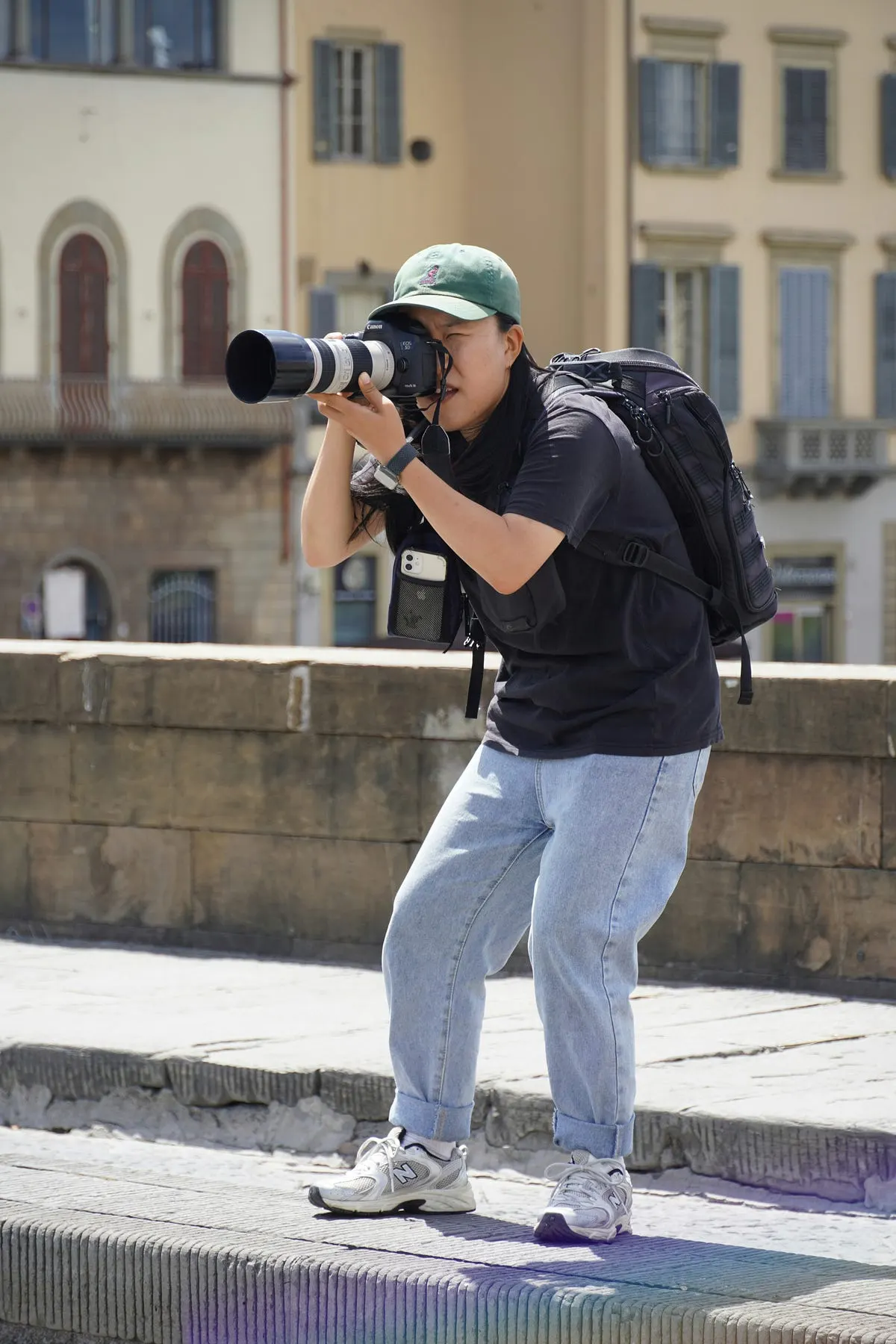
Best Camera for Still Photography: Top Picks & Sensor Comparison
Which Camera for Still Photography is worth buying? See how Sony A7R V, Fujifilm X-T5 and Nikon Z8 stack up on specs, performance, and budget.
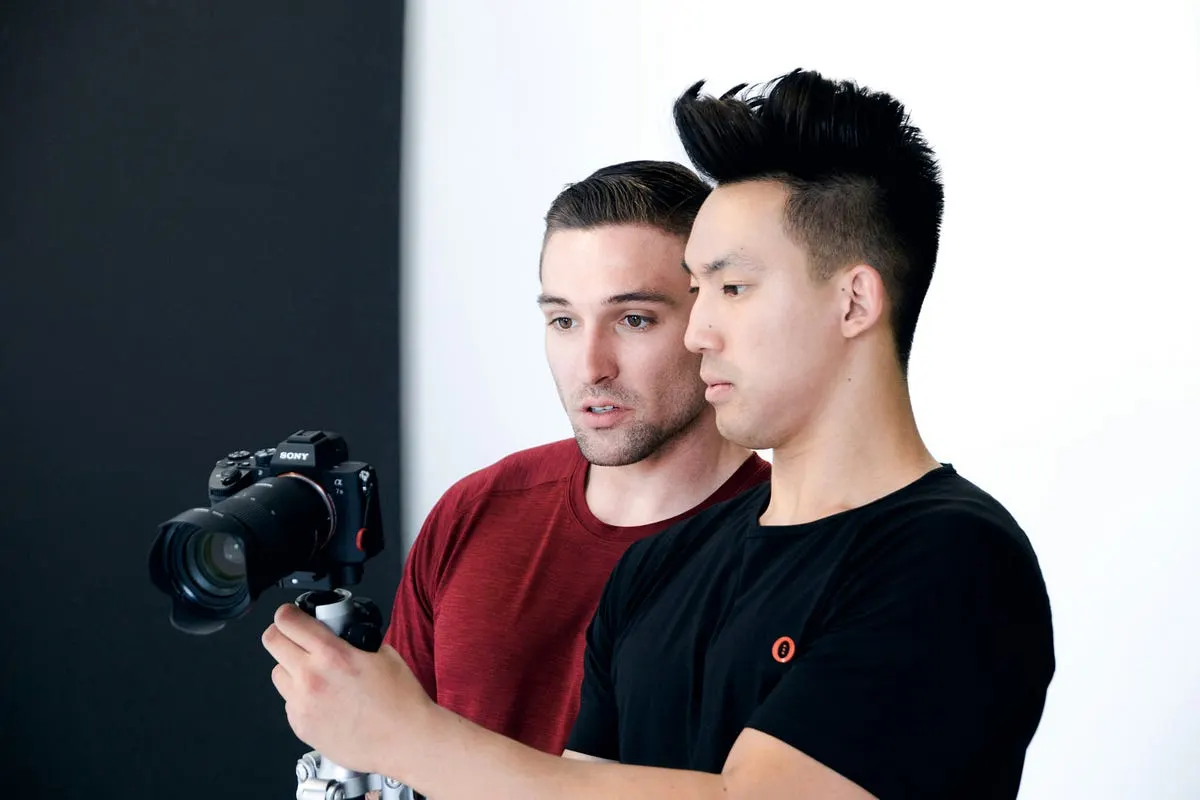
Best Camera for Street Photography: Top Picks & Sensor Comparison
Best Camera for Street Photography: a side-by-side look at Sony α7C and Olympus OM-D E-M10 Mark IV, with strengths, trade-offs and buying advice.
Best Mirrorless Cameras Under $2000: Top Picks & Sensor Comparison
The world of photography is constantly evolving, and mirrorless cameras have taken center stage, offering incredible image quality, compact designs, and
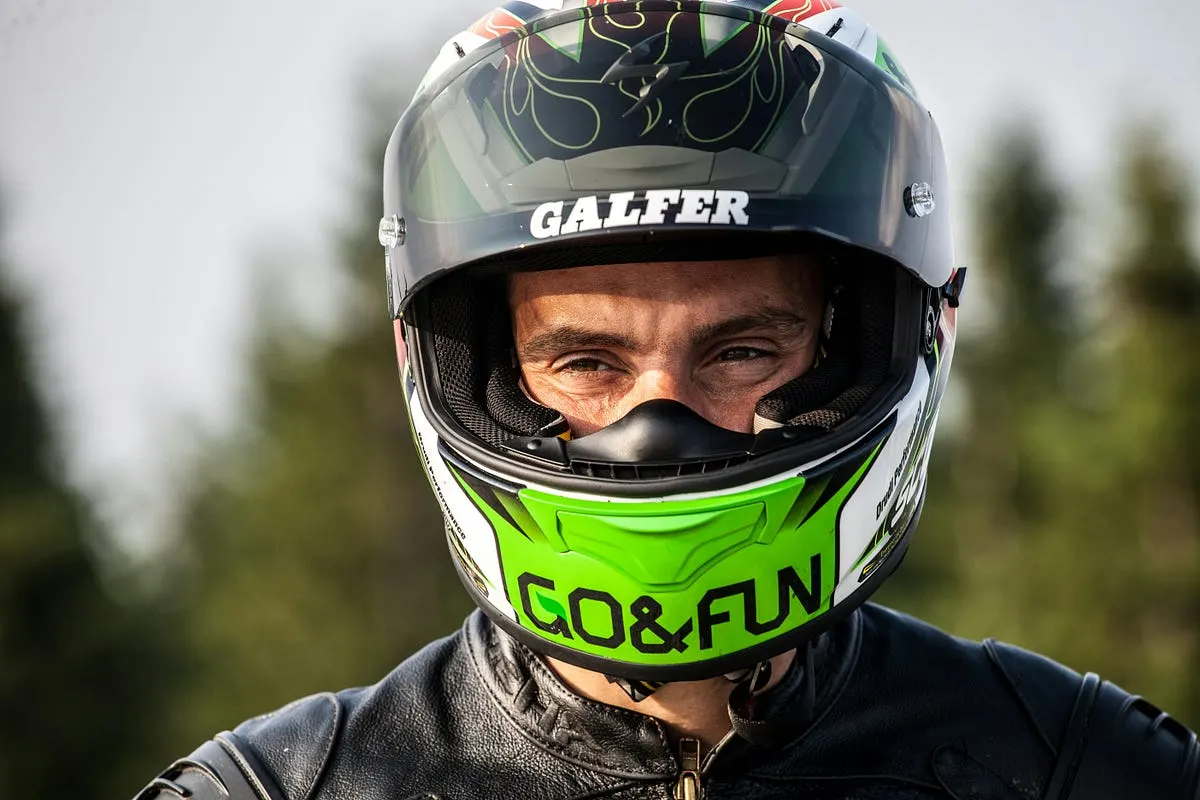
Best Camera for Motorcycle Helmet: Top Picks & Sensor Comparison
Best Camera for Motorcycle Helmet: a side-by-side look at DJI Osmo Action 4 and GoPro Hero 12, with strengths, trade-offs and buying advice.