Sony A7IV: Low-Light, Autofocus & Value Picks
As an Amazon Associate we earn from qualifying purchases. Some links in this guide are affiliate links, see our affiliate disclosure for details.
Is the Sony A7 IV worth buying?
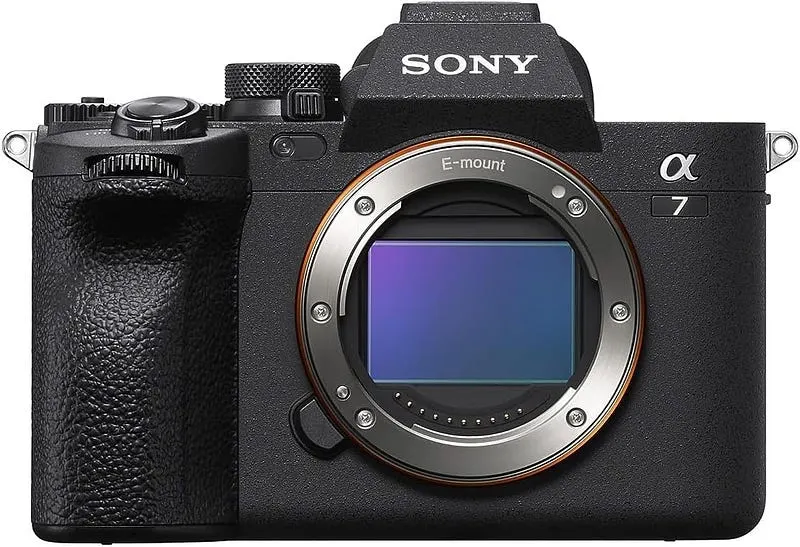
Yes, for most photographers and hybrid shooters the Sony A7 IV is one of the best all-round full-frame mirrorless cameras. It has a 33-megapixel sensor, strong real-time tracking autofocus, five-axis stabilization, 4K video and dual card slots, and it launched at about $2,499. It is not the fastest or the cheapest, and its competitors (the Canon EOS R6 Mark II, Nikon Z6 II and Fujifilm X-H2S) beat it in specific areas, so choose by lens system and priorities.
Key features

The Sony A7 IV replaced the A7 III in late 2021. Sony's published specifications include:
- 33-megapixel full-frame sensor. A significant resolution step from the 24-megapixel A7 III.
- Real-time tracking and eye autofocus. The system follows people, animals and birds and holds focus on moving subjects.
- Five-axis in-body stabilization. It helps handheld stills and video.
- Video. 4K up to 60p, 10-bit 4:2:2 recording and S-Cinetone colour for a filmic look. The 60p mode adds a crop, so check the frame rate you plan to use.
- Dual card slots. One CFexpress Type A / SD slot and one SD slot.
- Vari-angle touchscreen and high-resolution viewfinder. They suit photo and video work.
- Weight. About 700 g with battery and card.
How does it compare with rivals?
| Camera | Sensor | Strength | Trade-off |
|---|---|---|---|
| Sony A7 IV | 33 MP full frame | Resolution and all-round balance | 4K60 is cropped |
| Canon EOS R6 Mark II | 24.2 MP full frame | Autofocus and burst speed | Lower resolution |
| Nikon Z6 II | 24.5 MP full frame | Build and low-light performance | Older autofocus system |
| Fujifilm X-H2S | 26 MP stacked APS-C | Speed and video features | APS-C sensor |
Figures come from the makers' published information; check each page for current specifications and pricing. See also the Canon R6 Mark II vs Sony A7 IV comparison and the Sony A7 IV vs Sony A6700 guide.
The trade-offs
- Price. It is a significant investment, but the feature set holds up for several years.
- Lens ecosystem. Getting the most from the sensor and autofocus needs quality lenses. See the best lenses for the Sony A7 IV and the best travel lenses for the A7 IV.
- Battery life. Mirrorless cameras use more power, so carry a spare for long shoots.
- Cropped 4K60. Sony applies a crop in 4K at 60p.

Who should buy it?
- Hybrid shooters who need strong stills and capable video in one body.
- Wedding, event and travel photographers who want reliable autofocus and two card slots.
- Photographers upgrading from an A7 III or from APS-C who want a higher-resolution full-frame sensor.
Who might skip it?
- Sports and wildlife specialists who need very fast bursts may prefer a Sony A9-series or a Canon R6 Mark II.
- Budget buyers can consider a used A7 III or an APS-C camera.
- Heavy video users might prefer a Sony FX3 or ZV-E1 for cooling and codecs.
Frequently asked questions
Is the Sony A7 IV good for video? Yes. It records 4K up to 60p with 10-bit colour, but 60p is cropped.
Does it have image stabilization? Yes, five-axis in-body stabilization.
Is it better than the A7 III? It offers more resolution, better autofocus and a better screen and viewfinder, at a higher price.
What lens should I buy first? A 24-70mm f/2.8 or a 24-105mm f/4 covers most situations.
Camera & Lens Settings by Real-World Use Case
Match your focal length, aperture, shutter speed, and lighting modifier to the exact environment you shoot in.
Tattoo Artists & Micro-Realism Portfolios
- Best Body:
- Sony Alpha a7 III / Fujifilm X-T4
- Ideal Lens:
- 90mm f/2.8 Macro (detail) or 50mm f/1.8 (sleeves & back pieces)
- Aperture & Shutter:
- f/5.6 – f/8 (keeps curved forearms and calves sharp edge-to-edge) · 1/125s – 1/200s handheld (or 1/60s on tripod)
- Room Distance:
- 0.4m – 1.5m (1.5 to 5 ft)
Barbershops, Hairstylists & Color Salons
- Best Body:
- Sony a7 IV / Canon EOS R6 Mark II
- Ideal Lens:
- 50mm f/1.8 (tight stations) or 85mm f/1.8 (spacious salons)
- Aperture & Shutter:
- f/1.8 – f/2.8 (blurs background chairs while keeping the lineup tack-sharp) · 1/160s – 1/250s (freezes subtle head movement in the chair)
- Room Distance:
- 1.5m – 2.4m (5 to 8 ft from the styling chair)
Makeup Artists (MUA) & Beauty Tutorials
- Best Body:
- Sony Alpha a6400 / Canon G7 X Mark III
- Ideal Lens:
- Sigma 56mm f/1.4 DC DN (APS-C) or 50mm–85mm f/1.8 (Full Frame)
- Aperture & Shutter:
- f/2.8 – f/4 for full-face sharpness; f/5.6 for macro eye/lip close-ups · 1/125s for stills; 1/50s (24p) or 1/120s (60p) for video tutorials
- Room Distance:
- 1.2m – 2.2m (4 to 7 ft)

Written by
Marien CartelMarien Cartel runs Marien Cartel Photography, a camera and lens buying-guide site, and photographs the gear shown on it.
Related Guides
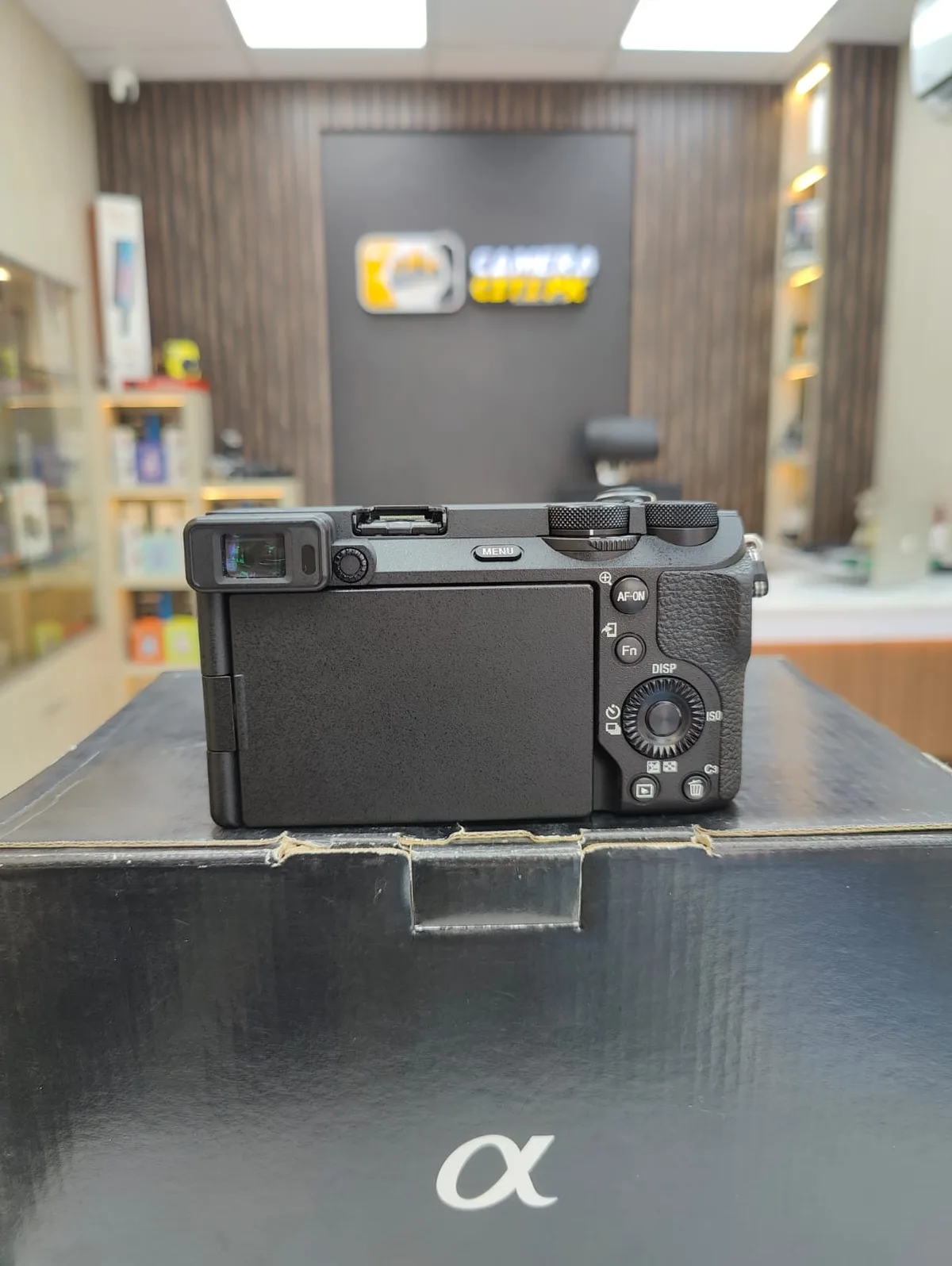
Sony A6600 vs A6700: Low-Light, Autofocus & Value Picks
Compare the Sony a6600 vs Sony a6700 APS-C mirrorless cameras: 26MP BSI sensor, AI subject-recognition autofocus, 4K 60p/120p 10-bit video, and ergonomics.
Canon R7 vs Sony a6700: Low-Light, Autofocus & Value Picks
Canon R7 vs Sony a6700 compared — where each one wins, where it falls short, and who should buy which. Updated for 2026.
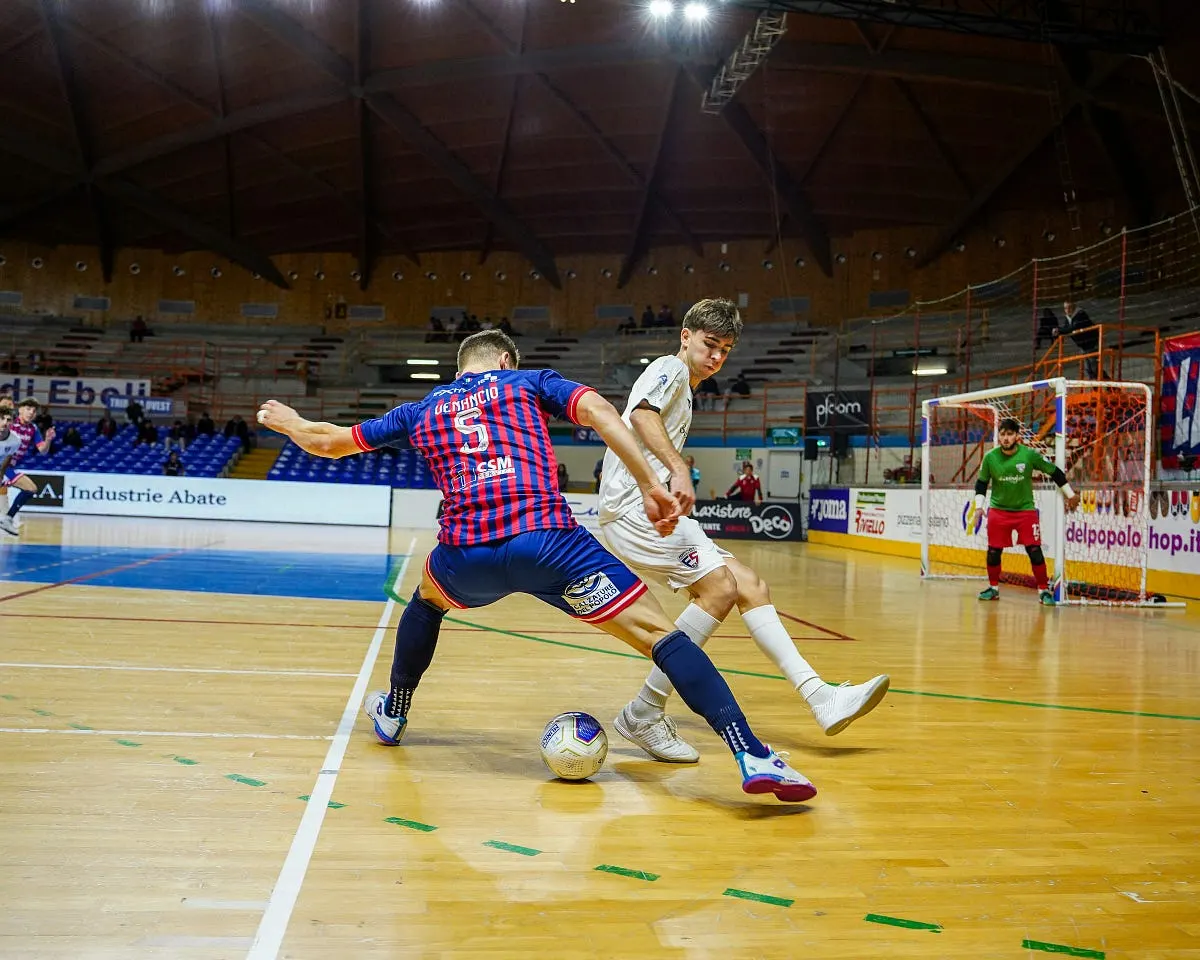
Best Sony Cameras for Sports: Low-Light, Autofocus & Value Picks
Best Sony Cameras for Sports — Sony A7R V, Sony A7C II and Sony A9 III compared, with pros, cons and who should buy which.
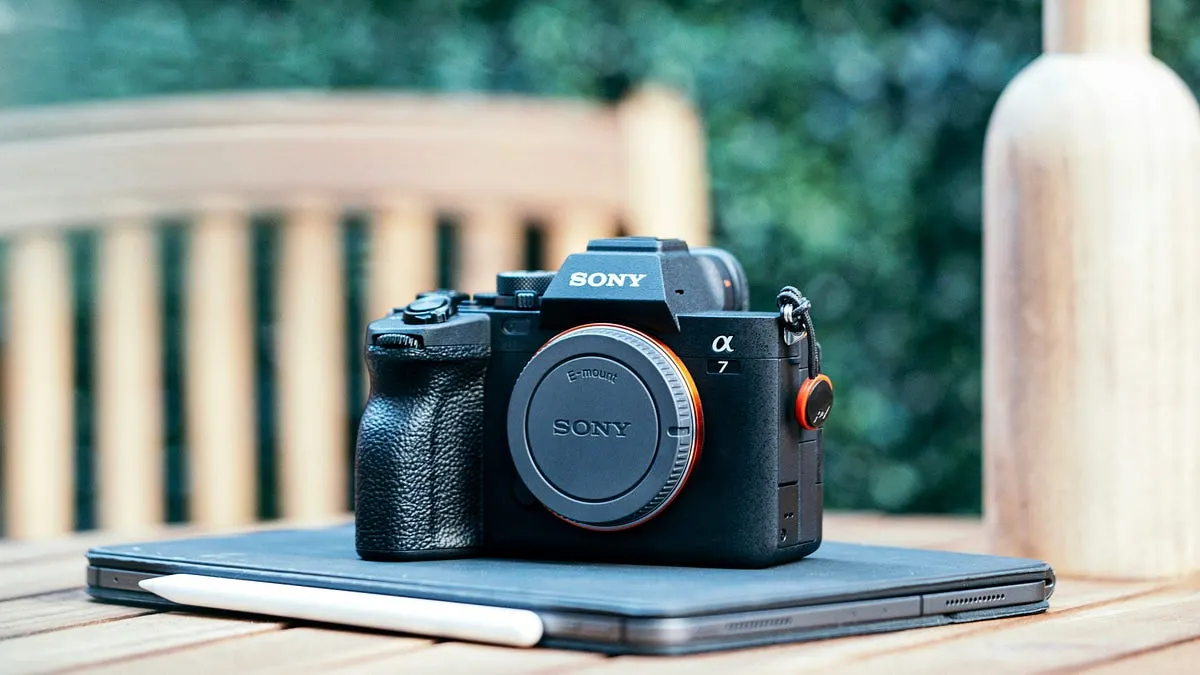
Best Lenses For Sony A7IV: Focal Length, Bokeh & Value Picks
Best Lenses For Sony A7IV — Sony FE 24–70mm f/2.8 GM, Sony FE 85mm f/1.4 GM and Sony FE 16–35mm f/4 PZ compared, with pros, cons and who should buy which.
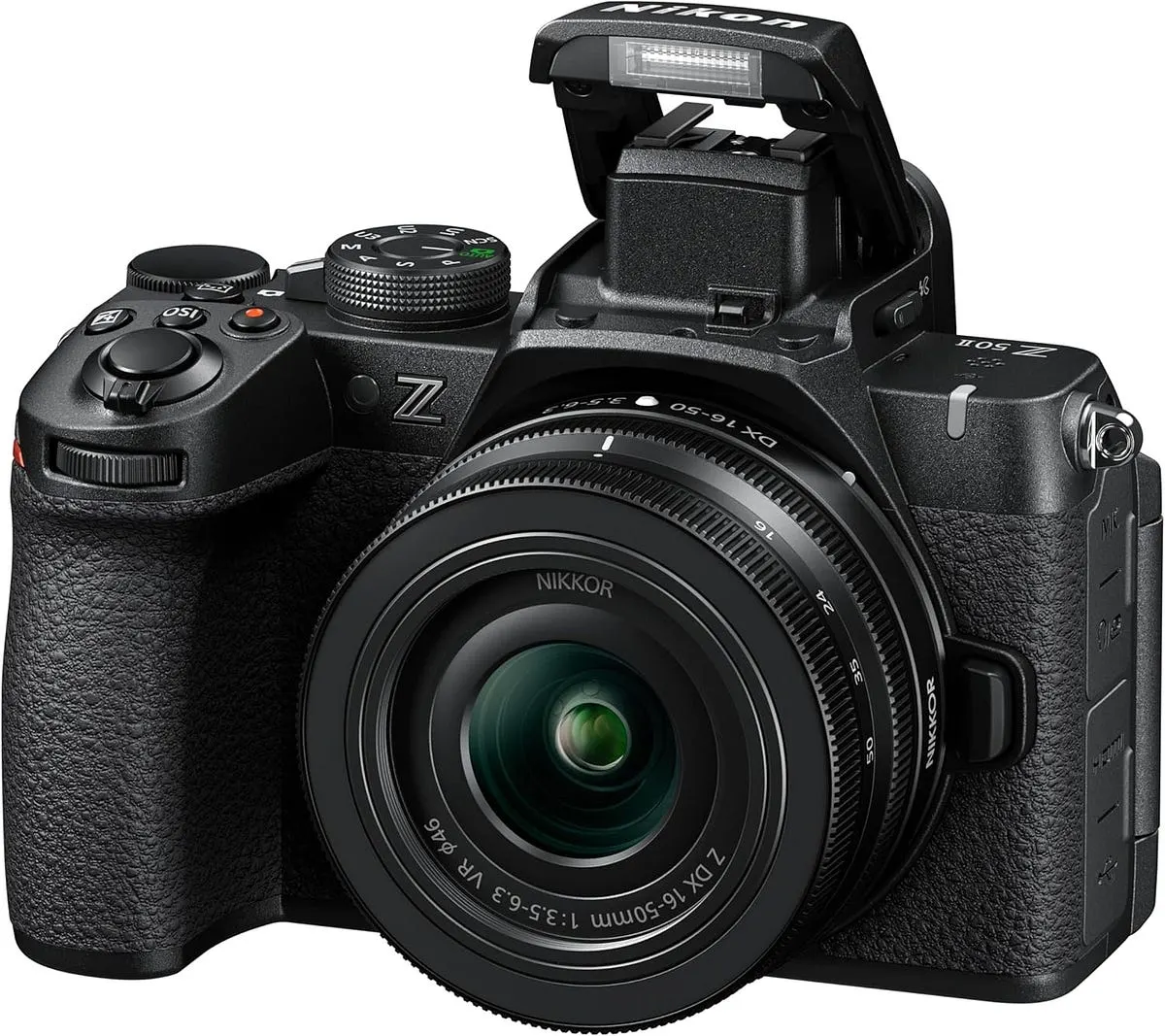
Nikon Z50II Review: Low-Light, Autofocus & Value Picks
Nikon Z50II Review: what to look for, what to skip and how to choose the right one for your budget. Updated for 2026.
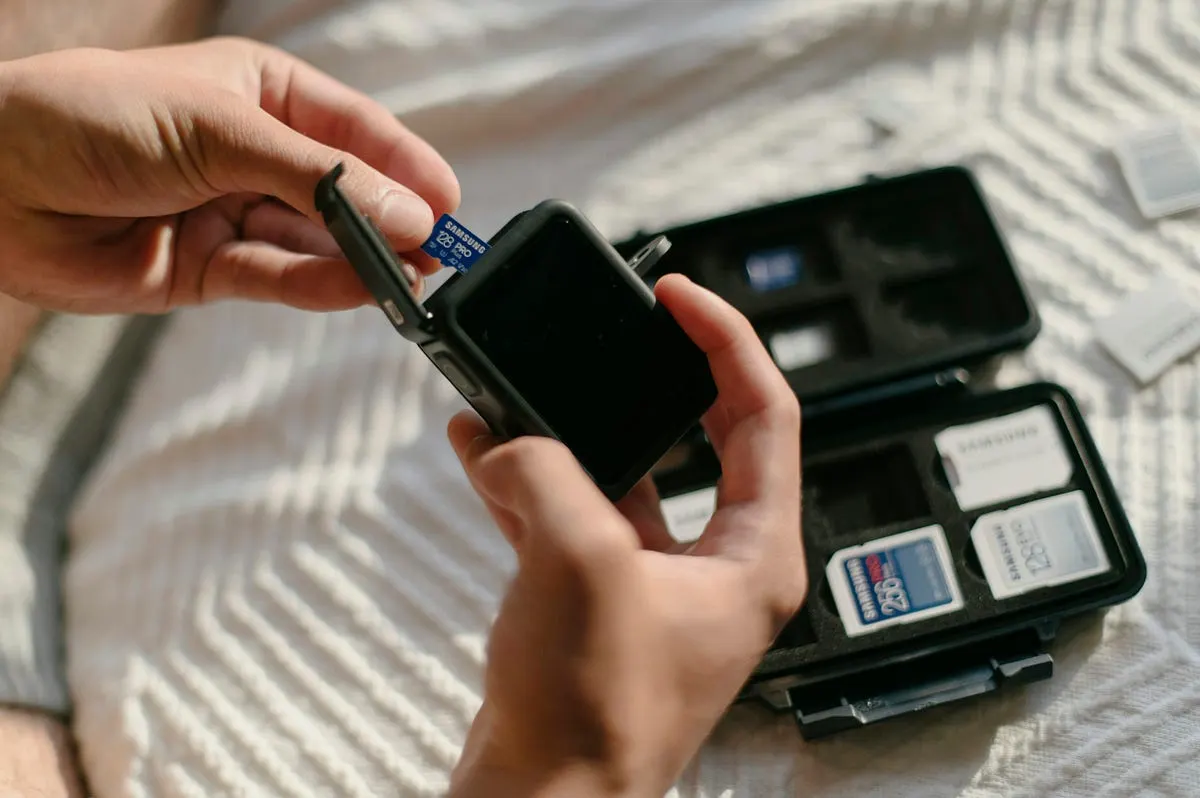
Best GoPro: Low-Light, Autofocus & Value Picks
Best GoPro — GoPro HERO 12 Black, GoPro HERO 13 Black and GoPro HERO (2024) compared, with pros, cons and who should buy which.