Best Camera For Long Exposure Photography
As an Amazon Associate we earn from qualifying purchases. Some links in this guide are affiliate links — see our affiliate disclosure for details.
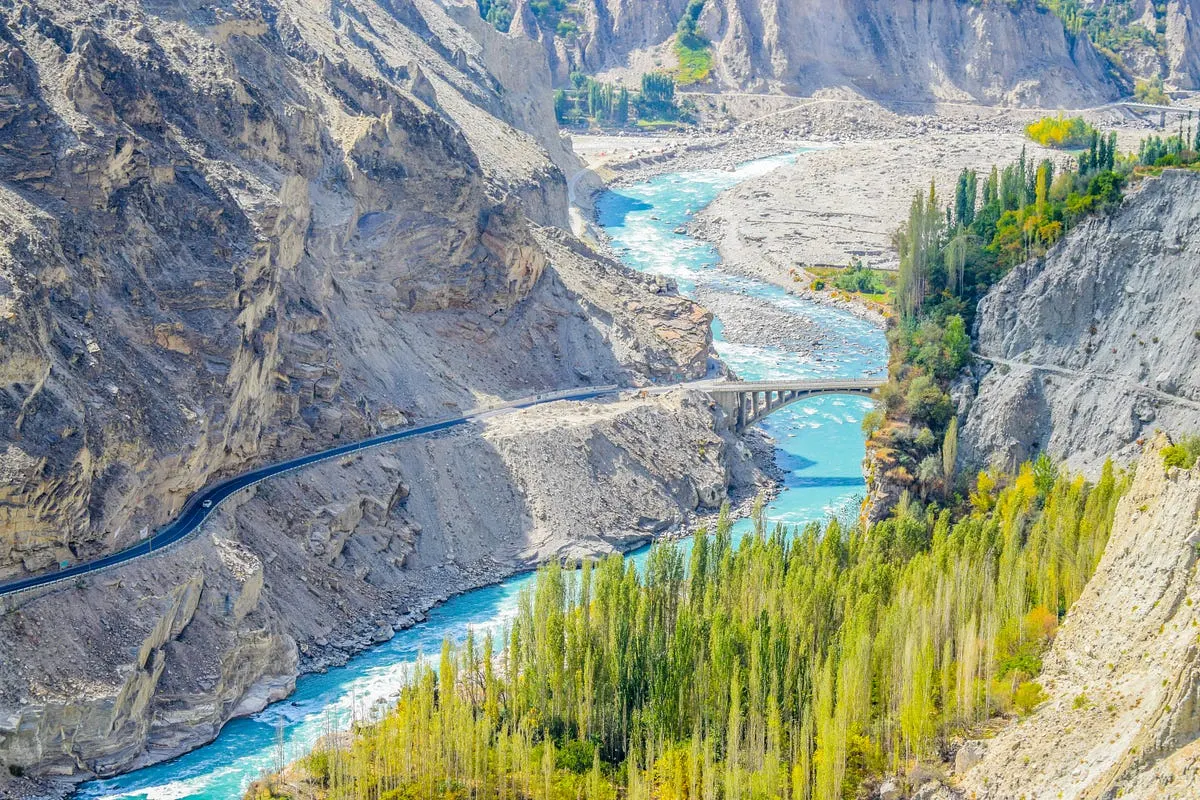
Photo by Mehtab Farooq on Unsplash
For long exposure photography, the best cameras are typically full-frame mirrorless or DSLR cameras from brands like Canon, Nikon, and Sony, as they offer excellent low-light performance, manual controls over shutter speed, aperture, and ISO, and usually have “bulb” mode for extended exposures; models like the Canon EOS 5D Mark IV, Nikon Z6, and Sony Alpha a7 III are popular choices.
Key factors to consider for long exposure photography:
- Low-light performance:
Crucial for capturing details in low-light situations, especially when using longer shutter speeds.
- Manual controls:
Ability to precisely adjust shutter speed, aperture, and ISO is essential for long exposure photography.
- Bulb mode:
Allows you to keep the shutter open for extended periods of time.
- Image quality:
Full-frame sensors generally produce better image quality with less noise at high ISOs, which is important for long exposures.
3 Best Camera For Long Exposure Photography
- Canon EOS 5D Mark IV — View on Amazon
- Nikon Z6 — View on Amazon
- Sony Alpha a7 III — View on Amazon
Long exposure photography. It’s a bit like magic, isn’t it? Turning rushing waterfalls into silken ribbons, blurring bustling city streets into ethereal streaks of light, and capturing the swirling dance of the stars. I’ve always been captivated by the way this technique transforms the ordinary into something extraordinary. But getting those breathtaking shots? That requires the right tools, and for me, it was a journey of discovery.
My love affair with long exposures began on a trip to the northern areas of Pakistan. Standing by the Hunza River, watching the sunset paint the surrounding mountains in hues of gold and purple, I desperately wanted to capture the feeling of time slowing down. I had my trusty smartphone, but the resulting images were…well, let’s just say they didn’t quite capture the magic. The river, instead of being a smooth, flowing ribbon, looked choppy. The stars were barely visible. That’s when I realized I needed a dedicated camera.
My initial research was overwhelming. There were so many options! Mirrorless, DSLR, crop sensor, full frame… it was a whirlwind of technical jargon. I spent countless hours reading reviews, watching YouTube videos, and agonizing over specs. My budget was limited, which added another layer of complexity.
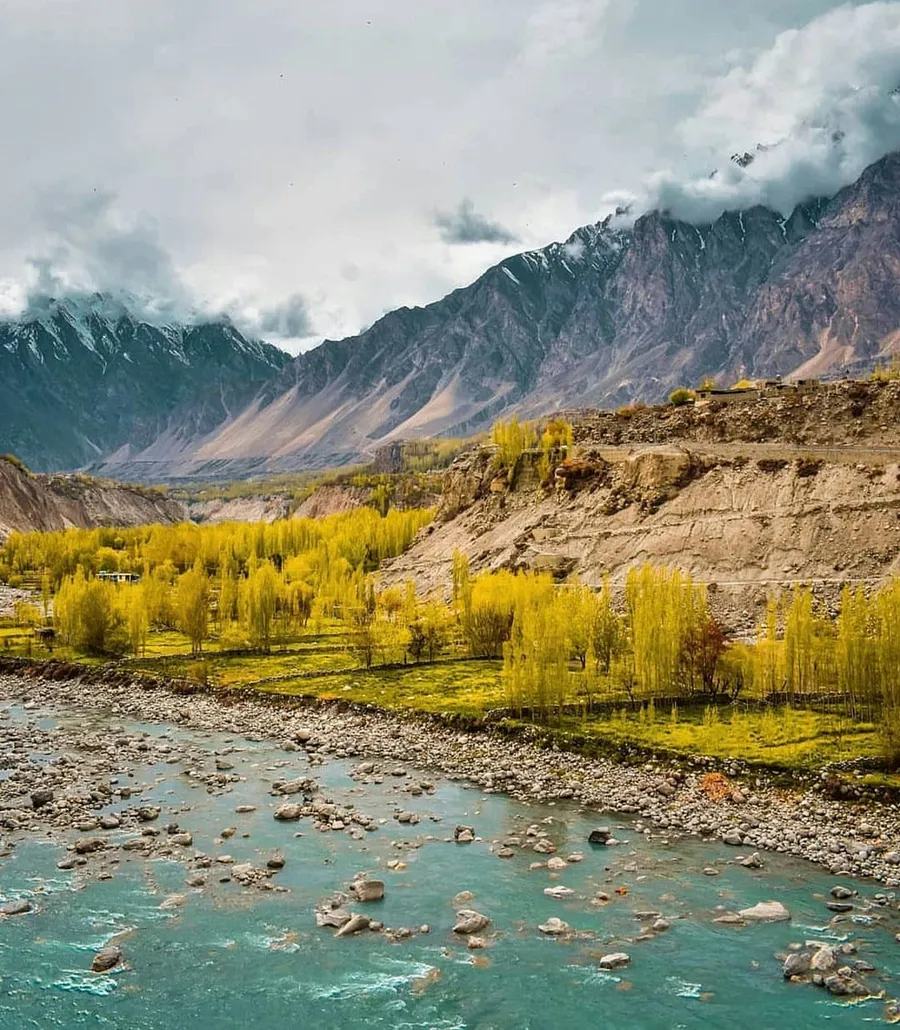
Photo by Shakeel Ahmad on Unsplash
My Key Considerations:
- Manual Control: Crucial for setting long shutter speeds and adjusting aperture and ISO.
- Low Light Performance: Essential for capturing clean images in dimly lit environments.
- Bulb Mode: Allows for shutter speeds longer than the camera’s built-in maximum.
- Durability and Weather Sealing: Especially important for shooting in unpredictable conditions.
- Noise Performance: The ability to keep noise minimized during long exposures.
- A good tripod: This is not a camera but an essential part of long exposure photography.
After much deliberation, I settled on a Canon EOS 5D Mark IV. This camera struck a good balance between features, performance, and price. It had excellent low-light capabilities, robust manual controls, and a decent sensor.
My Real-World Experience:
Taking my new camera out for its first long exposure shoot was a mix of excitement and anxiety. I headed to a local park with a small waterfall, armed with my camera, a sturdy tripod, and a neutral density (ND) filter. The ND filter, a crucial accessory for long exposures, allowed me to use longer shutter speeds in daylight without overexposing the image.
The first few shots were a bit rough. I struggled with focusing in low light, and my initial shutter speeds were too short. But with each attempt, I learned something new. I experimented with different settings, adjusted my composition, and gradually refined my technique.
The results were transformative. The waterfall, once a blur of white, became a smooth, ethereal flow. The leaves on the trees, swaying gently in the breeze, took on a painterly quality. I was hooked.
What I Learned:
- Practice is key: Long exposure photography requires patience and experimentation. Don’t be afraid to make mistakes.
- Invest in a good tripod: A stable tripod is essential for sharp long exposure images.
- ND filters are your friend: They allow you to use longer shutter speeds in bright light.
- Remote shutter release: This minimizes camera shake, leading to sharper images.
- Post-processing is your friend: a little editing can bring out the best in your long exposure images.
My Current Recommendation:
While my [Insert Camera Model Here] served me well, the camera market is constantly evolving. If I were buying a camera today, I’d also consider the following:
- Mirrorless Cameras: They often offer better low-light performance and advanced features.
- Full-Frame Sensors: Provide superior image quality and dynamic range.
- Improved IBIS (In-Body Image Stabilization): Newer cameras are offering very good IBIS, which can help in some long exposure situations.
Ultimately, the best camera for long exposure photography is the one that fits your budget and meets your specific needs. Don’t be afraid to experiment, learn from your mistakes, and most importantly, have fun!
Long exposure photography has opened up a whole new world of creative possibilities for me. It’s allowed me to capture the beauty of the world in a way that I never thought possible. And I hope that my journey inspires you to embark on your own long exposure adventure.
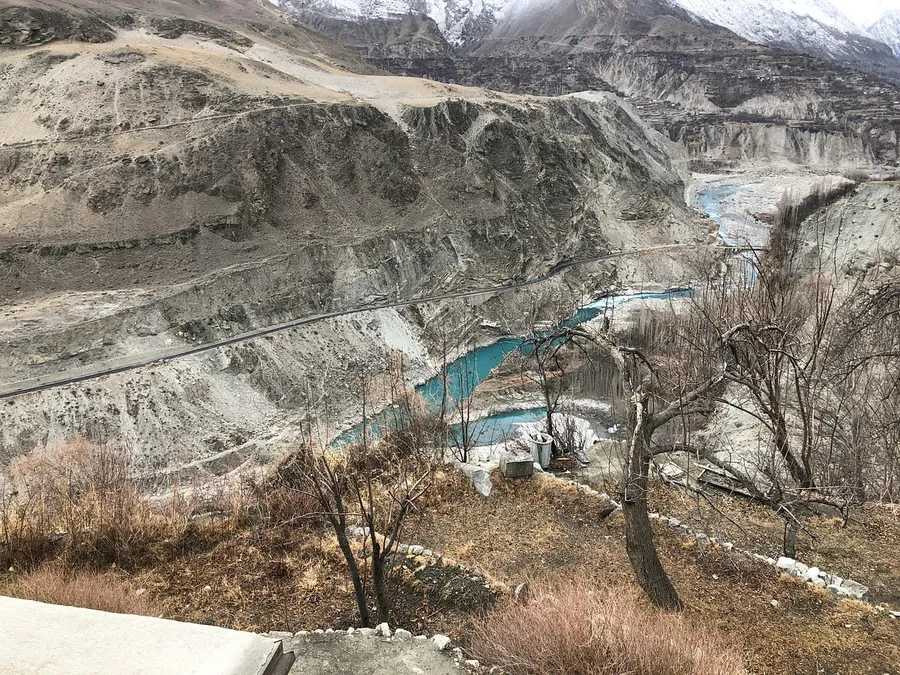
Photo by Muhammad Sajid on Unsplash
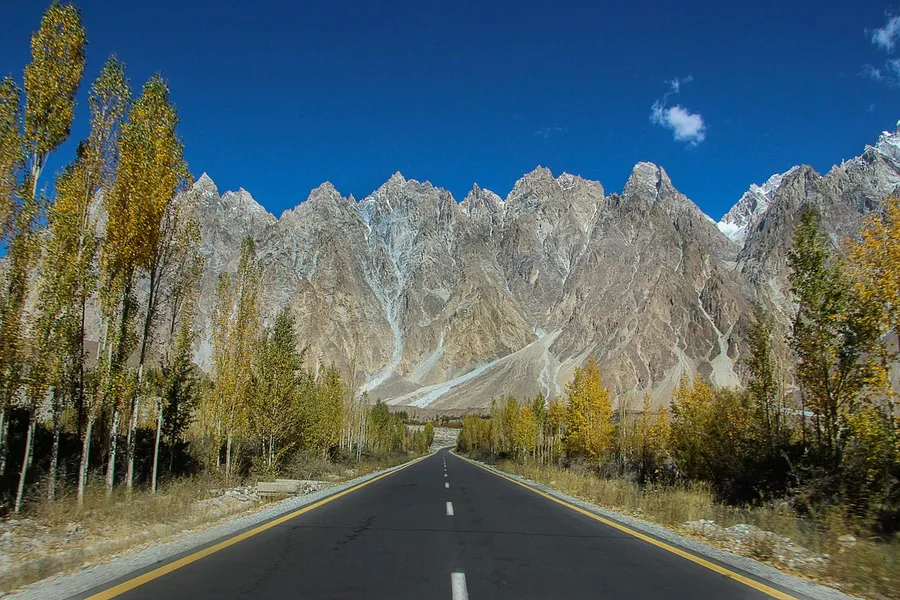
Photo by Muhammad Asif on Unsplash
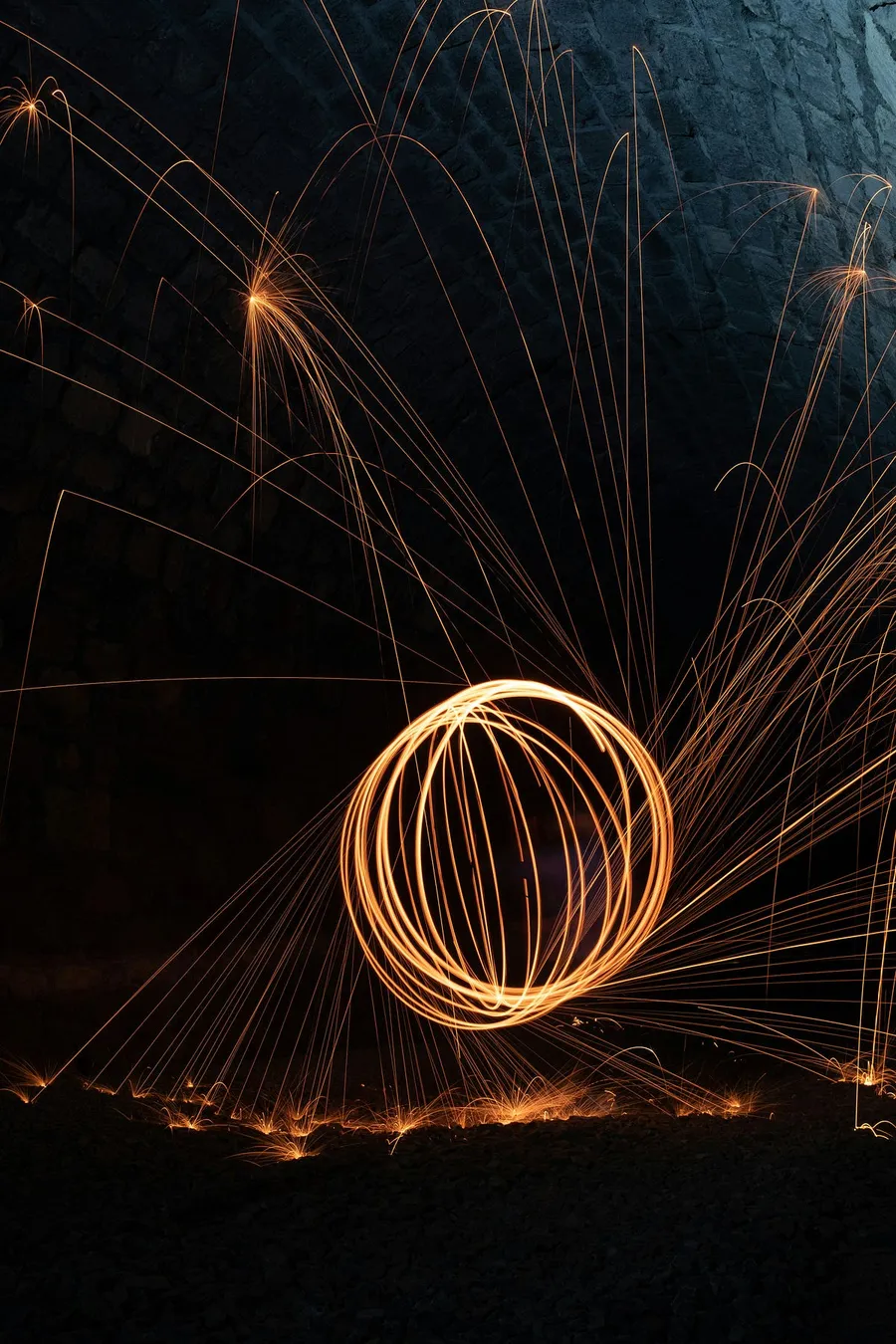
Photo by Thomas Peham on Unsplash
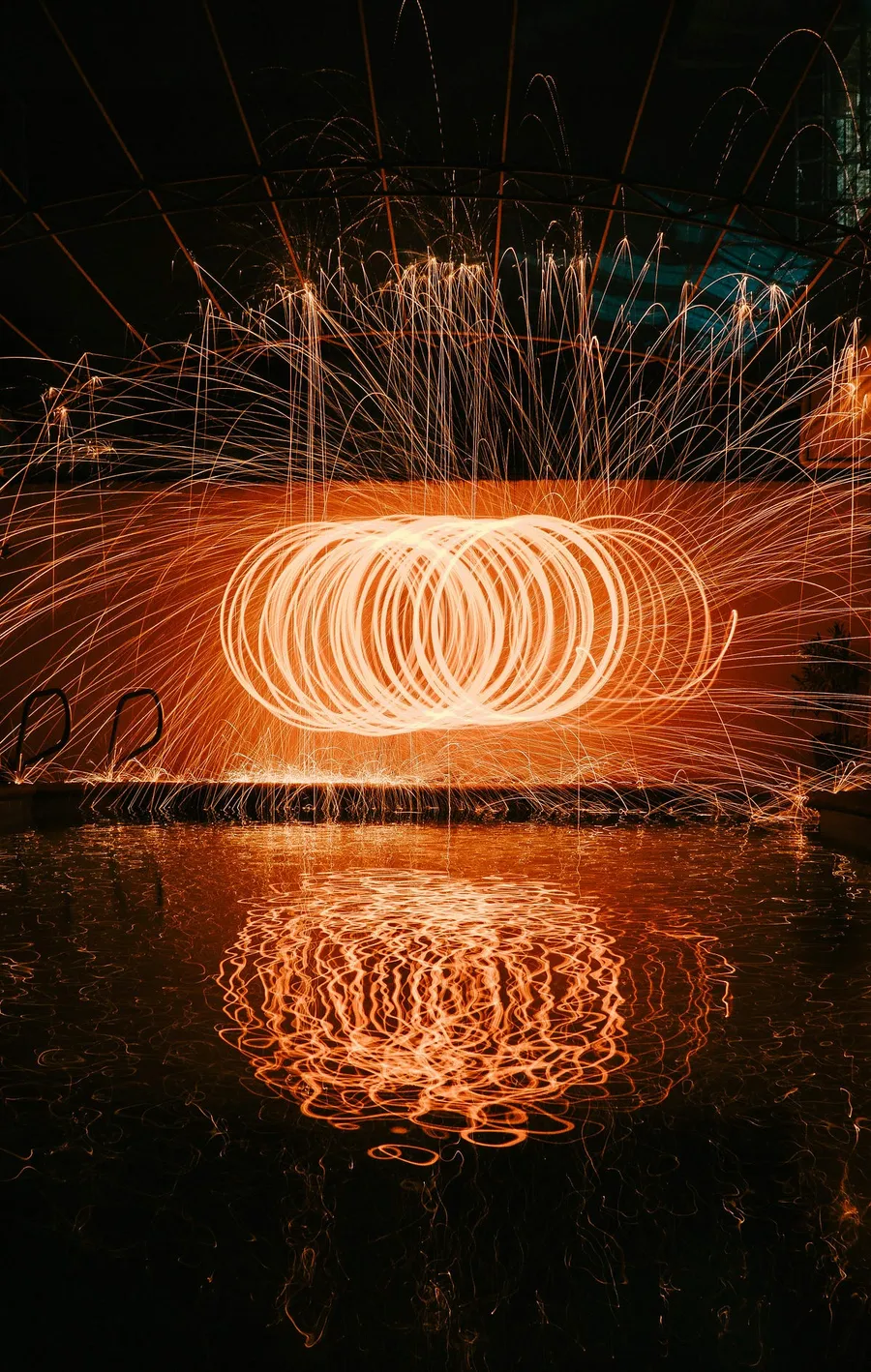
Photo by Kathleen Mae Cuevas on Unsplash
Written by
Marien CartelProfessional and Certified Digital Photographer born in the USA, with 22 years of experience in the field of photography.
Related Guides
Best Camera for Automotive Photography
What I Actually Reach For When I’m Shooting Cars. Here is how the Canon EOS R5, Sony a7 IV and Nikon Z6 III compare, and the one I keep going back to.
Best Cameras for Virtual Production
After I Wasted a Full Shoot Day Finding Out — why the Sony FX6 and Sony FX9 made the list, and who each one really suits.
Best DSLR Cameras for Beginners: (Guide & Reviews)
My Hands-On Experience with the Best Beginner-Friendly Cameras — why the Canon EOS Rebel T7 and Nikon D3500 made the list, and who each one really suits.