Best Camera for Northern Lights
As an Amazon Associate we earn from qualifying purchases. Some links in this guide are affiliate links — see our affiliate disclosure for details.
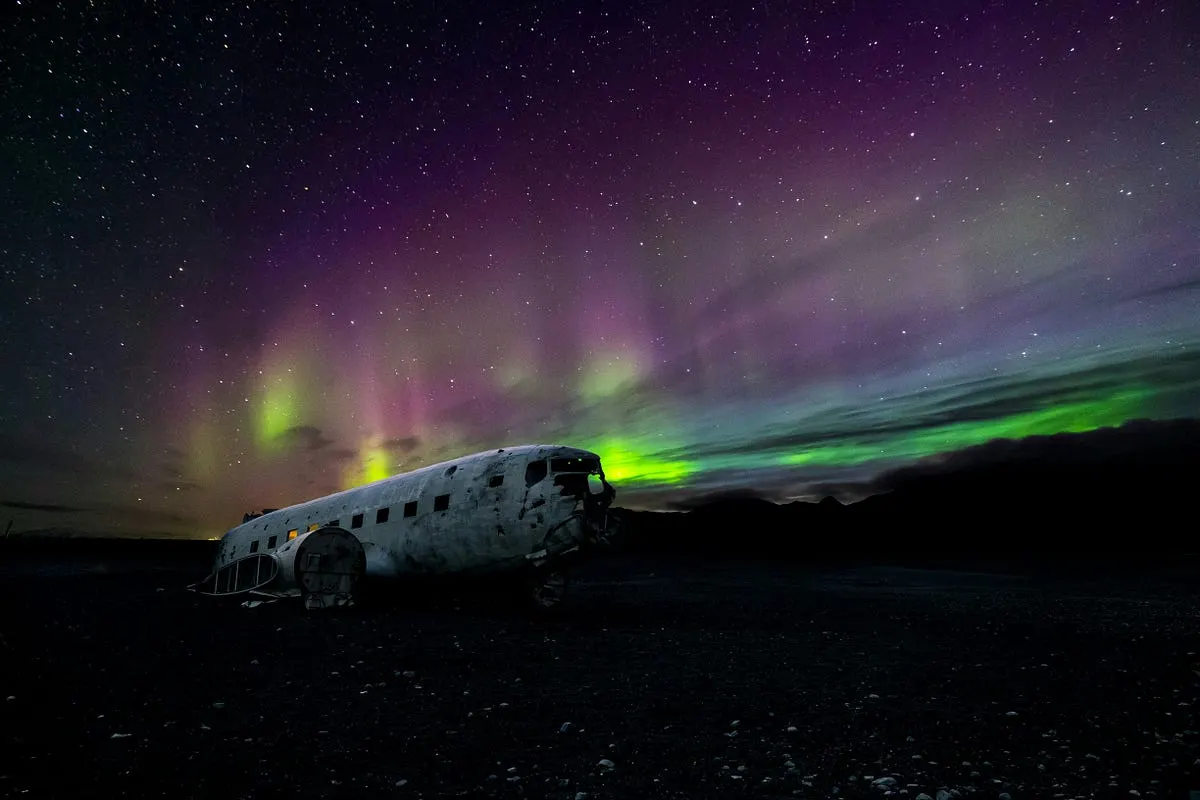
Photo by Thomas Tucker on Unsplash
Capturing the ethereal beauty of the Northern Lights has been a dream of mine for years. After multiple trips to various locations renowned for their auroral displays, I’ve learned that having the right camera gear can make all the difference.
In this blog, I will share my personal experiences, insights on the best cameras for photographing the Northern Lights, and tips to help you capture this stunning phenomenon.
Top 5 Best Camera for Northern Lights
- Sony A7S III — View on Amazon
- Nikon Z6 II — View on Amazon
- Canon EOS R6 — View on Amazon
- Sony A7 IV — View on Amazon
- Nikon Z7 II — View on Amazon
As an Amazon Associate, I earn from qualifying purchases at no additional cost to you. Thank you for your support!
My Personal Experience with Northern Lights Photography
My first encounter with the Northern Lights was in Iceland. Armed with a basic DSLR and a kit lens, I was excited but quickly realized my limitations. The photos were grainy, lacked detail, and didn’t do justice to the vibrant colors I witnessed. This experience ignited my passion for photography and led me to invest in better equipment.
On my next trip to Norway, I upgraded to a Sony A7S III, which significantly improved my results. This mirrorless camera excels in low-light conditions, allowing me to shoot at higher ISOs without introducing excessive noise.
The first night I used it, I was able to capture stunning shots of the auroras dancing across the sky, with rich colors and sharp details that left me in awe.
Choosing the Right Camera for Northern Lights Photography
When selecting a camera for photographing the Northern Lights, there are several key features to consider:
- Low-Light Performance: A camera with good low-light capabilities is essential since you’ll often be shooting in dark conditions.
- Full-Frame Sensor: Full-frame cameras generally perform better in low light and offer better dynamic range.
- Wide-Angle Lens: A lens with a wide aperture (f/2.8 or lower) allows more light to enter, which is crucial for capturing the auroras.
Top Camera Recommendations
Based on my experiences and research, here are some of the best cameras for Northern Lights photography:
Sony A7S III
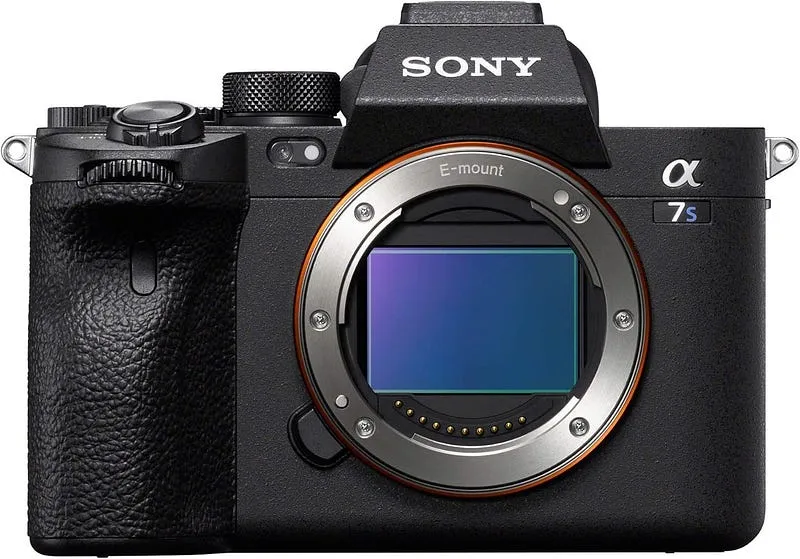
Known for its exceptional low-light performance and high ISO capabilities, this camera is perfect for capturing detailed auroras.
Pros:
- Exceptional Low-Light Performance: The A7S III is renowned for its ability to capture stunning images in low-light conditions, which is crucial for aurora photography. I experienced this firsthand during my trip to Norway, where I was able to shoot at high ISOs without significant noise.
- High Dynamic Range: With a dynamic range of around 15 stops, this camera captures details in both shadows and highlights, allowing for more dramatic images of the night sky.
- In-Body Image Stabilization: This feature helps reduce blur from camera shake during long exposures, which I found particularly useful when shooting handheld or on uneven terrain.
Cons:
- Low Resolution: The 12MP sensor may limit large print sizes and detailed cropping, which I noticed when trying to enlarge some of my favorite aurora shots.
- Price Point: At around $3,498, it’s a significant investment, which can be daunting for casual photographers.
- Small LCD Screen: The rear touchscreen is somewhat limited in size, making it challenging to navigate the menu system in low light.
Sony A7S III — View on Amazon
Nikon Z6 II
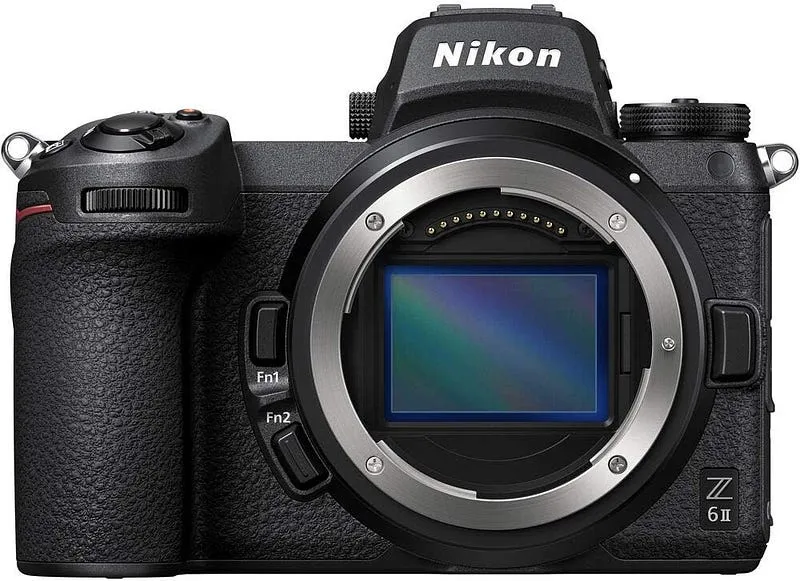
This full-frame mirrorless camera offers great dynamic range and low-light performance, making it an excellent choice for night photography.
Pros:
- Excellent Low-Light Capability: The Z6 II performs admirably in low-light situations, allowing for clear and vibrant aurora captures. My experience with this camera during a winter trip to Finland was rewarding as it handled dim lighting well.
- Dual Card Slots: This feature provides flexibility for storage and backup during long shooting sessions, which is essential when chasing the Northern Lights.
- Robust Build Quality: The weather-sealed body is great for harsh conditions, ensuring durability during outdoor shoots.
Cons:
- Autofocus Performance: While generally good, the autofocus can struggle in very low light compared to competitors like the A7S III. I found myself manually focusing more often than I would have liked during nighttime shoots.
- Menu Complexity: Nikon’s menu system can be overwhelming for new users, which made it difficult for me to quickly adjust settings in the field.
Nikon Z6 II — View on Amazon
Canon EOS R6
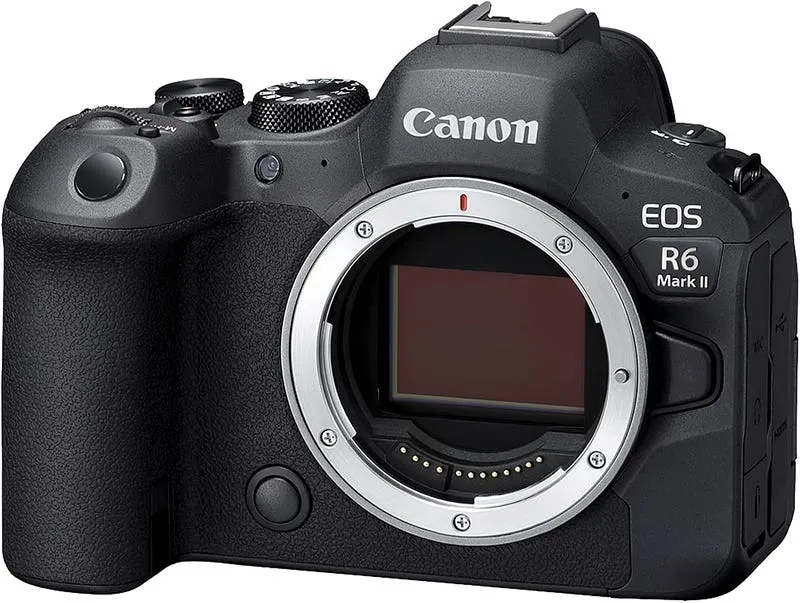
With fast shutter speeds and good noise control at high ISOs, this camera is ideal for capturing the rapidly moving lights.
Pros:
- Fast Autofocus System: The R6 features an advanced autofocus system that quickly locks onto subjects, even in low light. This was particularly helpful when trying to capture moving auroras.
- High ISO Performance: With good noise control at high ISOs, I was able to shoot at 3200 without compromising image quality significantly.
- Versatile Shooting Modes: The camera offers various shooting modes that cater well to both stills and video, making it a great all-rounder.
Cons:
- Battery Life: The battery drains relatively quickly when using high-performance settings, which can be a disadvantage during extended aurora sessions.
- Pricey Lenses: Canon’s RF lenses can be quite expensive, adding to the overall cost of investing in this system.
Canon EOS R6 — View on Amazon
Sony A7 IV
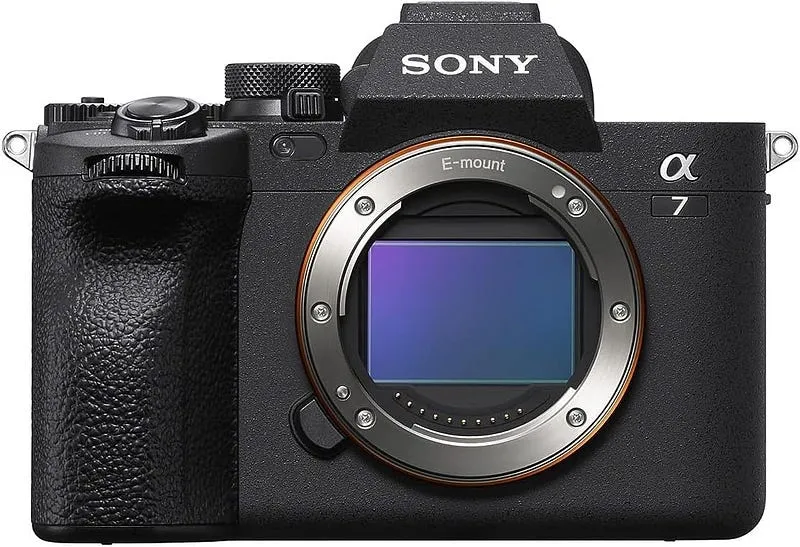
This versatile camera combines high resolution with excellent low-light capabilities, suitable for both landscapes and auroras.
Pros:
- High Resolution with Good Low-Light Performance: The A7 IV strikes a balance between resolution (33MP) and low-light capability. My experience using this camera allowed me to capture detailed shots of the auroras while maintaining excellent clarity.
- Improved Autofocus Features: The enhanced autofocus system includes real-time tracking, making it easier to capture dynamic scenes like moving lights in the sky.
Cons:
- Complex Menu System: Similar to other Sony models, navigating through menus can be cumbersome at times. I often found myself fumbling with settings when time was of the essence.
- Weight and Size: Being a full-frame camera, it’s heavier than some alternatives, which can be tiring during long nights of shooting.
Sony A7 IV — View on Amazon
Nikon Z7 II
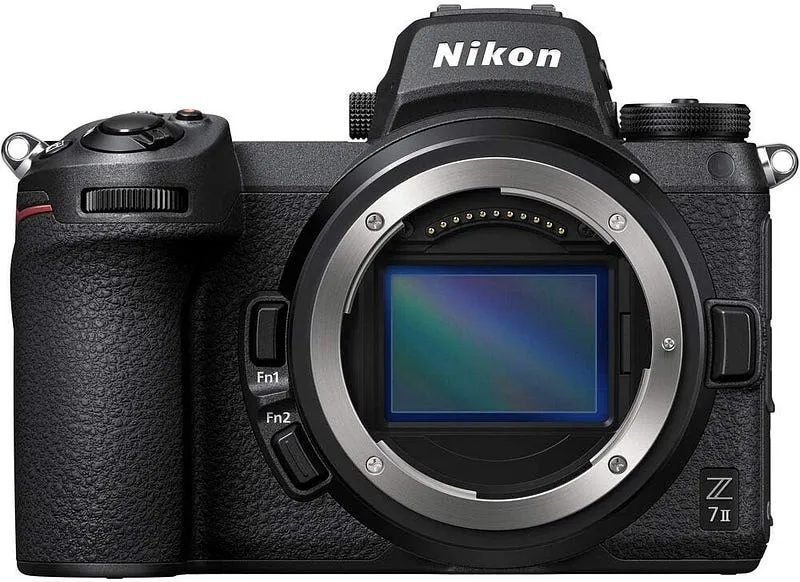
Offers high resolution and good low-light performance; it’s also weather-sealed for harsher conditions.
Pros:
- High Resolution (45.7MP): This camera is perfect for capturing intricate details in landscapes alongside auroras. My shots were incredibly sharp and vibrant due to this high resolution.
- Great Handling and Ergonomics: The Z7 II feels comfortable in hand, making it easier to shoot for extended periods without fatigue.
Cons:
- Price Tag: Like other high-end cameras, it comes with a steep price that might not be justifiable for all photographers.
- Limited Lens Availability: While Nikon has been expanding its Z lens lineup, options are still fewer compared to established DSLR systems.
For those on a budget or just starting out, consider options like the Sony Alpha A6000 or Nikon D3500, which can still yield impressive results when paired with quality lenses.
Nikon Z7 II — View on Amazon
Essential Gear for Capturing Auroras
In addition to a good camera body, having the right lenses and accessories is crucial:
- Lenses: A wide-angle lens (e.g., 14mm f/2.8) is recommended to capture expansive views of the sky. Some popular choices include:
- Rokinon/Samyang 14mm f/2.8: Affordable and effective for night photography.
- Sigma 24mm f/1.4 Art: Excellent light-gathering capability.
- Tripod: A sturdy tripod is essential for long exposures without camera shake. Look for one that’s lightweight yet stable.
- Intervalometer: This accessory helps reduce camera shake when taking long exposures by allowing you to set a timer.
Tips for Photographing the Northern Lights
Plan Your Trip:
Research locations known for auroral activity and check forecasts before heading out.
Camera Settings:
- Start with an aperture of f/2.8 or lower.
- Use a shutter speed between 4 to 25 seconds depending on the intensity of the lights.
- Adjust ISO settings between 800 and 3200 based on your camera’s performance.
Focus Manually:
Autofocus can struggle in low light; manually set your focus on a distant light source before starting your shoot.
Experiment with Compositions:
Incorporate foreground elements like trees or mountains to add depth to your images.
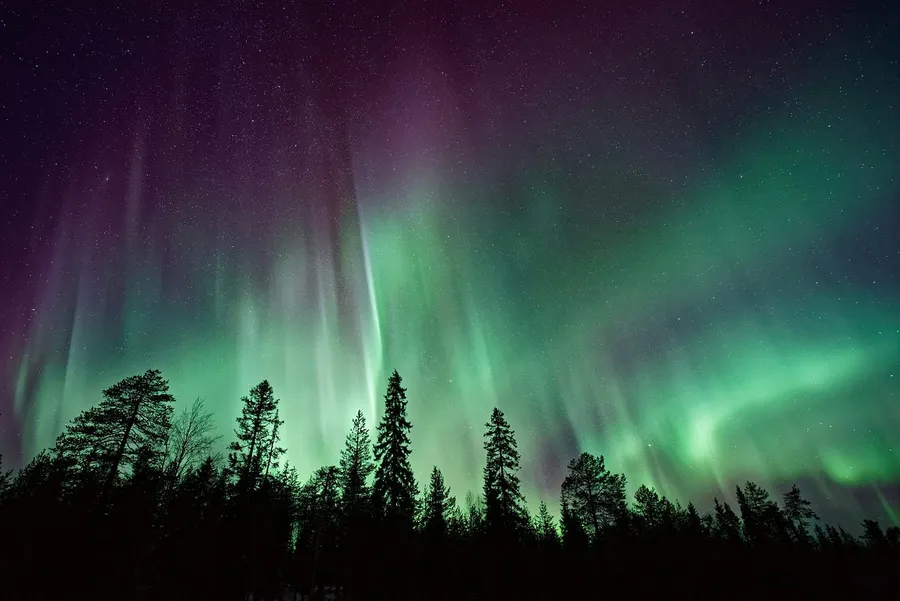
Photo by Vincent Guth on Unsplash
Conclusion
Photographing the Northern Lights is not just about having the best gear; it’s also about patience, practice, and knowing how to adapt your techniques to changing conditions. My journey from using basic equipment to capturing breathtaking images has taught me that investing in quality gear pays off immensely.
Whether you’re a beginner or an experienced photographer looking to capture this natural wonder, I hope these insights help you on your quest to photograph the mesmerizing Northern Lights. Happy shooting!
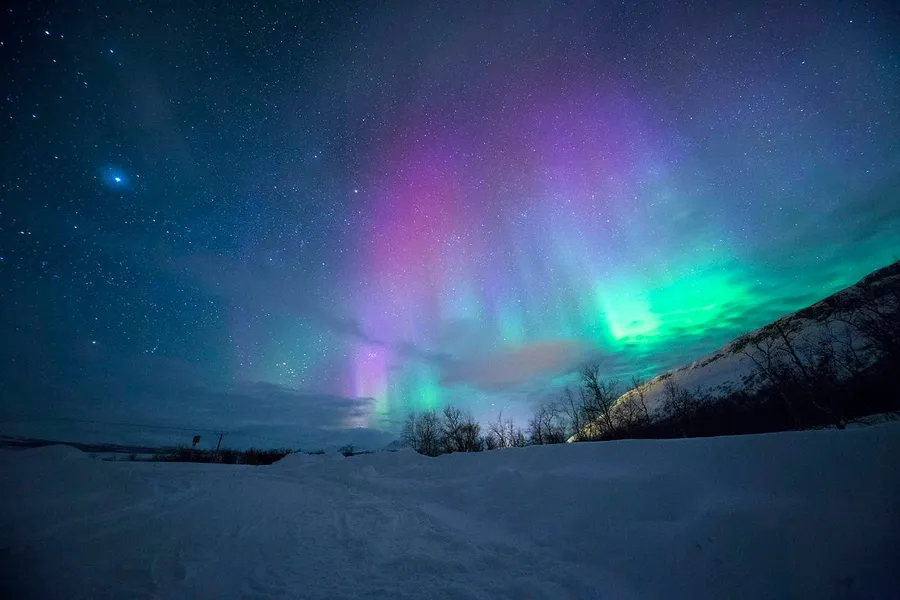
Photo by Lightscape on Unsplash

Written by
Marien CartelProfessional and Certified Digital Photographer born in the USA, with 22 years of experience in the field of photography.
Related Guides
Best Camera for Automotive Photography
What I Actually Reach For When I’m Shooting Cars. Here is how the Canon EOS R5, Sony a7 IV and Nikon Z6 III compare, and the one I keep going back to.
Best Cameras for Virtual Production
After I Wasted a Full Shoot Day Finding Out — why the Sony FX6 and Sony FX9 made the list, and who each one really suits.
Best DSLR Cameras for Beginners: (Guide & Reviews)
My Hands-On Experience with the Best Beginner-Friendly Cameras — why the Canon EOS Rebel T7 and Nikon D3500 made the list, and who each one really suits.