Best Camera for Nature Photography Beginner
As an Amazon Associate we earn from qualifying purchases. Some links in this guide are affiliate links — see our affiliate disclosure for details.
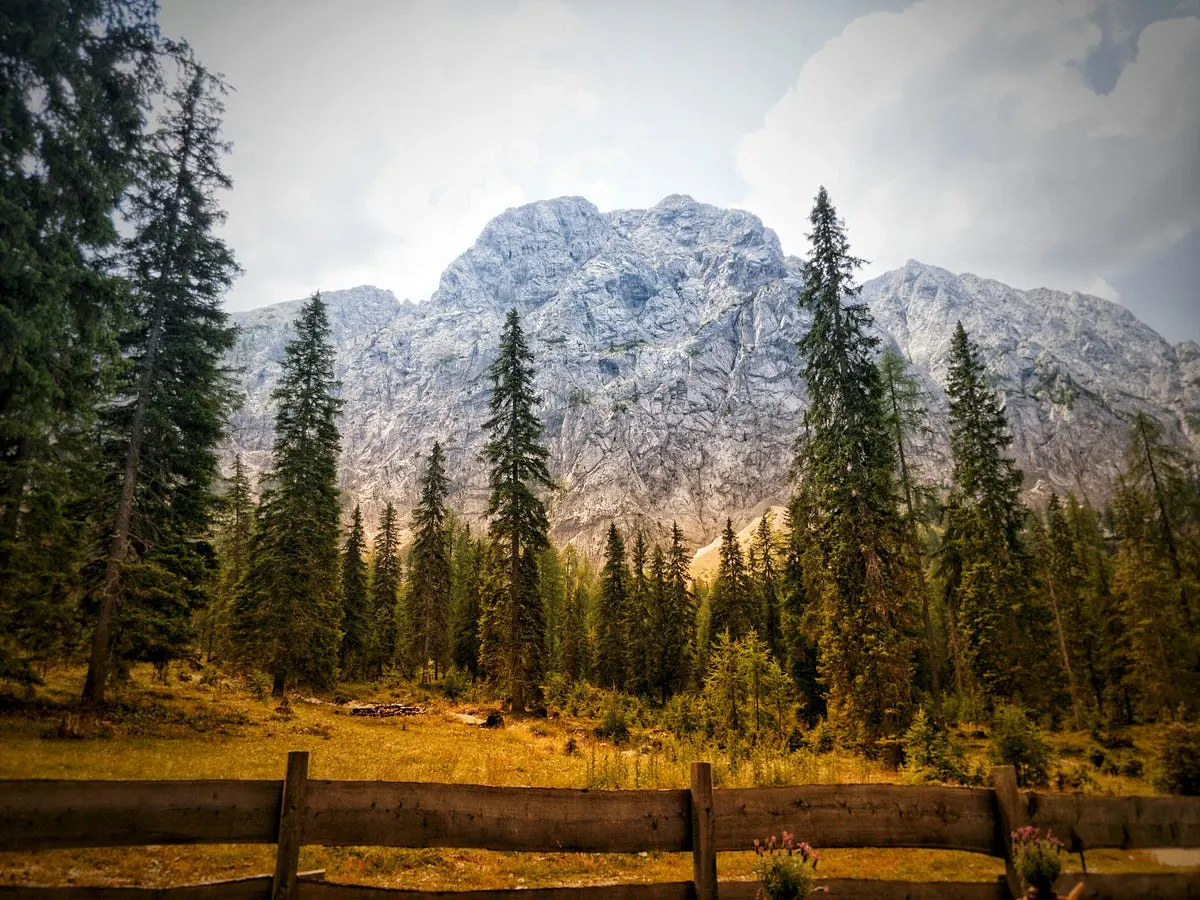
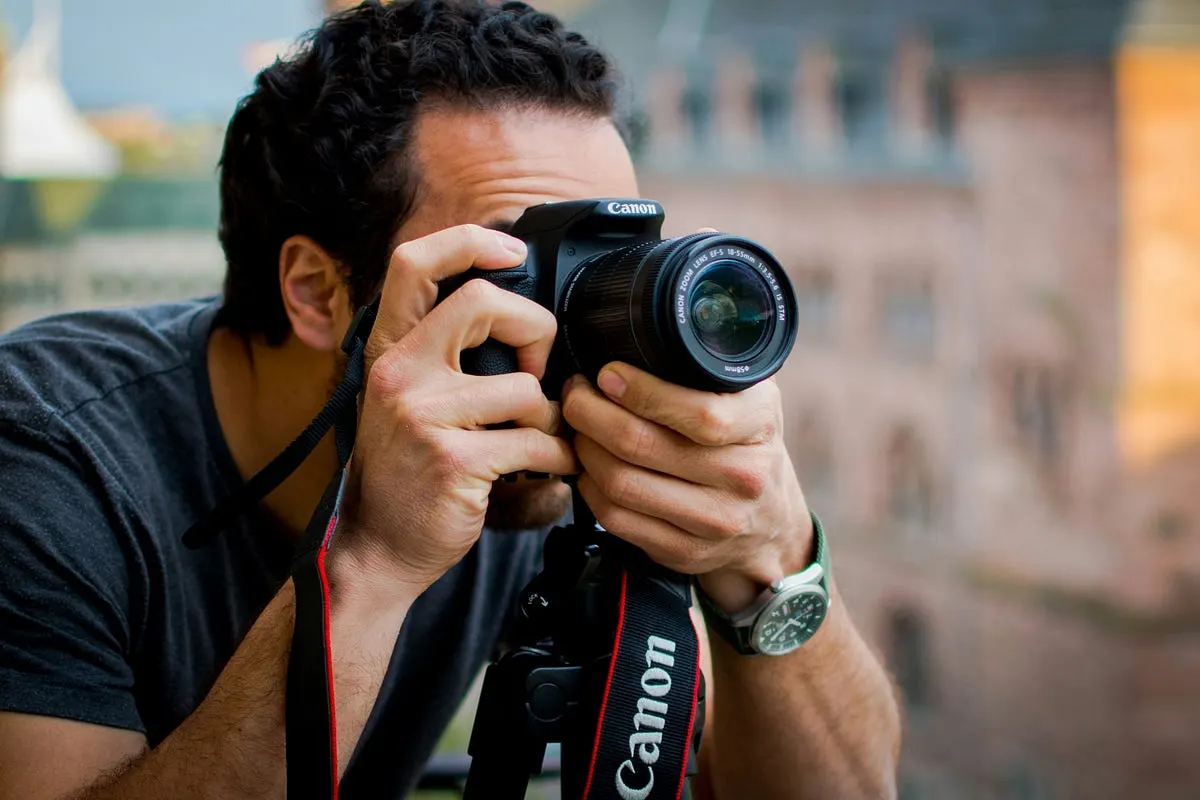
Photo by Tom Buizer on Unsplash
Embarking on a journey into nature photography can be both exhilarating and daunting, especially for beginners. My personal experience began with a simple desire to capture the beauty of the outdoors, which soon evolved into a passionate hobby. In this blog, I will share my story alongside recommendations for the best cameras suited for beginners in nature photography.
Top Camera Recommendations for Beginners
Based on my experience and extensive research, here are some of the best cameras for beginners in nature photography:
- Canon EOS R10 — Check Price
- Nikon D7500 — Check Price
- Panasonic Lumix FZ2000 — Check Price
- Sony RX10 IV — Check Price
My Journey into Nature Photography
Growing up, I was always fascinated by the natural world. I spent countless weekends hiking through local parks, captivated by the intricate details of plants and the grace of wildlife. However, it wasn’t until I received my first camera — a modest point-and-shoot — that I truly began to appreciate the art of photography. The images were decent but lacked the depth and clarity I envisioned.
As my interest grew, I invested in a DSLR camera, which opened up a new realm of possibilities. This transition allowed me to explore manual settings and learn about composition and lighting. Over time, I developed my skills and began capturing stunning landscapes and wildlife shots that reflected my passion for nature.
Choosing the Right Camera
Selecting the right camera is crucial for any beginner looking to delve into nature photography. Here are some key factors to consider:
- Ease of Use: A user-friendly interface is essential for beginners who may feel overwhelmed by complex settings.
- Portability: Nature photographers often hike long distances; thus, a lightweight camera is beneficial.
- Versatility: Look for cameras that perform well in various conditions, from bright sunlight to low-light environments.
- Budget: As a beginner, it’s wise to start with an affordable option that still offers quality performance.
Canon EOS R10
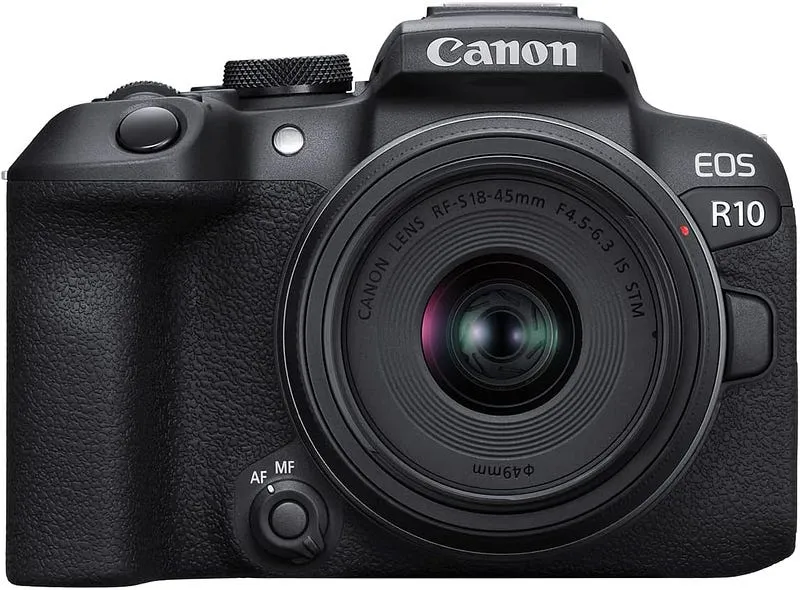
The Canon EOS R10 stands out as an excellent entry-level mirrorless camera. Its high-speed performance and advanced autofocus system make it ideal for capturing fast-moving wildlife. With a compact design and user-friendly interface, it’s perfect for beginners eager to explore nature photography without feeling overwhelmed
Pros
- Compact and Lightweight: Weighing around 15 ounces, the Canon EOS R10 is incredibly portable, making it easy to carry on long hikes. I appreciated this feature during my treks through dense forests where every ounce matters
- Advanced Autofocus: The Dual Pixel CMOS AF system with 651 focus points is exceptional for tracking moving subjects, such as birds in flight. I found this particularly useful while photographing wildlife, as it allowed me to capture sharp images even in dynamic situations
- High Burst Shooting Speed: With continuous shooting capabilities of up to 23 fps, this camera excelled during fast-paced wildlife encounters. I was able to capture multiple frames in a single moment, ensuring I didn’t miss crucial shots
Cons
- Battery Life: One of the significant downsides is its relatively short battery life. Although I managed to shoot over 4000 photos in a single outing, transitioning from my previous DSLR made me acutely aware of the need for extra batteries on longer trips
- High ISO Performance: The R10 struggles with noise at higher ISO settings. During low-light conditions, I often had to limit myself to ISO 800 or lower to maintain image quality, which sometimes restricted my shooting opportunities during dawn or dusk
- Lack of In-Body Image Stabilization (IBIS): While not a deal-breaker for me, the absence of IBIS meant that I had to rely more on lens stabilization or careful hand-holding techniques when shooting at slower shutter speeds
Canon EOS R10 — Check Price
Nikon D7500
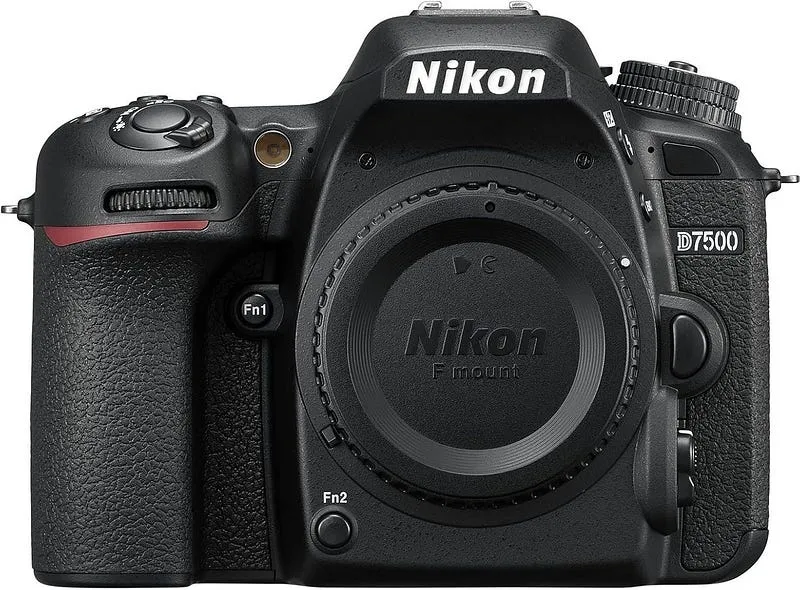
For those who prefer a DSLR, the Nikon D7500 offers a solid blend of features at an accessible price point. Its impressive image quality and wide ISO range allow for excellent performance in various lighting conditions. Additionally, its dust-resistant body makes it suitable for outdoor adventures
Pros
- Excellent Image Quality: The D7500’s 20.9 MP sensor delivers stunning image quality across various lighting conditions. This was evident in my landscape shots, where colors were vibrant and details were crisp
- Robust Build: The camera feels solid and durable, which gave me confidence when shooting in rugged environments. It handled rain and mud without any issues during my outdoor adventures
- Long Battery Life: Compared to the R10, the D7500’s battery life is impressive. I could shoot for days without needing a recharge, which is vital for extended trips into the wilderness
Cons
- Weight and Size: As a DSLR, the D7500 is bulkier than mirrorless options. While I enjoyed its robust feel, carrying it on long hikes sometimes became cumbersome
- Learning Curve: The menu system can be overwhelming for beginners. I found myself spending extra time navigating settings instead of focusing on capturing images
Nikon D7500 — Check Price
Panasonic Lumix FZ2000
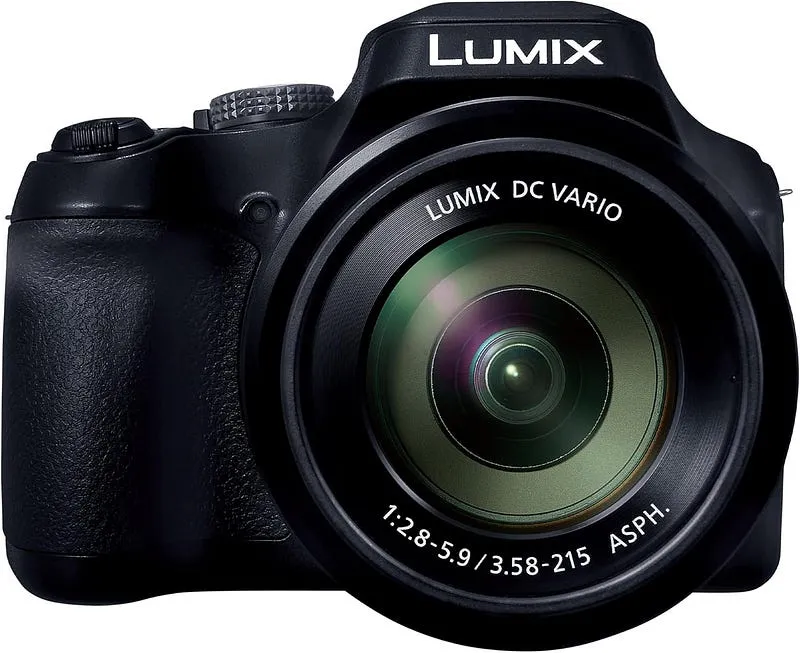
The Panasonic Lumix FZ2000 is a bridge camera that combines simplicity with versatility. Its built-in 20x zoom lens enables you to capture distant subjects while maintaining image quality. This camera is particularly appealing for beginners who want an all-in-one solution without investing in multiple lenses
Pros
- Versatile Zoom Range: The built-in 20x zoom lens allowed me to capture both wide landscapes and distant wildlife without changing lenses. This flexibility was particularly beneficial during spontaneous photo opportunities in nature
- User-Friendly Interface: The camera’s layout was intuitive, making it easier for me to adjust settings quickly while out in the field
Cons
- Image Quality at High ISO: Similar to the R10, the FZ2000 struggled with noise at higher ISO levels. This limitation affected my ability to shoot in low-light conditions effectively
- Limited Manual Control: While great for beginners, some advanced features were lacking compared to DSLRs or higher-end mirrorless cameras. As I grew more experienced, I found myself wishing for more manual control options.
Panasonic Lumix FZ2000 — Check Price
Sony RX10 IV
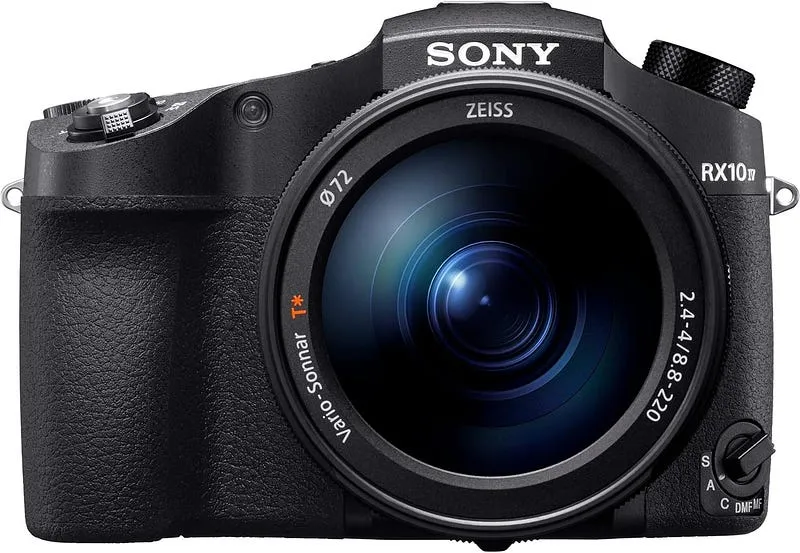
The Sony RX10 IV is another fantastic bridge camera option that excels in both wildlife and landscape photography. With its extensive zoom range and fast autofocus capabilities, it’s designed to help beginners capture stunning images with ease
Pros
- Exceptional Autofocus Performance: The RX10 IV’s autofocus system is incredibly fast and reliable. During my wildlife photography sessions, it consistently locked onto moving subjects with precision
- High Image Quality: The combination of a large sensor and high-quality lens produced stunning images with excellent detail and color accuracy.
Cons
- Price Point: At around $1,698, this camera is on the pricier side for beginners. While it offers great features, budget-conscious photographers might find it challenging to justify this investment initially.
- Weight: Although a bridge camera, it is heavier than other options like the R10 or FZ2000. This weight became noticeable during longer hikes where every bit of gear adds up.
Sony RX10 IV — Check Price
Tips for Getting Started
- Practice Regularly: The best way to improve your skills is through consistent practice. Take your camera on hikes or walks in local parks.
- Learn Composition: Understand the basics of composition — rule of thirds, leading lines, and framing — to enhance your photographs.
- Experiment with Settings: Don’t hesitate to play around with different settings like aperture and shutter speed to see how they affect your images.
- Join a Community: Engage with fellow photographers online or in local clubs to share experiences and learn from each other.
Conclusion
Choosing the right camera is just the beginning of your adventure into nature photography. With dedication and practice, you can develop your skills and capture breathtaking images that reflect your love for the outdoors. My journey has been filled with learning experiences, and I encourage you to embrace yours with enthusiasm.Whether you opt for the Canon EOS R10 or any other recommended model, remember that every great photographer started as a beginner — just like me! Happy shooting!
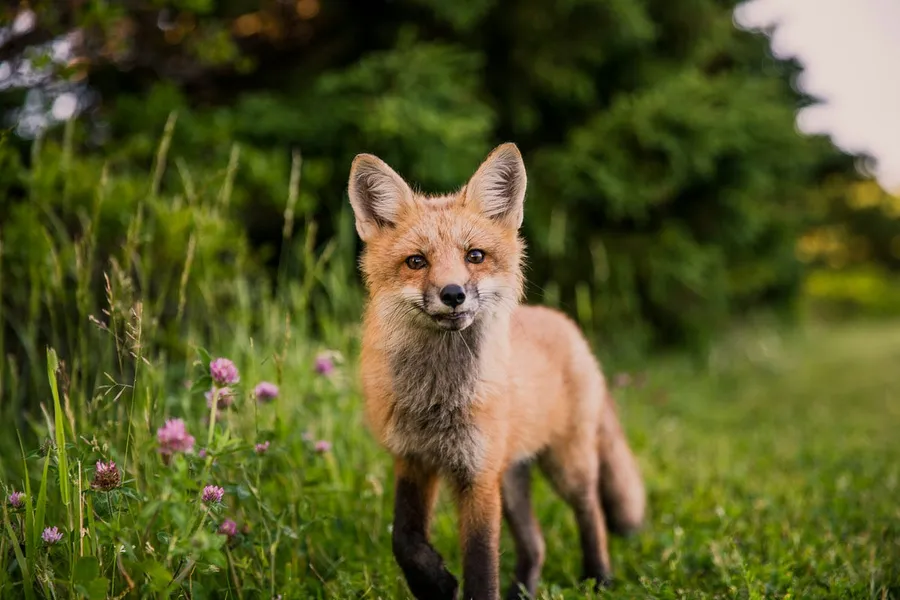
Photo by Scott Walsh on Unsplash

Written by
Marien CartelProfessional and Certified Digital Photographer born in the USA, with 22 years of experience in the field of photography.
Related Guides
Best Camera for Automotive Photography
What I Actually Reach For When I’m Shooting Cars. Here is how the Canon EOS R5, Sony a7 IV and Nikon Z6 III compare, and the one I keep going back to.
Best Cameras for Virtual Production
After I Wasted a Full Shoot Day Finding Out — why the Sony FX6 and Sony FX9 made the list, and who each one really suits.
Best DSLR Cameras for Beginners: (Guide & Reviews)
My Hands-On Experience with the Best Beginner-Friendly Cameras — why the Canon EOS Rebel T7 and Nikon D3500 made the list, and who each one really suits.