6 Best Olympus camera for nature photography: (2026 Guide & Reviews)
As an Amazon Associate we earn from qualifying purchases. Some links in this guide are affiliate links, see our affiliate disclosure for details.
Top Picks & Key Specifications at a Glance
| Model | Best For | Mount / System | Key Optical & Sensor Specs | Check Price |
|---|---|---|---|---|
1Olympus OM SYSTEM OM | 1 - (best Olympus camera for nature photography) | Micro Four Thirds (2.0x) | Micro Four Thirds · 20MP · 35mm · IBIS | Amazon ↗ |
2OM SYSTEM OM | 5 - (best Olympus camera for nature photography) | Micro Four Thirds (2.0x) | Micro Four Thirds · 20.4MP · IBIS | Amazon ↗ |
Which Olympus camera is best for nature photography?
Top options include six: the OM-D E-M10 Mark IV, E-M1 Mark III, OM SYSTEM OM-1, OM-D E-M5 Mark III, OM SYSTEM OM-5 and the Tough TG-6. Choose by budget and whether you need a rugged waterproof body or a lens-changing camera.
Olympus is a leading brand of cameras for nature photography.
With its wide range of options, from entry-level models to professional-grade cameras, Olympus cameras are perfect for capturing stunning photos of nature.
Olympus cameras are known for their excellent image quality, advanced features, and reliable performance.
Whether you’re a beginner photographer or a more experienced shooter, Olympus has a camera that will suit your needs.
Here are some of the best Olympus cameras for nature photography.
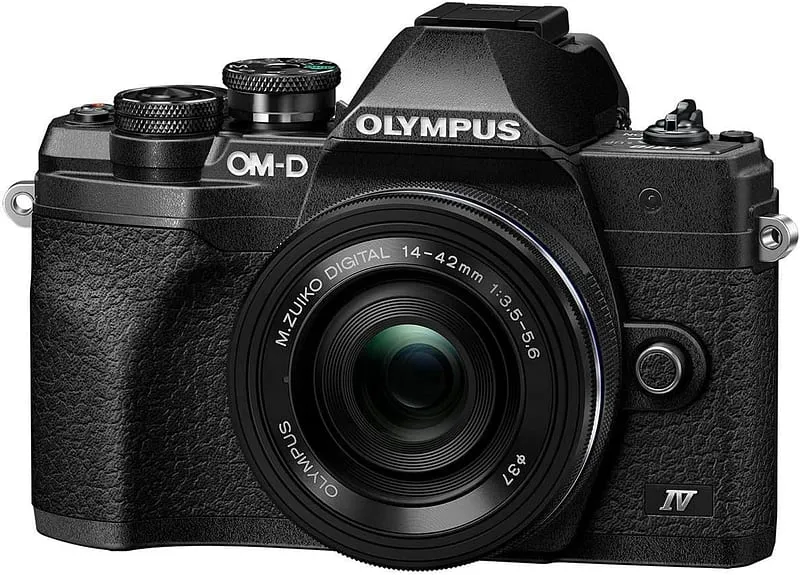
Olympus OM-D E-M10 Mark IV: (best Olympus camera for nature photography)
Features
Brand: Olympus Model Name: OM-D E-M10 Mark IV Kit w/14–42mm Lens Form Factor: Ultracompact Effective Still Resolution: 20 MP Unique Feature: Image Stabilization Optical Zoom: 3 x Color: Silver Connectivity Technology: Bluetooth, Wi-Fi, USB, HDMI Screen Size: 3 Inches Photo Sensor Size: Micro Four Thirds
Shutter Speed/ISO
The camera captured detail and kept noise levels minimal, even when shooting at higher ISO settings.
Aperture/Depth of Field
White Balance/Frame Rate
Why is This Camera Best?
The colors were vibrant and accurate, the details were sharp and clear, and the depth of field was great.
Conclusion
The camera was very responsive, the images were sharp and detailed, and the range of customizable settings was great.
Pros
- 20MP Micro Four Thirds imaging
- 4K video
- 5-axis sensor stabilization
- 8.7fps continuous drive
- Built-in flash
- Many lenses available
- In-camera USB charging
- Slim, stylish body
Cons
- Slower 5fps burst shooting with autofocus
- It doesn’t support add-on microphones
See Which Olympus camera is best for nature photography? on Amazon
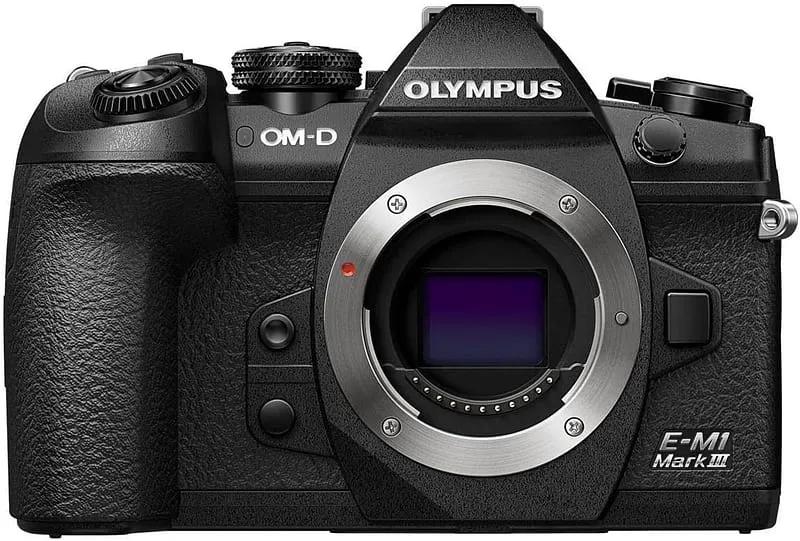
Olympus OM-D E-M1 Mark III: (best Olympus camera for nature photography)
Features
Brand: Olympus Model Name: OM-D E-M1 Mark III Black Camera Body Form Factor: Compact Effective Still Resolution: 20.1 MP Special Feature: Lightweight Optical Zoom: 1 Color: Black Connectivity Technology: Bluetooth, Wi-Fi, USB, HDMI Screen Size: 3 Inches Photo Sensor Size: Micro Four Thirds
Shutter Speed/ISO
Mark III has an impressive shutter speed range from 60 seconds to 1/8000th of a second.
Aperture/Depth of Field
It has an impressive range of apertures, ranging from f/1.2 to f/22.
White Balance/Frame Rate
The higher frame rate was perfect for capturing fast-moving subjects, while the lower one was ideal for capturing more static scenes.
Why is this Camera Best?
It is truly an amazing camera and one of the best on the market for nature photography.
Its impressive range of features and settings allows great flexibility when shooting in the field.
The camera is also incredibly lightweight and compact, making it easy to carry long distances.
Furthermore, the camera’s image quality is outstanding, and the dynamic range and low-light performance are excellent.
Conclusion
Pros
- Strong in-body stabilization
- Vast Micro Four Thirds lens system
- Raw capture at 15fps with mechanical shutter
- Electronic shutter at up to 60fps
- IP1X weather protection
- Swing-out touch LCD
- 4K video
Cons
- Menu system could use a refresh
See Which Olympus camera is best for nature photography? on Amazon
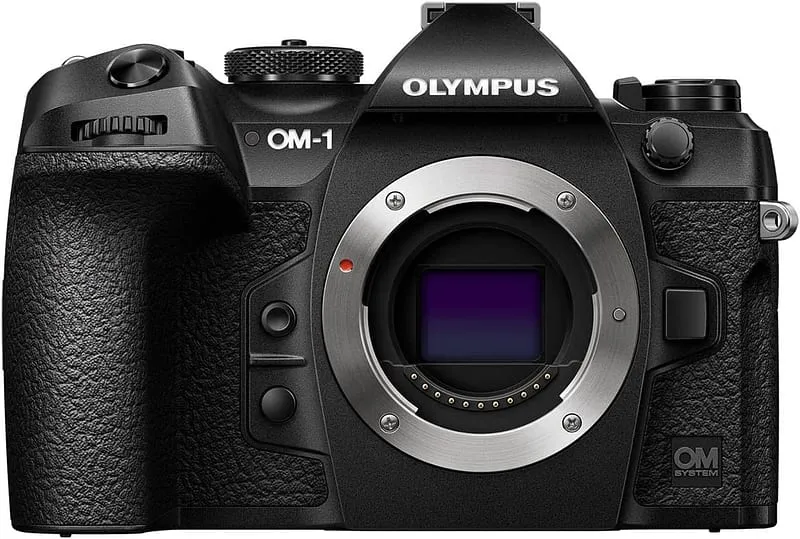
Olympus OM SYSTEM OM-1: (best Olympus camera for nature photography)
That camera was the Olympus OM System OM-1, a classic vintage film camera known for being one of the best 35mm SLR cameras ever.
Features
Brand: Olympus Model Name: OM System Form Factor: Mirrorless Effective Still Resolution: 20 MP Color: Black Connectivity Technology: HDMI, Wi-Fi, Bluetooth Screen Size: 3 Inches Photo Sensor Size: Micro Four Thirds Flash Memory Type: SD, SDHC (UHS-I / II), SDXC(UHS-I / II)
Shutter Speed/ISO
Aperture/Depth of Field
White Balance/Frame Rate
Why is this camera best?
It is a classic film SLR camera and has earned its reputation as one of the best cameras ever made for various reasons.
First, the camera has excellent build quality and is incredibly reliable.
It also has great features, from its impressive range of shutter speeds and apertures to its excellent white balance and frame rate settings.
And then there’s the fact that it produces beautiful, sharp images with excellent color and contrast.
Conclusion
Pros
- Sturdy, IP53-protected body
- Up to 50fps Raw capture with continuous focus
- Large, sharp viewfinder
- 5-axis IBIS
- Strong computational toolkit
- Autofocus system supports subject detection
- 4K60 UHD and DCI video
Cons
- Fragile micro HDMI connection
See Which Olympus camera is best for nature photography? on Amazon
Olympus OM-D E-M5 Mark III: (best Olympus camera for nature photography)
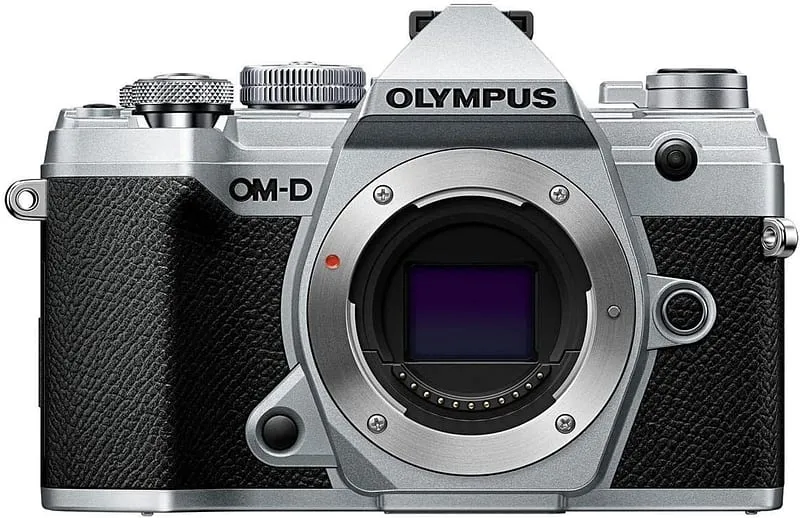
We chose to go to beautiful Newport Beach in California.
Features
Brand: Olympus Model Name: OM-D E-M5 Mark III Body Silver Form Factor: Compact DSLR Effective Still Resolution: 20 MP Special Feature: Image Stabilization Optical Zoom: 1 Color: Silver Connectivity Technology: Bluetooth, Wi-Fi, USB, HDMI Screen Size: 3 Inches Photo Sensor Size: Micro Four Thirds
Shutter Speed/ ISO
We experimented with different shutter speeds ranging from 1/3200 to 1/60 seconds.
Aperture / Depth of Field
The aperture settings of the Olympus OM-D E-M5 Mark III gave us a lot of control over the depth of field.
We were able to get amazing shots with these settings.
White Balance/ Frame Rate
The white balance settings of this camera allowed us to get accurate colors in our photos.
The frame rate settings were also great.
Why is this camera best?
One of the most remarkable wildlife photography cameras is the OM-D E-M5 Mark III.
An electronic shutter, 5-axis picture stabilization, weather sealing, and a superior focusing system are just a few of its remarkable features.
These features make it an excellent choice for capturing beautiful photos of nature.
Conclusion
The camera has excellent features that allow us to capture stunning photos of nature.
Pros
- Compact, all-weather body.
- Stabilized image sensor.
- Includes external flash.
- Up to 30fps Raw capture.
- Vari-angle LCD and OLED EVF.
- Well-established lens system.
Cons
- Wide aperture lenses are bulky and expensive.
- Plastic exterior.
- Charging port, not USB-C.
See Which Olympus camera is best for nature photography? on Amazon
OM SYSTEM OM-5: (best Olympus camera for nature photography)
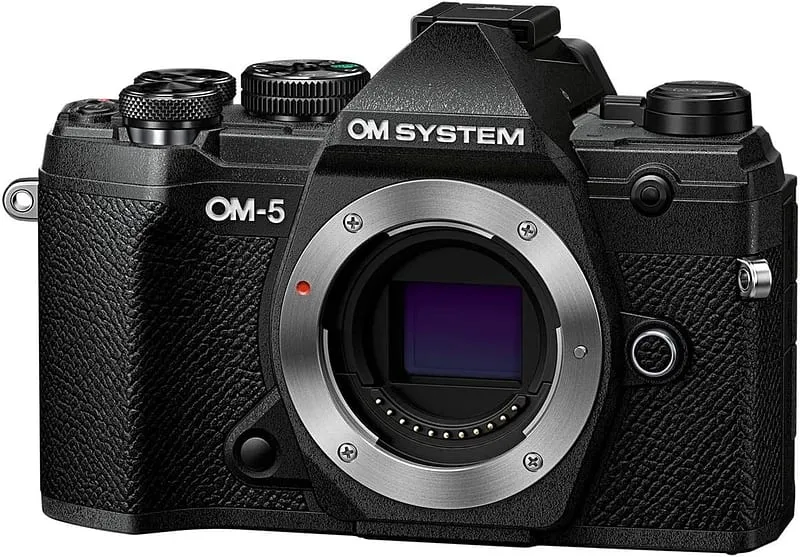
Features
Brand: Olympus Model Name: OM-5 Black Form Factor: Handheld, Compact Effective Still Resolution: 20.4 MP Color: Black Connectivity Technology: Bluetooth, Wi-Fi, USB, GPS Screen Size: 3 Inches Photo Sensor Size: Micro Four Thirds Shooting Modes: Automatic
Shutter Speed/ ISO
Aperture/ Depth of Field
White Balance/ Frame Rate
Why is this Camera Best?
It is one of the best cameras for nature photography due to its wide range of features.
The camera has a robust autofocus system, which allows it to focus on the subject quickly and accurately.
It also has an impressive ISO range, allowing greater flexibility in low-light situations.
Additionally, the camera has a wide range of aperture and shutter speed settings, allowing greater control over the depth of field and motion blur.
The camera also has a range of white balance settings, which allows for greater control over the color temperature of the images.
Conclusion
Pros
- Lightweight and easy to carry
- 5-axis IBIS sensor
- IP53 dust and splash protection
- Ample buffer for long bursts
- Handheld 50MP multi-shot and Live ND
- Eco-friendly packaging
Cons
- 6fps continuous focus anemic for action
- 4K30 footage limited to 8-bit color
- No headphone jack
See OM SYSTEM OM-5: (best Olympus camera for nature photography) on Amazon
Olympus Tough TG-6: (best Olympus camera for nature photography)
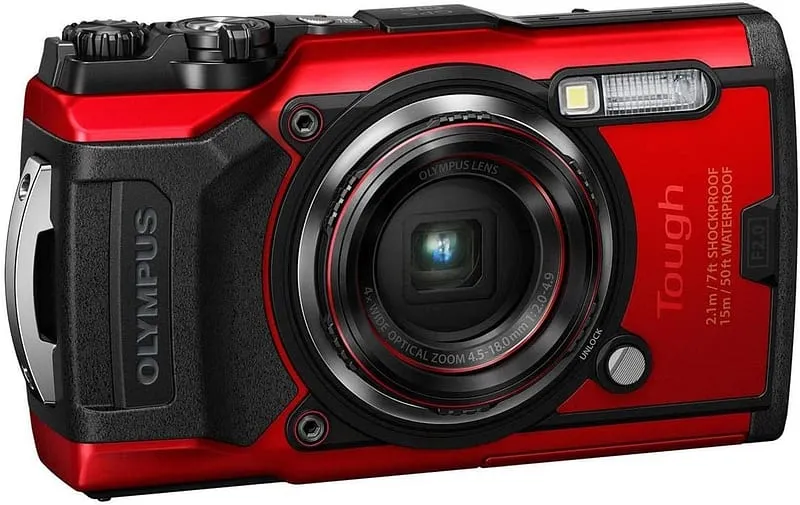
With the sound of the waves and the view of the sun setting, it was the perfect place to capture some fantastic photos.
Features
Brand: Olympus Model Name: Tough TG-6 Form Factor: Ultracompact Effective Still Resolution: 12 MP Optical Zoom: 4 x Color: Red Connectivity Technology: Wi-Fi, USB, HDMI Screen Size: 3 Inches Photo Sensor Size: 1/2.3-inch
Shutter Speed/ ISO
Aperture / Depth of Field
White Balance / Frame Rate
Related guides: Soaring Through the Frame, Best Camera for Nature, and our exposure triangle tool.
Common Buying & Setup Questions
What is the top pick in 6 Best Olympus camera for nature photography?
The Olympus OM SYSTEM OM (Micro Four Thirds · 20MP · 35mm · IBIS, Micro Four Thirds (2.0x)) leads our shortlist as the 1 - (best olympus camera for nature photography), followed closely by the OM SYSTEM OM (Micro Four Thirds · 20.4MP · IBIS).
What focal length, aperture, and shutter speed work best for landscape, national parks (yosemite/yellowstone) & waterfalls?
For landscape, national parks (yosemite/yellowstone) & waterfalls, pair a 14mm – 35mm (wide foregrounds) and 70mm – 200mm (compressed mountain layers) lens at f/8 – f/11 (focused at the hyperfocal distance, roughly 1/3 into the scene) with a shutter speed of 1/2s – 2s on tripod with ND64 filter for silky waterfalls; 1/125s handheld and a working distance of 0.5m foreground rock to infinity horizon. Recommended setup: Circular Polarizer (cuts wet leaf/water glare) + 6-stop ND filter + carbon fiber tripod with 2-second shutter delay..
Camera & Lens Settings by Real-World Use Case
Match your focal length, aperture, shutter speed, and lighting modifier to the exact environment you shoot in.
Landscape, National Parks (Yosemite/Yellowstone) & Waterfalls
- Best Body:
- Sony A7R IV / Nikon Z7 II / Fujifilm GFX 50S II
- Ideal Lens:
- 16–35mm f/4 or f/2.8 (foreground drama) + 24–105mm f/4 (all-day trail)
- Aperture & Shutter:
- f/8 – f/11 (focused at the hyperfocal distance, roughly 1/3 into the scene) · 1/2s – 2s on tripod with ND64 filter for silky waterfalls; 1/125s handheld
- Room Distance:
- 0.5m foreground rock to infinity horizon
Tattoo Artists & Micro-Realism Portfolios
- Best Body:
- Sony Alpha a7 III / Fujifilm X-T4
- Ideal Lens:
- 90mm f/2.8 Macro (detail) or 50mm f/1.8 (sleeves & back pieces)
- Aperture & Shutter:
- f/5.6 – f/8 (keeps curved forearms and calves sharp edge-to-edge) · 1/125s – 1/200s handheld (or 1/60s on tripod)
- Room Distance:
- 0.4m – 1.5m (1.5 to 5 ft)
Barbershops, Hairstylists & Color Salons
- Best Body:
- Sony a7 IV / Canon EOS R6 Mark II
- Ideal Lens:
- 50mm f/1.8 (tight stations) or 85mm f/1.8 (spacious salons)
- Aperture & Shutter:
- f/1.8 – f/2.8 (blurs background chairs while keeping the lineup tack-sharp) · 1/160s – 1/250s (freezes subtle head movement in the chair)
- Room Distance:
- 1.5m – 2.4m (5 to 8 ft from the styling chair)

Written by
Marien CartelMarien Cartel runs Marien Cartel Photography, a camera and lens buying-guide site, and photographs the gear shown on it.
Related Guides
Soaring Through the Frame: Finding the Best Olympus Camera for Bird Photography
Soaring Through the Frame: Finding the Best Olympus Camera for Bird Photography: key features to compare, budget picks and clear advice on choosing well.
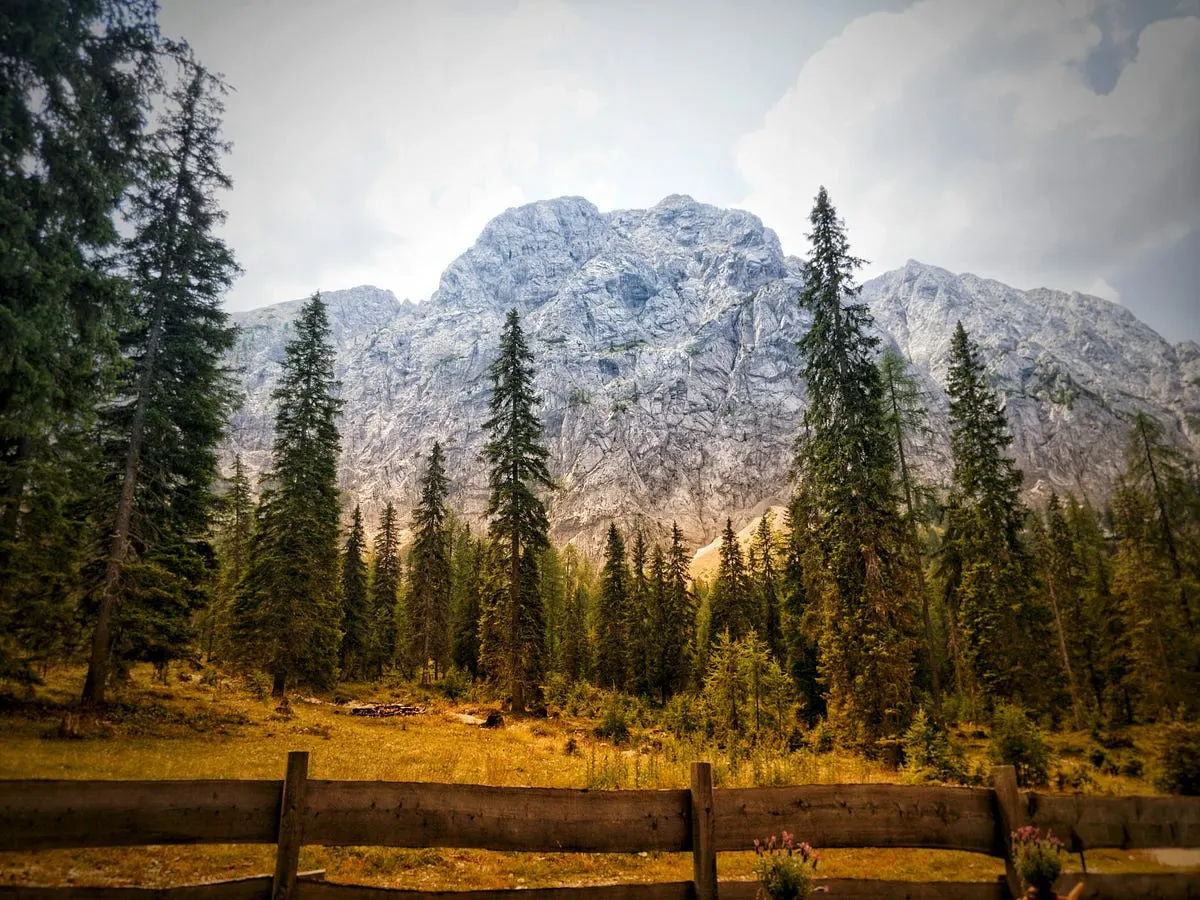
Best Camera for Nature Photography Beginner
Best Camera for Nature Photography Beginner: Canon EOS R10, Nikon D7500 and Panasonic Lumix FZ2000 compared on features, price and who each one suits.
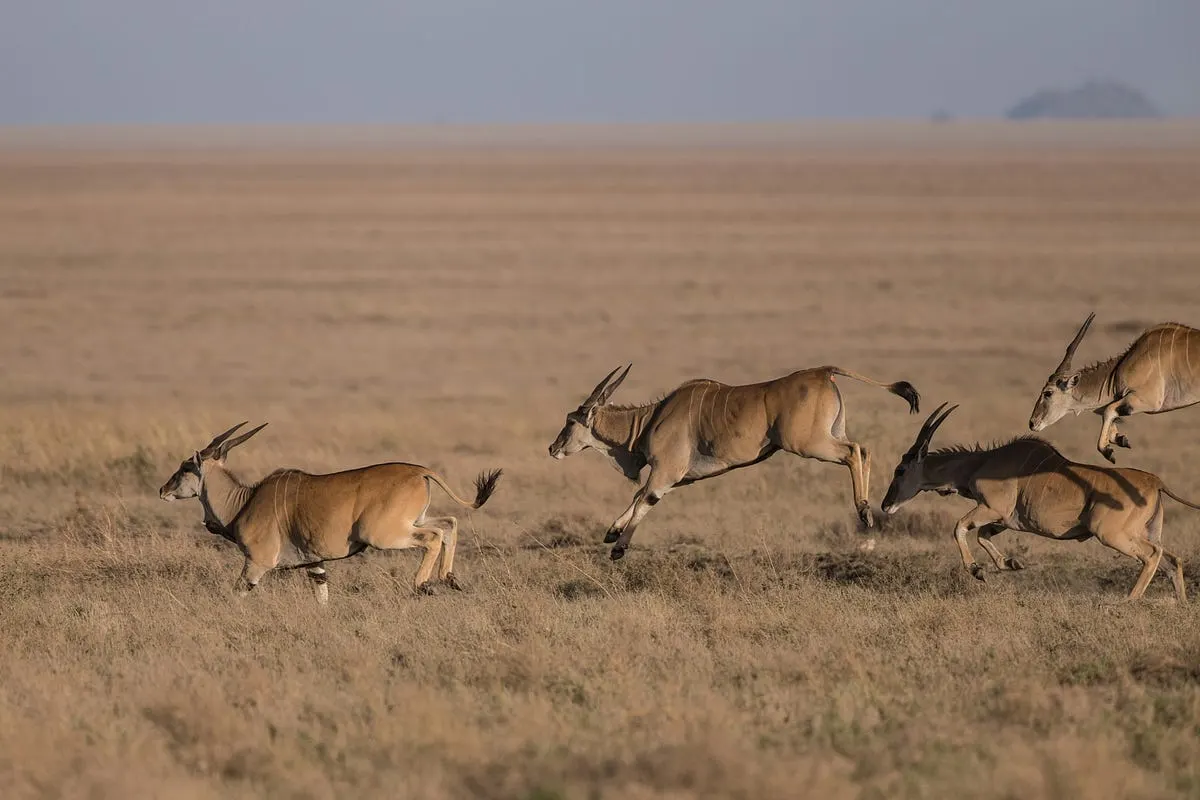
Best Camera for Nature: Nikon Z 6III, Canon EOS R10 & More
Best Camera for Nature — OM SYSTEM OM-1 Mark II, Nikon Z 6III and Canon EOS R10 compared, with pros, cons and who should buy which.
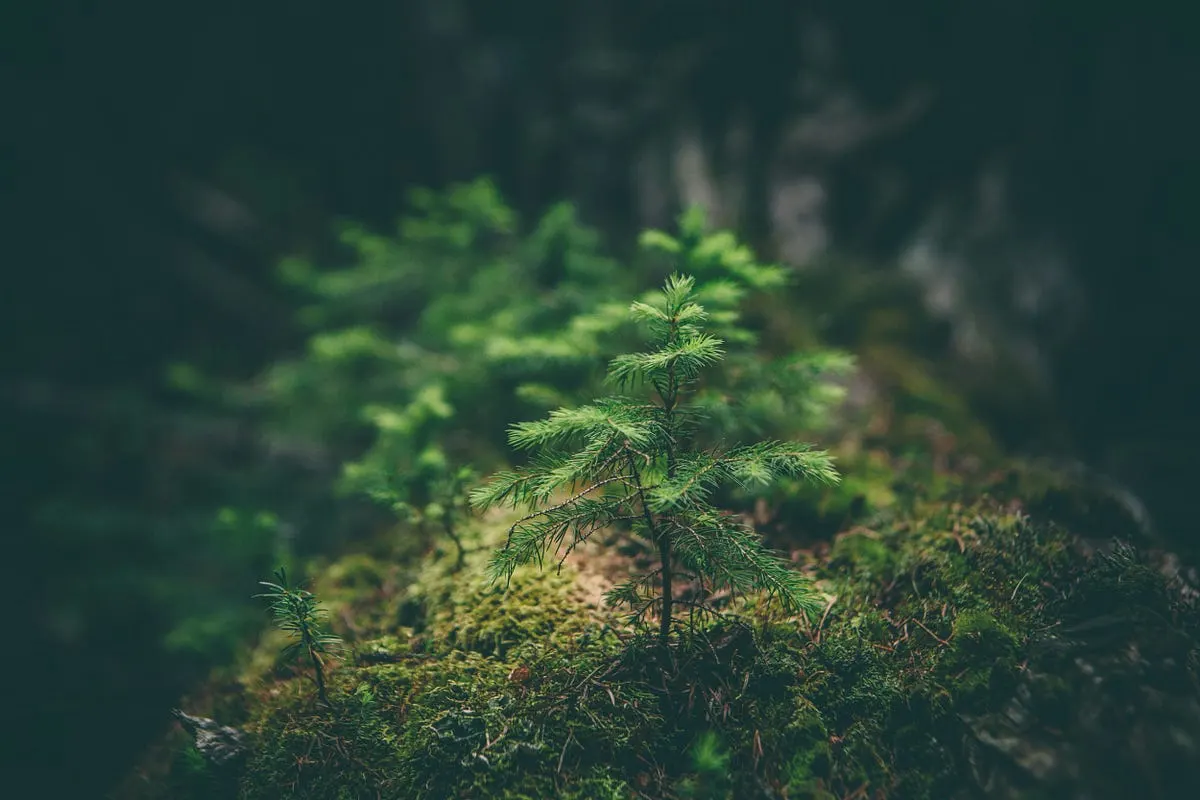
5 Best Cameras for Nature Videography: Canon EOS R5, Nikon Z9 & More
Best Cameras for Nature Videography: side-by-side comparison of Canon EOS R5, Nikon Z9 and Sony Alpha 1 covering key specs, real-world handling, pros.

Best Camera for Social Media Marketing 2026: Reels-Ready Picks
What matters for Reels, TikTok and Shorts in 2026: audio, autofocus, vertical shooting and stabilization. Sony a6400, X-T30, GH5.

Best Camera for ASMR Content Creators (2026): G100D vs ZV-1
Panasonic Lumix G100D or Sony ZV-1 for ASMR? Why quiet operation, close focus and a flip screen matter more than resolution, with a quick verdict.