5 Best Cameras for Nature Videography: Canon EOS R5, Nikon Z9 & More

As an Amazon Associate we earn from qualifying purchases. Some links in this guide are affiliate links, see our affiliate disclosure for details.
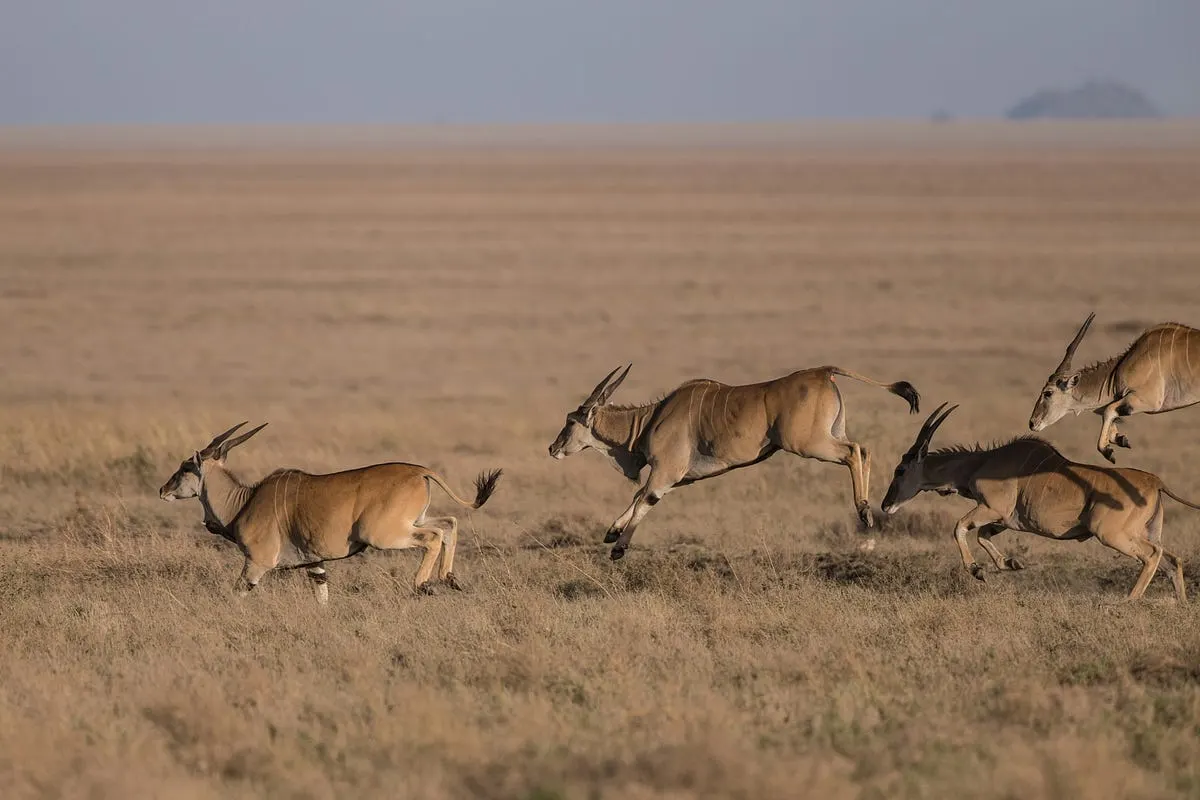
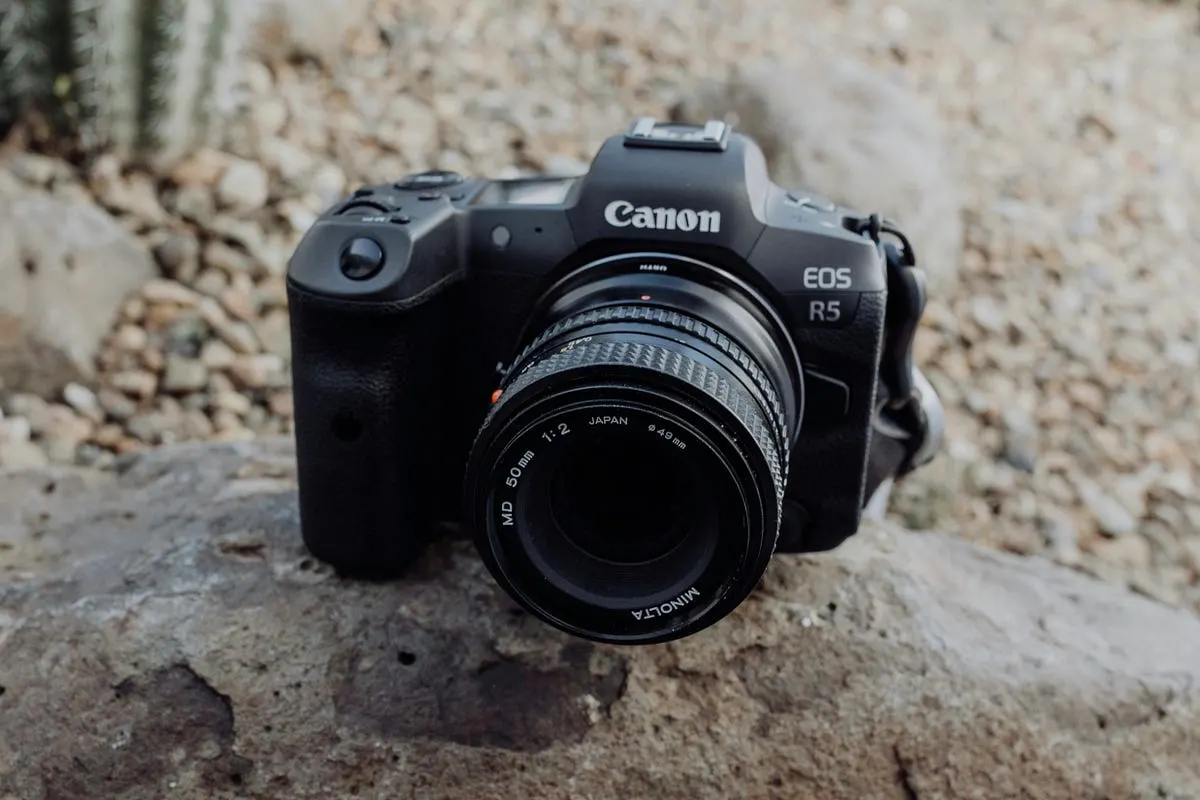
Photo by Matthew Smith on Unsplash
Best Options for nature videography
Top options include five cameras: the Canon EOS R5, Nikon Z9, Sony Alpha 1, OM SYSTEM OM-1 Mark II and Fujifilm X-H2S. All are high-end bodies. Pick the one that matches the lenses you already own or plan to buy.
Best Cameras for Nature Videography
1. Canon EOS R5
- 8K Video Recording: Perfect for capturing high-resolution footage.
- 20 fps Burst Mode: Ideal for fast-moving wildlife.
- Weather-Sealed Body: Provides peace of mind in unpredictable conditions.
Pros:
- Incredible Autofocus: The R5’s autofocus system is exceptional, especially for wildlife.
Cons:
- Shooting in high refresh rates drained them quickly.
- Pricey: The investment is significant, which can be a barrier for many budding videographers.
2. Nikon Z9
- 45.7-Megapixel Stacked CMOS Sensor: Ensures exceptional detail.
- AI-Powered Subject Recognition: Automatically tracks animals with precision.
- Long Battery Life: Lasts up to 700 shots, perfect for long days outdoors.
Pros:
- Fast Burst Shooting: The Z9’s ability to shoot at up to 120 fps (at reduced resolution) is useful for capturing fast-moving wildlife.
- User-Friendly Interface: Customizing settings was straightforward, making it easy to adapt quickly during dynamic shooting situations.
Cons:
- Size and Weight: While robust, its bulk can be cumbersome during long hikes.
3. Sony Alpha 1
- 30 fps Continuous Shooting: Great for action-packed scenes.
- 4K Video at 120fps: Provides smooth motion capture.
- Durable Weather-Sealed Body: Built to withstand harsh environments.
Pros:
- High Resolution and Speed: With 50.1 megapixels and up to 30 fps shooting, this camera excels in capturing fast action.
- Robust Build Quality: Its weather-sealed body held up well during unexpected rain showers on location.
Cons:
- Complex Menu System: Navigating through settings can be overwhelming at times.
- Battery Life Challenges: Similar to the R5, the Alpha 1’s battery life could be better when shooting continuously at high frame rates.
4. OM SYSTEM OM-1 Mark II
- Micro Four Thirds Sensor: Offers excellent portability without sacrificing image quality.
- Fast Autofocus System: Quickly locks onto moving subjects.
- Weather-Sealed Construction: Reliable in various weather conditions.
Pros:
- Lightweight Design: This camera is incredibly portable, making it perfect for long hikes where every ounce matters.
- Great Value for Money: It offers excellent features at a more accessible price point compared to some competitors.
Cons:
- Limited High ISO Performance: In low-light situations, it struggled more than others on this list.
- Fewer Lens Options: The selection of lenses can be limiting for specific videography needs.
5. Fujifilm X-H2S
- Stacked Sensor Technology: Ensures fast readout speeds for high-quality video.
- Advanced Autofocus Capabilities: Excellent for tracking moving subjects.
- Versatile Film Simulation Modes: Adds creative options during shooting.
Pros:
- Exceptional Color Reproduction: The color profiles are vibrant and true to life.
- Compact Size with Great Performance: Its smaller size made it easy to carry around during extensive shoots without sacrificing quality.
Cons:
- Autofocus Limitations in Low Light: While generally reliable, it occasionally struggled in dim conditions when tracking moving subjects.
More options: Best Camera for Professional Photography and Videography, 7 Best Sony Camera for Wedding Videography, plus the working distance tool.
Camera & Lens Settings by Real-World Use Case
Match your focal length, aperture, shutter speed, and lighting modifier to the exact environment you shoot in.
Landscape, National Parks (Yosemite/Yellowstone) & Waterfalls
- Best Body:
- Sony A7R IV / Nikon Z7 II / Fujifilm GFX 50S II
- Ideal Lens:
- 16–35mm f/4 or f/2.8 (foreground drama) + 24–105mm f/4 (all-day trail)
- Aperture & Shutter:
- f/8 – f/11 (focused at the hyperfocal distance, roughly 1/3 into the scene) · 1/2s – 2s on tripod with ND64 filter for silky waterfalls; 1/125s handheld
- Room Distance:
- 0.5m foreground rock to infinity horizon
YouTube Talking-Head, Podcasting & Desk Streaming
- Best Body:
- Sony ZV-E10 II / Sony a6700 / Canon EOS R50
- Ideal Lens:
- Sigma 16mm f/1.4 DC DN (APS-C) or 24mm f/1.8 (Full Frame)
- Aperture & Shutter:
- f/1.4 – f/2.0 (separates speaker from a close desk wall within 4 feet) · 1/50s (for 24fps) or 1/60s (for 30fps) — 180-degree shutter rule
- Room Distance:
- 0.8m – 1.4m (2.5 to 4.5 ft desk arm mount)
Overhead Top-Down Videos (Cooking, Crafts, Art & Unboxings)
- Best Body:
- Sony ZV-E10 II / Sony a6400 / Canon EOS R50
- Ideal Lens:
- Sigma 18–50mm f/2.8 DC DN or Sony E 15mm f/1.4 G / 24mm f/2.8
- Aperture & Shutter:
- f/4 – f/5.6 (deep enough that hands lifting objects off the table stay in focus) · 1/60s (30p) or 1/120s (60p for smooth hand movements)
- Room Distance:
- 0.7m – 1.1m directly above the tabletop

Written by
Marien CartelMarien Cartel runs Marien Cartel Photography, a camera and lens buying-guide site, and photographs the gear shown on it.
Related Guides
Best Camera for Nature: Nikon Z 6III, Canon EOS R10 & More
Best Camera for Nature — OM SYSTEM OM-1 Mark II, Nikon Z 6III and Canon EOS R10 compared, with pros, cons and who should buy which.
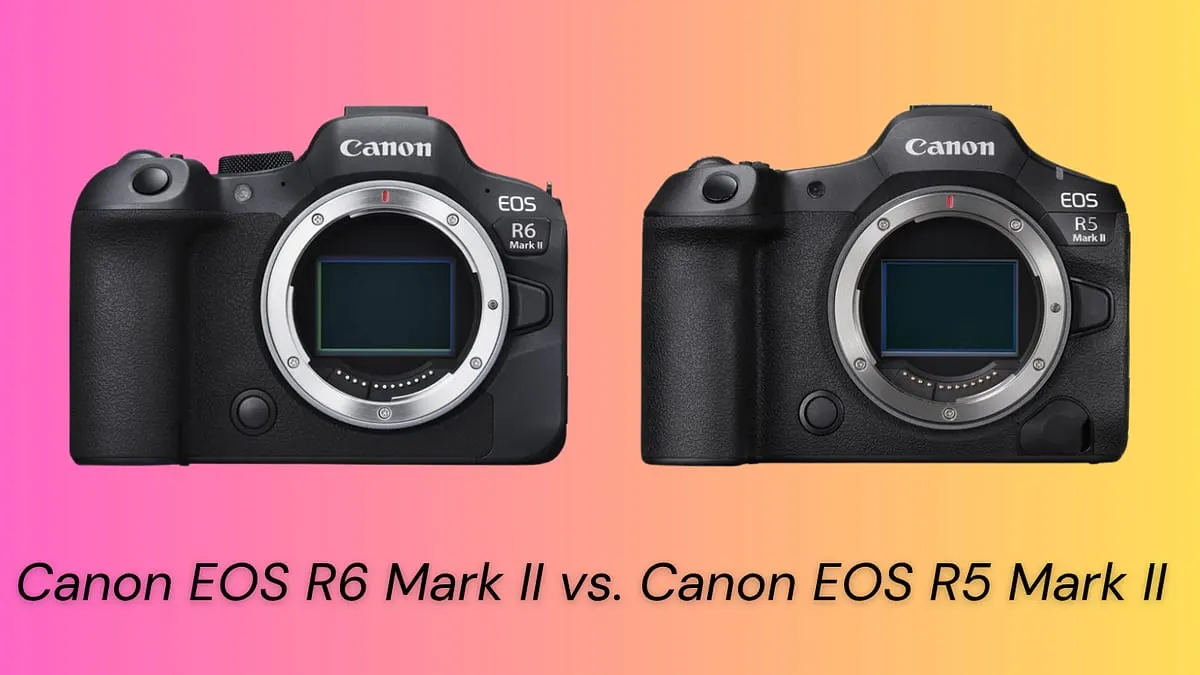
Canon EOS R6 Mark II vs. Canon EOS R5 Mark II
Canon EOS R6 Mark II vs. Canon EOS R5 Mark II: key differences in specs, autofocus, video and price, and which one suits you.
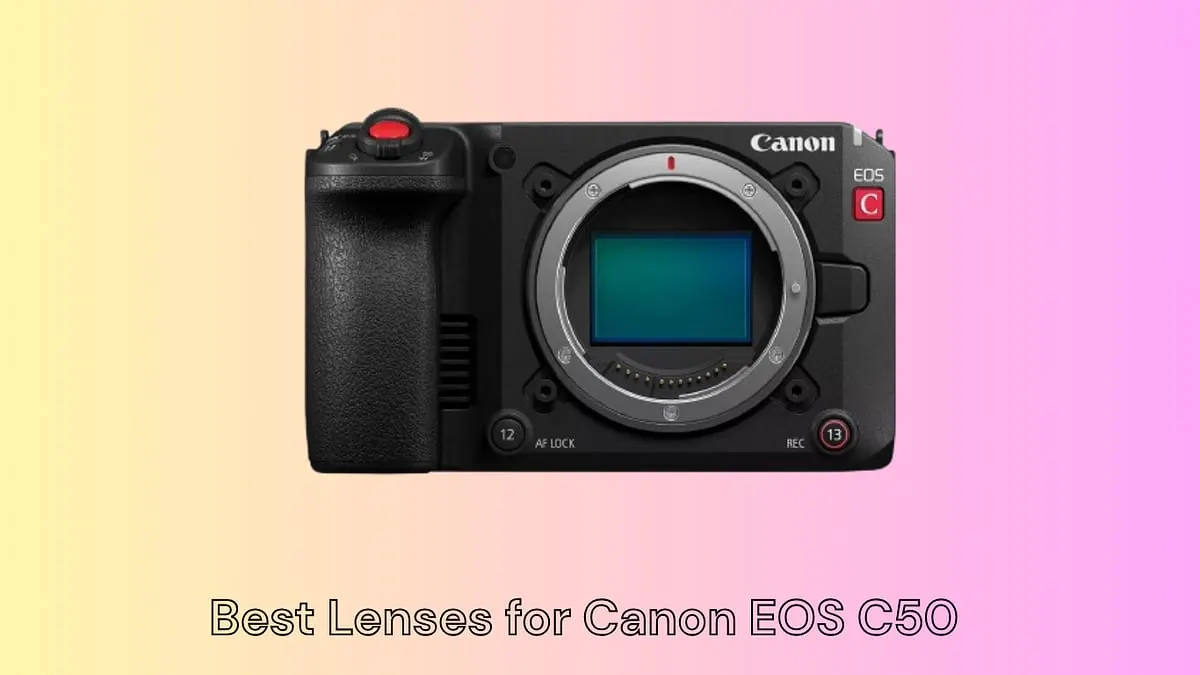
Best Lenses for Canon EOS C50 (2026): CN-E 18-80 T4.4 and More
Canon CN-E 18-80mm T4.4 L, Sigma 18-35mm f/1.8 Art, cine primes and RF zooms for the Canon EOS C50: a quick verdict on what each lens suits and why.
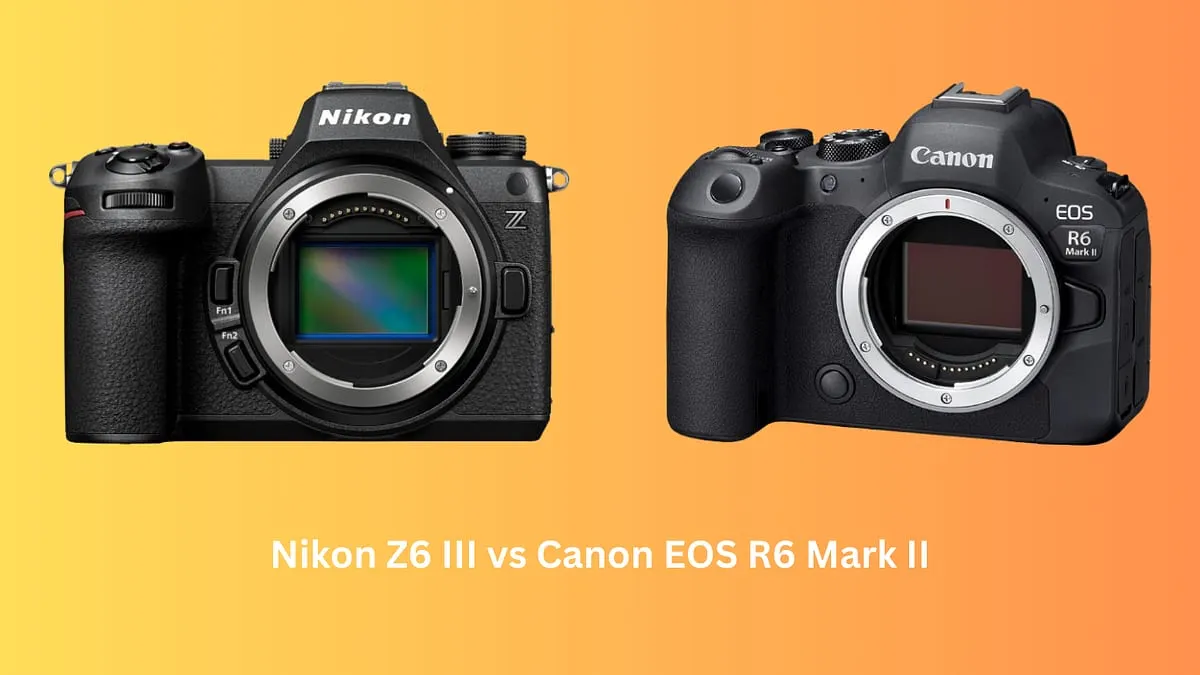
Nikon Z6 III vs Canon EOS R6 Mark II
Nikon Z6 III vs Canon EOS R6 Mark II: key differences in specs, autofocus, video and price, and which one suits you.
Best Lenses for Canon EOS R5: Prime & Zoom Options Compared
Best Lenses for Canon EOS R5 — a practical buying guide covering what matters, common mistakes and what to buy.
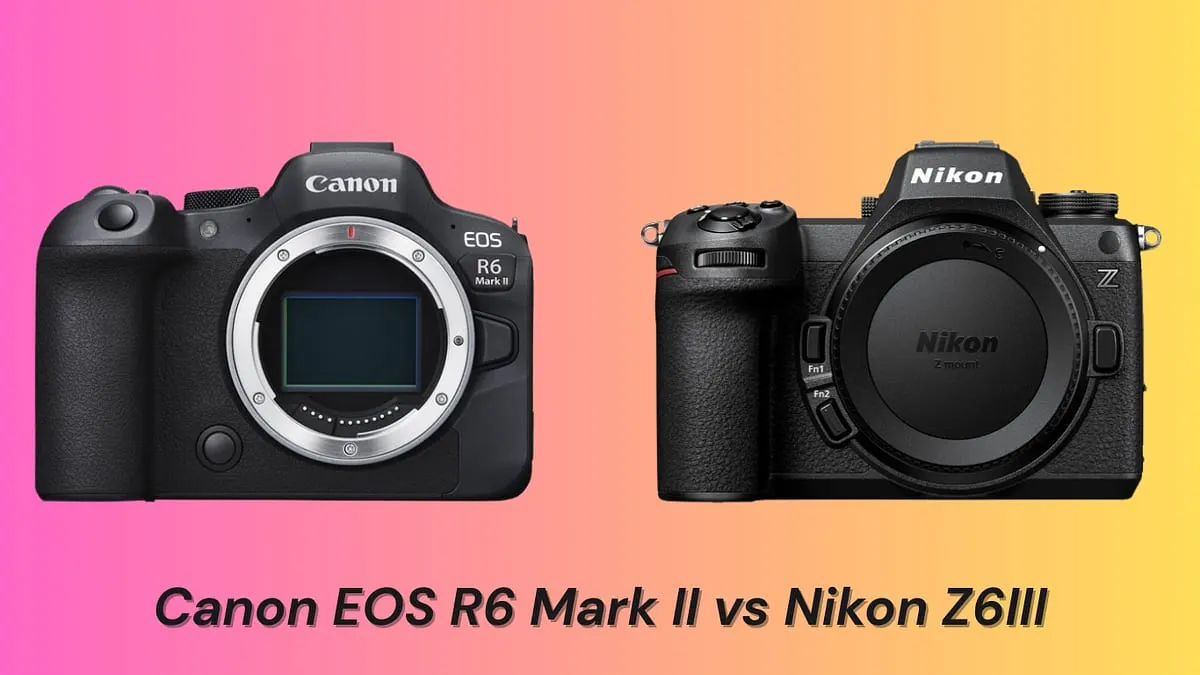
Canon EOS R6 Mark II vs Nikon Z6III: Tested Models & Buying Guide
Canon EOS R6 Mark II vs Nikon Z6III: Which One Should You Choose? — how the Canon EOS R6 Mark II and Nikon Z6III differ in autofocus, viewfinder and video.