Best Camera for Night Sky Photography
As an Amazon Associate we earn from qualifying purchases. Some links in this guide are affiliate links — see our affiliate disclosure for details.
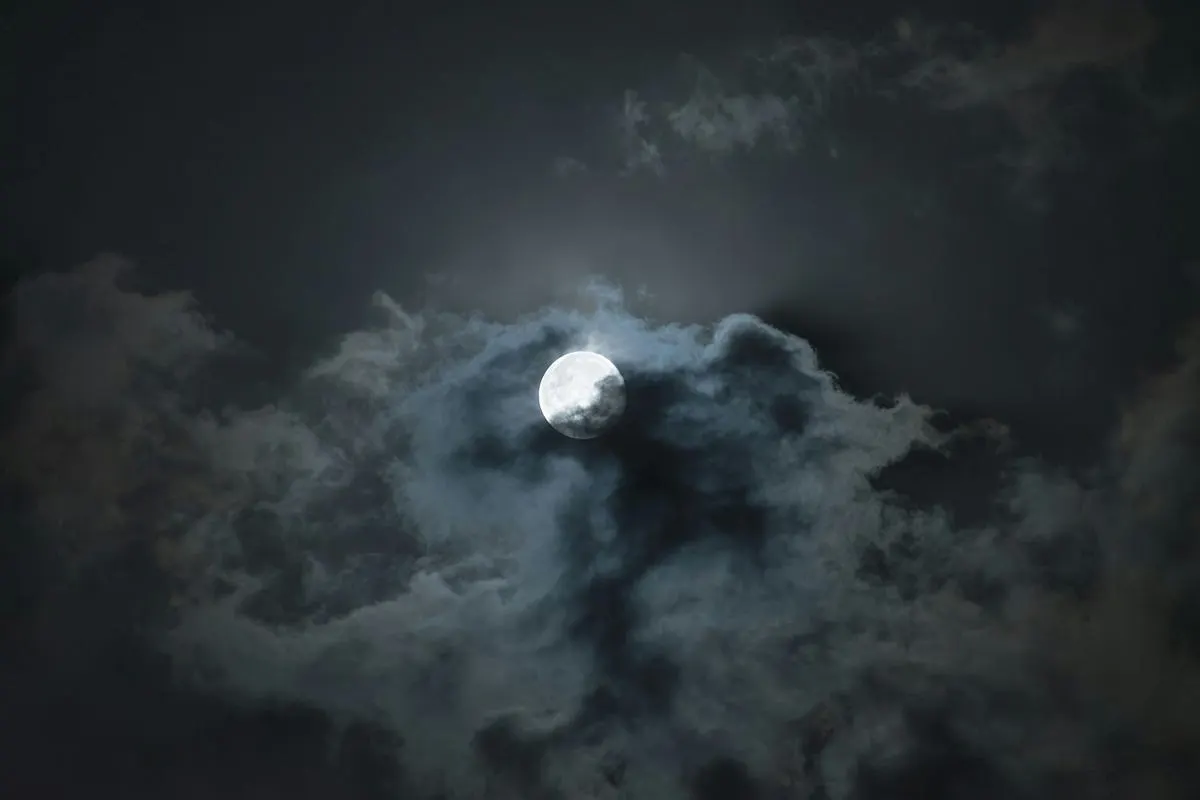
Photo by Ahmad Pishnamazi on Unsplash
For years, my passion for photographing the cosmos came with a literal burden. My trusty full-frame DSLR and fast lenses were optical marvels, capable of gathering photons like thirsty sponges. But hauling that hefty kit up mountains, across deserts, and into the cold stillness of pre-dawn hours? My shoulders and back sang a constant chorus of complaint. I started dreading the physical toll, even as my soul yearned for the Milky Way’s arch.
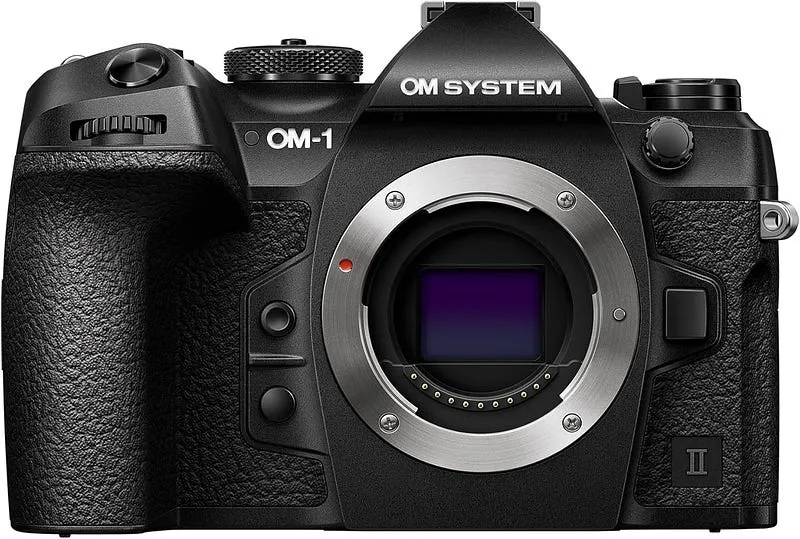
Then, whispers began in the astrophotography community: Micro Four Thirds (MFT) was growing up. Specifically, the OM System OM-1 (and now its evolution, the OM-1 Mark II) was turning heads. Skeptical but desperate for relief, I took the plunge. What followed wasn’t just a weight lifted off my back; it was a revelation in how I connect with the night sky.
The Backpack Liberation Act
The difference was immediate. Swapping my old DSLR and f/2.8 zoom for the OM-1 Mark II and the stunning (and relatively tiny) M.Zuiko 8–25mm f/4 Pro felt like shedding a lead vest. Suddenly, hiking several miles to reach truly dark skies wasn’t an endurance test. Setting up felt quicker, nimbler. I could move, recompose, and chase compositions with an agility I’d forgotten. The camera became an extension of my intent, not an anchor.
But Can It Really Handle the Dark?
The biggest question, of course, was performance. Could this smaller sensor compete in the low-light arena of astrophotography? The OM-1 Mark II answered with a resounding, star-studded “Yes.”
- Starry Sky AF: Game Changer: This feature alone almost justifies the upgrade (or purchase). Focusing manually in pitch black, shivering, trying to see a dim star on the LCD… it’s a rite of passage most astrophotographers endure. The OM-1 Mark II’s dedicated Starry Sky AF obliterates that struggle. Point it skyward, half-press the shutter, and bam — pin-sharp stars, confirmed by a reassuring green square. It’s fast, accurate, and feels like magic every single time. More time composing, less time squinting and cursing.
- Live Composite: Painting with Light (and Stars): While not new, Live Composite on the OM-1 series remains one of my favorite astro tools. Planning a meteor shower shoot? Want star trails without complex stacking later? Live Composite lets you see the image build live on the screen. Set your base exposure (e.g., 15 seconds, f/4, ISO 3200), hit start, and watch meteors streak, planes draw lines, or star trails grow in real-time. Stop when the composition feels right. It’s intuitive, creative, and incredibly fun.
- Surprisingly Clean High ISO: Yes, full-frame sensors have an inherent noise advantage. But the OM-1 Mark II’s stacked BSI CMOS sensor and the latest TruePic X processor are wizards. ISO 3200 and even 6400 are very usable for Milky Way shots with careful processing (I use DxO PureRAW or Topaz Denoise AI as my standard). The noise that is present is often fine-grained and manageable. For deep sky objects with longer exposures and stacking, it performs admirably.
- Computational Powerhouse: HHHR & Live ND: While not exclusively night-sky tools, the Handheld High Res Shot mode (HHHR) can sometimes salvage a shot where tripod stability is tricky, though it’s not my primary astro mode. Live ND is fantastic for long exposures during twilight or with bright foreground elements, seamlessly integrating day-to-night transitions.
- Built for the Elements: Standing in dew-soaked grass at 3 AM? No problem. The OM-1 Mark II’s weather sealing is legendary. I’ve shot in light drizzle and heavy condensation without a second thought. Peace of mind is priceless when you’re miles from shelter under a pristine sky.
The Personal Shift: More Sky, Less Struggle
The OM-1 Mark II hasn’t just changed my gear bag; it’s changed my relationship with night photography.
- I shoot more often: The low barrier (physical and logistical) means I’m more likely to grab the kit for a spontaneous clear night, even if it’s just for an hour locally.
- I experiment more: The ease of use (especially Starry Sky AF and Live Composite) encourages me to try new compositions, play with foreground elements, and experiment with different focal lengths (thanks to the compact lens ecosystem).
- I enjoy the process more: Less fatigue means more presence. I find myself spending more time looking up, absorbing the majesty, rather than solely hunched over the camera battling technicalities.
- Deep Sky Viability: Paired with a star tracker (like the Move Shoot Move) and a longer lens (like the 75–300mm II or the 100–400mm), the OM-1 Mark II is a competent deep sky imager. While dedicated astro cameras reign supreme, the OM-1 Mark II opens the door surprisingly wide for brighter DSOs.
Is it Perfect?
No camera is. For the absolute deepest, faintest nebulae, dedicated cooled astro cameras and larger sensors still hold an edge in ultimate sensitivity and resolution. The smaller sensor means slightly less ability to isolate very faint stars from noise in extreme pushes compared to top-tier full-frame. But for 95% of what most night sky photographers want to capture — sweeping Milky Way vistas, dramatic landscapes under stars, star trails, meteor showers, and brighter deep sky objects — the OM-1 Mark II isn’t just “good enough,” it’s often exceptional.
The Verdict Under the Stars
Switching to the OM System OM-1 Mark II for astrophotography wasn’t a compromise born of weakness; it was an intelligent optimization for joy and freedom. It delivers outstanding technical capability specifically tuned for the challenges of low light (Starry Sky AF is revolutionary), packs computational smarts that simplify complex techniques, and does it all in a package that lets me focus on the experience, not the weight on my back.
The night sky is humbling and awe-inspiring. My OM-1 Mark II lets me engage with it more frequently, more easily, and with a renewed sense of wonder. It’s not just a camera; it’s my passport to the cosmos, finally designed for the journey. If you love the stars but dread the haul, this little powerhouse deserves your serious consideration. It might just reignite your passion, one lightweight frame at a time.
Ready to chase some stars? Pack light, look up, and let the OM-1 Mark II handle the focus. Clear skies!
P.S. Don’t forget the latest firmware updates! OM System consistently adds refinements and sometimes even new features (like improved Starry Sky AF algorithms), so keep your camera updated.
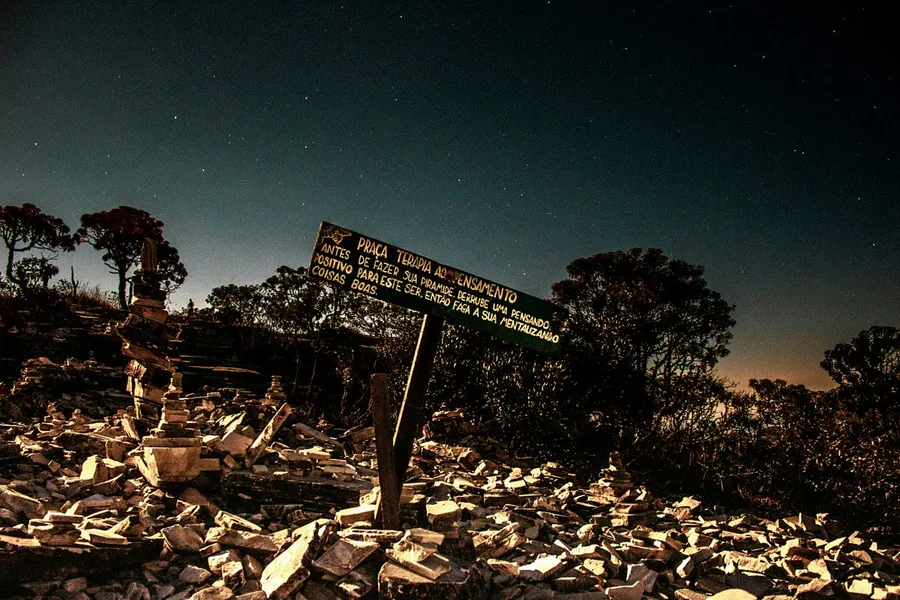
Photo by Antonino Visalli on Unsplash
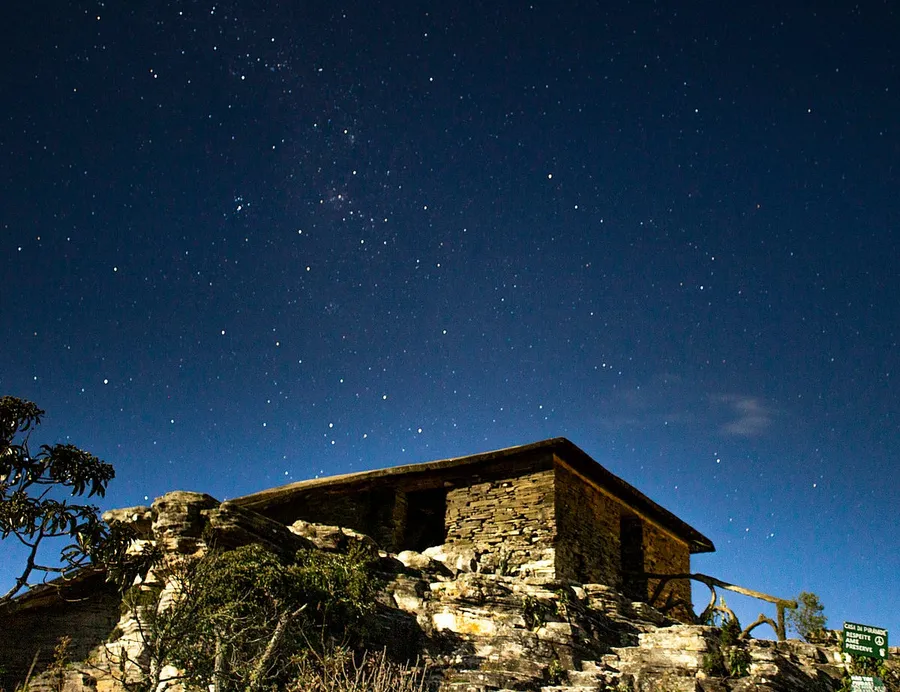
Photo by Antonino Visalli on Unsplash

Written by
Marien CartelProfessional and Certified Digital Photographer born in the USA, with 22 years of experience in the field of photography.
Related Guides
Best Camera for Automotive Photography
What I Actually Reach For When I’m Shooting Cars. Here is how the Canon EOS R5, Sony a7 IV and Nikon Z6 III compare, and the one I keep going back to.
Best Cameras for Virtual Production
After I Wasted a Full Shoot Day Finding Out — why the Sony FX6 and Sony FX9 made the list, and who each one really suits.
Best DSLR Cameras for Beginners: (Guide & Reviews)
My Hands-On Experience with the Best Beginner-Friendly Cameras — why the Canon EOS Rebel T7 and Nikon D3500 made the list, and who each one really suits.