Best Camera for Night Sky Time Lapse: Top Bodies Compared by Budget
As an Amazon Associate we earn from qualifying purchases. Some links in this guide are affiliate links, see our affiliate disclosure for details.
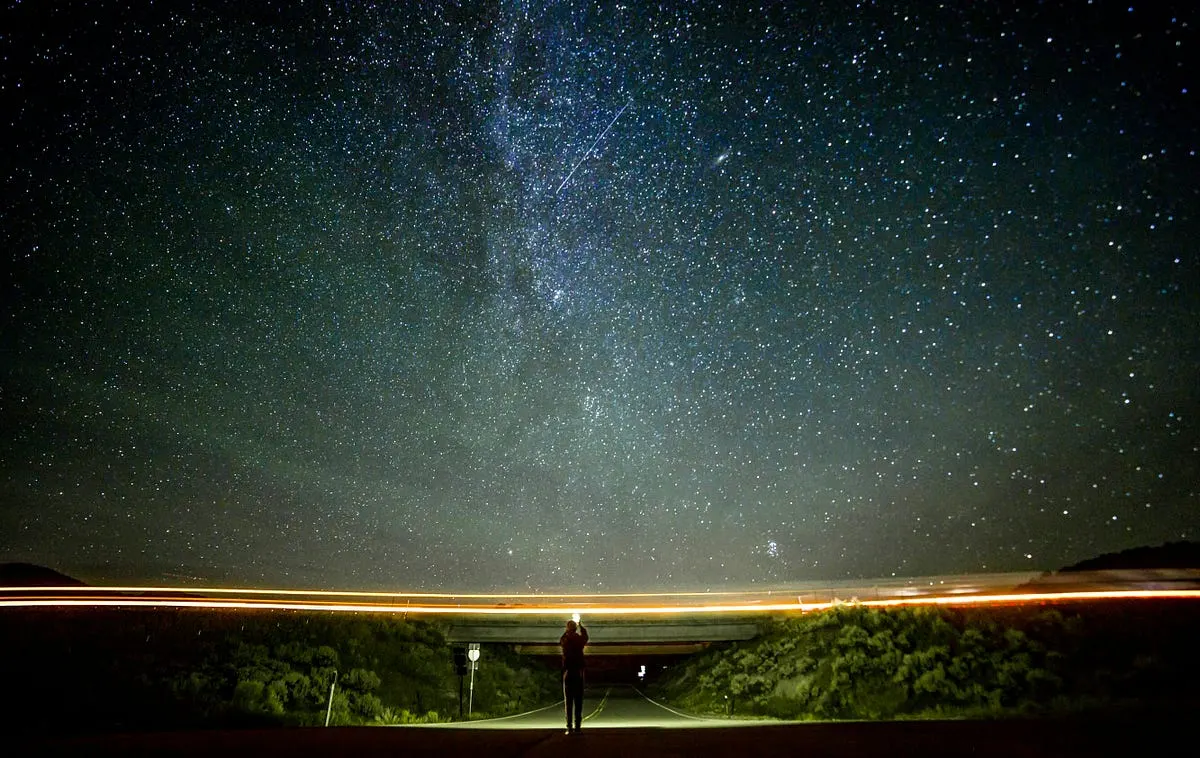
Photo by Alejandro Perez on Unsplash
Best Options for night sky time-lapse
experienced photographers recommend an intervalometer, built into the camera or external, rather than the camera's own time-lapse feature for astrophotography. It also lists its best cameras for night photography.
Choosing the best camera for night sky time-lapse photography can be daunting, especially for beginners who want to capture celestial events like the Aurora Borealis or the Milky Way. This guide covers the features that matter and a sensible budget pick.
Best Cameras for Night Photography
- Canon T7 — See Which camera is best for night sky time-lapse? on Amazon
- Canon M20 Mark II — See Which camera is best for night sky time-lapse? on Amazon
The Quest for the Right Camera
At a budget of around $400 to $600, entry-level models such as the Canon T7 are common candidates, but they have limits for time-lapse work.
The Canon T7 lacks a built-in time-lapse feature, so it needs an external intervalometer for aurora time-lapse videos. Relying solely on a camera’s built-in time-lapse function may not give the best results either.
Many experienced photographers advise against relying on built-in time-lapse video modes for astrophotography because of their limitations in handling tricky lighting conditions. Instead, they recommend an intervalometer — built into the camera or as an external accessory — to take a series of still photos that can later be compiled into a time-lapse video on a computer.
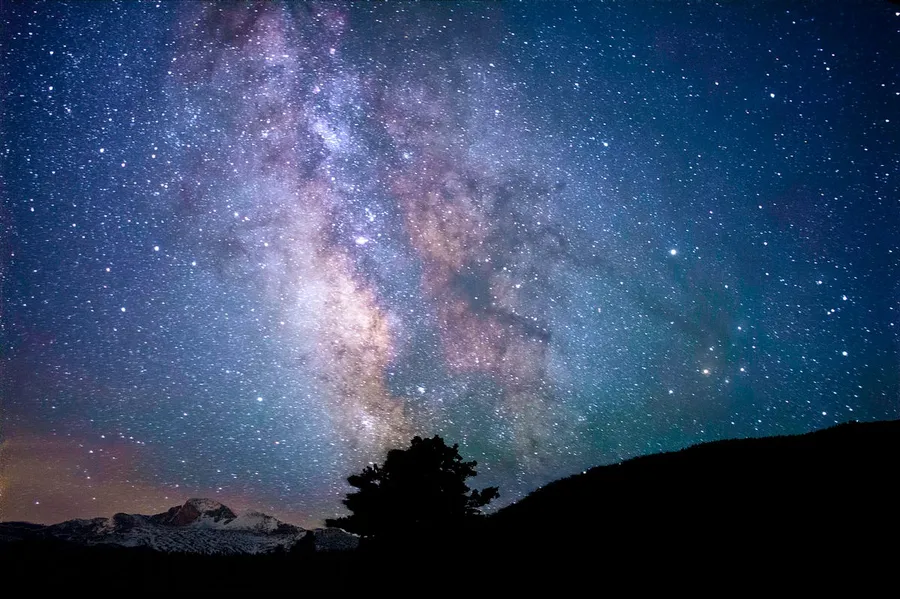
Photo by Jeremy Thomas on Unsplash
Understanding Camera Features
Key features for astrophotography include:
- Low-Light Performance: A camera with excellent low-light capabilities is essential for capturing clear images of stars and celestial events.
- Interchangeable Lenses: This feature allows for greater flexibility in choosing lenses suitable for different types of shots, especially wide-angle lenses for expansive night sky views.
- RAW Image Format: Shooting in RAW provides greater editing flexibility later, allowing exposure and details to be adjusted without sacrificing image quality.
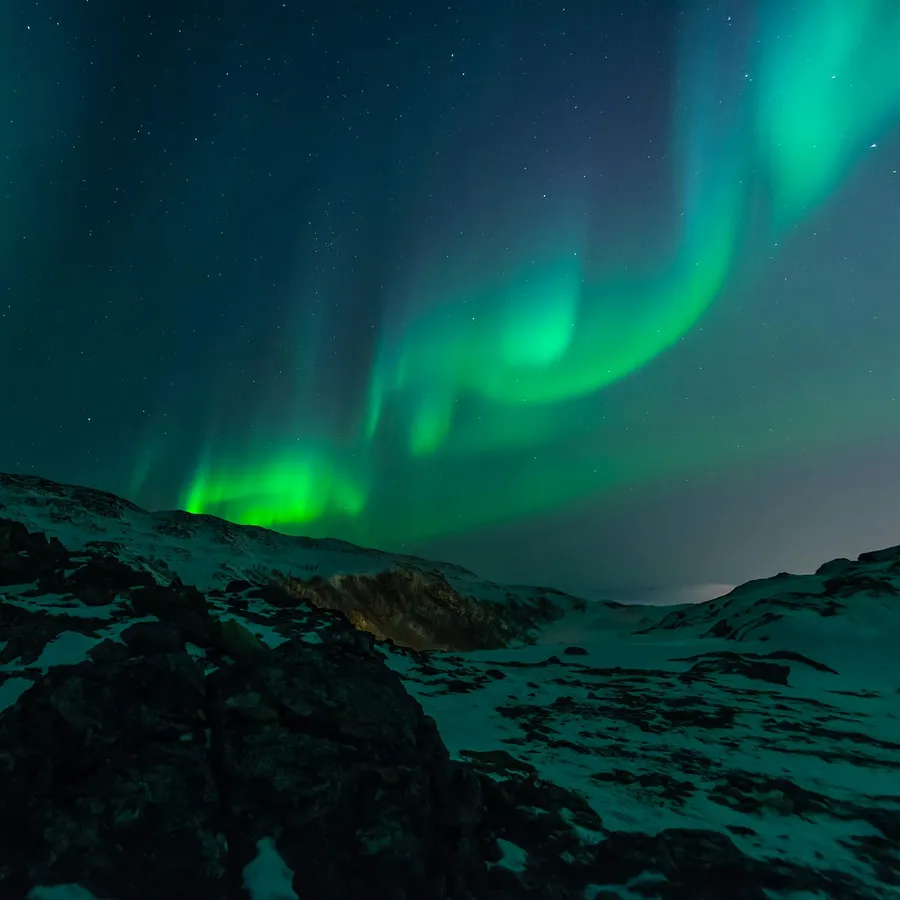
Photo by Marcelo Quinan on Unsplash
Making Decision
The Sony ZV-E10 stands out for its low-light performance and user-friendly interface, which suits both beginners and more experienced photographers. Its ability to shoot in RAW format also allows high-quality images suitable for social media and personal projects.
Preparing for Astrophotography
Preparation for a first astrophotography outing involves techniques specific to night sky photography, such as:
- Finding Dark Skies: Light pollution can severely affect astrophotography, so locating dark areas away from city lights is crucial.
- Using a Tripod: A sturdy tripod is essential to prevent camera shake during long exposures.
- Setting Up an Intervalometer: Practice using an intervalometer to automate the process of taking multiple exposures over time.
Capturing the Night Sky
Conclusion
For anyone starting night sky time-lapse photography, the advice is to invest time in understanding equipment and techniques. Many cameras are available, and choosing one that aligns with specific needs — such as low-light performance and versatility — will improve results. With patience and the right tools, it is possible to capture the Milky Way and the auroras.
More options: Why Your Time-Lapse Looks Jerky, 6 Best Video Camera for Time lapse, plus the shutter & ISO calculator.
Camera & Lens Settings by Real-World Use Case
Match your focal length, aperture, shutter speed, and lighting modifier to the exact environment you shoot in.
Astrophotography, Milky Way, Moon & Northern Lights
- Best Body:
- Sony a7 IV / Sony a7 III / Nikon Z6 II & III
- Ideal Lens:
- Sony 20mm f/1.8 G or Viltrox 16mm f/1.8 (Milky Way) / 200–600mm (Moon)
- Aperture & Shutter:
- f/1.4 – f/2.0 (Milky Way); f/8 (Moon craters, which are lit by direct sunlight) · 15s – 20s (Milky Way); 1s – 4s (Aurora Borealis); 1/250s (Moon)
- Room Distance:
- Manual focus locked precisely on a bright star at 10x screen magnification
YouTube Talking-Head, Podcasting & Desk Streaming
- Best Body:
- Sony ZV-E10 II / Sony a6700 / Canon EOS R50
- Ideal Lens:
- Sigma 16mm f/1.4 DC DN (APS-C) or 24mm f/1.8 (Full Frame)
- Aperture & Shutter:
- f/1.4 – f/2.0 (separates speaker from a close desk wall within 4 feet) · 1/50s (for 24fps) or 1/60s (for 30fps) — 180-degree shutter rule
- Room Distance:
- 0.8m – 1.4m (2.5 to 4.5 ft desk arm mount)
Overhead Top-Down Videos (Cooking, Crafts, Art & Unboxings)
- Best Body:
- Sony ZV-E10 II / Sony a6400 / Canon EOS R50
- Ideal Lens:
- Sigma 18–50mm f/2.8 DC DN or Sony E 15mm f/1.4 G / 24mm f/2.8
- Aperture & Shutter:
- f/4 – f/5.6 (deep enough that hands lifting objects off the table stay in focus) · 1/60s (30p) or 1/120s (60p for smooth hand movements)
- Room Distance:
- 0.7m – 1.1m directly above the tabletop

Written by
Marien CartelMarien Cartel runs Marien Cartel Photography, a camera and lens buying-guide site, and photographs the gear shown on it.
Related Guides

Best Camera for Kitchen Video: Top Bodies Compared by Budget
Best Camera for Kitchen Video — Canon EOS R5, Nikon D850 and Sony A7 IV compared, with pros, cons and who should buy which.
6 Best Video Camera for Time lapse: (Guide & Reviews)
Best Video Camera for Time lapse — Nikon D850, Fujifilm X-T4 and Olympus OM-D E-M10 Mark IV compared, with pros, cons and who should buy which.
Best Camera for Night Sky Photography
Best Camera for Night Sky Photography — a practical buying guide covering what matters, common mistakes and what to buy.
3 Best Time Lapse Camera for Plants: Field Setup & Key Specs
Which Time Lapse Camera for Plants is worth buying? See how Brinno TLC2020, GoPro Hero 12 and Canon EOS Rebel T7 stack up on specs, performance, and budget.

Best Camera for Portraits Under $1000: Top Bodies Compared by Budget
Compare the best cameras for portraits under $1,000, led by the Canon EOS R10 and Sony a6400 with accurate eye-detection autofocus and natural skin tones.
Best Camera for Digital Nomads: Top Bodies Compared by Budget
Best Camera for Digital Nomads: a side-by-side look at Sony a7C II and Fujifilm X-S20, with strengths, trade-offs and buying advice.