Best Lenses for Studio Photography
As an Amazon Associate we earn from qualifying purchases. Some links in this guide are affiliate links, see our affiliate disclosure for details.
Top Picks & Key Specifications at a Glance
| Model | Best For | Mount / System | Key Optical & Sensor Specs | Check Price |
|---|---|---|---|---|
1Recommended Gear for studio photography | Top Overall Pick | Interchangeable-Lens System | 24-70mm · f/2.8 | Amazon ↗ |
2The Classic & The Detail Hunter: The 50mm f/1.8 | Recommended Pick | Interchangeable-Lens System | 50mm · f/1.8 | Amazon ↗ |
3The Final Frame | Recommended Pick | Interchangeable-Lens System | 50mm · f/1.8 | Amazon ↗ |
Photo by Randy Fath on Unsplash
Recommended Gear for studio photography
Top recommendations include the 24-70mm f/2.8 as the workhorse, the 85mm f/1.4 or f/1.8 as the portrait perfectionist, the 50mm f/1.8 as the classic and the 70-200mm f/2.8 for flexibility.
There’s a unique kind of magic in a photography studio. The blank canvas of a seamless backdrop, the total control of every light, the quiet hum of a strobe recycling… it’s a place where ideas are born and meticulously crafted.
A superzoom such as an 18–200mm f/3.5–6.3 is a common starting lens for studio work.
The results are usually mediocre.
Images tend to be soft. Not a beautiful, ethereal softness, but a frustrating lack of sharpness. Distortion is noticeable, and the overall look can feel cheap.
The camera body captures the light, but the lens crafts it.
So, What Is The Best Lens for Studio Photography?
For most studio work — portraits, products, and still life — you’re looking for a lens with three key qualities:
- Prime Sharpness: You need exceptional sharpness and clarity to capture every detail your high-resolution sensor is capable of.
- Fixed, Wide Aperture: An aperture of f/2.8 or wider (e.g., f/1.8, f/1.4) gives you a bright viewfinder for focusing and allows you to create beautiful shallow depth-of-field when you want it, even if you’ll often be shooting at f/8 or f/11 for maximum sharpness.
- A Flattering Focal Length: This is crucial for avoiding distortion and creating a natural perspective on your subject.
Based on this, here are the champions of the studio:
1. The Workhorse: The 24–70mm f/2.8
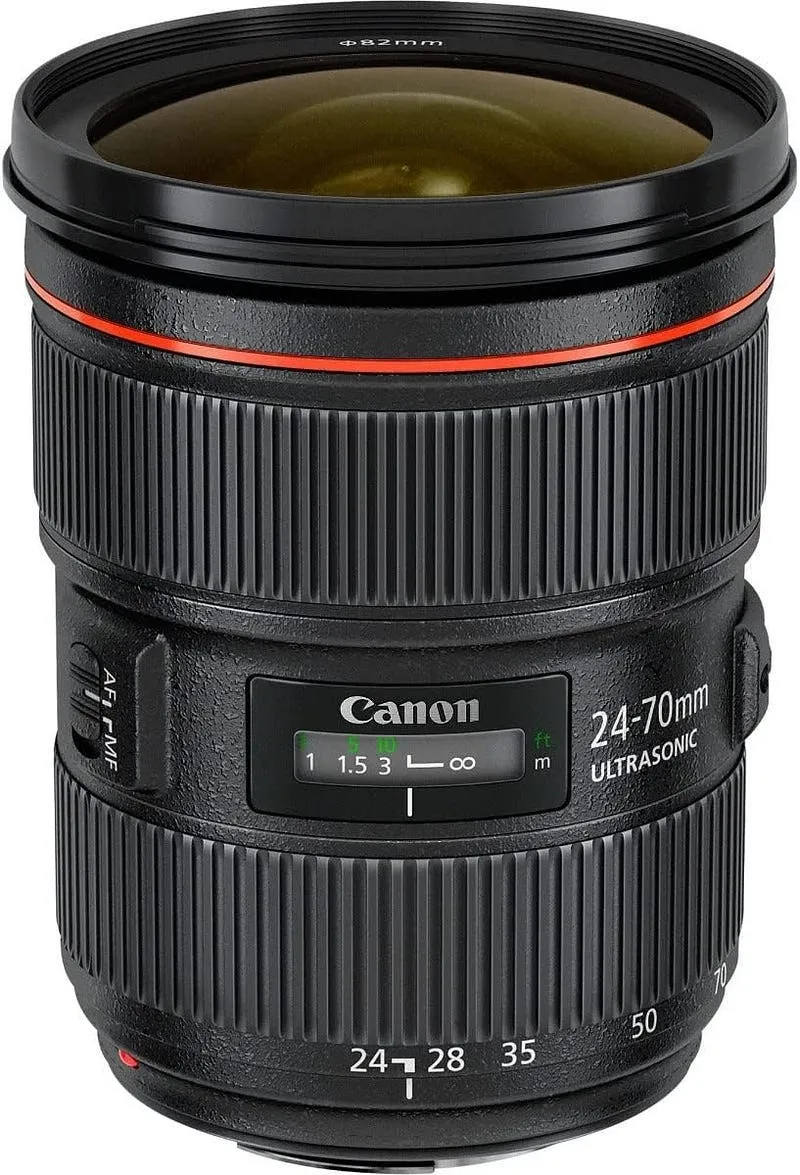
It’s the ultimate versatile tool.
- Why it’s great: The zoom range is incredibly flexible. At 70mm, it’s a perfect short telephoto for classic headshots and three-quarter-length portraits. Zoom out to 35mm or 24mm, and you can capture full-body shots or environmental portraits without having to back yourself into a wall. The constant f/2.8 aperture is bright and reliable. It’s the Swiss Army knife you can trust for almost any studio scenario.
2. The Portrait Perfectionist: The 85mm f/1.4 (or f/1.8)
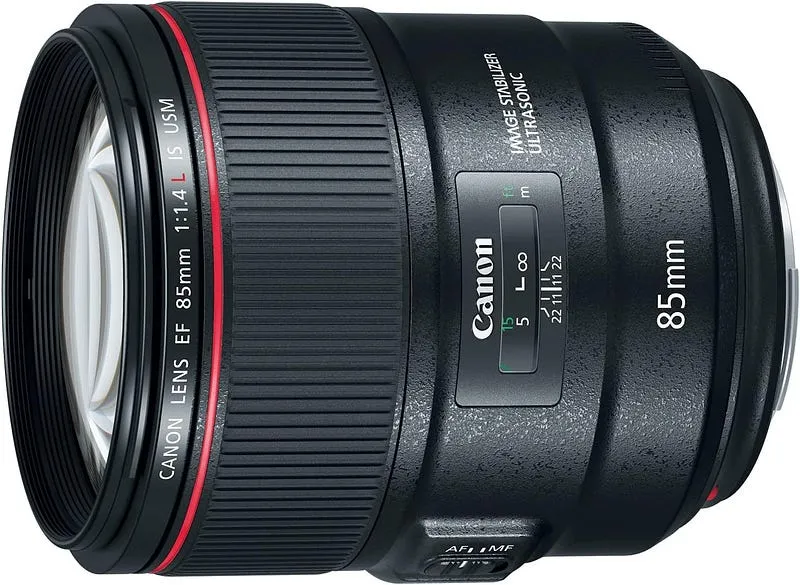
The sharpness is breathtaking.
- Why it’s great: The 85mm focal length is famously flattering for portraits. It compresses facial features beautifully and creates incredibly smooth, creamy bokeh (even if you stop it down for studio work, the optical quality remains). It forces you to move your feet and connect with your subject, and the image quality is almost always superior to a zoom.
3. The Classic & The Detail Hunter: The 50mm f/1.8
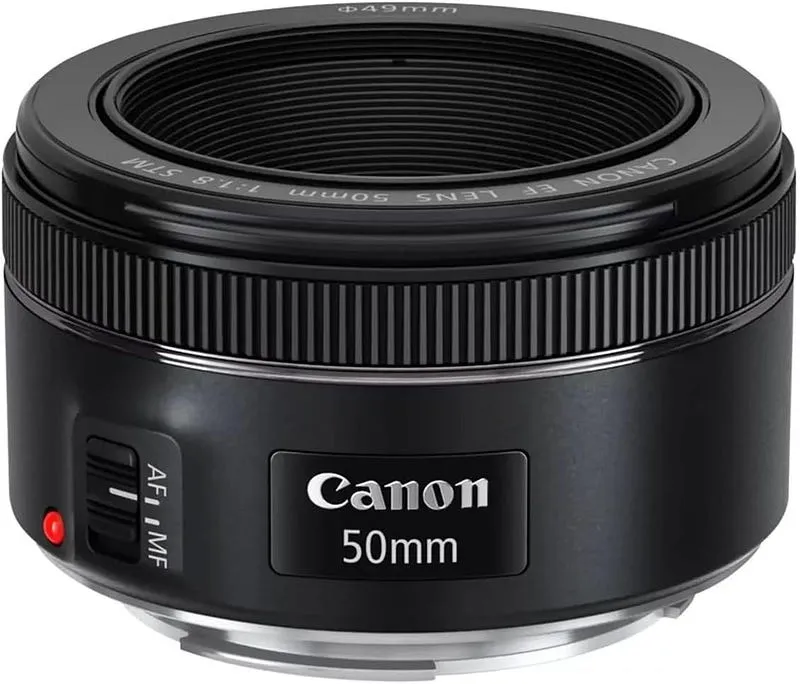
The “nifty fifty.” Don’t let its affordable price tag fool you. This lens is an optical gem.
- Why it’s great: It closely matches the perspective of the human eye, giving your images a natural, authentic feel. It’s small, light, and incredibly sharp, especially when stopped down to f/4 or f/5.6. It’s fantastic for product photography, full-body portraits in tighter studios, and as a general-purpose creative tool.
4. The Ultimate Flexibility: The 70–200mm f/2.8
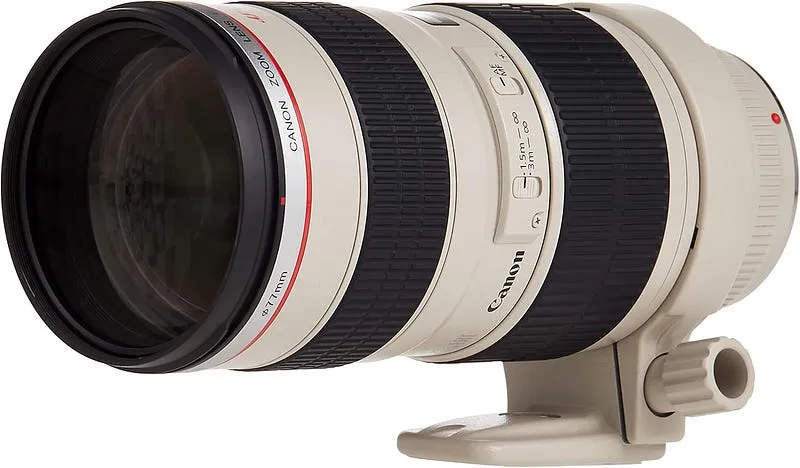
If you have the space, this lens is a portrait powerhouse.
- Why it’s great: The compression at the longer end (135mm-200mm) is sublime, perfectly smoothing skin and isolating your subject from the background. It allows you to shoot from a comfortable distance without crowding your model, which can help them feel more at ease. It’s also incredibly sharp across its entire range.
Check 4. The Ultimate Flexibility: The 70–200mm f/2.8 on Amazon
Journey: From Zoom to Bloom
A better lens is often what makes clients comment on the “professional quality” and “amazing detail” of the images.
The Final Frame
If you’re investing in a studio setup, prioritize your lens. A great lens on a modest camera body will outperform a mediocre lens on a top-tier body every single time.
Start with a 50mm f/1.8. It’s the single best value in photography and will teach you more about composition and light than any other piece of gear. From there, grow based on your needs:
- Portrait Photographer? Save for an 85mm prime.
- A Generalist? The 24–70mm f/2.8 zoom is your ultimate goal.
Your lens is your voice. Make sure it’s saying something beautiful.
What’s your studio lens story? What’s your favorite piece of glass?
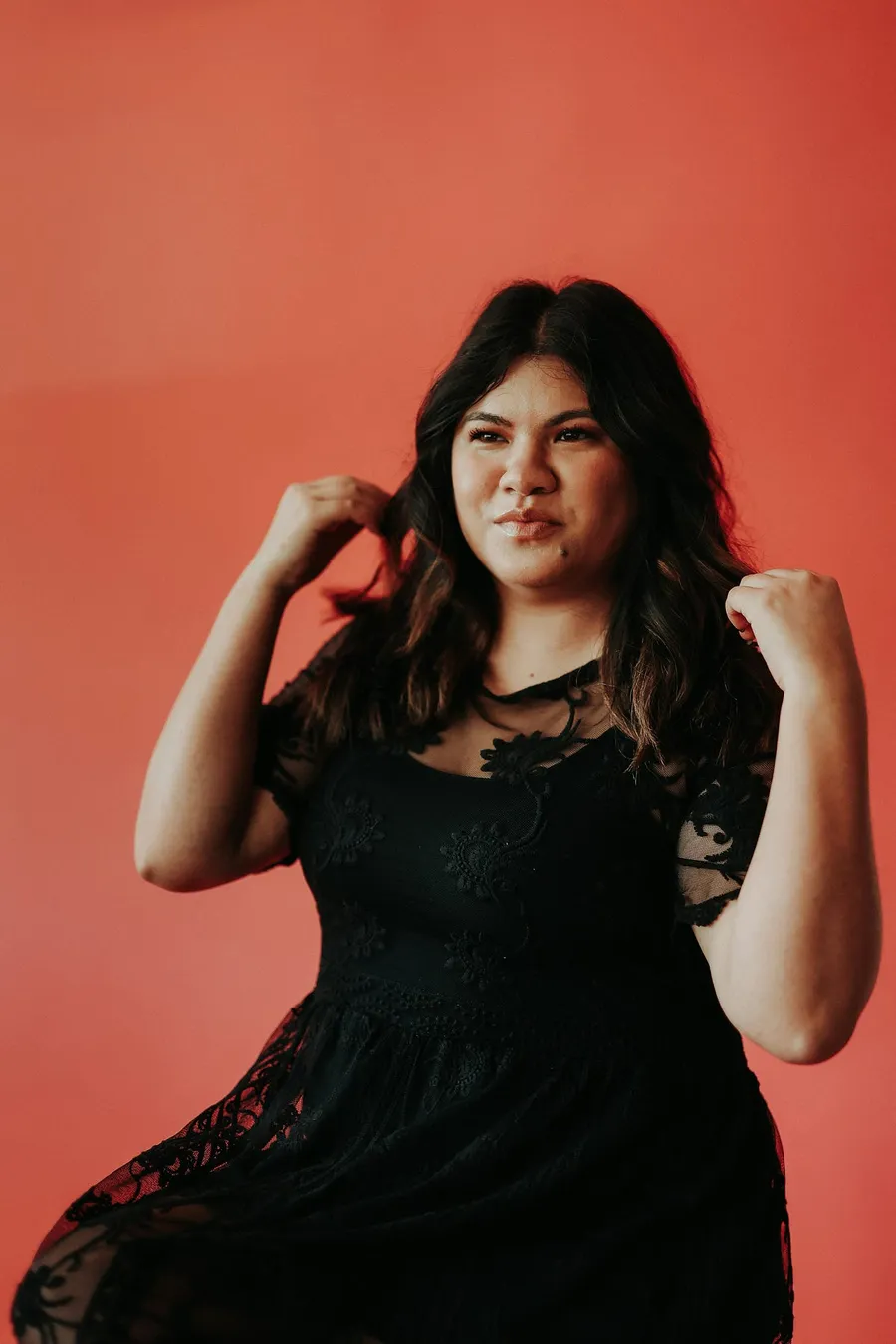
Photo by Adrian Ordonez on Unsplash
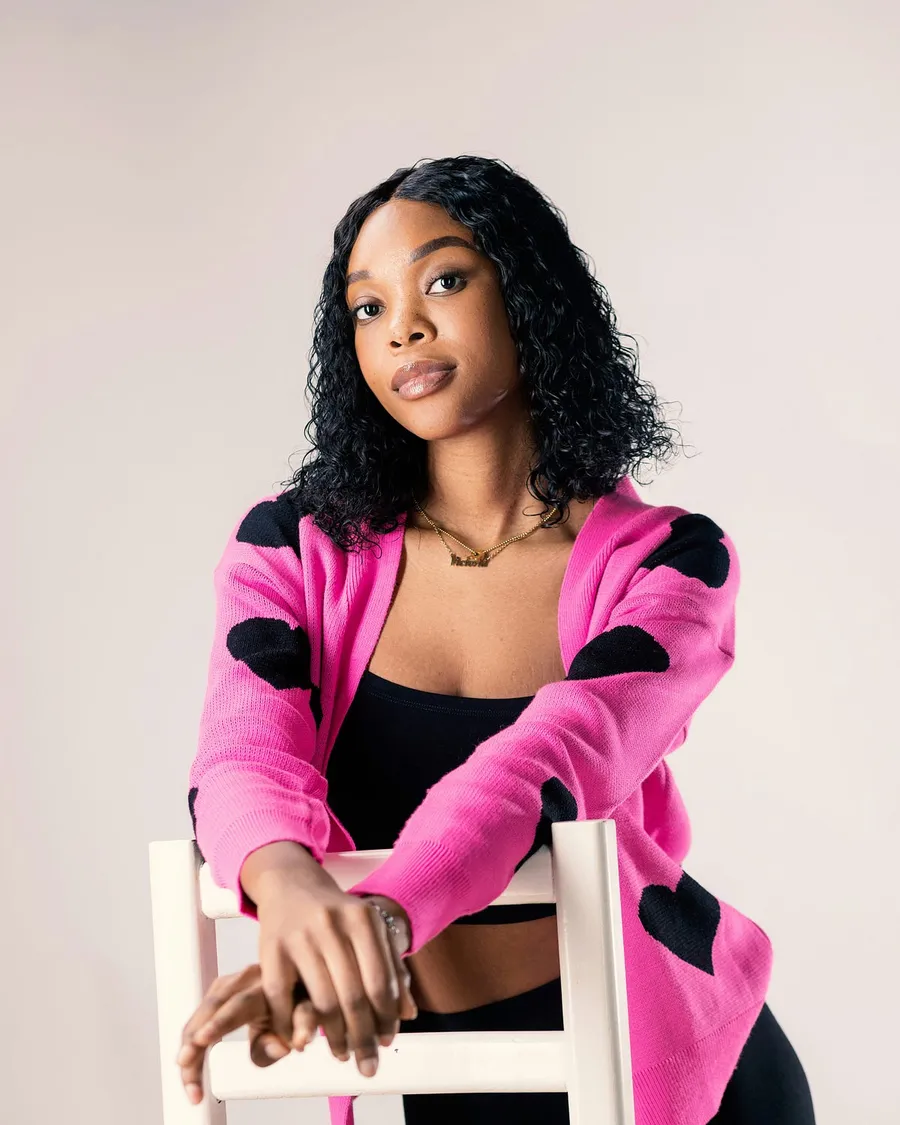
Photo by Shalom Ejiofor on Unsplash
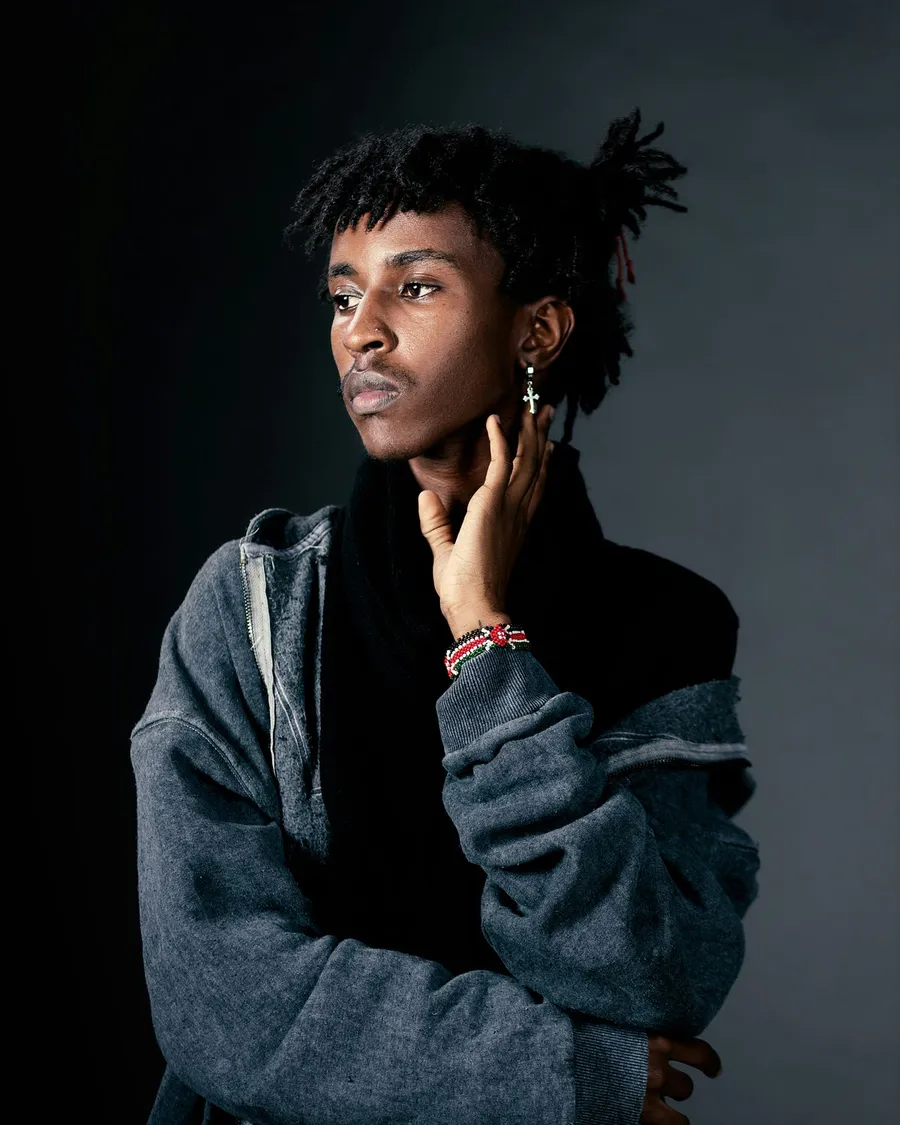
Photo by Shalom Ejiofor on Unsplash
More picks
- mm f/1.8 — Check mm f/1.8 Price on Amazon
- –70mm f/2.8 — Check –70mm f/2.8 Price on Amazon
More options: Best Camera for Studio Photography, Best Lenses for Canon EOS C50, plus the focal length simulator.
Common Buying & Setup Questions
What is the top pick in Best Lenses for Studio Photography?
The Recommended Gear for studio photography (24-70mm · f/2.8, Interchangeable-Lens System) leads our shortlist as the top overall pick, followed closely by the The Classic & The Detail Hunter: The 50mm f/1.8 (50mm · f/1.8).
What focal length, aperture, and shutter speed work best for jewelry, watches, diamonds & fine collectibles?
For jewelry, watches, diamonds & fine collectibles, pair a 90mm – 105mm (gives working room so the lens barrel doesn't block light) lens at f/8 – f/11 with 10–25 focus-stacked frames with a shutter speed of Electronic front-curtain shutter on tripod (2-sec self-timer) and a working distance of 0.25m – 0.45m (10 to 18 inches). Recommended setup: Diffused light cone/tent + black flag cards to define metal edges + 5500K high-CRI continuous LEDs..
Camera & Lens Settings by Real-World Use Case
Match your focal length, aperture, shutter speed, and lighting modifier to the exact environment you shoot in.
Jewelry, Watches, Diamonds & Fine Collectibles
- Best Body:
- Canon EOS R5 / Nikon Z7 II / OM System OM-1 Mark II
- Ideal Lens:
- 90mm – 105mm f/2.8 1:1 Macro Lens
- Aperture & Shutter:
- f/8 – f/11 with 10–25 focus-stacked frames · Electronic front-curtain shutter on tripod (2-sec self-timer)
- Room Distance:
- 0.25m – 0.45m (10 to 18 inches)
eBay, Depop, Poshmark & Whatnot Live Resellers
- Best Body:
- Sony ZV-E10 II / Canon EOS R50 / Sony Alpha a6400
- Ideal Lens:
- 16–50mm PZ or Sigma 18–50mm f/2.8 DC DN (covers flat-lays to close-up tags)
- Aperture & Shutter:
- f/4 – f/7.1 (stills flat-lays so corners stay sharp); f/2.8 (Whatnot live stream) · 1/125s (stills) or 1/60s (USB-C live stream)
- Room Distance:
- 0.5m – 1.8m (tabletop or mannequin stand)
Real Estate, Interior Design & Architecture Tours
- Best Body:
- Sony a7 IV / Nikon Z7 II / Canon EOS R6 Mark II
- Ideal Lens:
- 14–24mm f/2.8 or 16–35mm f/4 Rectilinear Zoom (Sony 16–35mm / Canon RF 14–35mm)
- Aperture & Shutter:
- f/8 – f/9 (sweet spot for corner-to-corner sharpness across rooms) · Aperture Priority AEB (3 or 5 bracketed frames at ±2 EV on tripod)
- Room Distance:
- Corner-to-corner room depth at 1.2m–1.4m tripod height

Written by
Marien CartelMarien Cartel runs Marien Cartel Photography, a camera and lens buying-guide site, and photographs the gear shown on it.
Related Guides
Best Camera for Studio Photography
Best Camera for Studio Photography — Canon EOS 5D Mark IV, Sony A7R III and Canon EOS R5 compared, with pros, cons and who should buy which.
Best Lenses for Interior Photography: Prime & Zoom Options Compared
Best Lenses for Interior Photography: Canon R6 Mark II and Canon EOS R6 Mark II compared on features, price and who each one suits.
Best Canon RF Lenses for Product Photography
Top options include the RF 100mm f/2.8L Macro IS USM, RF 50mm f/1.8 STM, RF 85mm f/2 Macro IS STM, RF 24-70mm f/2.8L IS USM and RF 35mm f/1.8 Macro IS STM.
Best Lenses for Architectural Photography
Best Lenses for Architectural Photography — what the Canon EF 16–35mm f/2.8L III offers, where it falls short, and whether it is worth buying.
What Camera Is Best for Taking Good Food Pictures
The best camera for food photos is one with a flexible screen, good macro lens options and a tripod-friendly setup. Features, picks and settings explained.
Best Camera for Interior Design Photography
Best Camera for Interior Design Photography — Canon 5D Mark IV, Canon EF 24–70 f/2.8 and Canon 80D compared, with pros, cons and who should buy which.