Best Cameras for Bird Photography: A Personal Journey
As an Amazon Associate we earn from qualifying purchases. Some links in this guide are affiliate links — see our affiliate disclosure for details.
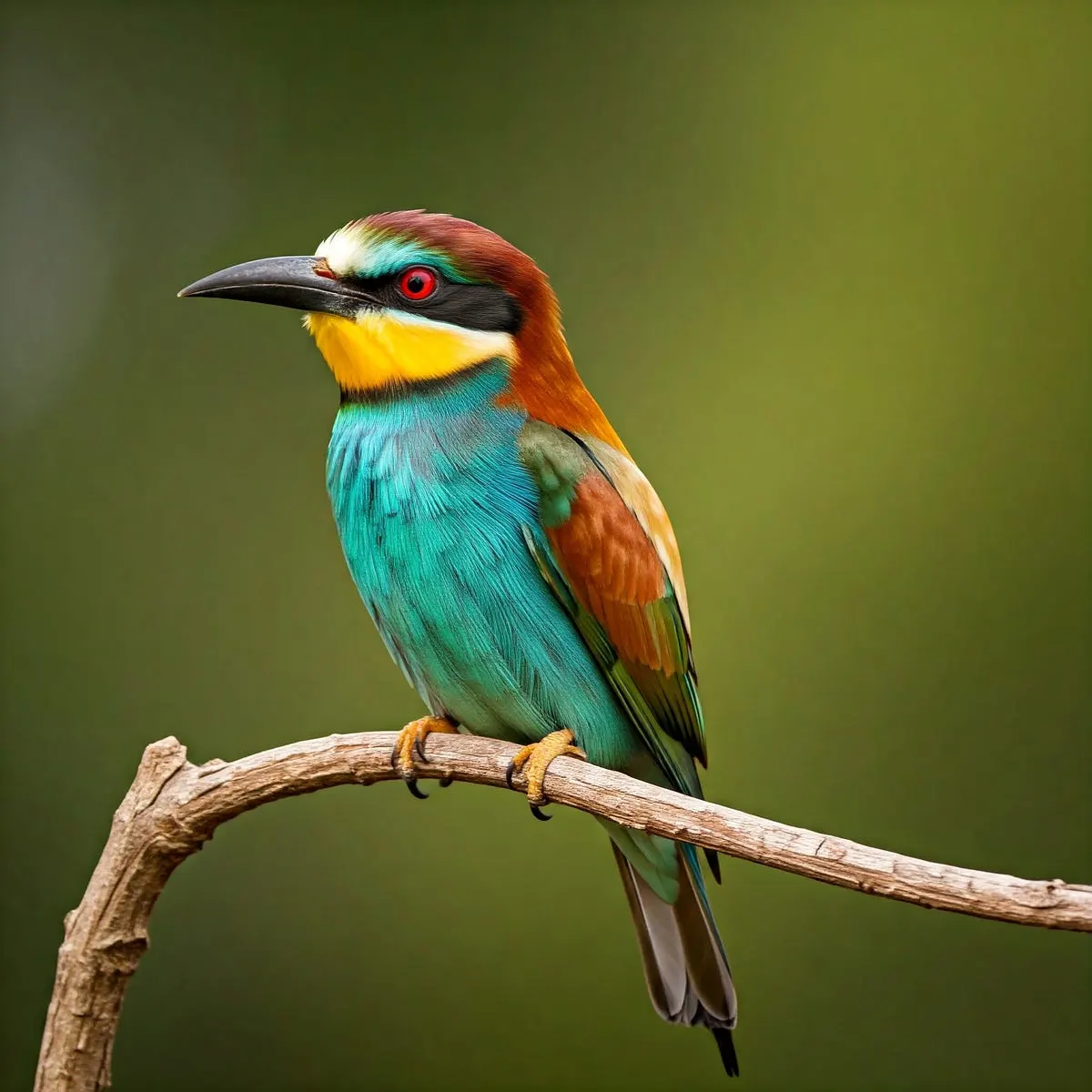
Remember that rush of adrenaline? You’ve spent three hours hidden in a blind, silent and still, when suddenly — a flash of iridescent blue! The rare Indigo Bunting lands just long enough for you to raise your camera… and then it’s gone. You check the LCD screen: a blurry streak against the sky. Your camera, beloved as it might be for landscapes, simply couldn’t keep up. The autofocus was too slow, the frames per second (FPS) was abysmal, and the moment — the pin-sharp moment — was lost forever.
Bird photography is a relentless challenge. It demands speed, reach, and a camera that feels less like a tool and more like an extension of your eye. After countless blurry shots and frustrating near-misses, I realized the equipment wasn’t just a luxury; it was the deciding factor between a wall-hanger and a deleted file.
The requirements for a truly great bird photography setup are non-negotiable:
- Lightning-Fast Autofocus: It must track erratic subjects moving across complex backgrounds. Forget contrast detection; we need phase-detection or, even better, advanced subject-recognition (like Animal Eye AF).
- High FPS: For a bird taking flight, you need a burst rate of at least 10–15 frames per second (or more) to capture that single perfect wing position.
- Cropping Power & Reach: Given that most birds are small and far away, you need a high-resolution sensor (for heavy cropping) or an APS-C/Micro Four Thirds sensor (for the built-in “telephoto boost”).
- Low Light Capability: Many prime birding hours are at dawn or dusk, demanding clean performance at high ISO settings.
- Weather Sealing: Because birds don’t wait for sunny days.
I dove into the latest mirrorless options and enduring DSLR classics, searching for the perfect blend of performance and value.
The Flagship Performance: The Sony A1/A9 Series (or Canon R5/R6 II)
These are the speed demons, and for good reason. They are the benchmark for capturing movement, but they come with a hefty price tag.
Why They Win:
- Unrivaled Tracking AF: Cameras like the Sony A9 II and Canon R5 have dedicated Animal Eye AF that locks onto a bird’s eye and refuses to let go, even when it’s flying erratically against a busy sky.
- Staggering FPS: The ability to shoot at 20–30 FPS silently (electronic shutter) means you don’t just capture a moment; you capture an entire sequence.
- Image Quality: Full-frame sensors deliver exceptional quality, crucial for maintaining detail when you inevitably need to crop in heavily.
The “Buts”:
- Price: This setup requires a professional budget for the body and the required telephoto glass (the lens is often the most expensive part).
- Bulk: While the bodies are smaller than DSLRs, the lenses needed for serious birding (500mm or 600mm) are still massive.
The Mid-Range Sweet Spot: Fujifilm X-T5 or Canon EOS R7
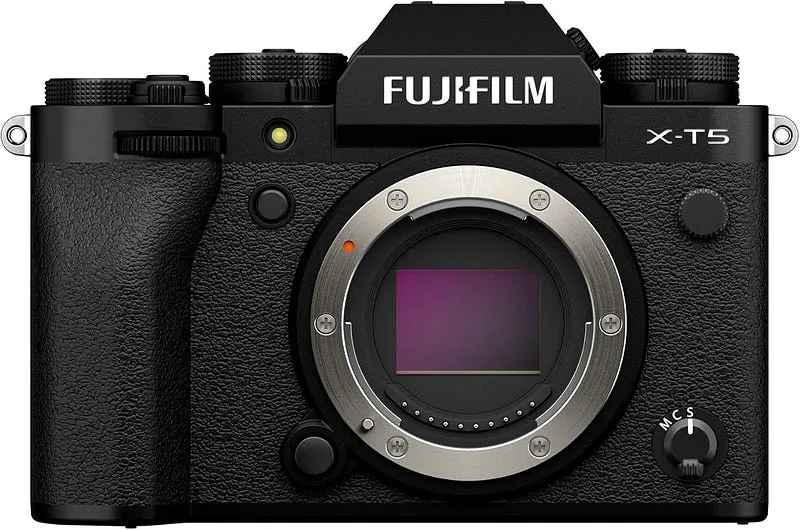
For the enthusiast who needs serious performance without taking out a second mortgage, the APS-C (cropped sensor) mirrorless cameras are the game-changer.
Why They Win:
- The Telephoto Advantage: An APS-C sensor instantly multiplies your lens’s focal length by 1.5x (Canon, Fuji) or 1.6x (Sony). A 400mm lens suddenly behaves like a 600mm, saving thousands on glass and drastically reducing size/weight.
- Excellent Speed: Modern cropped sensor cameras, like the Canon R7, boast incredible speed (up to 30 FPS) and feature excellent Animal AF at a fraction of the flagship cost.
- Portable: Pairing them with mid-range telephoto zooms creates a lightweight package perfect for hiking.
The “Buts”:
- Low Light: The smaller sensor means higher ISO settings (used in dim light) will produce slightly more digital noise/grain compared to their full-frame brethren.
- Battery Life: Mirrorless cameras always burn through batteries faster than old-school DSLRs — carry spares!
The Ultimate Budget Option: The Superzoom (Bridge) Camera
If your budget is tight but you refuse to sacrifice reach, the bridge camera remains a surprisingly potent contender for casual birders. Look for models like the Nikon P1000 or the older Sony RX10 Series.
Why They Win:
- Unbelievable Reach: The Nikon P1000 offers a built-in zoom equivalent to a mind-boggling 3000mm. You will see things you never thought possible.
- Price and Simplicity: It’s an all-in-one package. No expensive lens purchases needed. It’s simple to use and generally fits well within the affordable category.
The “Buts”:
- Sensor Size: These cameras use tiny sensors. This means image quality falls apart quickly in low light, and the autofocus systems are significantly slower than mirrorless or DSLR systems.
- Trade-Off: You are trading quality and speed for sheer, raw reach. This is for the bird spotter who wants documentation more than fine art.
The Verdict & My Personal Philosophy Shift
Choosing a birding camera isn’t about buying the most expensive gear; it’s about choosing the right system that prioritizes speed and reach within your budget.
If I were starting fresh with a serious budget, I’d lean toward a mid-range APS-C mirrorless (like the Canon R7) for the incredible balance of frame rate, telephoto boost, and affordability.
The frustration of the blurry photo in the fading light is replaced by the joy of catching that perfect moment, frozen in pin-sharp clarity. Investing in a system that focuses on speed transforms your birding trips. You’re not just watching the birds; you’re preserving the beauty of their flight.
Now, which telephoto lens should we put on it? My credit card is ready.

Written by
Marien CartelProfessional and Certified Digital Photographer born in the USA, with 22 years of experience in the field of photography.
Related Guides
Best Camera for Automotive Photography
What I Actually Reach For When I’m Shooting Cars. Here is how the Canon EOS R5, Sony a7 IV and Nikon Z6 III compare, and the one I keep going back to.
Best Cameras for Virtual Production
After I Wasted a Full Shoot Day Finding Out — why the Sony FX6 and Sony FX9 made the list, and who each one really suits.
Best DSLR Cameras for Beginners: (Guide & Reviews)
My Hands-On Experience with the Best Beginner-Friendly Cameras — why the Canon EOS Rebel T7 and Nikon D3500 made the list, and who each one really suits.