Best Compact Cameras for Street Photography
As an Amazon Associate we earn from qualifying purchases. Some links in this guide are affiliate links, see our affiliate disclosure for details.
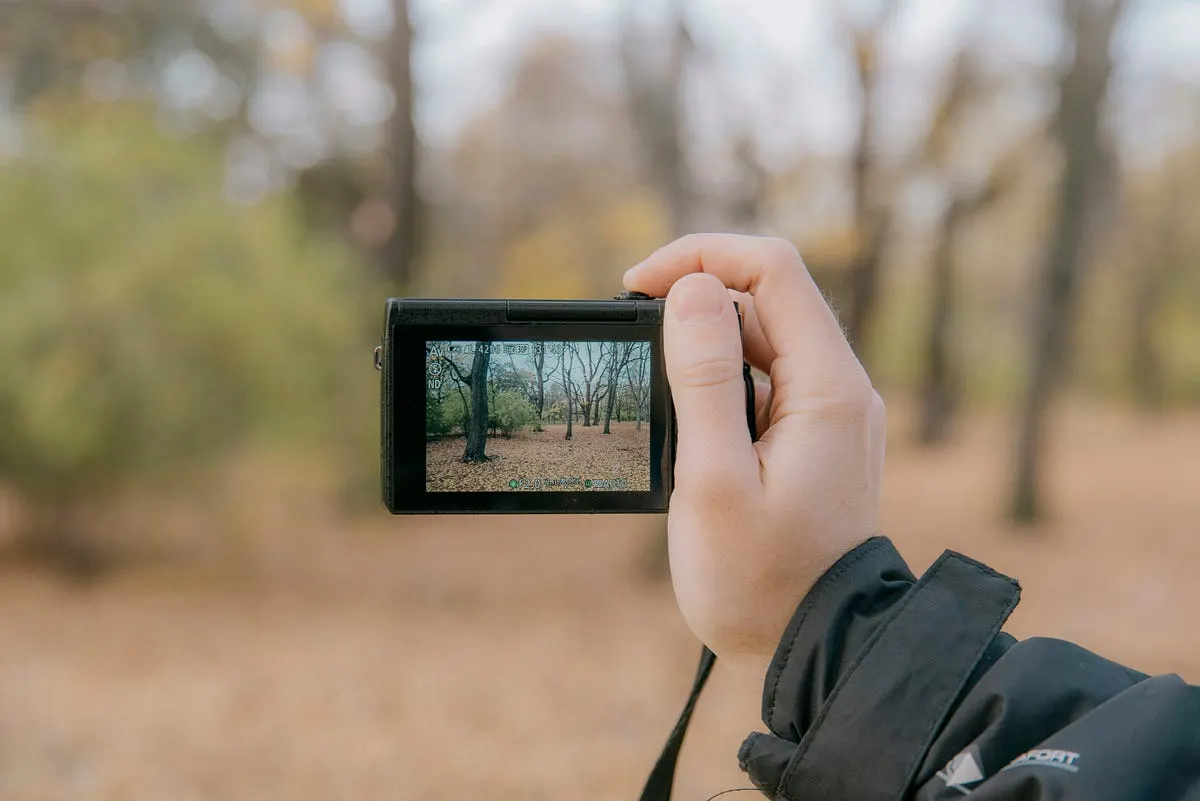
Photo by Hunter Scott on Unsplash
Which compact camera is best for street photography?
Key options include the Ricoh GR III and GR IIIx, Fujifilm X100 series, Sony RX100 series, Panasonic Lumix LX100 series and Canon PowerShot G series. It ends with a personal choice and the reasons for it.
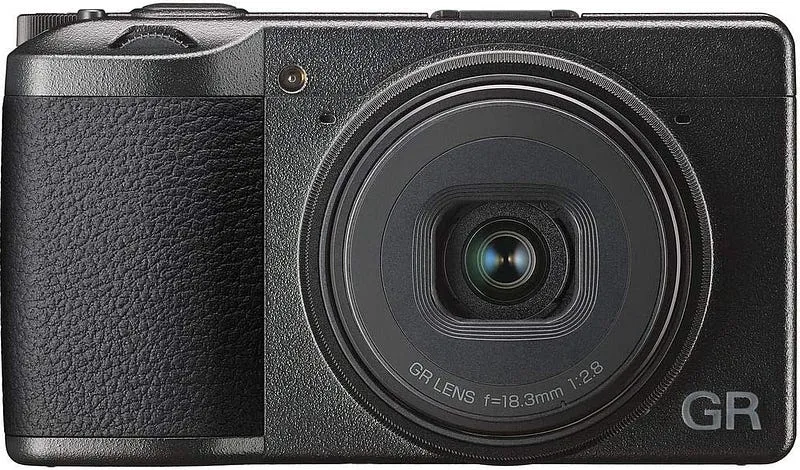
Ricoh GR III — Best Compact Cameras for Street Photography
What Makes a Great Compact for Street Photography?
- Size and Weight: This is paramount. You need a camera that won’t weigh you down and that you can easily slip into a pocket or small bag. The more comfortable you are carrying it, the more likely you are to have it with you when those photographic opportunities arise.
- Image Quality: Despite the small size, you still need a sensor and lens capable of producing sharp, detailed images with good dynamic range, especially if you plan on doing any post-processing.
- Fast and Accurate Autofocus: Street photography is often about capturing fleeting moments, so a camera that can focus quickly and accurately is crucial. You don’t want to miss “the shot” because your camera is still hunting for focus.
- Discreet Design: A camera that doesn’t scream “professional photographer” can be a huge advantage. A less intimidating camera often allows you to get closer to your subjects and capture more natural expressions.
- Manual Controls: While point-and-shoot functionality is useful, having manual control over aperture, shutter speed, and ISO gives you the creative freedom to adapt to different lighting conditions and achieve your desired look.
- Fixed Lens vs. Interchangeable Lens: Compact cameras can come with either a fixed lens or the ability to change lenses. Fixed lens cameras are generally smaller and simpler, while interchangeable lens compacts offer more versatility but can also be bulkier and more expensive. For street photography, a good quality fixed lens in the range of 28mm to 50mm (full-frame equivalent) is often ideal.
- Silent Shutter: In some situations, a quiet or completely silent shutter can be invaluable for capturing candid moments without disturbing your subjects.
Some Excellent Compact Cameras for Street Photography
Ricoh GR III / GR IIIx: These cameras have a cult following among street photographers for a good reason. They are incredibly compact, have a fantastic 28mm (GR III) or 40mm (GR IIIx) equivalent lens with excellent sharpness, and offer a surprising amount of manual control. The snap focus feature, which allows you to pre-set a focus distance, is also incredibly useful for quick shooting. The image quality from their APS-C sensor is top-notch.
Fujifilm X100 Series: These cameras boast a retro design that is both stylish and discreet. They feature a high-quality fixed 23mm lens (35mm equivalent), an APS-C sensor known for its beautiful color rendition, and a unique hybrid viewfinder that offers both optical and electronic viewing options. They are a joy to use and produce stunning images.
Sony RX100 Series: This series offers a range of compact cameras with a 1-inch sensor, which is larger than what you find in most point-and-shoots, resulting in excellent image quality. Different models offer varying zoom ranges, but even the base models with a shorter zoom are great for street photography. They are very pocketable and offer a good balance of features and performance.
Panasonic Lumix LX100 Series: These cameras feature a Micro Four Thirds sensor, which is larger than the 1-inch sensor found in the Sony RX100 series, and a fast, high-quality zoom lens (typically around 24–75mm equivalent). They offer excellent image quality and a good degree of manual control in a relatively compact body.
Canon PowerShot G Series: These cameras offer a good balance of size, features, and image quality. They typically have a 1-inch sensor and a versatile zoom lens. The G7 X Mark III, in particular, is popular for its fast performance and vlogging capabilities, which also make it suitable for capturing dynamic street scenes.
Choice and Why
The image quality from the APS-C sensor is fantastic, with great sharpness and lovely tonality. Even in challenging lighting conditions, the GR III performs admirably. While it might not have the zoom versatility of some other compacts, the prime lens encourages a different way of seeing and capturing the world.
Final Thoughts
Finding the best compact camera for street photography is a personal journey. What works perfectly for one person might not be ideal for another. Consider your shooting style, your budget, and what features are most important to you.
Don’t get too caught up in the technical specifications. The most important thing is to have a camera that you feel comfortable with and that allows you to capture the stories you see unfolding around you. The best camera is often the one you have with you.
So, get out there, explore your city, and start capturing the beautiful chaos of street life with your trusty compact by your side. You might be surprised at the stories you’ll discover.
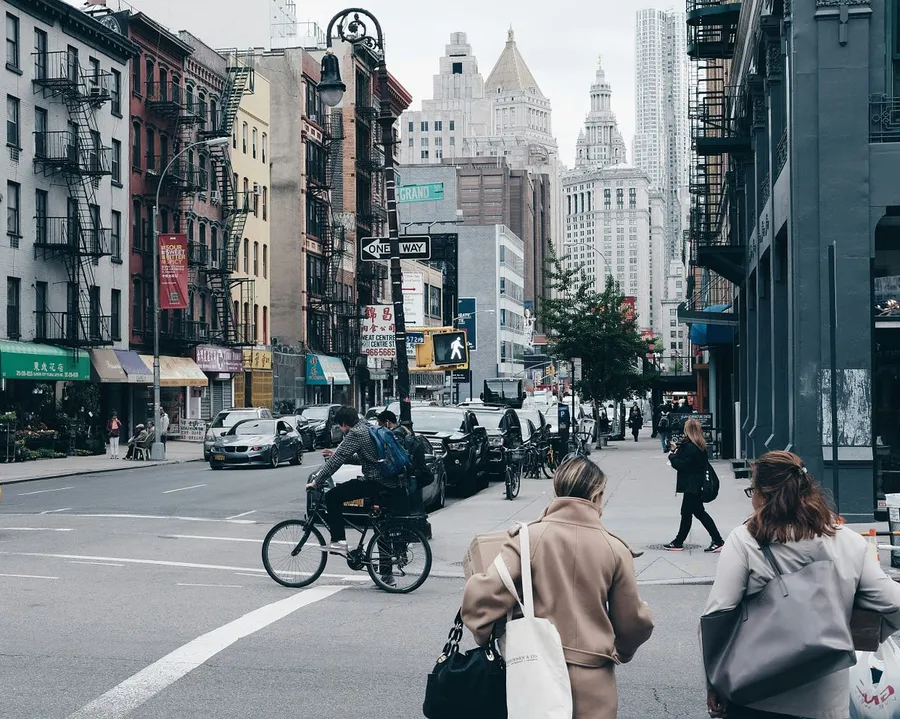
Photo by Sherzod Max on Unsplash
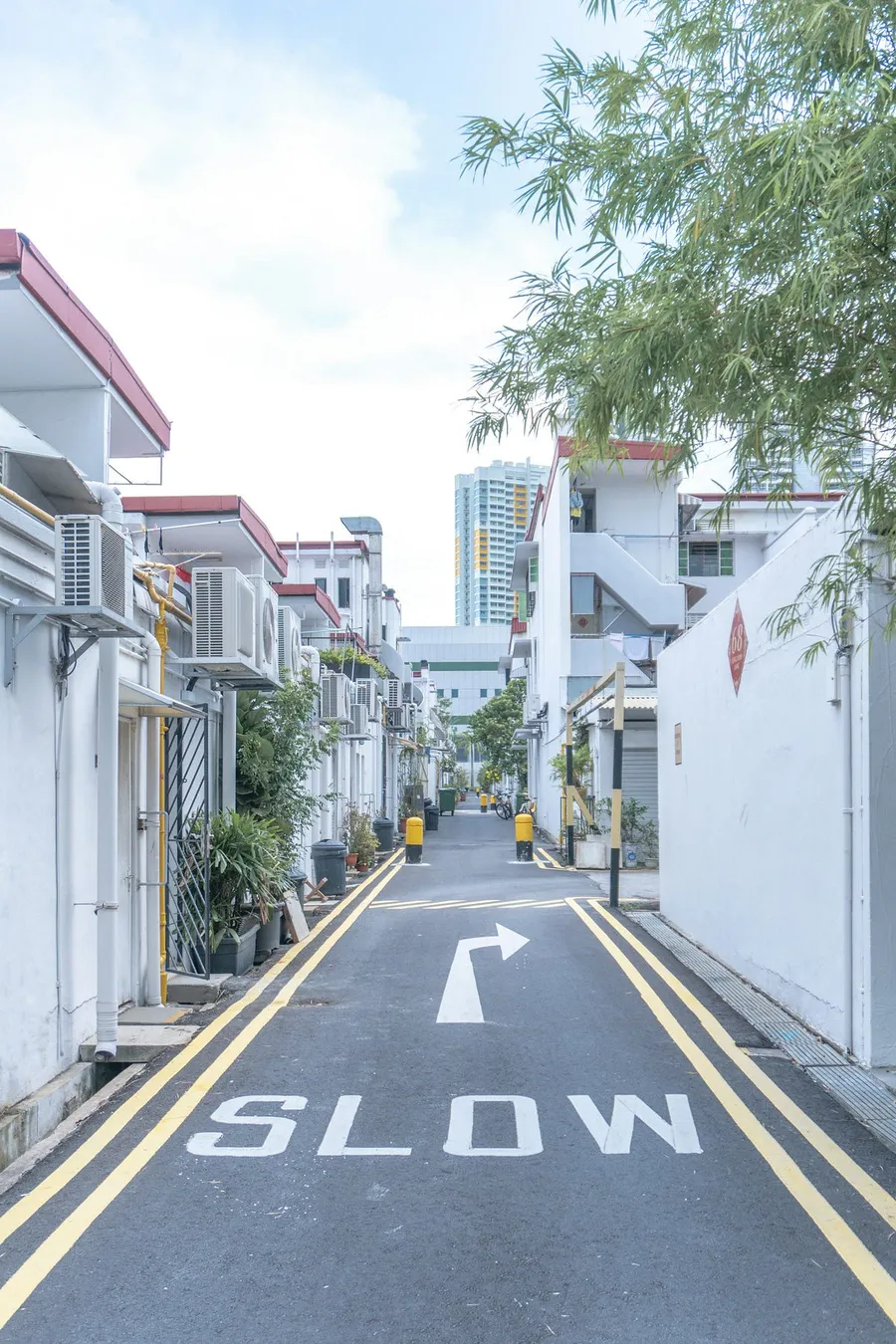
Photo by Rayson Tan on Unsplash
More options: Best APS-C Compact Camera, Best Compact Camera for Low Light, plus the camera selector tool.
Camera & Lens Settings by Real-World Use Case
Match your focal length, aperture, shutter speed, and lighting modifier to the exact environment you shoot in.
Street Photography, Japan/Europe Trips & Backpacking
- Best Body:
- Fujifilm X100VI / Ricoh GR III / Fujifilm X-T30 II / Sony a6700
- Ideal Lens:
- 23mm f/2 or 27mm f/2.8 Pancake (APS-C) — 35mm to 40mm equivalent
- Aperture & Shutter:
- f/2.0 (neon night street) or f/5.6 – f/8 (sunny zone-focusing from 2m to infinity) · 1/250s – 1/500s (freezes pedestrians mid-stride)
- Room Distance:
- 1.5m – 5m (candid street distance)
Tattoo Artists & Micro-Realism Portfolios
- Best Body:
- Sony Alpha a7 III / Fujifilm X-T4
- Ideal Lens:
- 90mm f/2.8 Macro (detail) or 50mm f/1.8 (sleeves & back pieces)
- Aperture & Shutter:
- f/5.6 – f/8 (keeps curved forearms and calves sharp edge-to-edge) · 1/125s – 1/200s handheld (or 1/60s on tripod)
- Room Distance:
- 0.4m – 1.5m (1.5 to 5 ft)
Barbershops, Hairstylists & Color Salons
- Best Body:
- Sony a7 IV / Canon EOS R6 Mark II
- Ideal Lens:
- 50mm f/1.8 (tight stations) or 85mm f/1.8 (spacious salons)
- Aperture & Shutter:
- f/1.8 – f/2.8 (blurs background chairs while keeping the lineup tack-sharp) · 1/160s – 1/250s (freezes subtle head movement in the chair)
- Room Distance:
- 1.5m – 2.4m (5 to 8 ft from the styling chair)

Written by
Marien CartelMarien Cartel runs Marien Cartel Photography, a camera and lens buying-guide site, and photographs the gear shown on it.
Related Guides
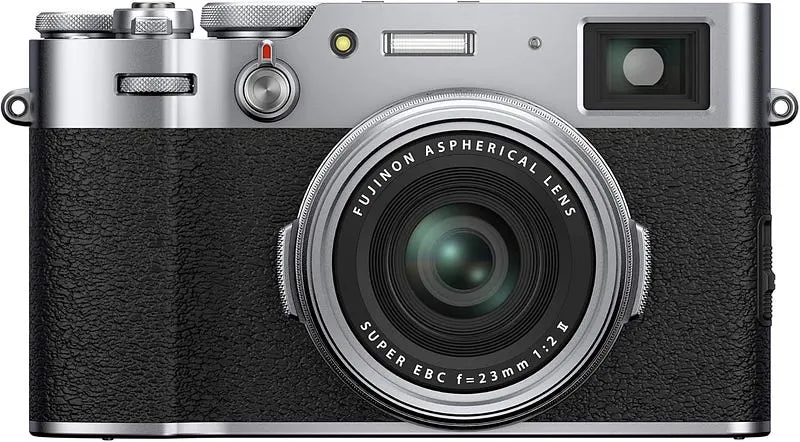
Best APS-C Compact Camera: Field Setup & Key Specs
Compare the best APS-C compact cameras including the Fujifilm X100VI, X100V, Ricoh GR III, and GR IIIx for street, travel, and everyday photography.
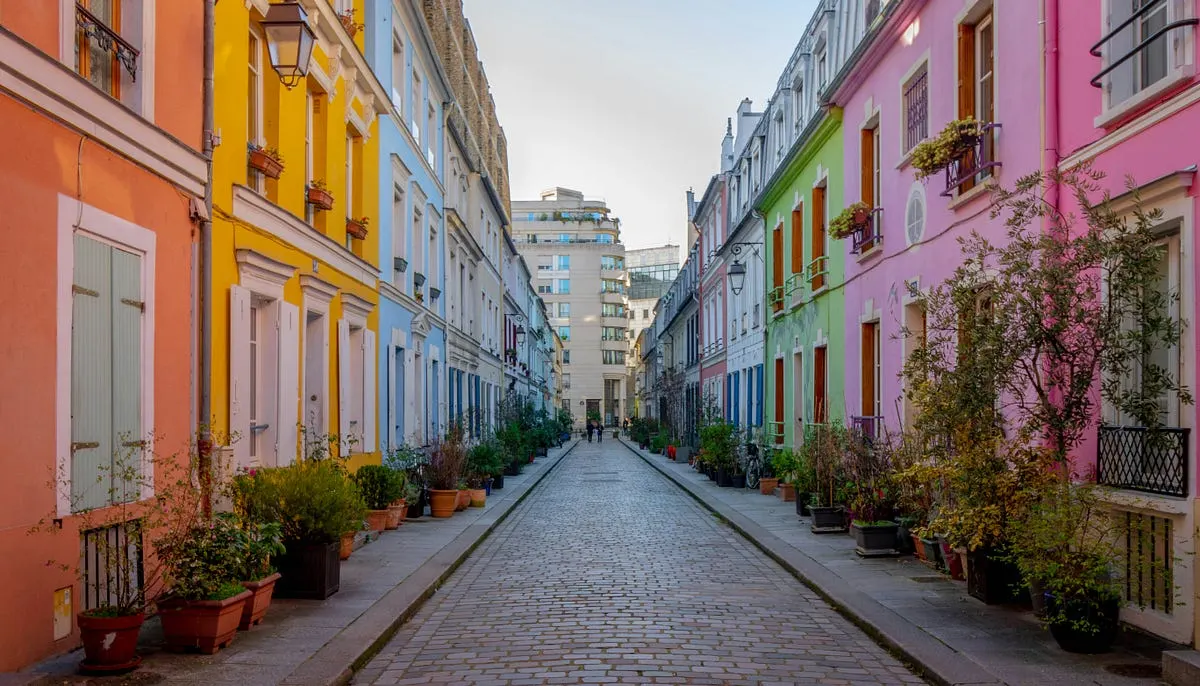
Urban Photography Setup: How to Shoot Unnoticed on the Street
The camera setup that actually works for street and urban work — small bodies, fixed focal lengths, and staying invisible while you shoot.
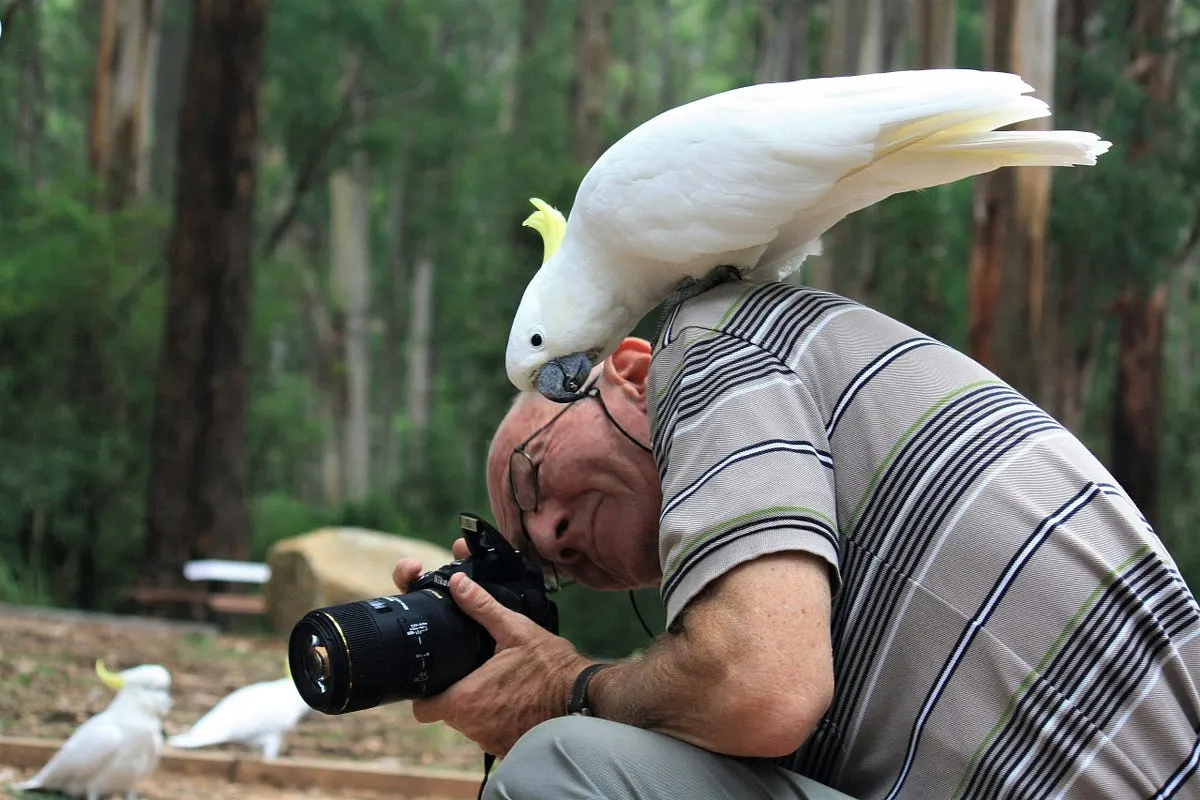
Best Compact Camera for Bird Photography
Key options include the Panasonic Lumix FZ2500, FZ1000 II, Canon PowerShot SX70 HS and Nikon Coolpix P1000 as long-zoom options.
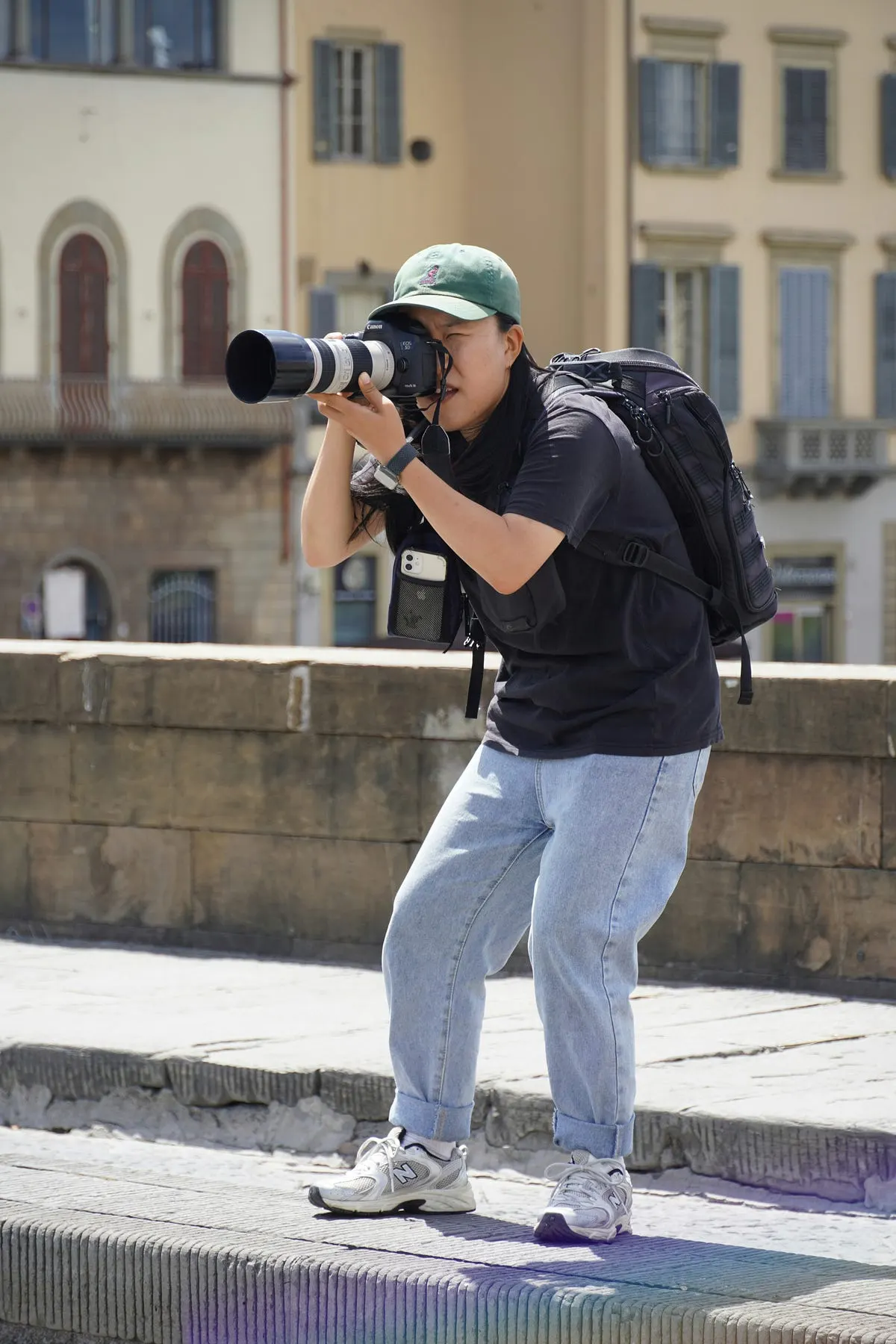
Best Camera for Street Photography: Top Picks & Sensor Comparison
Best Camera for Street Photography: a side-by-side look at Sony α7C and Olympus OM-D E-M10 Mark IV, with strengths, trade-offs and buying advice.
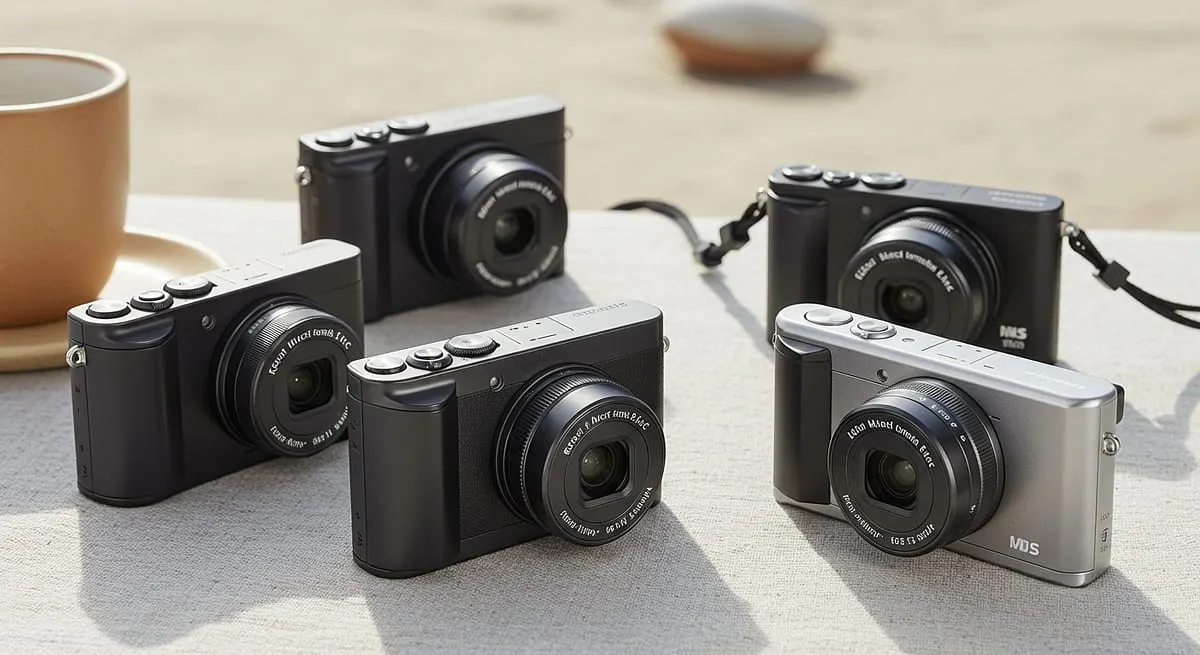
Best Compact Cameras for Travel (Sony RX100 VII & Top Alternatives)
Best Compact Cameras for Travel — Sony RX100 VII, Canon PowerShot G7 X Mark and Panasonic Lumix LX100 II compared, with pros, cons and who should buy which.
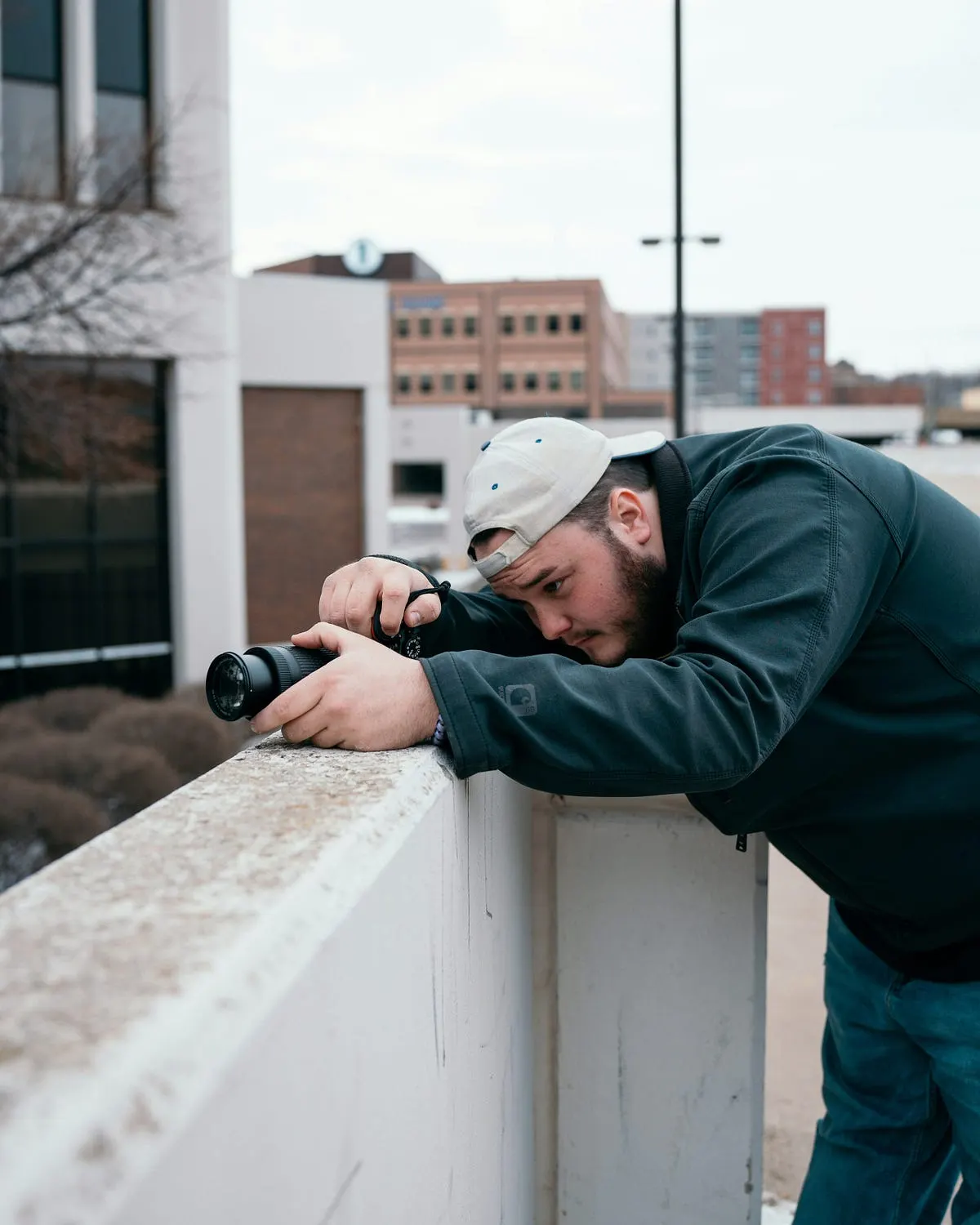
Best Compact Camera for Low Light: Specs, Autofocus & Lens Pairing
Best Compact Camera for Low Light — Sony RX100 VA/ and Panasonic Lumix LX100 II compared, with pros, cons and who should buy which.