Best APS-C Compact Camera: Field Setup & Key Specs
As an Amazon Associate we earn from qualifying purchases. Some links in this guide are affiliate links, see our affiliate disclosure for details.
Top Picks & Key Specifications at a Glance
| Model | Best For | Mount / System | Key Optical & Sensor Specs | Check Price |
|---|---|---|---|---|
1APS-C compact cameras | Top Overall Pick | Interchangeable-Lens System | APS-C · 40MP · 23mm · f/2 | Amazon ↗ |
2Fujifilm X100V | Recommended Pick | Fujifilm X-Mount (APS-C 1.5x) | APS-C · 40MP · 23mm · f/2 | Amazon ↗ |
Which APS-C compact camera is best?
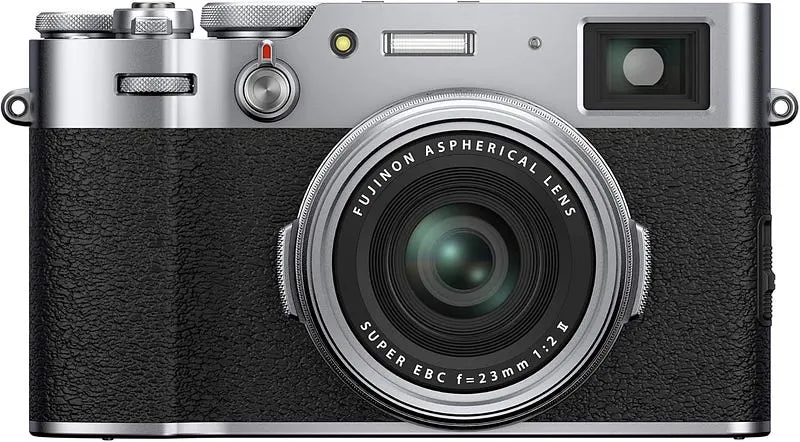
Key options include the Fujifilm X100V, its successor the X100VI, the Ricoh GR III and the GR IIIx. These pocketable cameras pair a large sensor with a fixed lens.
The Tiny Titan
- It Came Everywhere: This was the revolution.
- The Joy of Physical Controls: Twisting an aperture ring on the lens, adjusting shutter speed with a dedicated dial, flicking the exposure compensation dial — it felt tactile, intentional, and deeply satisfying.
- The detail in the foliage, the beautiful blur (bokeh) isolating subjects, the way it handled tricky light — especially low light without turning everything into noisy mush.
- Discreetness = Candidness: Its small size and quiet shutter made people less aware of the camera. Street photography became less intimidating.
Was it perfect? No. Low-light autofocus could hunt occasionally. I sometimes craved a longer reach. But the trade-offs were so worth it for the sheer convenience and image quality packed into that beautiful little body. It rekindled my passion, turning photography from a chore back into a daily joy.
So, What Are the Best APS-C Compact Contenders Today?
Fujifilm X100 Series (Currently X100VI): The undisputed king for a reason. It offers:
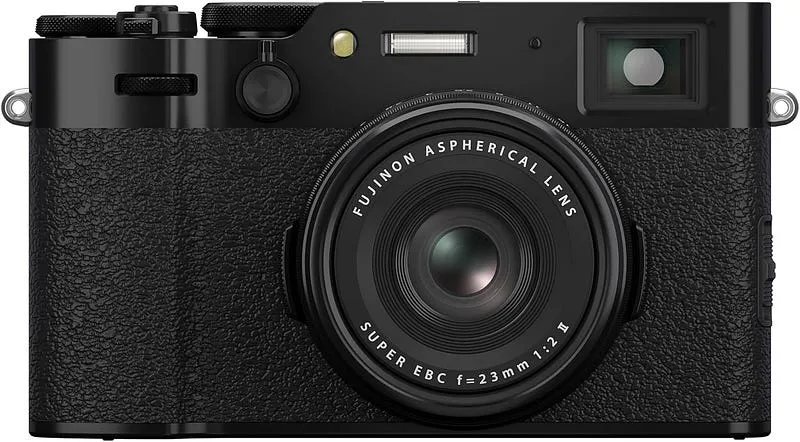
- Iconic Design & Handling: Pure retro joy with dials for everything.
- Superb 23mm f/2 Lens: Sharp, characterful, great in low light.
- Hybrid Viewfinder: Optical (OVF) for a classic feel or Electronic (EVF) for precision — a unique and brilliant feature.
- Outstanding JPEGs & Film Sims: Makes getting great colors SO easy.
- Latest X100VI Boasts: 40MP sensor, in-body image stabilization (IBIS), improved autofocus, and 6-stop ND filter.
- The Downside: Highest price point, fixed lens, high demand can mean waiting lists.
Ricoh GR III / GR IIIx: The ultimate pocket powerhouse.
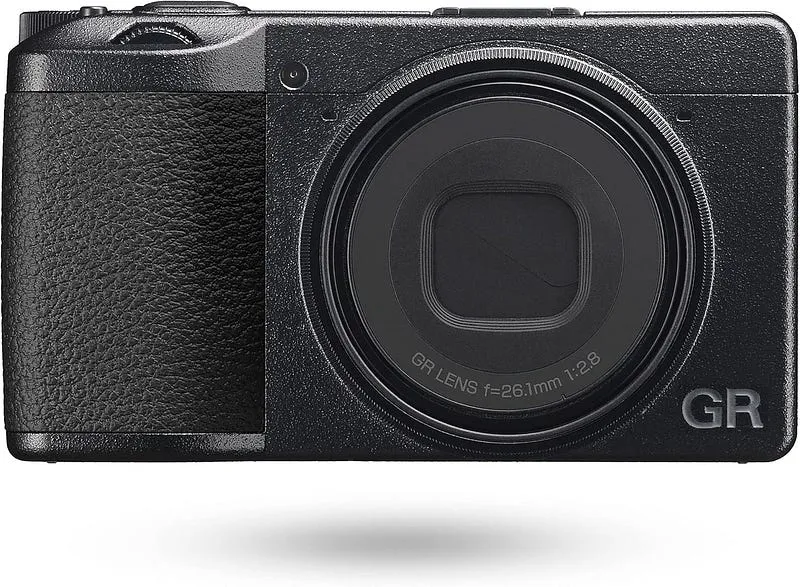
- Unmatched Portability: Seriously slips into a jeans pocket.
- Sharp 28mm f/2.8 (GR III) or 40mm f/2.8 (GR IIIx) Lens: Legendary GR lens quality.
- Snap Focus: Genius feature for hyper-fast zone focusing in street photography.
- Positive Film Sim: Beloved by enthusiasts for its unique, vibrant look.
- IBIS: Great for low-light handheld shots.
- The Downside: No viewfinder (optional hotshoe one available), smaller battery, less tactile handling than Fuji, minimalist controls (pro for some, con for others).
Fujifilm XF10 (If you can find it!): The budget-friendly Fuji option.
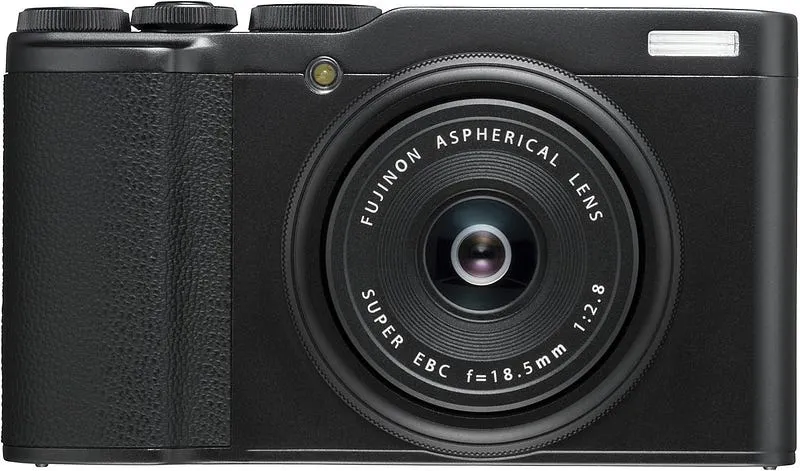
- True Pocketability: Smaller and lighter than the X100 series.
- 28mm f/2.8 Lens: Wider field of view.
- Shares Fuji JPEG Magic: Great film simulations.
- The Downside: Older sensor/processor (slower AF, no IBIS), fixed screen, largely discontinued but sometimes found used. Shows its age compared to the others.
Which One is “Best” for YOU?
- Want the ultimate experience, viewfinder, and tactile joy? Fujifilm X100VI (or hunt for a used V/F) is worth the investment if you can swing it.
- Need absolute pocketability and stealth? Ricoh GR III/IIIx is unbeatable. Choose the focal length (28mm or 40mm) that suits your eye.
- On a tight budget and prioritize size/JPEGs? Hunt for a used XF10, but be aware of its limitations.
More picks
- APS-C compact cameras — Check APS-C compact cameras Price on Amazon
- Fujifilm X100V — Check Fujifilm X100V Price on Amazon
Pair this guide with Best Compact Cameras for Street Photography, Best Compact Cameras for Travel, and the adapter & mount chart.
Common Buying & Setup Questions
What is the top pick in Best APS-C Compact Camera?
The APS-C compact cameras (APS-C · 40MP · 23mm · f/2, Interchangeable-Lens System) leads our shortlist as the top overall pick, followed closely by the Fujifilm X100V (APS-C · 40MP · 23mm · f/2).
What focal length, aperture, and shutter speed work best for street photography, japan/europe trips & backpacking?
For street photography, japan/europe trips & backpacking, pair a 28mm – 35mm equivalent (classic documentary street field of view) lens at f/2.0 (neon night street) or f/5.6 – f/8 (sunny zone-focusing from 2m to infinity) with a shutter speed of 1/250s – 1/500s (freezes pedestrians mid-stride) and a working distance of 1.5m – 5m (candid street distance). Recommended setup: Wrist strap + spare pocket battery + Black Pro-Mist 1/4 filter (for soft halation on neon signs at night)..
Camera & Lens Settings by Real-World Use Case
Match your focal length, aperture, shutter speed, and lighting modifier to the exact environment you shoot in.
Street Photography, Japan/Europe Trips & Backpacking
- Best Body:
- Fujifilm X100VI / Ricoh GR III / Fujifilm X-T30 II / Sony a6700
- Ideal Lens:
- 23mm f/2 or 27mm f/2.8 Pancake (APS-C) — 35mm to 40mm equivalent
- Aperture & Shutter:
- f/2.0 (neon night street) or f/5.6 – f/8 (sunny zone-focusing from 2m to infinity) · 1/250s – 1/500s (freezes pedestrians mid-stride)
- Room Distance:
- 1.5m – 5m (candid street distance)
Tattoo Artists & Micro-Realism Portfolios
- Best Body:
- Sony Alpha a7 III / Fujifilm X-T4
- Ideal Lens:
- 90mm f/2.8 Macro (detail) or 50mm f/1.8 (sleeves & back pieces)
- Aperture & Shutter:
- f/5.6 – f/8 (keeps curved forearms and calves sharp edge-to-edge) · 1/125s – 1/200s handheld (or 1/60s on tripod)
- Room Distance:
- 0.4m – 1.5m (1.5 to 5 ft)
Barbershops, Hairstylists & Color Salons
- Best Body:
- Sony a7 IV / Canon EOS R6 Mark II
- Ideal Lens:
- 50mm f/1.8 (tight stations) or 85mm f/1.8 (spacious salons)
- Aperture & Shutter:
- f/1.8 – f/2.8 (blurs background chairs while keeping the lineup tack-sharp) · 1/160s – 1/250s (freezes subtle head movement in the chair)
- Room Distance:
- 1.5m – 2.4m (5 to 8 ft from the styling chair)

Written by
Marien CartelMarien Cartel runs Marien Cartel Photography, a camera and lens buying-guide site, and photographs the gear shown on it.
Related Guides
Best Camera for Hobby Photography: Field Setup & Key Specs
Best Camera for Hobby Photography — what the Olympus OM-D E-M10 Mark IV offers, where it falls short, and whether it is worth buying.
Best Camera for Ice Hockey Photography: Field Setup & Key Specs
Canon EF 70–200mm f/2.8L and Sony FE 70–200mm f/2.8 GM compared for Camera for Ice Hockey Photography: key specifications, trade-offs, and top picks by budget.
Best Camera for Vlogs: Field Setup & Key Specs
Sony ZV-E10, Sony ZV-1 II and DJI Osmo Pocket 3 compared for Camera for Vlogs: key specifications, trade-offs, and top picks by budget.

Best Camera for Basketball Games: Field Setup & Key Specs
Best Camera for Basketball Games: Sony A6700, Fujifilm X-H2S and Sony A9 III compared on features, price and who each one suits.
Best Camera for Backpacking: Field Setup & Key Specs
Best Camera for Backpacking: Sony RX100 VII, Fujifilm X-T30 II and Olympus OM-D E-M5 Mark III compared on features, price and who each one suits.
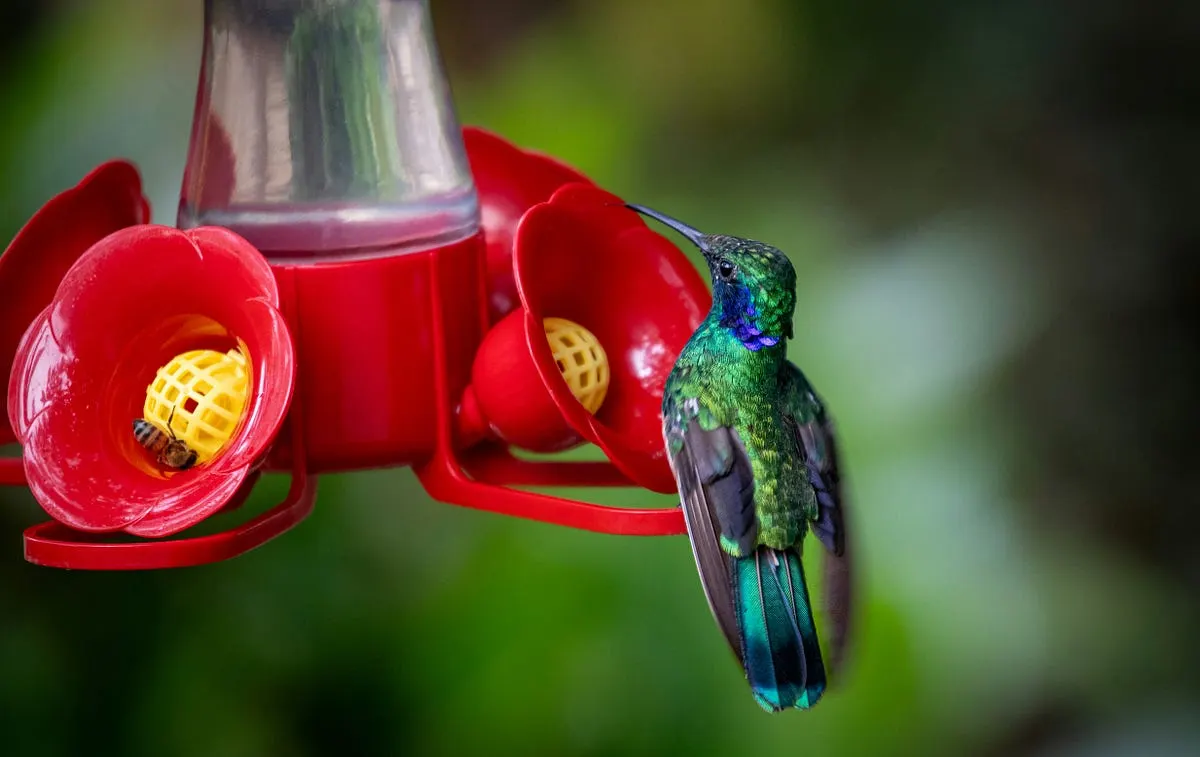
Best Camera for Filming Garden Wildlife: Field Setup & Key Specs
Best Camera for Filming Garden Wildlife — Sony α7 IV and Canon EOS R6 Mark II compared, with pros, cons and who should buy which.