Best Interchangeable Lens Cameras: Top Optics by Budget & Use Case
As an Amazon Associate we earn from qualifying purchases. Some links in this guide are affiliate links, see our affiliate disclosure for details.
Top Picks & Key Specifications at a Glance
| Model | Best For | Mount / System | Key Optical & Sensor Specs | Check Price |
|---|---|---|---|---|
1Sony a7R IV | Top Overall Pick | Sony FE E-Mount (Full Frame) | Full-Frame · 61MP | Amazon ↗ |
2Fujifilm X | T4 | Fujifilm X-Mount (APS-C 1.5x) | APS-C · IBIS | Amazon ↗ |
3Canon EOS R6 | Recommended Pick | Canon RF (Full Frame) | Full-Frame · 20.1MP · IBIS | Amazon ↗ |
4Olympus OM | D E - M10 Mark IV | Micro Four Thirds (2.0x) | IBIS | Amazon ↗ |
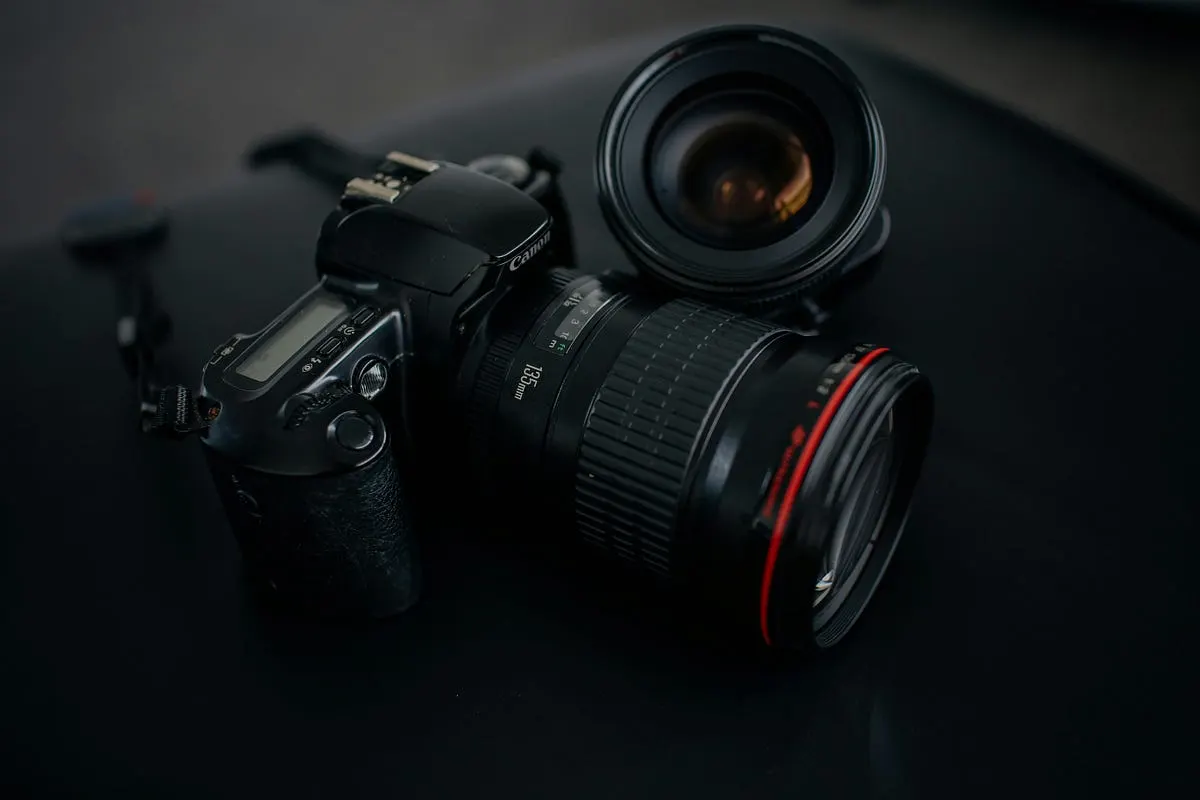
Photo by William Thomas on Unsplash
Which interchangeable-lens camera is best?
Top options include the Sony a7R IV, Fujifilm X-T4, Canon EOS R6, Olympus OM-D E-M10 Mark IV and Nikon Z50. Choose by budget, sensor size and the lenses available for each mount.
Sony a7R IV
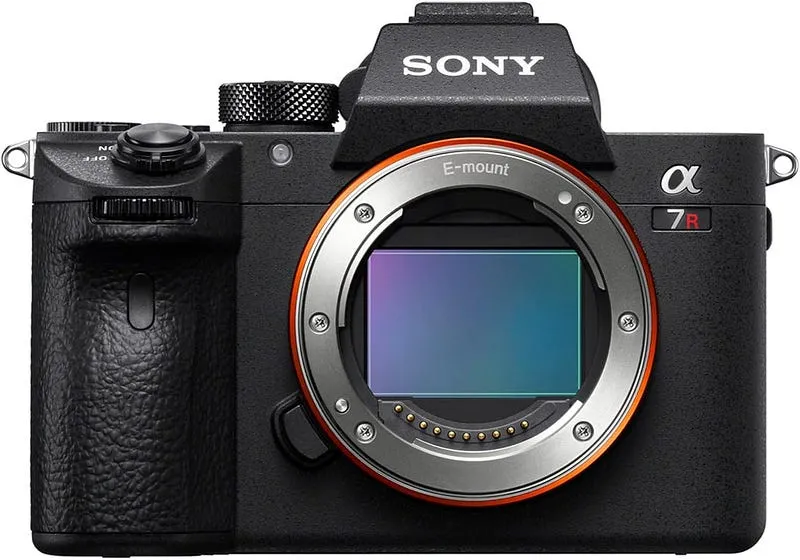
The Sony a7R IV is a high-resolution full-frame mirrorless camera that’s perfect for landscape, portrait, and studio photography. It boasts a 61-megapixel sensor, incredible autofocus, and impressive dynamic range. While it’s not the most affordable option, its performance and image quality make it a worthwhile investment for serious photographers.
Fujifilm X-T4
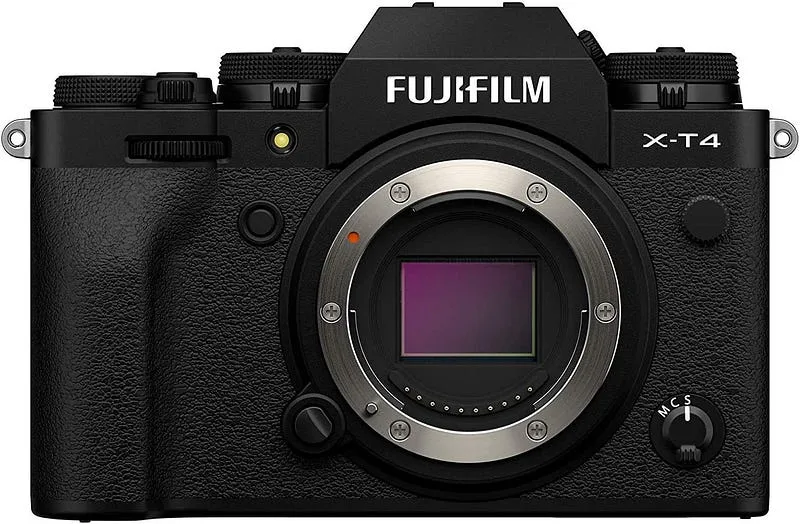
The Fujifilm X-T4 is an APS-C mirrorless camera that’s loved for its retro design and tactile controls. It offers excellent image quality, fast autofocus, and in-body image stabilization. It’s a great choice for photographers who appreciate a classic shooting experience.
Canon EOS R6
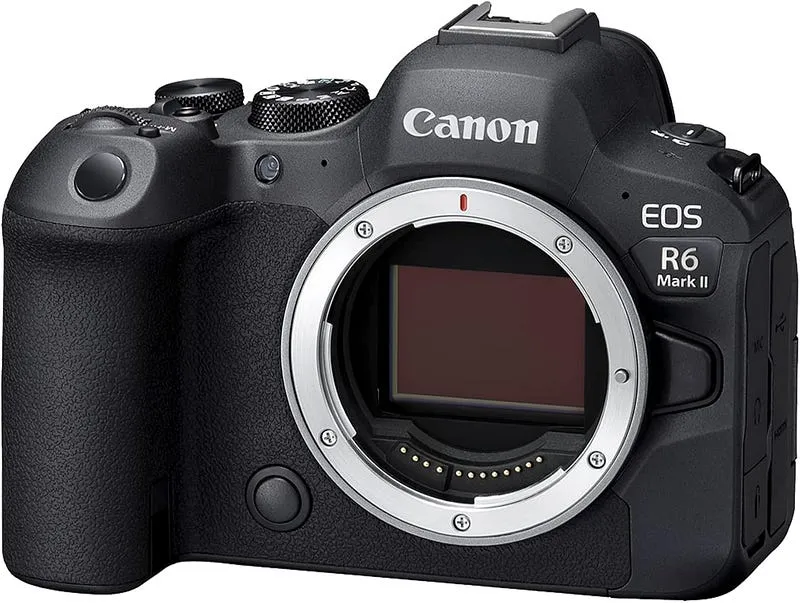
The Canon EOS R6 is a full-frame mirrorless camera that excels in low-light conditions. It features a 20.1-megapixel sensor, impressive autofocus, and in-body image stabilization. It’s a versatile camera that’s suitable for various photography genres.
Olympus OM-D E-M10 Mark IV
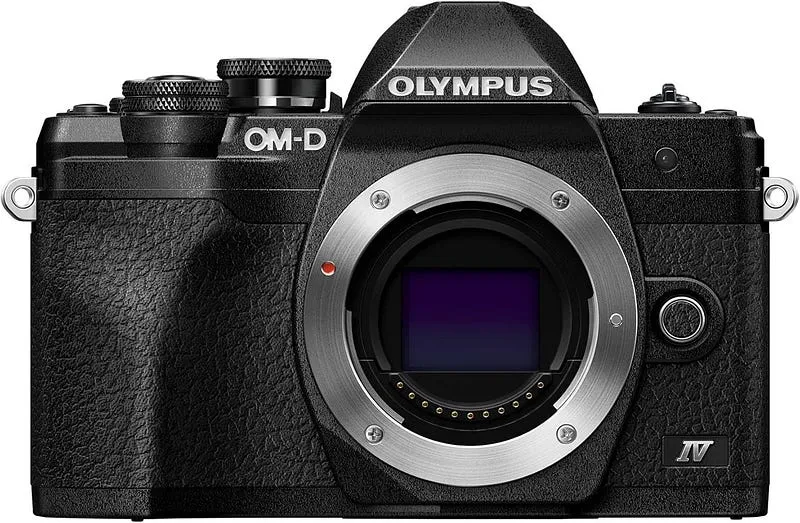
The Olympus OM-D E-M10 Mark IV is a compact and lightweight mirrorless camera that’s perfect for travel and everyday photography. It offers excellent image quality, in-body image stabilization, and a user-friendly interface. It’s a great option for beginners and enthusiasts alike.
Nikon Z50
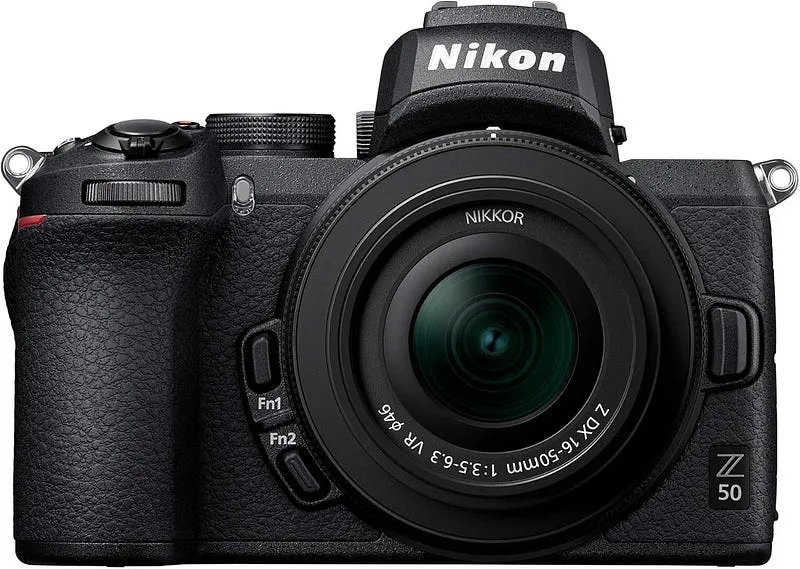
The Nikon Z50 is an APS-C mirrorless camera that’s ideal for those new to interchangeable lens cameras. It’s affordable, easy to use, and delivers excellent image quality. It’s a great starting point for anyone looking to explore the world of photography.
Choosing the Right Camera
When choosing an interchangeable lens camera, it’s important to consider your specific needs and preferences. Think about the types of photography you’ll be doing, your budget, and the features that are most important to you.
This will give you a feel for the camera’s ergonomics and handling. You can also rent cameras to get a better sense of their capabilities before making a purchase.
Additional Tips
Here are some additional tips to keep in mind:
- Invest in good quality lenses. Lenses are just as important as the camera body.
- Learn the basics of photography. Understanding aperture, shutter speed, and ISO will help you take better photos.
- Practice regularly. The more you shoot, the better you’ll become.
- Join a photography community. Connecting with other photographers can provide inspiration and support.
Feel free to reach out if you have any questions or comments. Happy shooting!
Remember, the best camera is the one that you have with you. So get out there and start capturing amazing moments!
Feel free to share your thoughts and recommendations in the comments below!

Photo by Marcel Strauß on Unsplash

Photo by Marcel Strauß on Unsplash

Photo by Marcel Strauß on Unsplash
Explore Best Interchangeable Lens Compact Camera alongside Best Sony Lenses For Portrait Photography and the camera selector tool.
Common Buying & Setup Questions
What is the top pick in Best Interchangeable Lens Cameras?
The Sony a7R IV (Full-Frame · 61MP, Sony FE E-Mount (Full Frame)) leads our shortlist as the top overall pick, followed closely by the Fujifilm X (APS-C · IBIS).
What focal length, aperture, and shutter speed work best for tattoo artists & micro-realism portfolios?
For tattoo artists & micro-realism portfolios, pair a 50mm – 90mm (never below 35mm, which warps limb proportions) lens at f/5.6 – f/8 (keeps curved forearms and calves sharp edge-to-edge) with a shutter speed of 1/125s – 1/200s handheld (or 1/60s on tripod) and a working distance of 0.4m – 1.5m (1.5 to 5 ft). Recommended setup: CRI 95+ 5600K LED panel covered with Linear Polarizing Film + Circular Polarizer (CPL) lens filter rotated 90°..
Camera & Lens Settings by Real-World Use Case
Match your focal length, aperture, shutter speed, and lighting modifier to the exact environment you shoot in.
Tattoo Artists & Micro-Realism Portfolios
- Best Body:
- Sony Alpha a7 III / Fujifilm X-T4
- Ideal Lens:
- 90mm f/2.8 Macro (detail) or 50mm f/1.8 (sleeves & back pieces)
- Aperture & Shutter:
- f/5.6 – f/8 (keeps curved forearms and calves sharp edge-to-edge) · 1/125s – 1/200s handheld (or 1/60s on tripod)
- Room Distance:
- 0.4m – 1.5m (1.5 to 5 ft)
Barbershops, Hairstylists & Color Salons
- Best Body:
- Sony a7 IV / Canon EOS R6 Mark II
- Ideal Lens:
- 50mm f/1.8 (tight stations) or 85mm f/1.8 (spacious salons)
- Aperture & Shutter:
- f/1.8 – f/2.8 (blurs background chairs while keeping the lineup tack-sharp) · 1/160s – 1/250s (freezes subtle head movement in the chair)
- Room Distance:
- 1.5m – 2.4m (5 to 8 ft from the styling chair)
Makeup Artists (MUA) & Beauty Tutorials
- Best Body:
- Sony Alpha a6400 / Canon G7 X Mark III
- Ideal Lens:
- Sigma 56mm f/1.4 DC DN (APS-C) or 50mm–85mm f/1.8 (Full Frame)
- Aperture & Shutter:
- f/2.8 – f/4 for full-face sharpness; f/5.6 for macro eye/lip close-ups · 1/125s for stills; 1/50s (24p) or 1/120s (60p) for video tutorials
- Room Distance:
- 1.2m – 2.2m (4 to 7 ft)

Written by
Marien CartelMarien Cartel runs Marien Cartel Photography, a camera and lens buying-guide site, and photographs the gear shown on it.
Related Guides
Best Lenses for Canon EOS R50: Top Optics by Budget & Use Case
Best Lenses for Canon EOS R50: Canon RF-S 55–210mm f/5–7.1 IS and Canon RF-S 18–150mm f/3.5–6.3 IS compared on features, price and who each one suits.
Best L-Mount Lenses: Top Optics by Budget & Use Case
Best L-Mount Lenses: Sigma 24–70mm f/2.8 DG DN, Sigma 85mm f/1.4 DG DN and Sigma 70–200mm f/2.8 DG OS compared on features, price and who each one suits.
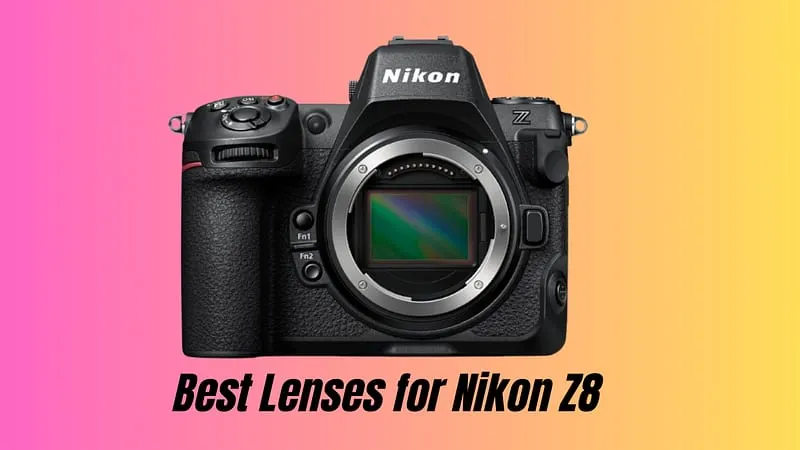
Best Lenses for Nikon Z8: Top Optics by Budget & Use Case
Best Lenses for Nikon Z8: what to look for, what to skip and how to choose the right one for your budget. Updated for 2026.

Best Canon RF Lenses for Video: Top Optics by Budget & Use Case
Best Canon RF Lenses for Video buying guide: Canon RF 24–70mm f/2.8L IS and Canon RF 15–35mm f/2.8L IS compared on image quality, autofocus, build, and price.
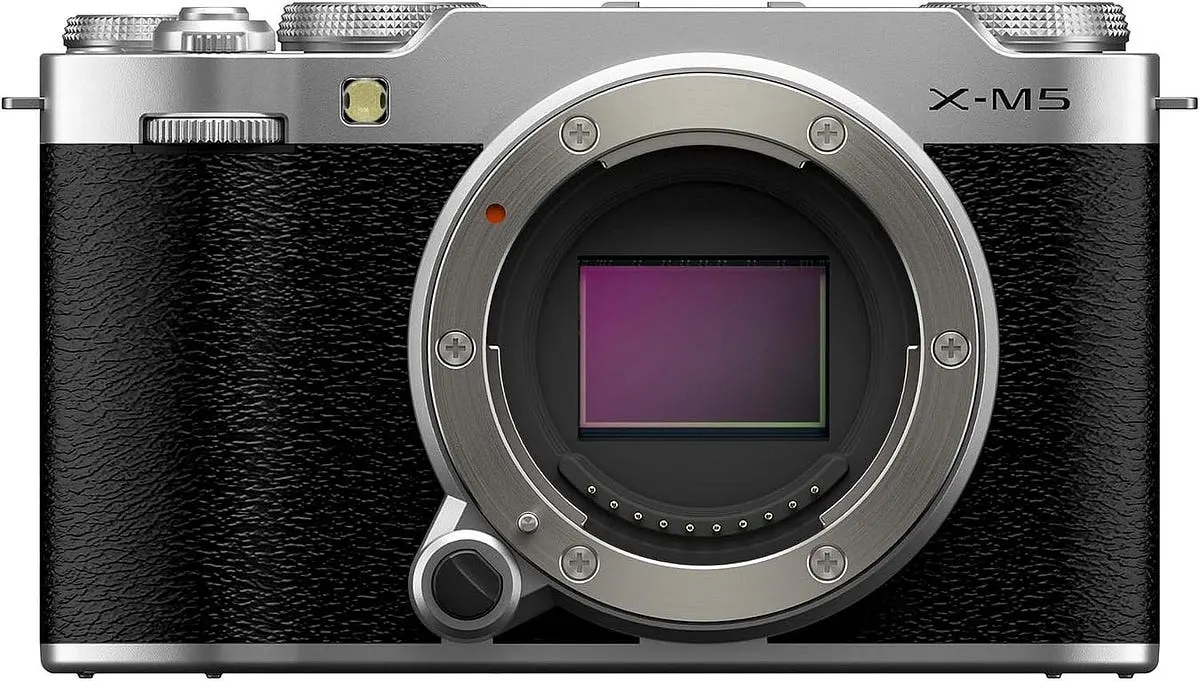
Best Lenses for fujifilm X-M5: Top Optics by Budget & Use Case
Best Lenses for fujifilm X-M5: Fujifilm XF 27mm f/2.8 R and Fujifilm XF 18–55mm f/2.8–4 R compared on features, price and who each one suits.
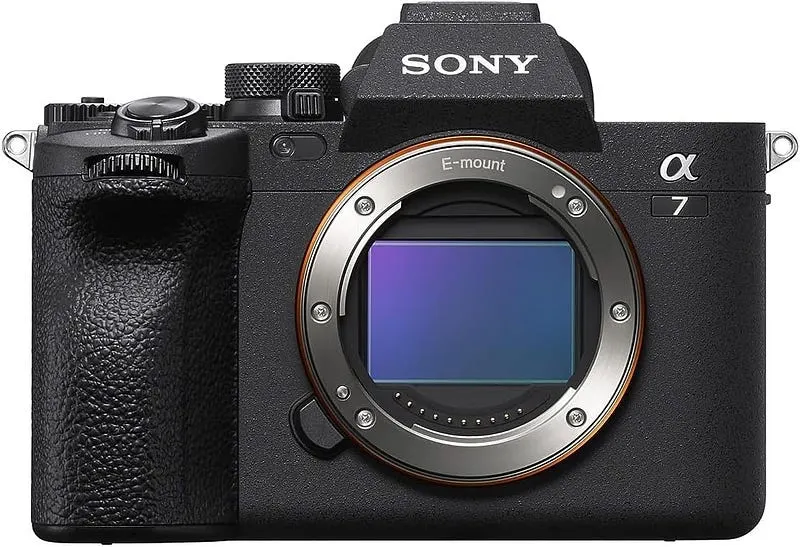
Best Travel Lenses for Sony a7 IV: Top Optics by Budget & Use Case
Best Travel Lenses for Sony a7 IV: Sony FE 24–105mm f/4 G and Sony FE 16–35mm f/2.8 GM evaluated side by side on specs, lens options, and value for money.