Best L-Mount Lenses: Top Optics by Budget & Use Case
As an Amazon Associate we earn from qualifying purchases. Some links in this guide are affiliate links, see our affiliate disclosure for details.
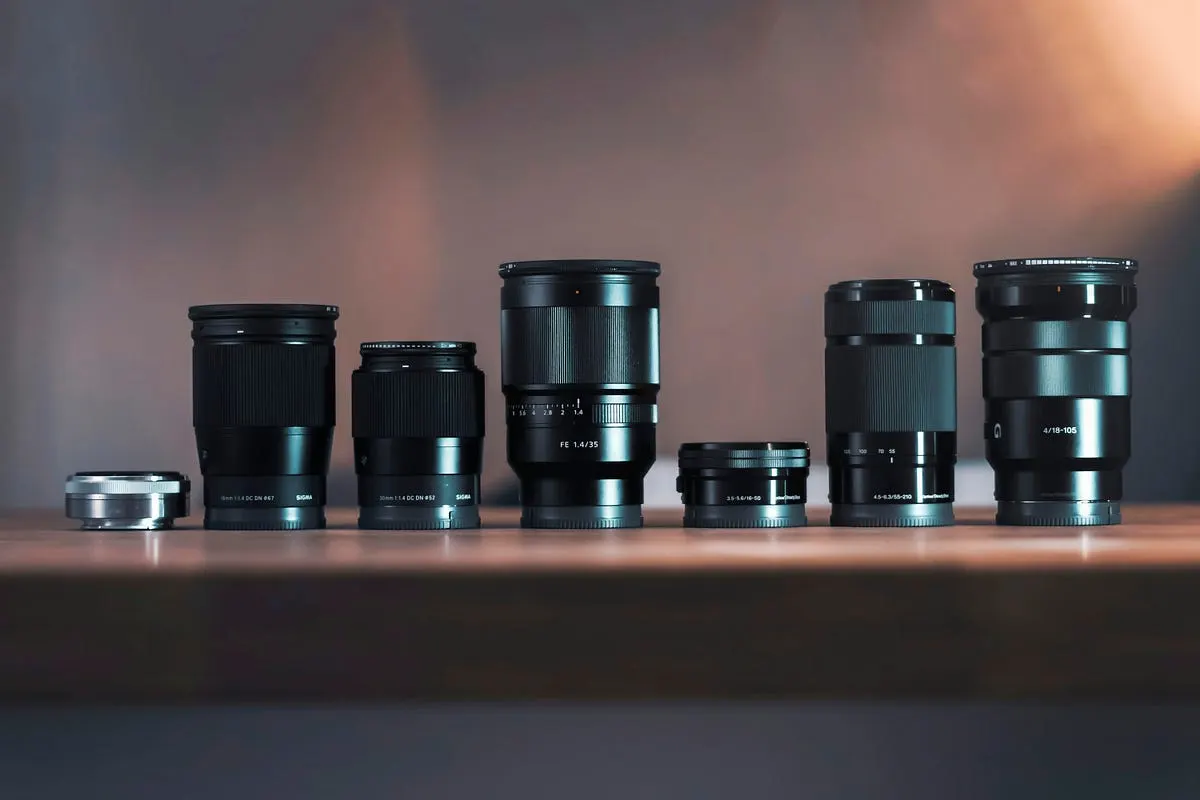
Photo by lucas Favre on Unsplash
Which L-mount lens is best?
Among the standout options is the Lumix S 24-60mm f/2.8 a versatile and popular choice. It also recommends the Sigma 24-70mm f/2.8 DG DN II Art, Sigma 85mm f/1.4 DG DN, Sigma 70-200mm f/2.8 DG OS HSM and Sigma 35mm f/1.4 DG DN Art.
For L-mount lenses suitable for both video and photography, the Lumix S 24–60mm f/2.8 is a versatile and popular choice. Other excellent options include the Sigma 24–70mm f/2.8 DG DN II Art and the Panasonic Lumix S 24–105mm f/4 . For specific needs, consider the Sigma 85mm f/1.4 DG DN for portraits and the Sigma 70–200mm f/2.8 DG OS HSM Sports for telephoto work.
The L-Mount Alliance, comprising Leica, Panasonic, and Sigma, along with newer partners like Astrodesign, Blackmagic Design, DJI, and Samyang, has truly blossomed into a robust ecosystem for photographers and videographers alike. It means there’s truly something for everyone, no matter their budget or photographic style.
When it comes to picking the “best” L-Mount lenses, it really boils down to your individual needs and how you shoot.
- The Everyday Workhorse Zoom: Sigma 24–70mm F2.8 DG DN Art
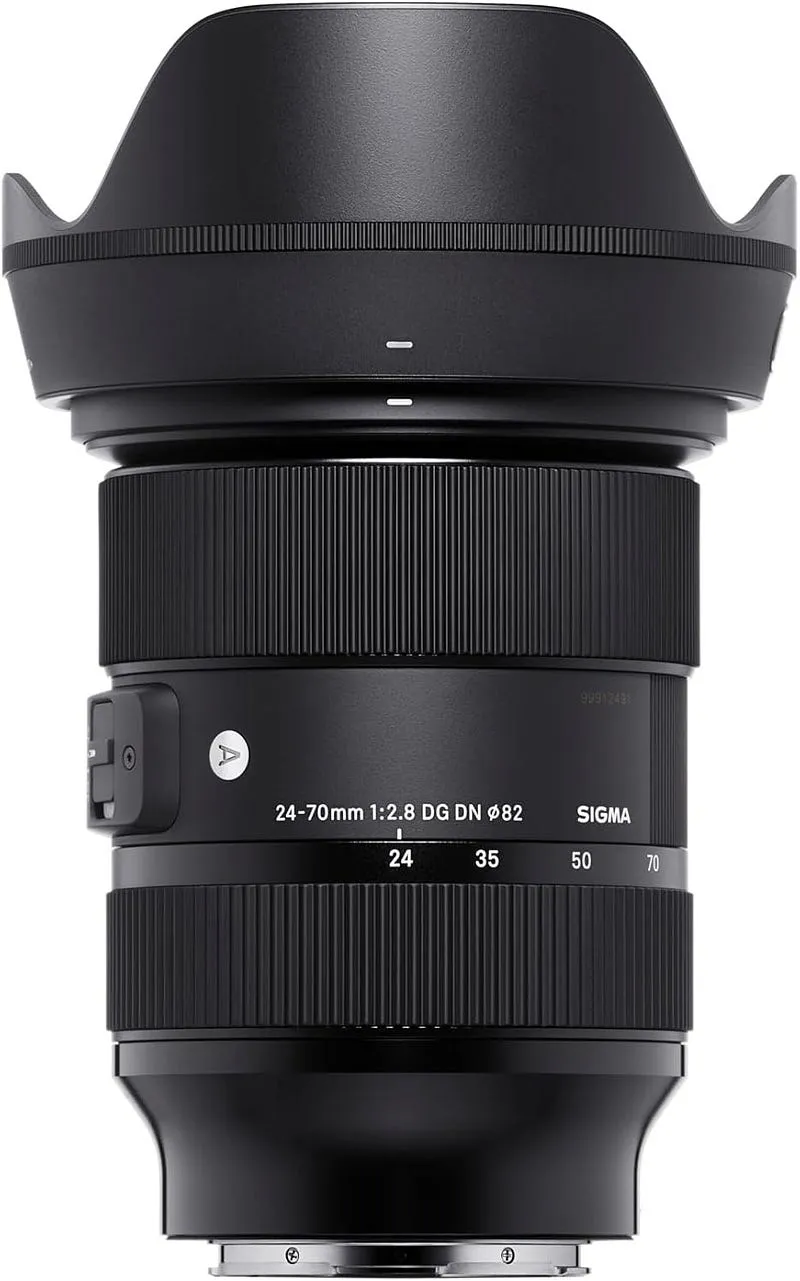
The 24–70mm focal range is incredibly versatile for everything from wide-angle landscapes to portraits and general street photography. The constant f/2.8 aperture is a game-changer for low-light shooting and achieving beautiful background blur.
Sigma’s Art series lenses are renowned for their optical quality, and this one is no exception. It’s sharp, has great color rendition, and handles aberrations well. It’s a fantastic balance of performance and value compared to its Panasonic or Leica equivalents.
2. The Portable Wide-Angle Zoom: Sigma 16–28mm F2.8 DG DN Contemporary
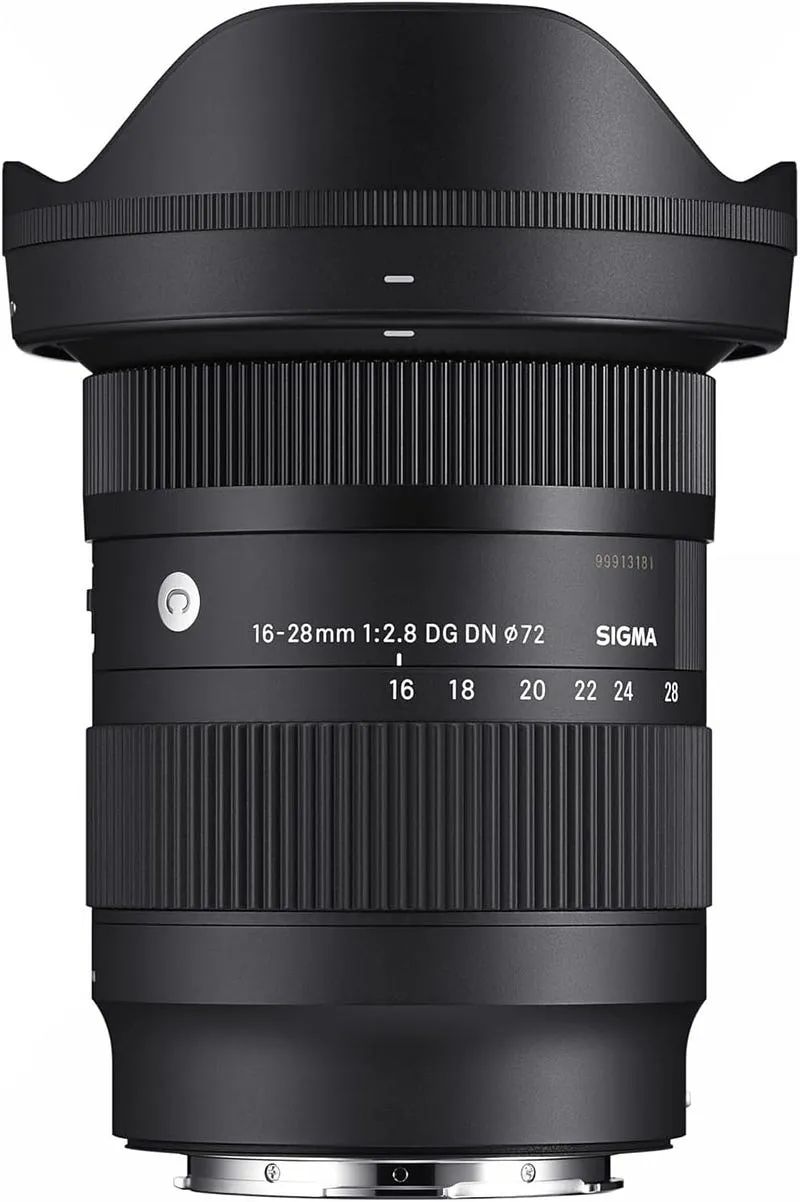
The 16–28mm range covers vast landscapes, architecture, and even some environmental portraits. The f/2.8 aperture is consistent throughout, making it versatile in varying light conditions.
The “Contemporary” line from Sigma strikes an amazing balance between portability and optical quality. It’s significantly lighter and often more affordable than the Art series wide-angle zooms, making it perfect for those who want to keep their kit light without sacrificing too much performance.
3. The Creamy Prime for Portraits: Panasonic Lumix S 85mm F1.8
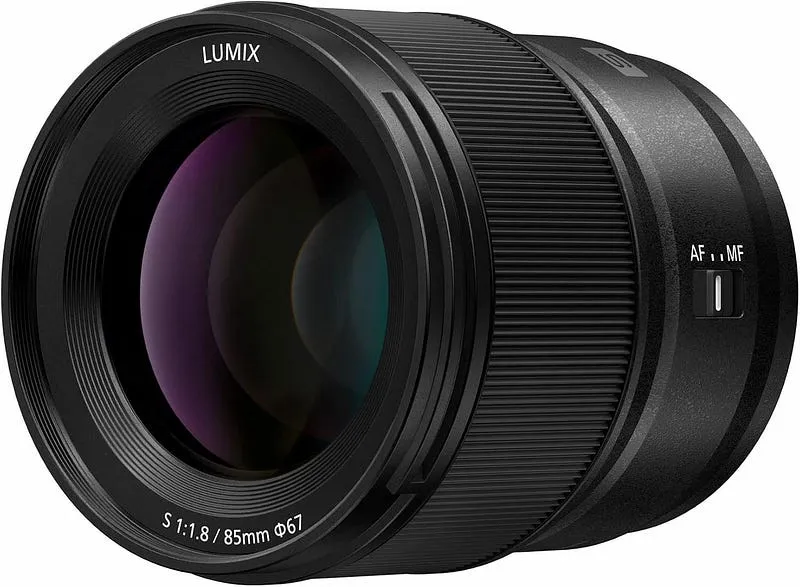
It’s relatively compact and lightweight, which is fantastic.
The f/1.8 aperture delivers gorgeous, buttery smooth bokeh that makes your subject pop. It’s incredibly sharp, and the autofocus is fast and reliable.
4. The Versatile Travel Companion: Panasonic Lumix S 28–200mm F4–7.1 Macro O.I.S.
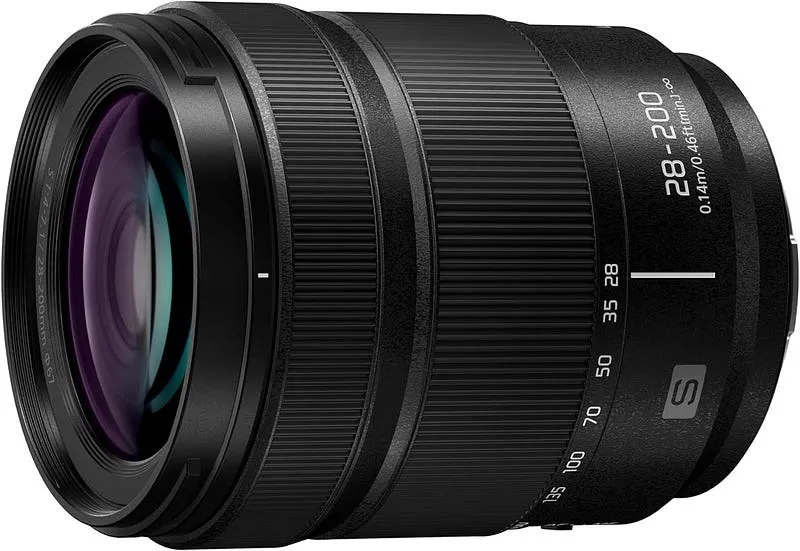
While the variable aperture isn’t ideal for low light, the Optical Image Stabilization (O.I.S.) helps a lot, especially at the telephoto end.
5. For the Low-Light & Creative Shot: Sigma 35mm F1.4 DG DN Art
The 35mm focal length is incredibly versatile for street photography, environmental portraits, and even some subtle wide-angle work.
Sigma’s Art primes are legendary for their sharpness and character, and the 35mm f/1.4 is no exception.
Considerations When Choosing:
- While Sigma has made strides, Panasonic lenses often have a slight edge in minimizing focus breathing, which is crucial for professional-looking video.
- Sigma often excels here.
The L-Mount system continues to grow, offering more and more excellent choices. You’re sure to find a lens that perfectly complements your vision.
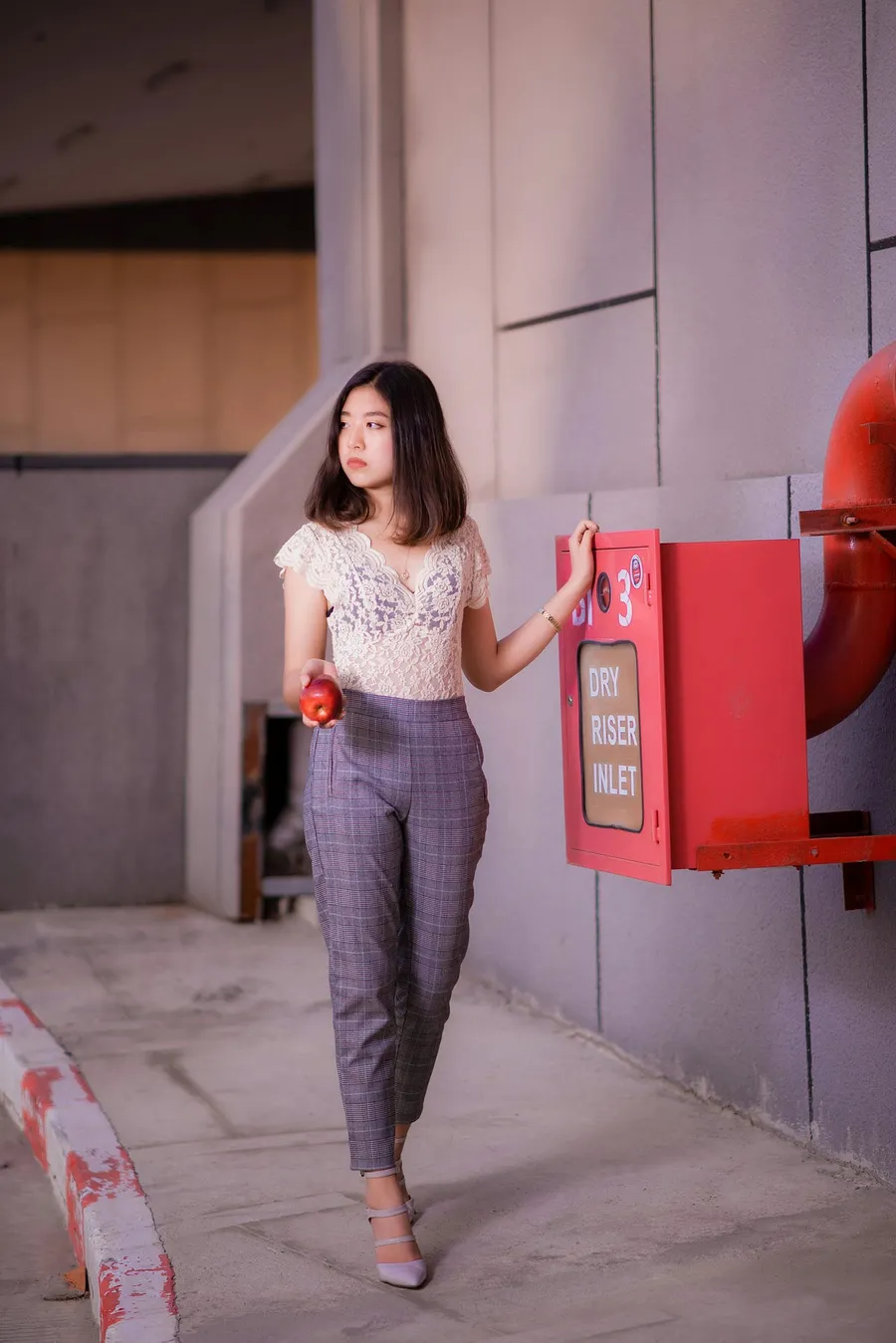
Photo by Aung Khant Maung on Unsplash

Photo by Amir Taheri on Unsplash

Photo by Sarah Rodriguez on Unsplash
Explore Best Lenses for Sony E-Mount alongside Best Third-Party Nikon Z Lenses 2026 and the focal length simulator.
Camera & Lens Settings by Real-World Use Case
Match your focal length, aperture, shutter speed, and lighting modifier to the exact environment you shoot in.
Tattoo Artists & Micro-Realism Portfolios
- Best Body:
- Sony Alpha a7 III / Fujifilm X-T4
- Ideal Lens:
- 90mm f/2.8 Macro (detail) or 50mm f/1.8 (sleeves & back pieces)
- Aperture & Shutter:
- f/5.6 – f/8 (keeps curved forearms and calves sharp edge-to-edge) · 1/125s – 1/200s handheld (or 1/60s on tripod)
- Room Distance:
- 0.4m – 1.5m (1.5 to 5 ft)
Barbershops, Hairstylists & Color Salons
- Best Body:
- Sony a7 IV / Canon EOS R6 Mark II
- Ideal Lens:
- 50mm f/1.8 (tight stations) or 85mm f/1.8 (spacious salons)
- Aperture & Shutter:
- f/1.8 – f/2.8 (blurs background chairs while keeping the lineup tack-sharp) · 1/160s – 1/250s (freezes subtle head movement in the chair)
- Room Distance:
- 1.5m – 2.4m (5 to 8 ft from the styling chair)
Makeup Artists (MUA) & Beauty Tutorials
- Best Body:
- Sony Alpha a6400 / Canon G7 X Mark III
- Ideal Lens:
- Sigma 56mm f/1.4 DC DN (APS-C) or 50mm–85mm f/1.8 (Full Frame)
- Aperture & Shutter:
- f/2.8 – f/4 for full-face sharpness; f/5.6 for macro eye/lip close-ups · 1/125s for stills; 1/50s (24p) or 1/120s (60p) for video tutorials
- Room Distance:
- 1.2m – 2.2m (4 to 7 ft)

Written by
Marien CartelMarien Cartel runs Marien Cartel Photography, a camera and lens buying-guide site, and photographs the gear shown on it.
Related Guides
Best Interchangeable Lens Cameras: Top Optics by Budget & Use Case
Best Interchangeable Lens Cameras: a side-by-side look at Sony a7R IV, Fujifilm X-T4 and Canon EOS R6, with strengths, trade-offs and buying advice.
Best Canon RF Lenses for Video: Top Optics by Budget & Use Case
Best Canon RF Lenses for Video buying guide: Canon RF 24–70mm f/2.8L IS and Canon RF 15–35mm f/2.8L IS compared on image quality, autofocus, build, and price.
Best Lenses for Canon EOS R50: Top Optics by Budget & Use Case
Best Lenses for Canon EOS R50: Canon RF-S 55–210mm f/5–7.1 IS and Canon RF-S 18–150mm f/3.5–6.3 IS compared on features, price and who each one suits.
Best Lenses for Nikon Z7 II: Top Optics by Budget & Use Case
Which Lenses for Nikon Z7 II is worth buying? See how Nikon Z 24–70mm f/2.8 S and Nikon Z 14–24mm f/2.8 S stack up on specs, performance, and budget.
Best Lenses for Nikon Z8: Top Optics by Budget & Use Case
Best Lenses for Nikon Z8: what to look for, what to skip and how to choose the right one for your budget. Updated for 2026.
Best Vlogging Lens Sony Full Frame: Top Optics by Budget & Use Case
Best Vlogging Lens Sony Full Frame: a side-by-side look at Sony FE 24–70mm f/2.8 GM and Sony FE 16–35mm f/4 G, with strengths, trade-offs and buying advice.