Best Lenses for Beginners Canon: Sharpness, Aperture & Mount Picks
As an Amazon Associate we earn from qualifying purchases. Some links in this guide are affiliate links, see our affiliate disclosure for details.
Top Picks & Key Specifications at a Glance
| Model | Best For | Mount / System | Key Optical & Sensor Specs | Check Price |
|---|---|---|---|---|
1Canon EF 50mm f/1.8 STM (The Nifty Fifty) | “Magic Pill” Lens | Canon EF Full-Frame DSLR | 50mm · f/1.8 | Amazon ↗ |
2Canon EF - S 55 - 250mm f/4 - 5.6 IS STM | Zoom That Doesn’t Quit | Canon EF / EF-S DSLR | 250mm · f/4 · Optical IS | Amazon ↗ |
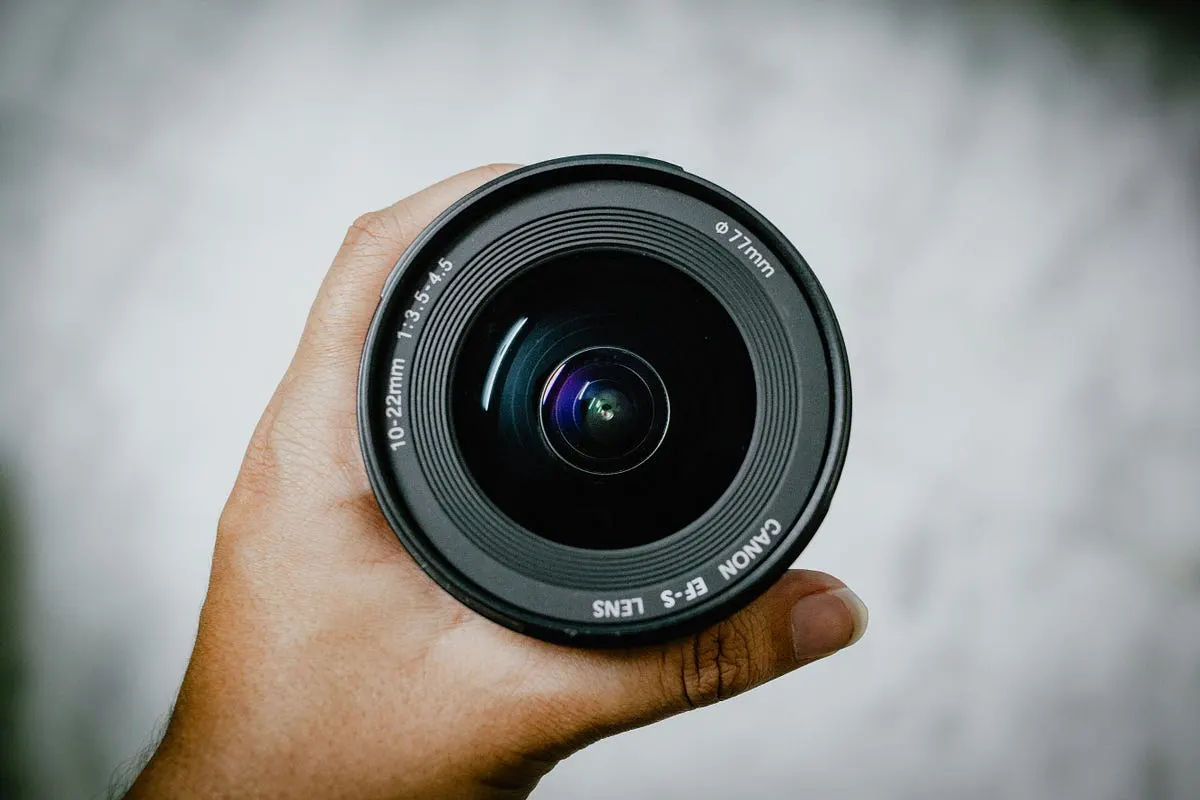
Photo by Vikas Shankarathota on Unsplash
Which Canon lenses are best for beginners?
Recommended picks include the Canon EF 50mm f/1.8 STM, the EF-S 24mm f/2.8 STM pancake and the EF-S 55-250mm f/4-5.6 IS STM. It ends with advice for first-time Canon owners.
That shiny new DSLR or mirrorless body felt like a key to a new world. And then there was its faithful companion: the kit lens.
- Canon EF 50mm f/1.8 STM — Check Canon EF 50mm f/1.8 STM Price on Amazon
- Canon EF-S 24mm f/2.8 STM — Check Canon EF-S 24mm f/2.8 STM Price on Amazon
- Canon EF-S 55–250mm f/4–5.6 IS STM — Check Canon EF-S 55–250mm f/4–5.6 IS STM Price on Amazon
1. The “Magic Pill” Lens: Canon EF 50mm f/1.8 STM (The Nifty Fifty)
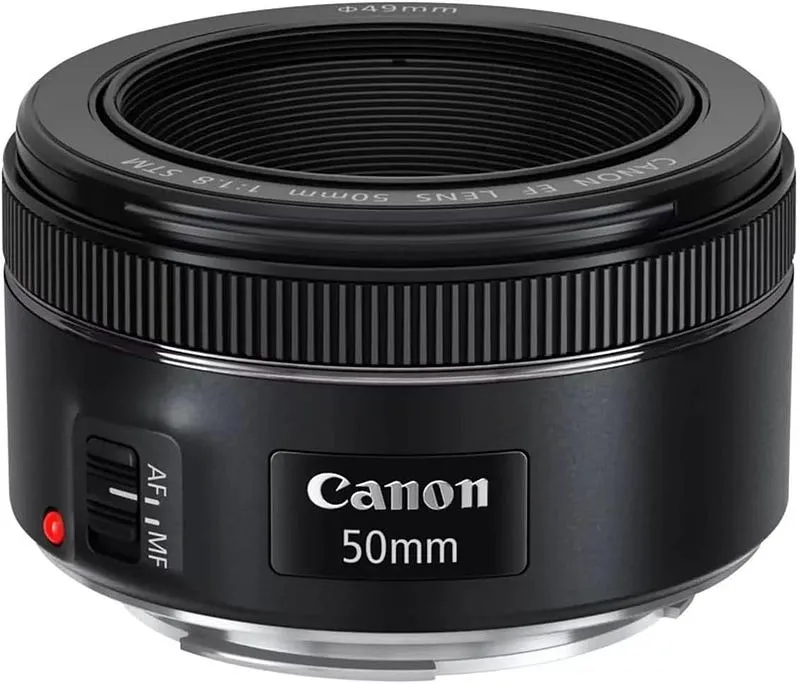
This is, without a doubt, the #1 recommended lens for every Canon beginner for a reason.
Why It’s Great for Beginners:
- Superb Low-Light Performance: The large f/1.8 aperture lets in a ton of light.
- Beautiful Bokeh: Creates professional-looking separation between your subject and background.
- Sharpness: It’s dramatically sharper than any kit lens.
- Lightweight & Affordable: It’s a steal for the quality it delivers.
- The Catch: It’s a prime lens, meaning it doesn’t zoom. You have to “zoom with your feet.” This feels limiting at first but actually teaches you invaluable lessons about composition and moving to find the best shot.
- Get This If: You want to shoot portraits, indoor family events, or details and want that professional “pop” for very little money.
For Mirrorless (EOS R/RP) Users: Get the RF 50mm f/1.8 STM. It’s the exact same incredible value, just designed for the newer mirrorless mount.
Canon EF 50mm f/1.8 STM — Check Canon EF 50mm f/1.8 STM Price on Amazon
2. The Versatile Upgrade: Canon EF-S 24mm f/2.8 STM Pancake Lens
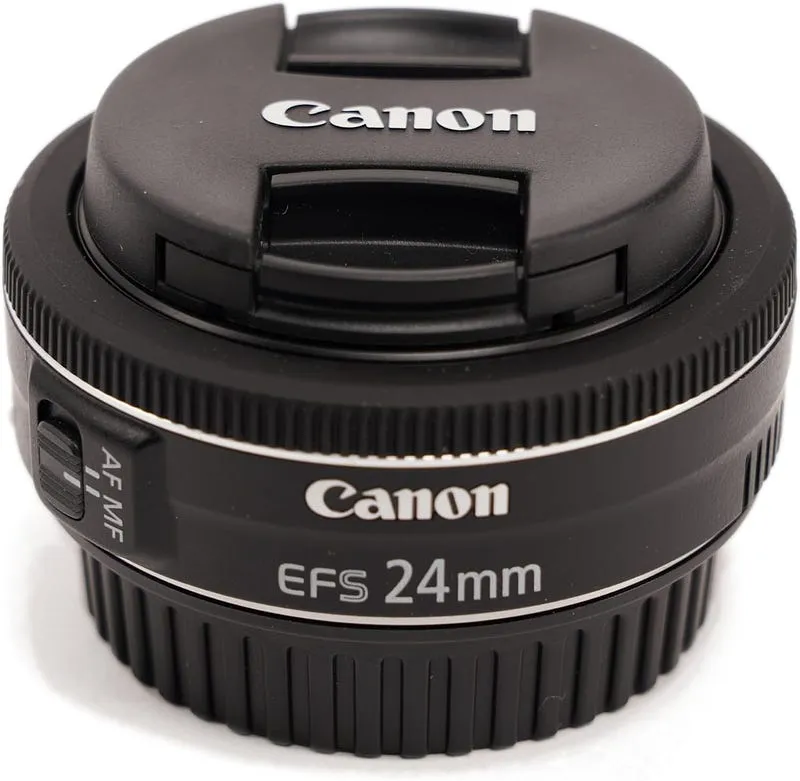
Why It’s Great for Beginners:
- Tiny and Discreet: People hardly notice you’re taking photos.
- Wider Angle: Perfect for capturing more of the scene.
- Fast Enough: f/2.8 is still great for lower light than a kit lens.
- Crisp Images: Razor-sharp and full of character.
- The Catch: Again, no zoom. It’s designed for crop-sensor cameras only (like the Rebel series, 70D, 80D, 90D).
- Get This If: You want a lightweight, everyday lens for travel, blogging, vlogging, and street photography.
For Mirrorless Users: Look at the RF 35mm f/1.8 Macro STM. It’s a bit more expensive but offers a similar versatile field of view, has image stabilization, and can even focus super close for macro shots!
Canon EF-S 24mm f/2.8 STM — Check Canon EF-S 24mm f/2.8 STM Price on Amazon
3. The Zoom That Doesn’t Quit: Canon EF-S 55–250mm f/4–5.6 IS STM
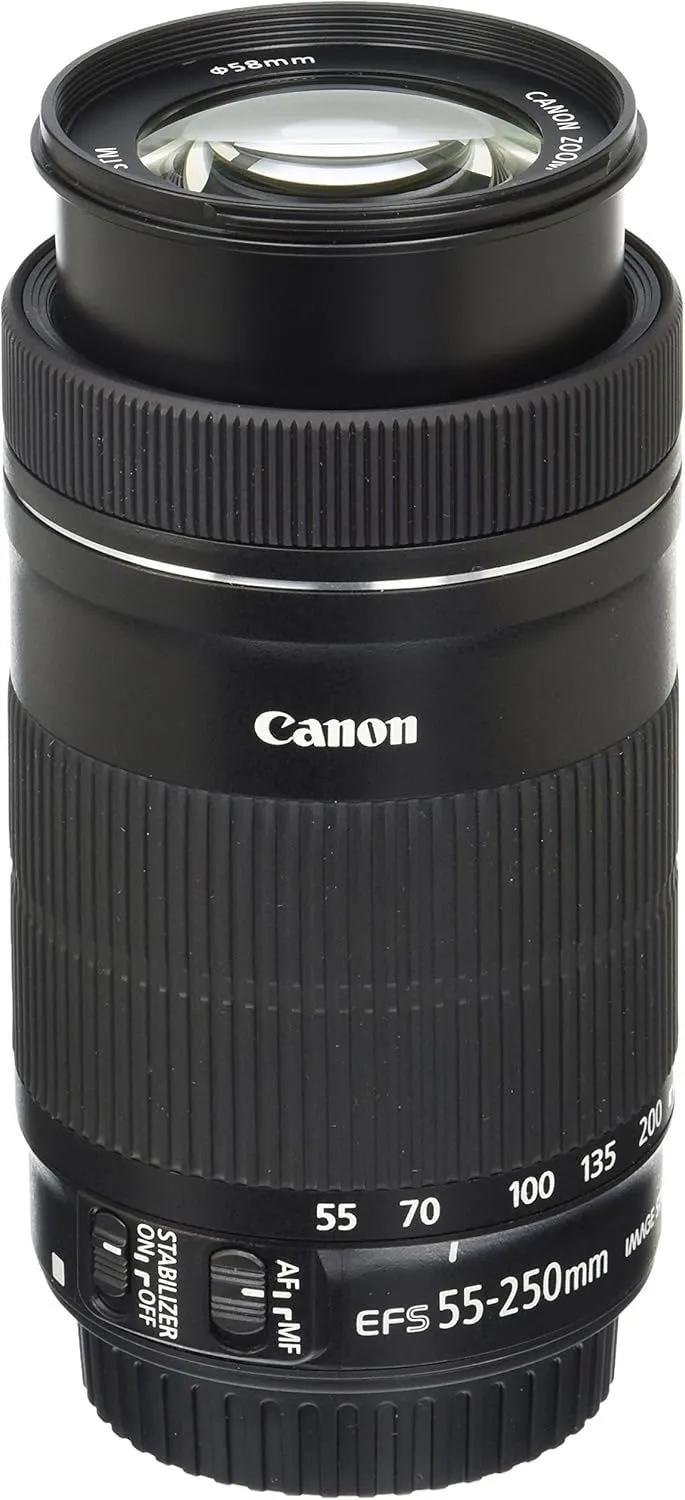
- Why It’s Great for Beginners:
- Massive Reach: It opens up genres like wildlife, sports, and event photography.
- Excellent Value: It’s an incredibly affordable telephoto zoom.
- Great Quality: The STM motor is quiet and fast, and the optics are surprisingly good.
- The Catch: It’s not great in low light due to the variable aperture, and it’s useless for close-up, wide shots.
- Get This If: You have kids in sports, love traveling to see wildlife, or just want to compress backgrounds and bring distant subjects closer.
For Mirrorless Users: The RF 100–400mm f/5.6–8 IS USM is a fantastic (though more expensive) modern equivalent with even more reach.
Canon EF-S 55–250mm f/4–5.6 IS STM — Check Canon EF-S 55–250mm f/4–5.6 IS STM Price on Amazon
The Bottom Line & Advice
Start with the iconic nifty fifty (50mm f/1.8). It will teach you more about photography than any other piece of gear and will inspire you like nothing else. From there, think about what you love to shoot and let that guide your next purchase.
Your kit lens has its place — it’s a great tool for learning what focal lengths you like. But when you’re ready to truly create, not just take, pictures, it’s time to invest in your first piece of real glass.
What was the first lens that changed photography for you? Share your stories in the comments below!
Gear Mentioned Summary:
- For DSLR (APS-C) Beginners: Canon EF 50mm f/1.8 STM, Canon EF-S 24mm f/2.8 STM, Canon EF-S 55–250mm f/4–5.6 IS STM
- For Mirrorless (RF Mount) Beginners: Canon RF 50mm f/1.8 STM, Canon RF 35mm f/1.8 Macro IS STM, Canon RF 100–400mm f/5.6–8 IS USM

Photo by Didi Paul on Unsplash

Photo by Ramin Talebi on Unsplash

Photo by Mink Mingle on Unsplash
Related guides: Best Canon Camera For Beginners, Best Lenses for Bird Photography Canon, and our field setup directory.
Common Buying & Setup Questions
What is the top pick in Best Lenses for Beginners Canon?
The Canon EF 50mm f/1.8 STM (The Nifty Fifty) (50mm · f/1.8, Canon EF Full-Frame DSLR) leads our shortlist as the “magic pill” lens, followed closely by the Canon EF - S 55 - 250mm f/4 - 5.6 IS STM (250mm · f/4 · Optical IS).
What focal length, aperture, and shutter speed work best for tattoo artists & micro-realism portfolios?
For tattoo artists & micro-realism portfolios, pair a 50mm – 90mm (never below 35mm, which warps limb proportions) lens at f/5.6 – f/8 (keeps curved forearms and calves sharp edge-to-edge) with a shutter speed of 1/125s – 1/200s handheld (or 1/60s on tripod) and a working distance of 0.4m – 1.5m (1.5 to 5 ft). Recommended setup: CRI 95+ 5600K LED panel covered with Linear Polarizing Film + Circular Polarizer (CPL) lens filter rotated 90°..
Camera & Lens Settings by Real-World Use Case
Match your focal length, aperture, shutter speed, and lighting modifier to the exact environment you shoot in.
Tattoo Artists & Micro-Realism Portfolios
- Best Body:
- Sony Alpha a7 III / Fujifilm X-T4
- Ideal Lens:
- 90mm f/2.8 Macro (detail) or 50mm f/1.8 (sleeves & back pieces)
- Aperture & Shutter:
- f/5.6 – f/8 (keeps curved forearms and calves sharp edge-to-edge) · 1/125s – 1/200s handheld (or 1/60s on tripod)
- Room Distance:
- 0.4m – 1.5m (1.5 to 5 ft)
Barbershops, Hairstylists & Color Salons
- Best Body:
- Sony a7 IV / Canon EOS R6 Mark II
- Ideal Lens:
- 50mm f/1.8 (tight stations) or 85mm f/1.8 (spacious salons)
- Aperture & Shutter:
- f/1.8 – f/2.8 (blurs background chairs while keeping the lineup tack-sharp) · 1/160s – 1/250s (freezes subtle head movement in the chair)
- Room Distance:
- 1.5m – 2.4m (5 to 8 ft from the styling chair)
Makeup Artists (MUA) & Beauty Tutorials
- Best Body:
- Sony Alpha a6400 / Canon G7 X Mark III
- Ideal Lens:
- Sigma 56mm f/1.4 DC DN (APS-C) or 50mm–85mm f/1.8 (Full Frame)
- Aperture & Shutter:
- f/2.8 – f/4 for full-face sharpness; f/5.6 for macro eye/lip close-ups · 1/125s for stills; 1/50s (24p) or 1/120s (60p) for video tutorials
- Room Distance:
- 1.2m – 2.2m (4 to 7 ft)

Written by
Marien CartelMarien Cartel runs Marien Cartel Photography, a camera and lens buying-guide site, and photographs the gear shown on it.
Related Guides

Canon RF Macro Lens: Sharpness, Aperture & Mount Picks
Shooting close-up with the Canon RF 100mm Macro: what it does brilliantly, the patience it demands, and whether it belongs in your RF kit.

Best Canon Lens for Headshots: Sharpness, Aperture & Mount Picks
Best Canon Lens for Headshots — what the Canon EF 85mm f/1.4L IS offers, where it falls short, and whether it is worth buying.
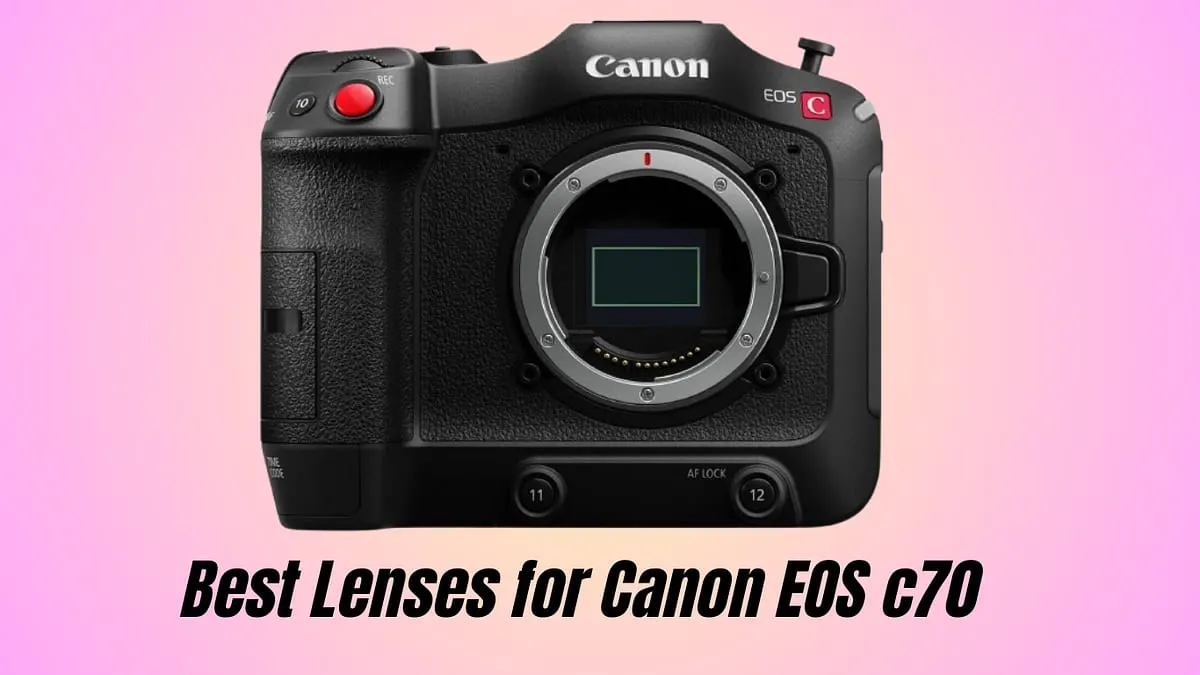
Best Lenses for Canon EOS c70: Aperture, Stabilization & Mount Guide
Best Lenses for Canon EOS c70 — Canon RF 15–35mm f/2.8L IS and Canon RF 24–105mm f/4L IS compared, with pros, cons and who should buy which.
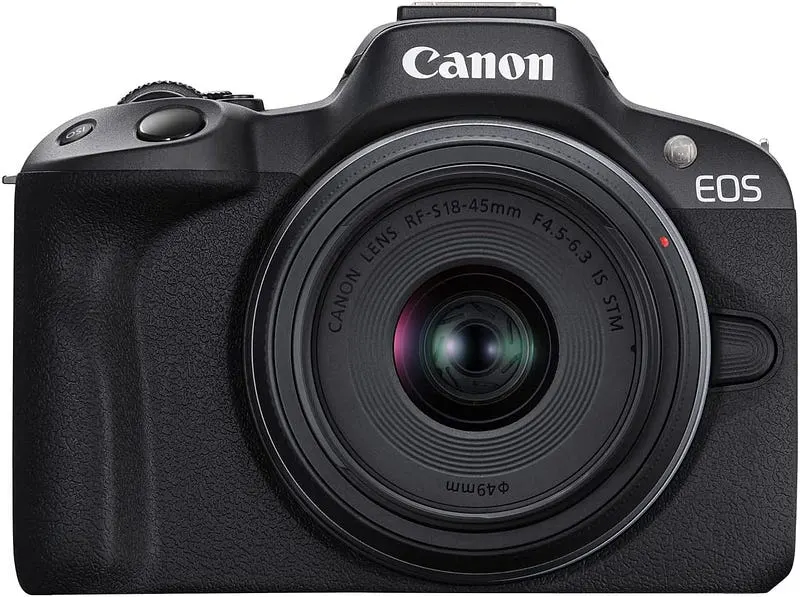
Best Canon Camera For Beginners: Sensor Size, Stabilization & Picks
Best Canon Camera For Beginners: Canon EOS R50 and Canon EOS R100 compared on features, price and who each one suits.
Best Fujifilm GF Lenses: Sharpness, Aperture & Mount Picks
Best Fujifilm GF Lenses: what to look for, what to skip and how to choose the right one for your budget. Updated for 2026.

Best Nikon Telephoto Lenses: Sharpness, Aperture & Mount Picks
Best Nikon Telephoto Lenses — Nikon 70–300mm f/4.5–5.6G ED VR and Nikon 200–500mm f/5.6E ED VR compared, with pros, cons and who should buy which.