Canon RF Macro Lens
As an Amazon Associate we earn from qualifying purchases. Some links in this guide are affiliate links — see our affiliate disclosure for details.
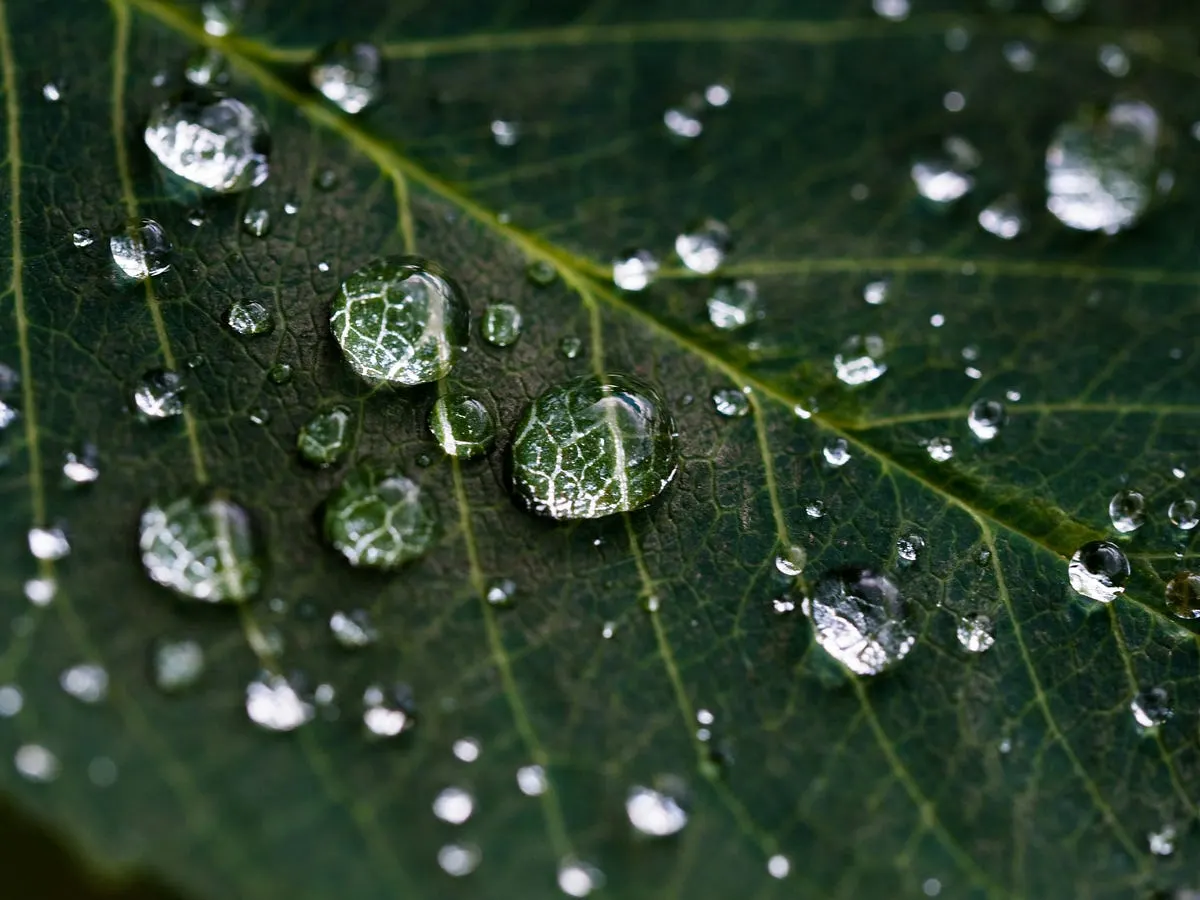
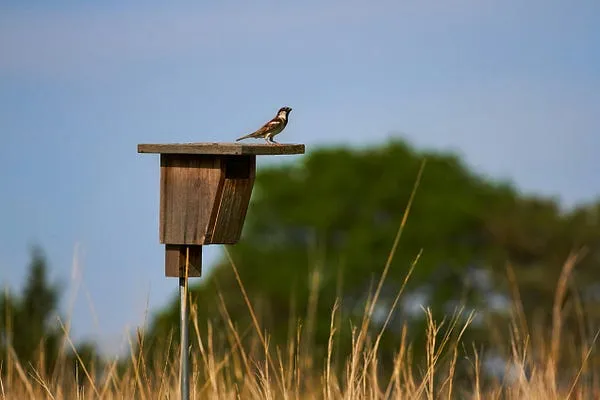
Photo by dan carlson on Unsplash
There’s something magical about seeing the world in extreme detail — the delicate veins of a leaf, the intricate patterns on a butterfly’s wings, or the tiny dewdrops clinging to a spider’s web. For me, macro photography has always been a way to escape the ordinary and discover beauty in the smallest things. And when I got my hands on the Canon RF 100mm f/2.8L Macro IS USM lens, it completely transformed my photography.
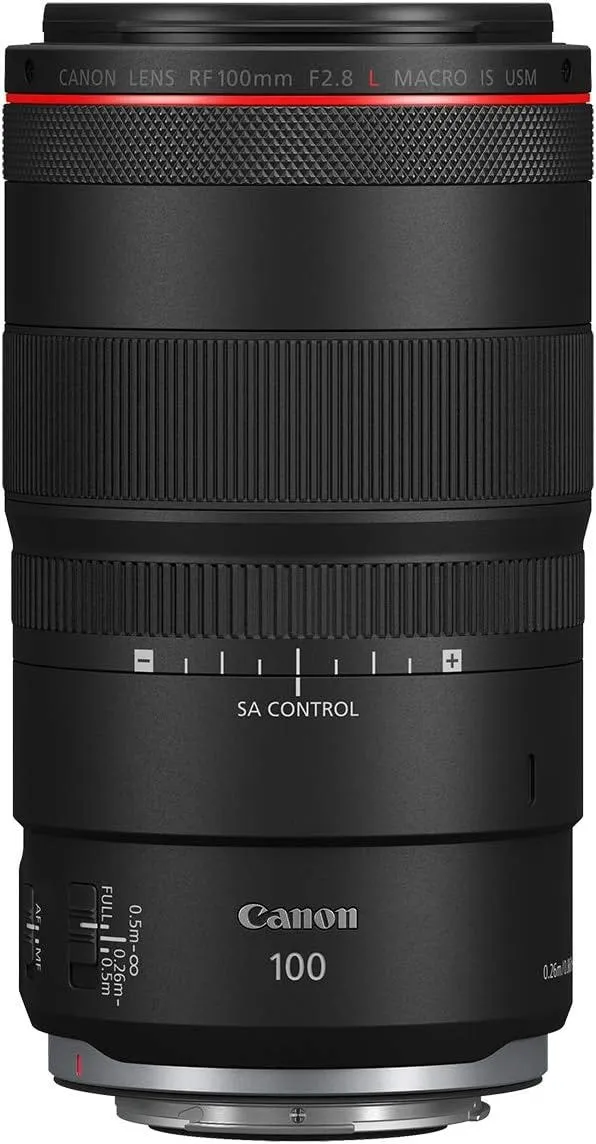
Check Today Deals on Canon RF 100mm f/2.8L Macro IS USM lens
Why I Chose the Canon RF Macro Lens
I’ve been a Canon shooter for years, starting with EF lenses before transitioning to the RF system with my EOS R5. While I loved my old EF 100mm macro lens, I wanted something sharper, faster, and optimized for mirrorless. After some research, the RF 100mm f/2.8L Macro stood out for several reasons:
- 1.4x Magnification — Unlike most macro lenses that stop at 1:1, this one goes beyond, letting me capture even more detail.
- Hybrid IS — Super helpful for handheld shooting, especially in low light.
- SA (Spherical Aberration) Control — A unique feature that allows creative control over bokeh and focus transitions.
- Razor-Sharp Optics — The L-series glass delivers stunning clarity, even wide open.
My First Macro Adventure with the RF 100mm
I remember my first real test with this lens — a quiet morning in my backyard after a light rain. The droplets on the flowers looked like tiny crystal balls, and I was eager to see what this lens could do.
I attached it to my EOS R5, switched to manual focus (since macro work often requires precision), and got close to a dew-covered rose. The focus breathing was minimal, and the image stabilization made it easy to compose my shot without a tripod. When I reviewed the image on my camera’s LCD, I was blown away. The level of detail was insane — every droplet reflected the garden like a miniature world.
What I Love About This Lens
- Unmatched Sharpness — Even at f/2.8, the center is tack-sharp, and stopping down to f/5.6 makes the entire frame crisp.
- Beautiful Bokeh — The SA Control ring lets me tweak the background blur for artistic effects.
- Versatility — It’s not just for macro; I’ve used it for portraits, and the results are stunning.
- Build Quality — Weather-sealed and solid, perfect for outdoor shoots.
A Lesson in Patience
Macro photography teaches you to slow down. One of my most memorable shots was of a hoverfly resting on a sunflower. I had to wait nearly 20 minutes for the right moment, adjusting my angle to avoid shadows and wind gusts. When I finally got the shot, the level of detail in its iridescent wings made every second worth it.
As an Amazon Associate, I earn from qualifying purchases at no additional cost to you. Thank you for your support!
Final Thoughts
If you’re into macro photography (or even if you’re just curious), the Canon RF 100mm f/2.8L Macro IS USM is a game-changer. It’s sharp, versatile, and packed with features that make shooting tiny subjects a joy.
For me, it’s not just a lens — it’s a portal to a hidden world, one that most people walk past without noticing. And that’s the beauty of macro photography: it reminds us to stop, look closer, and appreciate the little things.
Have you tried macro photography? What’s your favorite subject to shoot? Let me know in the comments!
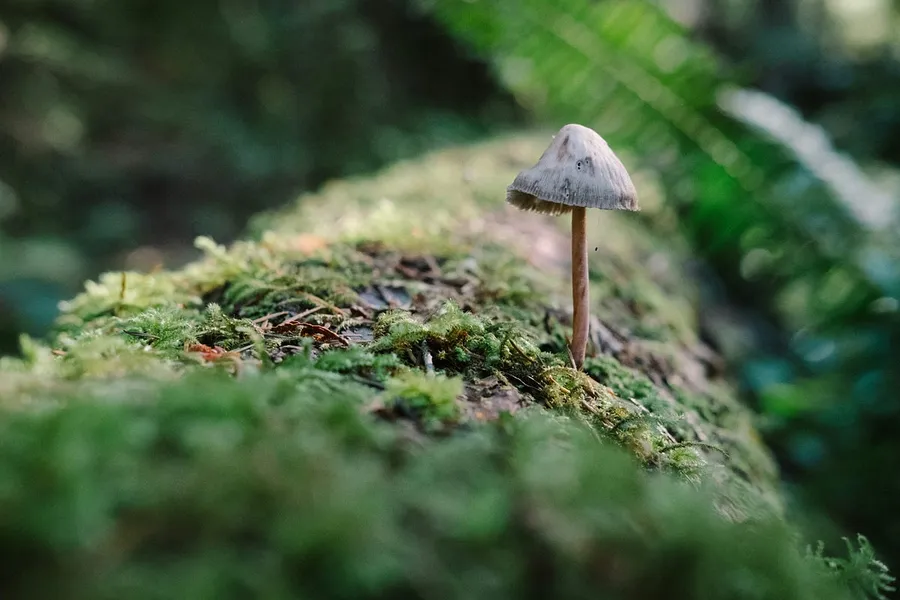
Photo by Jesse Bauer on Unsplash



Written by
Marien CartelProfessional and Certified Digital Photographer born in the USA, with 22 years of experience in the field of photography.
Related Guides
Best Lens for Panasonic LUMIX S5: (2026 Guide & Reviews)
Unlocking the Cinematic Soul of the L-Mount System. What the Sigma 24–70mm f/2.8 DG DN gets right, what it does not, and who should buy it.

Best Lens for Wide Shots
The Ultimate Guide to the Best Lens for Wide Shots: Field-Tested Review & Personal Experience

Best Lenses for Interior Photography
Best Lenses for Interior Photography. Here is how the Canon R6 Mark II and Canon EOS R6 Mark II compare, and the one I keep going back to.