Best Lenses for Canon EOS R6: Fast Primes & Versatile Zooms
As an Amazon Associate we earn from qualifying purchases. Some links in this guide are affiliate links, see our affiliate disclosure for details.
Top Picks & Key Specifications at a Glance
| Model | Best For | Mount / System | Key Optical & Sensor Specs | Check Price |
|---|---|---|---|---|
1Canon RF 24 - 70mm f/2.8L IS USM | Best Everyday Lens | Canon RF (Full Frame) | 70mm · f/2 · Optical IS | Amazon ↗ |
2Canon RF 100mm f/2.8L Macro IS USM | Best Macro Lens | Canon RF (Full Frame) | 100mm · f/2 · Optical IS | Amazon ↗ |
How to Choose Gear for the Canon EOS R6
Top recommendations include the RF 24-70mm f/2.8L as the best everyday lens, the RF 70-200mm f/2.8L as the best telephoto zoom and the RF 100mm f/2.8L Macro as the best macro lens. It also lists extra options.
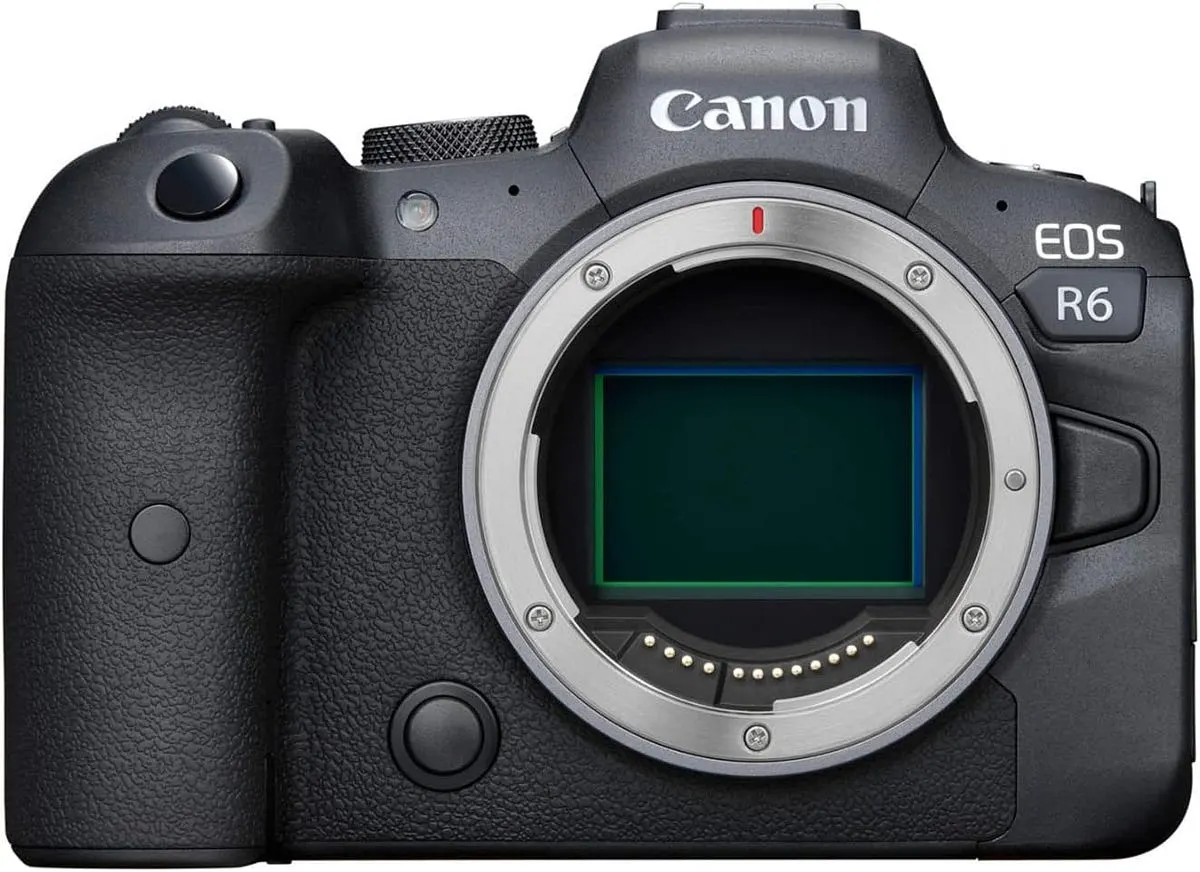
For starters, the resolution is sufficient for sports and wildlife, weddings, social and event photography (though lower than some competitors). The Canon EOS R6 has a 20MP sensor, while the R6 Mark II has a 24MP one. You can see a detailed comparison in our R6 vs R6 Mark II guide.
The lower pixel count translates to improved burst speeds and buffer capacity for action photography, better image quality at high ISOs in challenging situations (indoor venues, night-time events), and a lower price tag compared to the R5.
Favorite Lenses for the Canon EOS R6**
Best Everyday Lens: Canon RF 24–70mm f/2.8L IS USM
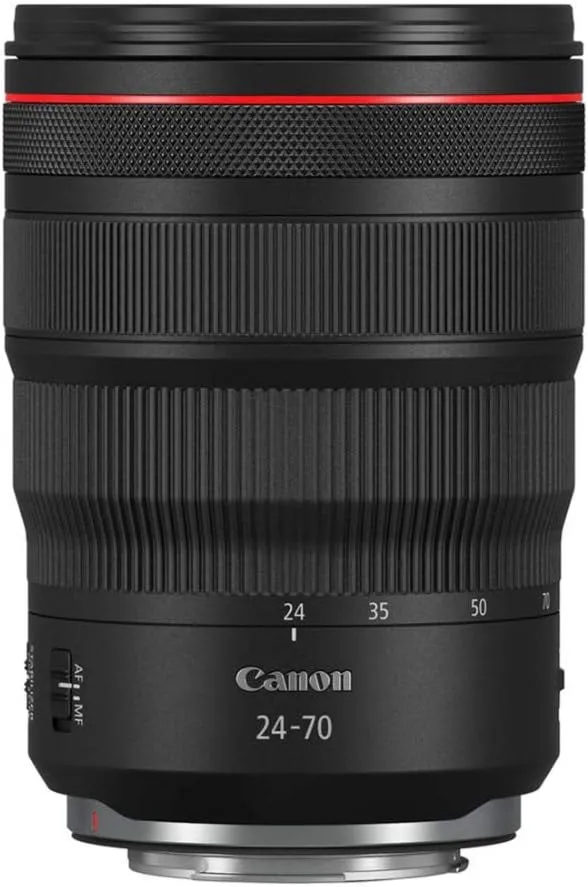
The Canon RF 24–70mm f/2.8L IS USM is a versatile workhorse lens that has become a staple for many photographers. Its versatile focal length range, impressive image quality, and robust build make it a great choice for a variety of shooting scenarios.
- Versatile Focal Length: The 24–70mm focal length range is incredibly versatile, covering a wide range of shooting situations, from wide-angle landscapes to portraits.
- Excellent Image Quality: This lens delivers exceptional image quality, with sharp details, rich colors, and minimal distortion.
- Fast Aperture: The constant f/2.8 aperture allows for excellent low-light performance and beautiful bokeh.
- Effective Image Stabilization: The 5-stop image stabilization helps to reduce camera shake, especially in low-light conditions or when using longer shutter speeds.
- Durable Build: The lens is built to last, with weather-sealing to protect it from the elements.
When to Use This Lens
- Landscape Photography: Capture stunning landscapes with the wide-angle end of the lens.
- Portrait Photography: Create beautiful portraits with the telephoto end of the lens and the shallow depth of field.
- Event Photography: Capture candid moments and group shots with ease.
- Travel Photography: A versatile lens for capturing a wide range of subjects, from architecture to street photography.
Overall
The Canon RF 24–70mm f/2.8L IS USM is a fantastic lens that can handle a wide range of photographic situations. Its excellent image quality, fast aperture, and effective image stabilization make it a valuable tool for any photographer. If you’re looking for a versatile lens that can do it all, this is a great option to consider.

Photo by Annie Spratt on Unsplash

Photo by Nicolas Hoizey on Unsplash
Best Telephoto Zoom: Canon RF 70–200mm f/2.8L IS USM
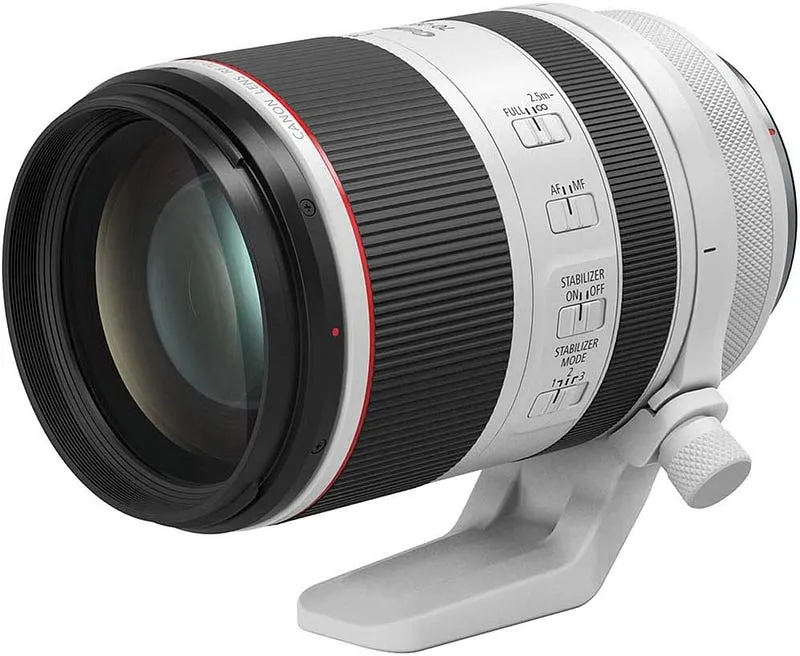
The Canon RF 70–200mm f/2.8L IS USM is a telephoto powerhouse that delivers stunning image quality and exceptional performance. This lens is a must-have for wildlife, sports, and portrait photographers.
- Impressive Focal Length Range: The 70–200mm focal length range is ideal for capturing distant subjects with stunning detail.
- Fast Aperture: The constant f/2.8 aperture allows for excellent low-light performance and beautiful bokeh.
- Effective Image Stabilization: The 5-stop image stabilization helps to reduce camera shake, especially when shooting handheld at longer focal lengths.
- Fast and Accurate Autofocus: The lens features a fast and accurate autofocus system, making it perfect for capturing fast-moving subjects.
- Durable Build: The lens is built to withstand the rigors of professional use, with weather-sealing to protect it from the elements.
When to Use This Lens
- Wildlife Photography: Capture stunning images of wildlife, even at a distance.
- Sports Photography: Freeze the action with the fast autofocus and image stabilization.
- Portrait Photography: Create dramatic portraits with shallow depth of field and beautiful background blur.
- Event Photography: Capture distant subjects, such as performers on stage or athletes in action.
Overall
The Canon RF 70–200mm f/2.8L IS USM is a top-tier telephoto lens that delivers exceptional performance. Its fast aperture, effective image stabilization, and fast autofocus make it a great choice for a wide range of photographic applications.

Photo by Matthew Mentley on Unsplash

Photo by Mariusz Dabrowski on Unsplash
Best Macro Lens: Canon RF 100mm f/2.8L Macro IS USM
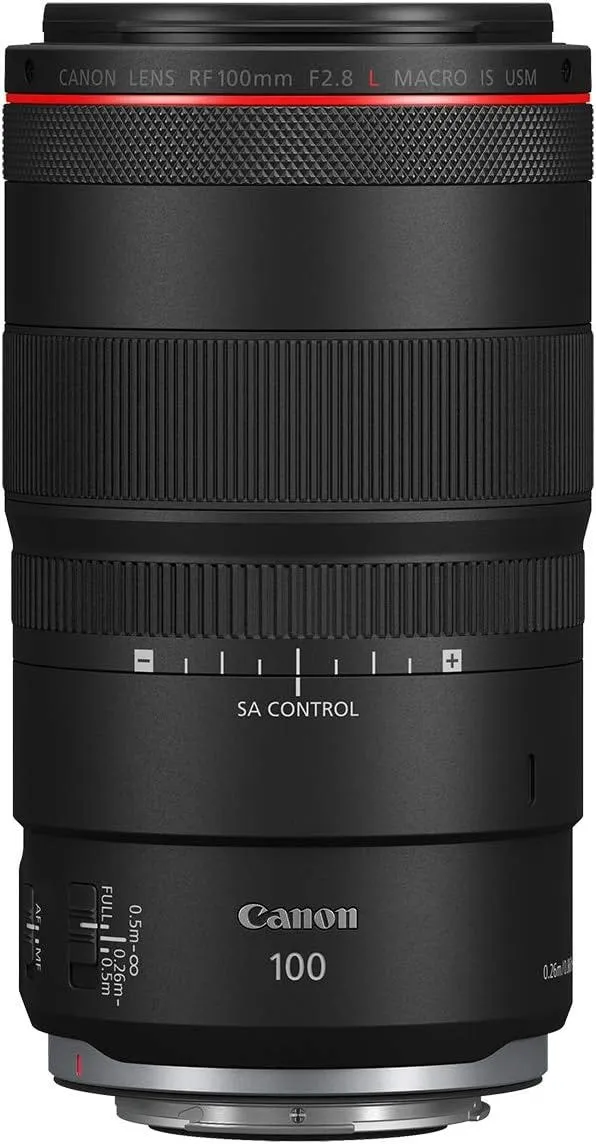
The Canon RF 100mm f/2.8L Macro IS USM is a true masterpiece of macro photography. This lens delivers stunning image quality, exceptional detail, and incredible versatility.
- Exceptional Macro Capabilities: The lens offers a 1.4x magnification ratio, allowing you to capture incredibly detailed close-up shots.
- Fast Aperture: The f/2.8 aperture enables excellent low-light performance and beautiful bokeh.
- Effective Image Stabilization: The 5-stop image stabilization helps to reduce camera shake, especially when shooting handheld at slower shutter speeds.
- Fast and Accurate Autofocus: The lens features a fast and accurate autofocus system, making it easy to focus on even the smallest details.
- Durable Build: The lens is built to last, with weather-sealing to protect it from the elements.
When to Use This Lens
- Macro Photography: Capture stunning close-up images of insects, flowers, and other small subjects.
- Product Photography: Create professional-quality product images with exceptional detail.
- Portrait Photography: The lens can also be used for portrait photography, thanks to its beautiful bokeh and sharp image quality.
Overall
The Canon RF 100mm f/2.8L Macro IS USM is a must-have for any photographer who loves macro photography. Its exceptional image quality, fast aperture, and effective image stabilization make it a top choice for capturing stunning close-up images.

Photo by Cristina Anne Costello on Unsplash

Photo by Cristina Anne Costello on Unsplash
Additional Options Based on Your Needs
- Best for Portraits: Canon RF 85mm f/1.2L USM (be prepared for the weight and price!)
- Best for Streets: Canon RF 35mm f/1.8 IS Macro STM (compact, lightweight, and affordable)
- Best for Architecture: Canon RF 10–20mm f/4L IS STM (ideal for capturing grand interiors and expansive buildings)
Additional comparisons: Best Lenses for Canon EOS R100, Best Lenses for Canon EOS R5, and our camera selector tool.
Common Buying & Setup Questions
What is the top pick in Best Lenses for Canon EOS R6?
The Canon RF 24 - 70mm f/2.8L IS USM (70mm · f/2 · Optical IS, Canon RF (Full Frame)) leads our shortlist as the best everyday lens, followed closely by the Canon RF 100mm f/2.8L Macro IS USM (100mm · f/2 · Optical IS).
What focal length, aperture, and shutter speed work best for youtube talking-head, podcasting & desk streaming?
For youtube talking-head, podcasting & desk streaming, pair a 24mm – 35mm full-frame equivalent (16mm–23mm on APS-C) lens at f/1.4 – f/2.0 (separates speaker from a close desk wall within 4 feet) with a shutter speed of 1/50s (for 24fps) or 1/60s (for 30fps) — 180-degree shutter rule and a working distance of 0.8m – 1.4m (2.5 to 4.5 ft desk arm mount). Recommended setup: Elgato Cam Link 4K or USB-C UVC + dummy battery AC adapter + 45° key softbox + dynamic XLR podcast mic..
Camera & Lens Settings by Real-World Use Case
Match your focal length, aperture, shutter speed, and lighting modifier to the exact environment you shoot in.
YouTube Talking-Head, Podcasting & Desk Streaming
- Best Body:
- Sony ZV-E10 II / Sony a6700 / Canon EOS R50
- Ideal Lens:
- Sigma 16mm f/1.4 DC DN (APS-C) or 24mm f/1.8 (Full Frame)
- Aperture & Shutter:
- f/1.4 – f/2.0 (separates speaker from a close desk wall within 4 feet) · 1/50s (for 24fps) or 1/60s (for 30fps) — 180-degree shutter rule
- Room Distance:
- 0.8m – 1.4m (2.5 to 4.5 ft desk arm mount)
Wildlife, Safari, Whale Watching & Birds in Flight
- Best Body:
- Canon EOS R7 / Nikon Z8 / Sony a6700 / OM System OM-1 Mark II
- Ideal Lens:
- 100–400mm, 150–600mm, or Nikon Z 180–600mm f/5.6–6.3 VR
- Aperture & Shutter:
- f/5.6 – f/8 (wide open on super-telephotos for maximum shutter speed) · 1/1000s (whales/bears from a moving boat) to 1/2000s – 1/3200s (birds in flight)
- Room Distance:
- 10m – 80m+
Tattoo Artists & Micro-Realism Portfolios
- Best Body:
- Sony Alpha a7 III / Fujifilm X-T4
- Ideal Lens:
- 90mm f/2.8 Macro (detail) or 50mm f/1.8 (sleeves & back pieces)
- Aperture & Shutter:
- f/5.6 – f/8 (keeps curved forearms and calves sharp edge-to-edge) · 1/125s – 1/200s handheld (or 1/60s on tripod)
- Room Distance:
- 0.4m – 1.5m (1.5 to 5 ft)

Written by
Marien CartelMarien Cartel runs Marien Cartel Photography, a camera and lens buying-guide site, and photographs the gear shown on it.
Related Guides
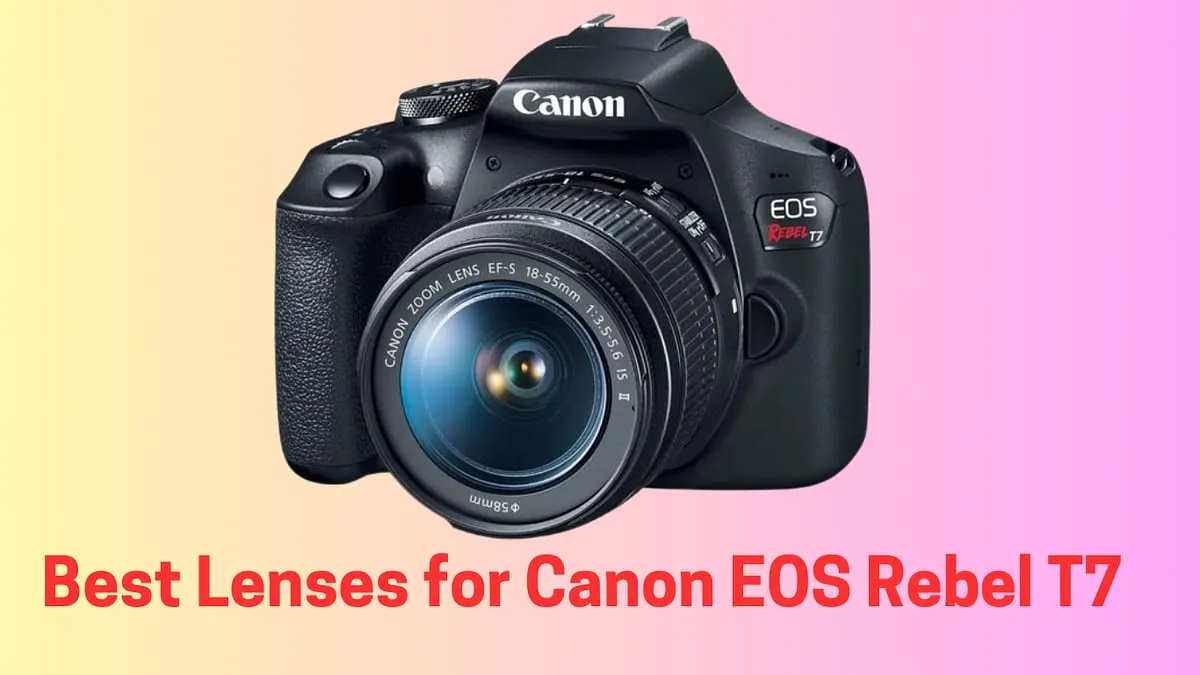
Best Lenses for Canon EOS Rebel T7: Fast Primes & Versatile Zooms
Best Lenses for Canon EOS Rebel T7: Canon EF-S 10–18mm f/4.5–5.6 IS and Canon EF 50mm f/1.8 STM compared on features, price and who each one suits.
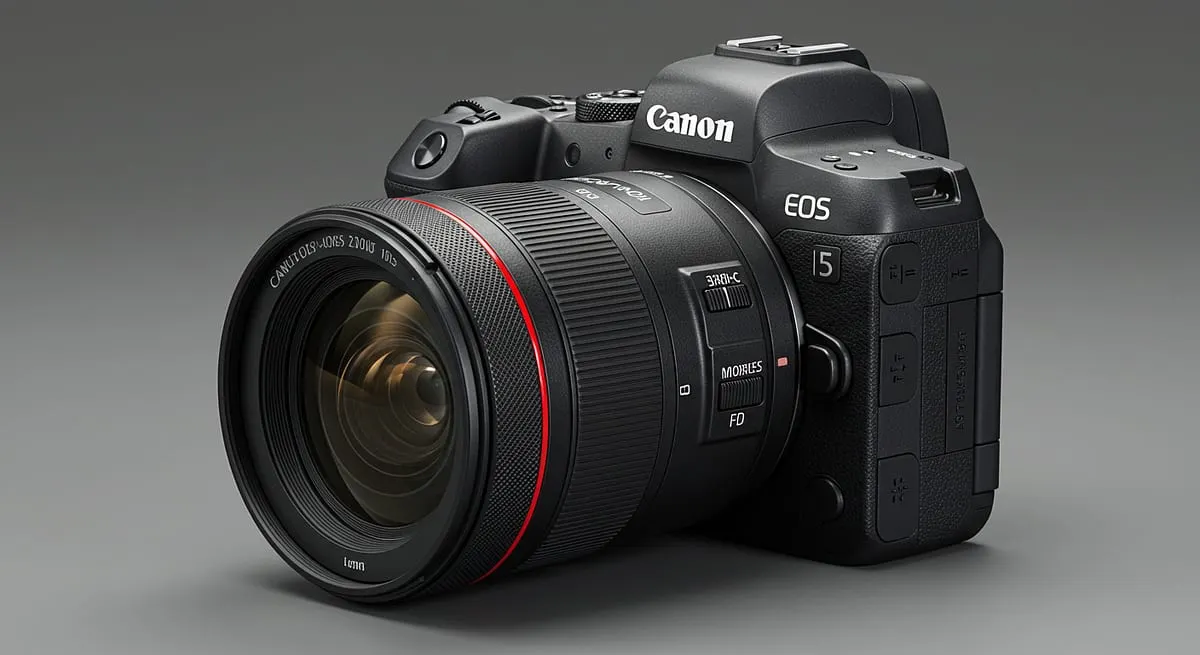
Best Zoom Lens for Canon Full-Frame: Fast Primes & Versatile Zooms
Recommended picks include the Canon RF 24-70mm f/2.8L, RF 70-200mm f/2.8L, RF 15-35mm f/2.8L and RF 24-105mm f/4L for RF bodies, and the EF 24-70mm f/2.8L.

Best Walk Around Lens For Nikon: Fast Primes & Versatile Zooms
Best Walk Around Lens For Nikon: Nikon 24–120mm f/4G ED VR, Nikon 18–55mm kit lens and Nikon 50mm f/1.8G compared on features, price and who each one suits.

Best Lens for Headshots: Fast Primes & Versatile Zooms
Best Lens for Headshots: what to look for, what to skip and how to choose the right one for your budget. Updated for 2026.
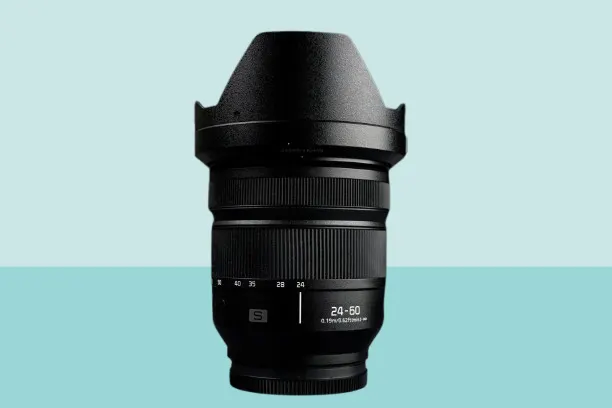
Panasonic 24–60mm f/2.8 S Review: Fast Primes & Versatile Zooms
Panasonic 24–60mm f/2.8 S Review: Sigma 28–70mm f/2.8 and Panasonic 24–70mm f/2.8 Pro evaluated side by side on specs, lens options, and value for money.
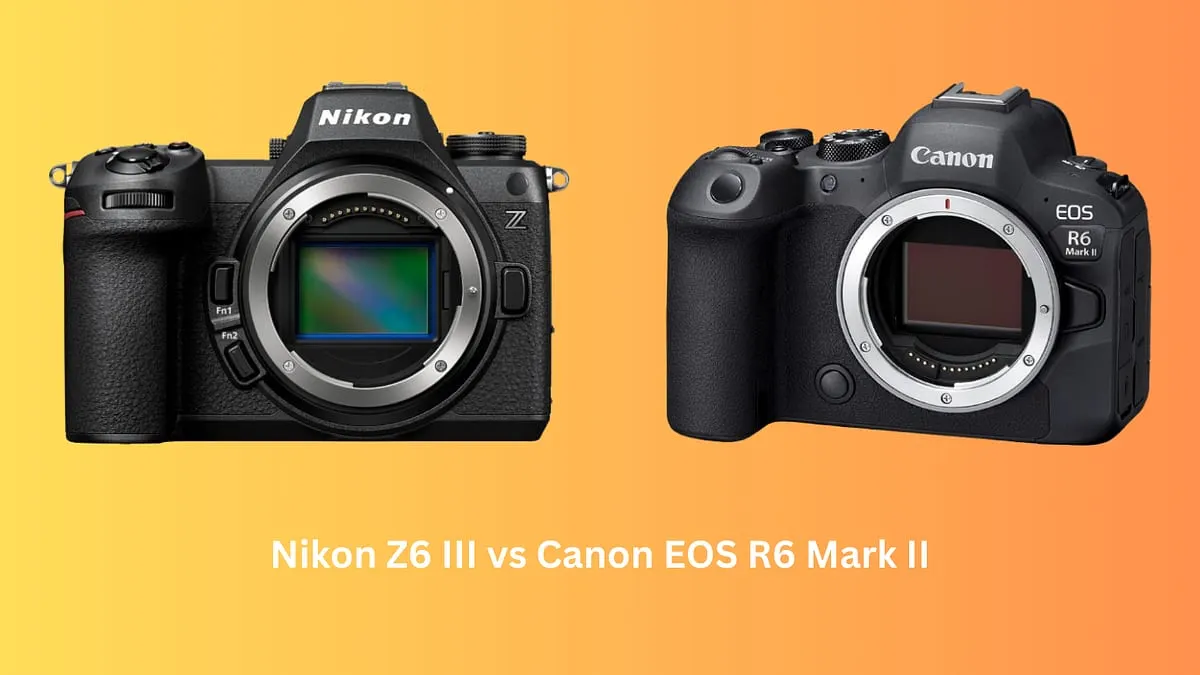
Nikon Z6 III vs Canon EOS R6 Mark II
Nikon Z6 III vs Canon EOS R6 Mark II: key differences in specs, autofocus, video and price, and which one suits you.