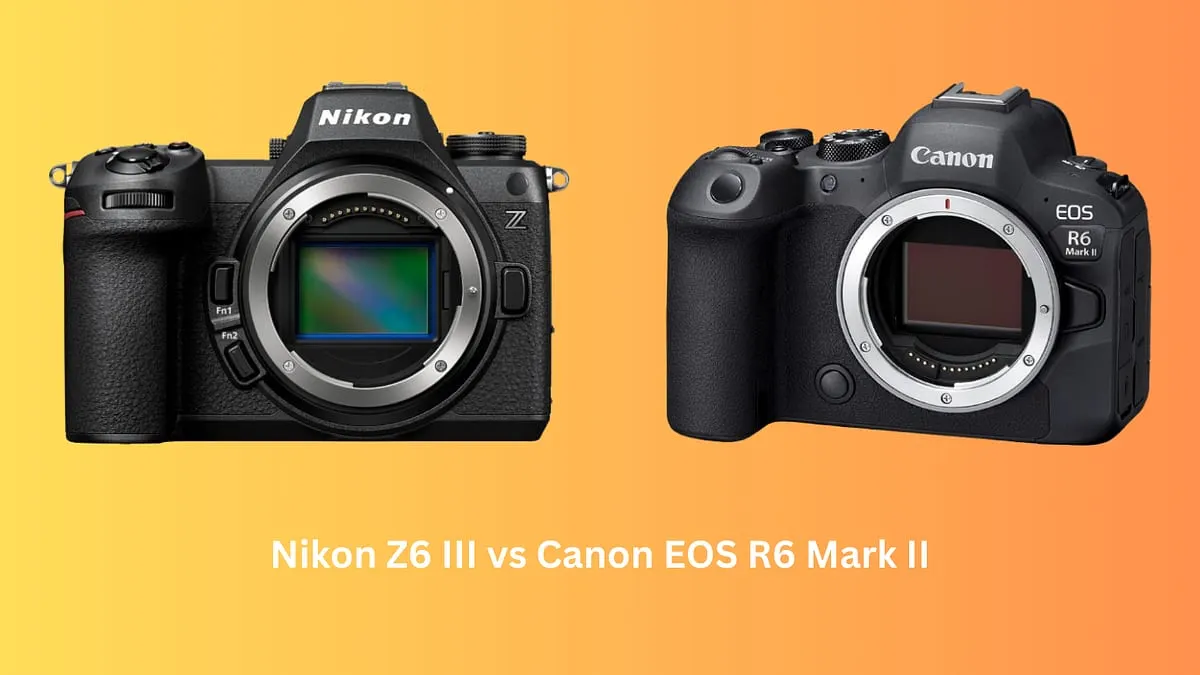
Nikon Z6 III vs Canon EOS R6 Mark II
As an Amazon Associate we earn from qualifying purchases. Some links in this guide are affiliate links, see our affiliate disclosure for details.
Should you buy the Nikon Z6 III or the Canon EOS R6 Mark II?
Among the standout options is it a tie overall: Nikon wins on customizability and features, Canon on ease of use. Choose the Canon if you shoot only stills and prefer established ergonomics over spec-sheet power.
Overview of Key Features
Nikon Z6 III
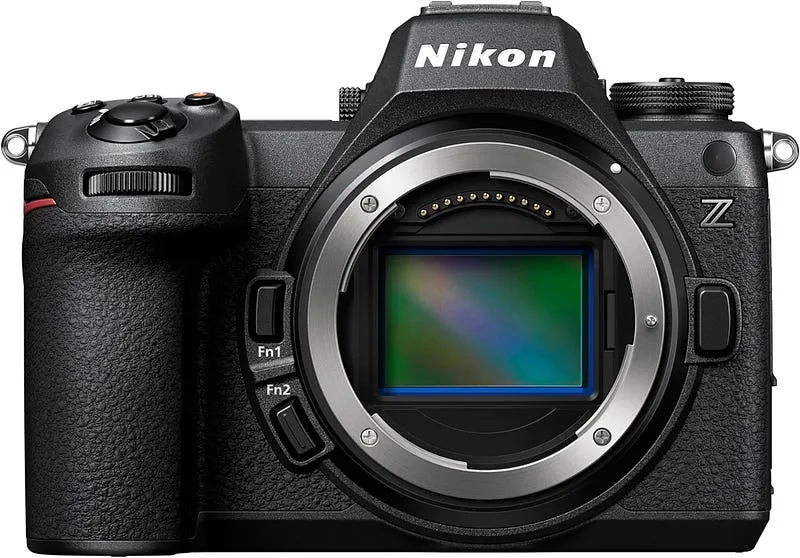
Sensor:
- 24.5 MP Full-Frame sensor for high-resolution images.
- Continuous Shooting Speed:
- 14 fps (mechanical shutter)
- 20 fps (electronic shutter) for capturing fast action.
Autofocus System:
- Advanced subject detection with 299 focus points, providing reliable tracking of moving subjects.
ISO Range:
- 100–64,000 (expandable to 50–204,800) for excellent low-light performance.
Video Capabilities:
- Supports up to 6K video at 60 fps, offering high-quality video recording options.
Viewfinder:
- High-resolution 5.76 million-dot electronic viewfinder (EVF) for clear and detailed composition.
Weight:
- Approximately 1.5 lbs (body only), making it relatively portable.
Build Quality:
- Weather-sealed construction for durability in various outdoor conditions.
Canon EOS R6 Mark II
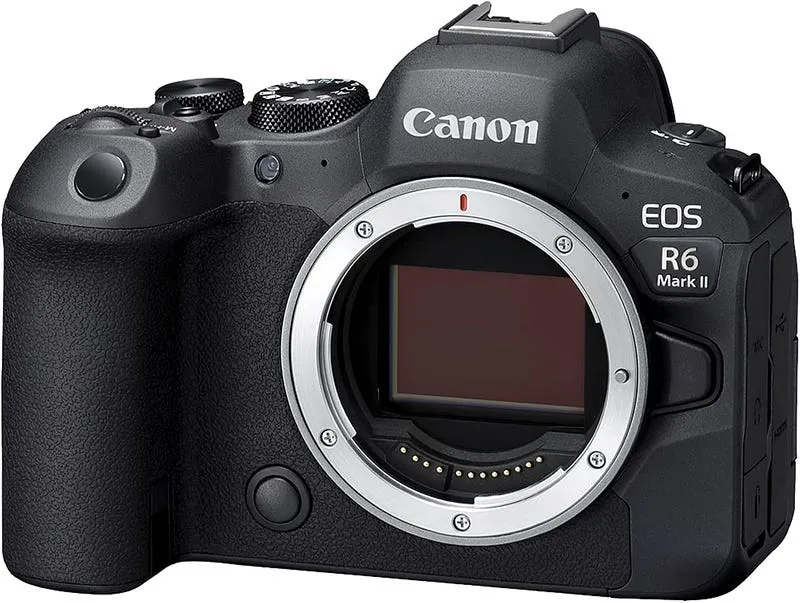
Sensor:
- 24.2 MP Full-Frame sensor delivering sharp and vibrant images.
Continuous Shooting Speed:
- 12 fps (mechanical shutter)
- 40 fps (electronic shutter) for capturing rapid sequences.
Autofocus System:
- Dual Pixel CMOS AF with 1,053 focus points, excelling in tracking moving subjects with precision.
ISO Range:
- 100–102,400 (expandable to 50–204,800) for versatile low-light shooting capabilities.
Video Capabilities:
- Capable of recording up to 4K video at 60 fps, suitable for high-quality video projects.
Viewfinder:
- 3.69 million-dot electronic viewfinder (EVF) providing a clear view of the scene.
Weight:
- Approximately 1.3 lbs (body only), making it lightweight and easy to carry.
User Interface:
- Intuitive controls and layout for quick adjustments while shooting.
- Pros and Cons
Nikon Z6 III
Pros:
- Partially Stacked Sensor: The new sensor technology allows for faster readout speeds, enhancing continuous shooting and autofocus performance.
- High-Quality Viewfinder: The EVF offers a high resolution of 5.76 million dots, providing a clear and detailed view of the scene.
- Robust Build Quality: Weather-sealed construction makes it suitable for outdoor use in various conditions.
- Excellent Low-Light Performance: The camera performs well in low-light situations due to its high ISO capabilities.
Cons:
- Higher Price Point Compared to Predecessor: While it offers significant upgrades, the price increase may deter some potential buyers.
- Dynamic Range Limitations in Certain Modes: Some tests indicate a slight decrease in dynamic range compared to the Z6 II, particularly in low ISO ranges.
Canon EOS R6 Mark II
Pros:
- Outstanding Autofocus System: The Dual Pixel AF system is highly effective for tracking moving subjects, making it ideal for wildlife photography.
- Fast Electronic Shutter Speed: With up to 40 fps in electronic mode, it excels in capturing rapid action.
- User-Friendly Interface: Many users find Canon’s controls intuitive and easy to navigate.
- Great Image Stabilization: In-body stabilization helps reduce blur from camera shake, especially beneficial when using longer lenses.
Cons:
- Lower Burst Rate with Mechanical Shutter: While it shines in electronic mode, the mechanical shutter’s burst rate of 12 fps is lower than that of the Z6 III.
- Limited Video Capabilities Compared to Z6 III: Although it offers solid video performance, it does not support the same high-resolution video options as the Z6 III.
Nikon Z6 III vs Canon EOS R6 Mark II: The 2025 Verdict (Updated)
By Marien Cartel | Last Updated: November 2025
Now, heading into 2026, the story has changed. With significant firmware updates from Nikon and price drops from Canon (plus the looming shadow of the new R6 Mark III), which camera is the smart buy today?
Overview: The “Old” Rivalry in a New Light
- Nikon Z6 III: No longer just “new,” it has matured into a beast thanks to the massive Firmware 2.0 update released in August 2025. It remains the choice for tech-forward hybrid shooters.
- Canon EOS R6 Mark II: It has transitioned from “current flagship” to “unbeatable value.” It’s still a workhorse, but now it appeals to those who want pro-level autofocus without paying late-2025 premium prices.
1. Autofocus: The Gap Has Closed
When the Z6 III launched, the Canon R6 Mark II held a slight edge in “stickiness” for erratic subjects. That changed this year.
- Nikon Z6 III (Updated): With Firmware 2.0, Nikon added a dedicated “Birds” subject detection mode and significantly improved tracking reliability. The new Auto Capture feature (ported from the Z9) is a game-changer for wildlife photographers who want to set up remote traps.
- Canon EOS R6 Mark II: The Dual Pixel CMOS AF II is still legendary. It just works. It requires less menu diving to get perfect results, making it the friendlier choice for beginners or event photographers who need to trust their gear instantly.
Winner: Tie (Nikon for customizability/features, Canon for ease of use).
2. The Viewfinder Experience
This is one area where age shows.
- Nikon Z6 III: The 5.76-million-dot EVF is still stunning a year later. It’s the brightest EVF in its class (4000 nits) and makes shooting in bright sunlight a joy.
- Canon EOS R6 Mark II: The 3.69-million-dot EVF is “good enough,” but comparing them side-by-side in 2025, the Canon feels distinctly last-generation.
Winner: Nikon Z6 III.
3. Video Capabilities: No Contest
If you are a hybrid shooter in late 2025, the Nikon Z6 III is in a different league.
- Nikon Z6 III: Offers Internal 6K/60p N-RAW and ProRes RAW. It’s a mini-cinema camera.
- Canon EOS R6 Mark II: Caps out at 4K/60p (oversampled). It’s excellent footage, but it lacks the internal RAW video flexibility that serious filmmakers now expect at this price point.
Winner: Nikon Z6 III.
4. Price & Value (The 2025 Factor)
Here is the twist. With the recent announcement of the Canon EOS R6 Mark III, the Mark II has seen aggressive price cuts.
- Nikon Z6 III: Still commands a premium mid-range price.
- Canon EOS R6 Mark II: Now arguably the best “bang-for-buck” full-frame camera on the market. If you don’t need 6K video or 120fps EVF, you can save significant money choosing the Canon.
The Final Verdict
Buy the Nikon Z6 III if:
- You are a video-first creator or hybrid shooter who needs RAW video.
- You want the best EVF experience in this class.
- You want a camera that gets better with age (via firmware updates like v2.0).
Buy the Canon EOS R6 Mark II if:
- You want the best value for money in late 2025.
- You strictly shoot stills (portraits, weddings, events) and don’t need 6K video.
- You prioritize ease of use and established ergonomics over raw spec-sheet power.
Continue reading: Canon EOS R6 Mark II vs Nikon Z6III, Canon PowerShot V1 vs G7 X Mark III, or use the gear match finder.
Camera & Lens Settings by Real-World Use Case
Match your focal length, aperture, shutter speed, and lighting modifier to the exact environment you shoot in.
Tattoo Artists & Micro-Realism Portfolios
- Best Body:
- Sony Alpha a7 III / Fujifilm X-T4
- Ideal Lens:
- 90mm f/2.8 Macro (detail) or 50mm f/1.8 (sleeves & back pieces)
- Aperture & Shutter:
- f/5.6 – f/8 (keeps curved forearms and calves sharp edge-to-edge) · 1/125s – 1/200s handheld (or 1/60s on tripod)
- Room Distance:
- 0.4m – 1.5m (1.5 to 5 ft)
Barbershops, Hairstylists & Color Salons
- Best Body:
- Sony a7 IV / Canon EOS R6 Mark II
- Ideal Lens:
- 50mm f/1.8 (tight stations) or 85mm f/1.8 (spacious salons)
- Aperture & Shutter:
- f/1.8 – f/2.8 (blurs background chairs while keeping the lineup tack-sharp) · 1/160s – 1/250s (freezes subtle head movement in the chair)
- Room Distance:
- 1.5m – 2.4m (5 to 8 ft from the styling chair)
Makeup Artists (MUA) & Beauty Tutorials
- Best Body:
- Sony Alpha a6400 / Canon G7 X Mark III
- Ideal Lens:
- Sigma 56mm f/1.4 DC DN (APS-C) or 50mm–85mm f/1.8 (Full Frame)
- Aperture & Shutter:
- f/2.8 – f/4 for full-face sharpness; f/5.6 for macro eye/lip close-ups · 1/125s for stills; 1/50s (24p) or 1/120s (60p) for video tutorials
- Room Distance:
- 1.2m – 2.2m (4 to 7 ft)

Written by
Marien CartelMarien Cartel runs Marien Cartel Photography, a camera and lens buying-guide site, and photographs the gear shown on it.
Related Guides
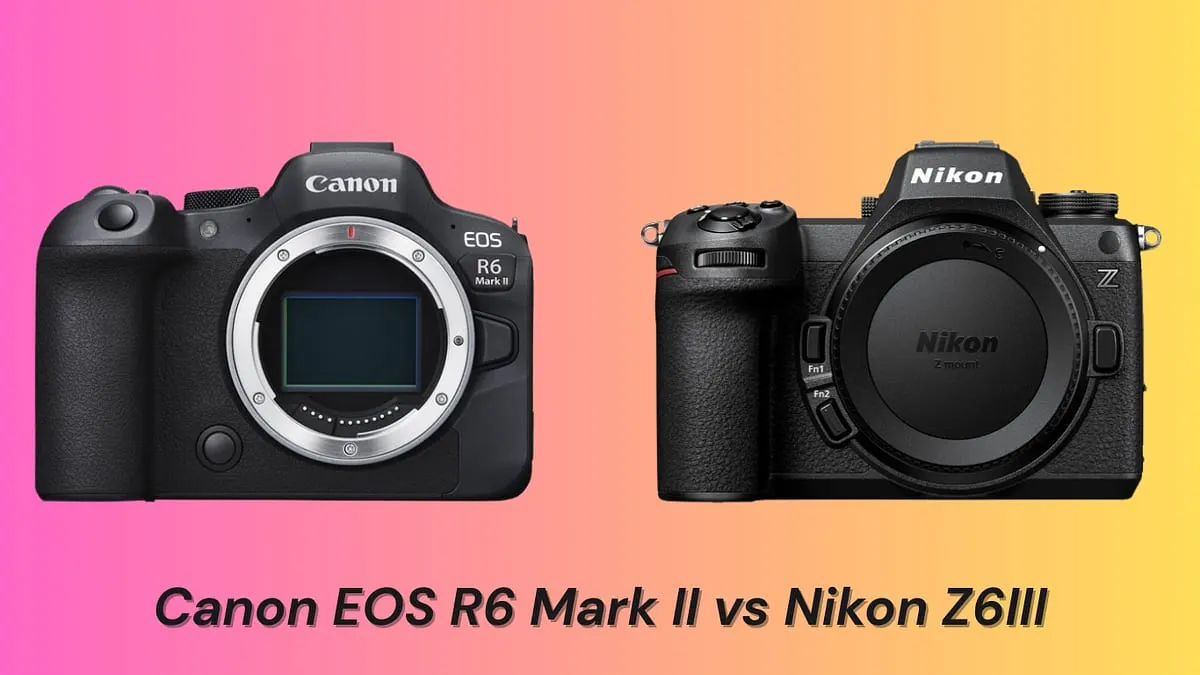
Canon EOS R6 Mark II vs Nikon Z6III: Tested Models & Buying Guide
Canon EOS R6 Mark II vs Nikon Z6III: Which One Should You Choose? — how the Canon EOS R6 Mark II and Nikon Z6III differ in autofocus, viewfinder and video.
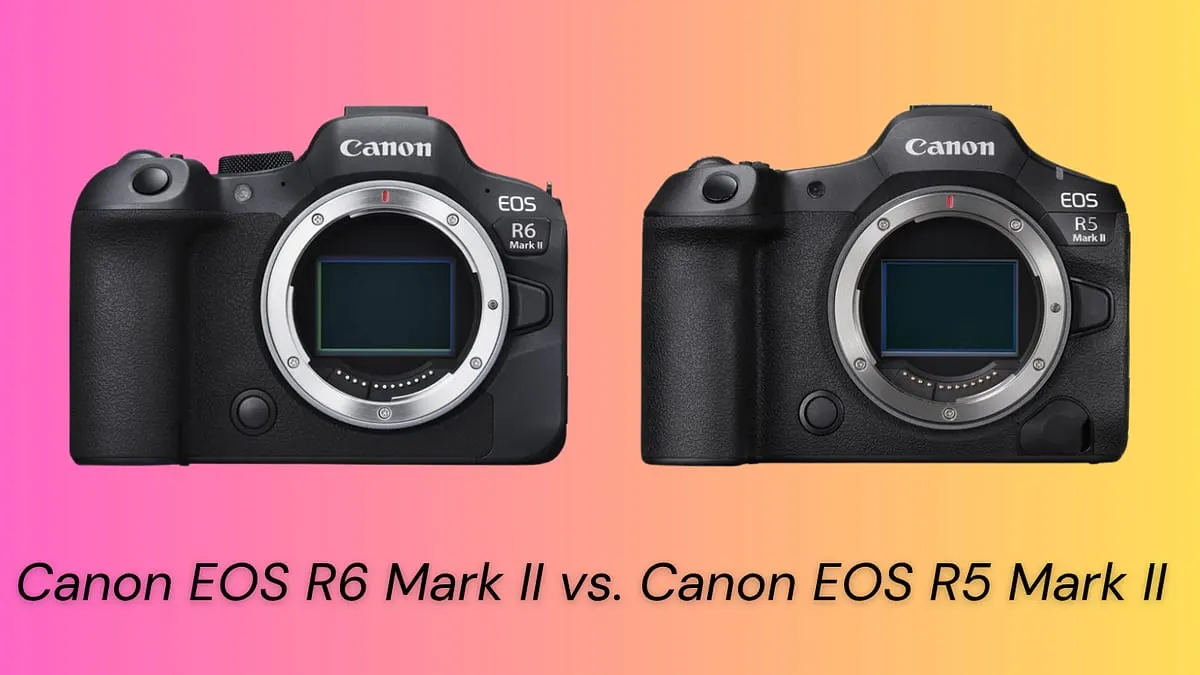
Canon EOS R6 Mark II vs. Canon EOS R5 Mark II
Canon EOS R6 Mark II vs. Canon EOS R5 Mark II: key differences in specs, autofocus, video and price, and which one suits you.

Top 3 Mirrorless Cameras: Canon R6 II, Panasonic S5 II and Nikon Z30
Top 3 Mirrorless Cameras: Canon R6 II, Panasonic S5 II and Nikon Z30: key features, strengths, drawbacks and who should buy the Canon EOS R6 Mark II.
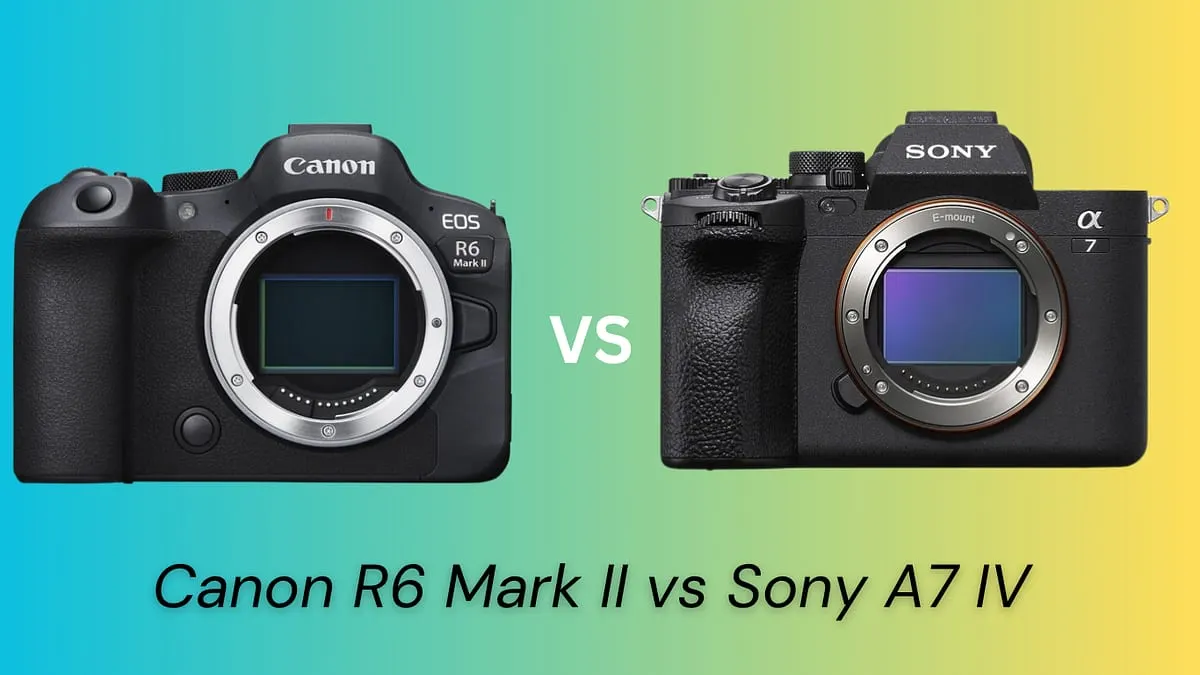
Canon R6 Mark II vs Sony A7 IV (Image Quality & Top Alternatives)
This comparison evaluates the two on image quality, autofocus, video, handling and lens ecosystem, then explains which one to choose depending on your needs.
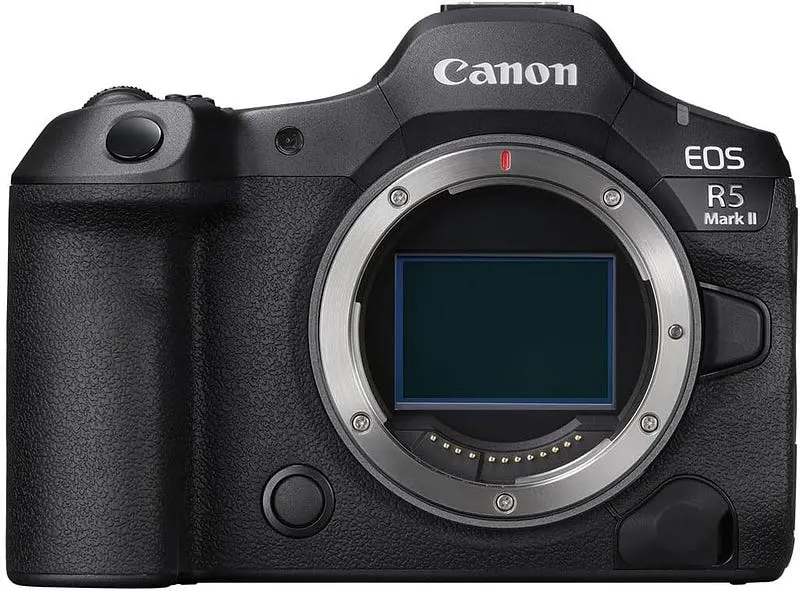
Best Lenses for Canon EOS R5 Mark II
Best Lenses for Canon EOS R5 Mark II — Canon RF 24–70mm f/2.8L IS and Canon RF 50mm f/1.2L USM compared, with pros, cons and who should buy which.
Canon 6D vs Canon 6D Mark II: Recommended Bodies & Kit Lenses
Canon 6D vs Canon 6D Mark II compared — where each one wins, where it falls short, and who should buy which. Updated for 2026.