Best Lenses for Low Light Photography
As an Amazon Associate we earn from qualifying purchases. Some links in this guide are affiliate links, see our affiliate disclosure for details.
Top Picks & Key Specifications at a Glance
| Model | Best For | Mount / System | Key Optical & Sensor Specs | Check Price |
|---|---|---|---|---|
1Best Low-Light Lenses for Different Needs | Top Overall Pick | Canon EF Full-Frame DSLR | 50mm · f/1.4 | Amazon ↗ |
224–70mm f/2.8 (The All-Rounder) | Recommended Pick | Interchangeable-Lens System | 24–70mm · f/2.8 · Optical IS | Amazon ↗ |
314mm f/1.8 or 20mm f/1.4 (For Starry Skies) | Recommended Pick | Interchangeable-Lens System | 14mm · f/1.8 | Amazon ↗ |
Top Picks for low-light photography
Recommended picks include a 24-70mm f/2.8 as the all-rounder and a 14mm f/1.8 or 20mm f/1.4 for starry skies. It also lists fast primes such as the Canon EF 50mm f/1.8 STM and Sony FE 35mm f/1.4 GM.
What Makes a Lens Great for Low Light?
Before we dive into the list, let’s quickly define what we’re looking for:
- Wide Maximum Aperture: This is the f-number (e.g., f/1.4,f/1.8,f/2.8). The smaller the number, the more light the lens lets in. An f/1.4 lens lets in four times more light than an f/2.8 lens!
- Image Stabilization (IS/VR/VC/OIS): This technology, built into the lens or camera body, counteracts camera shake. It allows you to shoot handheld at much slower shutter speeds without getting motion blur — a lifesaver for static scenes.
- Excellent Autofocus: In the dark, cameras struggle to focus. A lens with a fast, accurate autofocus motor can be the difference between a sharp shot and a missed moment.
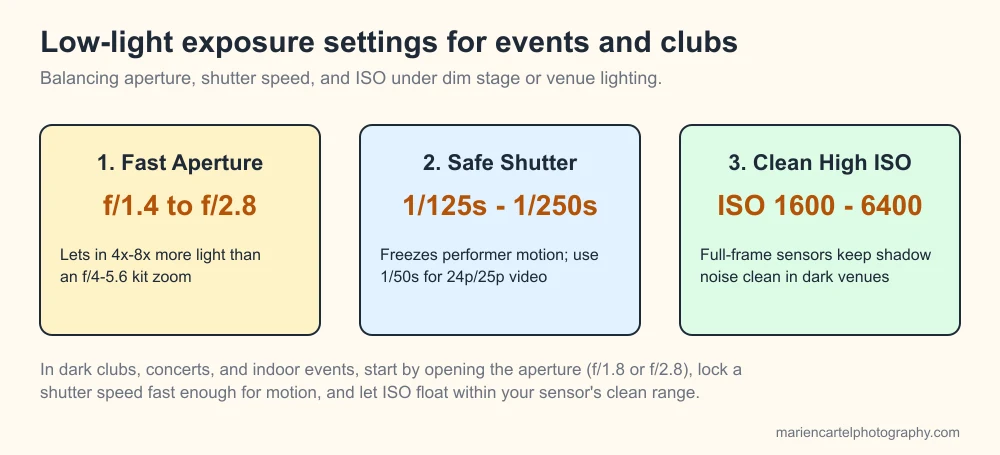
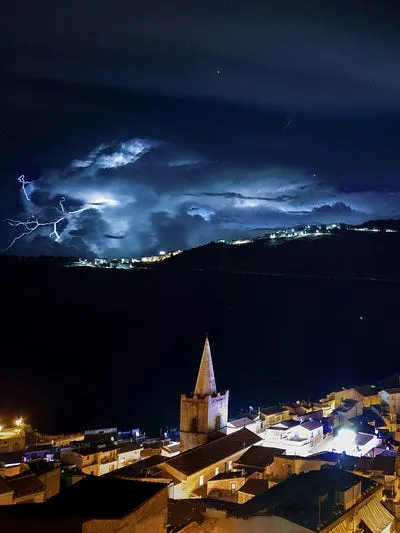
Balancing fast aperture glass, motion-freezing shutter speed, and high-ISO headroom in dim venues.
Best Low-Light Lenses for Different Needs
1. Prime Lenses (Best for Sharpness & Background Blur)
a) 50mm f/1.4 or f/1.8 (Budget-Friendly & Versatile)
- The wide aperture made indoor portraits and dimly lit street photography so much easier.
- Best For: Portraits, events, everyday low-light shooting.
Top Picks:
- Canon EF 50mm f/1.8 STM (Great for beginners)
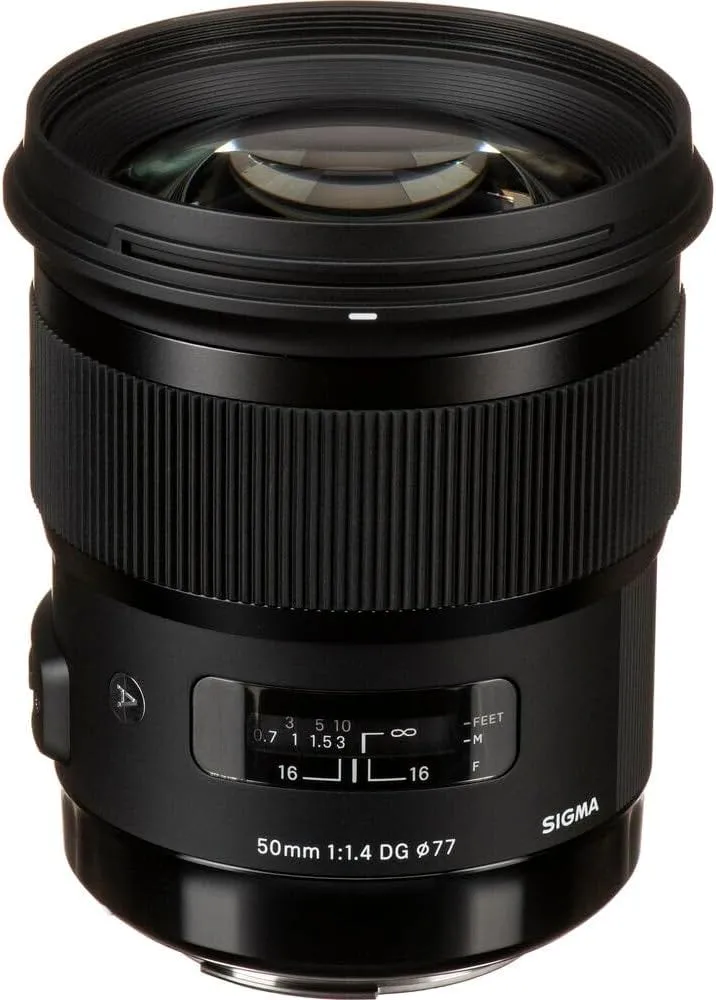
- Sigma 50mm f/1.4 DG HSM Art (Sharper, pro-level option)
b) 35mm f/1.4 (Wider & More Flexible)
- The wider angle allowed for more context in the frame while still performing amazingly in low light.
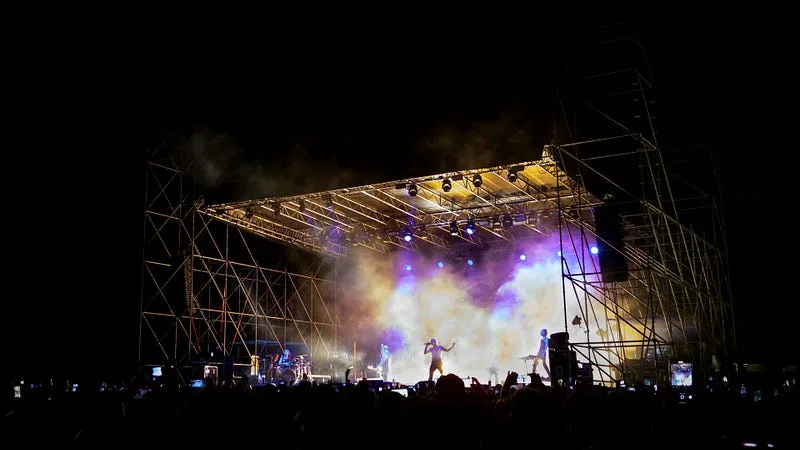
- Best For: Concerts, street photography, environmental portraits.
Top Picks:
- Sony FE 35mm f/1.4 GM (For mirrorless shooters)
- Sigma 35mm f/1.4 DG HSM Art (DSLR favorite)
2. Fast Zoom Lenses (Best for Flexibility)
24–70mm f/2.8 (The All-Rounder)
- It’s not as fast as a prime, but the flexibility of zoom + decent low-light performance was perfect.
- Best For: Weddings, events, travel photography.
Top Picks:
- Tamron SP 24–70mm f/2.8 Di VC USD G2 (Great value)
- Nikon NIKKOR Z 24–70mm f/2.8 S (For mirrorless)
3. Ultra-Wide for Astrophotography
14mm f/1.8 or 20mm f/1.4 (For Starry Skies)
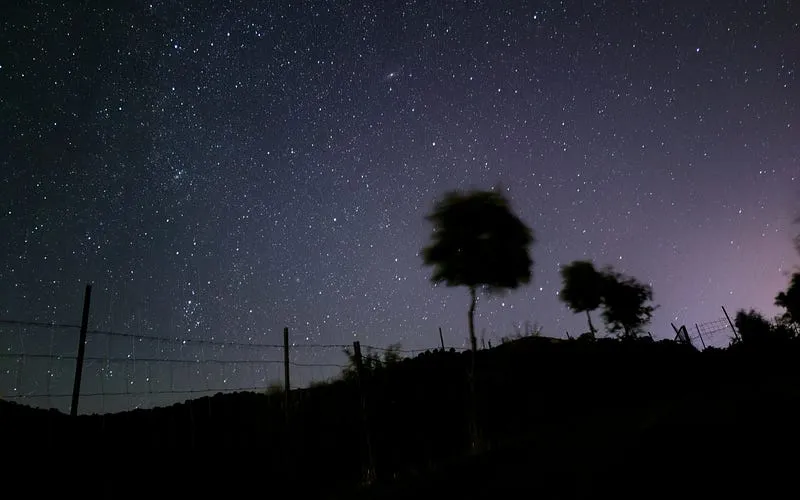
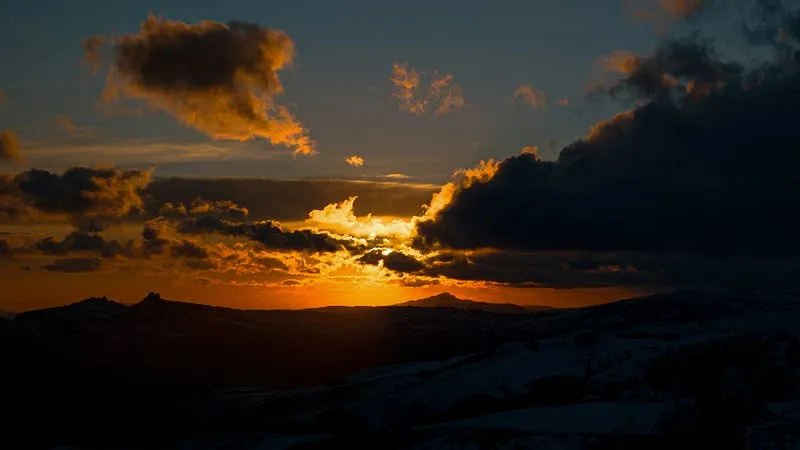
- Best For: Nightscapes, Milky Way, Northern Lights.
Top Picks:
- Rokinon 14mm f/2.8 (Budget astro lens)
Final Thoughts
If you’re just starting, a 50mm f/1.8 is the most affordable entry point. For professionals, a 35mm f/1.4 or 24–70mm f/2.8 offers versatility. And if you love astrophotography, don’t skip an ultra-wide like the 20mm f/1.4.
What’s your go-to low-light lens? Share your experiences in the comments!
Happy shooting in the dark!
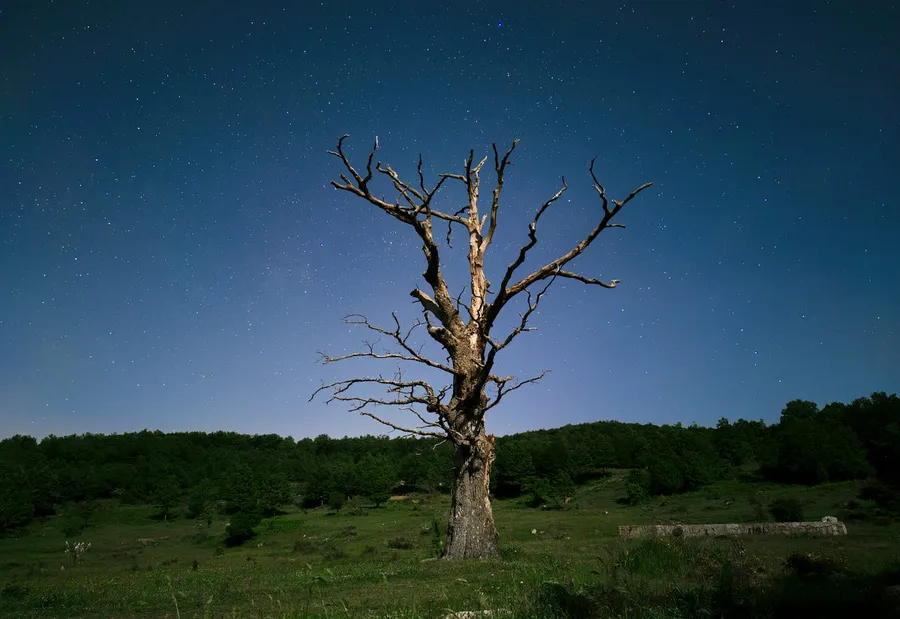
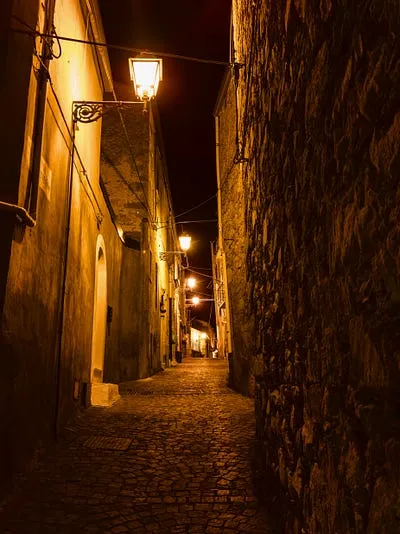
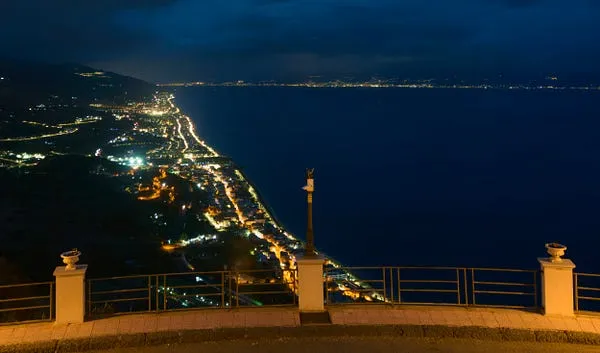
Photo by Giuseppe Famiani on Unsplash
More picks
- Sigma 20mm f/1.4 DG HSM Art — Check Sigma 20mm f/1.4 DG HSM Art Price on Amazon
Compare with Best Camera for Low Light and 7 Best DSLR Camera for Low Light Video, or check the bokeh & framing tool.
Common Buying & Setup Questions
What Makes a Lens Great for Low Light?
Before we dive into the list, let’s quickly define what we’re looking for:
What is the top pick in Best Lenses for Low Light Photography?
The Best Low-Light Lenses for Different Needs (50mm · f/1.4, Canon EF Full-Frame DSLR) leads our shortlist as the top overall pick, followed closely by the 24–70mm f/2.8 (The All-Rounder) (24–70mm · f/2.8 · Optical IS).
What focal length, aperture, and shutter speed work best for tattoo artists & micro-realism portfolios?
For tattoo artists & micro-realism portfolios, pair a 50mm – 90mm (never below 35mm, which warps limb proportions) lens at f/5.6 – f/8 (keeps curved forearms and calves sharp edge-to-edge) with a shutter speed of 1/125s – 1/200s handheld (or 1/60s on tripod) and a working distance of 0.4m – 1.5m (1.5 to 5 ft). Recommended setup: CRI 95+ 5600K LED panel covered with Linear Polarizing Film + Circular Polarizer (CPL) lens filter rotated 90°..
Camera & Lens Settings by Real-World Use Case
Match your focal length, aperture, shutter speed, and lighting modifier to the exact environment you shoot in.
Tattoo Artists & Micro-Realism Portfolios
- Best Body:
- Sony Alpha a7 III / Fujifilm X-T4
- Ideal Lens:
- 90mm f/2.8 Macro (detail) or 50mm f/1.8 (sleeves & back pieces)
- Aperture & Shutter:
- f/5.6 – f/8 (keeps curved forearms and calves sharp edge-to-edge) · 1/125s – 1/200s handheld (or 1/60s on tripod)
- Room Distance:
- 0.4m – 1.5m (1.5 to 5 ft)
Barbershops, Hairstylists & Color Salons
- Best Body:
- Sony a7 IV / Canon EOS R6 Mark II
- Ideal Lens:
- 50mm f/1.8 (tight stations) or 85mm f/1.8 (spacious salons)
- Aperture & Shutter:
- f/1.8 – f/2.8 (blurs background chairs while keeping the lineup tack-sharp) · 1/160s – 1/250s (freezes subtle head movement in the chair)
- Room Distance:
- 1.5m – 2.4m (5 to 8 ft from the styling chair)
Makeup Artists (MUA) & Beauty Tutorials
- Best Body:
- Sony Alpha a6400 / Canon G7 X Mark III
- Ideal Lens:
- Sigma 56mm f/1.4 DC DN (APS-C) or 50mm–85mm f/1.8 (Full Frame)
- Aperture & Shutter:
- f/2.8 – f/4 for full-face sharpness; f/5.6 for macro eye/lip close-ups · 1/125s for stills; 1/50s (24p) or 1/120s (60p) for video tutorials
- Room Distance:
- 1.2m – 2.2m (4 to 7 ft)

Written by
Marien CartelMarien Cartel runs Marien Cartel Photography, a camera and lens buying-guide site, and photographs the gear shown on it.
Related Guides
10 Best Professional Video Camera for Low Light: (Guide & Reviews)
Best Professional Video Camera for Low Light: side-by-side comparison of Canon EOS R6, Canon R3 and Sony A7R IV covering key specs, real-world handling.
Best Compact Camera for Low Light: Specs, Autofocus & Lens Pairing
Best Compact Camera for Low Light — Sony RX100 VA/ and Panasonic Lumix LX100 II compared, with pros, cons and who should buy which.
7 Best DSLR Camera for Low Light Video: (Guide & Reviews)
Comparing Nikon D780, Canon EOS 90D and Nikon D500 for DSLR Camera for Low Light Video — sensor specs, autofocus, pricing, and which option fits your budget.
Best Camera for Low Light: Low-Light, Autofocus & Value Picks
Best Camera for Low Light: Canon EOS R50, Sony a7S III and Canon EOS R6 compared on features, price and who each one suits.
Best Low Light 4k Video Camera: (Guide & Reviews)
Best Low Light 4k Video Camera — Sony A7 IV, Panasonic LUMIX GH5 II and Fujifilm X-S10 compared, with pros, cons and who should buy which.
Best Light Meter for Photography: Specs, Autofocus & Lens Pairing
As photographers, we’re all chasing that perfect exposure. We want our images to be neither too dark nor too bright, but just right.