Best Lenses for Sony A6000: Native & Third-Party Glass Compared
As an Amazon Associate we earn from qualifying purchases. Some links in this guide are affiliate links, see our affiliate disclosure for details.
Top Picks & Key Specifications at a Glance
| Model | Best For | Mount / System | Key Optical & Sensor Specs | Check Price |
|---|---|---|---|---|
1Wide-angle lenses | Top Overall Pick | Sony E-Mount (APS-C 1.5x) | 10-18mm · f/4 · Optical IS | Amazon ↗ |
2Macro lenses | Recommended Pick | Sony E-Mount (APS-C 1.5x) | 30mm · f/3.5 | Amazon ↗ |
Top Picks for the Sony A6000
For the Sony A6000, the Sony E 16-70mm f/4 ZA OSS is the best all-round zoom, the Sony E 10-18mm f/4 OSS is the wide-angle pick, the Sony E 55-210mm is the budget telephoto, and the Sigma 60mm f/2.8 DN or Sony E 50mm f/1.8 OSS are affordable portrait primes. For close-ups, the Sony E 30mm f/3.5 Macro and the Zeiss Touit 50mm f/2.8 Macro focus very close. The A6000 uses the E mount with an APS-C sensor, so full-frame FE lenses also fit but frame about 1.5 times tighter.
What should a lens for the A6000 offer?
The Sony A6000 has a 24-megapixel APS-C sensor, a 179-point hybrid autofocus system and no in-body image stabilization. That shapes the best lens choices:
- Optical stabilization (OSS). Since the body has no stabilization, OSS lenses help for handheld shots and video.
- Compact size. The camera is small, and lenses that match keep the kit light.
- Fast apertures. Bright primes help in low light.
- APS-C coverage. E-mount lenses designed for APS-C are smaller and cheaper than full-frame lenses.
Prime lenses for portraits
- Sony FE 55mm f/1.8 ZA. Often described as one of the sharpest portrait lenses in the E system, with attractive background blur. It is a full-frame lens and costs more than the others here.
- Sigma 60mm f/2.8 DN. An affordable, sharp prime that frames like about a 90mm lens on the A6000, which is a classic portrait view.
- Sony E 50mm f/1.8 OSS. A budget-friendly portrait and general-purpose lens with stabilization.
Prices vary by retailer and change often, so check current listings.
Zoom lenses
- Sony Vario-Tessar T E 16-70mm f/4 ZA OSS* — a compact, versatile zoom with a constant f/4 aperture. It suits travel and general use.
- Sony E 55-210mm f/4.5-6.3 OSS — often called a second kit lens, it reaches distant subjects at a budget price.
Wide-angle lenses
- Sony E 10-18mm f/4 OSS — an excellent wide-angle zoom that holds image quality across its range, good for landscapes and architecture.
- Zeiss Touit 12mm f/2.8 E — a sharp wide prime for expansive landscapes and tight interiors.
Macro lenses
- Sony E 30mm f/3.5 Macro — a compact macro lens for flowers and small objects.
- Zeiss Touit 50mm f/2.8 Macro — higher image quality for close-ups, at a higher price.
How do they compare?
| Lens | Type | Best for | Note |
|---|---|---|---|
| E 16-70mm f/4 ZA OSS | Standard zoom | Travel and general use | Constant aperture with stabilization |
| E 10-18mm f/4 OSS | Wide zoom | Landscapes and interiors | Stabilized, compact |
| E 55-210mm | Telephoto zoom | Distant subjects | Budget option |
| Sigma 60mm f/2.8 DN | Prime | Portraits | Inexpensive and sharp |
| E 50mm f/1.8 OSS | Prime | Low light and portraits | Stabilized |
| E 30mm f/3.5 Macro | Macro | Close-ups | Compact |
Which lens should you buy first?
- For travel: the 16-70mm f/4 covers wide to short telephoto in one lens.
- For portraits on a budget: the Sigma 60mm f/2.8 or the E 50mm f/1.8 OSS.
- For landscapes: the 10-18mm f/4.
See the related guides to the best prime lens for Sony A6000, the best budget lenses for Sony A6400, the best lenses for the Sony A6300 and the best zoom lens for Sony E mount.
Frequently asked questions
Do full-frame FE lenses fit the A6000? Yes, but they frame about 1.5 times tighter and are larger and costlier.
Does the A6000 have image stabilization? No. Look for OSS lenses.
Is the kit lens good enough? It is a decent start, but a better zoom or a prime improves image quality.
What is the best lens for low light? A fast prime such as the E 50mm f/1.8 OSS or a Sigma f/1.4 prime.
Camera & Lens Settings by Real-World Use Case
Match your focal length, aperture, shutter speed, and lighting modifier to the exact environment you shoot in.
DJ Sets, Boiler-Room Booths & Nightlife Video
- Best Body:
- Sony a7 III / Sony ZV-1 / GoPro HERO 13 (crowd B-cam)
- Ideal Lens:
- 24mm f/1.8 or 16–35mm f/2.8 (tight DJ booth) + 35mm f/1.4 (crowd)
- Aperture & Shutter:
- f/1.4 – f/2.8 · 1/50s – 1/60s (video) or 1/200s (stills)
- Room Distance:
- 0.8m – 1.5m clamped to booth truss or heavy weighted stand (isolated from subwoofers)
Tattoo Artists & Micro-Realism Portfolios
- Best Body:
- Sony Alpha a7 III / Fujifilm X-T4
- Ideal Lens:
- 90mm f/2.8 Macro (detail) or 50mm f/1.8 (sleeves & back pieces)
- Aperture & Shutter:
- f/5.6 – f/8 (keeps curved forearms and calves sharp edge-to-edge) · 1/125s – 1/200s handheld (or 1/60s on tripod)
- Room Distance:
- 0.4m – 1.5m (1.5 to 5 ft)
Barbershops, Hairstylists & Color Salons
- Best Body:
- Sony a7 IV / Canon EOS R6 Mark II
- Ideal Lens:
- 50mm f/1.8 (tight stations) or 85mm f/1.8 (spacious salons)
- Aperture & Shutter:
- f/1.8 – f/2.8 (blurs background chairs while keeping the lineup tack-sharp) · 1/160s – 1/250s (freezes subtle head movement in the chair)
- Room Distance:
- 1.5m – 2.4m (5 to 8 ft from the styling chair)

Written by
Marien CartelMarien Cartel runs Marien Cartel Photography, a camera and lens buying-guide site, and photographs the gear shown on it.
Related Guides
Best Lens for Sony A7iii: Native & Third-Party Glass Compared
Best Lens for Sony A7iii buying guide: Sony 24–70mm f/2.8 GM II, Sony 85mm f/1.8 and Tamron 28–75mm f/2.8 compared on image quality, autofocus, build.
Best Lenses for Sony A7 V: Native & Third-Party Glass Compared
Best Lenses for Sony A7 V: Sony FE 85mm f/1.4 GM, Sony FE 20mm f/1.8 G and Sony FE 24–70mm f/2.8 GM compared on features, price and who each one suits.
Best Lenses For Sony a6700: Native & Third-Party Glass Compared
Best Lenses For Sony a6700: Tamron 17–70mm f/2.8, Sigma 56mm f/1.4 and Sigma 16mm f/1.4 compared on features, price and who each one suits.
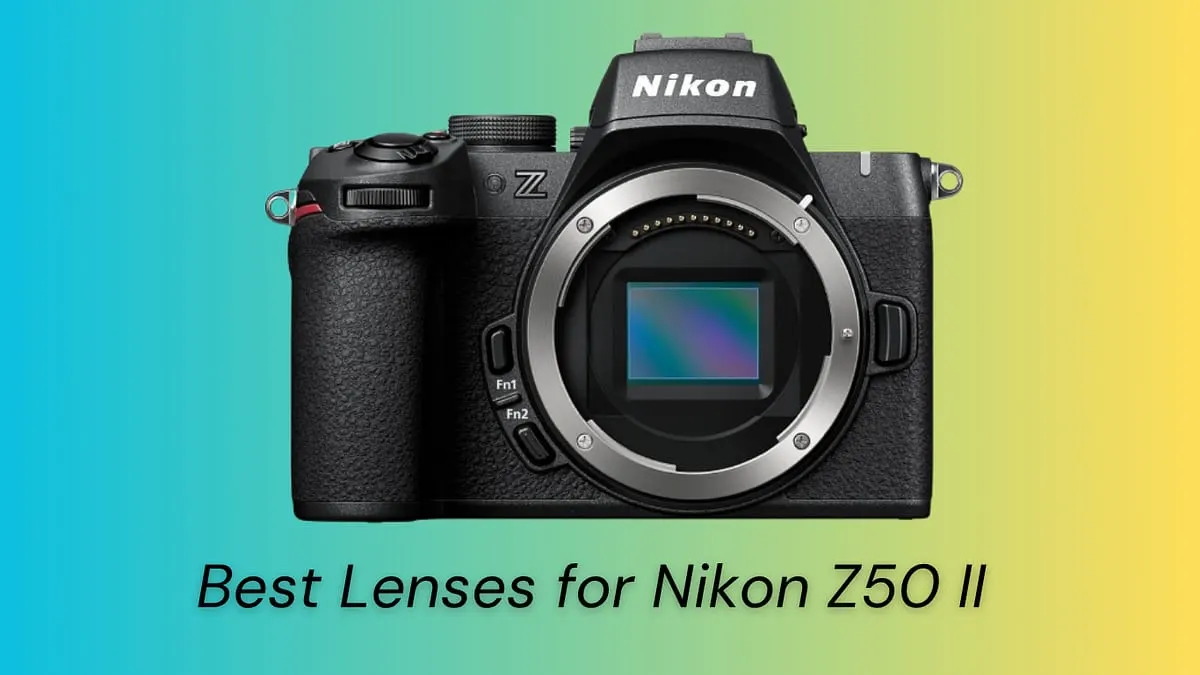
Best Lenses for Nikon Z50 II: Native & Third-Party Glass Compared
Best Lenses for Nikon Z50 II: side-by-side comparison of Nikon NIKKOR Z DX 16–50mm and Nikon NIKKOR Z DX 18–140mm covering key specs, real-world handling.
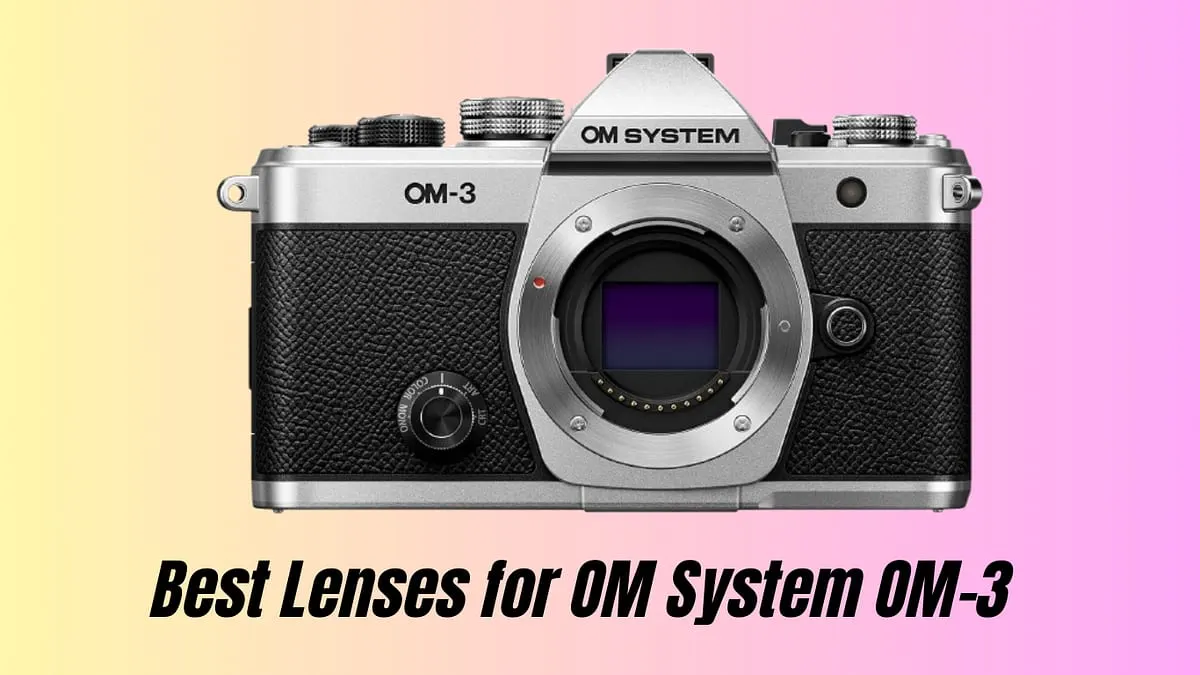
Best Lenses for OM System OM-3: Native & Third-Party Glass Compared
For the OM System OM-3, the best lenses are generally considered to be the M.Zuiko 17mm f/1.8 II and M.Zuiko 25mm f/1.8 II prime lenses…
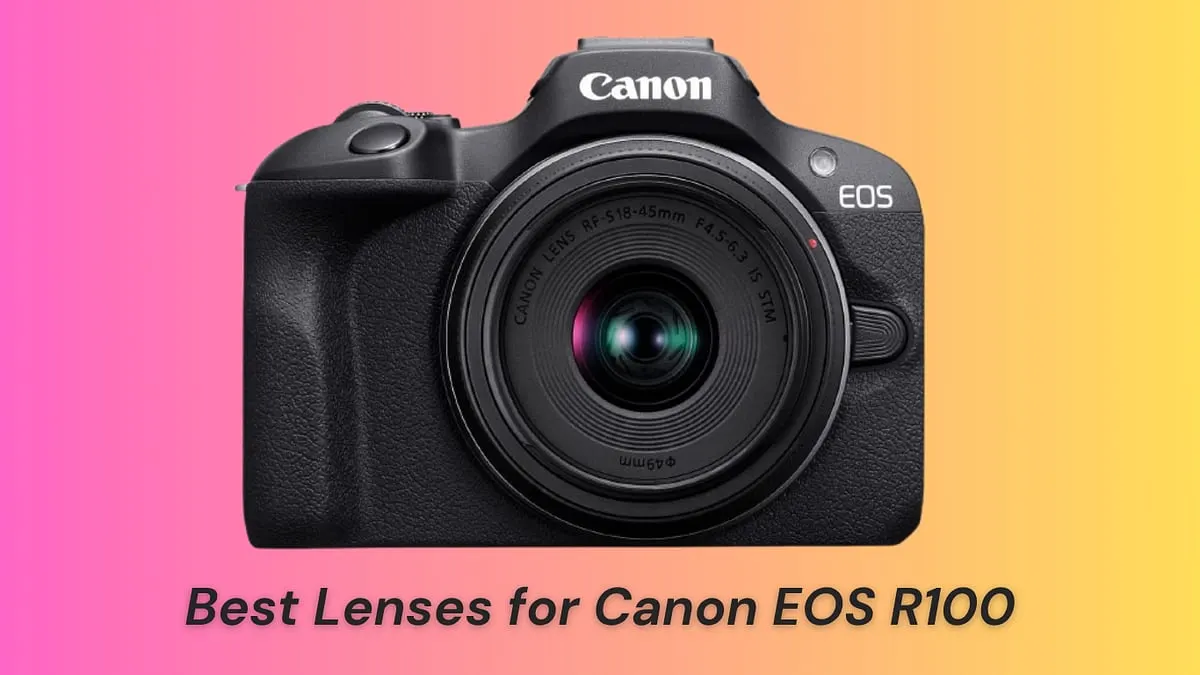
Best Lenses for Canon EOS R100: Native & Third-Party Glass Compared
Best Lenses for Canon EOS R100: Canon RF-S 18–45mm f/4.5–6.3 IS and Canon RF 50mm f/1.8 STM evaluated side by side on specs, lens options, and value for money.