Best Lenses for Sony a6300: Sharpness, Aperture & Mount Picks
As an Amazon Associate we earn from qualifying purchases. Some links in this guide are affiliate links, see our affiliate disclosure for details.
Top Picks & Key Specifications at a Glance
| Model | Best For | Mount / System | Key Optical & Sensor Specs | Check Price |
|---|---|---|---|---|
1Sony 18 | 105mm f/4 G OSS - The All - in - One Powerhouse | Interchangeable-Lens System | APS-C · 18–105mm · f/4 · Optical IS | Amazon ↗ |
2Sigma 16mm f/1.4 DC DN | The Ultimate Wide - Angle Prime | Interchangeable-Lens System | 16mm · f/1.4 · Optical IS | Amazon ↗ |
3Sony 35mm f/1.8 OSS | The Perfect Everyday Prime | Interchangeable-Lens System | APS-C · 35mm · f/1.8 · Optical IS | Amazon ↗ |
4Sony 50mm f/1.8 OSS | The Budget Portrait Beast | Interchangeable-Lens System | 50mm · f/1.8 · Optical IS | Amazon ↗ |
5Sigma 30mm f/1.4 DC DN | The Best All - Rounder | Interchangeable-Lens System | 30mm · f/1.4 · Optical IS | Amazon ↗ |
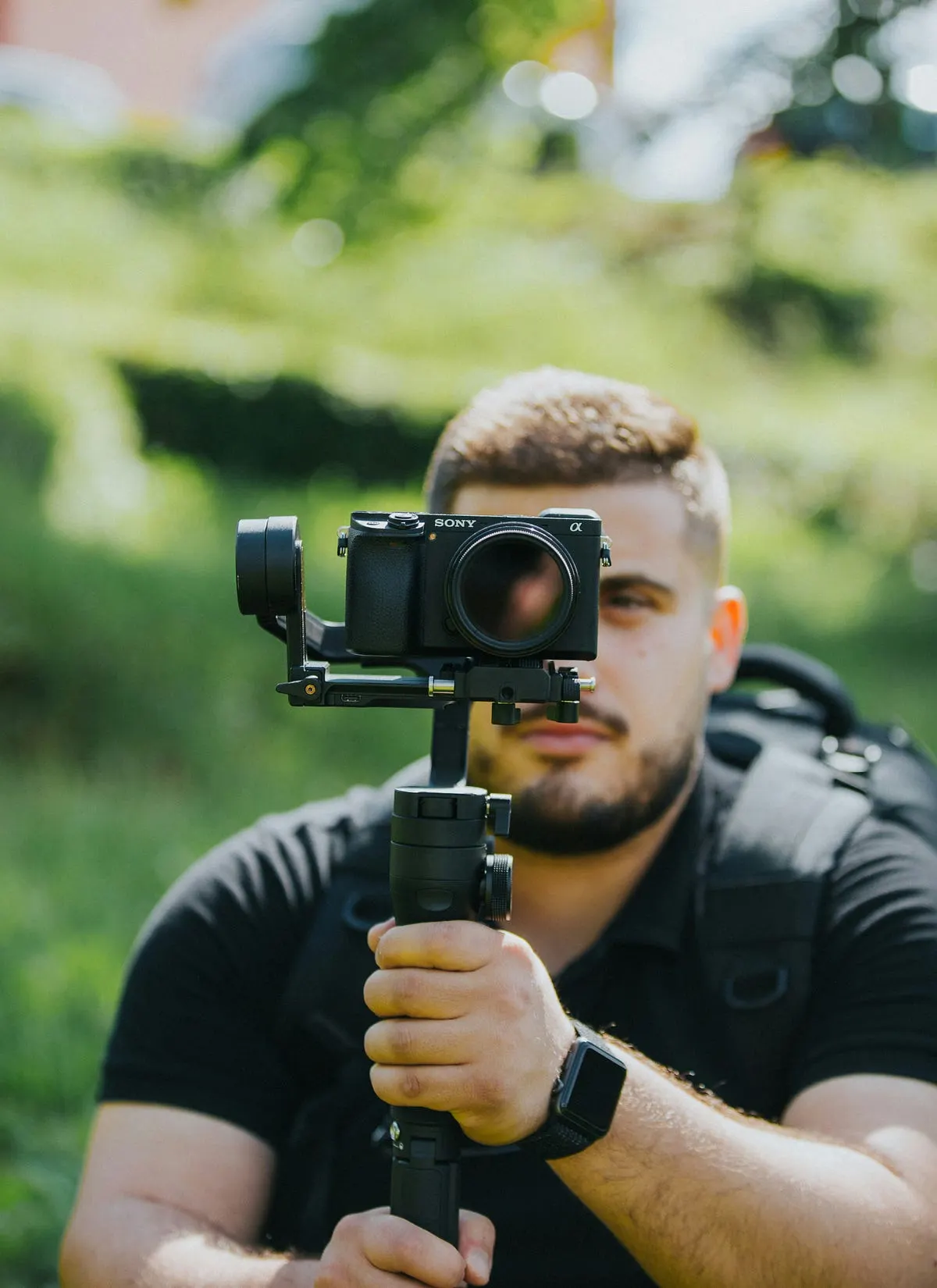
Photo by Omar Tursić on Unsplash
Recommended Gear for the Sony A6300
Top picks include the Sony 18-105mm f/4 G OSS for YouTubers and hybrid shooters, the Sigma 16mm f/1.4 for wide angle, the Sony 35mm f/1.8 OSS as an everyday prime and a 50mm prime for beginners.
Why Lens Choice Matters for the Sony A6300
The Sony A6300 is a crop-sensor (APS-C) mirrorless camera, meaning it has a 1.5x crop factor. While this makes it more compact, it also affects lens selection. Some lenses are designed specifically for APS-C (Sony’s E-mount), while full-frame (FE-mount) lenses also work but may be bulkier.
1. Sony 18–105mm f/4 G OSS — The All-in-One Powerhouse
(Best for: Video, Travel, Everyday Use)
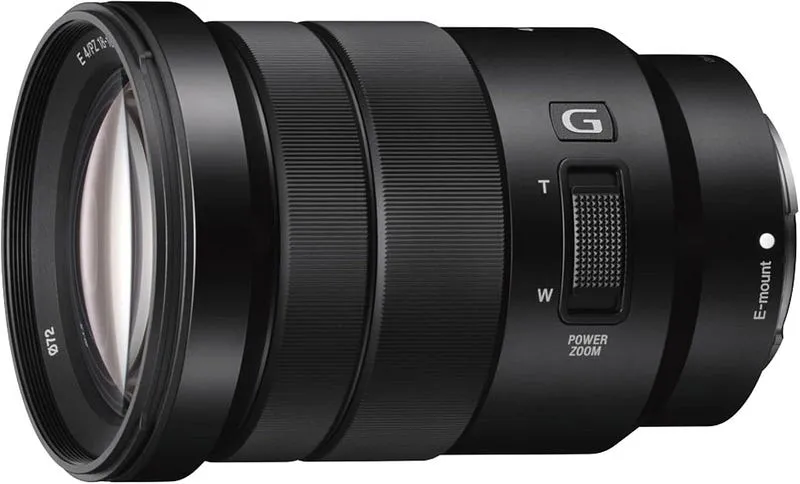
Pros:
✔ Versatile focal range (18–105mm)
✔ Optical SteadyShot (OSS) for smooth handheld shots
✔ Great for run-and-gun video
Cons:
❌ Slightly bulky for an APS-C lens
❌ f/4 isn’t ideal for ultra-low light
Best For: YouTubers, travel vloggers, and hybrid shooters.
2. Sigma 16mm f/1.4 DC DN — The Ultimate Wide-Angle Prime
(Best for: Landscapes, Astro, Vlogging)
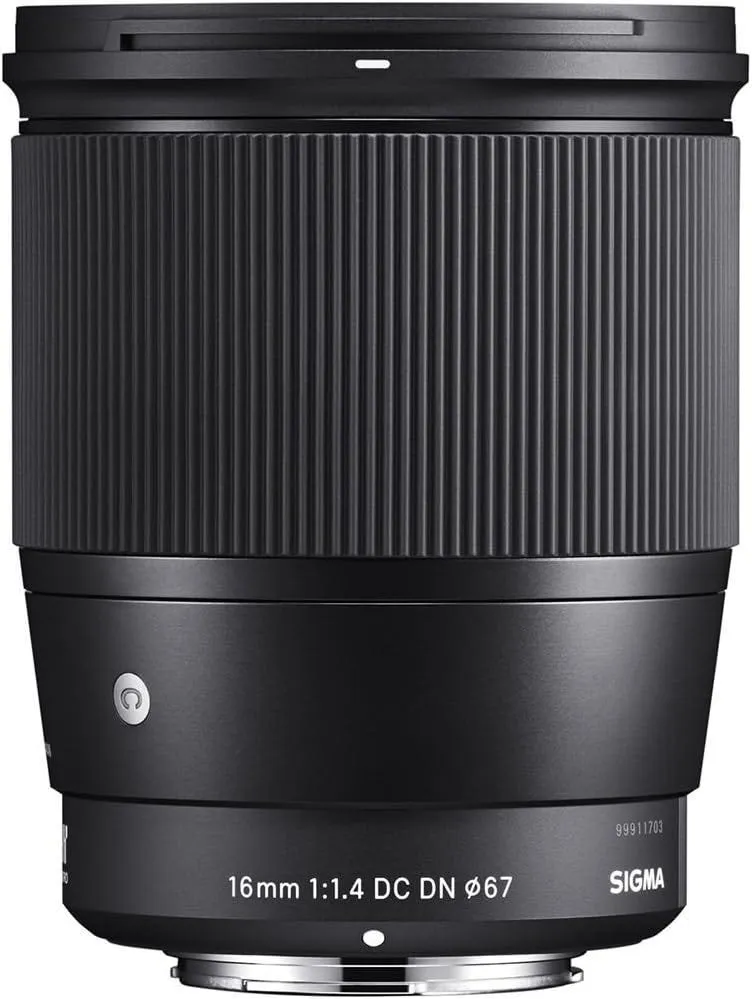
Pros:
✔ Razor-sharp even wide open
✔ Fast autofocus (great for video)
✔ Affordable compared to Sony’s alternatives
Cons:
❌ No OSS (and the A6300 has no in-body stabilization, so keep the shutter speed up)
❌ Slightly heavy for a prime
Best For: Landscape photographers, astro shooters, and content creators who need a wide angle.
3. Sony 35mm f/1.8 OSS — The Perfect Everyday Prime
(Best for: Street Photography, Portraits, Low Light)
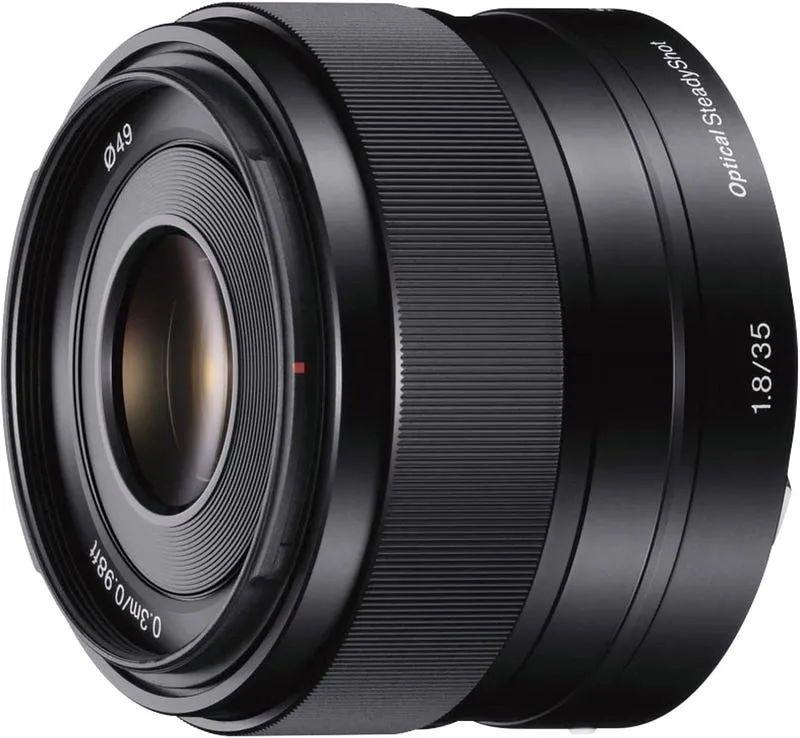
Pros:
✔ Lightweight and compact
✔ Fast and silent autofocus
✔ Beautiful bokeh for portraits
Cons:
❌ A bit pricey for an APS-C prime
Best For: Street photographers, portrait shooters, and documentary-style videographers.
4. Sony 50mm f/1.8 OSS — The Budget Portrait Beast
(Best for: Portraits, Bokeh, Low Light)
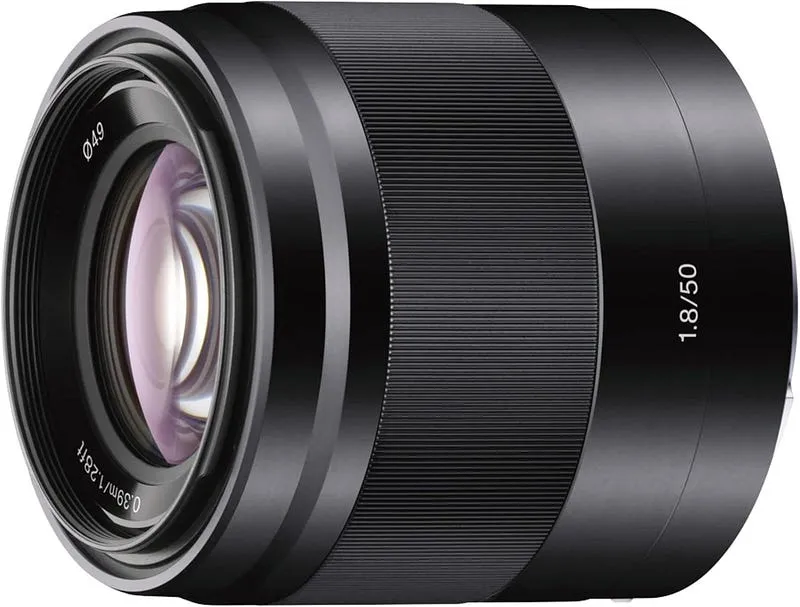
Pros:
✔ Super affordable
✔ Great OSS stabilization
✔ Sharp when stopped down to f/2.8
Cons:
❌ Autofocus can hunt in low light
❌ Plastic build feels a bit cheap
Best For: Beginners, portrait photographers on a budget.
5. Sigma 30mm f/1.4 DC DN — The Best All-Rounder
(Best for: General Photography, Low Light, Video)
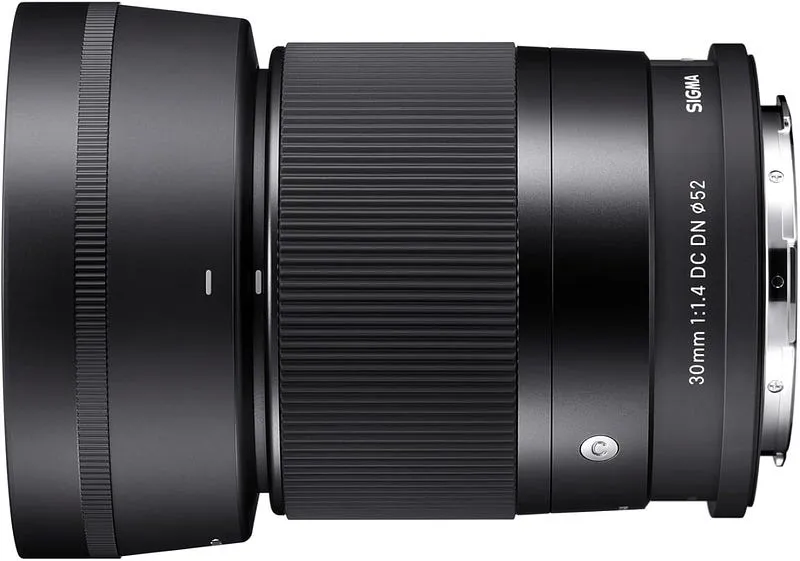
Pros:
✔ Insanely sharp even at f/1.4
✔ Great value for money
✔ Fast and accurate autofocus
Cons:
❌ No OSS (not a huge issue for static shots)
❌ Slightly bulkier than the Sony 35mm
Best For: Hybrid shooters who want a fast, versatile prime.
Which Lens Should You Get?
- For video & travel: Sony 18–105mm f/4
- For landscapes & astro: Sigma 16mm f/1.4
- For street & portraits: Sony 35mm f/1.8
- For budget portraits: Sony 50mm f/1.8
- For an all-rounder prime: Sigma 30mm f/1.4
What’s Your Favorite Lens for the A6300?
Have you tried any of these lenses?
Happy shooting! 📸

Photo by Jayson Hinrichsen on Unsplash
Photo by Ray Hennessy on Unsplash
Photo by Peyman Farmani on Unsplash
Related guides: Best Lenses for Sony E-Mount, Best Cheap Lenses for Sony Cameras, and our room distance simulator.
Common Buying & Setup Questions
What is the top pick in Best Lenses for Sony a6300?
The Sony 18 (APS-C · 18–105mm · f/4 · Optical IS, Interchangeable-Lens System) leads our shortlist as the 105mm f/4 g oss - the all - in - one powerhouse, followed closely by the Sigma 16mm f/1.4 DC DN (16mm · f/1.4 · Optical IS).
What focal length, aperture, and shutter speed work best for tattoo artists & micro-realism portfolios?
For tattoo artists & micro-realism portfolios, pair a 50mm – 90mm (never below 35mm, which warps limb proportions) lens at f/5.6 – f/8 (keeps curved forearms and calves sharp edge-to-edge) with a shutter speed of 1/125s – 1/200s handheld (or 1/60s on tripod) and a working distance of 0.4m – 1.5m (1.5 to 5 ft). Recommended setup: CRI 95+ 5600K LED panel covered with Linear Polarizing Film + Circular Polarizer (CPL) lens filter rotated 90°..
Camera & Lens Settings by Real-World Use Case
Match your focal length, aperture, shutter speed, and lighting modifier to the exact environment you shoot in.
Tattoo Artists & Micro-Realism Portfolios
- Best Body:
- Sony Alpha a7 III / Fujifilm X-T4
- Ideal Lens:
- 90mm f/2.8 Macro (detail) or 50mm f/1.8 (sleeves & back pieces)
- Aperture & Shutter:
- f/5.6 – f/8 (keeps curved forearms and calves sharp edge-to-edge) · 1/125s – 1/200s handheld (or 1/60s on tripod)
- Room Distance:
- 0.4m – 1.5m (1.5 to 5 ft)
Barbershops, Hairstylists & Color Salons
- Best Body:
- Sony a7 IV / Canon EOS R6 Mark II
- Ideal Lens:
- 50mm f/1.8 (tight stations) or 85mm f/1.8 (spacious salons)
- Aperture & Shutter:
- f/1.8 – f/2.8 (blurs background chairs while keeping the lineup tack-sharp) · 1/160s – 1/250s (freezes subtle head movement in the chair)
- Room Distance:
- 1.5m – 2.4m (5 to 8 ft from the styling chair)
Makeup Artists (MUA) & Beauty Tutorials
- Best Body:
- Sony Alpha a6400 / Canon G7 X Mark III
- Ideal Lens:
- Sigma 56mm f/1.4 DC DN (APS-C) or 50mm–85mm f/1.8 (Full Frame)
- Aperture & Shutter:
- f/2.8 – f/4 for full-face sharpness; f/5.6 for macro eye/lip close-ups · 1/125s for stills; 1/50s (24p) or 1/120s (60p) for video tutorials
- Room Distance:
- 1.2m – 2.2m (4 to 7 ft)

Written by
Marien CartelMarien Cartel runs Marien Cartel Photography, a camera and lens buying-guide site, and photographs the gear shown on it.
Related Guides
Best Lenses for the Sony ZV-E1: Sharpness, Aperture & Mount Picks
Best Lenses for the Sony ZV-E1: Sony FE 16–35mm f/4 G, Sony FE 35mm f/1.8 and Sony FE 20mm f/1.8 G compared on features, price and who each one suits.
Best Lenses for Sony A1 II: Aperture, Stabilization & Mount Guide
Best Lenses for Sony A1 II: a side-by-side look at Sony FE 24–70mm f/2.8 GM and Sony FE 70–200mm f/2.8 GM, with strengths, trade-offs and buying advice.
Best Sony Macro Lenses: Aperture, Stabilization & Mount Guide
Top recommendations include the Sony FE 90mm f/2.8 Macro G OSS as the gold standard, the FE 50mm f/2.8 Macro as the compact achiever and the Laowa 100mm.
Best Lenses for Beginners Canon: Sharpness, Aperture & Mount Picks
Best Lenses for Beginners Canon — Canon EF 50mm f/1.8 STM and Canon EF-S 24mm f/2.8 STM compared, with pros, cons and who should buy which.

Canon RF Macro Lens: Sharpness, Aperture & Mount Picks
Shooting close-up with the Canon RF 100mm Macro: what it does brilliantly, the patience it demands, and whether it belongs in your RF kit.
Best Nikon Telephoto Lenses: Sharpness, Aperture & Mount Picks
Best Nikon Telephoto Lenses — Nikon 70–300mm f/4.5–5.6G ED VR and Nikon 200–500mm f/5.6E ED VR compared, with pros, cons and who should buy which.