Best Lenses for Videography Sony
As an Amazon Associate we earn from qualifying purchases. Some links in this guide are affiliate links — see our affiliate disclosure for details.
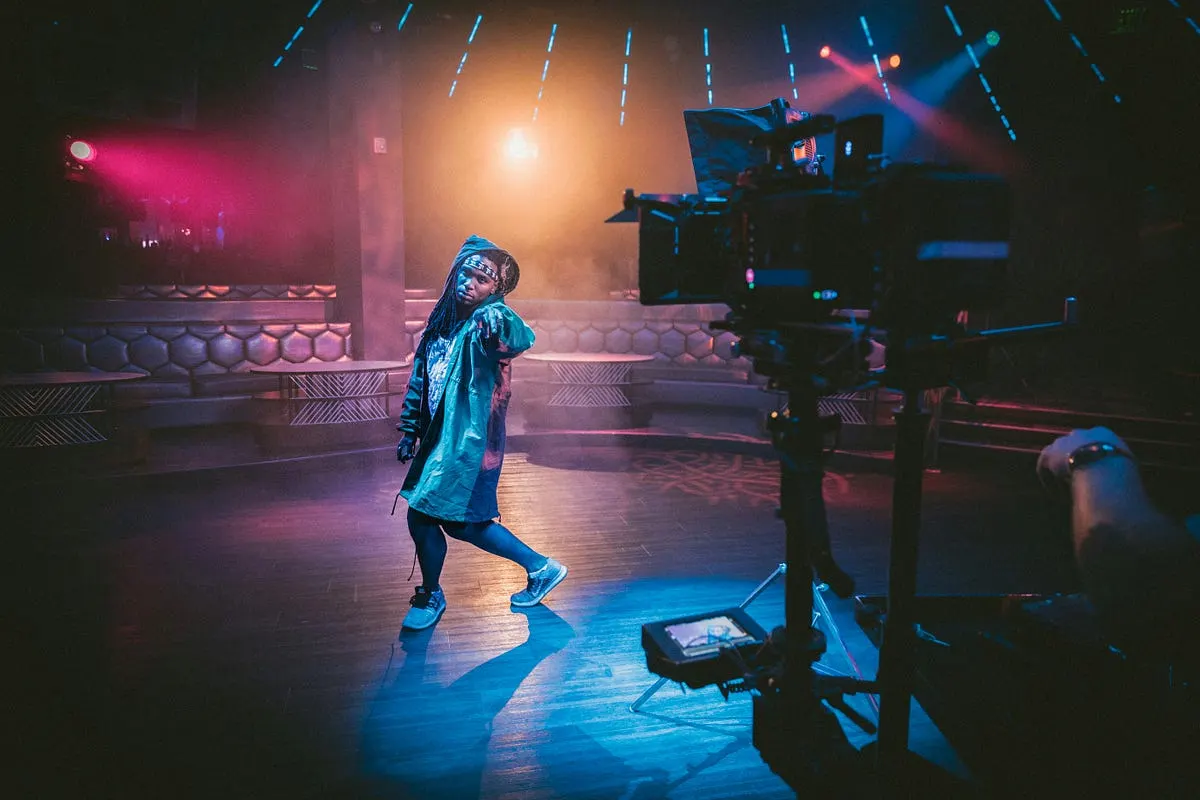
Photo by Jakob Owens on Unsplash
As a passionate videographer, my journey into the world of Sony lenses has been thrilling and transformative. I still remember the day I bought my first Sony camera, a mirrorless model that promised stunning video quality in a compact form. Little did I know that choosing the right lens would make all the difference in my filmmaking adventures.
The Sony Alpha System: A Game Changer
My first foray into videography was met with challenges. The interchangeable lenses that came with my Alpha series camera were decent, but I craved something more — sharpness, versatility, and that coveted cinematic look. I quickly realized that to elevate my work, I needed to invest in dedicated lenses.
1. Sony E 18–105mm f/4 G OSS PZ
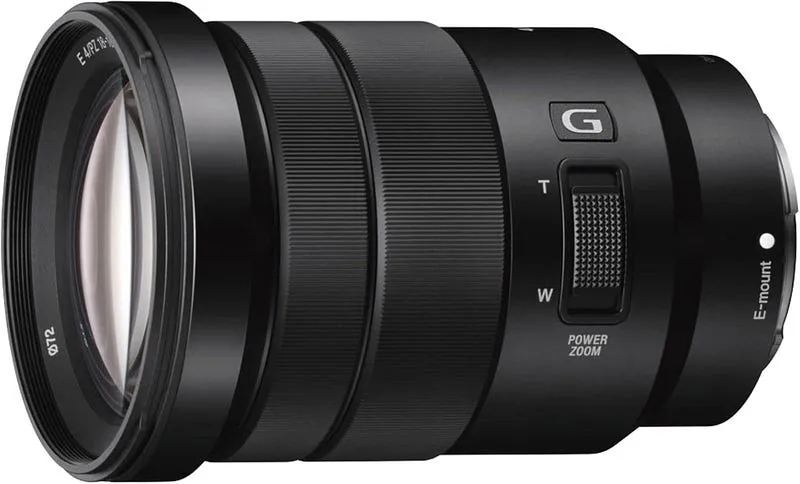
One of my first major purchases was the Sony E 18–105mm f/4 G OSS PZ. Its versatile zoom range became an absolute game changer. This lens features a constant aperture of f/4, which allowed me to shoot in various lighting conditions without constantly adjusting my settings. The built-in Optical SteadyShot (OSS) was particularly useful for my handheld shots, providing stability during dynamic scenes.
I remember using this lens for a short documentary on local artists. The smooth zoom and focus made it easier to capture various perspectives, turning the ordinary into something extraordinary. The crispness of the footage left me in awe, and it was a pivotal moment in my development as a videographer.
2. Sony 35mm f/1.8 OSS
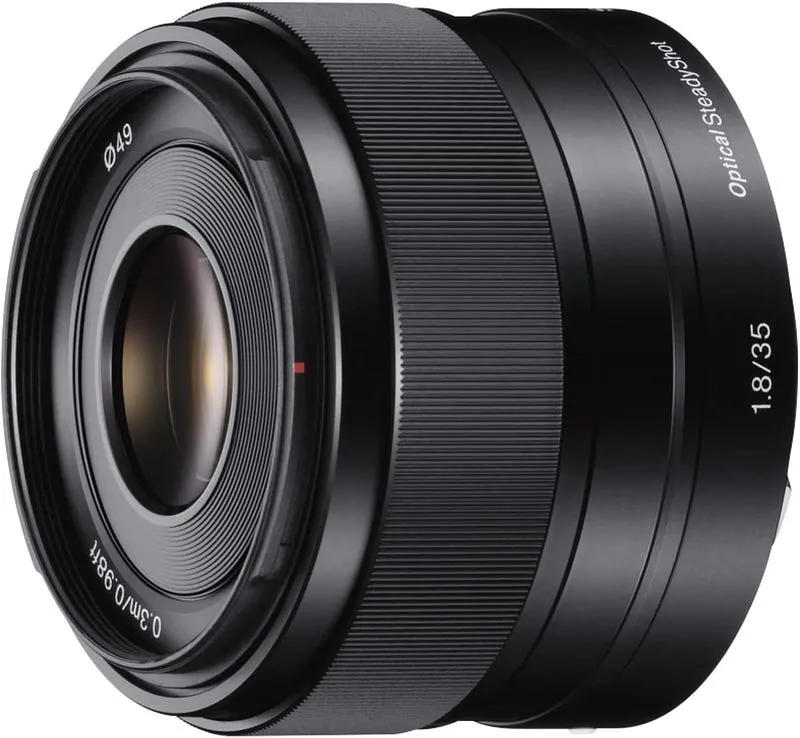
Next on my journey was the Sony 35mm f/1.8 OSS prime lens. This lens introduced me to the beauty of low-light videography. The f/1.8 aperture allowed me to achieve a shallow depth of field — perfect for creating that dreamy, cinematic bokeh. One memorable project was filming an intimate concert. The low-light capability of this lens captured the warmth and energy of the performance beautifully.
The added benefit of OSS was a bonus, ensuring that even my handheld shots remained steady. This lens taught me the importance of storytelling through visuals, as it helped me focus on subjects while smoothly blurring out distracting backgrounds.
3. Sony 24mm f/1.4 GM
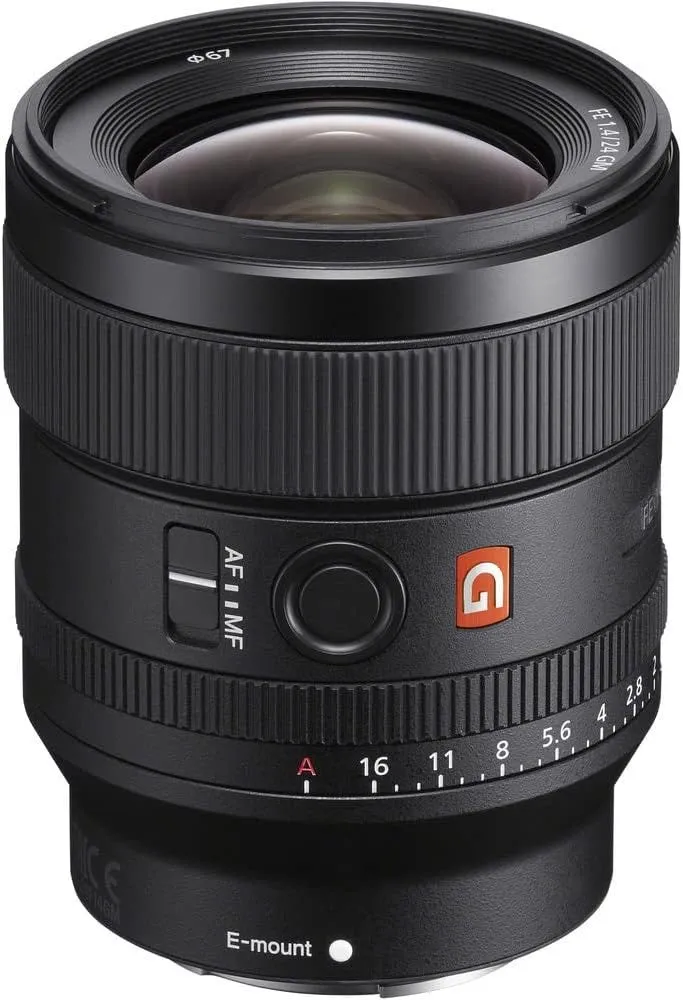
As I continued to explore the possibilities of videography, I eventually invested in the Sony 24mm f/1.4 GM lens. The sharpness and clarity it offered were phenomenal, making it ideal for a wide array of shooting scenarios, from interviews to landscape shots.
One memorable experience was filming a nature short film where I needed a lens that could handle both wide shots of the scenery and close-ups of intricate details. The 24mm f/1.4 GM did not disappoint. Its low-light performance and excellent color rendering helped me capture the magic of the moment, and the final edit was a testament to the lens’s quality.
4. Sony 70–200mm f/2.8 GM OSS
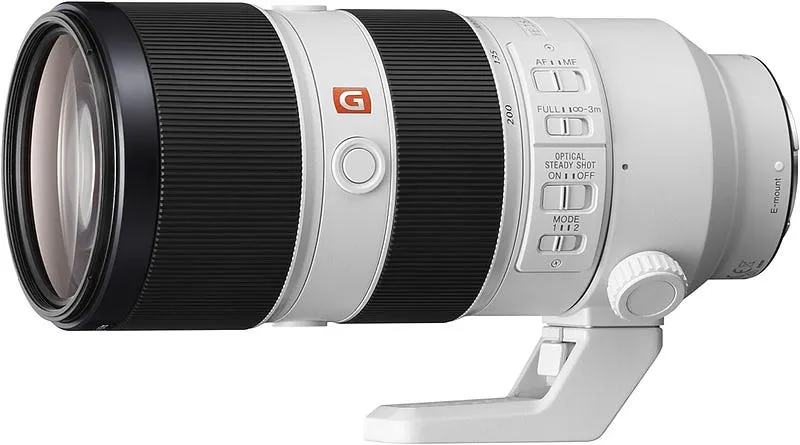
The last lens I want to mention is the Sony 70–200mm f/2.8 GM OSS, which truly elevated my work in videography. Its telephoto capability allowed me to film subjects from a distance without disrupting their natural behavior. I vividly recall shooting a wildlife documentary, where being stealthy was crucial. This lens gave me the reach I needed without compromising the quality.
The f/2.8 aperture not only provided amazing low-light performance but also allowed for fantastic background separation, making my subjects pop. Watching the footage from this shoot reinforced my understanding of how the right lens can transform a project.
Conclusion: Finding Your Perfect Lens
Reflecting on my journey with Sony lenses, it’s clear that each one has played a significant role in shaping my storytelling capabilities as a videographer. From versatility and low-light performance to clarity and reach, the right lens can drastically enhance your work.
For anyone starting their videography journey with Sony, I encourage you to invest in lenses that suit your storytelling style. Whether you prefer primes or zooms, each lens brings its unique qualities that can revolutionize your projects. My personal experience has taught me that the combination of the right camera and lenses can open a world of possibilities, turning your vision into reality.
Happy filming!
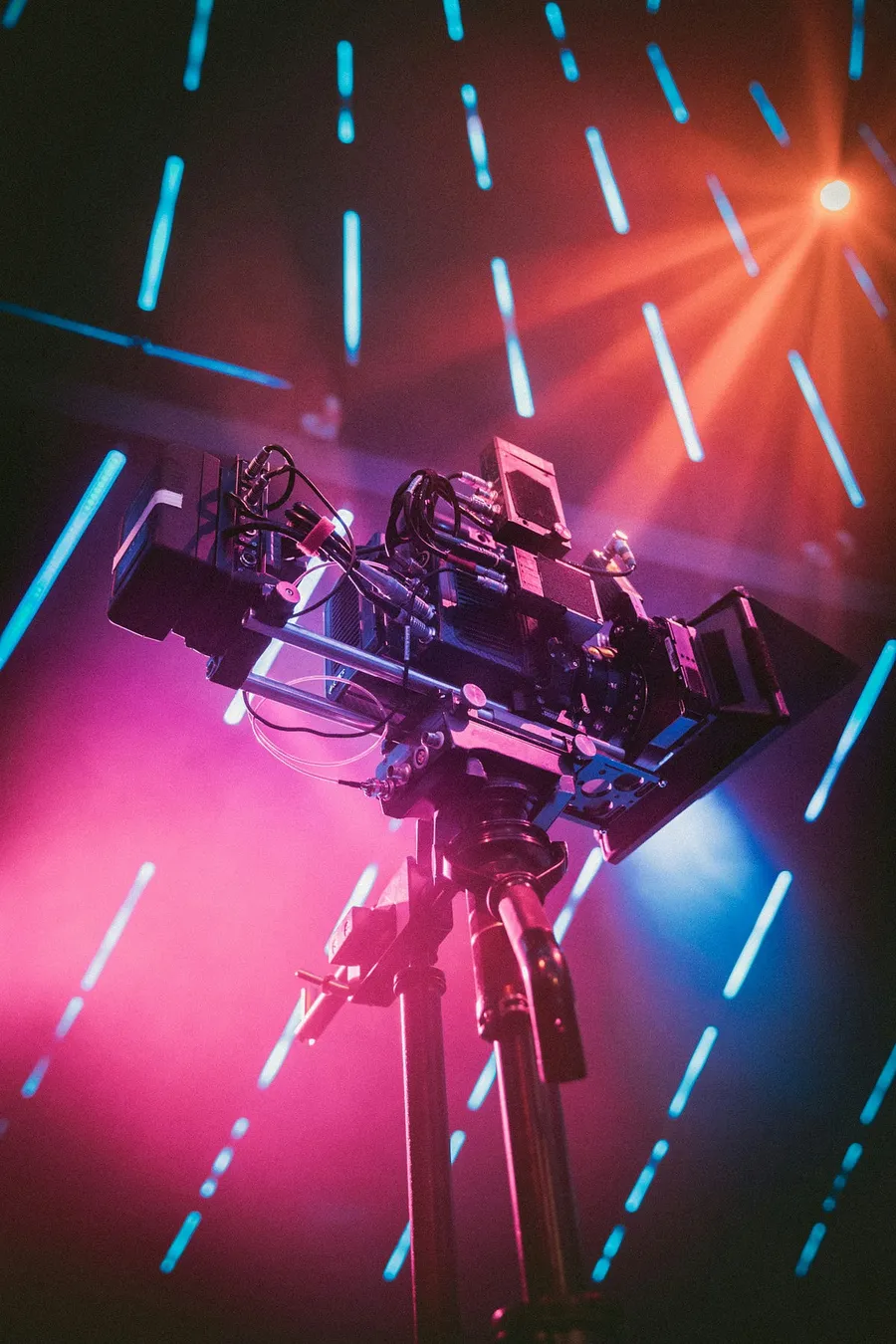
Photo by Jakob Owens on Unsplash
Written by
Marien CartelProfessional and Certified Digital Photographer born in the USA, with 22 years of experience in the field of photography.
Related Guides
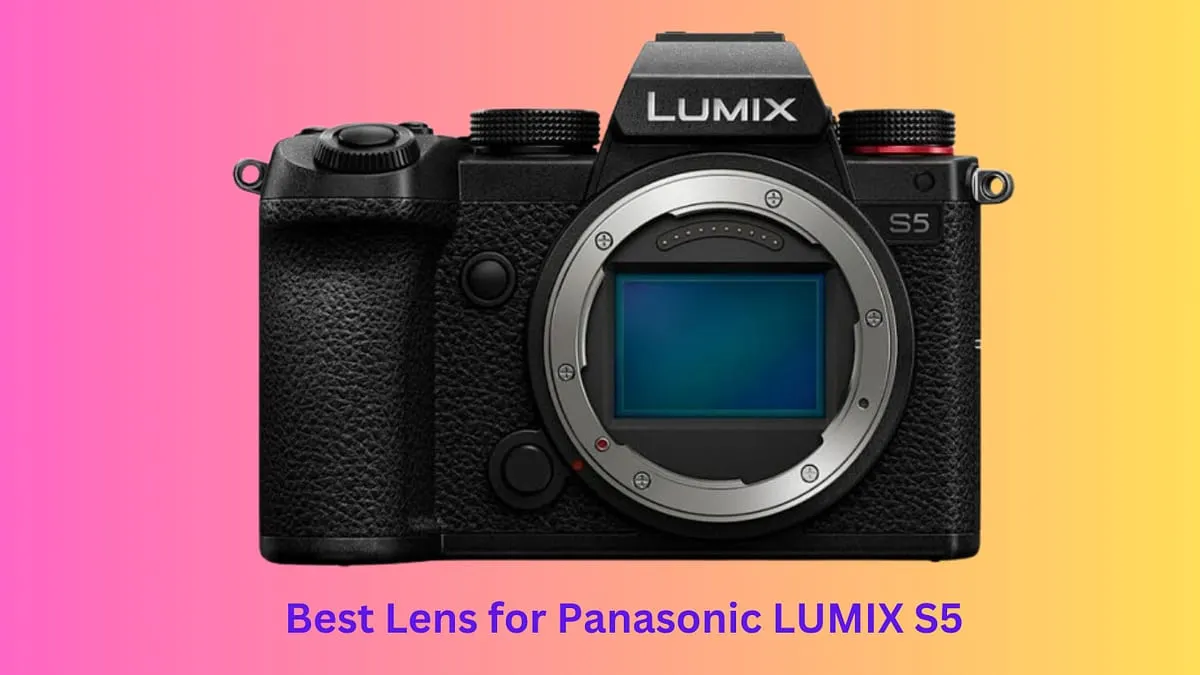
Best Lens for Panasonic LUMIX S5: (2026 Guide & Reviews)
Unlocking the Cinematic Soul of the L-Mount System. What the Sigma 24–70mm f/2.8 DG DN gets right, what it does not, and who should buy it.

Best Lens for Wide Shots
The Ultimate Guide to the Best Lens for Wide Shots: Field-Tested Review & Personal Experience

Best Lenses for Interior Photography
Best Lenses for Interior Photography. Here is how the Canon R6 Mark II and Canon EOS R6 Mark II compare, and the one I keep going back to.