My Best Lens for Travel Photography
As an Amazon Associate we earn from qualifying purchases. Some links in this guide are affiliate links — see our affiliate disclosure for details.
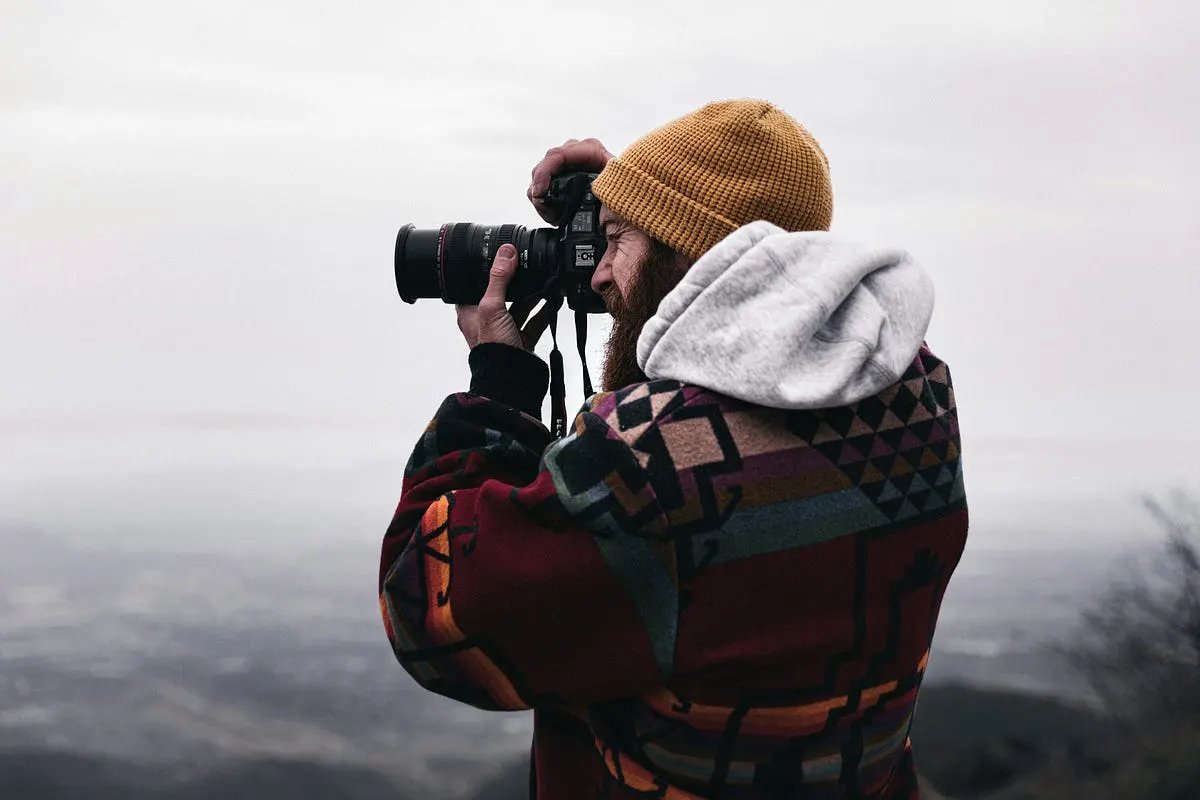
Photo by Jakob Owens on Unsplash
I still remember the panic I felt as I frantically packed for my first major international photography trip to Iceland. My camera bag was overflowing with lenses — wide angles for landscapes, telephotos for wildlife, primes for low light — and my shoulder already ached just looking at all that glass. Something had to give.
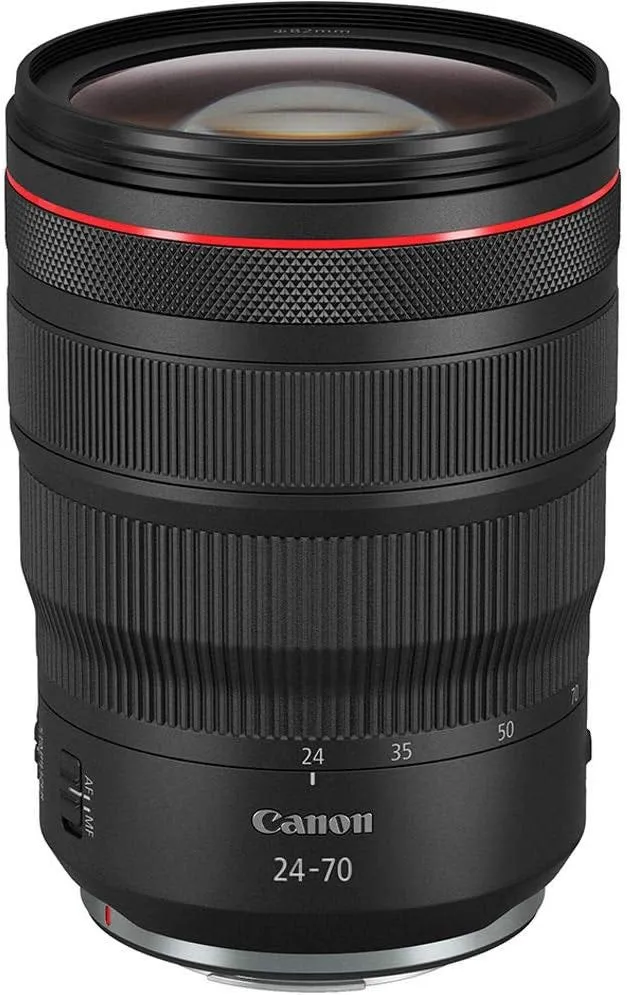
That’s when I made one of the best photography decisions of my life: trusting in the versatility of the Canon RF 24–70mm f/2.8L IS USM as my primary travel lens. Five years and countless adventures later, this remarkable piece of engineering remains the cornerstone of my travel kit.
The Transformative Moment
It was during a sunrise shoot at Kirkjufell Mountain when the true value of this lens became apparent. I had hiked up a small ridge in the pre-dawn darkness, setting up with just my Canon R5 and the 24–70mm. As the first light broke over the horizon, painting the sky in impossible shades of pink and orange, I found myself seamlessly switching from wide-angle landscapes to intimate details of the waterfall below.
No lens changes. No missed moments. Just pure creative flow.
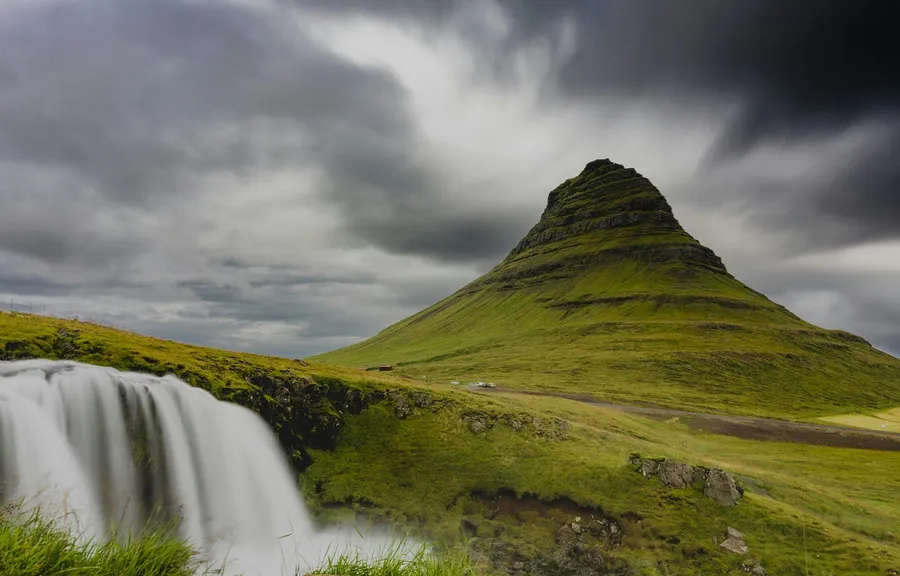
Photo by Xihao Liu on Unsplash
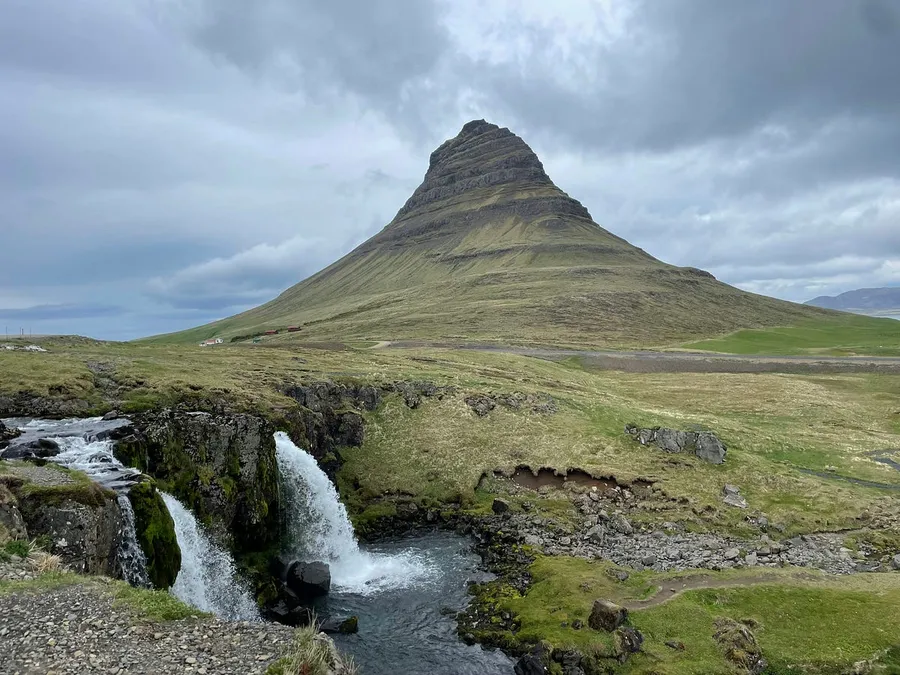
Photo by Bernd 📷 Dittrich on Unsplash
Technical Excellence in a Versatile Package
The Canon RF 24–70mm f/2.8L IS USM excels in nearly every scenario a travel photographer might encounter:
Optical Quality
The lens delivers exceptional sharpness corner-to-corner, even at its widest aperture. The contrast and color rendition are simply stunning, bringing landscapes to life while maintaining natural skin tones for street portraits.
Versatile Focal Range
At 24mm, it’s wide enough for most landscapes and architectural shots. At 70mm, it offers enough reach for compressed perspectives and casual wildlife opportunities. The middle range is perfect for street photography and environmental portraits.
Outstanding Image Stabilization
The 5-stop image stabilization system has saved countless shots in challenging conditions. From twilight cityscapes in Tokyo to dimly lit cathedrals in Rome, I’ve handhold shots that would normally require a tripod.
Weather Sealing
I’ve used this lens in Iceland’s freezing rain, Morocco’s desert dust storms, and Costa Rica’s tropical humidity. It hasn’t missed a beat.
Real-World Applications
This lens has become my go-to for nearly every travel scenario:
Street Photography
The quick and silent focusing is perfect for capturing candid moments in bustling markets. The relatively modest size (for an f/2.8 zoom) means I’m not immediately identified as a tourist with “professional” gear.
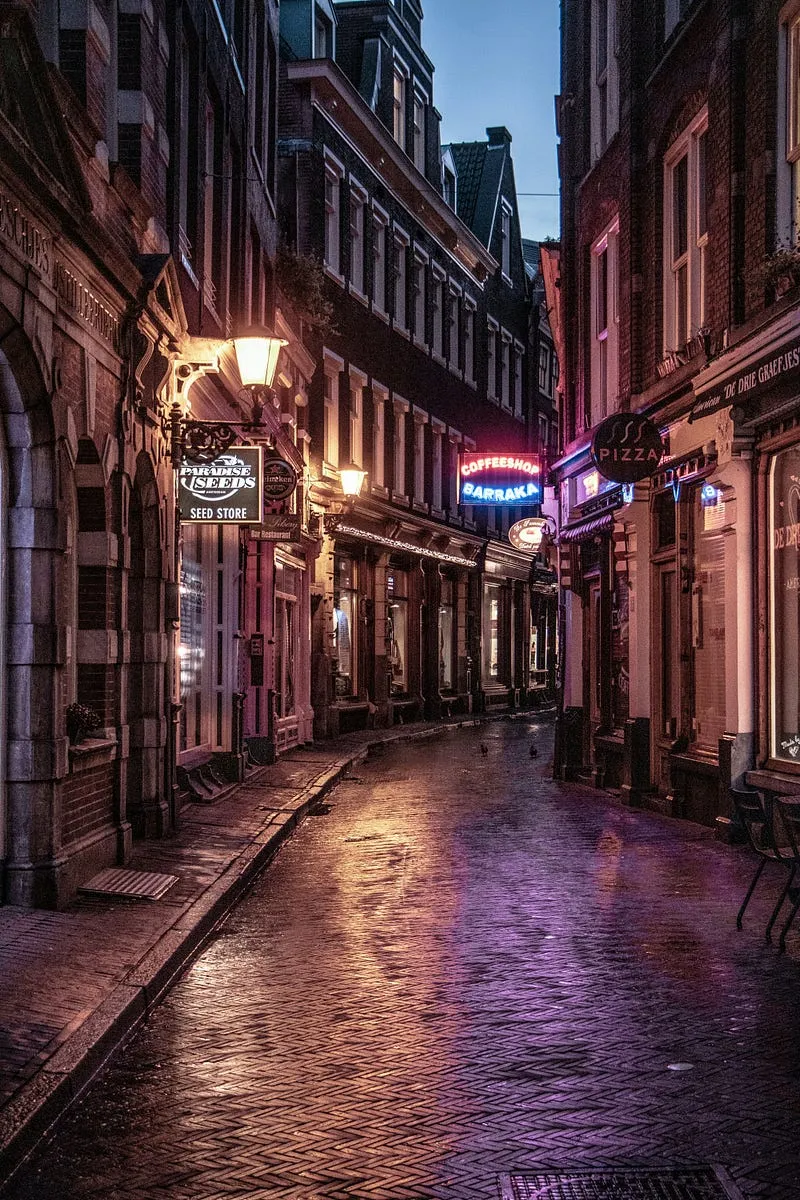
Photo by Samy Saadi on Unsplash
Landscapes
While not as wide as a dedicated landscape lens, the 24mm end has proven sufficient for most scenic vistas, especially when incorporating foreground elements for depth. The exceptional corner sharpness means no compromises when printing large.
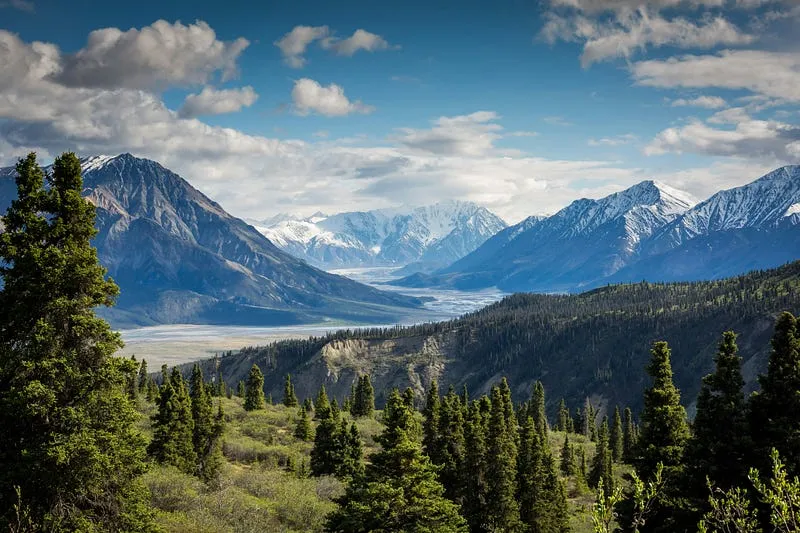
Photo by Kalen Emsley on Unsplash
Food and Details
Zooming to 70mm with a minimum focus distance of 0.21m at the wide end allows for beautiful food photography and detail shots of local crafts and textures.

Photo by Anh Nguyen on Unsplash
Environmental Portraits
The versatile range lets me quickly switch between wider environmental context and tighter framing without changing position — crucial when connecting with a subject in a fleeting moment.

Photo by Tyrell James on Unsplash
The Weight of Decision
Let’s address the elephant in the room: at 900g (1.98 lbs), this isn’t a lightweight lens. But after trying various travel setups, including lighter variable aperture zooms and prime lens combinations, I’ve found that the slight weight penalty is far outweighed by the creative freedom and image quality this lens provides.
Most importantly, I’ve discovered that the best travel photography happens when I’m fully present in the moment, not when I’m fumbling through lens changes or carrying a backpack full of glass.
The One-Lens Challenge
Whenever I visit a new destination, I now often start with a self-imposed “one-lens challenge” using only the RF 24–70mm f/2.8L for the first day. This exercise forces me to see creative solutions rather than reaching for specialized optics. Interestingly, I frequently find that 80% of my favorite images from the entire trip come from these constraint-driven sessions.
Complementary Lenses
While the RF 24–70mm f/2.8L IS USM handles most situations brilliantly, I occasionally supplement it with:
- RF 15–35mm f/2.8L IS USM: For truly vast landscapes or tight interior spaces
- RF 70–200mm f/4L IS USM: A lighter telephoto option for wildlife or distant details
- RF 35mm f/1.8 Macro IS STM: For ultra-low light situations and genuine macro capabilities
However, if forced to choose just one lens for travel, the decision is clear — the RF 24–70mm f/2.8L IS USM would be my pick without hesitation.
Final Thoughts
Travel photography is about capturing moments, cultures, and memories — not about carrying the perfect lens for every conceivable scenario. The Canon RF 24–70mm f/2.8L IS USM has taught me that sometimes, embracing limitations can lead to greater creative freedom.
Five years and thousands of images later, I still get a sense of excitement when I mount this lens to my camera before heading out to explore a new location. It has become more than just a piece of equipment — it’s a trusted partner in creative visual storytelling.
For those struggling with the “which lenses to bring” dilemma that plagues every travel photography adventure, consider simplifying. You might find, as I did, that one exceptional lens can transform not just your images, but your entire experience of travel photography.

Written by
Marien CartelProfessional and Certified Digital Photographer born in the USA, with 22 years of experience in the field of photography.
Related Guides
Best Lens for Panasonic LUMIX S5: (2026 Guide & Reviews)
Unlocking the Cinematic Soul of the L-Mount System. What the Sigma 24–70mm f/2.8 DG DN gets right, what it does not, and who should buy it.
Best Lens for Wide Shots
The Ultimate Guide to the Best Lens for Wide Shots: Field-Tested Review & Personal Experience

Best Lenses for Interior Photography
Best Lenses for Interior Photography. Here is how the Canon R6 Mark II and Canon EOS R6 Mark II compare, and the one I keep going back to.