Canon R5 Vs R6: Field Setup & Key Specs
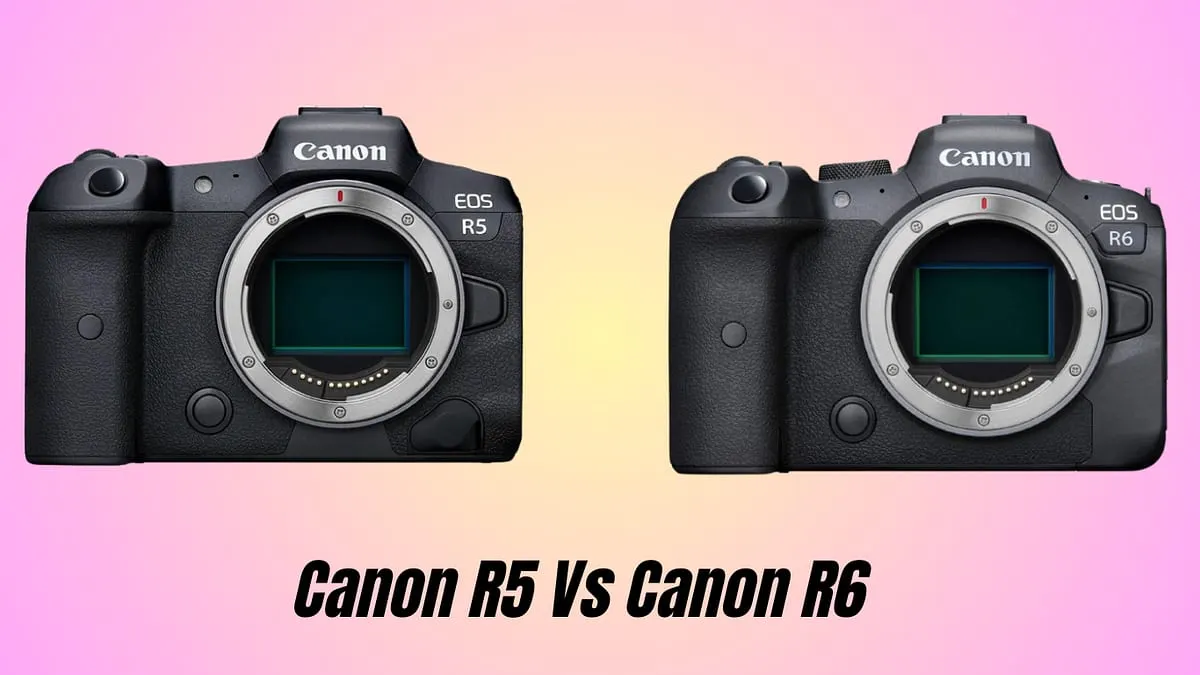
As an Amazon Associate we earn from qualifying purchases. Some links in this guide are affiliate links, see our affiliate disclosure for details.
Top Picks & Key Specifications at a Glance
| Model | Best For | Mount / System | Key Optical & Sensor Specs | Check Price |
|---|---|---|---|---|
1Canon R5 | The King of Resolution and Versatility | Canon RF (Full Frame) | 45MP · 8K Video | Amazon ↗ |
2Canon R6 | The Affordable All - Rounder | Interchangeable-Lens System | 20MP · 4K UHD | Amazon ↗ |
What is the difference between the Canon EOS R5 and R6?
The main difference is sensor resolution: the R5 has 45MP, which stands out as the king of resolution and versatility, while the R6 is the more affordable all-rounder.
The main difference between the Canon EOS R5 and R6 is the resolution of their sensors, with the R5 boasting a significantly higher 45MP compared to the R6’s 20MP, making the R5 ideal for photographers needing extreme detail and large prints, while the R6 is better suited for low-light situations due to its larger individual pixel size and is considered a good choice for enthusiast photographers who prioritize versatility and ease of use; both cameras share similar autofocus capabilities and advanced video features, but the R5 offers higher resolution video options like 8K recording.
When it comes to choosing between the Canon R5 and R6, the decision can feel overwhelming. Both cameras are exceptional, but they cater to slightly different needs and budgets.
- Canon R5 — Check Canon R5 on Amazon
- Canon R6 — Check Canon R6 on Amazon
Canon R5: The King of Resolution and Versatility
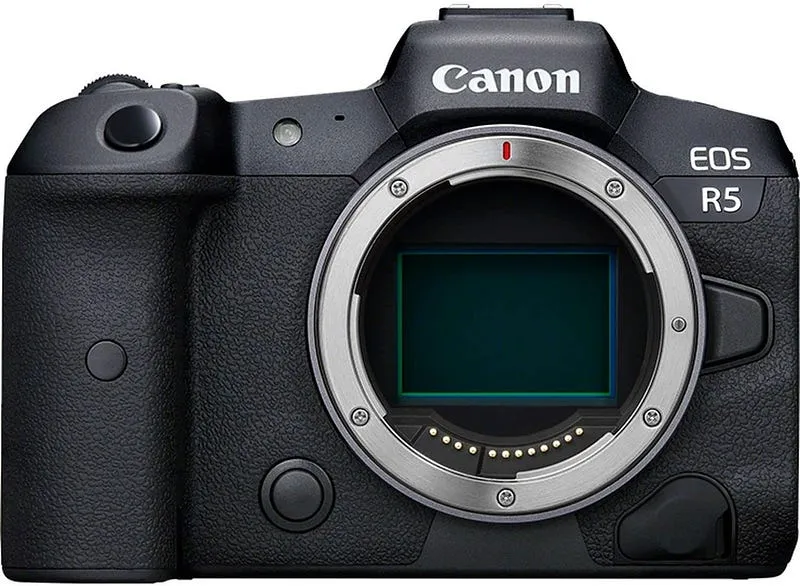
The Canon R5 is a beast. With its 45-megapixel sensor, it delivers stunningly detailed images that are perfect for large prints or heavy cropping. The level of detail in landscapes, such as rocks, trees and water, is breathtaking.
The R5 also excels in video. The autofocus tracks moving subjects very well, even in challenging lighting conditions.
However, the R5 isn’t without its quirks. The camera can overheat during extended video sessions, especially in 8K or 4K 120fps.
Check Canon R5: The King of Resolution and Versatility on Amazon
Canon R6: The Affordable All-Rounder
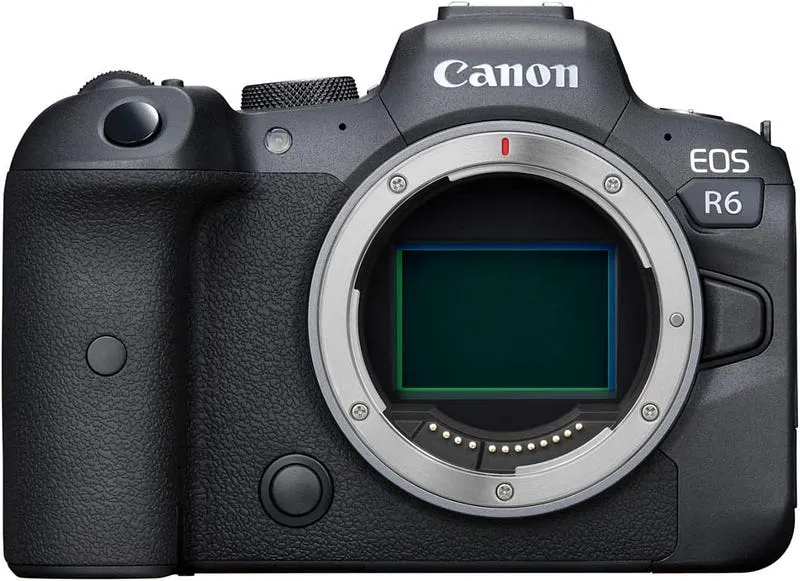
The Canon R6, on the other hand, is a more practical choice for many photographers. Its 20-megapixel sensor might seem modest compared to the R5, but it’s more than enough for most applications.
Where the R6 really shines is its low-light performance. The dual pixel autofocus locks onto subjects’ eyes even in very dim light, and images stay clean with little noise at ISO 6400.
For video, the R6 is no slouch either. It shoots 4K up to 60fps with fewer overheating issues than the R5, making it a more reliable choice for long recording sessions.
It’s an incredible camera at a more accessible price point, and it performs exceptionally well in most situations.
Key Differences at a Glance
Sensor Resolution:
- The Canon R5 boasts a 45-megapixel sensor, making it ideal for high-resolution needs like landscape photography or heavy cropping.
- The Canon R6 features a 20-megapixel sensor, which is more than enough for most everyday shooting scenarios and offers excellent low-light performance.
Video Capabilities:
- The R5 is a video powerhouse, offering 8K RAW and 4K 120fps slow-motion recording, perfect for filmmakers who need top-tier video quality.
- The R6 shoots 4K up to 60fps, making it a more practical choice for videographers who don’t require 8K but still want professional-grade footage.
Low-Light Performance:
- Both cameras perform well in low light, but the R6 has a slight edge due to its lower megapixel count, which allows for cleaner images at higher ISOs.
- The R5 still delivers excellent low-light results, but the higher resolution can introduce slightly more noise in extreme conditions.
Price:
- The R5 is significantly more expensive, reflecting its advanced features and higher resolution.
- The R6 is more affordable, offering incredible value for photographers and videographers who don’t need the R5’s cutting-edge specs.
Overheating Concerns:
- The R5 can overheat during extended 8K or 4K 120fps recording sessions, which may require careful management or external cooling solutions.
- The R6 is more reliable for longer video shoots, with fewer overheating issues, making it a better choice for extended use.
Final Thoughts
Both the Canon R5 and R6 are fantastic cameras, and you can’t go wrong with either. If you need the highest resolution and cutting-edge video features, the R5 is worth the investment. But if you’re looking for a more budget-friendly option that still delivers excellent performance, the R6 is a solid choice.
Whichever you choose, happy shooting!
Photo by Janan Lagerwall on Unsplash

Photo by Steffi Pereira on Unsplash
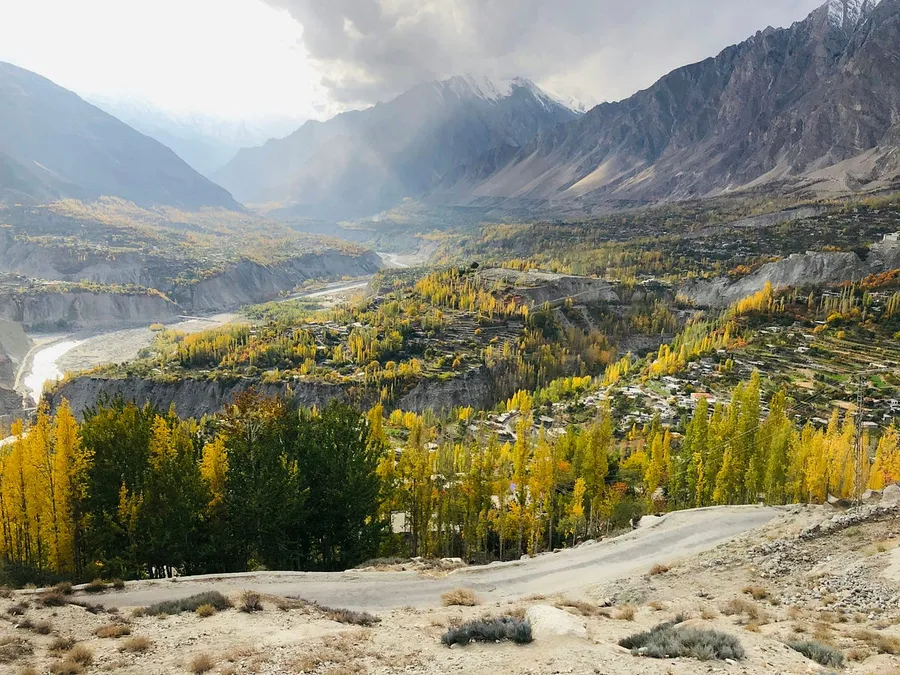
Photo by Anas Najam on Unsplash
More picks
- Canon R5 — Check Canon R5 Price on Amazon
Pair this guide with Best Canon Cameras for Travel Photography, Canon 80D vs Canon 7D Mark II, and the field setup directory.
Common Buying & Setup Questions
What is the top pick in Canon R5 Vs R6?
The Canon R5 (45MP · 8K Video, Canon RF (Full Frame)) leads our shortlist as the the king of resolution and versatility, followed closely by the Canon R6 (20MP · 4K UHD).
What focal length, aperture, and shutter speed work best for tattoo artists & micro-realism portfolios?
For tattoo artists & micro-realism portfolios, pair a 50mm – 90mm (never below 35mm, which warps limb proportions) lens at f/5.6 – f/8 (keeps curved forearms and calves sharp edge-to-edge) with a shutter speed of 1/125s – 1/200s handheld (or 1/60s on tripod) and a working distance of 0.4m – 1.5m (1.5 to 5 ft). Recommended setup: CRI 95+ 5600K LED panel covered with Linear Polarizing Film + Circular Polarizer (CPL) lens filter rotated 90°..
Camera & Lens Settings by Real-World Use Case
Match your focal length, aperture, shutter speed, and lighting modifier to the exact environment you shoot in.
Tattoo Artists & Micro-Realism Portfolios
- Best Body:
- Sony Alpha a7 III / Fujifilm X-T4
- Ideal Lens:
- 90mm f/2.8 Macro (detail) or 50mm f/1.8 (sleeves & back pieces)
- Aperture & Shutter:
- f/5.6 – f/8 (keeps curved forearms and calves sharp edge-to-edge) · 1/125s – 1/200s handheld (or 1/60s on tripod)
- Room Distance:
- 0.4m – 1.5m (1.5 to 5 ft)
Barbershops, Hairstylists & Color Salons
- Best Body:
- Sony a7 IV / Canon EOS R6 Mark II
- Ideal Lens:
- 50mm f/1.8 (tight stations) or 85mm f/1.8 (spacious salons)
- Aperture & Shutter:
- f/1.8 – f/2.8 (blurs background chairs while keeping the lineup tack-sharp) · 1/160s – 1/250s (freezes subtle head movement in the chair)
- Room Distance:
- 1.5m – 2.4m (5 to 8 ft from the styling chair)
Makeup Artists (MUA) & Beauty Tutorials
- Best Body:
- Sony Alpha a6400 / Canon G7 X Mark III
- Ideal Lens:
- Sigma 56mm f/1.4 DC DN (APS-C) or 50mm–85mm f/1.8 (Full Frame)
- Aperture & Shutter:
- f/2.8 – f/4 for full-face sharpness; f/5.6 for macro eye/lip close-ups · 1/125s for stills; 1/50s (24p) or 1/120s (60p) for video tutorials
- Room Distance:
- 1.2m – 2.2m (4 to 7 ft)

Written by
Marien CartelMarien Cartel runs Marien Cartel Photography, a camera and lens buying-guide site, and photographs the gear shown on it.
Related Guides
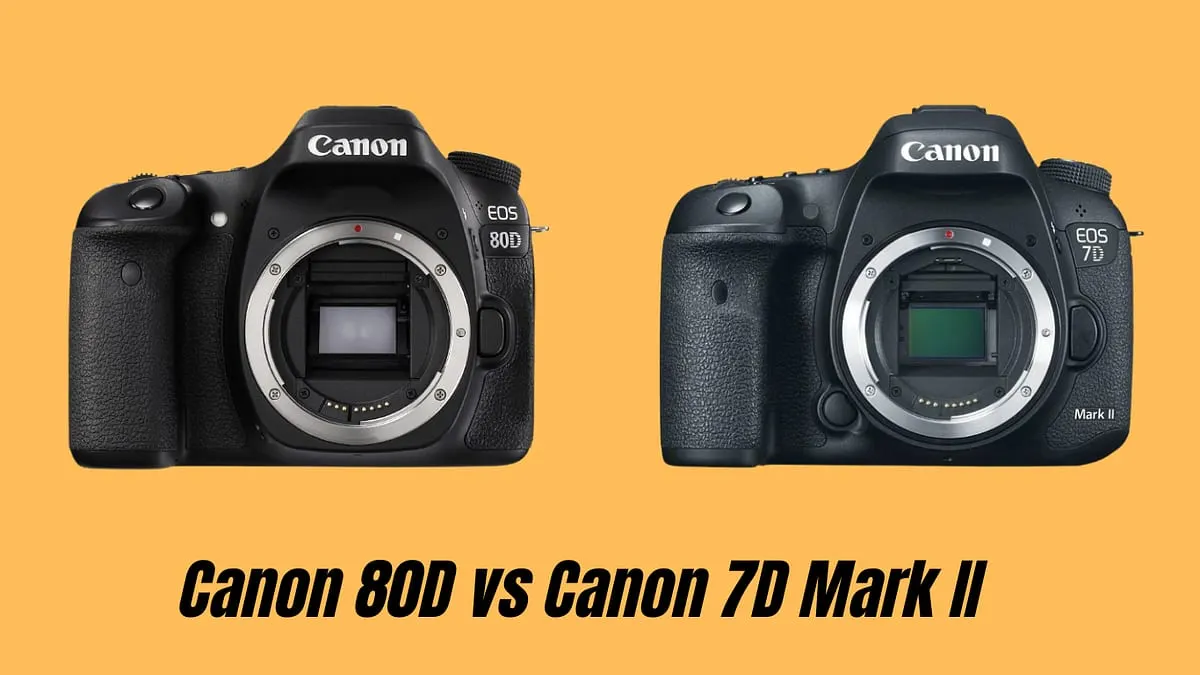
Canon 80D vs Canon 7D Mark II: Field Setup & Key Specs
Canon 80D vs Canon 7D Mark II compared — where each one wins, where it falls short, and who should buy which. Updated for 2026.
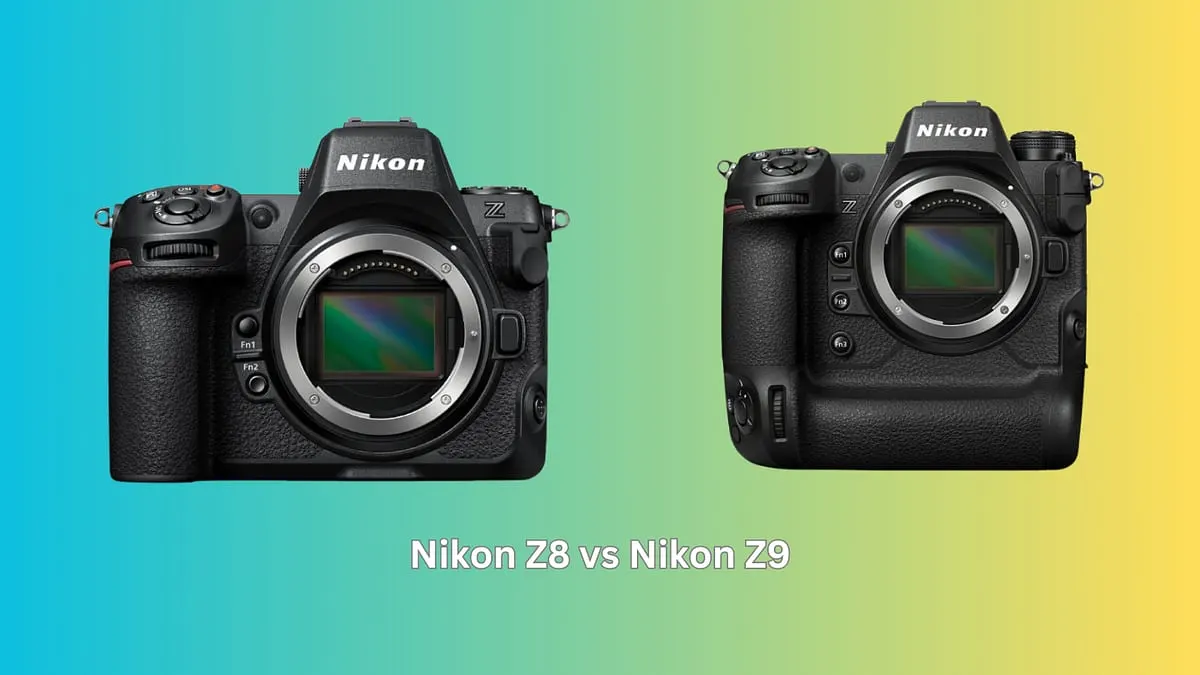
Nikon Z8 vs Nikon Z9: Field Setup & Key Specs
The Nikon Z9 and Z8 are both exceptional mirrorless cameras, pushing the boundaries of photography and videography.
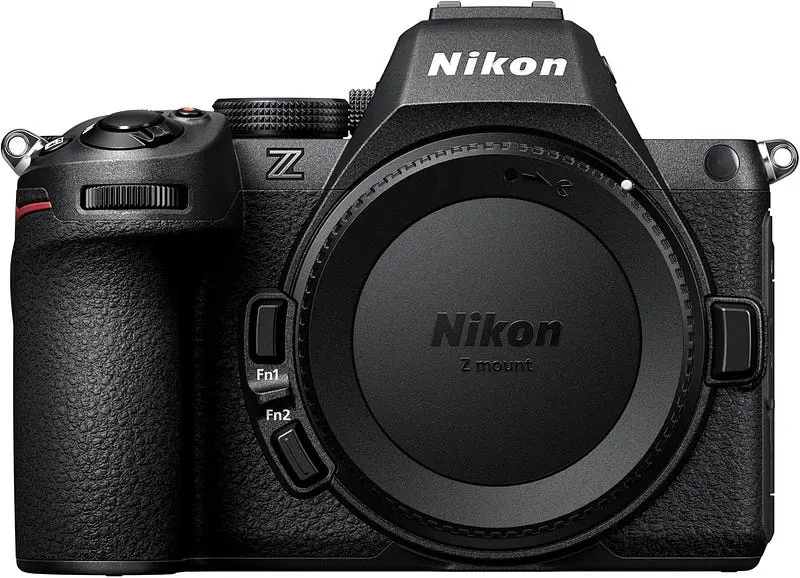
Nikon Z5 II Review: Field Setup & Key Specs
Nikon Z5 II Review: a side-by-side look at Canon R8 and Sony a7C II, with strengths, trade-offs and buying advice.
Leica Q3 vs Fujifilm GFX100RF: Field Setup & Key Specs
Compare the 60MP full-frame Leica Q3 (28mm f/1.7 Summilux) vs the 102MP medium-format Fujifilm GFX100RF across leaf-shutter portability, crop modes, and optics.
Fujifilm X-M5 Review: Field Setup & Key Specs
Fujifilm X-M5 Review: what to look for, what to skip and how to choose the right one for your budget. Updated for 2026.

Best Semi Professional Camera: Field Setup & Key Specs
Best Semi Professional Camera: Nikon Z6 III, Sony A7R V and Canon EOS R6 II compared on features, price and who each one suits.