Nikon Z5 II Review: Field Setup & Key Specs
As an Amazon Associate we earn from qualifying purchases. Some links in this guide are affiliate links, see our affiliate disclosure for details.
Is the Nikon Z5 II worth buying?
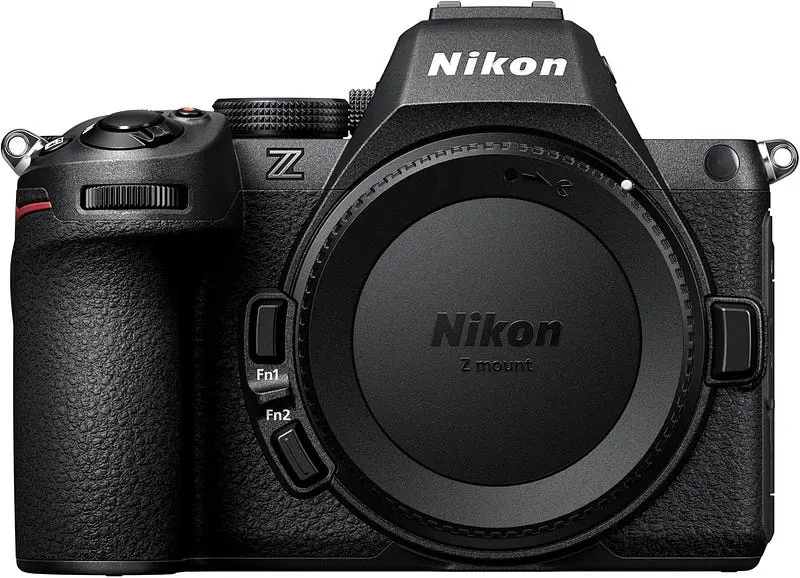
In short, the Nikon Z5 II is a quietly confident full-frame camera that delivers where it counts. It values reliability over hype and works well in portraits, street and nature.
After all, the original Z5 was already a solid entry-level full-frame mirrorless camera.
✦ First Impressions: Familiar, but Refined
Out of the box, the Z5 II feels every bit a Nikon. Solid grip, intuitive button placement, and that understated pro look. The build feels more serious than most cameras in its price range. Weather-sealed and robust, it handled a damp early morning landscape shoot without flinching.
✦ Image Quality: Quietly Excellent
Let’s talk about what matters most — the images. The Z5 II uses a 24.3MP full-frame sensor, and while that’s not groundbreaking, the results are rich, clean, and tonally balanced. The color science feels true-to-life, especially for skin tones, which is a major win for portrait photographers.
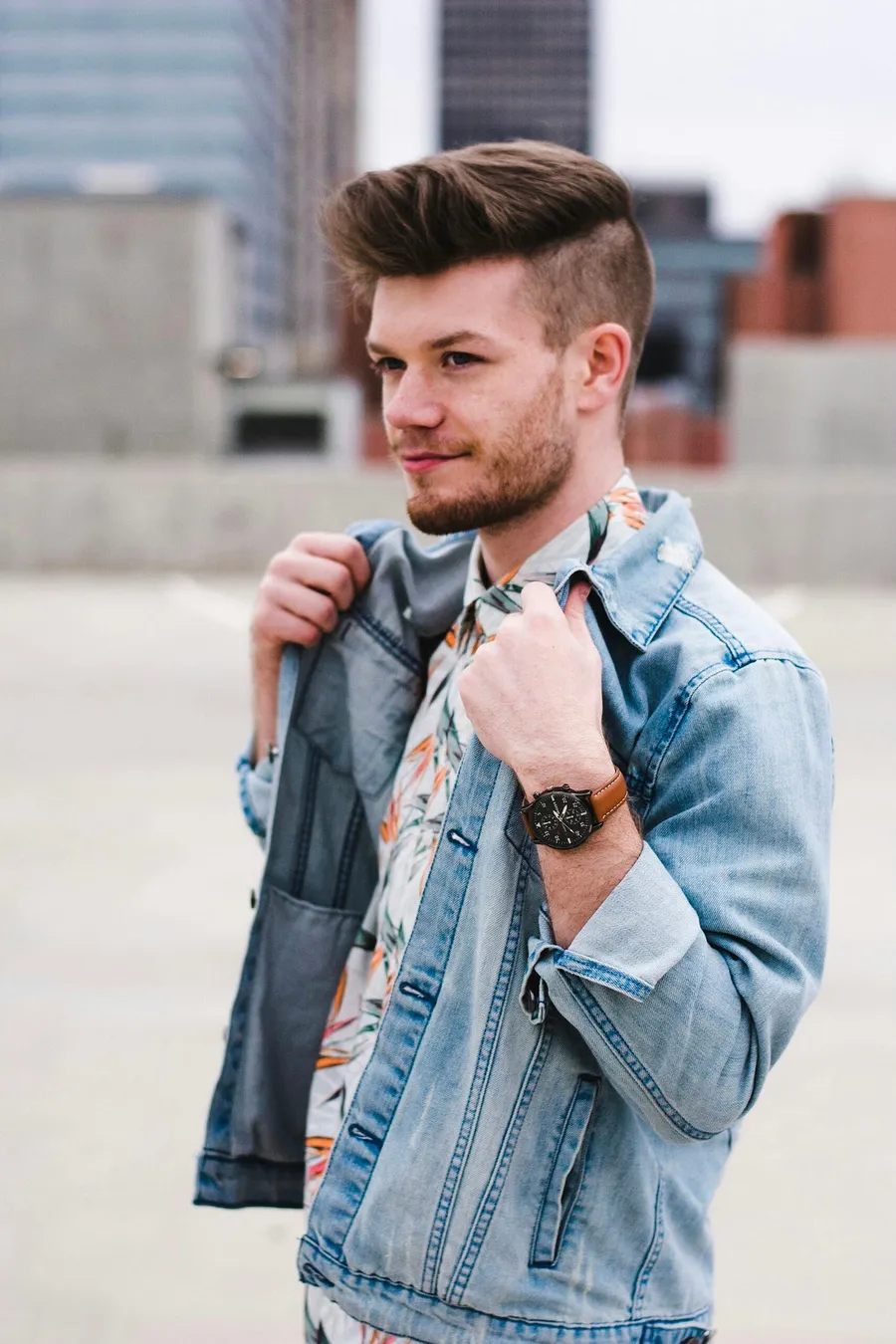
Photo by Isaac Ramirez on Unsplash

Photo by Logan Fisher on Unsplash
✦ Autofocus: Better Than Expected
It’s still not Z8-fast, but for lifestyle work, portraits, and slower-moving subjects, it’s more than capable.
✦ Real-World Handling: A Photographer’s Camera
There’s something about the Z5 II that just gets out of the way. It doesn’t distract. It lets you focus on the scene.
- The EVF is crisp and responsive, even in bright daylight.
- The rear LCD is bright and articulates just enough for low-angle work.
Battery life got a small but welcome bump.
✦ Video? It’s There
It’s uncropped now, finally. Video is decent and works for hybrid shooters who occasionally vlog or need B-roll. But if you’re a video-first creator, the Z6 II or Z8 are better choices.
✦ Nikon Z5 II vs the Competition
- Z5 II vs Z6 II: If you’re mostly a photographer and don’t need 4K 60p or 10-bit video, the Z5 II is arguably the smarter buy.
- Z5 II vs Canon R8: The R8 has faster AF and better video specs, but the Z5 II feels more rugged and professional in-hand.
- Z5 II vs Sony a7C II: Sony wins on portability, but Nikon wins on ergonomics and user experience.
✦ Who Is the Z5 II For?
- Portrait photographers who want beautiful color and reliable Eye AF.
- Wedding & event shooters who need dual card slots, great low-light ability, and weather-sealing.
- Enthusiasts stepping into full-frame photography for the first time without breaking the bank.
✦ Final Thoughts
The Nikon Z5 II won’t break the internet or win spec sheet battles. But in the real world — where light changes fast, subjects move unpredictably, and gear needs to just work — it shines.
It’s not flashy. It’s consistent. And sometimes, that’s exactly what a photographer needs.
Rating: ★★★★☆ (4.5/5)
Verdict: A quietly confident full-frame camera that delivers where it counts.

Photo by Victoria Rodriguez on Unsplash
Photo by Douglas J S Moreira on Unsplash
Pair this guide with Nikon Z8 Review, Nikon Z50II Review, and the studio & field presets.
Camera & Lens Settings by Real-World Use Case
Match your focal length, aperture, shutter speed, and lighting modifier to the exact environment you shoot in.
Tattoo Artists & Micro-Realism Portfolios
- Best Body:
- Sony Alpha a7 III / Fujifilm X-T4
- Ideal Lens:
- 90mm f/2.8 Macro (detail) or 50mm f/1.8 (sleeves & back pieces)
- Aperture & Shutter:
- f/5.6 – f/8 (keeps curved forearms and calves sharp edge-to-edge) · 1/125s – 1/200s handheld (or 1/60s on tripod)
- Room Distance:
- 0.4m – 1.5m (1.5 to 5 ft)
Barbershops, Hairstylists & Color Salons
- Best Body:
- Sony a7 IV / Canon EOS R6 Mark II
- Ideal Lens:
- 50mm f/1.8 (tight stations) or 85mm f/1.8 (spacious salons)
- Aperture & Shutter:
- f/1.8 – f/2.8 (blurs background chairs while keeping the lineup tack-sharp) · 1/160s – 1/250s (freezes subtle head movement in the chair)
- Room Distance:
- 1.5m – 2.4m (5 to 8 ft from the styling chair)
Makeup Artists (MUA) & Beauty Tutorials
- Best Body:
- Sony Alpha a6400 / Canon G7 X Mark III
- Ideal Lens:
- Sigma 56mm f/1.4 DC DN (APS-C) or 50mm–85mm f/1.8 (Full Frame)
- Aperture & Shutter:
- f/2.8 – f/4 for full-face sharpness; f/5.6 for macro eye/lip close-ups · 1/125s for stills; 1/50s (24p) or 1/120s (60p) for video tutorials
- Room Distance:
- 1.2m – 2.2m (4 to 7 ft)

Written by
Marien CartelMarien Cartel runs Marien Cartel Photography, a camera and lens buying-guide site, and photographs the gear shown on it.
Related Guides
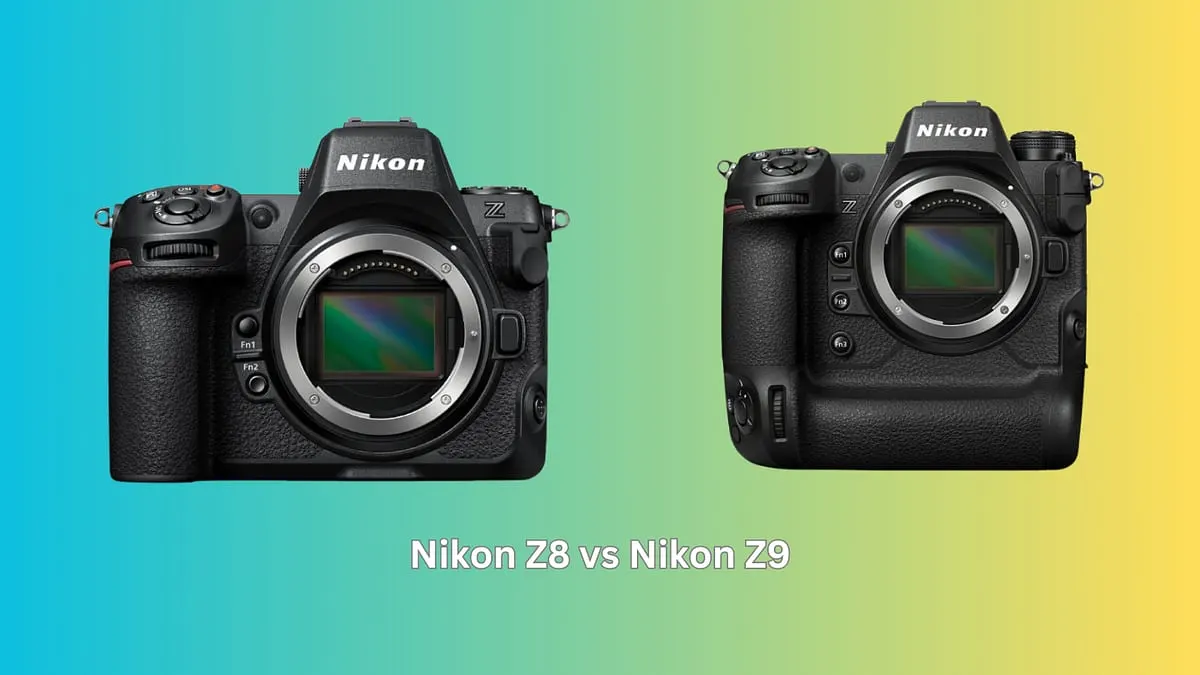
Nikon Z8 vs Nikon Z9: Field Setup & Key Specs
The Nikon Z9 and Z8 are both exceptional mirrorless cameras, pushing the boundaries of photography and videography.
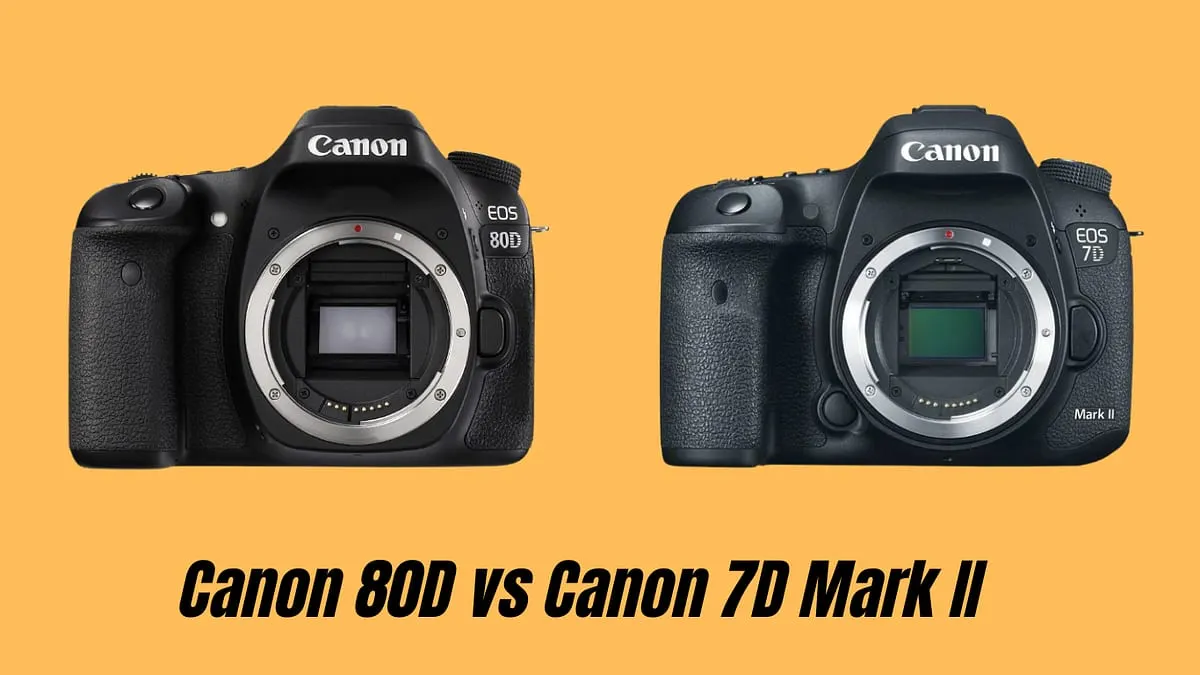
Canon 80D vs Canon 7D Mark II: Field Setup & Key Specs
Canon 80D vs Canon 7D Mark II compared — where each one wins, where it falls short, and who should buy which. Updated for 2026.
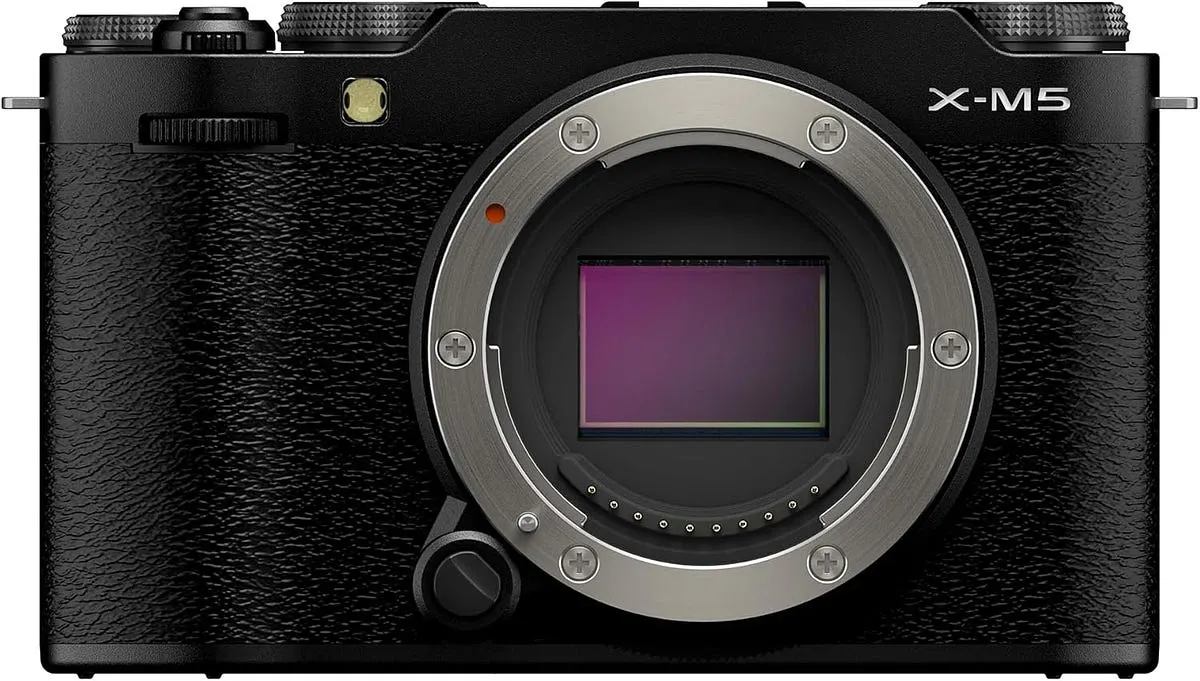
Fujifilm X-M5 Review: Field Setup & Key Specs
Fujifilm X-M5 Review: what to look for, what to skip and how to choose the right one for your budget. Updated for 2026.
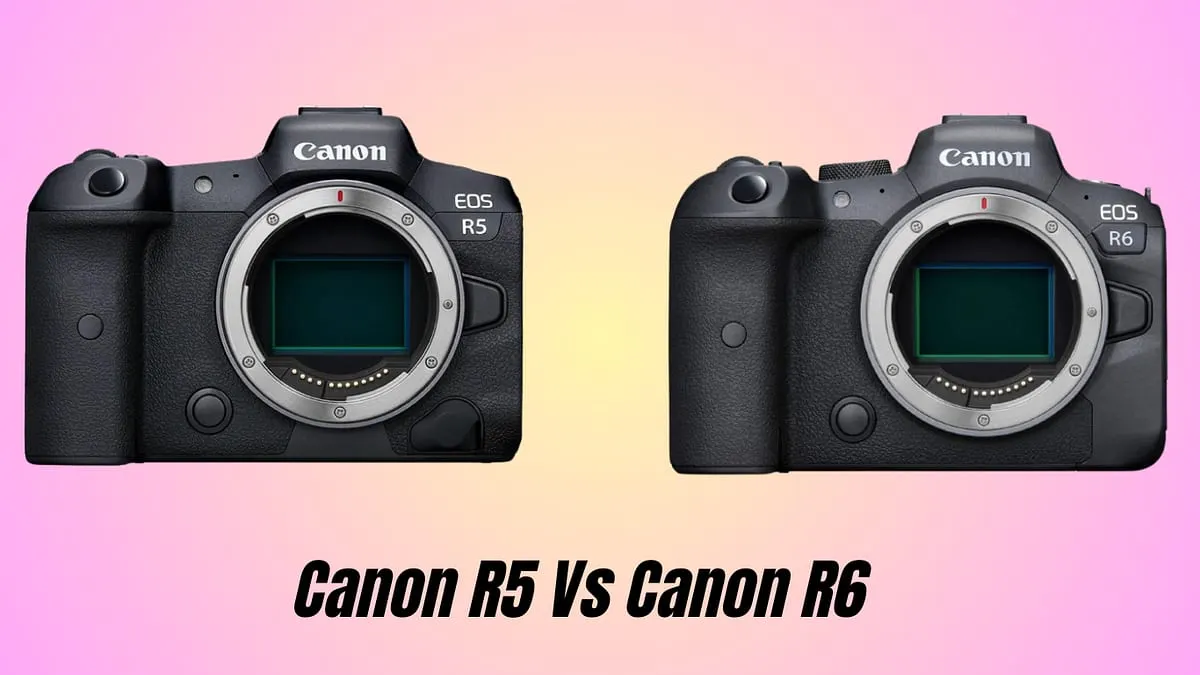
Canon R5 Vs R6: Field Setup & Key Specs
Canon R5 Vs R6 compared — where each one wins, where it falls short, and who should buy which. Updated for 2026.
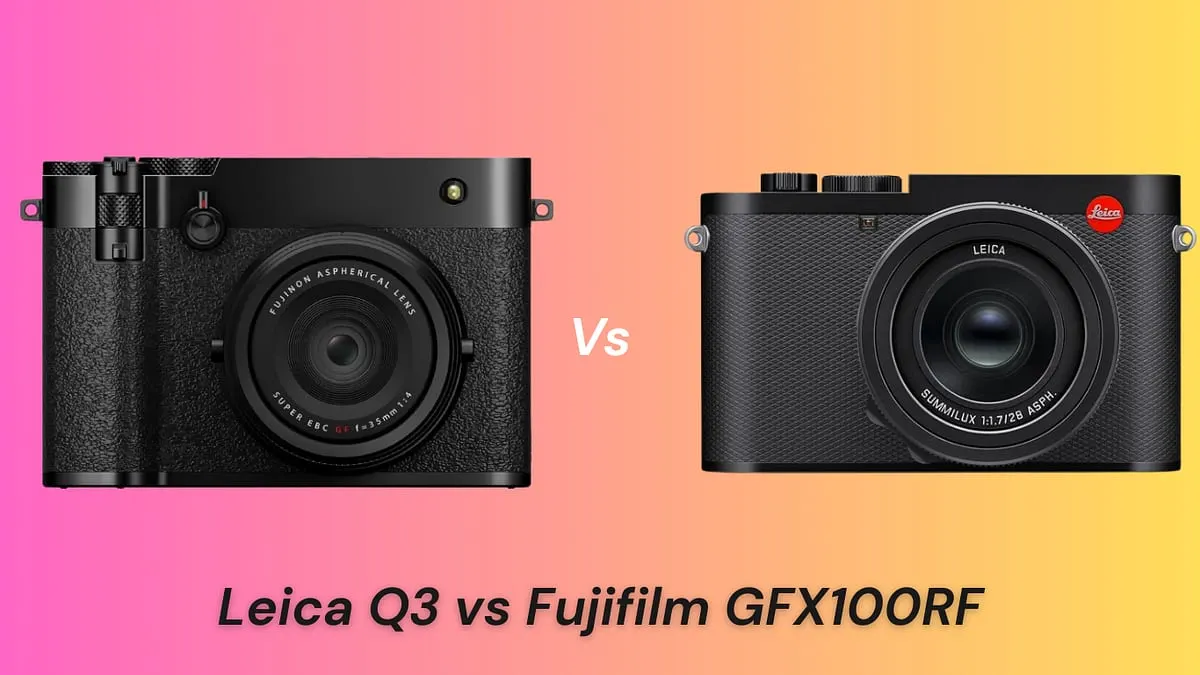
Leica Q3 vs Fujifilm GFX100RF: Field Setup & Key Specs
Compare the 60MP full-frame Leica Q3 (28mm f/1.7 Summilux) vs the 102MP medium-format Fujifilm GFX100RF across leaf-shutter portability, crop modes, and optics.

Best Camera for Vlogs: Field Setup & Key Specs
Sony ZV-E10, Sony ZV-1 II and DJI Osmo Pocket 3 compared for Camera for Vlogs: key specifications, trade-offs, and top picks by budget.