5 Best Cameras for Filming Hunts
As an Amazon Associate we earn from qualifying purchases. Some links in this guide are affiliate links — see our affiliate disclosure for details.
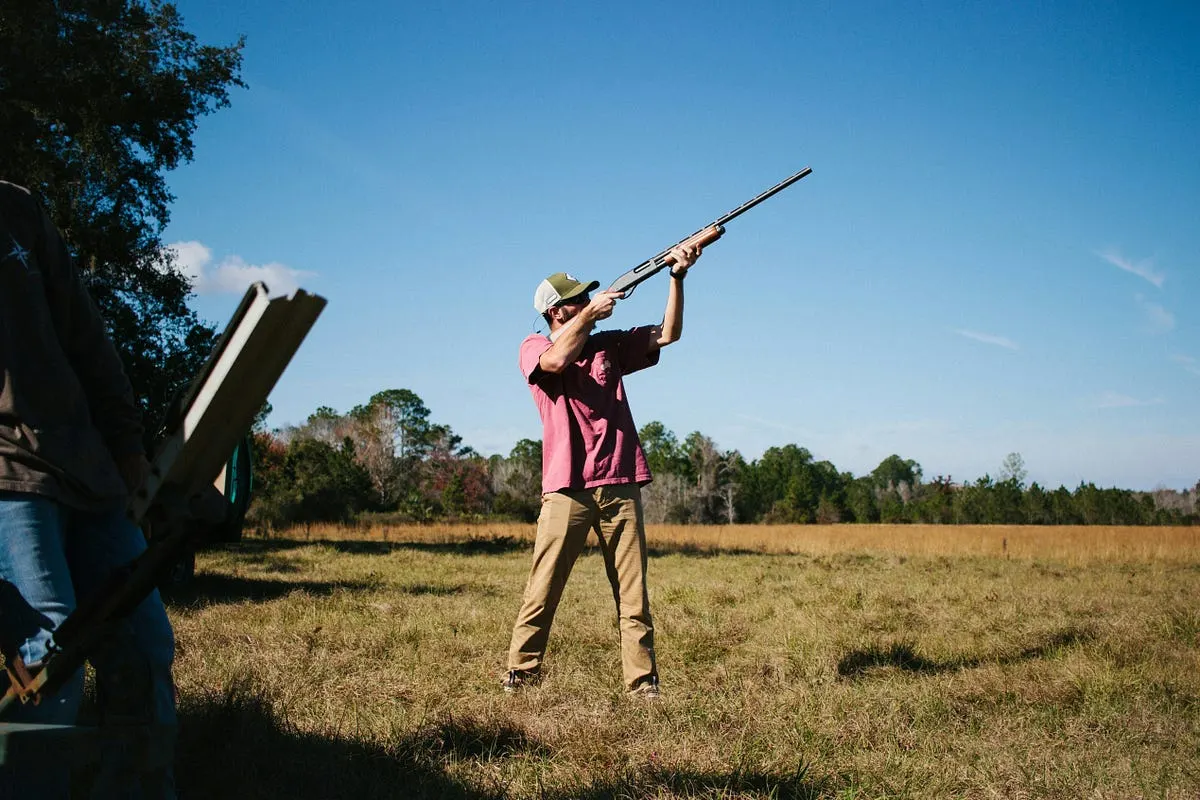
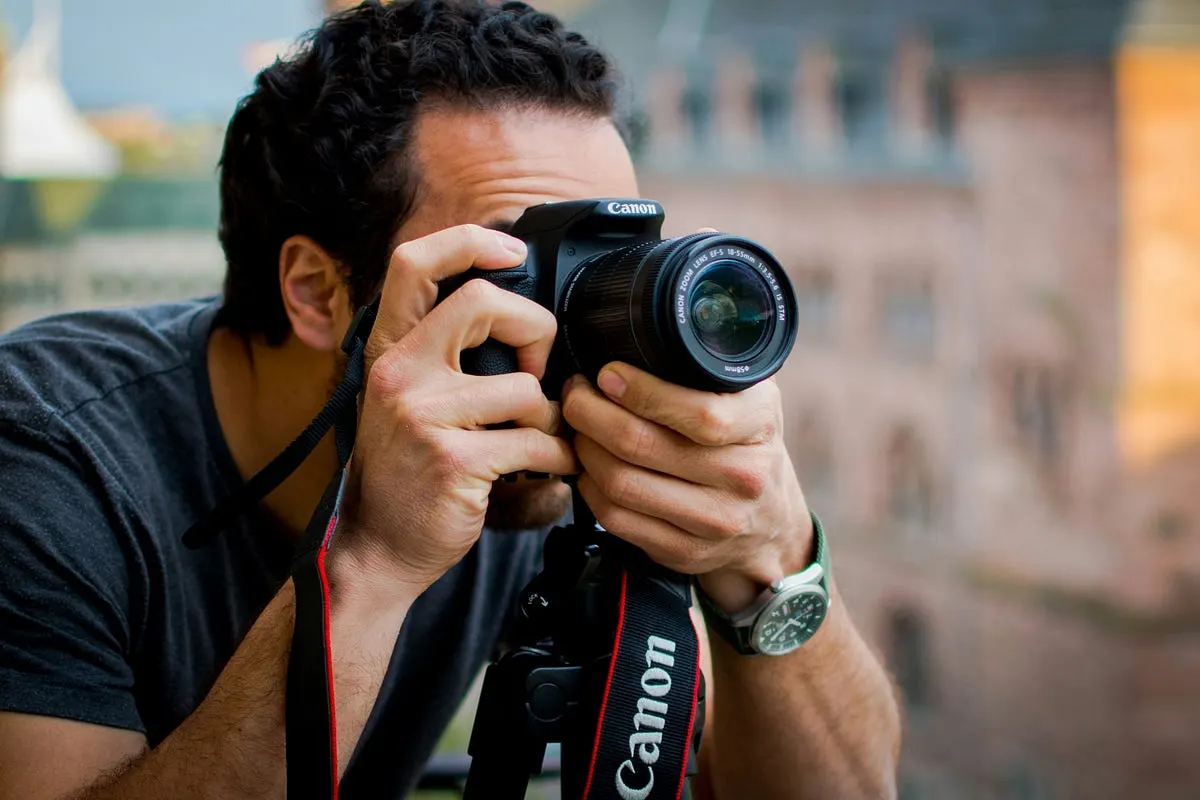
Photo by Stephen Baker on Unsplash
I’ve always been drawn to the thrill of the hunt, the quiet anticipation of the forest, and the exhilaration of a successful shot. To preserve these memories and share them with others, I decided to start filming my hunting adventures.
Choosing the right camera was crucial. I wanted something that could capture the stunning beauty of the outdoors, withstand the rugged conditions, and provide the flexibility to capture both the action and the quiet moments.
After careful consideration, I decided to start with a Canon G30. Its budget-friendly price point, ease of use, and decent image quality made it a great starting point. I used it to film my first few hunts, learning the basics of composition, framing, and capturing the action.
As my skills and confidence grew, I upgraded to a Sony Alpha 7S III. This mirrorless camera offered superior low-light performance, excellent image quality, and a wide range of lens options. It allowed me to capture stunning footage of the natural world and the intensity of the hunt.
Key Takeaways from My Hunting Adventures:
- Start small and learn: Don’t feel pressured to invest in the most expensive gear right away. Start with a budget-friendly option and gradually upgrade as your skills and needs evolve.
- Practice makes perfect: The more you film, the better you’ll become at capturing the essence of your hunting experiences. Experiment with different angles, lighting, and editing techniques to find your unique style.
- Enjoy the journey: Hunting is not just about the trophy; it’s about the experience, the connection with nature, and the thrill of the chase. Remember to enjoy the journey and capture the moments that make it special.
My Gear Recommendations:
- For beginners: Canon G30 (Check Today Deals)
- For intermediate users: Sony Alpha 7S III (Check Today Deals)
- For professionals: Sony FX6 (Check Today Deals)
Best Starter Camcorder: Canon Vixia HF G70
- Why it’s great: If you are just starting, avoid complex mirrorless setups and grab a dedicated camcorder. The G70 is the modern successor to the legendary G30. It has a powerful 20x optical zoom, which is essential for identifying game at a distance, and its autofocus is sticky and reliable.
- Best feature: The form factor. It’s easy to mount on a camera arm and run one-handed while you hold your bow or rifle with the other.
Best Hybrid (Photo + Video): Canon EOS R6 Mark II
- Why it’s great: If you want to take professional-grade trophy photos and film high-quality video, this is the camera. It has excellent animal eye-tracking autofocus that locks onto deer and elk instantly.
- Best feature: Reliability. It is weather-sealed and rugged, making it a great choice for backcountry hunts where gear takes a beating.
Best Action Camera: DJI Osmo Action 4
- Why it’s great: You need a second angle (B-roll) to make your edits interesting. Mount this on your head or bow for POV shots. I prefer the DJI Action 4 over the GoPro Hero 12 for hunting because it has a larger sensor, meaning your dawn/dusk footage won’t look grainy and dark.
- Best feature: The magnetic quick-release mount makes it silent and easy to move from your head strap to a tree mount in seconds.
Tips:
- Mount your camera securely: Use a camera arm or harness to keep your camera steady and prevent accidental drops.
- Consider a microphone: A good microphone can significantly improve the audio quality of your videos, making them more engaging and professional.
- Edit your footage: Use video editing software to trim your footage, add music, and create a compelling story.
How do you manage to film and hunt at the same time?
It’s definitely a challenge, but with practice, it becomes second nature. I always set up my camera before I get ready to shoot. When an animal approaches, I focus on getting the camera positioned first, then prepare for the shot. It takes some getting used to, but the payoff of capturing those intense moments is worth it.
Photo by Pete Nuij on Unsplash
What’s the biggest mistake you see beginners make when filming hunts?
Forgetting to hit record! It sounds silly, but you’d be surprised how often it happens in the heat of the moment. I’ve missed some great footage this way. Now, I always double-check that I’m recording before settling in for a long wait.
How do you protect your camera gear in harsh weather?
I learned this the hard way after ruining a camera in a downpour. Now, I always carry a waterproof cover for my camera. For extreme conditions, I use a dedicated weather-sealed housing. It’s also smart to pack some silica gel packets to combat moisture.
Photo by Carol Lee on Unsplash
Is it worth investing in external microphones?
Absolutely! The built-in mics on most cameras don’t do justice to the sounds of nature. I use a shotgun mic for general filming and sometimes add a lavalier mic if I’m doing any talking on camera. The improved audio quality really elevates your videos.
How much footage do you typically shoot for a single hunt?
More than you’d think! I usually aim for about 10 times more footage than I plan to use in the final edit. This gives me plenty of options when putting the video together. It’s better to have too much than not enough.
Any tips for filming in low light conditions?
Low light is always tricky. I try to position myself where I expect the animal to appear and pre-focus on that spot. Using a camera with good low-light performance helps a lot. In really dark conditions, I sometimes use an IR illuminator, but be aware of local regulations about artificial lights.
Photo by Patrick Fischer on Unsplash
How do you manage battery life on long hunts?
I always carry multiple spare batteries and a portable charger. Cold weather drains batteries faster, so I keep spares in an inside pocket to stay warm. For multi-day trips, I bring a solar charger. Running out of juice right when the action happens is incredibly frustrating!
Is it difficult to film hunts solo?
It can be challenging, but it’s definitely doable. A good camera arm is essential for self-filming. I also use a small monitor that I can see while at full draw, which helps ensure I’m keeping the animal in frame. It takes practice, but the sense of accomplishment when you pull it off is amazing.
What’s your process for editing hunt footage?
I usually wait until the season is over to start editing. I begin by organizing all my footage and picking out the best moments. Then I create a rough cut, add in B-roll footage for context, and finally polish it up with color correction and audio tweaks. It’s time-consuming, but seeing the final product makes it all worthwhile.
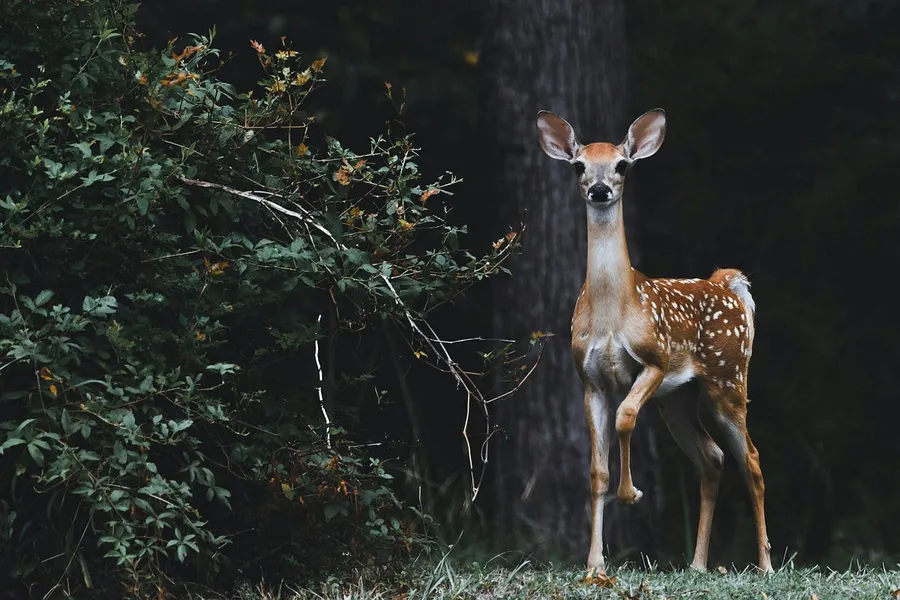
Photo by Scott Carroll on Unsplash
Written by
Marien CartelProfessional and Certified Digital Photographer born in the USA, with 22 years of experience in the field of photography.
Related Guides
Best Camera for Automotive Photography
What I Actually Reach For When I’m Shooting Cars. Here is how the Canon EOS R5, Sony a7 IV and Nikon Z6 III compare, and the one I keep going back to.
Best Cameras for Virtual Production
After I Wasted a Full Shoot Day Finding Out — why the Sony FX6 and Sony FX9 made the list, and who each one really suits.
Best DSLR Cameras for Beginners: (Guide & Reviews)
My Hands-On Experience with the Best Beginner-Friendly Cameras — why the Canon EOS Rebel T7 and Nikon D3500 made the list, and who each one really suits.