Best Camera for Snowboarding: Specs, Autofocus & Lens Pairing
As an Amazon Associate we earn from qualifying purchases. Some links in this guide are affiliate links, see our affiliate disclosure for details.
Top Picks & Key Specifications at a Glance
| Model | Best For | Mount / System | Key Optical & Sensor Specs | Check Price |
|---|---|---|---|---|
1Insta360 X4 | Top Overall Pick | Fixed-Lens Compact / Action | 8K Video | Amazon ↗ |
2Insta360 X5 | Recommended Pick | Fixed-Lens Compact / Action | 8K Video | Amazon ↗ |
3DJI Osmo Action 5 Pro | Recommended Pick | Fixed-Lens Compact / Action | 8K Video | Amazon ↗ |
4GoPro HERO13 Black | Recommended Pick | Fixed-Lens Compact / Action | 8K Video | Amazon ↗ |
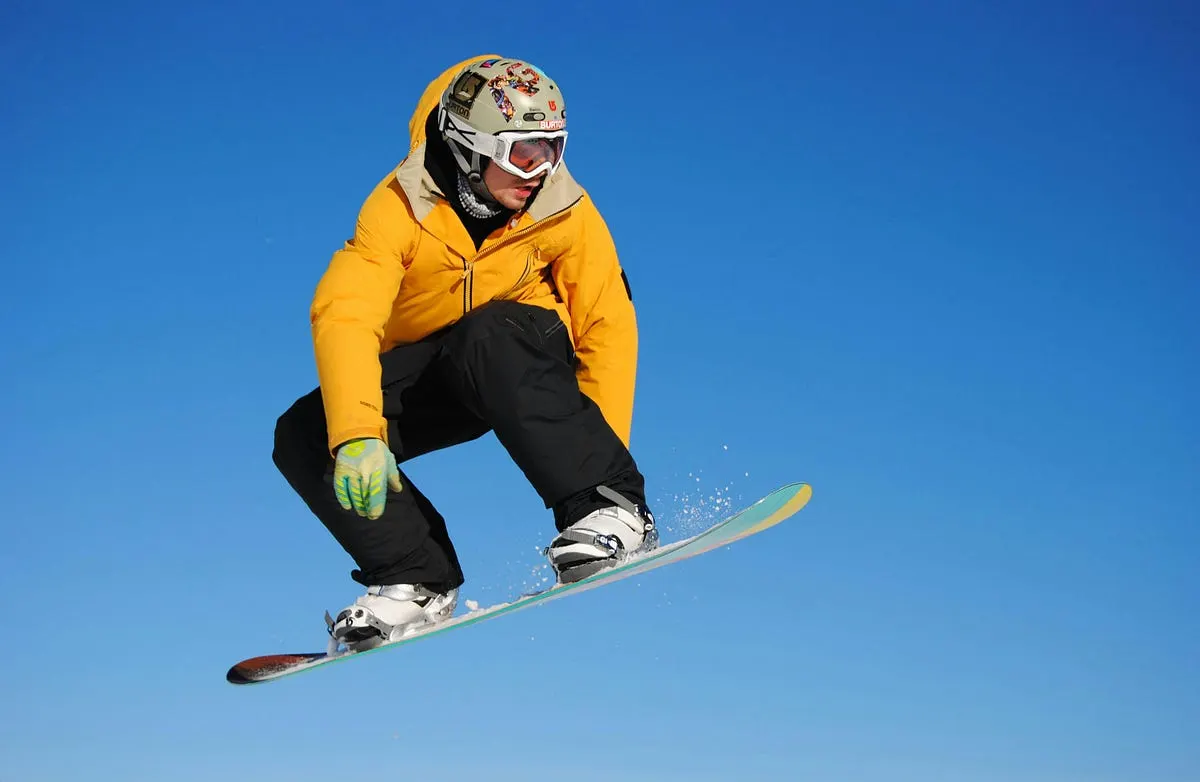
Photo by Alessandro Maculotti on Unsplash
Top Picks for snowboarding
Here is a breakdown of why it chose a 360 camera, the Insta360 X4, and when traditional action cameras such as the DJI Osmo Action 5 Pro and GoPro HERO13 Black still win. It also covers cold-weather performance and accessories.
- Insta360 X4–8K 360° camera with invisible selfie stick — Buy Now
- Insta360 X5 — Enhanced cold-weather performance — Buy Now
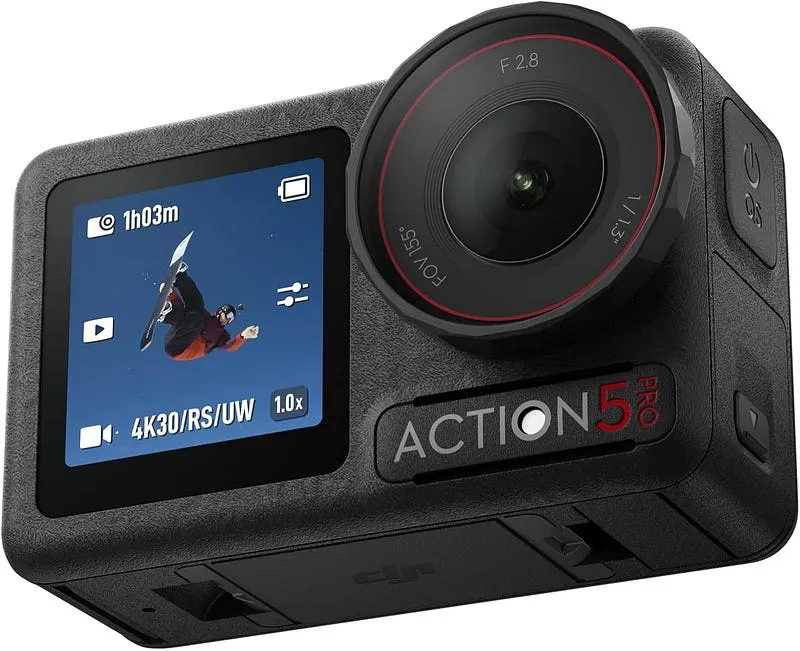
- DJI Osmo Action 5 Pro — Subject tracking & extended battery — Buy Now
- GoPro HERO13 Black — 5.3K recording with legendary durability — Buy Now
Why the a 360 Camera (And Why You Might Too)
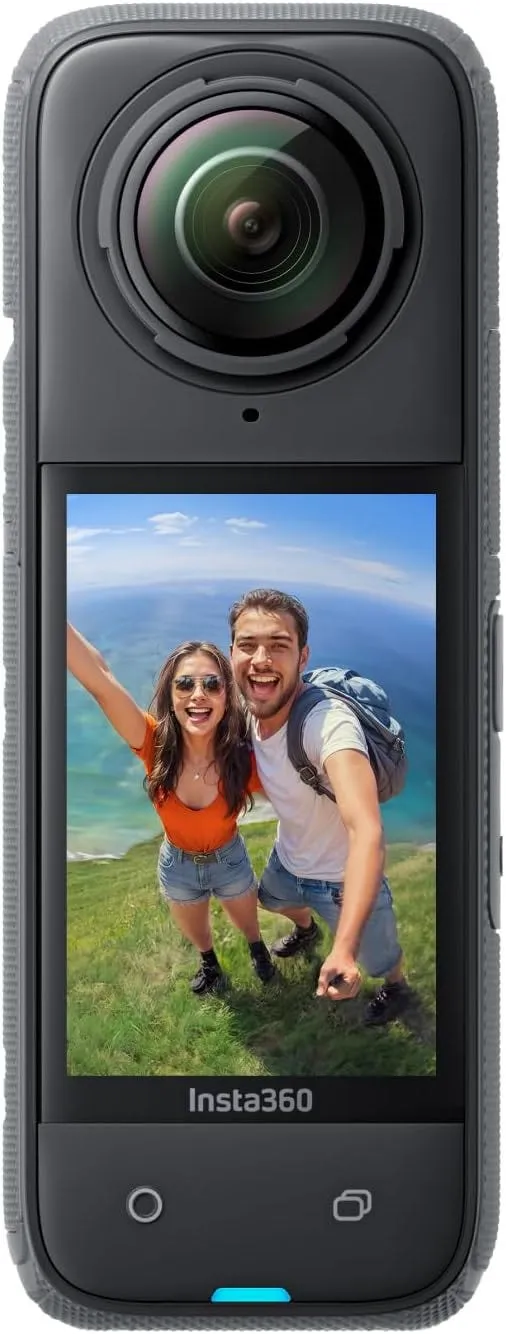
When Traditional Action Cameras Still Win
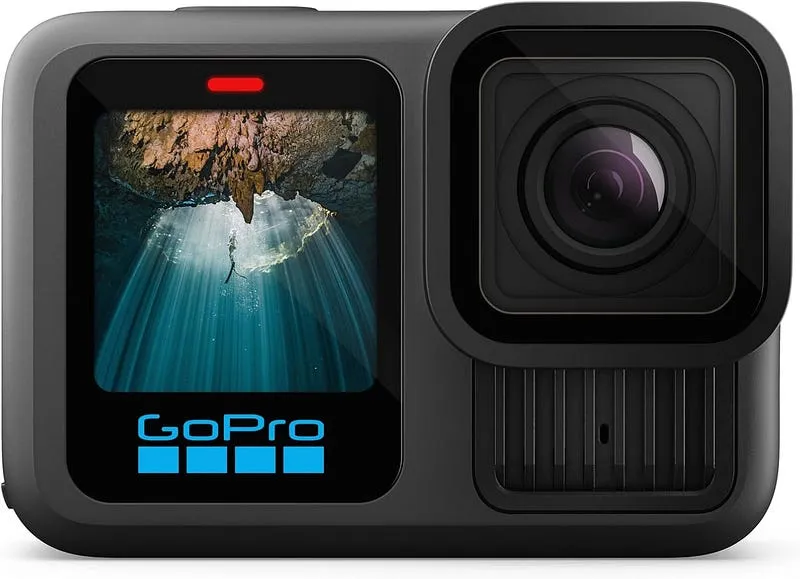
The GoPro HERO13 Black, meanwhile, is the tank of action cameras.
Key takeaways
Here’s something the spec sheets don’t always tell you: cold weather is brutal on camera batteries.
Pro tip: those little hand warmers work wonders when taped to your camera’s battery compartment during extremely cold conditions.
The Accessories That Actually Matter
After a season of testing, here are the accessories that proved essential:
ND filters might seem like overkill, but they’re game-changers for sunny powder days. Without them, your footage can look blown out and lose all that beautiful detail in the snow.
Multiple mounting options are key. Different angles tell different stories, and variety keeps your footage interesting.
Recommendation
If you’re just starting out and want maximum creative flexibility, go with the Insta360 X4. The learning curve is steeper than a traditional action camera, but the creative possibilities are endless.
For those who prefer simplicity and bulletproof reliability, the GoPro HERO13 Black remains the gold standard. It’s plug-and-play, incredibly durable, and produces consistently great footage without much fuss.
And if you’re someone who wants the best of both worlds — advanced features with traditional action camera simplicity — the DJI Osmo Action 5 Pro strikes an excellent balance.
The Real Secret
Don’t get so caught up in specs and features that you forget the real goal — capturing those moments that make snowboarding special. Whether it’s the quiet serenity of first tracks in fresh powder or the pure joy of finally landing a trick you’ve been working on all season, the camera is just a tool to help you remember and share those experiences.
Now get out there, find some powder, and start creating your own winter stories. The mountain is calling, and your camera is ready to capture every turn.
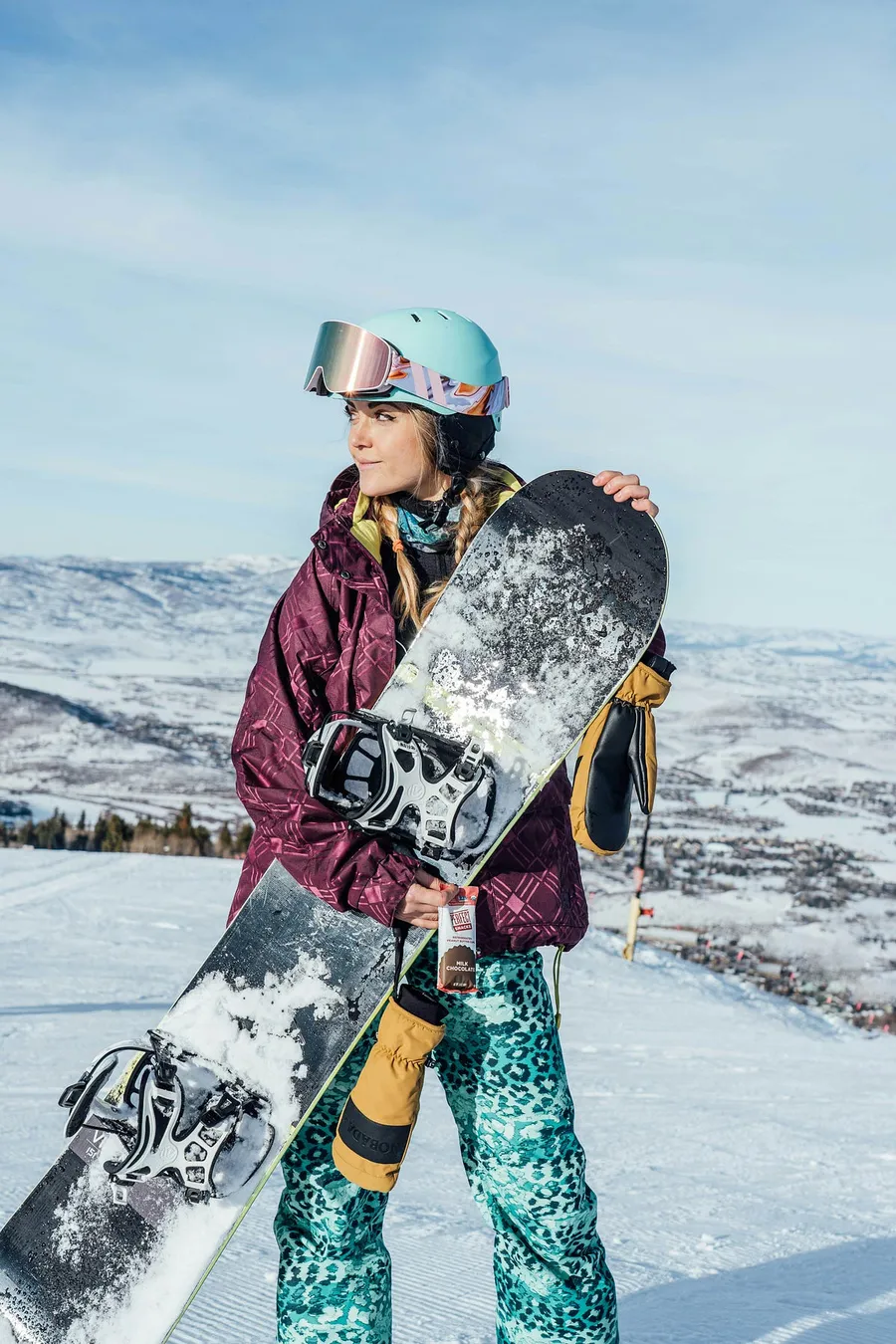
Photo by Perfect Snacks on Unsplash
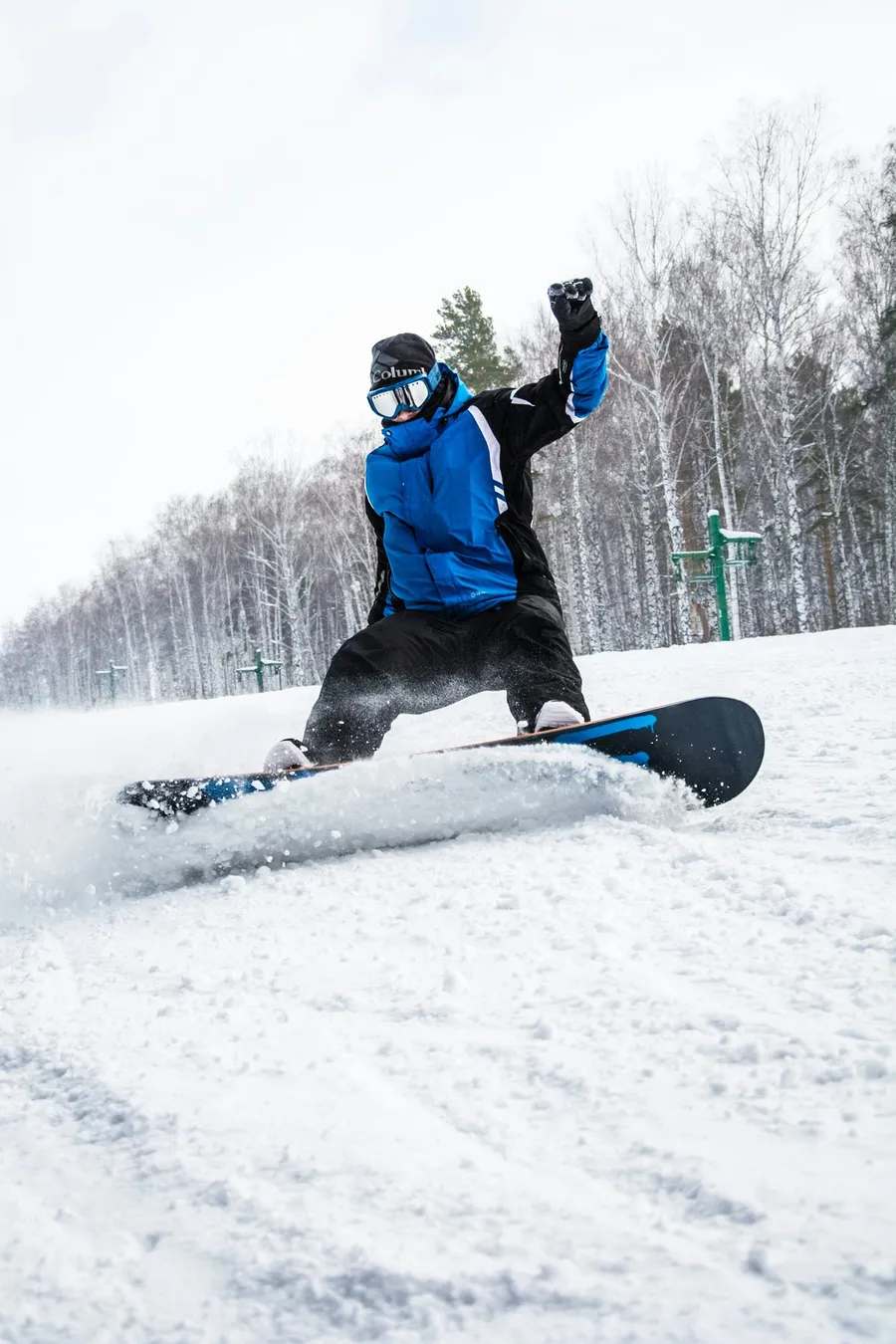
Photo by Екатерина Балабанова on Unsplash
More picks
- Insta360 X4 — Check Insta360 X4 Price on Amazon
- DJI Osmo Action 5 Pro — Check DJI Osmo Action 5 Pro Price on Amazon
- GoPro HERO13 Black — Check GoPro HERO13 Black Price on Amazon
Compare with Best Camera for Mountain Biking and Best Camera for Motorcycle Helmet, or check the field-of-view calculator.
Common Buying & Setup Questions
What is the top pick in Best Camera for Snowboarding?
The Insta360 X4 (8K Video, Fixed-Lens Compact / Action) leads our shortlist as the top overall pick, followed closely by the Insta360 X5 (8K Video).
What focal length, aperture, and shutter speed work best for gym workouts, fitness coaching & athletic reels?
For gym workouts, fitness coaching & athletic reels, pair a 24mm – 35mm (wide enough for full-body squats/deadlifts in tight aisles) lens at f/1.8 – f/2.8 (isolates athlete from crowded gym equipment) with a shutter speed of 1/120s (for 4K 60fps slow-motion) or 1/60s (for 30fps) and a working distance of 1.5m – 3.0m (5 to 10 ft on a compact floor tripod or magnetic mount). Recommended setup: Compact magnetic tripod + wireless noise-canceling lav mic (blocks gym PA music and clanking plates)..
Camera & Lens Settings by Real-World Use Case
Match your focal length, aperture, shutter speed, and lighting modifier to the exact environment you shoot in.
Gym Workouts, Fitness Coaching & Athletic Reels
- Best Body:
- Sony ZV-1 / Panasonic Lumix GH5 & GH7 / Sony a7 III
- Ideal Lens:
- 24mm–35mm f/1.8 or 16–35mm f/2.8 Zoom
- Aperture & Shutter:
- f/1.8 – f/2.8 (isolates athlete from crowded gym equipment) · 1/120s (for 4K 60fps slow-motion) or 1/60s (for 30fps)
- Room Distance:
- 1.5m – 3.0m (5 to 10 ft on a compact floor tripod or magnetic mount)
Youth Sports, GameChanger Baseball/Softball & Golf Swings
- Best Body:
- GoPro Hero 12 Black (Fence Stream) / Canon EOS R50 & R10 (Sideline)
- Ideal Lens:
- RF 100–400mm f/5.6–8 IS USM or 70–200mm f/2.8 (Sideline) / Fixed Wide (Fence)
- Aperture & Shutter:
- f/2.8 – f/5.6 (blurs chain-link fences when shot wide open close to the mesh) · 1/1000s – 1/2000s (baseball bat contact & golf clubhead impact)
- Room Distance:
- 0.1m (snug against chain-link fence) or 10m–40m sideline
Motorsport, Track Days & Automotive Rolling Shots
- Best Body:
- Sony a7 IV / Canon EOS R5 / Fujifilm X-H2S
- Ideal Lens:
- 70–200mm f/2.8 / 100–400mm (trackside) + 24–70mm f/2.8 with CPL (statics & rollers)
- Aperture & Shutter:
- f/2.8 (static separation) or f/8 – f/13 (slow-shutter daytime panning) · 1/60s – 1/125s (track panning), 1/40s – 1/80s (chase rollers), 1/1000s+ (head-on)
- Room Distance:
- 3m – 50m

Written by
Marien CartelMarien Cartel runs Marien Cartel Photography, a camera and lens buying-guide site, and photographs the gear shown on it.
Related Guides
Best Camera for Table Tennis: Specs, Autofocus & Lens Pairing
The top pick is the Sony ZV-1. It also lists other strong contenders based on need and budget, including the Sony RX100 VII, Sony a6400, Fujifilm X-S10.
5 Best Cameras for Filming Hunts: Specs, Autofocus & Lens Pairing
Best Cameras for Filming Hunts: Sony Alpha 7S III, Canon Vixia HF G70 and Canon EOS R6 Mark II compared on features, price and who each one suits.
Best Camera for Night Video: Specs, Autofocus & Lens Pairing
Best Camera for Night Video — Canon EOS R6 Mark II, Sony A7S III and Panasonic Lumix GH5S compared, with pros, cons and who should buy which.
Best Full Frame DSLR: Specs, Autofocus & Lens Pairing
Compare the best full-frame DSLR cameras led by the 45.7MP Nikon D850 and Canon EOS 5D Mark IV, plus how they stack up against modern mirrorless bodies.
Best Camera for Concert Photography: Specs, Autofocus & Lens Pairing
Best Camera for Concert Photography — Canon EOS R6 Mark II, Sony a7R V and Nikon Z8 compared, with pros, cons and who should buy which.
Best Camera for Product Photography: Specs, Autofocus & Lens Pairing
Best Camera for Product Photography: Canon EOS Rebel SL3/250D, Sony Alpha a6100 and Fujifilm X-S10 compared on features, price and who each one suits.