A6700 vs A7RIV for adventure photography
As an Amazon Associate we earn from qualifying purchases. Some links in this guide are affiliate links — see our affiliate disclosure for details.
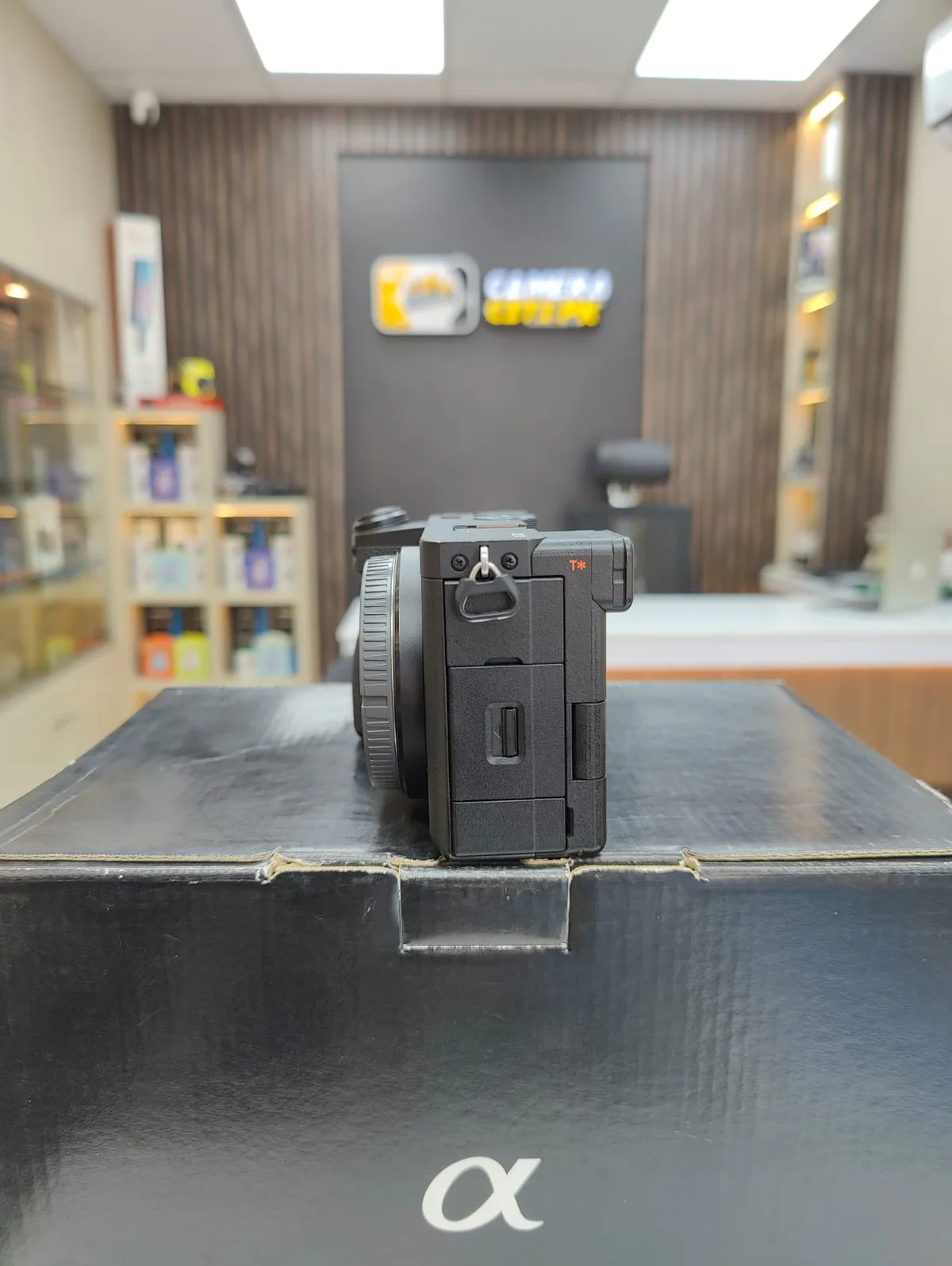
Above: my own Sony a6700 — the body I take on lighter trips.
Photo by Joshua Earle on Unsplash
As someone who’s spent countless hours hauling camera gear up mountains and through remote valleys, I’ve learned that choosing the right camera for adventure photography isn’t just about specs — it’s about finding that sweet spot between capability and practicality. Today, I’m diving deep into two fascinating options from Sony: the crop-sensor A6700 and the full-frame powerhouse A7R IV.
The Weight Game: Your Back Will Thank You Later
Let’s start with something every adventure photographer intimately understands: weight matters. A lot.
- A6700: Approximately 493g (body only)
- A7R IV: Approximately 665g (body only)
That 172g difference might not seem like much in the store, but after a 12-mile hike with a full pack, trust me — you’ll feel it. The A6700’s more compact body also means smaller, lighter lenses, which compounds the weight savings. For multi-day backcountry trips, this is a serious advantage.
Resolution and Detail: David vs Goliath
Here’s where things get interesting:
- A6700: 26MP APS-C sensor
- A7R IV: 61MP full-frame sensor
The A7R IV’s resolution is absolutely staggering — it’s like having a medium format camera in a compact body. For those epic landscape shots where you want to capture every crag and crevice of a mountain face, or when you plan to make large prints, the A7R IV is unmatched.
However, I’ve found that the A6700’s 26MP is more than enough for most adventure photography scenarios. Plus, the smaller file sizes mean faster processing and less storage needed in the field — practical considerations when you’re off the grid.
Autofocus and Action: Keeping Up with the Adventure
Both cameras feature Sony’s excellent AF system, but there are differences:
A6700
- Latest-gen AI-powered AF
- Exceptional subject tracking
- Fast burst shooting
- Better for video with no record limits
A7R IV
- Excellent AF coverage
- Slower burst rate due to massive file sizes
- More traditional AF system
For capturing that friend sending a difficult climbing route or a mountain biker hitting a jump, the A6700’s newer AF system gives it a slight edge. I’ve found it more reliable in tracking fast-moving subjects, which is crucial when you might only get one shot at capturing the moment.
Weather Sealing and Durability: The Reality Check
Both cameras feature weather sealing, but here’s my real-world take after using them in harsh conditions:
The A7R IV feels more robust overall, with a build quality that inspires confidence in rough conditions. However, the A6700’s smaller size means fewer points of potential water ingress. I’ve used both in light rain and dusty conditions without issues, but always use common sense protection.
Low Light Performance: When the Sun Sets on Your Adventure
Full-frame sensors typically perform better in low light, and the A7R IV doesn’t disappoint:
- Better dynamic range
- Cleaner high ISO performance
- More flexibility in post-processing
However, the A6700’s newer processor and improved ISO performance mean it’s no slouch. For most dawn patrol missions or sunset shoots, either camera will serve you well.
The Lens Equation: A Practical Consideration
Here’s where your choice gets really interesting:
A6700
- Smaller, lighter lenses
- More affordable lens options
- 1.5x crop factor can be an advantage for wildlife
A7R IV
- Fuller lens lineup
- Better edge-to-edge sharpness
- More options for specialized needs
For the weight-conscious adventurer, the A6700’s lens ecosystem is compelling. A 16–70mm f/4 on the A6700 gives you 24–105mm equivalent coverage in a remarkably compact package.
My Personal Verdict
After extensive use of both systems in the field, here’s my take:
Choose the A6700 if:
- You prioritize portability
- You shoot a mix of stills and video
- You’re often capturing fast action
- You’re on a tighter budget
- Weight is a crucial factor
Choose the A7R IV if:
- Ultimate image quality is your priority
- You make large prints
- You shoot in challenging light conditions
- You need the versatility of full-frame
- Budget isn’t a primary concern
The Plot Twist
Here’s what I ended up doing: I kept both. The A6700 is my go-to for fast-and-light missions and anything involving significant climbing or technical terrain. The A7R IV comes out for dedicated photo trips where image quality is paramount and weight is less of a concern.
Remember, the best camera for adventure photography is the one you’re willing to carry to the summit. Both these cameras are capable of capturing extraordinary images — it’s just a matter of matching the tool to your specific needs and shooting style.
What’s your take? Are you team lightweight or team maximum quality? Let me know in the comments below!

Written by
Marien CartelProfessional and Certified Digital Photographer born in the USA, with 22 years of experience in the field of photography.
Related Guides
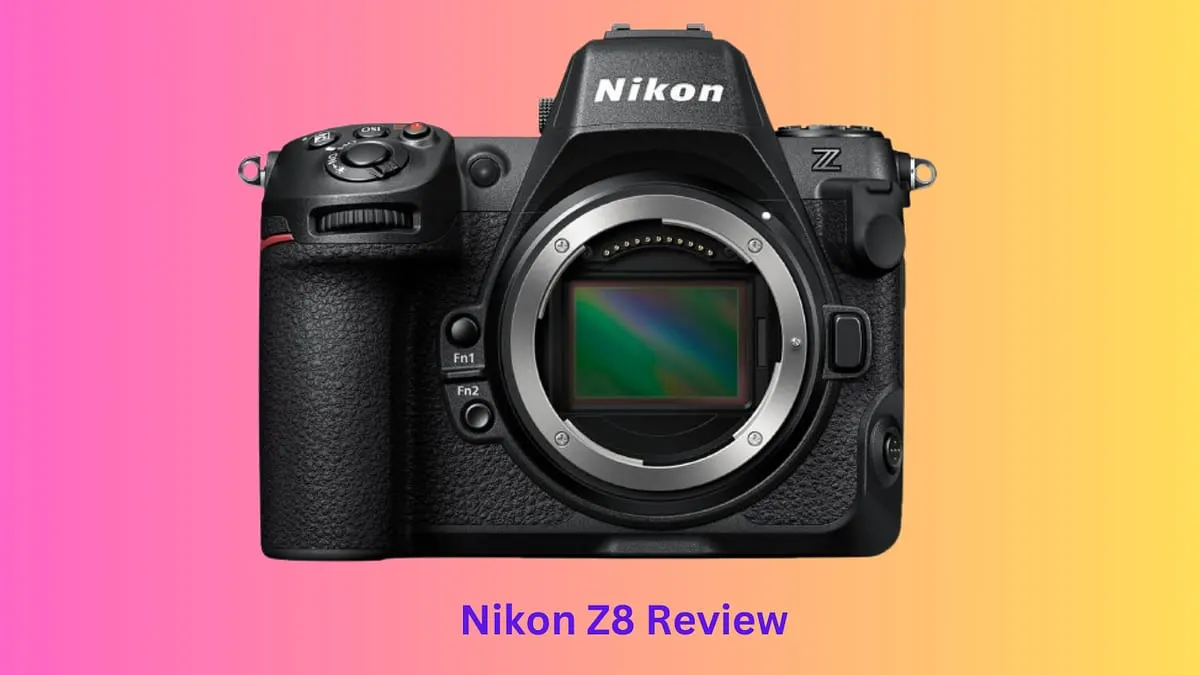
Nikon Z8 Review
A Professional Photographer’s Comprehensive Review — my picks are the Nikon Z8, Canon EOS R5 and Sony a1, with the honest trade-offs of each.
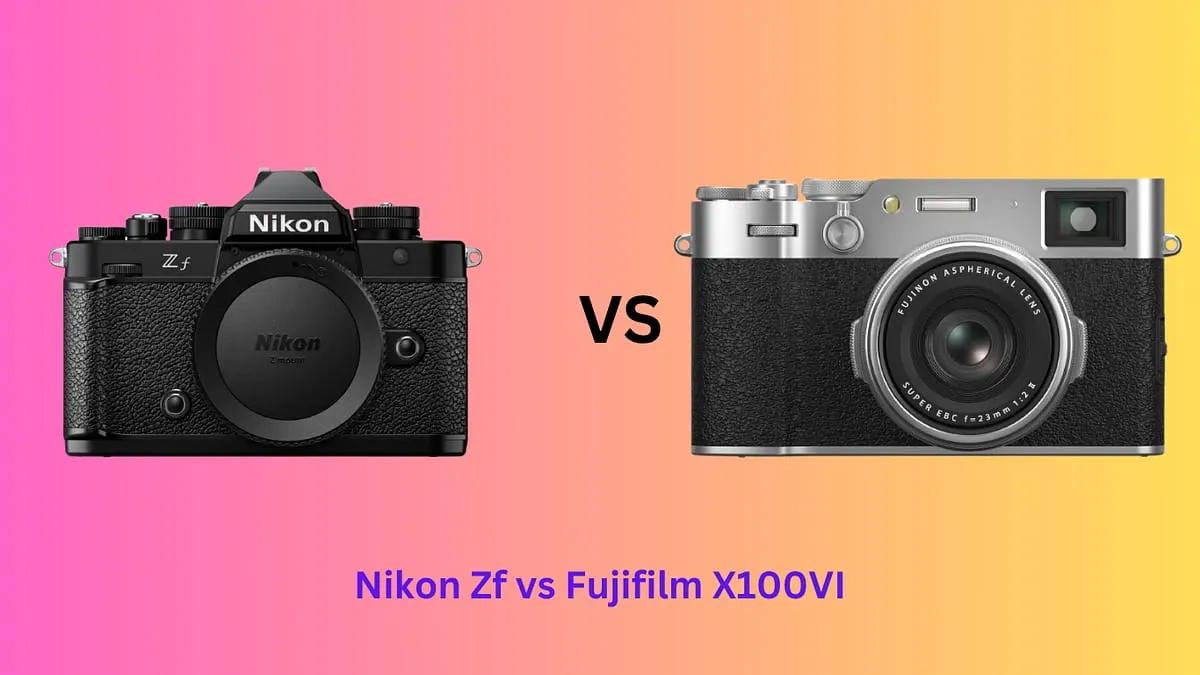
Nikon Zf vs Fujifilm X100VI
The Tactile Dilemma: Why the Fujifilm X100VI and Nikon Zf Forced Me to Rethink Everything
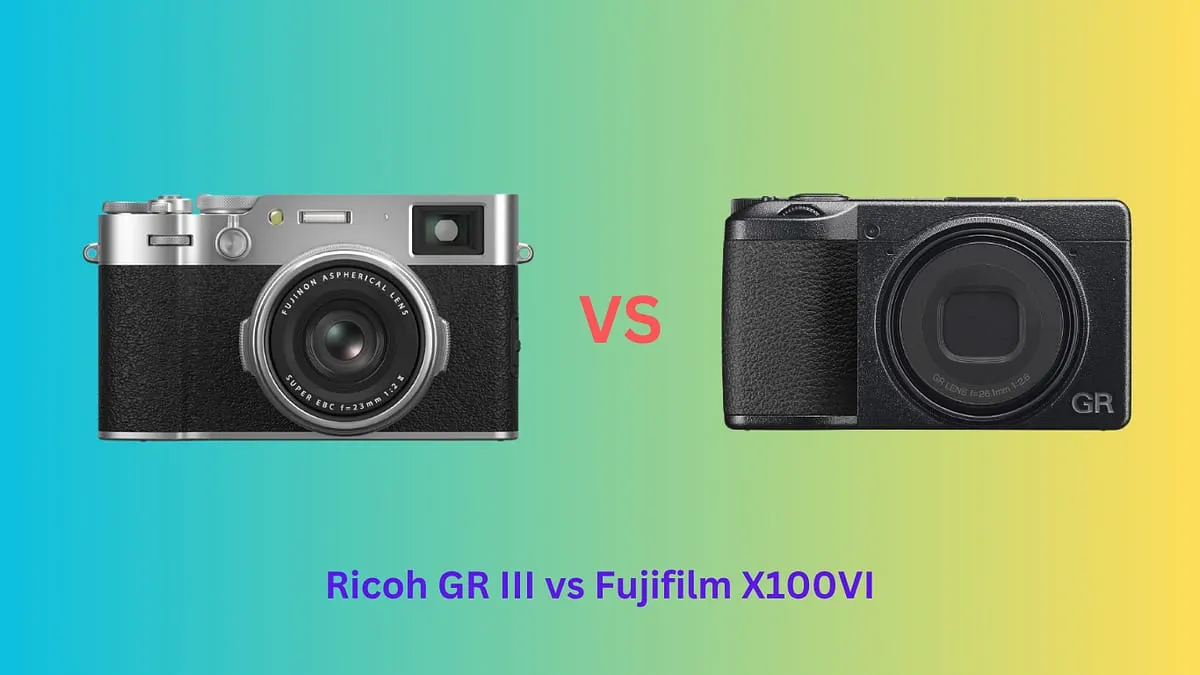
Ricoh GR III vs Fujifilm X100VI
The Camera I Almost Didn’t Buy, and the One I Almost Returned: the Fujifilm X100VI and Ricoh GR III side by side, and the one I would pick myself.