Sony A6600 vs A6700: Low-Light, Autofocus & Value Picks
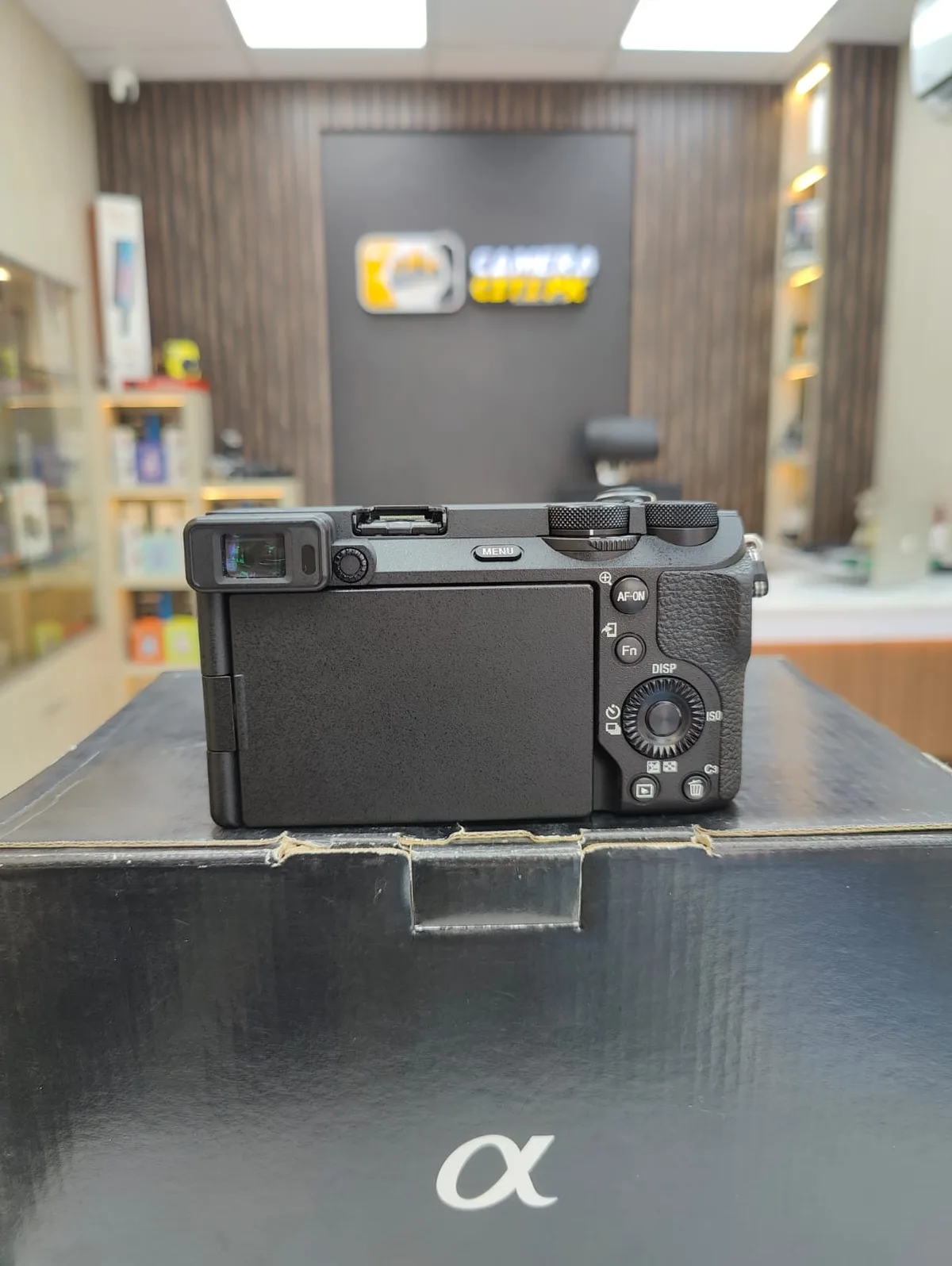
As an Amazon Associate we earn from qualifying purchases. Some links in this guide are affiliate links, see our affiliate disclosure for details.
Top Picks & Key Specifications at a Glance
| Model | Best For | Mount / System | Key Optical & Sensor Specs | Check Price |
|---|---|---|---|---|
1A6600 Era: The Dependable Workhorse | Top Overall Pick | Sony E-Mount (APS-C 1.5x) | IBIS | Amazon ↗ |
2Sony A6600 | Recommended Pick | Sony E-Mount (APS-C 1.5x) | APS-C · 26MP · 4K UHD · IBIS | Amazon ↗ |
Should you upgrade from the Sony A6600 to the A6700?
The bottom line: yes for hybrid creators: the author sold the A6600 and calls the A6700 a generational leap, especially for video, autofocus tracking and the flip-out screen, though it costs more.
A6600 Era: The Dependable Workhorse
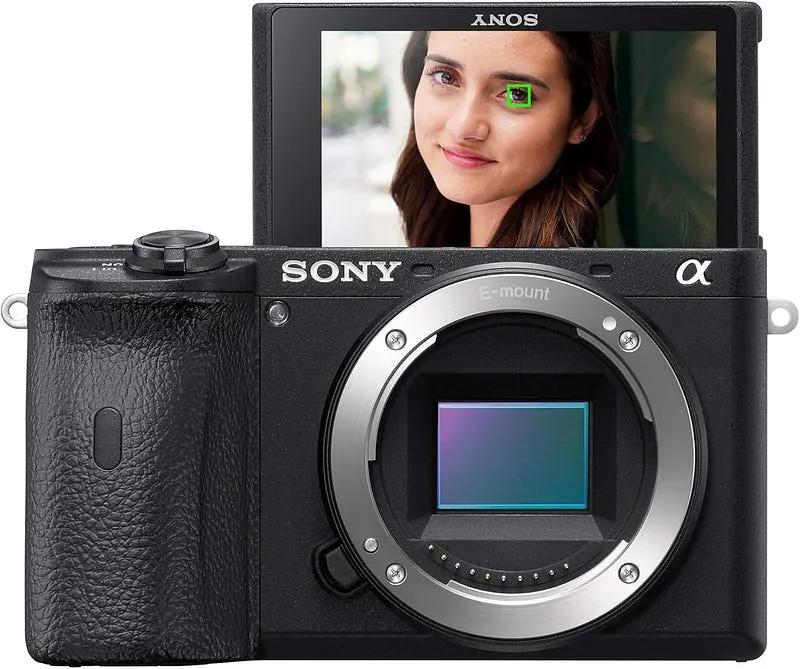
in Prague, and even used it for casual YouTube clips.
The in-body stabilization (IBIS) saved countless shots when shooting handheld at dusk.
Enter the A6700: The Game-Changer?
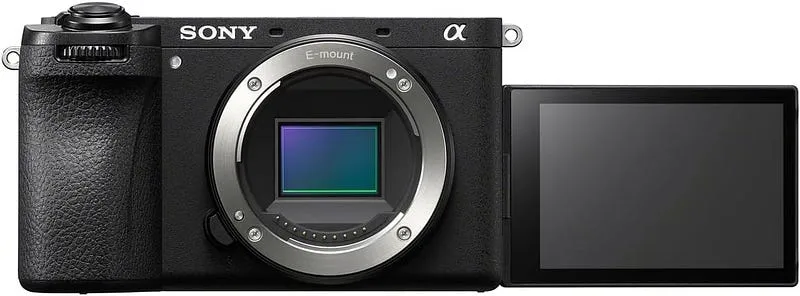
The specs screamed upgrade: a brand new 26MP BSI-CMOS sensor (vs. the A6600’s 24MP), 10-bit 4K/120p video, AI-powered autofocus, and a fully articulating screen.
Head-to-Head: Where They Diverge (Real-World Take)
- Image Quality & Video:
The A6700’s new sensor is noticeably better in dynamic range. Recovering shadows in post felt cleaner. For video? Night and day. The A6600’s 8-bit felt instantly dated. The A6700’s 120p slow-mo? - Autofocus:
The A6600 is no slouch, but the A6700’s AI smarts are wild. For fast action (hello, soccer games!), the A6700 felt snappier and more confident. - Handling & Usability:
The fully articulating screen? A game-changer for vlogging and awkward-angle shots. The front dial and improved menu layout felt more “pro. The A6600’s tilt-screen now feels limiting. - Battery Life:
The A6600 wins here. That Z-battery is legendary. The A6700 uses the same NP-FZ100, but powering the new sensor/AF/screen drains it faster. - The Price Factor:
The A6700 demands a premium. Is it worth it? Depends on your needs.
The dynamic range held the highlights and shadows, the AF locked onto her eyes perfectly, and the 10-bit color graded into cinematic gold.
Who Wins? It’s About YOUR Story
- Stick with the Sony A6600 if:
You’re budget-conscious, prioritize stellar stills over video, need epic battery life, and find a used deal. It’s still a powerhouse! Especially for travel and everyday photography. - Upgrade to the Sony A6700 if:
You shoot serious video (vlogging, short films, run-and-gun), demand the best AF/AI tracking, need superior dynamic range/color depth, or crave that flip-out screen. The creative flexibility is tangible.
My Verdict? I sold my beloved A6600 and haven’t looked back. The A6700 isn’t just an upgrade; it’s a generational leap, especially for hybrid creators. Yes, it costs more, but for my chaotic blend of family moments, travel, and intentional filmmaking, it’s been worth every penny. The A6600 was a faithful companion, but the A6700 feels like the future.
Photo by Josh Connor on Unsplash

Photo by Fons Heijnsbroek on Unsplash
More picks
- Sony A6600 — Check Sony A6600 Price on Amazon
Additional comparisons: Sony A7IV Vs Sony A6700, Canon R7 vs Sony a6700, and our working distance tool.
Common Buying & Setup Questions
What is the top pick in Sony A6600 vs A6700?
The A6600 Era: The Dependable Workhorse (IBIS, Sony E-Mount (APS-C 1.5x)) leads our shortlist as the top overall pick, followed closely by the Sony A6600 (APS-C · 26MP · 4K UHD · IBIS).
What focal length, aperture, and shutter speed work best for tattoo artists & micro-realism portfolios?
For tattoo artists & micro-realism portfolios, pair a 50mm – 90mm (never below 35mm, which warps limb proportions) lens at f/5.6 – f/8 (keeps curved forearms and calves sharp edge-to-edge) with a shutter speed of 1/125s – 1/200s handheld (or 1/60s on tripod) and a working distance of 0.4m – 1.5m (1.5 to 5 ft). Recommended setup: CRI 95+ 5600K LED panel covered with Linear Polarizing Film + Circular Polarizer (CPL) lens filter rotated 90°..
Camera & Lens Settings by Real-World Use Case
Match your focal length, aperture, shutter speed, and lighting modifier to the exact environment you shoot in.
Tattoo Artists & Micro-Realism Portfolios
- Best Body:
- Sony Alpha a7 III / Fujifilm X-T4
- Ideal Lens:
- 90mm f/2.8 Macro (detail) or 50mm f/1.8 (sleeves & back pieces)
- Aperture & Shutter:
- f/5.6 – f/8 (keeps curved forearms and calves sharp edge-to-edge) · 1/125s – 1/200s handheld (or 1/60s on tripod)
- Room Distance:
- 0.4m – 1.5m (1.5 to 5 ft)
Barbershops, Hairstylists & Color Salons
- Best Body:
- Sony a7 IV / Canon EOS R6 Mark II
- Ideal Lens:
- 50mm f/1.8 (tight stations) or 85mm f/1.8 (spacious salons)
- Aperture & Shutter:
- f/1.8 – f/2.8 (blurs background chairs while keeping the lineup tack-sharp) · 1/160s – 1/250s (freezes subtle head movement in the chair)
- Room Distance:
- 1.5m – 2.4m (5 to 8 ft from the styling chair)
Makeup Artists (MUA) & Beauty Tutorials
- Best Body:
- Sony Alpha a6400 / Canon G7 X Mark III
- Ideal Lens:
- Sigma 56mm f/1.4 DC DN (APS-C) or 50mm–85mm f/1.8 (Full Frame)
- Aperture & Shutter:
- f/2.8 – f/4 for full-face sharpness; f/5.6 for macro eye/lip close-ups · 1/125s for stills; 1/50s (24p) or 1/120s (60p) for video tutorials
- Room Distance:
- 1.2m – 2.2m (4 to 7 ft)

Written by
Marien CartelMarien Cartel runs Marien Cartel Photography, a camera and lens buying-guide site, and photographs the gear shown on it.
Related Guides
Canon R7 vs Sony a6700: Low-Light, Autofocus & Value Picks
Canon R7 vs Sony a6700 compared — where each one wins, where it falls short, and who should buy which. Updated for 2026.
Sony A7IV: Low-Light, Autofocus & Value Picks
Sony A7IV: Canon EOS R6 Mark II, Nikon Z6 II and Fujifilm X-H2S compared on features, price and who each one suits.
Best Sony Cameras for Sports: Low-Light, Autofocus & Value Picks
Best Sony Cameras for Sports — Sony A7R V, Sony A7C II and Sony A9 III compared, with pros, cons and who should buy which.
Nikon Z50II Review: Low-Light, Autofocus & Value Picks
Nikon Z50II Review: what to look for, what to skip and how to choose the right one for your budget. Updated for 2026.
Best GoPro: Low-Light, Autofocus & Value Picks
Best GoPro — GoPro HERO 12 Black, GoPro HERO 13 Black and GoPro HERO (2024) compared, with pros, cons and who should buy which.
Fujifilm X-E5 Review: Low-Light, Autofocus & Value Picks
Fujifilm X-E5 Review: what to look for, what to skip and how to choose the right one for your budget. Updated for 2026.