Best Camera for Digital Nomads
As an Amazon Associate we earn from qualifying purchases. Some links in this guide are affiliate links — see our affiliate disclosure for details.
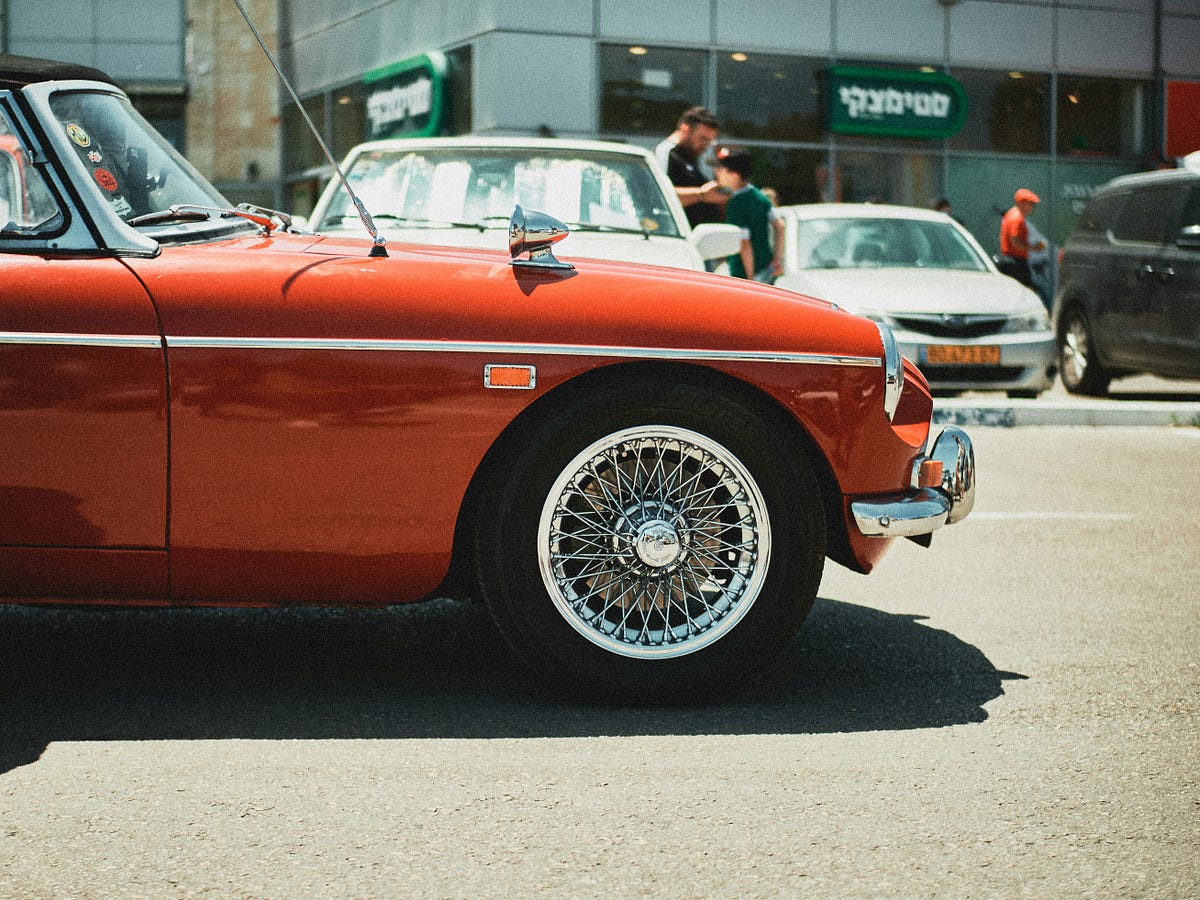
Photo by Luke Porter on Unsplash
I once flew from Lisbon to Chiang Mai with a camera bag heavier than my carry-on suitcase. Somewhere over the Middle East, cramped into an economy seat with a laptop bag digging into my shoulder and a lens case wedged under the seat in front of me, I made a promise to myself: never again. That promise took almost a year to actually keep.
- Fujifilm X-S20 — View on Amazon
- Sony a7C II — View on Amazon
Affiliate note: This post has affiliate links. If you buy through them, I might earn a small commission (at no extra cost).
The Problem With Packing Like a Tourist Instead of a Nomad
When I quit my office job to work remotely and travel, I packed like someone going on a two-week vacation, except I did it for a life that had no return date. A full-frame DSLR, three lenses, a flash, a tripod — the kind of kit that made sense for occasional trips but became a genuine burden when it lived in my bag permanently, every day, across a dozen border crossings and just as many climates.
The turning point wasn’t dramatic. It was small and exhausting — realizing, in a co-working space in Da Nang, that I hadn’t taken my “good” camera out of my bag in almost three weeks because it was too much hassle to unpack, and I’d been shooting everything important on my phone instead. I’d bought gear meant to elevate my work, and instead it was just weighing down my bag while my actual content came from a device I already carried everywhere.
What Digital Nomad Life Actually Demands From a Camera
Living out of one bag, moving countries every few weeks, working from cafes and co-working spaces and the occasional questionable Airbnb, taught me that “good camera” means something different for nomads than it does for someone with a fixed home base and a dedicated camera closet:
Weight and size that don’t compete with your laptop and work gear. Your camera bag isn’t separate from your life — it’s part of the same pack you’re hauling through airports and up guesthouse stairs. Every gram matters when it’s permanent, not occasional.
Genuine versatility over specialization. You don’t have room for a landscape lens, a portrait lens, and a walk-around lens. You need one setup that handles client work, content creation, and personal travel photos without swapping gear constantly.
Battery life and charging flexibility. Not every country has reliable power, and not every accommodation has an outlet exactly where you need it. USB-C charging that works off the same power bank charging your laptop and phone is a genuinely underrated feature.
Weather sealing and durability, quietly, without needing to think about it. Humidity in Southeast Asia, dust in Central Asia, sudden rain in the Balkans — your camera needs to handle conditions without you babying it constantly.
The Camera That Actually Fixed My Nomad Kit
After that Da Nang realization, I sold almost everything and researched hard for a replacement, eventually landing on the Fujifilm X-S20. It’s the camera that’s now been through more immigration checkpoints than I can count. At under 500 grams, it disappears into the same daypack as my laptop.
The in-body stabilization meant I stopped carrying a tripod for most handheld video work, which alone saved real space. Battery life reliably got me through a full day of content shooting, client work, and personal photos without hunting for an outlet, and when I did need to charge, the same USB-C cable and power bank kept my laptop, phone, and camera all running off one setup.
For a period, I actually ran two systems side by side — client deliverables demanded something with a bit more reach into full-frame territory, so I picked up a Sony a7C II for higher-stakes shoots, still in a genuinely compact body. It’s a heavier investment, and it’s not a camera I’d recommend as a first nomad purchase, but if your remote work involves client photography or video specifically, it packs full-frame image quality into a footprint barely larger than the Fujifilm.
What I Learned From Getting It Wrong First
I already knew, in theory, that weight and packability mattered for travel — I’d written about exactly that lesson in my guide to the best camera for backpacking after a disastrous trip through the Rockies with a full-frame DSLR I barely used. What I hadn’t accounted for was that nomad life multiplies that problem: it’s not one trip’s worth of hauling heavy gear, it’s every single day, indefinitely, alongside all your other belongings. The lesson was the same. The stakes for ignoring it were just much higher.
My Actual Recommendation
If you’re building a digital nomad kit from scratch, start with the Fujifilm X-S20. It handles content creation, personal photography, and casual client work in a body light enough that you’ll actually carry it every day, which is the entire point. If your remote work leans specifically toward professional photography or video deliverables that demand full-frame quality, add the Sony a7C II once your income justifies the investment — but don’t start there. Start light, and only add weight to your bag when you’ve proven you actually need it.
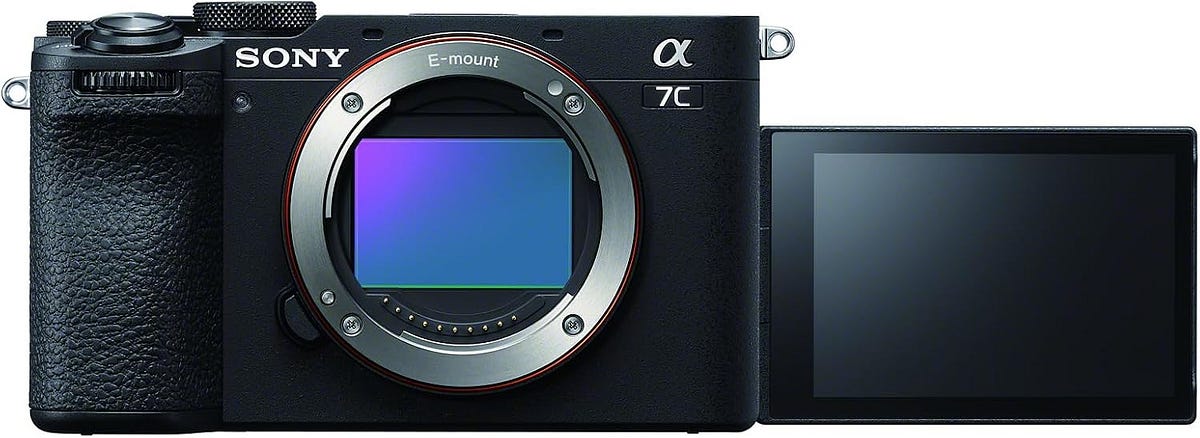
This camera captures stunning photos! Great for travel and capturing moments.
Sony a7C II — View on Amazon
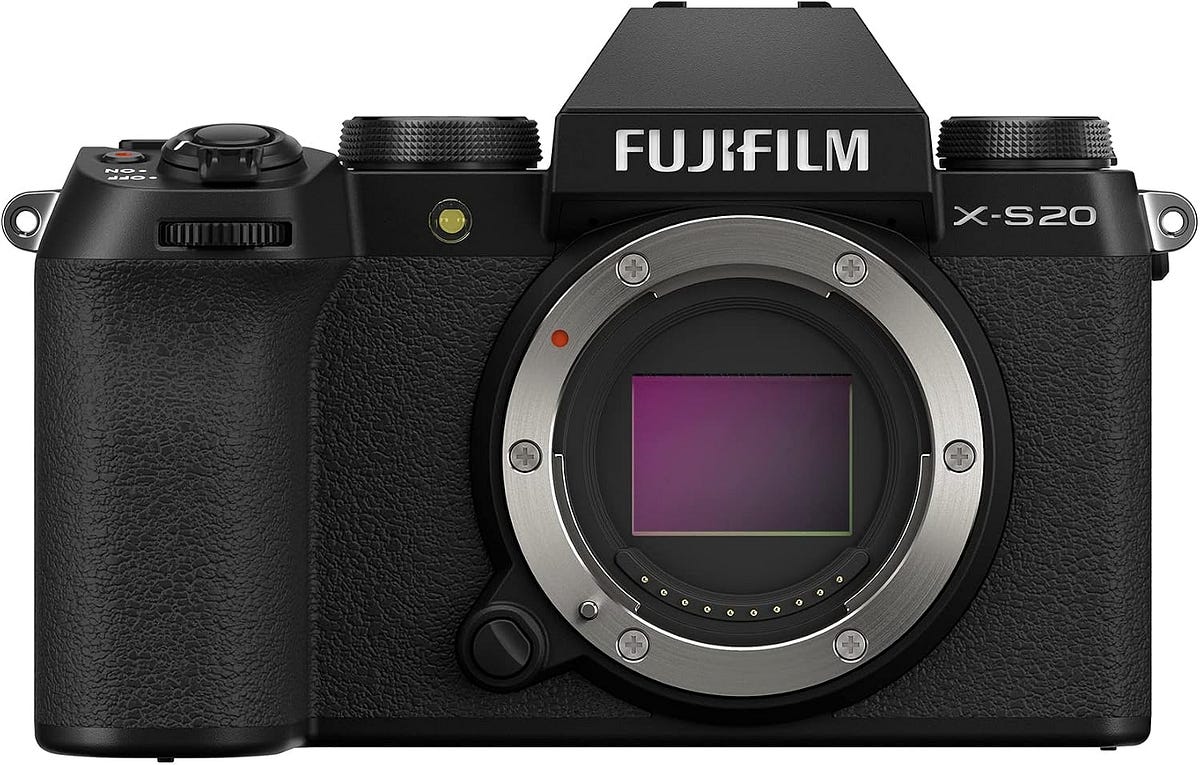
This camera is amazing! Perfect for any adventure.
Should digital nomads choose mirrorless or a compact fixed-lens camera?
Mirrorless with interchangeable lenses gives more flexibility for varied work (content, client shoots, personal travel), while a fixed-lens compact is lighter still if your needs are simpler and purely personal or casual content creation.
How do I protect camera gear while constantly traveling?
A well-padded insert inside your everyday backpack works better than a dedicated camera bag for most nomads — it keeps your gear protected without adding a second bag to carry through airports and buses.
Is a smartphone enough for digital nomad content creation?
For casual social content, often yes. But for client work, thumbnail-quality photography, or anything requiring real low-light performance and lens flexibility, a dedicated camera still produces a noticeably different result.
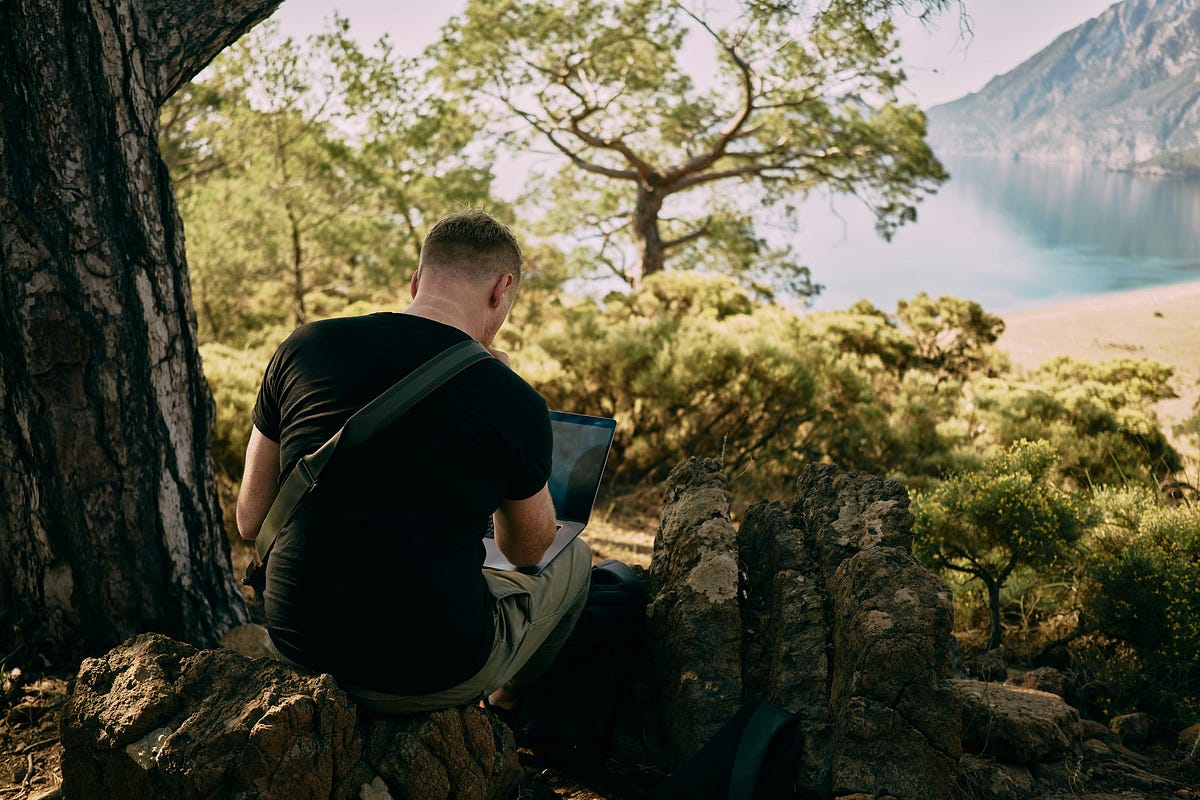
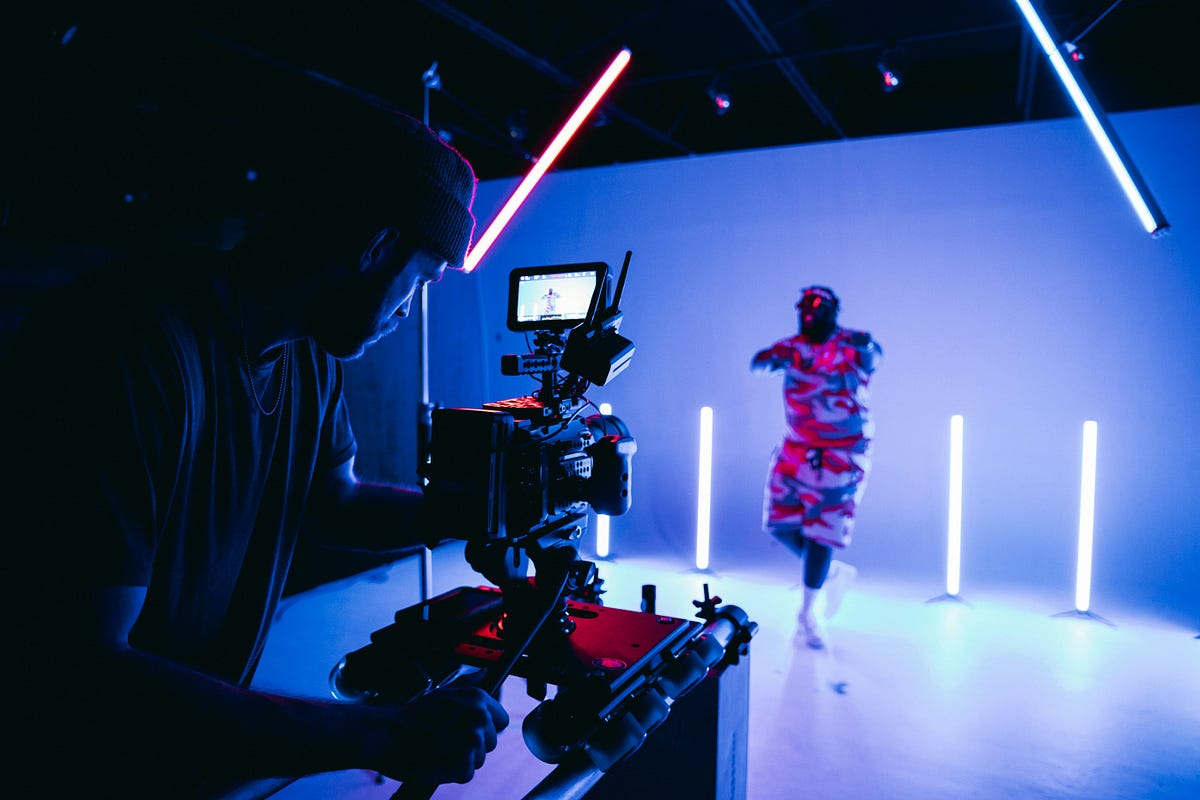
Photo by Anastasiia Nelen on Unsplash
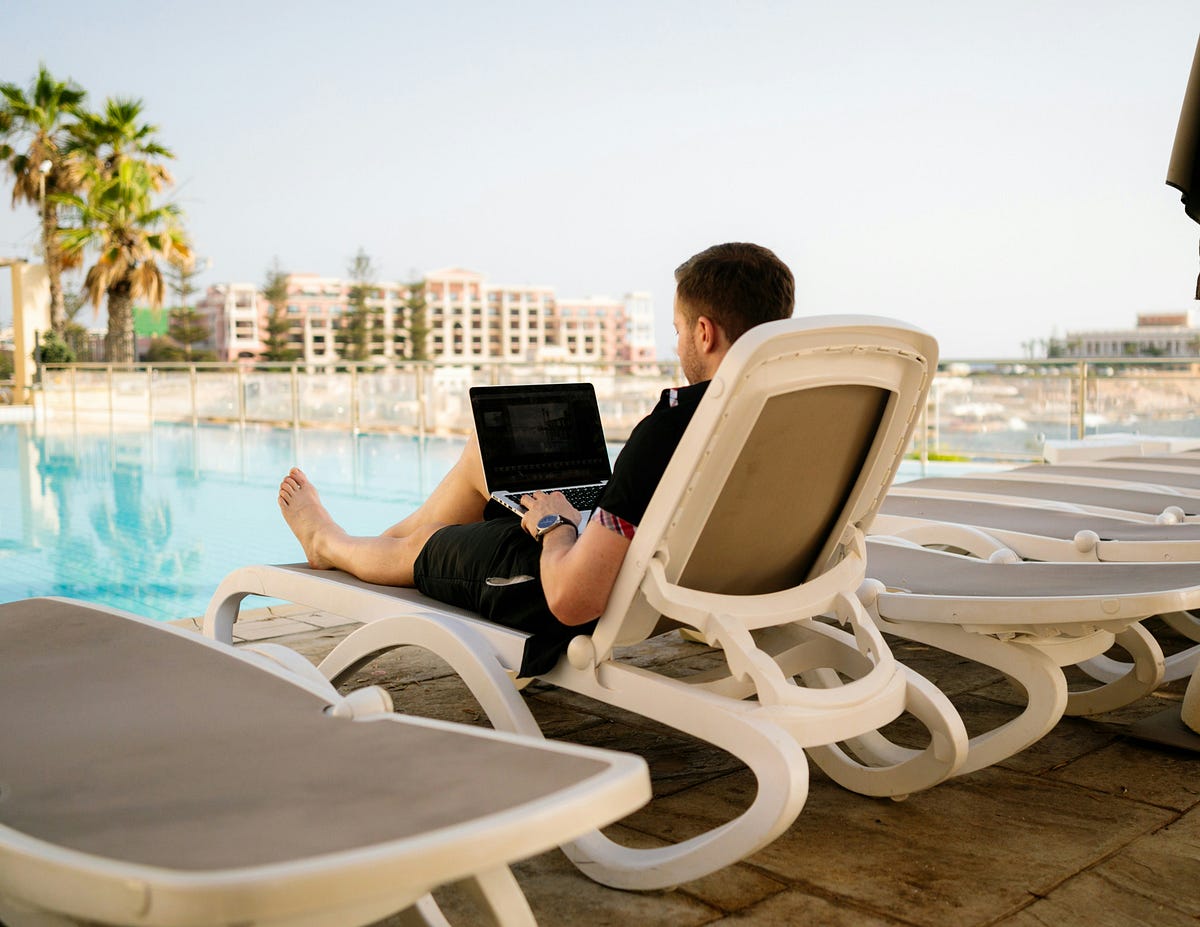
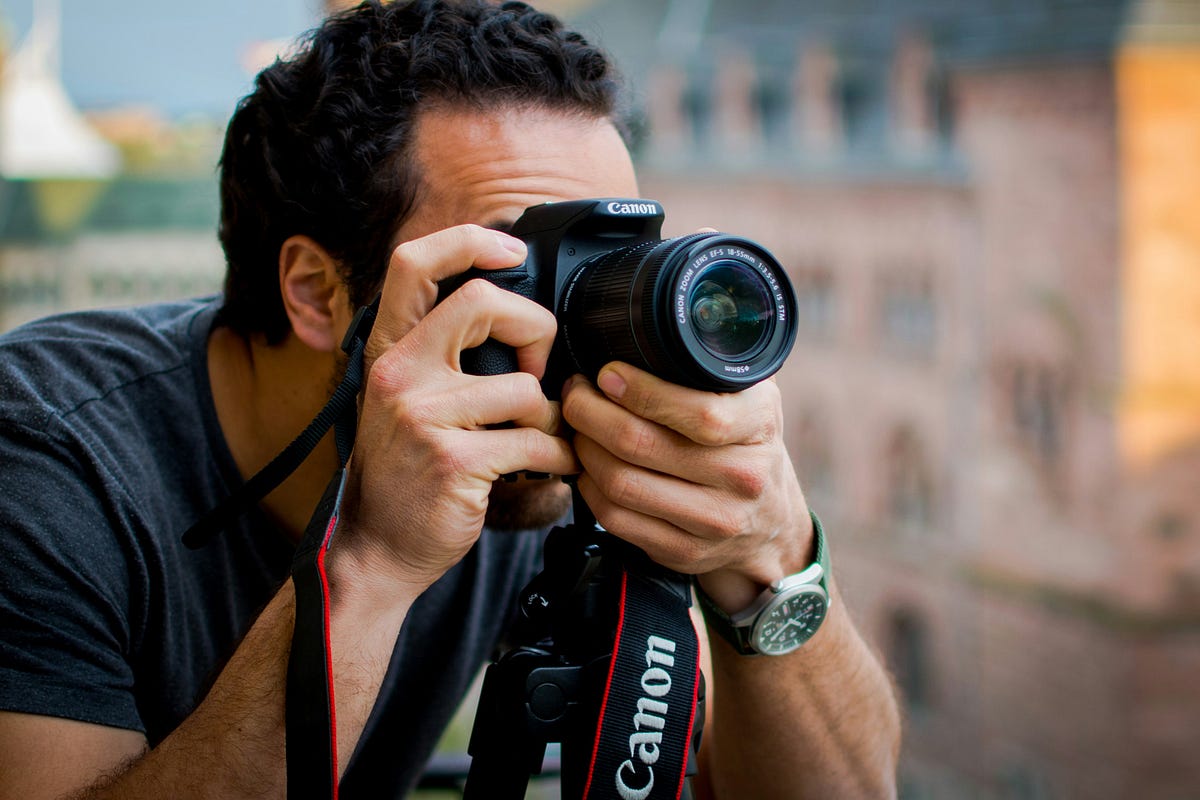
Photo by Humphrey M on Unsplash
Written by
Marien CartelProfessional and Certified Digital Photographer born in the USA, with 22 years of experience in the field of photography.