Best Camera for Model Photography
As an Amazon Associate we earn from qualifying purchases. Some links in this guide are affiliate links — see our affiliate disclosure for details.
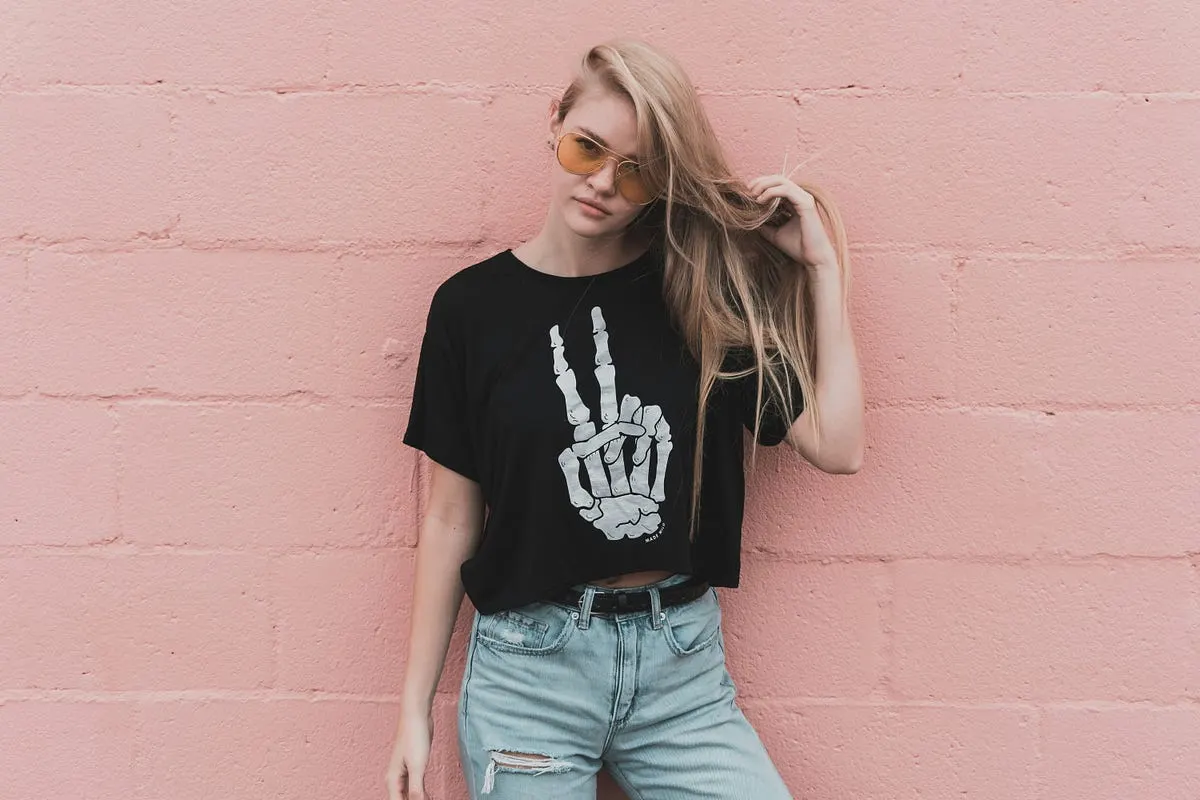
Photo by ian dooley on Unsplash
Model photography is an art that requires not just skill and creativity, but also the right equipment. Over the years, I’ve experimented with various cameras while capturing the beauty and essence of models in different settings. This blog shares my personal experiences and insights into choosing the best camera for model photography.
Top 5 Best Cameras for Model Photography
- Canon EOS R5 — View on Amazon
- Nikon Z9 — View on Amazon
- Sony A7 IV — View on Amazon
- Fujifilm X-H2 — View on Amazon
- Canon EOS R10 — View on Amazon
My Photography Journey
I started my photography journey with a basic DSLR, which served me well as I learned the ropes. As I progressed, I realized that the camera I used significantly impacted my ability to capture stunning images. After many trials and errors, I narrowed down my choices to a few key models that stood out for their performance in portrait and model photography.
Key Features to Consider
When selecting a camera for model photography, consider the following features:
- Sensor Size: Full-frame sensors generally provide better image quality, especially in low light.
- Autofocus System: A fast and reliable autofocus system is crucial for capturing sharp images of moving subjects.
- Lens Compatibility: The availability of high-quality lenses can enhance your photography significantly.
- Ergonomics: A comfortable grip and intuitive controls can make long shooting sessions easier.
- Video Capabilities: If you plan to shoot video as well, consider cameras that offer high-quality video recording options.
Best Cameras for Model Photography
1- Canon EOS R5
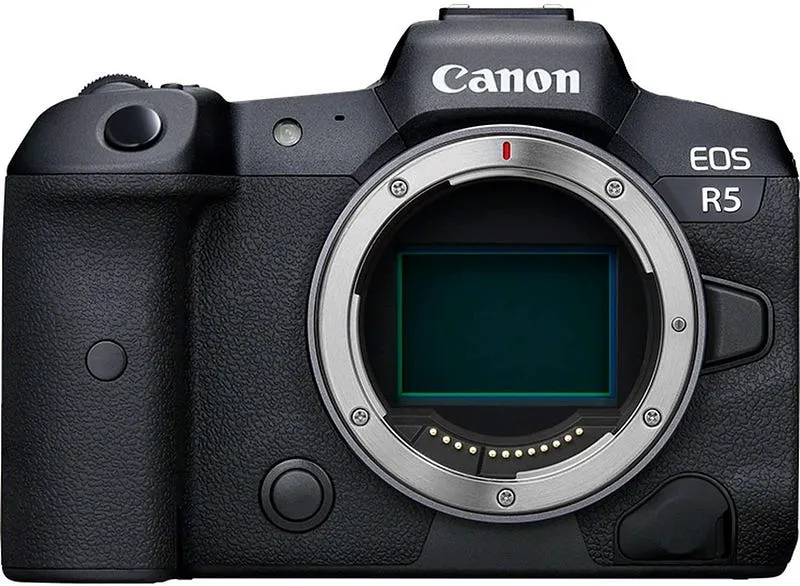
As a passionate photographer specializing in model photography, my journey has been shaped significantly by the equipment I use. When I first laid my hands on the Canon EOS R5, it felt like a turning point in my photographic endeavors.
The First Impression
I remember the day I unboxed the Canon EOS R5. The sleek design and robust build quality immediately impressed me. Weighing in at about 1.62 lbs, it felt solid yet manageable, perfect for long shooting sessions without causing fatigue. The magnesium alloy body gave me confidence that it could withstand various shooting conditions, which is crucial for outdoor shoots where weather can be unpredictable.
Features That Matter
The EOS R5 boasts some impressive specifications that make it a top choice for model photography:
- 45MP Full-Frame Sensor: This high-resolution sensor allows for stunning detail in images, making it ideal for capturing the intricate textures of clothing and makeup.
- In-Body Image Stabilization (IBIS): With up to 8 stops of stabilization, I found that shooting handheld became much easier, especially in low-light situations or when using longer lenses.
- Fast Autofocus System: The Dual Pixel CMOS AF II system with 5,940 AF points is a game-changer. It quickly locks onto my subjects, ensuring sharp focus even during dynamic poses or movements.
My Experience in the Field
During a recent fashion shoot in an urban setting, I was able to put the R5 through its paces. The ability to shoot at 20 frames per second using the electronic shutter was invaluable. I captured a series of shots as my model twirled in a flowing dress, and the results were breathtaking — each image was sharp and vibrant.
One feature that particularly stood out was the Eye AF capability. It tracked my model’s eyes flawlessly, even as she moved around the frame. This allowed me to focus more on composition and creativity rather than worrying about whether my subject would be in focus.
Low-Light Performance
Another memorable experience was during an evening shoot at a local event. The ambient lighting was challenging, but the R5’s performance exceeded my expectations. With an ISO range expandable up to 102,400, I was able to capture beautiful images without significant noise — something that had been a concern with previous cameras I used.
Video Capabilities
While my primary focus is still photography, I occasionally dabble in video work. The R5’s ability to shoot 8K video was tempting, and during one shoot, I decided to experiment with this feature. The video quality was stunning, and being able to extract high-resolution stills from the footage added another layer of versatility to my work.
Challenges Encountered
Despite its many strengths, there were a few challenges worth mentioning. The camera can become quite warm when shooting extensive video footage due to its high data throughput requirements. Additionally, using CFexpress cards can be costly; however, the performance they offer justifies the investment for serious photographers.
Conclusion
The Canon EOS R5 has truly transformed my approach to model photography. Its combination of high resolution, exceptional autofocus capabilities, and robust build quality makes it an invaluable tool for both professional and aspiring photographers alike. My personal experiences with this camera have reinforced my belief that investing in quality equipment can elevate your craft significantly.
Whether you’re capturing fleeting moments during a fashion show or creating stunning portraits in a studio setting, the Canon EOS R5 is more than just a camera; it’s a gateway to realizing your creative vision. If you’re serious about model photography, this camera deserves serious consideration.
Canon EOS R5 — View on Amazon
2- Nikon Z9
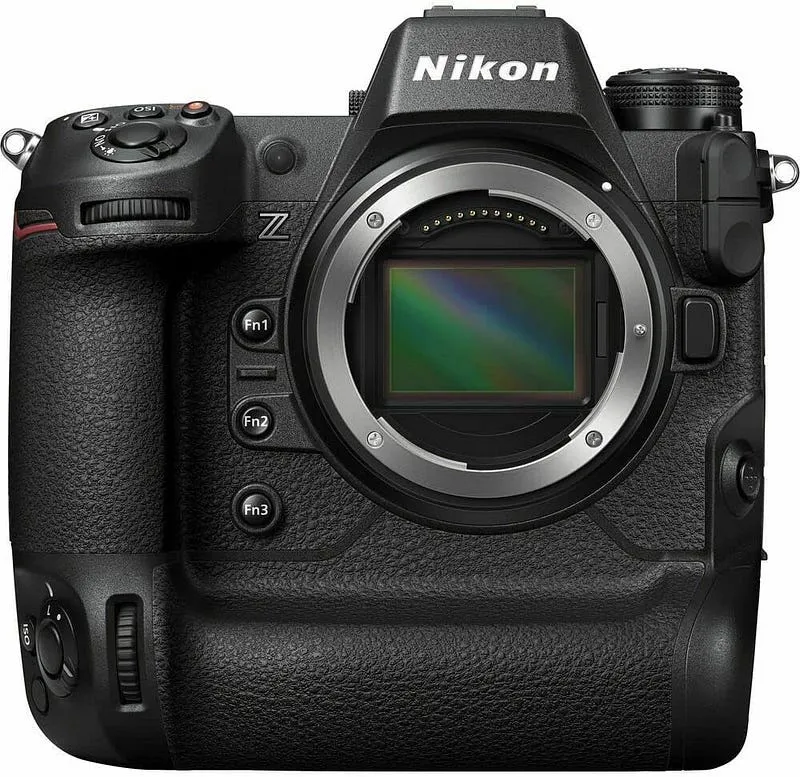
As a photographer specializing in model photography, I have always sought equipment that enhances my creative vision and technical capabilities. When I decided to invest in the Nikon Z9, I was excited to see how this flagship mirrorless camera would elevate my work. Here’s my personal journey with the Z9, highlighting its features, performance, and the impact it has had on my photography.
First Impressions
Unboxing the Nikon Z9 was an exhilarating experience. The camera has a robust build quality that feels both professional and durable, designed to withstand the rigors of various shooting environments. Weighing around 3.5 lbs, it is heavier than some of its competitors, but this weight contributes to its solid feel in hand. The layout of the buttons and dials is intuitive, allowing for quick adjustments during shoots — an essential feature when working with models who are constantly moving.
Nikon Z9 — View on Amazon
Key Features That Stand Out
The Nikon Z9 is packed with features that make it particularly well-suited for model photography:
- 493-Point Autofocus System: The Z9’s autofocus system covers 90% of the frame, allowing for precise tracking of subjects across a wide area. This was particularly beneficial during a recent fashion shoot where models were moving dynamically across the set.
- Continuous Shooting Speeds: With the capability to shoot at 20 frames per second in RAW and up to 30 fps in JPEG, I was able to capture every moment without missing a beat. This feature proved invaluable during fast-paced runway shows.
- Low-Light Performance: The Z9 excels in low-light conditions, focusing down to -8.5 EV. During evening shoots, I found that I could maintain sharp focus even in challenging lighting situations.
Real-World Application
During a recent outdoor fashion shoot at dusk, I put the Z9’s capabilities to the test. The ambient light was fading quickly, but thanks to its impressive low-light autofocus performance, I was able to track my model effortlessly as she posed against a backdrop of twinkling city lights. The camera’s ability to lock onto her eyes and maintain focus even as she moved made a significant difference in the quality of the images.
What impressed me most was the AI-Based Subject Detection feature. The Z9 automatically recognized and focused on my model’s face and eyes, allowing me to concentrate on composition rather than worrying about whether my subject was in focus. This feature is particularly useful when working with multiple subjects or when models are interacting with each other.
Handling Challenges
While using the Z9, I encountered some challenges that are worth noting. Initially, I found that it took a moment longer for initial focus acquisition compared to my previous camera. However, once locked on, its tracking capabilities were exceptional; it maintained focus even when my model turned away or moved quickly across the frame.
Additionally, I noticed that while shooting in continuous mode, there were times when the camera would switch focus points unexpectedly if my subject moved out of the designated area. This required me to adjust my shooting technique slightly by pre-focusing near my subject before capturing shots.
Conclusion
The Nikon Z9 has profoundly impacted my approach to model photography. Its combination of advanced autofocus capabilities, high-speed shooting, and excellent low-light performance has allowed me to capture images with precision and creativity that I hadn’t experienced before.
My journey with the Z9 has been filled with learning opportunities and exciting moments behind the lens. For anyone serious about model photography or looking for a camera that can handle various shooting scenarios with ease, I wholeheartedly recommend considering the Nikon Z9. It has not only enhanced my technical skills but also inspired me to push my creative boundaries further than ever before.
Nikon Z9 — View on Amazon
3- Sony A7 IV
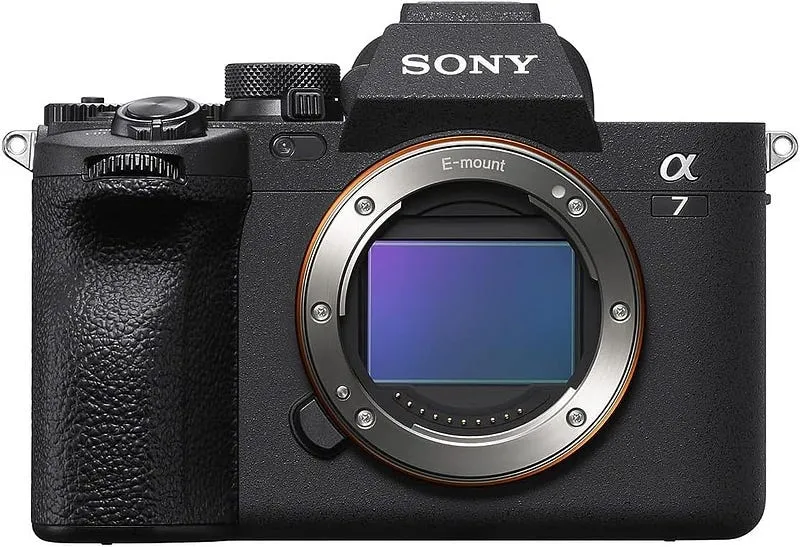
As a model photographer, I’ve always been on the lookout for a camera that can keep up with my creative vision and the dynamic nature of my shoots. When I finally got my hands on the Sony A7 IV, I was eager to see how it would enhance my work.
First Impressions
The moment I unboxed the Sony A7 IV, I was struck by its sleek design and solid build quality. Weighing around 1.5 lbs, it feels substantial without being cumbersome, making it comfortable to hold during long shooting sessions. The ergonomics are a significant improvement over its predecessor, with a grip that feels secure and natural in my hand. This is crucial for model photography, where stability and comfort can make all the difference.
Sony A7 IV — View on Amazon
Key Features That Captivated Me
The A7 IV is packed with features that cater specifically to photographers like me:
- 33-Megapixel Back-Illuminated Sensor: This sensor delivers stunning image quality, allowing for detailed portraits that capture every nuance of my models’ expressions and outfits.
- Advanced Autofocus System: The real-time eye autofocus (Eye AF) is a standout feature, tracking my subjects’ eyes with remarkable accuracy. This has been particularly beneficial during fast-paced shoots where models are in motion.
- Continuous Shooting Speed: With the ability to shoot at up to 10 frames per second, I can capture multiple expressions and poses in quick succession, ensuring I don’t miss any critical moments.
Real-World Application
During a recent outdoor fashion shoot, I put the A7 IV to the test. The weather was unpredictable, shifting from bright sunlight to overcast skies within minutes. The camera’s dynamic range allowed me to capture vibrant colors and details in both highlights and shadows without losing quality.
The Eye AF feature was particularly impressive; as my model moved around the frame, the camera maintained sharp focus on her eyes even when she turned slightly away from me. This capability relieved much of the stress associated with ensuring perfect focus during dynamic poses.
Low-Light Performance
One evening, I had the opportunity to shoot at a local event with challenging lighting conditions. The A7 IV’s performance in low light was outstanding. With an ISO range extending up to 204,800, I was able to capture clear images without excessive noise. This flexibility allowed me to shoot candid moments as they unfolded without relying heavily on flash.
Video Capabilities
While primarily focused on still photography, I decided to explore the video capabilities of the A7 IV during a behind-the-scenes segment of a photoshoot. The 4K video quality is exceptional; it captures details beautifully and offers impressive color depth thanks to its 10-bit recording options. The ability to utilize Eye AF in video mode further enhanced my experience, allowing me to create engaging content without worrying about focus issues.
Challenges Faced
Despite its many strengths, I encountered some challenges while using the A7 IV. Initially, navigating through its extensive menu system felt overwhelming due to its depth and complexity. However, after spending some time customizing settings and familiarizing myself with the layout, I found it became much more intuitive.
Additionally, while the autofocus system is generally reliable, there were instances where it struggled slightly in extremely low-light conditions or when dealing with intricate backgrounds. However, these situations were rare and did not detract significantly from my overall experience.
Conclusion
The Sony A7 IV has truly transformed my approach to model photography. Its combination of high resolution, exceptional autofocus capabilities, and robust low-light performance has allowed me to capture images that resonate with emotion and detail.
My journey with this camera has been rewarding; it has not only enhanced my technical skills but also inspired me to push my creative boundaries further than ever before. For anyone serious about model photography or looking for a versatile hybrid camera that excels in both stills and video, I highly recommend considering the Sony A7 IV — it has become an indispensable tool in my photographic arsenal.
Sony A7 IV — View on Amazon
4- Fujifilm X-H2
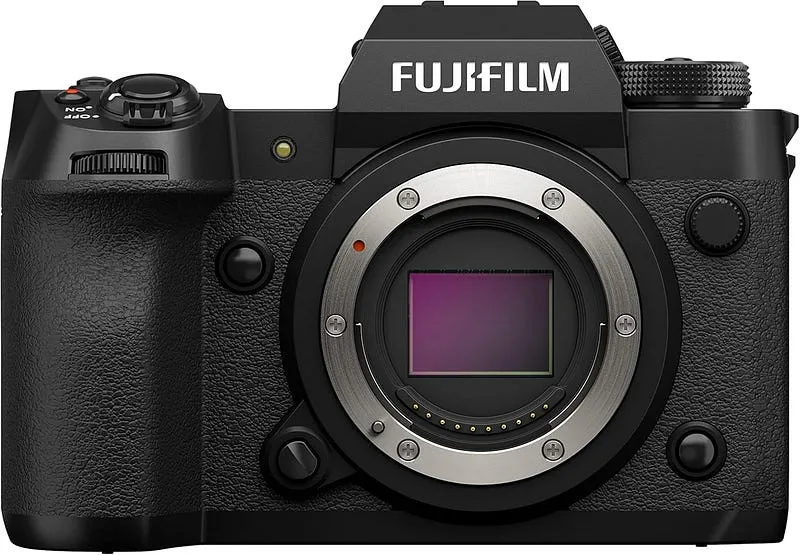
As a model photographer, I’m always searching for the perfect camera that can keep up with my creative vision and the fast-paced nature of my shoots. When I decided to invest in the Fujifilm X-H2, I was excited to explore its capabilities and see how it would enhance my photography.
First Impressions
The first time I held the Fujifilm X-H2, I was impressed by its ergonomic design. The grip felt comfortable, even during long shooting sessions, which is crucial when working with models who require multiple takes and poses.
The intuitive button layout allowed me to access essential controls quickly, such as shutter speed and ISO, without taking my eye off the viewfinder. The large 5.76-million-dot OLED electronic viewfinder provided a clear and vibrant view, making it easy to compose shots in various lighting conditions.
- Fujifilm X-H2 — View on Amazon
Key Features That Captivated Me
The Fujifilm X-H2 is packed with features that make it particularly well-suited for model photography:
- 40.2MP APS-C X-Trans CMOS 5 HR Sensor: This high-resolution sensor delivers stunning image quality, allowing for detailed portraits that capture every nuance of my models’ expressions and outfits.
- Advanced Autofocus System: The 425-point phase-detection autofocus system is quick and reliable, ensuring sharp focus on my subjects even during dynamic poses. The Eye AF feature has been especially beneficial in keeping my model’s eyes in focus, which is critical for portrait work.
- Continuous Shooting Speed: With the ability to shoot at up to 15 frames per second using the mechanical shutter and 20 fps with the electronic shutter, I could capture multiple expressions in quick succession, ensuring I didn’t miss any critical moments.
Real-World Application
During a recent outdoor fashion shoot, I put the X-H2 to the test. The weather was unpredictable, switching from bright sunlight to overcast skies within minutes. However, the camera’s dynamic range allowed me to capture vibrant colors and details in both highlights and shadows without losing quality.
The autofocus system proved its worth as my model moved around the frame. The Eye AF feature tracked her eyes flawlessly, allowing me to focus on composition rather than worrying about whether she was in focus. This capability significantly reduced my stress during fast-paced shoots.
Low-Light Performance
One memorable experience was shooting at a local event with challenging lighting conditions. The X-H2’s performance in low light was outstanding; I was able to maintain clarity at higher ISO settings without excessive noise. This flexibility allowed me to capture candid moments as they unfolded without relying heavily on flash.
Video Capabilities
While primarily focused on still photography, I decided to explore the video capabilities of the X-H2 during a behind-the-scenes segment of a photoshoot. The 8K video recording quality was exceptional; it captured details beautifully and offered impressive color depth thanks to its in-camera Film Simulations. This feature allowed me to create engaging content without worrying about post-processing.
Challenges Faced
Despite its many strengths, I encountered some challenges while using the X-H2. Initially, I found the camera’s menu system somewhat overwhelming due to its depth and complexity. However, after customizing settings and familiarizing myself with the layout, it became much more intuitive.
Additionally, while the autofocus system is generally reliable, there were instances where it struggled slightly in extremely low-light conditions or when dealing with intricate backgrounds. However, these situations were rare and did not detract significantly from my overall experience.
Conclusion
The Fujifilm X-H2 has profoundly impacted my approach to model photography. Its combination of high resolution, exceptional autofocus capabilities, and robust low-light performance has allowed me to capture images that resonate with emotion and detail.
My journey with this camera has been filled with learning opportunities and exciting moments behind the lens. For anyone serious about model photography or looking for a versatile hybrid camera that excels in both stills and video, I highly recommend considering the Fujifilm X-H2 — it has become an indispensable tool in my photographic arsenal.
5- Canon EOS R10
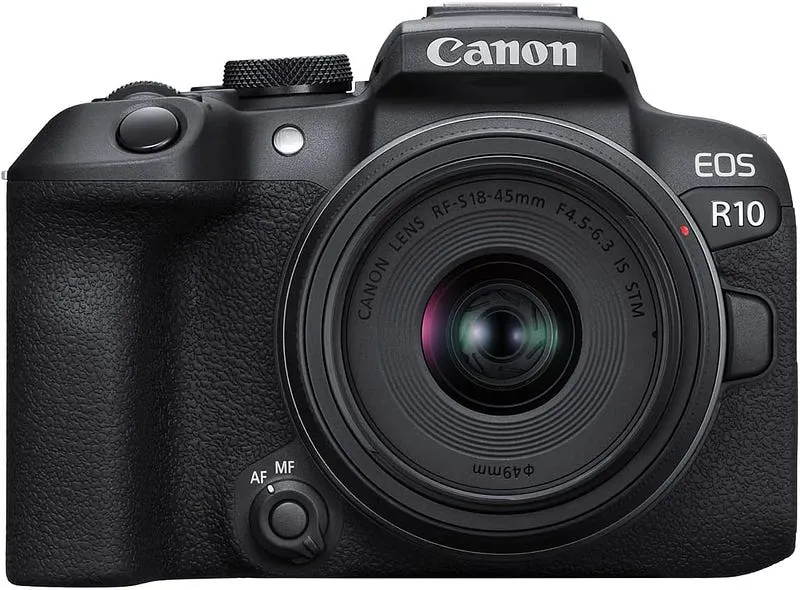
As a model photographer, I’ve always sought a camera that balances portability with professional-grade features. When I first got my hands on the Canon EOS R10, I was eager to see how this compact mirrorless camera would fit into my workflow.
First Impressions
Unboxing the Canon EOS R10 was an exciting moment. The camera is lightweight and compact, making it easy to carry around during long shoots. Weighing just about 1.5 lbs, it felt like a perfect travel companion. The design is sleek, and the controls are intuitively placed, allowing for quick adjustments without taking my eye off the viewfinder. The 2.36 million-dot electronic viewfinder (EVF) provides a clear and lifelike view of my subjects, which is essential for composing shots in various lighting conditions.
Canon EOS R10 — View on Amazon
Key Features That Captivated Me
The Canon EOS R10 is packed with features that make it particularly appealing for model photography:
- 24.2MP APS-C Sensor: This sensor delivers excellent image quality, capturing intricate details in my model’s expressions and outfits.
- Advanced Autofocus System: The Dual Pixel CMOS AF system boasts 4,500 selectable AF points, allowing for precise focus tracking. The Eye Detection AF feature has been invaluable, ensuring that my subjects’ eyes are always sharp, even during dynamic poses.
- High-Speed Continuous Shooting: With the ability to shoot at up to 15 frames per second using the mechanical shutter and 23 fps with the electronic shutter, I could capture multiple expressions and movements in quick succession.
Real-World Application
During a recent fashion shoot in an urban setting, I decided to put the R10 to the test. The fast-paced environment required me to be quick on my feet, and the camera’s autofocus system did not disappoint. As my model moved between poses, the Eye AF feature tracked her eyes flawlessly, allowing me to focus on composition rather than worrying about whether she was in focus.
One moment that stood out was when I captured a series of shots as she twirled in her dress. The high-speed continuous shooting capability allowed me to freeze those fleeting moments beautifully. Each image was sharp and vibrant, showcasing the details of her outfit against the city backdrop.
Low-Light Performance
I also had the opportunity to shoot at an evening event where lighting conditions were challenging. The R10 performed admirably; I found that I could maintain clarity at higher ISO settings without introducing excessive noise. This flexibility allowed me to capture candid moments without relying heavily on flash — an essential feature when trying to maintain a natural atmosphere during shoots.
Video Capabilities
While primarily focused on still photography, I decided to explore the video capabilities of the R10 during a behind-the-scenes segment of one of my shoots. The 4K video recording quality was impressive; it captured smooth footage with vibrant colors and excellent detail. The built-in vertical video support made it easy to create content tailored for social media platforms.
Challenges Faced
Despite its many strengths, I encountered some challenges while using the R10. Initially, navigating through its extensive menu system felt somewhat daunting due to its depth and complexity. However, after spending some time customizing settings and familiarizing myself with the layout, I found it became more intuitive.
Additionally, while the autofocus system is generally reliable, there were instances where it struggled slightly in very low-light conditions or when dealing with intricate backgrounds. However, these situations were infrequent and did not significantly detract from my overall experience.
Conclusion
The Canon EOS R10 has proven to be an invaluable tool in my model photography journey. Its combination of high resolution, exceptional autofocus capabilities, and robust performance in various lighting conditions has allowed me to capture images that resonate with emotion and detail.
My experience with this camera has been rewarding; it has not only enhanced my technical skills but also inspired me to push my creative boundaries further than ever before. For anyone looking for a compact yet powerful camera that excels in both stills and video, I highly recommend considering the Canon EOS R10 — it has become an essential part of my photographic arsenal.
Canon EOS R10 — View on Amazon
Conclusion
Choosing the right camera for model photography ultimately depends on your specific needs and budget. My journey through different cameras has taught me that investing in a good camera can significantly enhance your photography skills and output quality. Whether you opt for a high-end model like the Canon EOS R5 or a more budget-friendly option like the Canon EOS R10, each camera has its strengths that can help you capture stunning images of models.
Incorporating these tools into your photography arsenal will not only improve your technical skills but also allow you to express your artistic vision more effectively. Happy shooting!
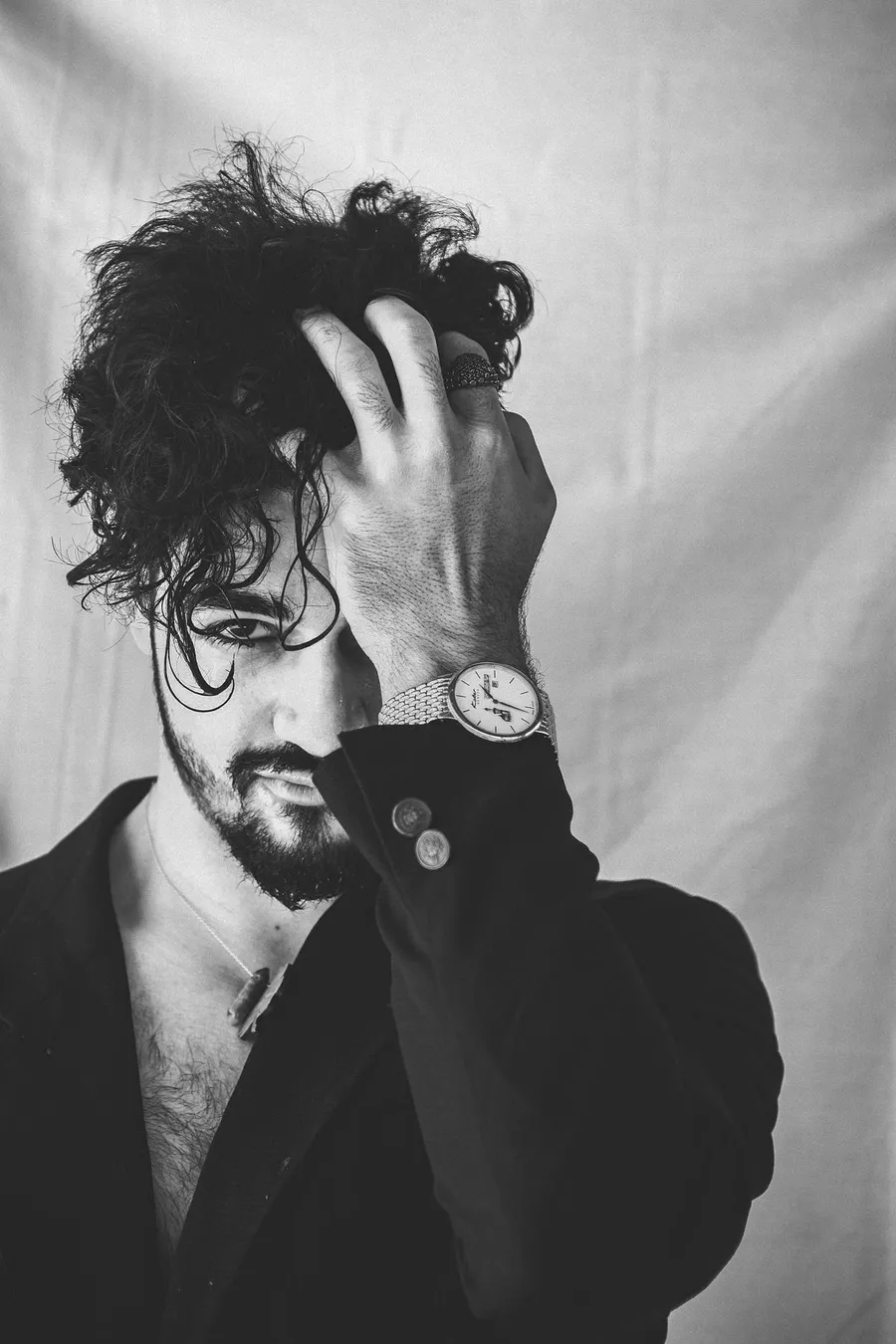
Photo by ALIREZA Pandkhahi on Unsplash
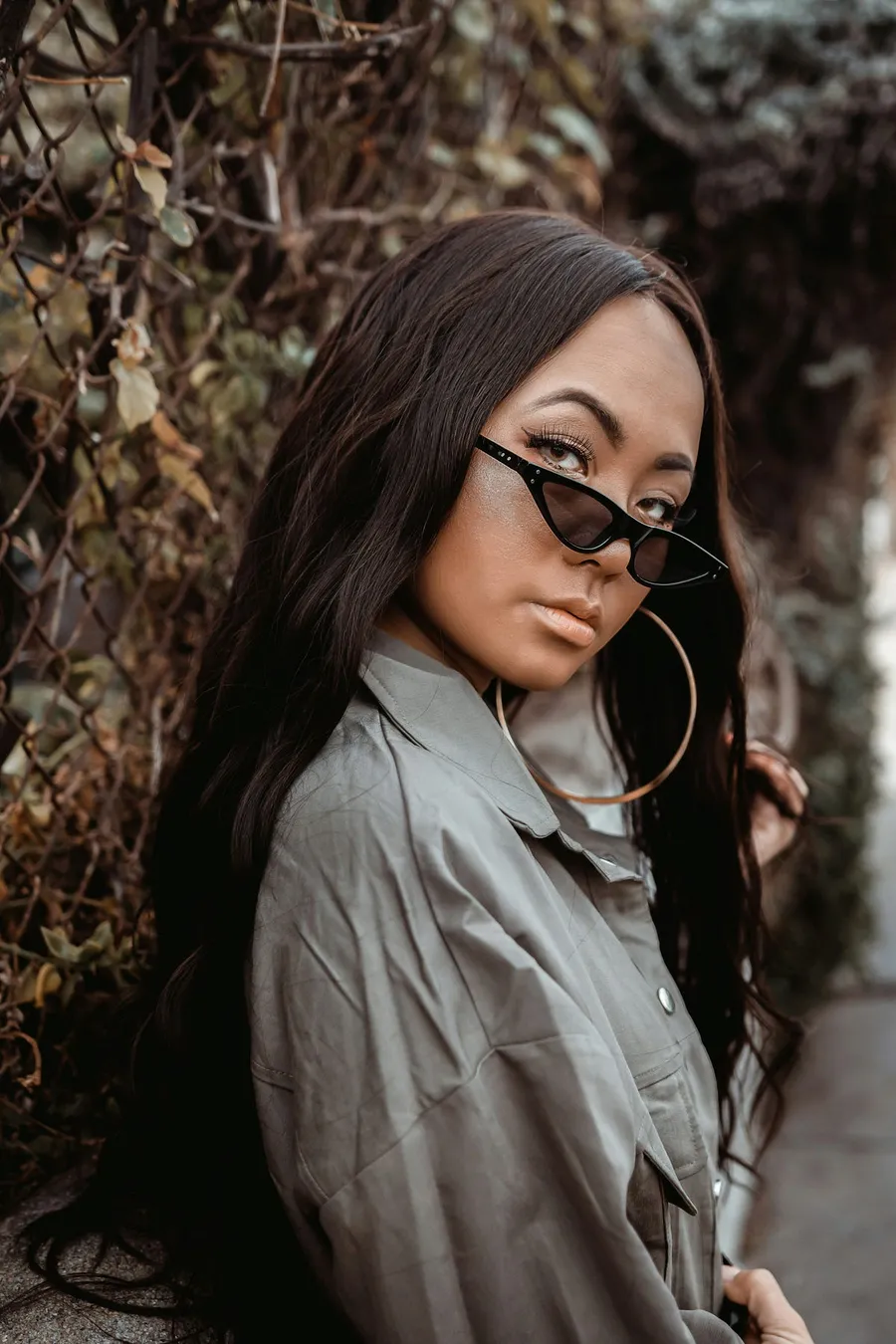
Photo by Corey Saldana on Unsplash
Written by
Marien CartelProfessional and Certified Digital Photographer born in the USA, with 22 years of experience in the field of photography.
Related Guides
Best Camera for Automotive Photography
What I Actually Reach For When I’m Shooting Cars. Here is how the Canon EOS R5, Sony a7 IV and Nikon Z6 III compare, and the one I keep going back to.
Best Cameras for Virtual Production
After I Wasted a Full Shoot Day Finding Out — why the Sony FX6 and Sony FX9 made the list, and who each one really suits.
Best DSLR Cameras for Beginners: (Guide & Reviews)
My Hands-On Experience with the Best Beginner-Friendly Cameras — why the Canon EOS Rebel T7 and Nikon D3500 made the list, and who each one really suits.